Featured Industrial & Laboratory Quartz Components
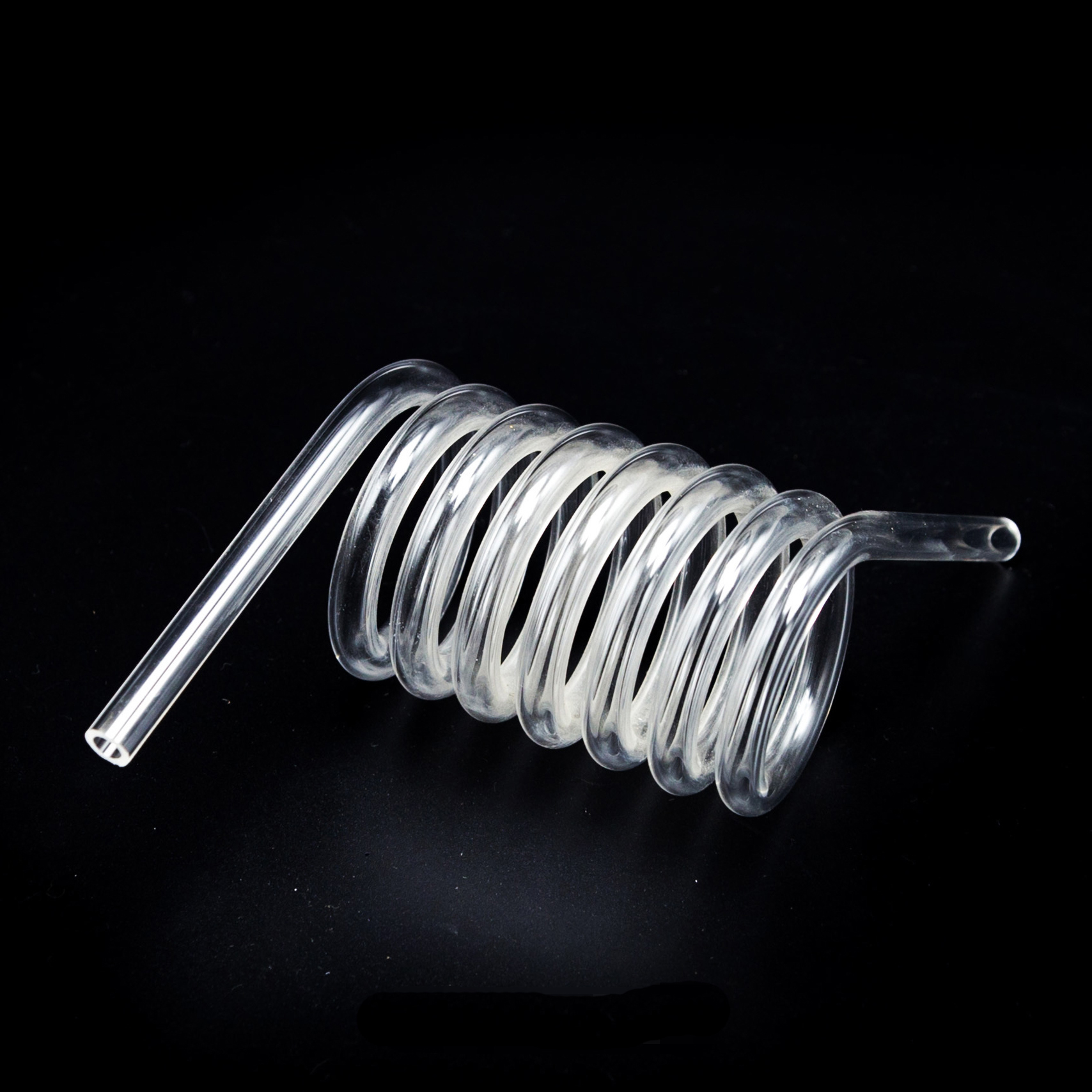
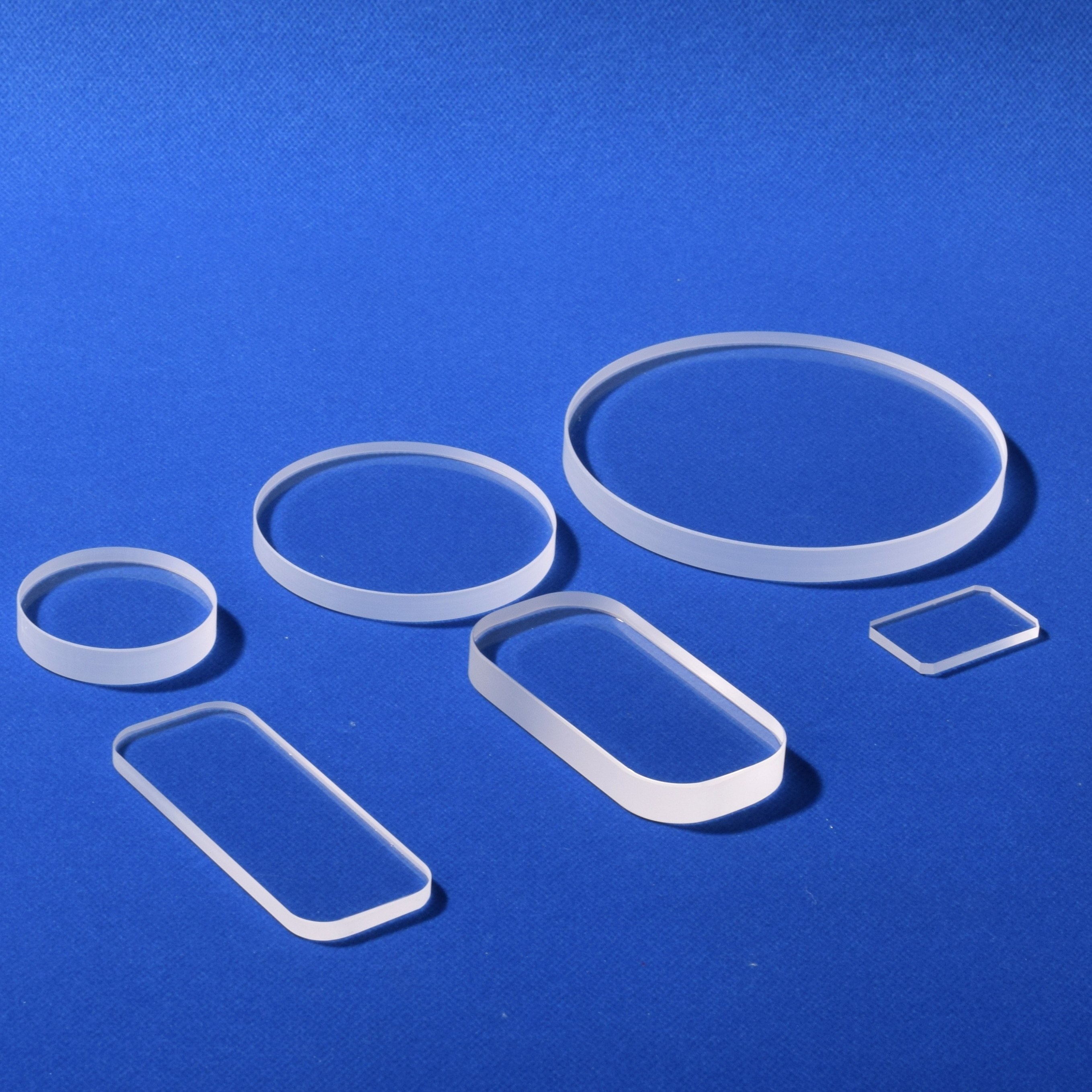
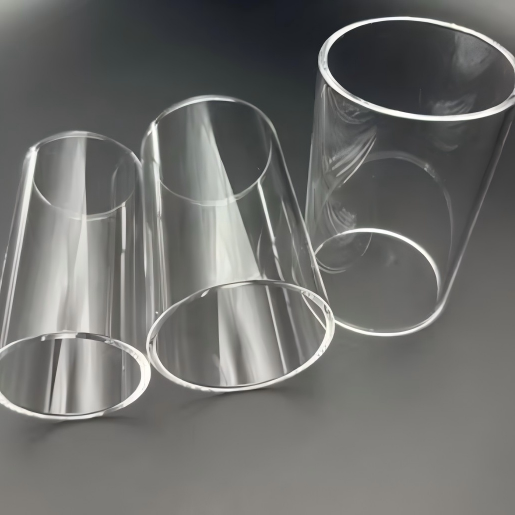
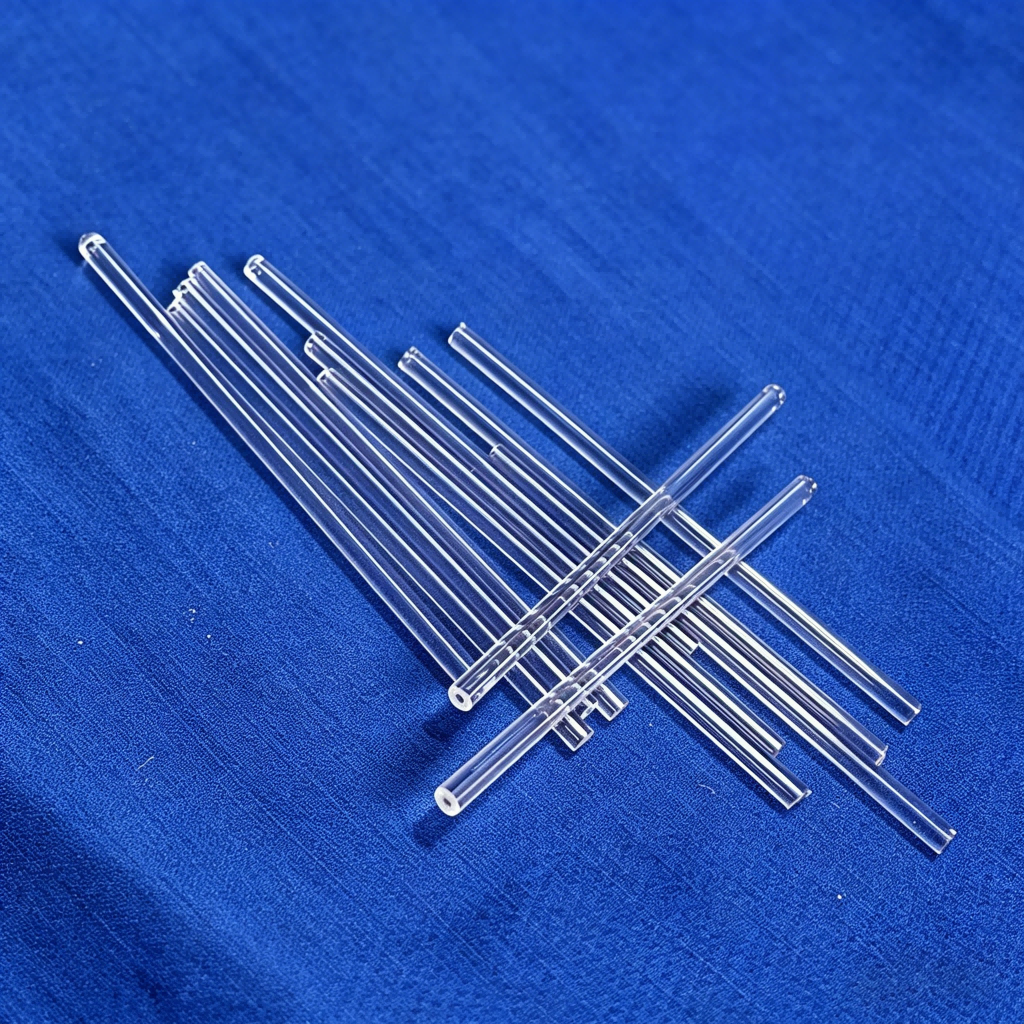
Engineered to support furnace assemblies, quartz crucible base apparatuses, reaction cells, and semiconductor-grade fluid distribution. Available with bespoke dimensional customization and drawing-based ODM from 1 piece.
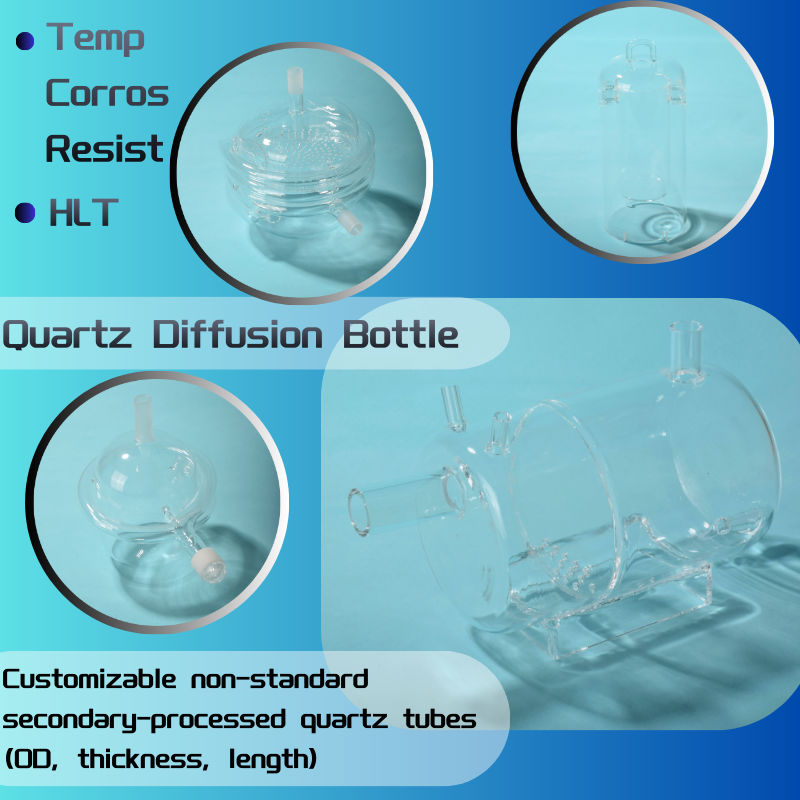
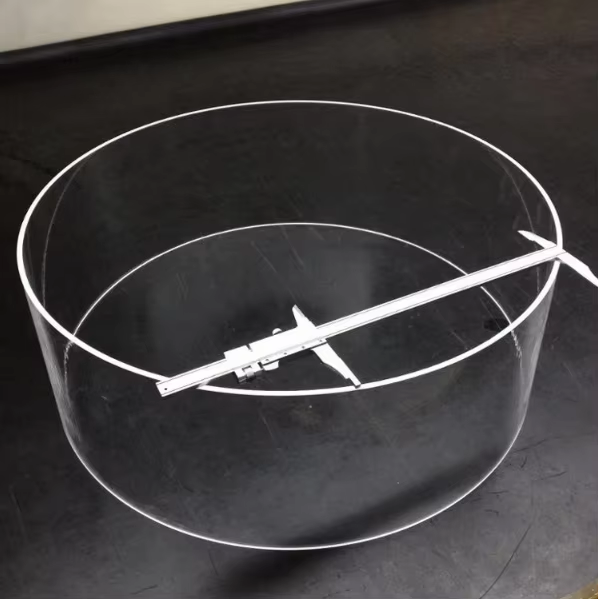
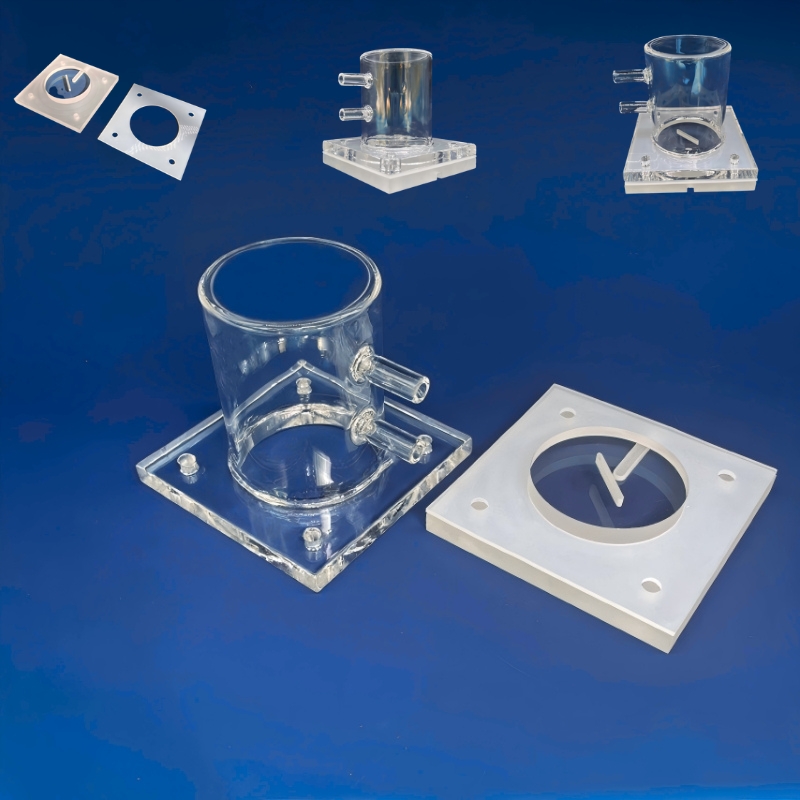
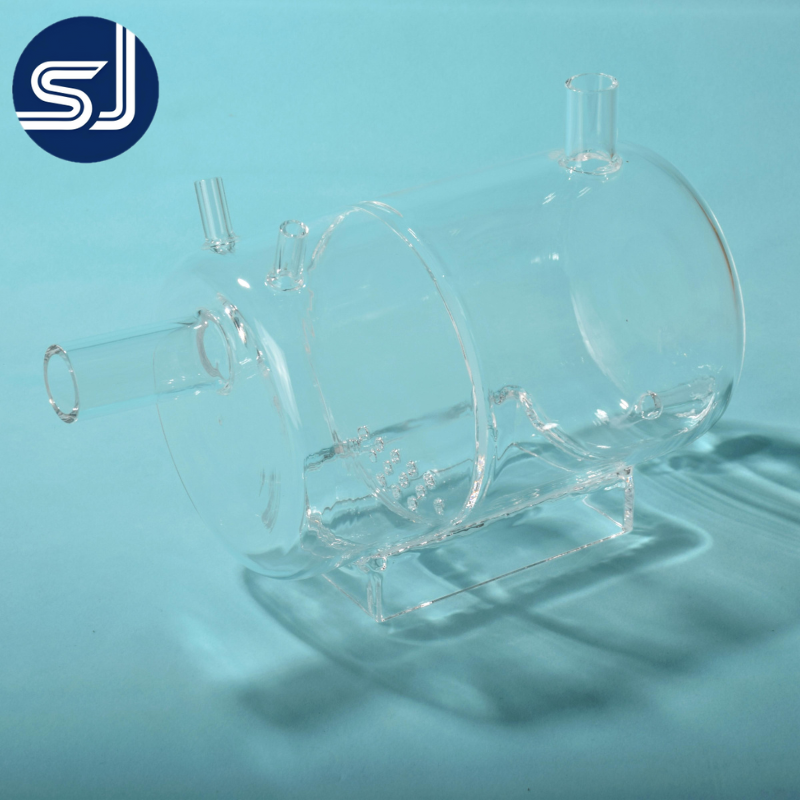
The Critical Role of Quartz Crucible Bases in High-Temperature Metallurgy
An authoritative whitepaper addressing the metallurgical, thermal, and chemical dependencies between quartz crucibles, graphite susceptors, and fused silica support pedestals.
In modern Czochralski (CZ) crystal pulling systems for semiconductor-grade silicon ingots and high-efficiency photovoltaic (PV) wafers, the quartz crucible and its structural base represent the single most sensitive thermal barrier between molten silicon at 1425°C and the external graphite furnace core. A quartz crucible base is not merely a passive structural cup; it serves as a dynamic thermal flux regulator, an electrical insulation boundary, and the primary safeguard against cataclysmic silicon melt-through.
During extended CZ pull runs exceeding 60 to 120 hours, the quartz crucible softens and exerts immense hydrostatic pressure upon the underlying graphite susceptor. Without an engineered quartz crucible base support pedestal with tailored thermal expansion matching (CTE of fused silica: 5.5 × 10⁻⁷ / K), localized thermal hot spots will trigger premature devitrification (cristobalite crystal growth), generating radial structural micro-fissures. When cristobalite patches peel away from the crucible base, microscopic silica particles enter the silicon melt convection currents, causing immediate loss of dislocation-free monocrystalline growth (structure loss) and degrading wafer yields across millions of solar cells or microprocessors.
Key Engineering Fact: Hydroxyl (OH⁻) Concentration & Sag Resistance
The structural rigidity of a quartz crucible base at 1350°C–1450°C is inversely proportional to its hydroxyl (OH⁻) concentration. Every additional 10 ppm of OH⁻ lowers the high-temperature viscosity of fused silica, increasing bottom sagging risk by up to 14%. Sourcing vacuum-degassed natural fused quartz with hydroxyl levels below 20 ppm is mandatory for continuous, multi-charge CZ ingot pulling.
Global semiconductor fabrication demands rigorous trace-metal tolerances. Alkali metals such as Sodium (Na), Potassium (K), and Lithium (Li) act as catastrophic network destabilizers that accelerate quartz crystallization. Transition metals like Iron (Fe), Nickel (Ni), and Copper (Cu) act as lifetime killers in silicon wafers, causing gate oxide breakdowns and micro-shunts. Consequently, Tier-1 crucible base manufacturers must operate precision cleanrooms, utilize ultra-pure natural pegmatite quartz or synthetic silicon tetrachloride (SiCl₄) precursors, and perform comprehensive multi-stage acid leaching.
Top 10 Quartz Crucible Base & Fused Silica Manufacturers
A comparative evaluation of the world's elite quartz manufacturers, benchmarking technological specializations, raw material mastery, and custom engineering agility.
Vulra Quartz (Lianyungang Vulra)
TÜV Rheinland verified manufacturer specializing in custom fused quartz tubes, high-purity crucible bowls, furnace boats, and precision quartz bases with drawing-based OEM/ODM from 1 PC.
Max OD: 800 mm | Lead: Rapid
Heraeus Quarzglas
Global technology conglomerate renowned for synthetic fused silica crucibles, opaque silica bases, and high-temperature crucibles used in 300mm semiconductor silicon pulling.
Focus: Semiconductor 300mm
Shin-Etsu Quartz Products
Pioneer in advanced semiconductor quartzware, offering proprietary synthetic-lined crucibles, heavy-wall quartz pedestals, and carrier components for sub-10nm chip manufacturing.
Focus: Advanced Foundry CZ
Momentive Technologies
Producer of high-temperature quartz tubing, crucible sand, and fused silica furnace hardware characterized by exceptionally high viscosity and thermal devitrification resistance.
Focus: High Viscosity Quartz
Tosoh Quartz Corporation
Specializes in precision CNC machining of large-diameter quartz flanges, furnace base plates, and crucible handling jigs for semiconductor etching and diffusion furnaces.
Focus: Sub-Micron CNC Machining
CoorsTek Inc.
Offers hybrid engineered refractory ceramics and slip-cast fused silica crucibles, refractory bottom plates, and thermal insulation bases for metallurgy and solar poly melt setups.
Focus: Foundry & Cast Silicon
Saint-Gobain Quartz
Manufacturers of high-strength fused quartz wool, felt, and cast fused silica crucible blocks optimized for thermal shock damping in severe metallurgical environments.
Focus: Extreme Thermal Cycling
Ferrotec Holdings
Provides turnkey crystal growing equipment, matching quartz crucibles, silicon-carbide-coated graphite susceptors, and precision-ground quartz base assemblies.
Focus: Integrated CZ Furnaces
QSIL SE
European specialist in single-step plasma fused quartz cylinders, opaque thermal rings, and heavy wall bottom bases used in CVD, epitaxy, and high-temp solar furnaces.
Focus: Plasma Fusion & Tubing
Pacific Quartz Co., Ltd.
Major domestic supplier of high-purity quartz sand and raw material ingots, providing the upstream chemical foundation for PV crucibles and semiconductor quartz components.
Focus: Upstream Refined Sand
Crucible Base Material & Manufacturing Specification Matrix
Direct comparative parameters demonstrating physical, chemical, and operational limits across grades.
| Evaluation Parameter | Standard PV Grade Crucible Base | Semiconductor Electronic Grade | Vulra Quartz Engineered Custom Grade |
|---|---|---|---|
| SiO₂ Chemical Purity | ≥ 99.99% (4N) | ≥ 99.999% (5N) – 99.9999% (6N) | ✓ 99.99% – 99.999% (Custom Leached) |
| Total Alkali Content (Na, K, Li) | < 1.5 ppm | < 0.2 ppm | ✓ < 0.4 ppm (Cleanroom Vacuum Degassed) |
| Hydroxyl [OH⁻] Concentration | < 30 ppm | < 5 ppm (Synthetic Inner Layer) | ✓ < 15 ppm (Flame Annealed) |
| Continuous Operating Temp. | 1050°C – 1100°C | 1150°C – 1200°C | ✓ 1100°C Continuous (1450°C Peak) |
| Softening Point Temperature | ~1650°C | ~1700°C | ✓ 1683°C (Verified Rigidity) |
| Inner Wall Bubble Diameter | < 0.3 mm (Class 2) | Zero Visible Bubbles (Class 0) | ✓ Class 1 to 0 (Polished & Flame Glazed) |
| Minimum Order Quantity (MOQ) | Batch Orders (10–50 pcs) | Rigid Production Batches | ✓ 1 Piece Prototype to Full Volume |
| Third-Party Verification | Self-Certified / Standard ISO | Semiconductor Quality Audit | ✓ TÜV Rheinland On-Site Assessed |
Future Procurement Trends in Quartz Crucible Bases (2025–2030)
How semiconductor fab expansions and N-type solar wafer breakthroughs are transforming quartz supply chains.
Shift to Ultra-Large Diameters (>36" to 42")
With N-type TOPCon and HJT solar cells adopting heavier silicon charges exceeding 600kg, buyers are rapidly transitioning from 28-32 inch crucibles to 36-40 inch platforms. Crucible base pedestals must resist immense compressive loads without bottom convexity deformation.
Synthetic-Lined Tri-Layer Crucibles
Crucible architectures now feature a synthetic inner layer (zero bubbles, <0.1 ppm impurities), a middle natural quartz structural matrix, and an opaque micro-bubble outer shell. Procuring bases that match this tri-layer thermal flux profile is essential to prevent thermal shear.
Direct Supply-Chain De-risking via Donghai Hub
Global geopolitical frictions and sand export tariffs have triggered international buyers to contract directly with vertically integrated Chinese manufacturers situated in the Donghai crystal cluster, cutting lead times by 40% while securing direct raw sand access.
Agile Drawing-to-Part Low MOQ Purchasing
Rather than locking capital in rigid standard catalogs, pilot wafer lines and R&D fabs now mandate drawing-based prototypes starting from 1 piece. Precision CNC grinding, ultrasonic drilling, and laser profiling allow fast iterative furnace optimization.
Technological & Material Development Trends
Key metallurgical and physical breakthroughs altering quartz component longevity under extreme thermal loads.
Doping & Devitrification Retardation
Engineered micro-doping of Aluminum (Al) and Titanium (Ti) ions into the outer quartz base structure is being developed to lock cristobalite grain boundaries. This controlled surface crystallization strengthens the crucible wall against high-temperature sagging during continuous poly recharges.
Plasma Arc Vitrification & Polishing
Modern fabrication employs multi-torch rotating arc chambers at temperatures above 2200°C. This eliminates surface micro-cavities and micro-bubbles in crucible bottoms, creating an ultra-smooth boundary that prevents initial nucleation of harmful silicon carbide or silicon nitride precipitates.
Ultra-Precision Cold Machining
High-speed 5-axis CNC diamond tools achieve tolerances of ±0.02mm on large-format quartz base rings, sight flanges, and furnace guide plugs. Stress-relieving annealing in computerized furnaces prevents hidden lattice strain from cracking the component upon first heating.
Why Partner with Vulra Quartz for Custom Quartz Bases & Fused Silica
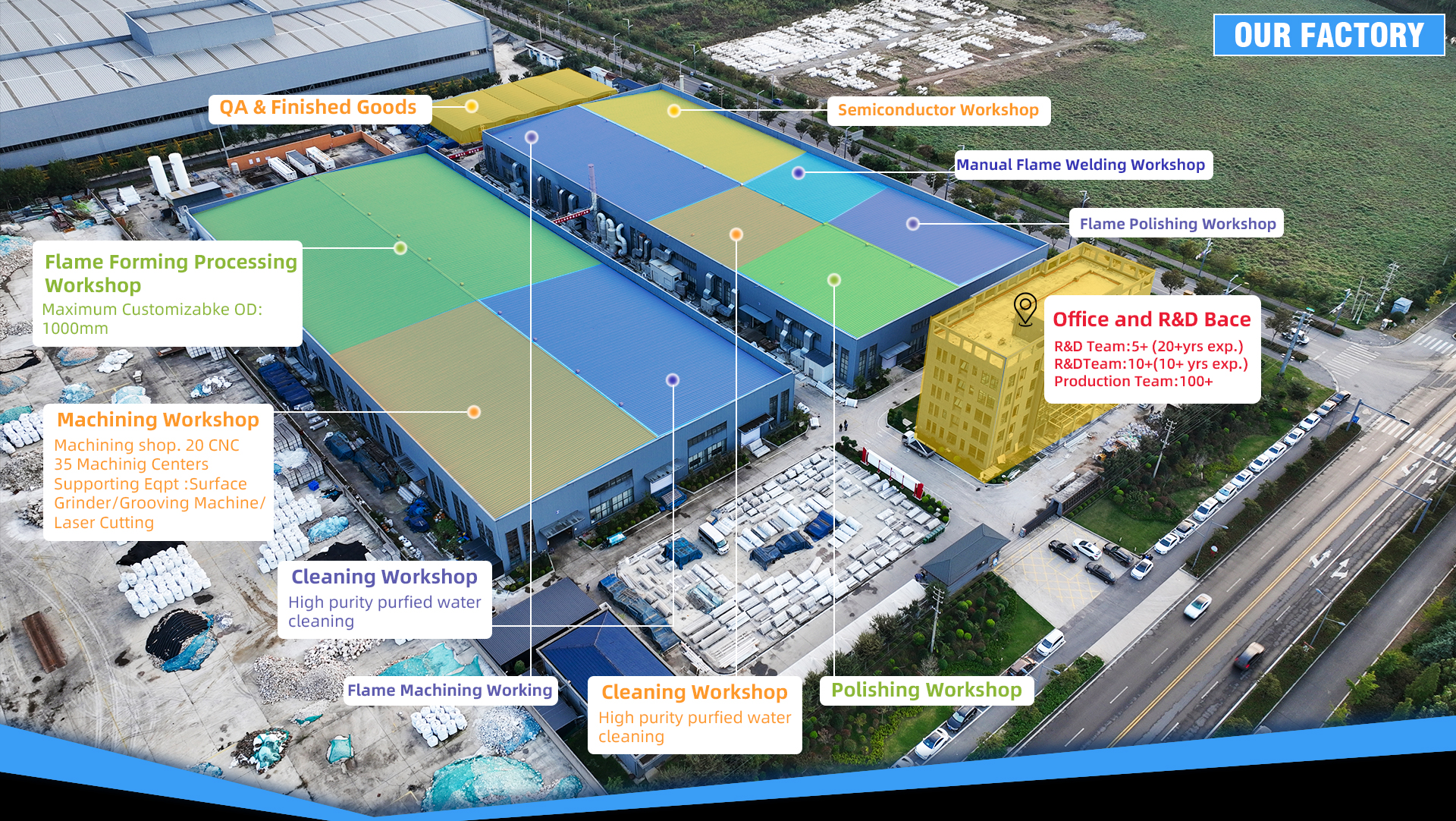
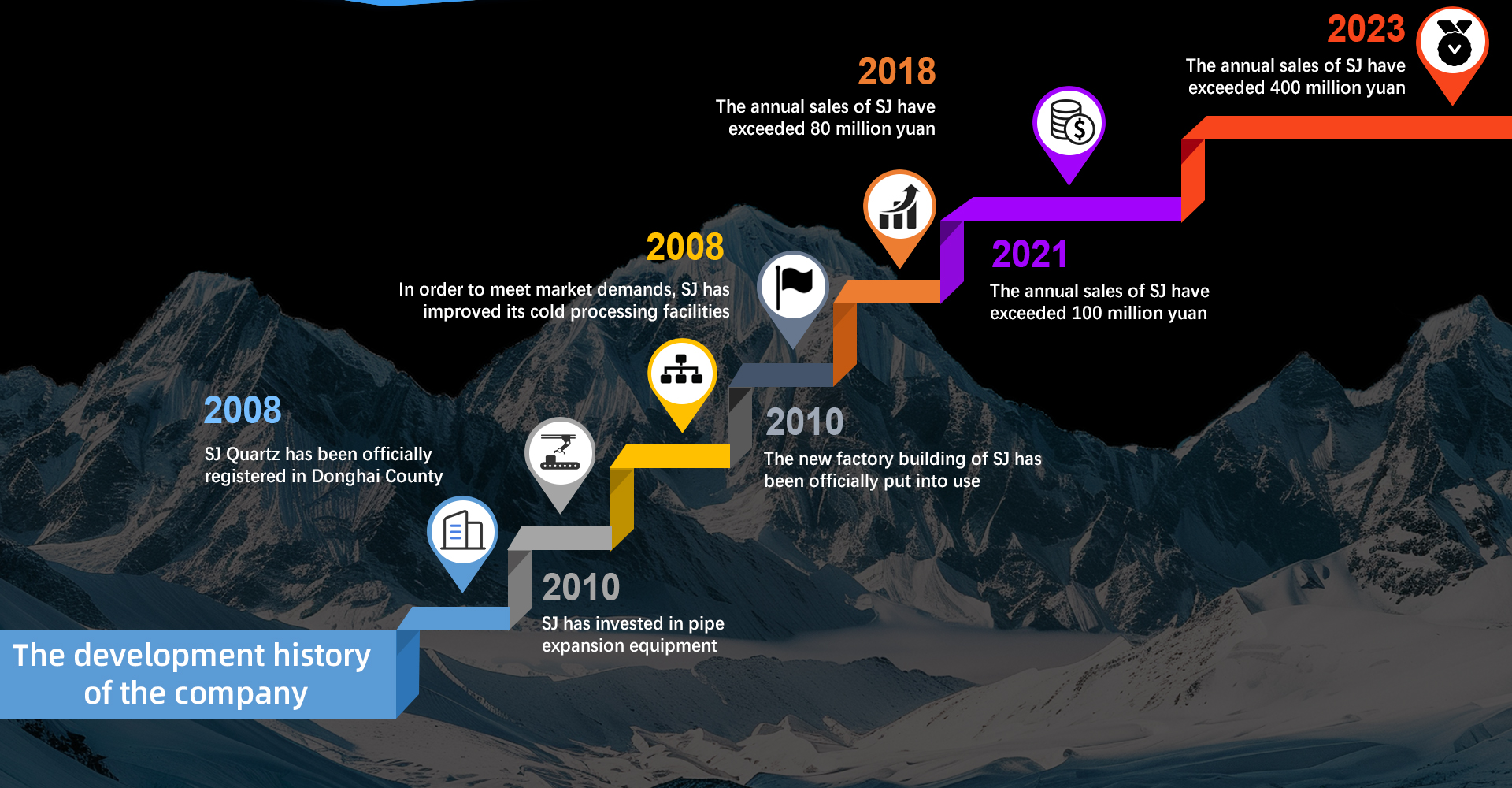
Headquartered at No. 9, Dingxin Road in the Jiangsu Donghai Economic Development Zone — the epicenter of the global crystal and quartz industry — Lianyungang Vulra Quartz Products Co., Ltd. blends geographic raw material dominance with rigorous international manufacturing credentials.
TÜV Rheinland Verified
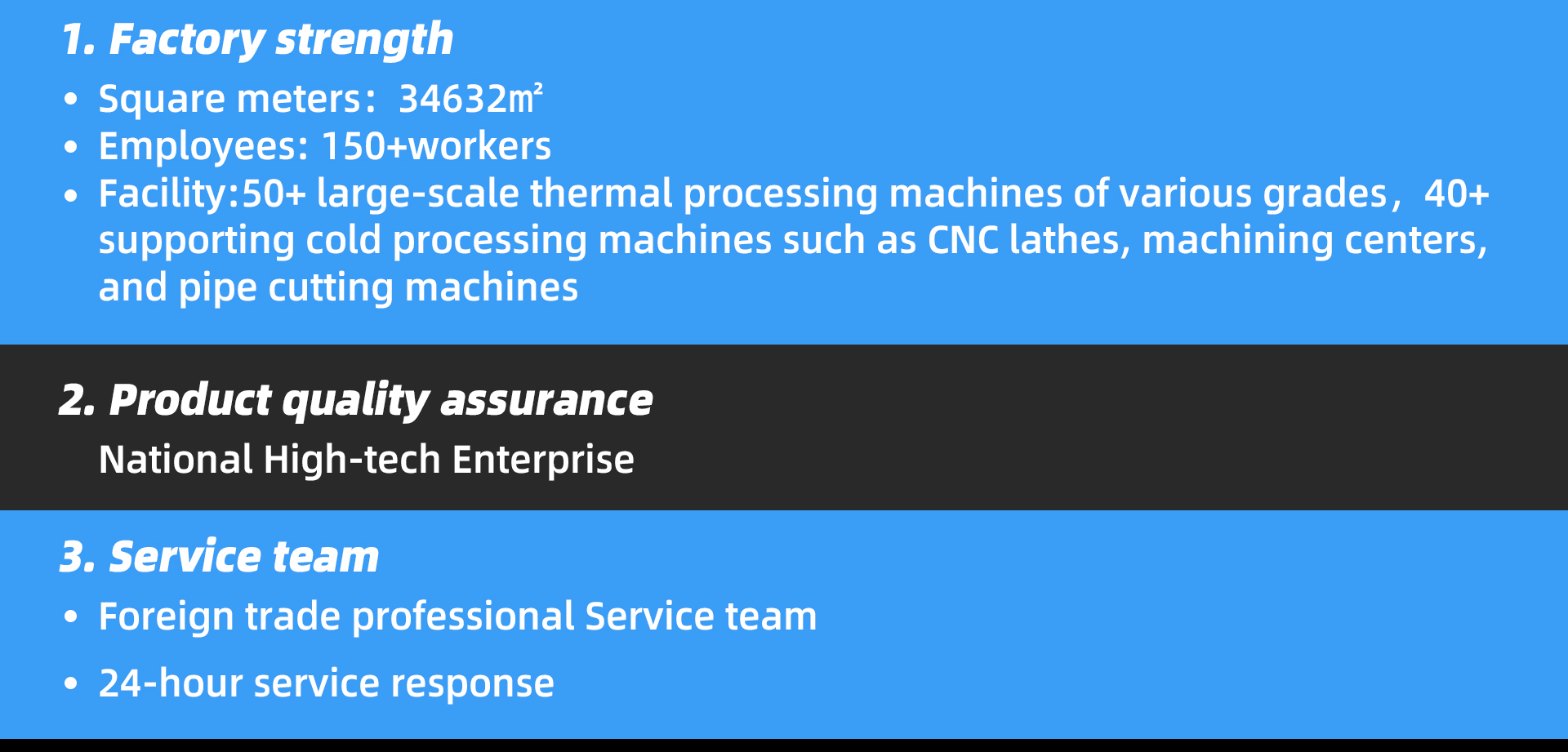
Independently audited on-site by TÜV Rheinland. Legal business operations, manufacturing facilities, and custom OEM/ODM production lines are fully certified for transparent global transactions.
Full In-House Processing
Integrated hot-flame glass lathes and cold diamond machining under one roof. Oxy-hydrogen welding, cutting, bending, high-temperature annealing, and acid leaching without third-party handling.
Drawing-to-Part Customization
Engineering teams review buyer 2D/3D CAD drawings for thermal stress and wall thickness ratios before cutting. Bespoke prototypes supported starting from just 1 piece.
Export-Certified Packaging
Fragile quartzware is packed with custom shock-absorbing foam, isolated inner sleeves, and reinforced international wooden crates compliant with air, ocean, and express door-to-door transit.
Frequently Asked Questions: Quartz Crucible Bases & Sourcing
Clear, practical answers from our technical director to help engineering and procurement teams evaluate specifications accurately.
Request an Engineering Feasibility Review & Quotation
Whether you require custom quartz crucible bases, large-diameter process tubes, or precision lab quartzware, our senior application engineers review your CAD drawings and deliver a competitive factory quotation within 24 hours.