Engineered Fused Quartz Products Showcase
Directly access our high-performance fused quartz tubes, analytical holders, and custom furnace boats engineered for extreme high-temperature applications.
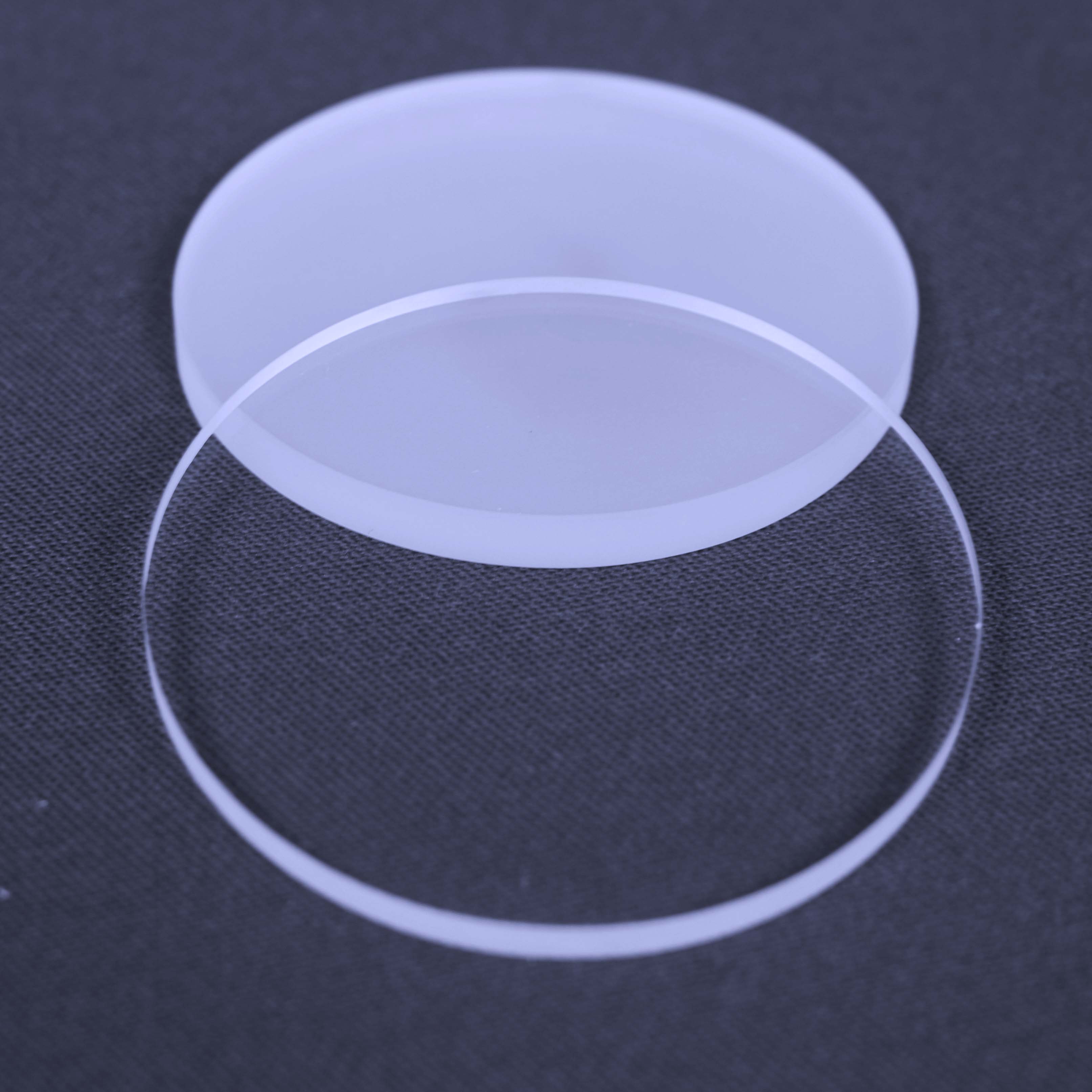
High Transmittance XRD Quartz Sample Holder Clear Circular Plate
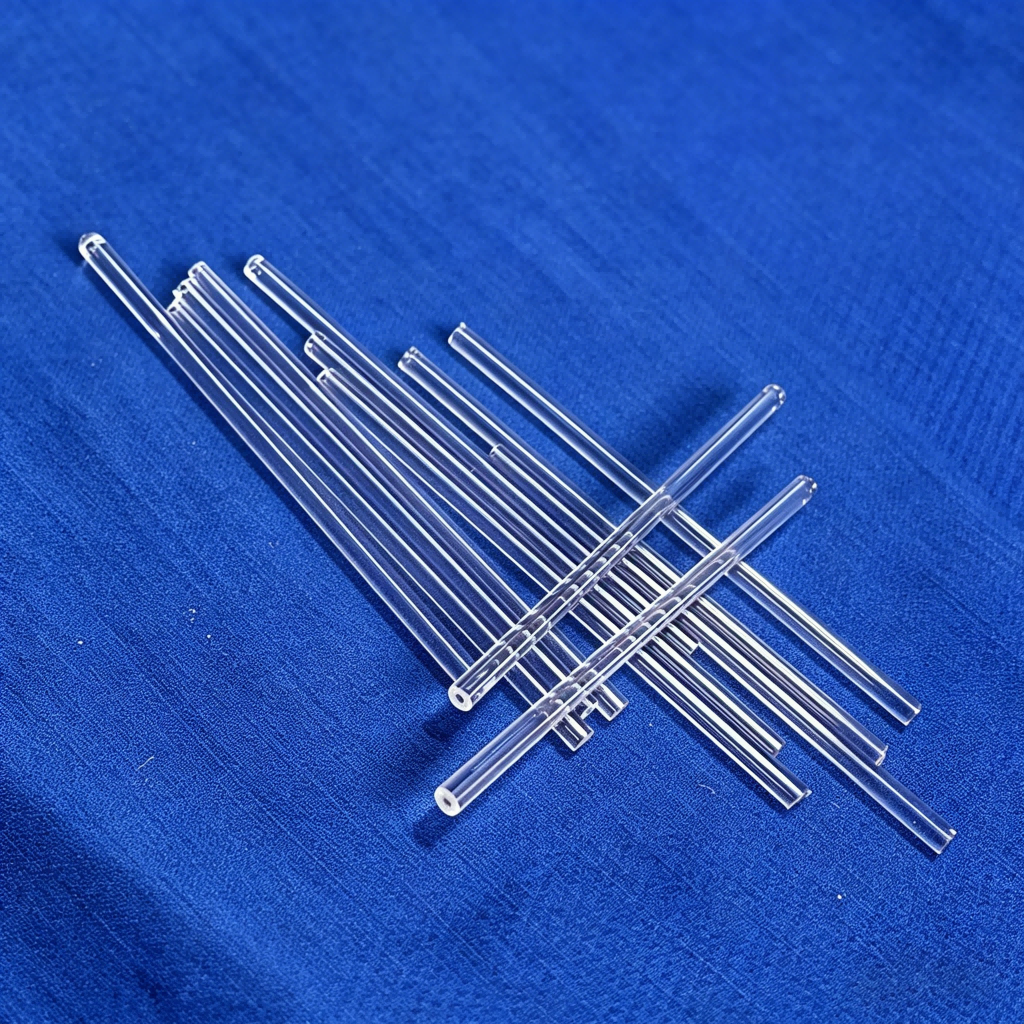
High Purity Opaque Micro Capillary Quartz Glass Exhaust Tube (2-10mm OD)
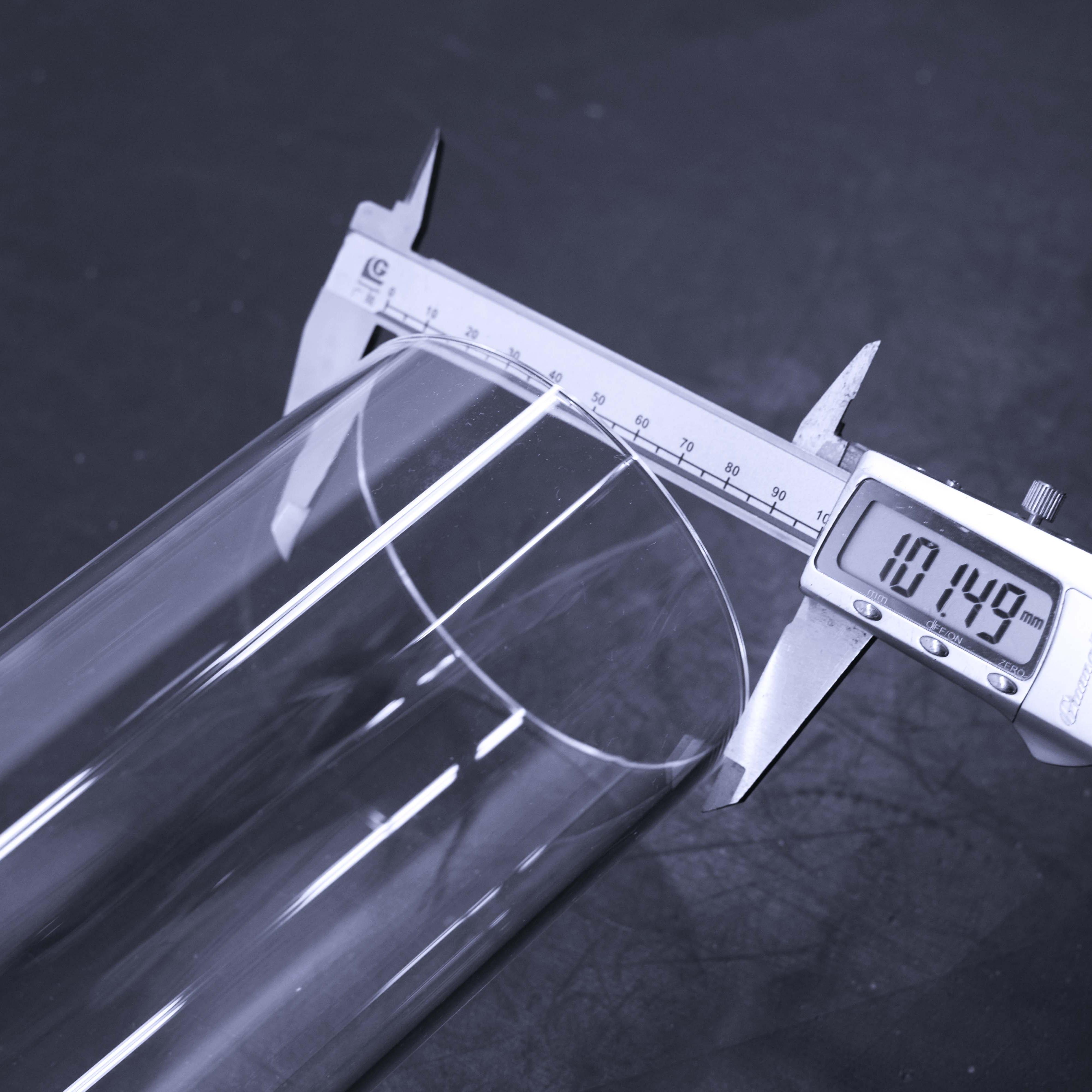
High Purity Transparent Polished Clear Quartz Glass Tube
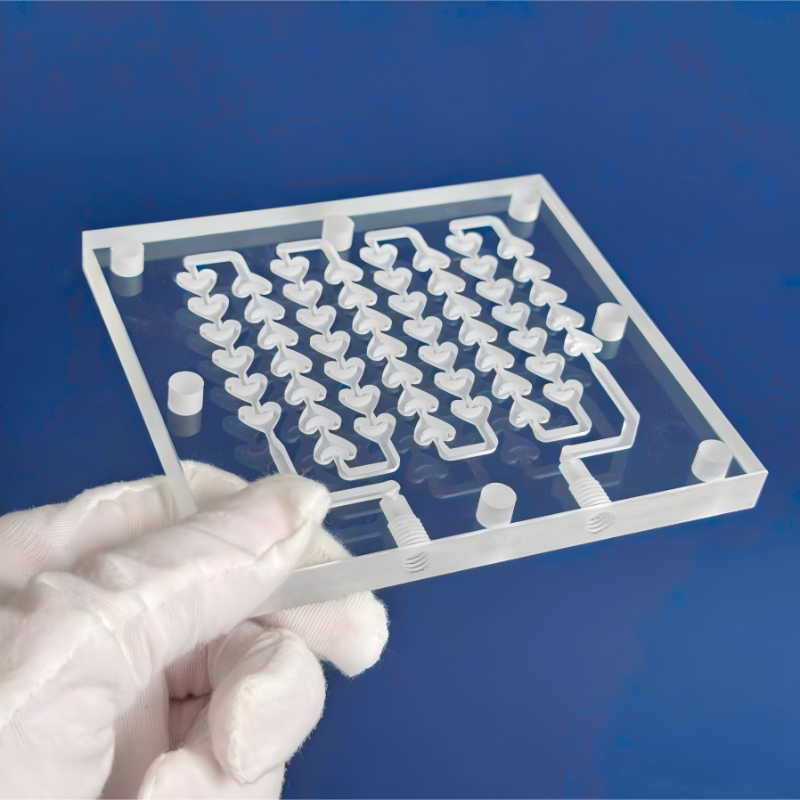
Customized High Thermal Conductance Quartz Glass Interlayer Chips
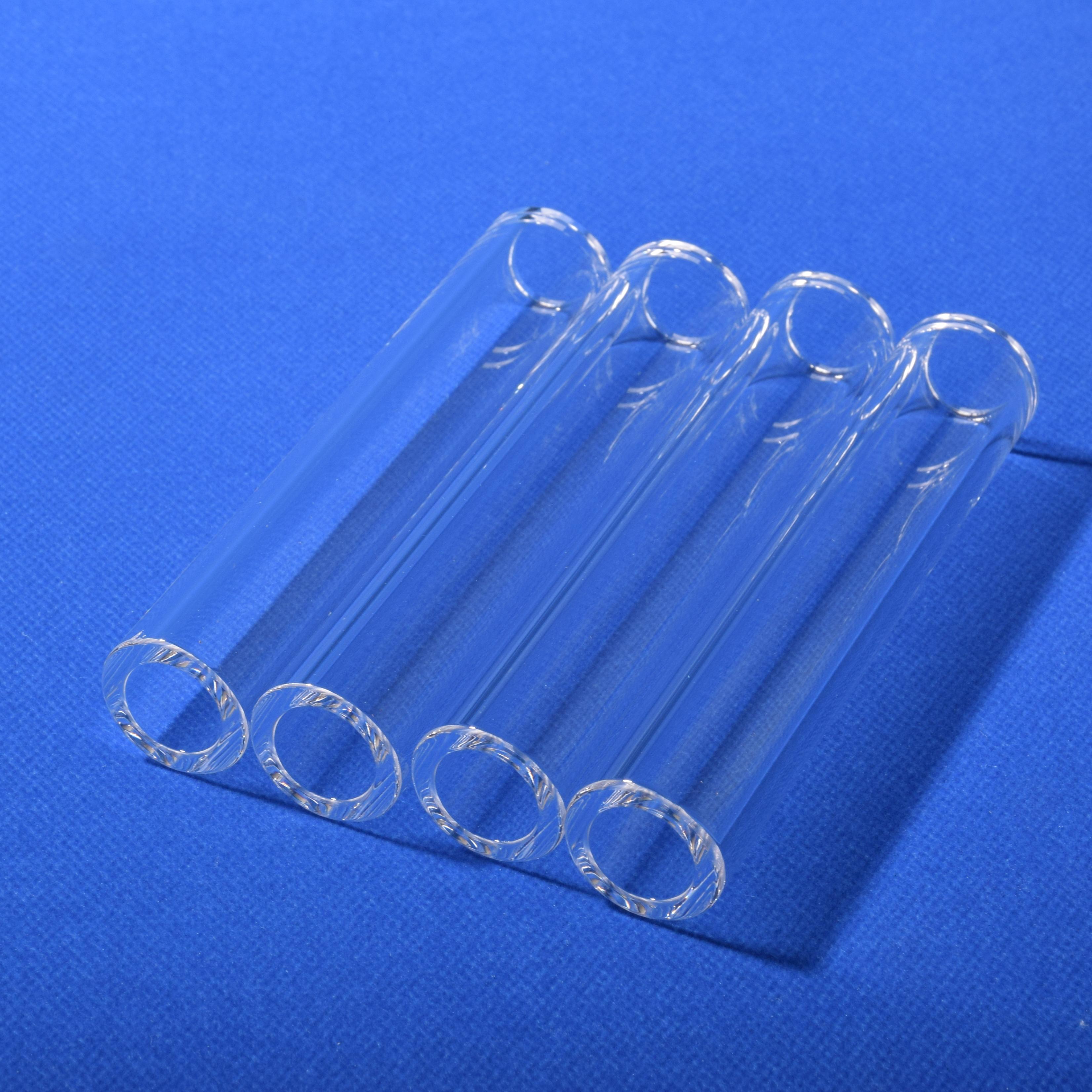
SJ-150 Translucent Oversized Thick Wall Polished Quartz Tube
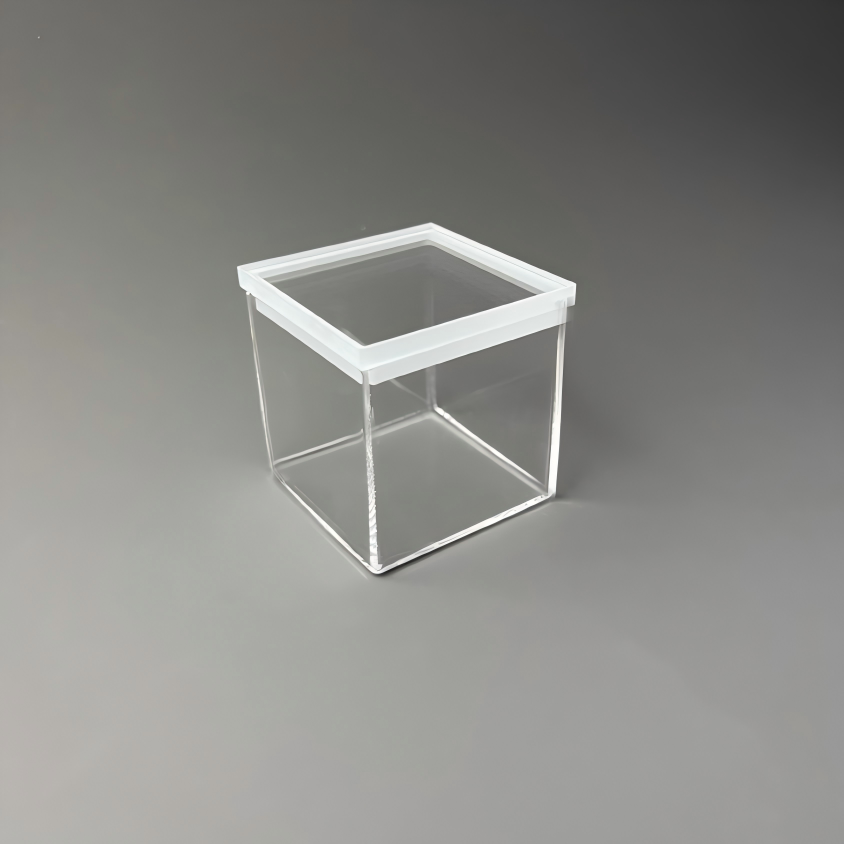
Quartz Glass Sealed Electrolytic Dome Cell for Photocatalysis
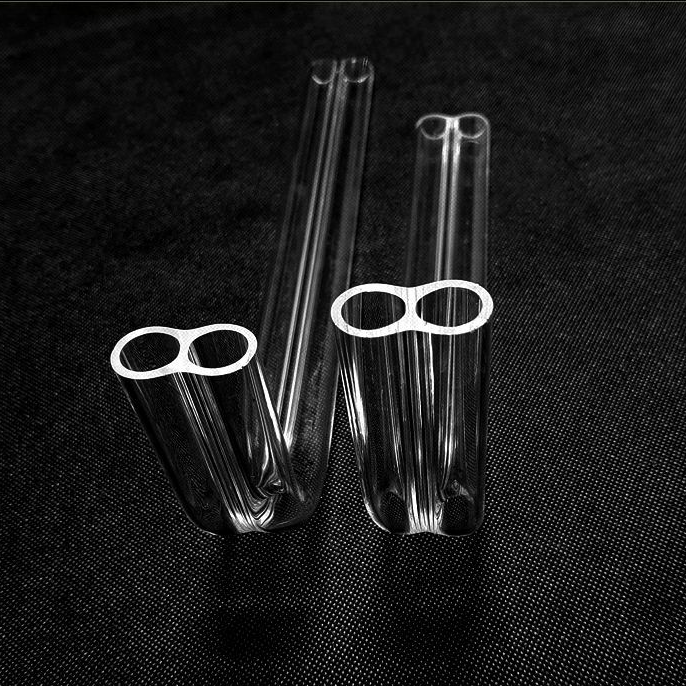
High-Temperature 99.999% Fused Quartz Double-Tube Elbow Bending
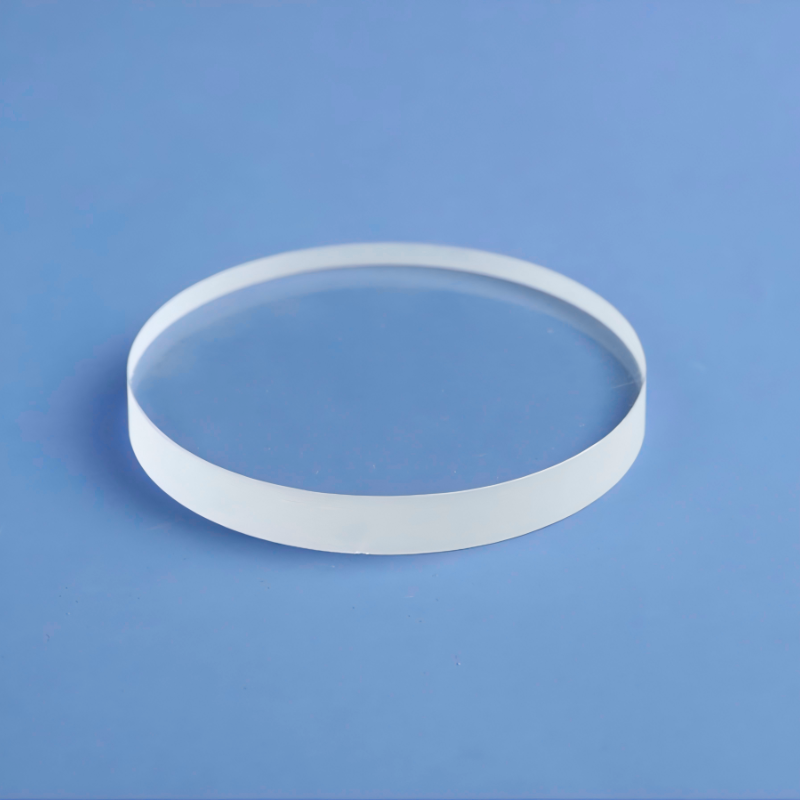
High Temperature Resistant Clear Fused Silica Quartz Glass Sheets
Industry White Paper: Technical Evolution of Quartz Combustion Boats
A comprehensive examination of high-purity fused silica chemistry, thermomechanical resilience, devitrification risks, and analytical applications in elemental combustion testing.
High-Purity Silicon Dioxide Dynamics
Quartz combustion boats are critical consumable vessels utilized in high-temperature elemental analysis (such as Carbon/Sulfur C/S analyzers, Nitrogen/Protein LECO equipment, and analytical tube furnaces). The baseline standard requires silicon dioxide ($\text{SiO}_2$) purity ranging from 99.99% to 99.999%. Eliminating metallic impurities like Alkali metals ($\text{Na}, \text{K}, \text{Li}$) is crucial because trace ions significantly accelerate surface devitrification at working temperatures above $1000^\circ\text{C}$.
Thermal Shock Resilience & CTE
Unlike ceramic alumina ($\text{Al}_2\text{O}_3$) or graphite carriers, fused quartz exhibits an extraordinarily low Coefficient of Thermal Expansion ($\approx 5.5 \times 10^{-7} /\text{K}$). This microscopic expansion rate empowers quartz combustion boats to survive instantaneous thermal shock—such as direct transfer from a $1200^\circ\text{C}$ furnace zone into ambient room temperatures—without cracking, micro-fracturing, or compromising structural integrity.
Devitrification & Hydroxyl Control
At continuous operation above $1150^\circ\text{C}$, vitreous quartz begins converting from an amorphous glass matrix into crystalline $\beta$-cristobalite. Controlled hydroxyl ($\text{OH}^-$) content (typically strictly managed under $30\text{ ppm}$ for high-temp series) significantly lowers structural sagging, prevents premature clouding, and prolongs the operational lifespan of the combustion boat during repeated analysis cycles.
Comparative Technical Matrix: Fused Quartz vs. Alternative Sample Carriers
| Material Type | Max Continuous Temp | Thermal Shock Resistance | Chemical Inertness (Acid) | Trace Metallic Contamination | Typical B2B Application |
|---|---|---|---|---|---|
| High-Purity Fused Quartz | 1150°C – 1250°C | Exceptional (High) | Excellent (Except HF) | Ultra-Low (<10-30 PPM) | C/S Combustion, Micro-Analysis, XRD |
| Sintered Alumina ($\text{Al}_2\text{O}_3$) | 1600°C – 1700°C | Moderate / Poor | Good | Moderate ($\text{Al}$ leaching risk) | Heavy Metallurgy Slag Melting |
| High-Density Graphite | 2000°C (Inert Gas) | Moderate | Poor in Oxidizing Ambients | High Carbon Background | Vacuum Induction, Non-Oxygen Sintering |
| Platinum (Pt) Foil / Boats | 1400°C | High | Outstanding | Ultra-Low (High Cost) | Noble Metal Micro-Trace Analysis |
Top 10 Quartz Combustion Boat Manufacturers & Suppliers
A rigorous evaluation of leading global quartzware fabricators, specialized OEM foundries, and raw silica material suppliers servicing high-tech industries.
Lianyungang Vulra Quartz Products Co., Ltd. (China)
Situated directly in Donghai County—the world-renowned crystal capital and raw quartz sand processing hub—Vulra Quartz stands out as a TÜV Rheinland-verified custom manufacturer. Specializing in $99.999\%$ high-purity fused silica, Vulra Quartz provides drawing-based OEM/ODM manufacturing from a single-piece prototype to high-volume production. Their proprietary hot-flame welding and CNC glass milling ensure tight tolerance control ($\pm 0.05\text{ mm}$) for quartz combustion boats, capillary tubes, sealed photoelectrochemical cells, and tube-furnace vessels.
Heraeus Conal Quartzglass (Germany)
A global titan in material science, Heraeus supplies premium natural fused quartz and synthetic fused silica (HSQ series). Known for setting world standards in optical clarity and low hydroxyl content, Heraeus quartz boats are heavily specified across high-end semiconductor wafer processing and precision combustion instruments.
Tosoh Quartz Corporation (Japan)
Tosoh Quartz is synonymous with semiconductor-grade quartz fabrication. Utilizing specialized electric-arc and gas-fusion technology, their custom silica vessels and carrier boats are widely integrated into automated diffusion furnaces, plasma etching systems, and analytical chemical testing labs across Asia and North America.
Saint-Gobain Quartz Products (France)
Saint-Gobain excels in high-performance fused silica formulations tailored for severe thermal stress and chemical environments. Their proprietary Quartzel® fibers and fused quartz vessels serve aerospace, defense, and analytical laboratory markets where zero-defect thermal shock resilience is mandatory.
Momentive Performance Materials (USA)
Formerly GE Quartz, Momentive is a primary producer of high-purity fused quartz tubing, rod, and crucibles. Their clear quartz materials exhibit extremely low bubble ratios and superior resistance to devitrification, making their raw materials a preferred choice for global combustion boat fabricators.
The Quartz Corp (USA / Norway)
A leader in high-purity quartz sand extraction from Spruce Pine, North Carolina, The Quartz Corp supplies the critical raw material base powering top-tier optical and combustion quartz manufacturers globally. Their ultra-pure sands ensure minimal trace metal interference during high-temp sample incineration.
Techni-Glass Inc. (USA)
Techni-Glass specializes in custom precision glass blowing, CNC machining, and thermal fabrication of labware. They offer quick-turn fabrication of customized quartz combustion boats, furnace liners, and specialized glass assemblies for North American analytical research institutions.
CoorsTek (USA)
While world-famous for technical ceramics, CoorsTek’s specialized glass and quartz division engineers heavy-duty silica crucibles and boat carriers designed for extreme industrial processing, metallurgical analysis, and chemical vapor deposition (CVD) equipment.
Friedrich & Dimmock, Inc. (USA)
A major regional manufacturer and distributor of custom precision quartz tubing, rods, and micro-capillaries. Friedrich & Dimmock provides specialized cold-grinding, edge-polishing, and prototype vessel shaping for environmental testing labs and combustion equipment OEMs.
Beijing Pacific Quartz Co., Ltd. / Quartz Corp China
As one of China’s largest domestic quartz materials suppliers, Pacific Quartz produces large-diameter fused silica tubes, heavy-wall processing blocks, and high-purity clear boats catering to regional photovoltaic wafer processing and large-scale industrial laboratory suppliers.
Global Procurement & Product Future Development Trends
Strategic insights into the shifts reshaping fused quartz manufacturing, automated laboratory testing, and international B2B sourcing strategies over the next decade.
1. High-Throughput Robotic Automation
Modern analytical laboratories are transitioning toward fully automated, 24/7 robotic sample loaders. Future quartz combustion boats require ultra-precise dimensional tolerances ($\pm 0.02\text{ mm}$), uniform flat bottoms, and specialized handling notches or magnetic-pickup metallic pins to prevent mechanical jam-ups during robotic arm transfer inside furnace tubes.
2. Ultra-Low Hydroxyl (<5 PPM) Specs
To combat devitrification during high-frequency combustion cycling, buyers are demanding dry-fused silica vessels with hydroxyl ($\text{OH}^-$) concentration kept strictly below $5\text{ ppm}$. Electrically fused quartz boats treated with helium/vacuum annealing exhibit up to $40\%$ longer operational service life at peak temperatures ($1250^\circ\text{C}$).
3. Direct OEM CAD/3D Rapid Sampling
B2B procurement cycles are compressing. Research engineers are bypassing standard stock catalogs in favor of custom CAD model submissions (STEP/IGES/DWG). Manufacturers offering 1-piece prototype production and 3-day engineering reviews—such as Vulra Quartz—are winning primary supply contracts over rigid distributor channels.
Frequently Asked Questions (Procurement & Engineering)
Essential technical and supply chain answers provided by senior silica glass engineers for global buyers and analytical equipment manufacturers.
What is the maximum continuous working temperature for a fused quartz combustion boat?
Standard high-purity fused quartz combustion boats operate continuously at temperatures up to 1150°C (2102°F), with short-term excursion peak capacity up to 1300°C - 1400°C. Softening occurs near 1683°C. For continuous operations exceeding 1200°C under heavy mechanical load, synthetic silica or reinforced thick-wall geometries are strongly recommended to mitigate structural sagging and thermal creep.
How do I prevent devitrification (surface clouding/crystallization) during high-temp runs?
Devitrification occurs when vitreous silica converts into crystalline cristobalite, usually triggered by trace contamination (alkali ions like Sodium, Potassium, Lithium, or dust) combined with heat ($>1000^\circ\text{C}$). To prevent this: 1) Always handle boats with clean, lint-free gloves; 2) Clean vessels in a dilute acid bath ($5-10\%\text{ HF}$ or $\text{HNO}_3$) followed by Deionized (DI) water rinse prior to first firing; 3) Store vessels in airtight, desiccated environments.
What is the difference between transparent fused quartz and translucent/opaque quartz vessels?
Transparent fused quartz is produced by melting high-purity natural quartz crystals or synthetic chemical precursors, resulting in crystal-clear visual optical clarity with minimal bubble inclusions. Translucent/opaque quartz contains micro-air bubbles trapped during electric fusion; it offers superior thermal insulation, slightly higher resistance to thermal radiation, and a lower unit cost for structural furnace liners, heat shields, and heavy-duty combustion trays.
Can you manufacture custom-dimension combustion boats according to CAD drawings?
Yes. As a direct custom manufacturer, Lianyungang Vulra Quartz Products Co., Ltd. accepts 2D/3D technical drawings (PDF, STEP, DWG, IGES). Our master glassblowers and CNC grinding centers can execute intricate custom features including slotted handles, perforated bottoms, partition walls, micro-capillary ports, and specialized ground joints starting from a Minimum Order Quantity (MOQ) of just 1 piece.
How does Vulra Quartz ensure export packaging safety for fragile silica glass items?
Exported quartz items undergo strict 5-layer protective packaging: 1) Acid cleaning & cleanroom sealing in PE plastic bags; 2) Individual custom-cut high-density EPE foam cradles; 3) Heavy-duty corrugated double-wall inner cartons; 4) Fumigated wooden export crates reinforced with corner corner-guards for air/sea freight. We maintain a zero-breakage guarantee during international courier transit.
Enterprise Strengths & Primary Supply Chain Advantages
Why leading global laboratories, instrument makers, and semiconductor distributors partner with Lianyungang Vulra Quartz Products Co., Ltd.
Need Custom Quartz Combustion Vessels or Technical Advice?
Submit your CAD drawings or material specifications today. Our senior silica engineering team will review your thermal constraints, purity requirements, and tolerances to provide an instant quotation within 24 hours.
Get a Quote