Featured Large & Engineered Fused Quartz Products
Direct from our certified high-temperature glassblowing and diamond cold-machining facilities, these core components represent rigorous thermal performance, 99.999% chemical purity, and micron-level dimensional tolerances.
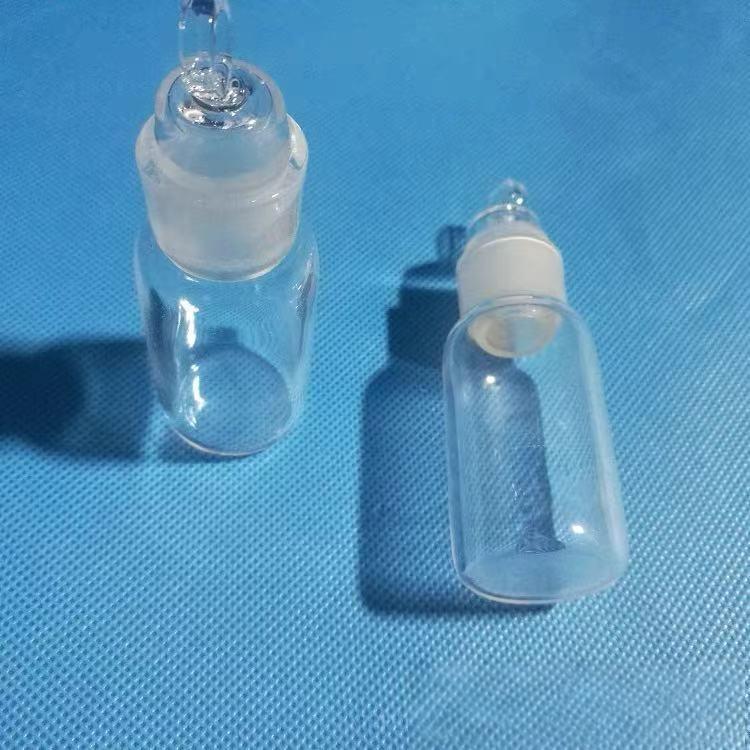
Semiconductor 400 Mesh Laboratory Quartz
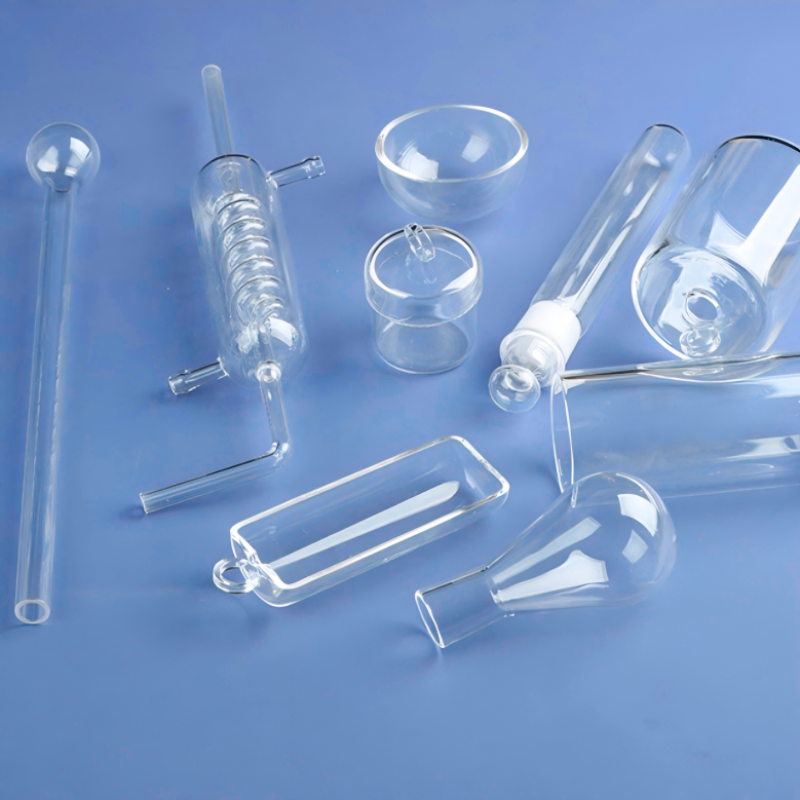
Plugging Rod & Heating Test Tube Boat
Translucent Natural Fused Quartz Arc-Welding
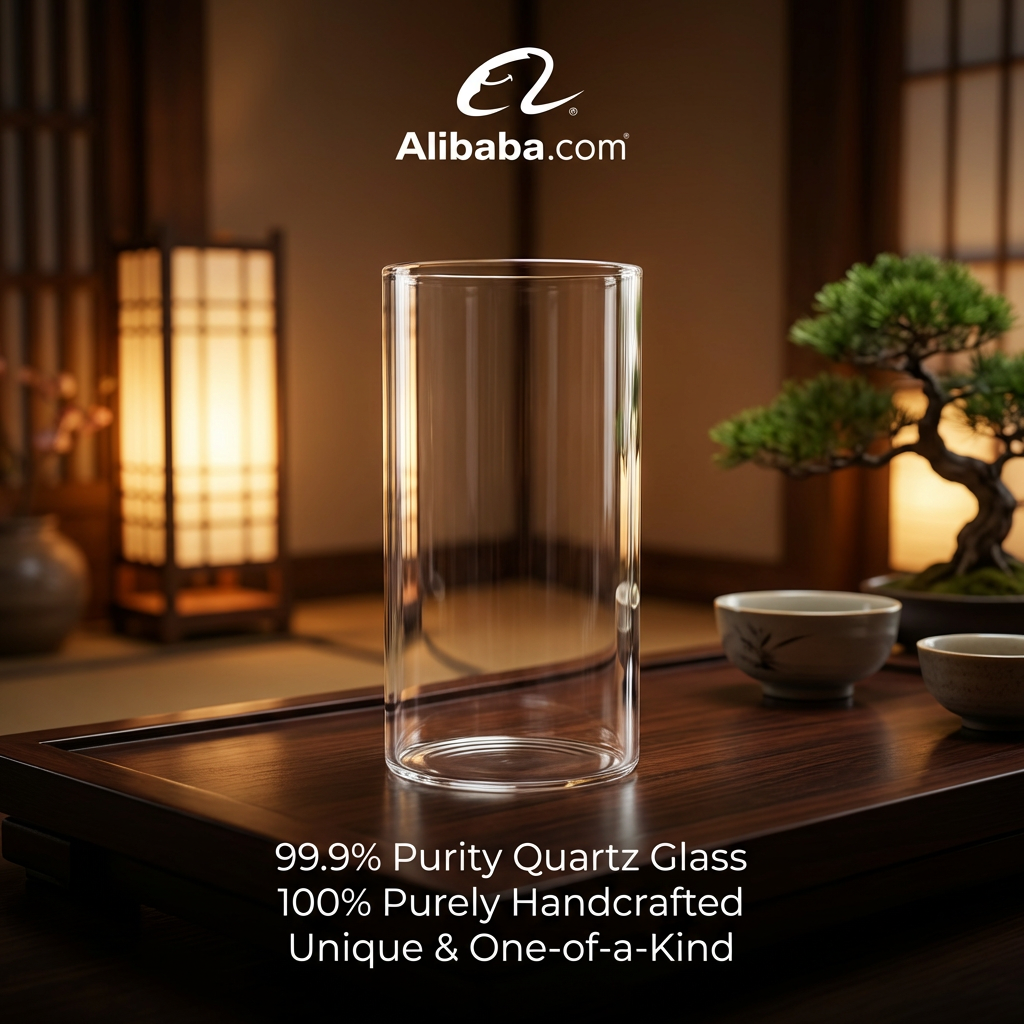
Hand-Blown Silica Quartz Custom Tube Vessels
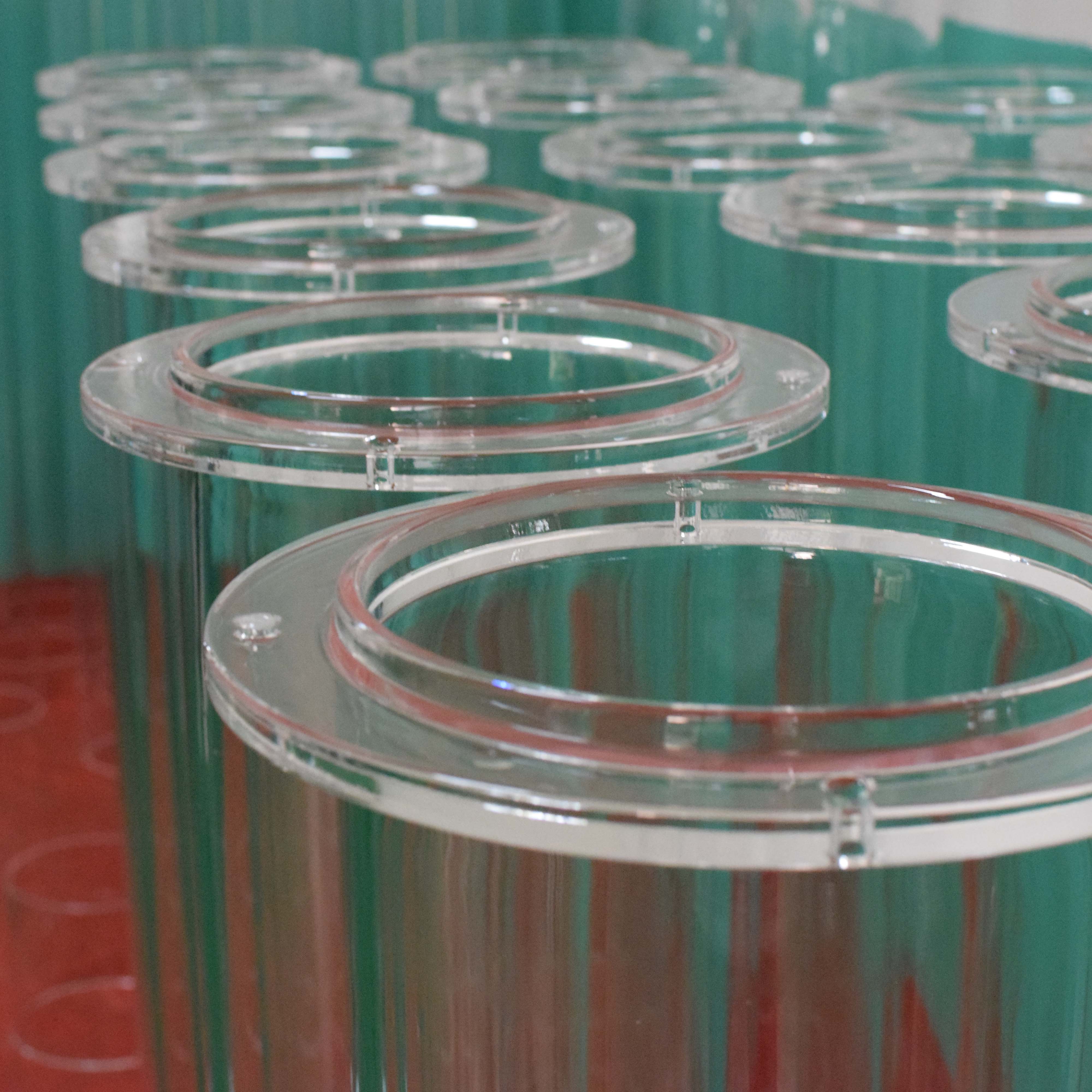
Flanged Quartz Tube & Re-Feeder Container
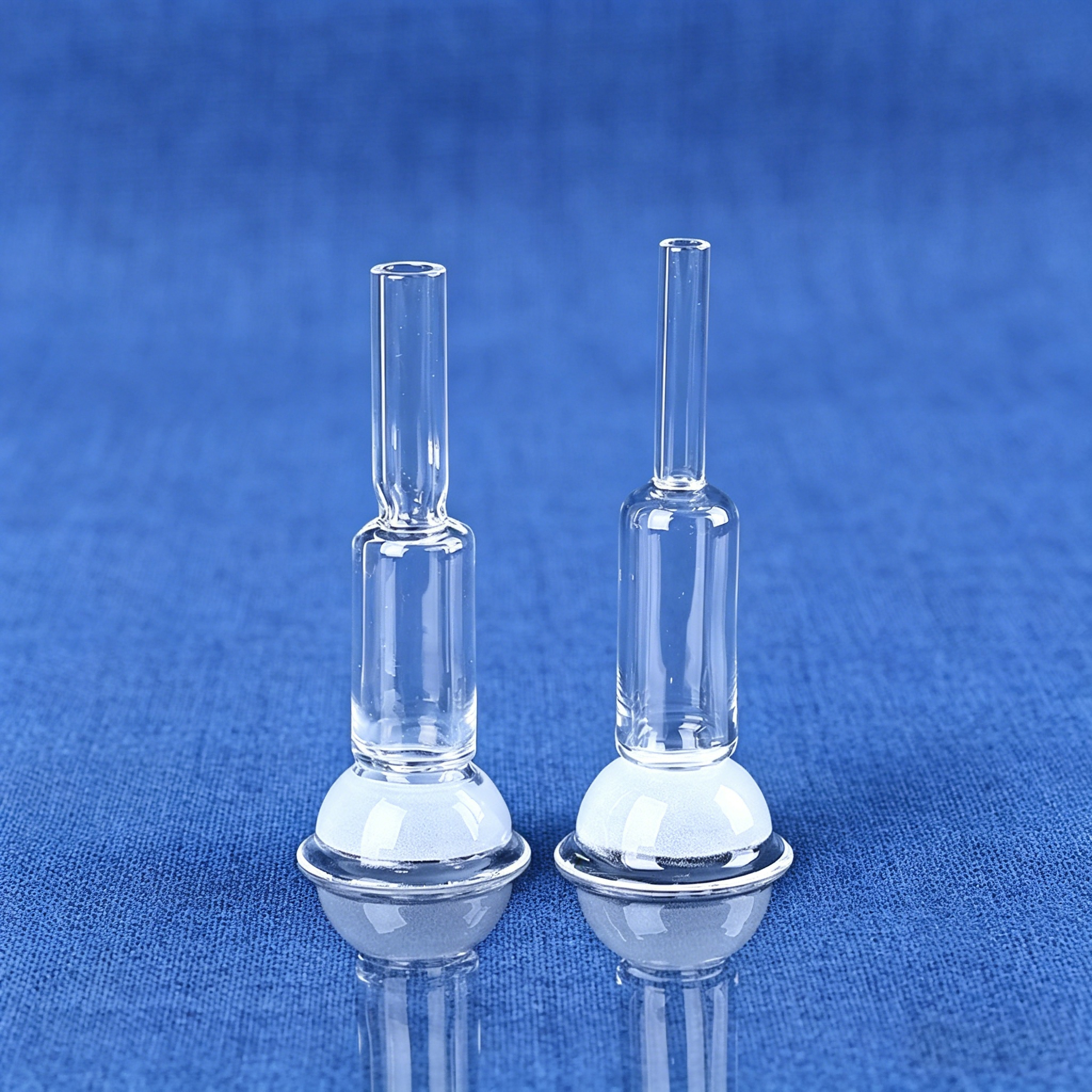
Precision C-Shaped Analytical BET Tube
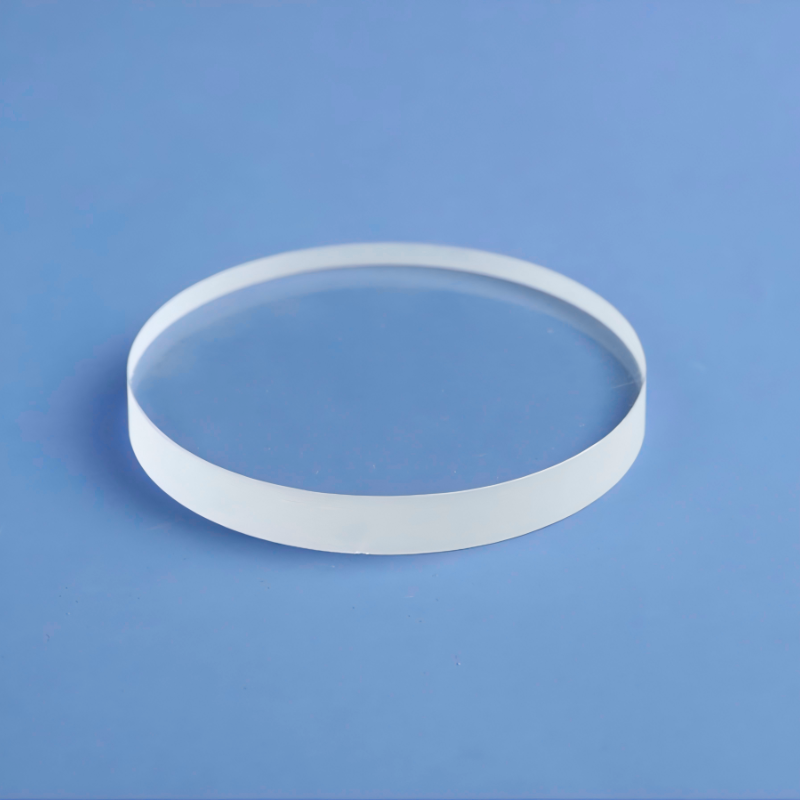
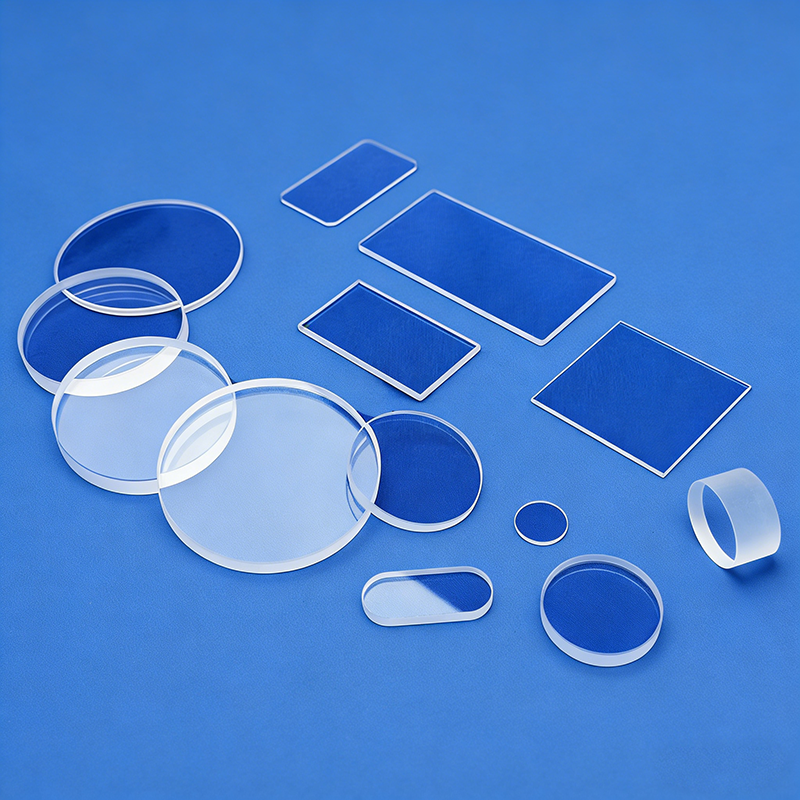
Clear Sapphire Quartz Tablets & Optical Sheets
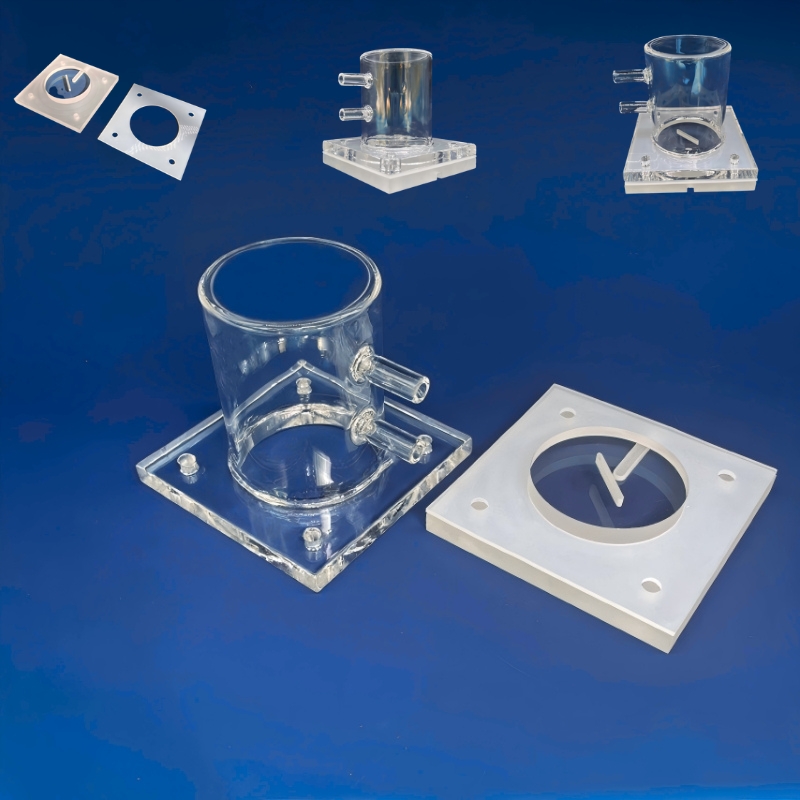
Photocatalytic Reactor for H₂/O₂ Production
Top 10 Large Quartz Tube Factories & Exporters Worldwide
A rigorous industrial analysis evaluating global production assets, continuous fusion vs. electric multi-step furnace output, raw quartz crystal provenance, and international shipping reliability.
The procurement of large-diameter fused quartz tubes (defined as outside diameters ranging from 150 mm to upwards of 800 mm with wall thicknesses between 4 mm and 25 mm) represents one of the most critical supply-chain nodes for modern semiconductor wafer fabrication, photovoltaic cell diffusion, and high-intensity optical reactors.
Unlike standard laboratory glassware blown from borosilicate glass (which fails under sustained temperatures above 500°C), large fused silica tubes operate routinely in extreme environments ranging between 1100°C and 1250°C. In horizontal and vertical LPCVD, atomic layer deposition (ALD), and boron/phosphorus diffusion furnaces, the quartz tube serves as the hermetic process chamber. Failure of structural integrity, dimensional ovality, or unpredicted cristobalite devitrification will scrap hundreds of thousands of dollars worth of processed 200 mm or 300 mm silicon wafers.
Consequently, global tier-1 equipment makers and wafer fabs do not treat quartz tubing as a generic commodity. Sourcing decisions hinge upon trace elemental purity (limiting total heavy metals such as iron, copper, nickel, and sodium below parts-per-billion or low parts-per-million levels), minimal hydroxyl ([OH⁻]) radicals to resist thermal sagging, tight geometrical concentricity, and defect-free fire-finished surfaces.
Heraeus Quarzglas
Pioneer in synthetic fused silica (Suprasil) and electrically melted natural quartz (HSQ series). Benchmark for sub-7nm semiconductor lithography, diffusion tubes, and ultra-dry low-OH optical preforms.
Vulra Quartz (Lianyungang)
TÜV Rheinland-verified custom manufacturer leveraging the Donghai crystal capital supply chain. Specializes in rapid-turnaround 1-pc drawing OEM/ODM, large diffusion tubes up to 800 mm, flanging, and precision slotting.
Momentive Technologies
Formerly GE Quartz. Renowned for Type 214 high-purity clear fused quartz tubing, delivering exceptional thermal sag resistance and strict dimensional tolerances for solar and microelectronics thermal processing.
Tosoh Quartz Corporation
Dominant supplier to Japanese and worldwide semiconductor equipment leaders. Renowned for robotic hot-welded quartzware, ultra-clean CVD furnace process tubes, and integrated quartz tank fabrications.
Shin-Etsu Quartz Products
Joint venture between Shin-Etsu Chemical and Heraeus. Leading manufacturer of synthetic large-scale quartz ingots, furnace tubes, and high-purity crucibles for silicon single-crystal pulling.
QSil GmbH (QSil Group)
Specialized in continuous electric fusion of fused quartz and fused silica tubing. Excellent optical quality with uniform wall thicknesses, widely applied in high-power UV lamps and specialty heating reactors.
Saint-Gobain Quartz
Offers Quartzel® high-purity fused silica fibers and specialty custom-melted quartz tubes. Excels in high-temperature refractory performance, aerospace radomes, and specialized military-grade reactors.
Jiangsu Pacific Quartz
Publicly listed raw-material-to-tube enterprise. Major high-volume exporter of electronic-grade quartz tubing, photovoltaic diffusion tubes, and ultra-high-purity sand feedstock globally.
Hubei Feilihua Quartz
First domestic manufacturer certified by leading global semiconductor equipment OEMs for CVD and etching parts. Broad product line in large quartz ingots, large-diameter tubes, and precision machined rings.
MARUWA Quartz Co.
Specialized Japanese fabricator integrating technical ceramics with fused silica processing. Strong footprint in semiconductor vertical furnace liners, multi-zone quartz boats, and pedigree cleanroom handling.
Thermal Transformation Kinetics, Devitrification & Purity Physics
A rigorous examination of quartz thermodynamics: why dimensional stability under sustained 1100°C–1300°C requires precise control of trace elements and hydroxyl radical chemistry.
Pure vitreous silica ($\text{SiO}_2$) exists as an amorphous random three-dimensional network of silicon-oxygen tetrahedra ($\text{SiO}_4$). Unlike crystalline quartz, fused quartz exhibits an exceptionally low coefficient of thermal expansion ($\alpha \approx 5.5 \times 10^{-7} \text{ K}^{-1}$ across the 20°C to 1000°C range). This anomalous thermal behavior allows a thick-walled quartz tube heated to 1100°C to be rapidly quenched in cold water without catastrophic brittle fracturing—a physical feat impossible with technical glasses or alumina ceramics.
However, when specifying large-diameter tubes for high-temperature service, engineers must balance three distinct thermodynamic limits:
1. Strain Point (approx. 1070°C): At this temperature, internal thermal stresses relax within hours. Above this threshold, if mechanical loading (such as cantilevered weight from quartz boats and heavy silicon wafers) is present, viscous creep deformation will gradually occur over prolonged diffusion campaigns.
2. Annealing Point (approx. 1180°C): The atomic network exhibits measurable structural relaxation within minutes. Tube manufacturers must maintain controlled cooling cycles through this temperature band to avoid freezing residual hoop and axial stresses into the cylinder walls during flame drawing or fusion.
3. Softening Point (approx. 1683°C): The viscosity drops to $10^{7.6} \text{ dPa}\cdot\text{s}$, at which point the tube collapses under atmospheric pressure or deforms freely under gravity.
| Property Parameter | Semiconductor Grade (5N Purity) | Solar / Photovoltaic Grade (4N Purity) | Standard Optical / Lamp Grade | Synthetic Fused Silica |
|---|---|---|---|---|
| SiO₂ Purity (wt%) | ≥ 99.999% | ≥ 99.99% | ≥ 99.95% | ≥ 99.9999% (6N) |
| Hydroxyl ([OH⁻]) Content | < 5 to 15 ppm (Low OH) | < 30 ppm | < 50 ppm | < 1 ppm (Dry) / ~1200 ppm (Wet) |
| Total Alkali Metals (Na+K+Li) | < 0.5 ppm | < 1.5 ppm | < 3.0 ppm | < 0.05 ppm |
| Transition Metals (Fe+Cu+Ni) | < 0.2 ppm | < 1.0 ppm | < 2.5 ppm | < 0.01 ppm |
| Max Sustained Temp. | 1150°C (Continuous) / 1300°C (Peak) | 1100°C (Continuous) | 1050°C (Continuous) | 1200°C (Continuous) |
| Devitrification Resistance | Exceptional (Low surface nucleation) | Moderate (Requires acid etch) | Standard | Superior (Zero alkali triggers) |
The Kinetics of Devitrification: Understanding Cristobalite Phase Inversion
The most insidious failure mode in large quartz furnace tubes is devitrification—the spontaneous phase transformation from the metastable amorphous vitreous state to crystalline $\beta$-cristobalite at temperatures above 1150°C.
While $\beta$-cristobalite has a similar density to vitreous silica, upon cooling through the 200°C to 270°C critical transition zone, it undergoes an abrupt displacive inversion into $\alpha$-cristobalite. This inversion induces a sudden volumetric contraction of approximately 5%. This sharp shrinkage creates severe micro-crazing, producing a milky, opaque, frosted appearance on the quartz surface. The localized tensile stresses invariably propagate into deep cracks, causing catastrophic vacuum breach or complete mechanical fracture of the tube.
Devitrification is primarily catalyzed by trace alkali metal surface contamination (specifically sodium $\text{Na}^+$, potassium $\text{K}^+$, and lithium $\text{Li}^+$), as well as airborne dust and fingerprints. At elevated temperatures, these mobile monovalent cations disrupt the strong bridging $\text{Si}-\text{O}-\text{Si}$ bonds, forming non-bridging oxygen atoms that lower the activation energy required for atomic rearrangement into the crystalline lattice. To prevent premature devitrification, manufacturers must enforce strict chemical passivation, hydrofluoric acid etching, cleanroom packing, and advise end-users to avoid bare skin contact and clean with deionized water before heating.
Engineering Precision from China's Silicon Epicenter
Headquartered in Donghai County—the global nucleus of natural quartz crystal extraction and refining—Lianyungang Vulra Quartz Products Co., Ltd. provides distinct structural supply-chain advantages for international engineering buyers.
Donghai Crystal Cluster Supply Chain
Direct mine-to-refinery access to ultra-high-purity quartz silica sand guarantees uncompromised raw material pedigree, insulating buyers from international supply disruptions and inflated ingot surcharges.
TÜV Rheinland Verified Production
Independently audited on-site by TÜV Rheinland. Legal manufacturing status, factory dimensional capacity, full ODM/OEM customization lines, and strict RoHS/CE compliance verified for frictionless international trade.
1-Piece Prototyping to Volume Scaling
Unlike rigid industrial conglomerates requiring 50+ unit minimum orders, our agile flame benches and CNC lathes engineer drawing-based prototypes from a single piece, scaling seamlessly to recurring containerloads.
Engineered Long-Haul Export Packaging
Zero transit casualties. Every large quartz tube is suspended within high-density custom-cut EPE closed-cell foam damping cores, secured inside steel-banded, fumigated solid timber export crates rated for air, sea, and courier freight.
Future Procurement & Technology Trends (2025–2030)
Critical supply-chain shifts impacting semiconductor equipment manufacturers, green hydrogen electrolyzers, and solar wafer manufacturers over the next decade.
Super-Sized Tube Geometries (OD >650mm)
As photovoltaic cell manufacturing consolidates around ultra-large N-type TOPCon and Heterojunction (HJT) rectangular wafers, furnace tube diameters are migrating from historic 350–450 mm standards to monstrous 550 mm–750 mm outer diameters.
Maintaining tight wall-thickness uniformity ($\pm 5\%$) and zero bow/camber over 3.5-meter long cantilevered spans at these super-sized dimensions requires continuous electric fusion towers and robotic flame-forming lathes capable of micro-calibrated rotational torch speeds.
Deep-UV & Green Hydrogen Photocatalysis
The expansion of green hydrogen generation via direct solar water splitting and photocatalytic oxidation is creating urgent procurement surges for specialized "ozone-free" and deep-UV transparent synthetic quartz chambers.
Standard fused quartz filters out radiation below 220 nm. Advanced doped quartz compositions that precisely selectively transmit 254 nm germicidal wavelengths while blocking destructive 185 nm ozone-generating bands are becoming standard specifications for chemical plant scale-up.
Dual-Source Security & Low-Carbon Arc Fusion
Geopolitical trade friction and historical raw sand monopolies in North America have driven global semiconductor fabs to qualify second-source and third-source Chinese manufacturers located in the Donghai regional cluster.
Furthermore, ESG mandates are forcing factories to transition away from dirty coal-gasification furnaces to high-efficiency electric induction melting and green-hydrogen oxyfuel torch lines, slashing the embedded carbon footprint of exported quartzware by over 40%.
Procurement & Engineering Consultation
Have specific dimensional drawings, strict ASTM bubble class criteria, or complex vacuum flange requirements for an upcoming furnace overhaul?
Our senior chemical and glassblowing engineers review RFQs within 12 hours, providing DFM (Design for Manufacturability) guidance on wall ratios and thermal stress zones.
Get a QuoteHow do you calculate wall thickness tolerance and avoid tube ovality in large-diameter tubing?
What is the functional difference between natural fused quartz and synthetic fused silica?
What quality criteria determine the DIN 58927 / ISO bubble class for quartz tube inspection?
What causes an ozone-free quartz tube to eliminate harmful atmospheric ozone emissions?
How are custom quartz components joined: cold bonding vs. robotic oxy-hydrogen welding?
What is the typical lead time and packing guarantee for bespoke export orders?
Ready to Validate Your Quartz Engineering Specifications?
Submit your 2D CAD files (DWG/DXF/PDF) or 3D STEP models. Our Donghai engineering team provides complimentary Design-for-Manufacturing feasibility analysis, thermal creep evaluations, and competitive direct factory quotation within 12 hours.