Precision Engineered Quartz Products
Direct from the Donghai quartz fabrication hub: high-temperature reaction vessels, optical windows, CVD furnace boats, and specialized analytical quartzware manufactured to sub-millimeter tolerances.
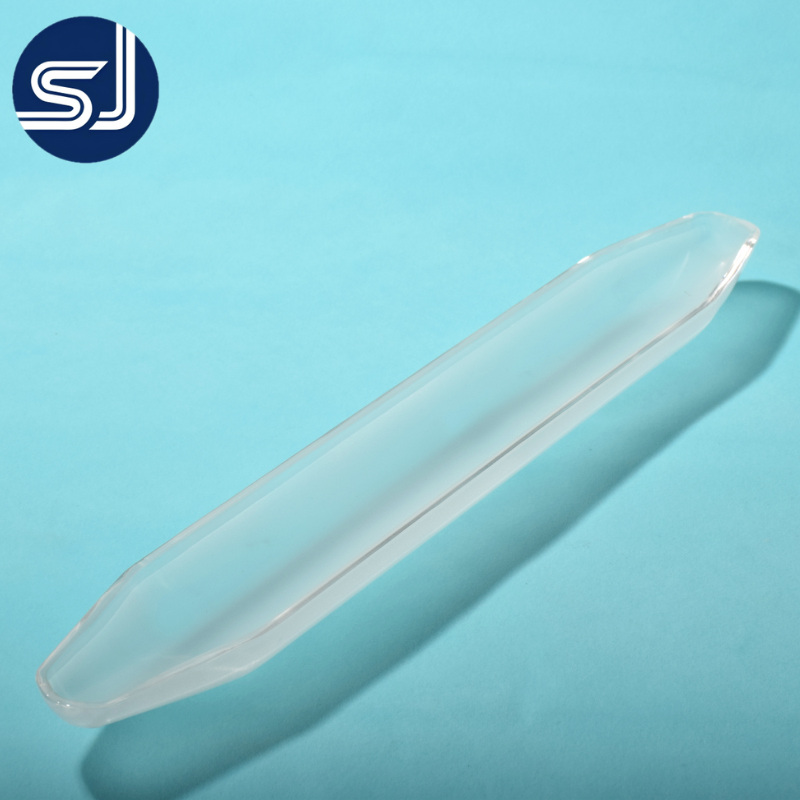
SJ 140 QUARTZ Customizable Transparent High Purity 99.9-99.999% Precision Polished Quartz Boat >85% Transmittance 1100 Lab
Engineered for diffusion furnaces and semiconductor wafer calcination. Features fire-polished planar edges, ultra-low bubble density (DIN 58927 Class 1), and complete chemical inertness under corrosive acidic environments.
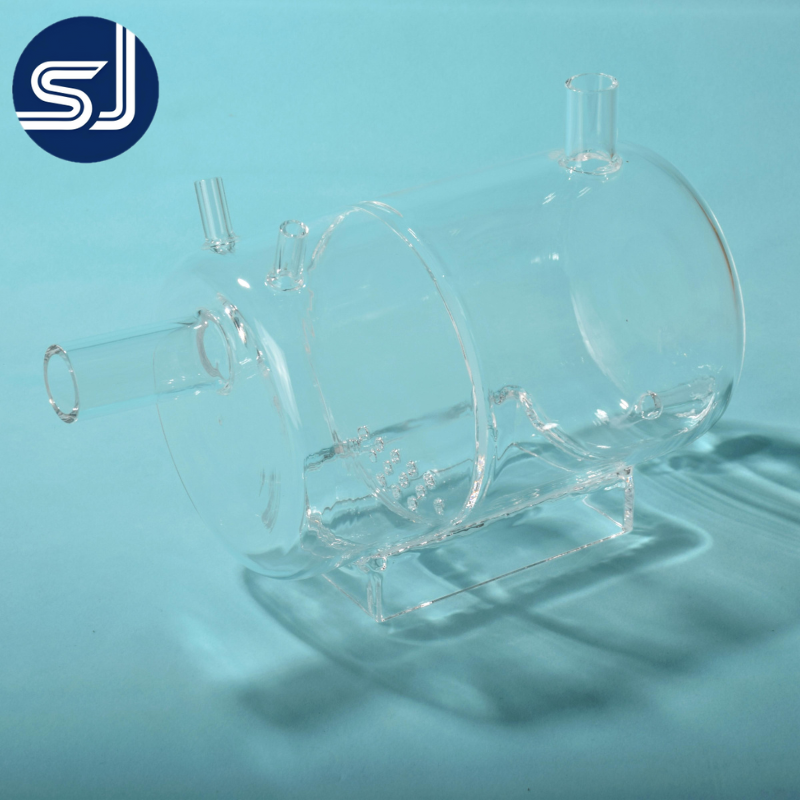
SJ QUARTZ High-Temperature Corrosion-Resistant 99.99% SiO2 1100 Laboratory Custom Quartz Flow Splitting Bottle >85%
Precision lab splitting receiver engineered for fractional vacuum distillation. Constructed with annealed stress-free joints, ground-glass vacuum stopcocks, and uniform wall thickness to resist thermal collapse.
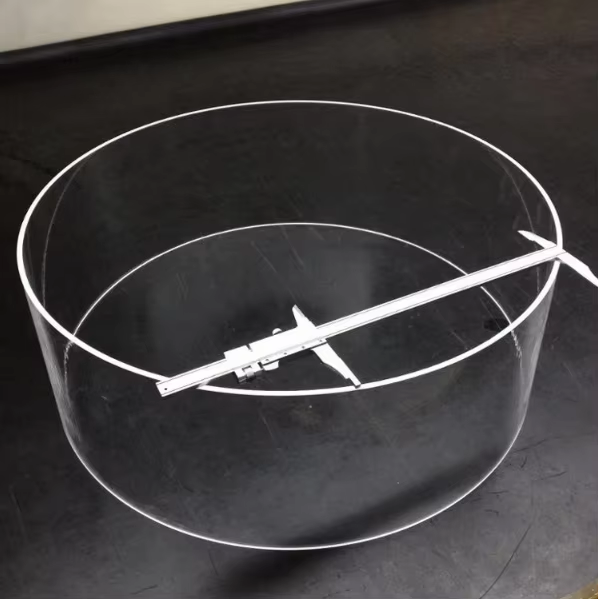
Factory Supply Optical Quartz Sapphire Tubes High Temperature Resistant UV Glass Test Pipe Powder Sintering Welding Bending
Custom heavy-wall and thin-wall optical furnace tubes optimized for UV curing, powder metallurgy sintering, and pyrometry viewpaths. Zero devitrification marks at continuous operational temperatures of 1100°C.
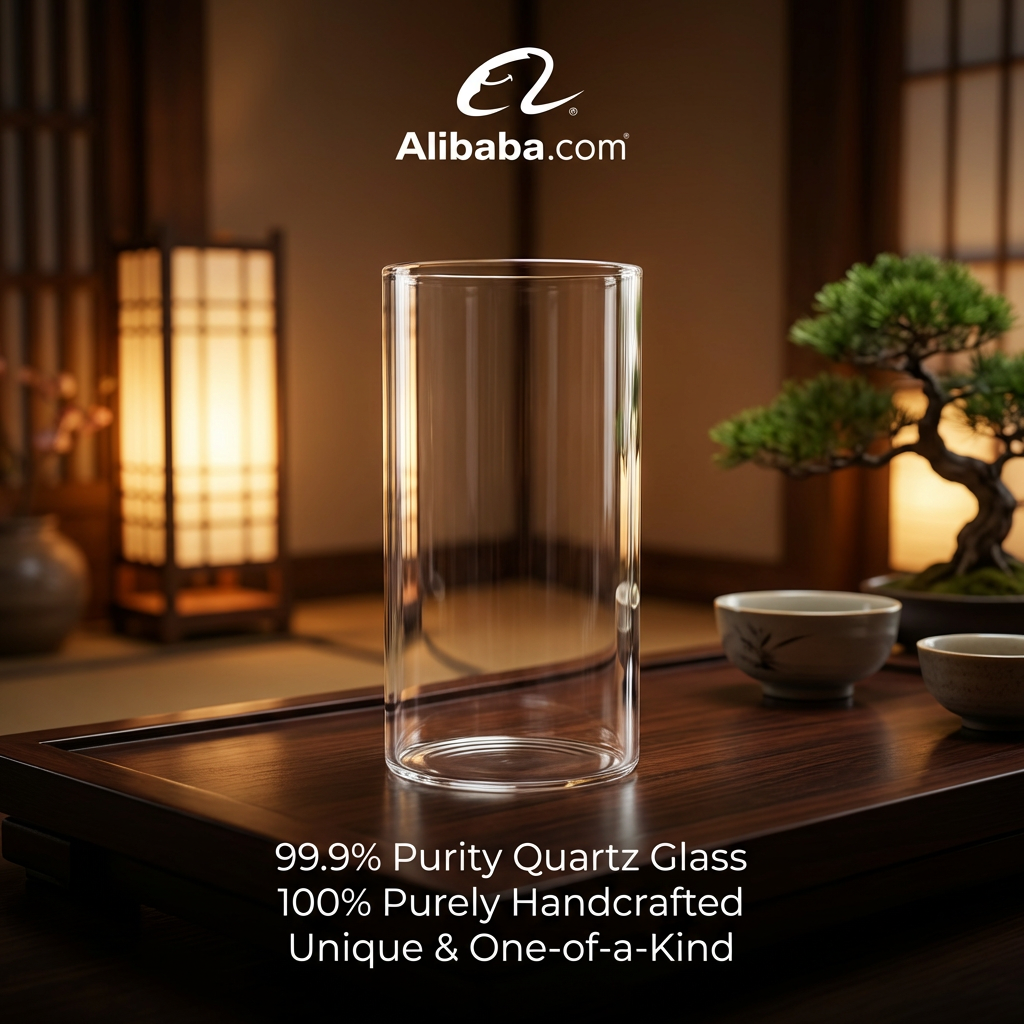
Custom Clear Fused Quartz Tube With/Without Handle Fire Polished Hand-blown Silica Glass Drinking Cup SJ SJ 226 99.999% Purity
Artisan-blown, industrial-purity silica vessels designed for thermal extremes. Can withstand immediate quenching from 1100°C directly into ice-cold water without micro-fracturing or optical clouding.
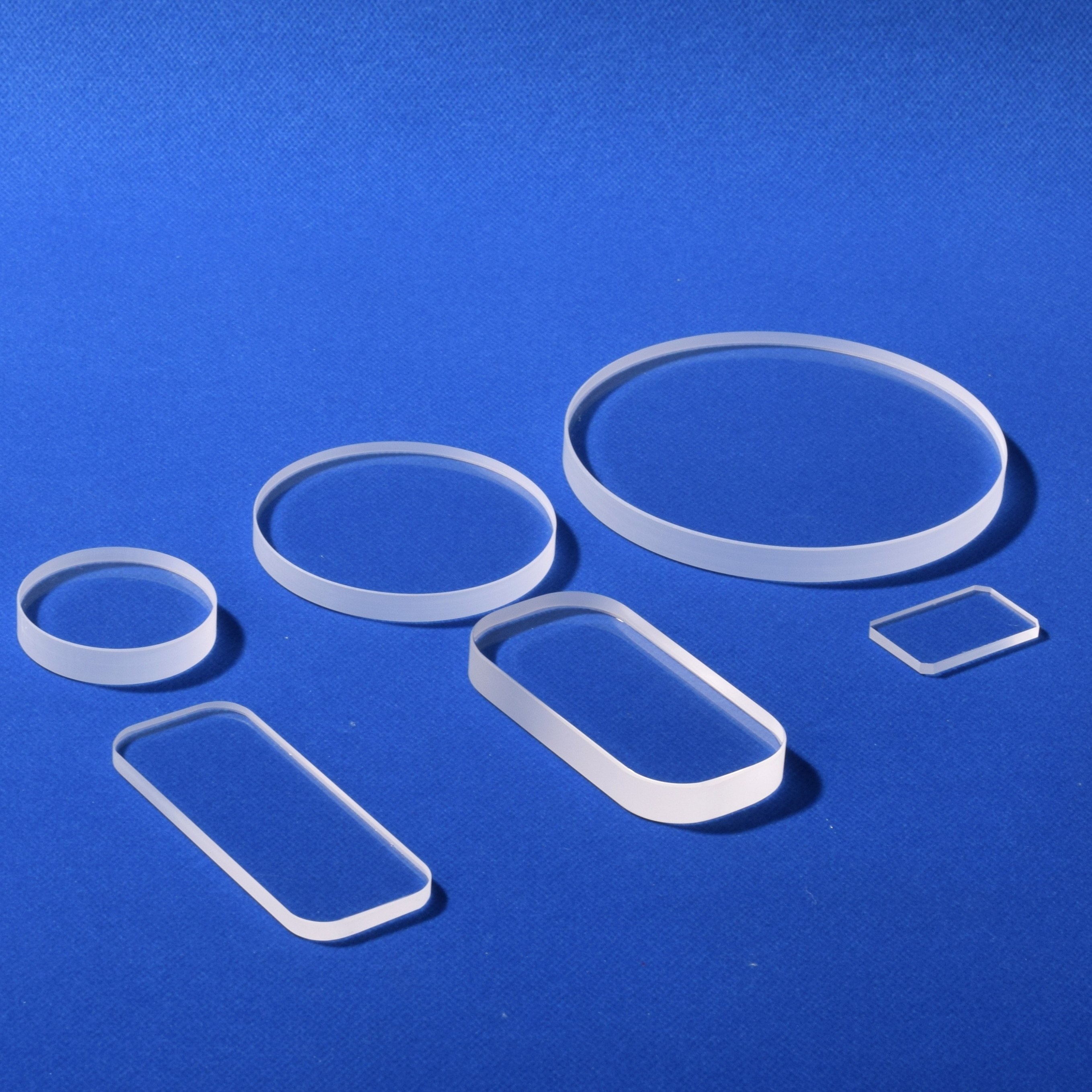
Sophisticated Technology High Transmittance Customized Heat Resistant Transparent Quartz Glass Watch Window High Insulation
Double-sided precision lapped observation viewports for pressurized reactor chambers and ultra-high-vacuum (UHV) inspection flanges. Offers transmission across deep ultraviolet, visible, and near-infrared bands.
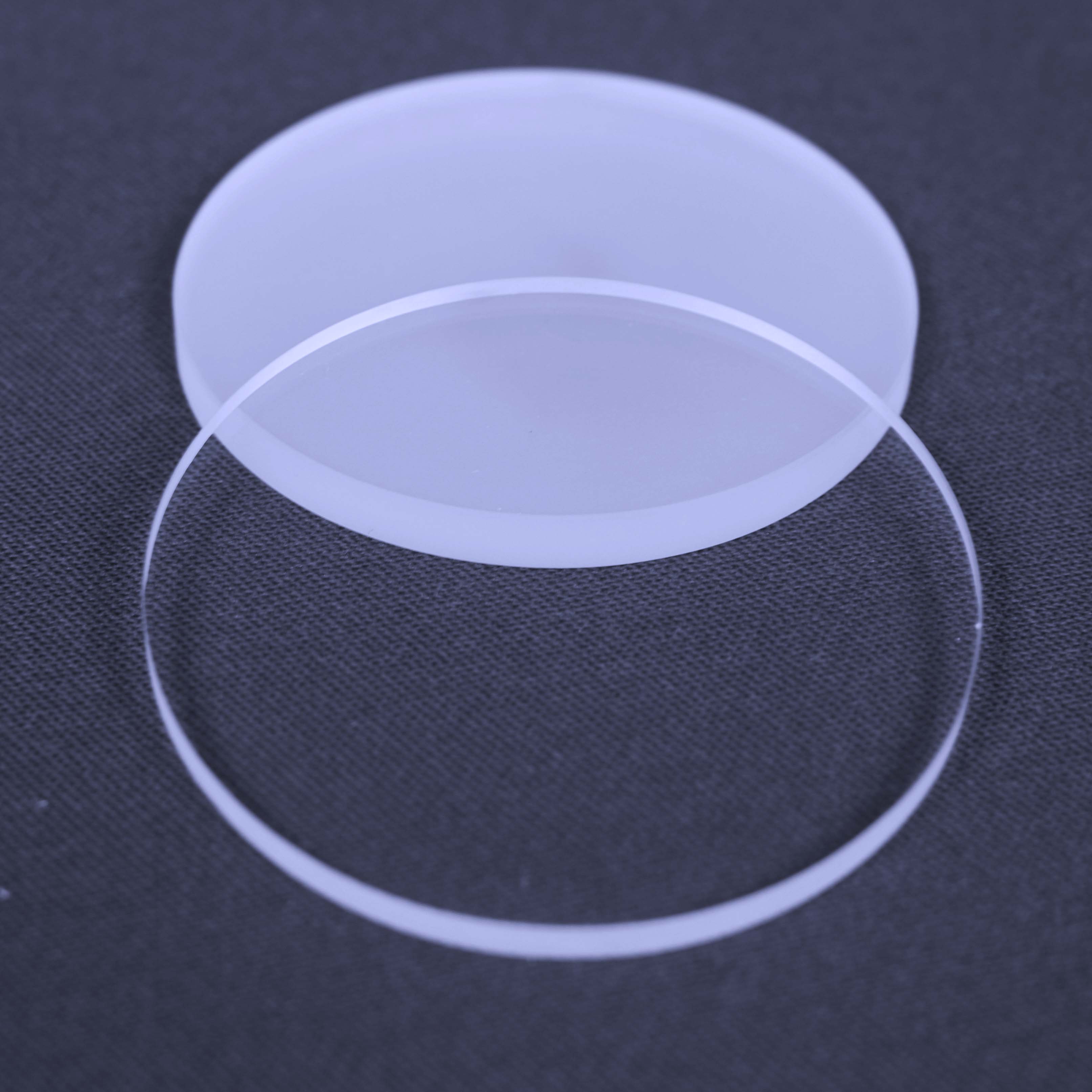
XRD Quartz Holder Test Samples High Transmittance Clear Plate Circular Shape High Melting Point Optical Grade Welding Cutting SJ
Specialized circular cut-crystal orientation quartz sample substrates providing ultra-low background scattering in XRD crystallography. Available in cavity depths from 0.1 mm to 2.0 mm with micron-level parallel flatness.
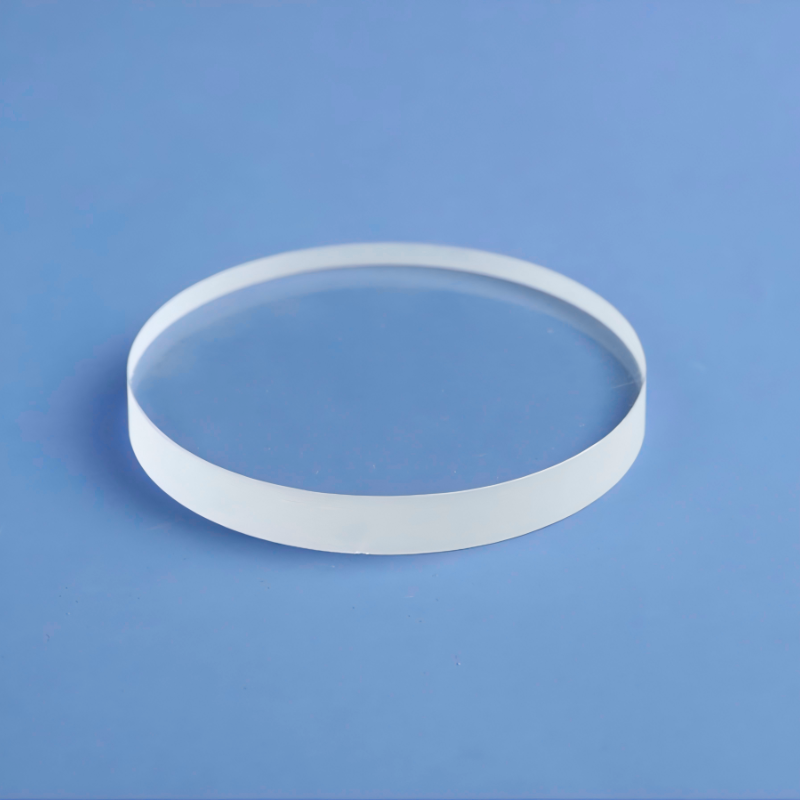
High Temperature Resistant Clear Sapphire Quartz Tablets Fused Silica Glass Sheets Customizable Sizes Polished Cutting Welding
Natural and synthetic fused silica substrate tablets and sheets. CNC waterjet profile cutting, high-precision step routing, laser micro-drilling, and customized optical coatings for plasma etch chambers and solar wafer carriers.
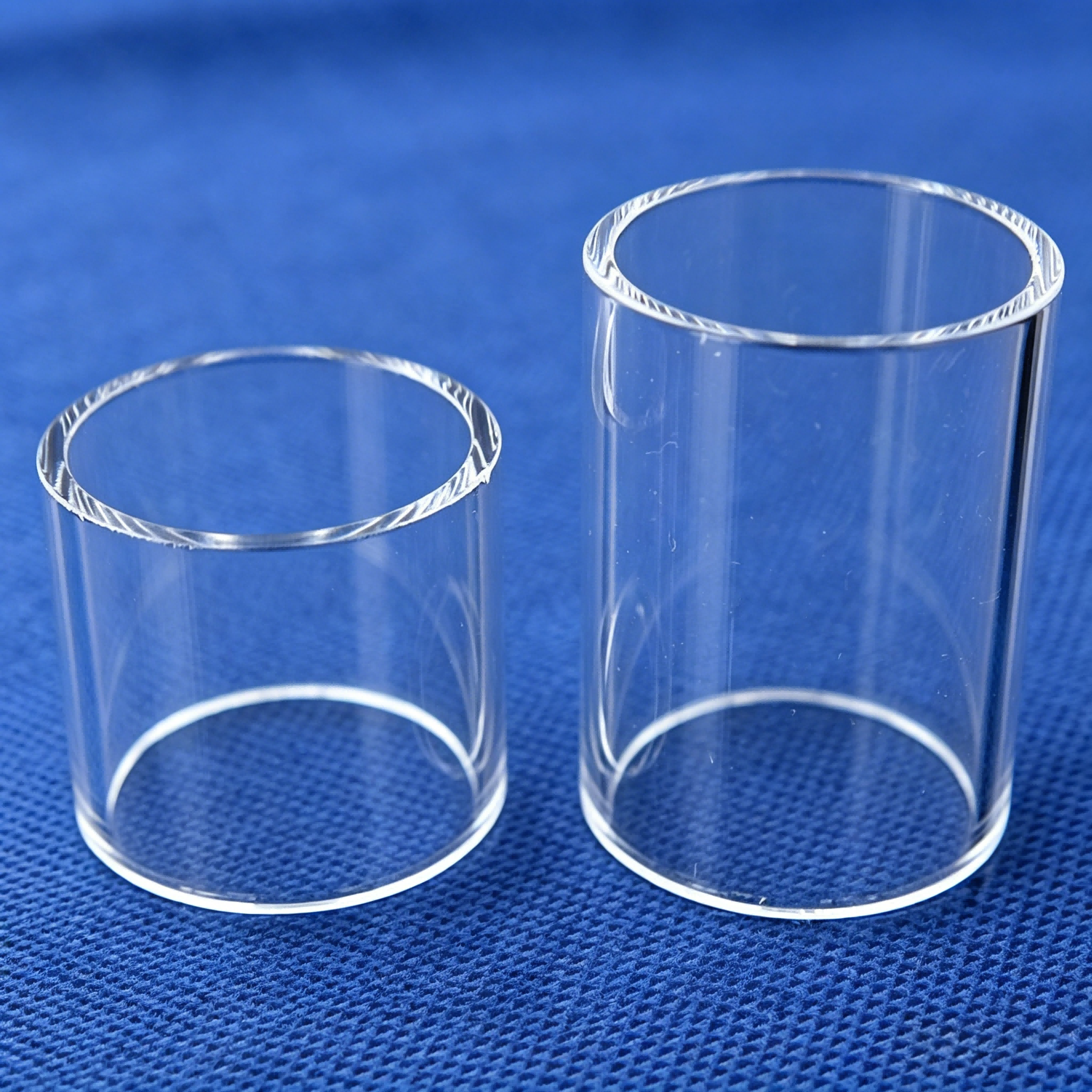
Custom High Temperature Corrosion Resistant Clear Quartz Glass Pipe | Twin Tube Polished Surface Bending/Welding/Cutting SJ 210
Figure-8 and dual-bore fused quartz heating pipes specifically dimensioned for industrial infrared radiators and fast-response thermal processing. Resistant to boiling acids (except hydrofluoric) and mechanical warping.
The Engineering Benchmark: Evaluating the Top 10 Custom Quartz Glass Manufacturers
Procuring fused quartz and synthetic fused silica components for semiconductor fabrication, excimer laser optics, and photovoltaics demands an audit methodology far beyond basic pricing. Industrial buyers must navigate critical metallurgical thresholds, trace impurity budgets, hydroxyl (OH⁻) group concentrations, and geometric devitrification risks. Tier-1 custom quartz manufacturers are segregated from secondary converters by ten non-negotiable fabrication competencies:
1. Raw Material Purity & Trace Metal Depletion
Verified SiO₂ purity levels of 99.99% to 99.999%. Trace element monitoring of iron (Fe < 0.2 ppm), titanium (Ti < 1.1 ppm), aluminum (Al < 14 ppm), and alkali metals (Na, K, Li < 0.5 ppm combined) to prevent thermal crystallization and wafer contamination.
2. Hydroxyl (OH⁻) Concentration Control
Ability to supply low-OH electrically fused quartz (<5 ppm OH) for infrared lamp envelopes and heat-retaining furnace liners, versus flame-fused quartz (~150-200 ppm OH) or synthetic silica (<1 ppm or high-OH ~1000 ppm) for Deep-UV (DUV) transmission.
3. CNC Cold Machining Precision & Tolerances
Multi-axis diamond CNC grinding, ultrasonic milling, and waterjet contour cutting achieving dimensional tolerances down to ±0.01 mm on wafer carriers, observation sight discs, and slotted semiconductor diffusion boats.
4. Oxy-Hydrogen Flame Lathe Mastery
High-temperature thermal forming benches and glass lathes up to 800 mm outer diameter. Certified craftsmen capable of seamless flange fusing, manifold branching, and domed end-closures without introducing localized wall-thinning or stress risers.
5. Controlled Thermal Annealing Cycles
Post-welding internal stress relief in programmed annealing kilns soaking at 1180°C to 1215°C with slow, ramped cooling. Verified via cross-polariscopic birefringence inspection to eliminate explosive micro-strain during field operations.
6. Chemical Decontamination & Cleanroom Pack
Class 10,000 down to Class 100 cleanroom final handling. Automated multi-stage immersion in hydrofluoric/nitric acid baths (HF/HNO₃) followed by 18.2 MΩ·cm deionized water rinses to strip all metallic dusting and organic lubricants before double vacuum bagging.
7. Optical Surface Flatness & Roughness
Precision double-sided pitch lapping and chemo-mechanical polishing (CMP) yielding surface roughness Ra < 0.5 nm, optical wavefront distortion under λ/4, and 40/20 or 20/10 scratch-dig cosmetic standards for laser optics and XRD windows.
8. Drawing-Based DFM Engineering Support
Experienced application engineering staff reviewing STEP/DXF/DWG formats. Conducting thermal stress analysis, wall thickness-to-diameter aspect ratio validations, and proposing cost-effective Design for Manufacturability (DFM) adjustments prior to batch runs.
9. Prototyping Agility with 1-Piece MOQ
Eliminating prohibitive high-volume entry barriers for institutional research labs and semiconductor R&D pilots. Direct availability of custom single-piece prototypes (MOQ = 1) without excessive retooling or NRE surcharges.
10. Third-Party Audited Quality Systems
Verified on-site operational authentication by global third-party bodies (such as TÜV Rheinland), accompanied by RoHS compliance, CE certifications, and formal inspection reports detailing bubble class, inclusion count, and wall runout.
Enterprise Advantage: Rooted in the World Crystal Capital
Strategically situated at No. 9, Dingxin Road within the Jiangsu Donghai Economic Development Zone, Lianyungang Vulra Quartz Products Co., Ltd. commands an authentic, vertically integrated manufacturing advantage. Donghai County is universally recognized as the epicenter of high-purity silicon dioxide deposits and refinement infrastructure, granting direct upstream access to natural quartz sand feedstocks with SiO₂ purities reaching up to 99.999%.
Operating as an authenticated custom manufacturer validated through rigorous on-site audit by TÜV Rheinland, the enterprise bridges laboratory-scale craftsmanship with industrial-volume automation. The site integrates raw material sorting, high-frequency flame forming, multi-axis CNC abrasive grinding, controlled atmosphere annealing, and cleanroom vacuum packaging under a unified ISO quality governance framework.
Integrated Single-Site Base
Eliminates inter-facility transfer risks. Flame bending, diamond cold-cutting, polishing, annealing, and acid de-greasing execute seamlessly across dedicated Donghai workshop bays.
TÜV Rheinland Verified
Complete authentication of manufacturing premises, legal registration, production lines, and technical export capability, establishing rock-solid reliability for transatlantic contracts.
Drawing-Based OEM/ODM
Rapid conversion from 2D blueprints or 3D STEP models to production setups. Dedicated tooling accommodates prototype batches from 1 piece up to recurring monthly container shipments.
Export Cushion Suspension
Proprietary packaging protocols utilizing multi-density polyethylene foam beds, individual moisture-barrier wraps, and reinforced structural plywood crates ensuring zero transit fractures.
Material Comparison Matrix: Fused Quartz vs. Synthetic Fused Silica
Selecting the optimal silica substrate requires matching mechanical load, thermal envelope, and spectral transmittance bands to avoid premature devitrification or transmission drop-offs.
| Key Material Property | Standard Fused Quartz (Natural Sand) | Low-OH Electrically Fused Quartz | Synthetic Fused Silica (Chemical Precursor) | Procurement Relevance |
|---|---|---|---|---|
| SiO₂ Purity Level | 99.99% – 99.995% | 99.995% – 99.999% | > 99.9999% (Electronic Grade) | Critical for gate-oxide CVD wafer purity & furnace life |
| Hydroxyl (OH⁻) Content | 150 – 200 ppm | < 5 – 10 ppm | Standard: ~1000 ppm / Low-OH: <1 ppm | Dictates IR lamp absorption bands (2.73 µm) & viscosity |
| Spectral Transmission | 260 nm – 2,500 nm (Near UV - NIR) | 260 nm – 3,500 nm (Extended IR) | 185 nm – 2,500 nm (Deep UV / Excimer) | Determines eligibility for UV lithography vs IR drying |
| Softening Point | ≈ 1683 °C | ≈ 1680 °C | ≈ 1585 °C – 1600 °C | Higher softening prevents tube sagging in horizontal furnaces |
| Continuous Service Temp | 1100 °C | 1150 °C | 950 °C – 1050 °C | Natural quartz handles higher continuous thermal loads |
| Coefficient of Thermal Expansion | 5.5 × 10⁻⁷ / °C (20°C - 320°C) | 5.5 × 10⁻⁷ / °C | 5.1 – 5.7 × 10⁻⁷ / °C | Exceptional thermal shock resistance (1100°C water quench) |
| Bubble & Inclusion Density | DIN 58927 Class 1 – 2 | DIN 58927 Class 1 | Bubble-free (Laser grade optical homogeneity) | Crucial for high-magnification optical viewports |
| Primary Cost Factor | Standard / Cost Effective | Moderate / Specialty | Premium (3x - 6x standard natural quartz) | Direct driver for annual OEM consumable budgets |
Future Trends in Custom Quartz Procurement & Engineering
Industry-wide shifts toward sub-3nm semiconductor nodes, high-efficiency TOPCon/HJT solar cell architectures, and clean-energy oxy-hydrogen processing are rapidly altering procurement standards.
Sub-ppb Metallic Impurity Control for Next-Gen Fabs
As semiconductor wafer fabrication transitions deeper into Angstrom and Gate-All-Around (GAA) architectures, allowable trace metal leaching from quartz carriers, wet etch tanks, and plasma shields is tightening toward sub-parts-per-billion (<0.1 ppb) thresholds. Modern procurement now mandates comprehensive ICP-MS spectrometry documentation per quartz melting heat batch.
Large-Bore Thin-Wall Geometry Scaling
Next-generation horizontal and vertical diffusion tubes are demanding outer diameters exceeding 600 mm to 800 mm with stringent ovality tolerances under 0.5%. Achieving dimensional stability without excessive wall mass requires algorithmic CNC glass lathe synchronization and automated oxy-hydrogen thermal balancing to prevent gravity-induced sagging during long thermal runs.
Automation & Robotic Flame Processing
Manual glassblowing artistry is being fortified with 6-axis robotic flame welding arms. Automated robotic torches execute flawless, repeatable circumferential seam welds on high-stress manifold flanges, reducing human variability, internal micro-porosity, and localized annealing variances across mass-produced custom laboratory components.
Supply Chain Diversification & Sand Beneficiation
Geopolitical sensitivities around traditional Spruce Pine pegmatite quartz deposits have spurred extensive capital investment in Donghai's proprietary refining technologies. Through multi-stage chemical froth flotation, magnetic separation, and high-temperature chlorination roasting, Asian fabricators now yield natural quartz sands matching global Tier-1 ultra-pure benchmarks at substantial cost efficiencies.
Hybrid Material Bonding (Sapphire-to-Quartz)
Emerging vacuum spectroscopy and extreme-environment plasma chambers increasingly demand composite components combining the unmatched hardness and scratch immunity of sapphire sight windows with the weldability, low CTE, and large format economy of fused quartz tubes via specialized glass-ceramic glass frit transitions or metallized active brazing.
Decarbonized Oxy-Hydrogen Thermal Synthesis
Industrial quartz factories are progressively retrofitting hydrocarbon-based fuel setups with zero-carbon green hydrogen generation arrays. Water electrolysis powered by localized solar and wind arrays produces high-purity hydrogen and oxygen gases for thermal torches, eliminating combustion carbon soot contamination on heated glass surfaces and aligning with European CBAM carbon border criteria.
Procurement Engineering FAQ: Custom Fused Quartz
Direct technical guidance compiled by senior production engineers covering material selection, manufacturing tolerances, thermal shock thresholds, and international logistics safeguards.
What causes quartz devitrification at high temperatures, and how can it be avoided in factory operations?
1. Strict Handling: Operators must always handle quartzware with clean, lint-free cotton or nitrile gloves; bare skin contact must never occur.
2. Acid Washing: Before heating, quartz components should be cleansed in a 5%–10% hydrofluoric (HF) acid solution for 2–3 minutes (or 10% nitric acid for general organic removal), rinsed with 18.2 MΩ deionized water, and dried in a cleanroom hood.
3. Thermal Profiling: Avoid idling continuously between 1100°C and 1250°C in open atmospheric moisture, as water vapor accelerates devitrification kinetics.
What standard dimensional tolerances are achievable for custom quartz tubes, plates, and machined boats?
• Standard Drawn Quartz Tubes: Outer diameter (OD) 5 mm – 100 mm typically holds ±0.5% of OD or ±0.2 mm (whichever is greater). Heavy bore tubes (OD 200 mm – 600 mm) generally carry ±1.5 mm to ±2.5 mm OD tolerance, with wall thickness variations held within ±10% to ±15%.
• CNC Diamond Grinding & Milling: For quartz boats, XRD sample discs, and flanged viewports, CNC diamond processing routinely delivers linear dimensional tolerances of ±0.02 mm to ±0.05 mm.
• Optical Flatness & Surface Finish: Precision double-sided polished plates can achieve wavefront surface flatness of λ/4 per 25 mm aperture and surface roughness Ra < 0.5 nm (cleanroom CMP grade).
Why is "Ozone-Free" quartz required in certain UV systems, and what is its chemical differentiation?
Ozone-Free Quartz (doped silica) is modified during the raw material fusion stage by doping with minute, controlled trace concentrations of titanium dioxide (TiO₂) or cerium. This doping introduces an abrupt optical absorption cut-off edge at approximately 220 nm. The quartz completely absorbs the 185 nm ozone-generating wavelength while freely transmitting the desirable 253.7 nm germicidal wavelength and longer UVA/UVB curing spectrums with >85% efficiency.
Can custom prototypes be manufactured directly from 3D CAD models, and what is the typical turnaround?
1. Feasibility Check: Verification of internal fillet radii (minimum 0.5 mm for diamond ball-end tooling), aspect ratio of deep holes, and wall-thickness transitions to ensure thermal structural survivability during oxy-hydrogen welding.
2. Rapid Prototyping (MOQ = 1 pc): Custom prototype units generally machine and assemble within 7 to 10 working days following blueprint sign-off.
3. Pre-Shipment Validation: Every one-off prototype undergoes 3D coordinate measuring machine (CMM) dimensional verification, optical polariscope stress inspection, and cleanroom vacuum packaging prior to priority international air courier dispatch.
What protective packing protocols prevent catastrophic transit fractures during international freight?
• Primary Layer: Components undergo dust-free cleanroom bagging and are shrink-wrapped in static-dissipative polyethylene bubble wrap.
• Secondary Suspension: Parts are encased in custom-contoured, high-density closed-cell polyethylene (EPE) foam cavities. Large-bore tubes feature inner internal core-fill foam mandrels to dampen flexural harmonic shockwaves.
• Tertiary Enclosure: Heavy-gauge double-corrugated outer cartons are suspended inside multi-axis vibration-damped wooden crates constructed with solid fumigated plywood, reinforced with steel corner brackets, and fitted with external ShockWatch impact sensors and TiltWatch orientation indicators.
How does the thermal expansion and shock resistance of quartz compare to Borosilicate (Pyrex) glass?
Consequently, while borosilicate glass will fracture if exposed to sudden thermal differentials exceeding 150°C–180°C, fused quartz can be heated uniformly to 1100°C and immediately immersed directly into ambient or ice water without experiencing structural failure. This negligible thermal expansion makes quartz the indispensable material of choice for furnace sight ports, thermocouple protection sheaths, and optical laser cavities requiring near-zero thermal drift.