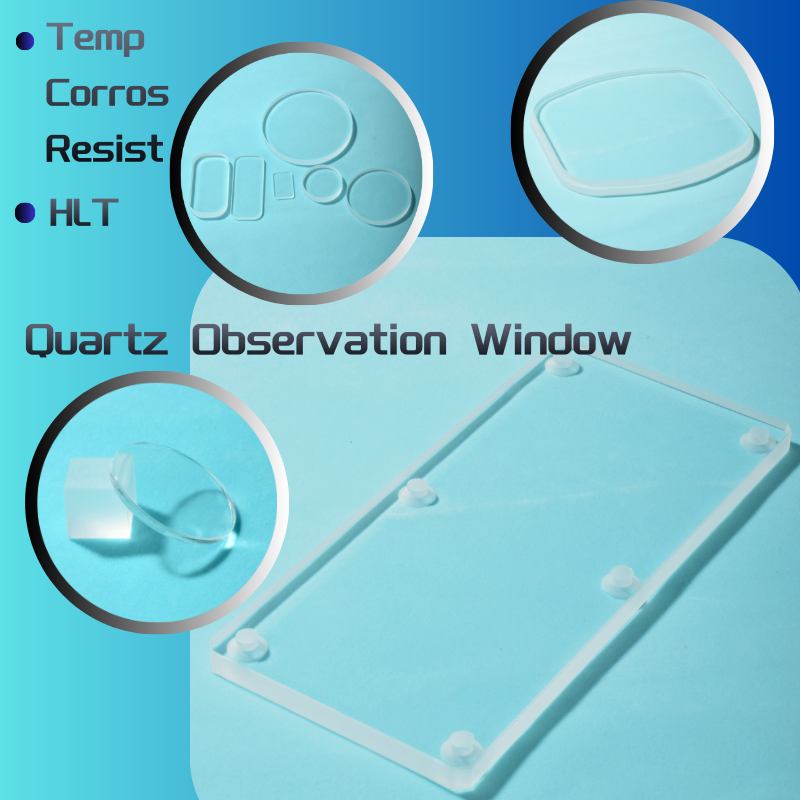
SJ Natural Fused Quartz Polished Plate Optical Clear
High melting point laser-grade plate (Mohs 5.5–6.5) with exceptional chemical and thermal resistance for laser optics.
Explore SpecificationsStandard & drawing-customized quartz solutions manufactured from ultra-pure SiO₂ sand in Donghai, China.
High melting point laser-grade plate (Mohs 5.5–6.5) with exceptional chemical and thermal resistance for laser optics.
Explore Specifications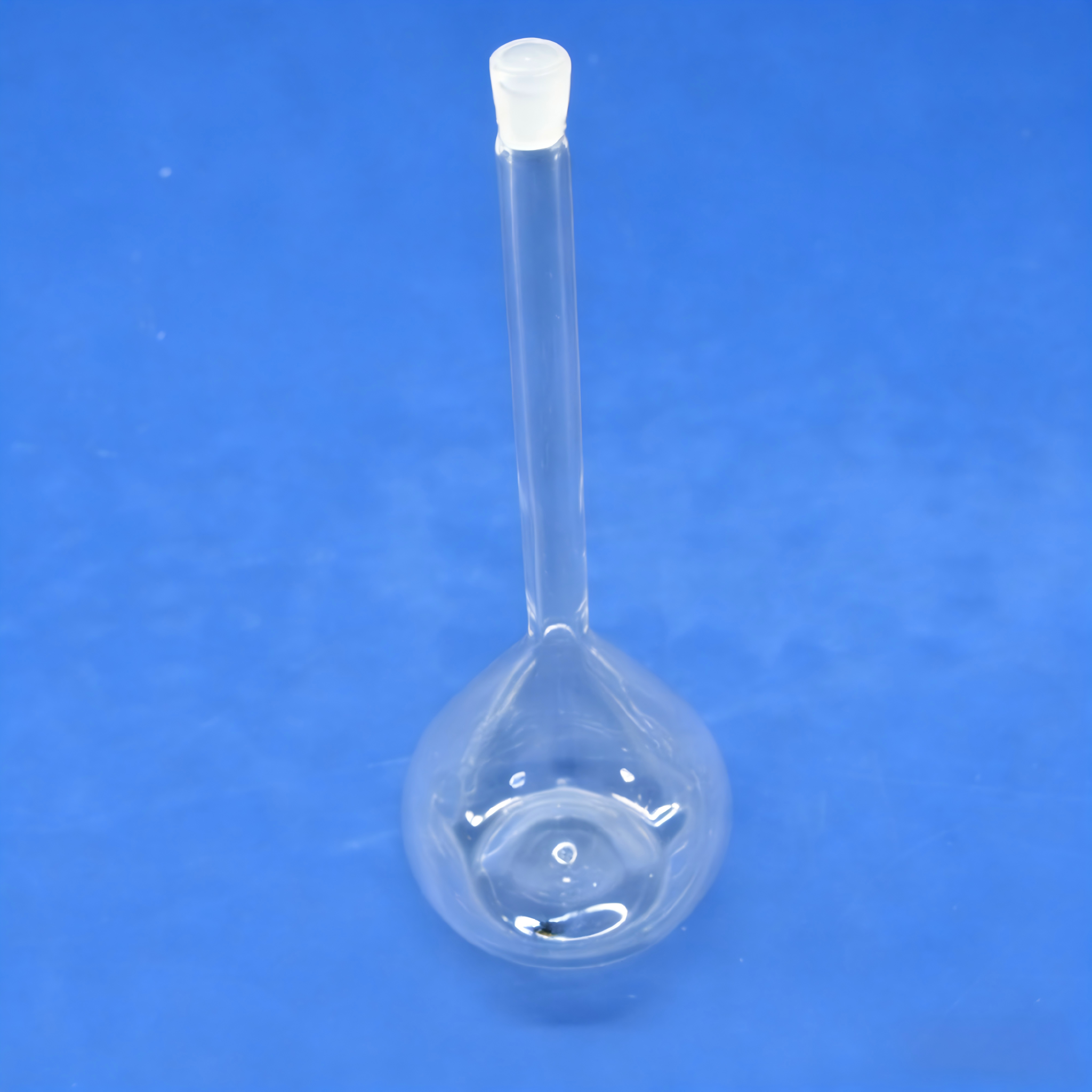
Custom clear quartz glass flask and ampoules featuring precise bending, welding, and ozone-free polished lab finishes.
Explore Specifications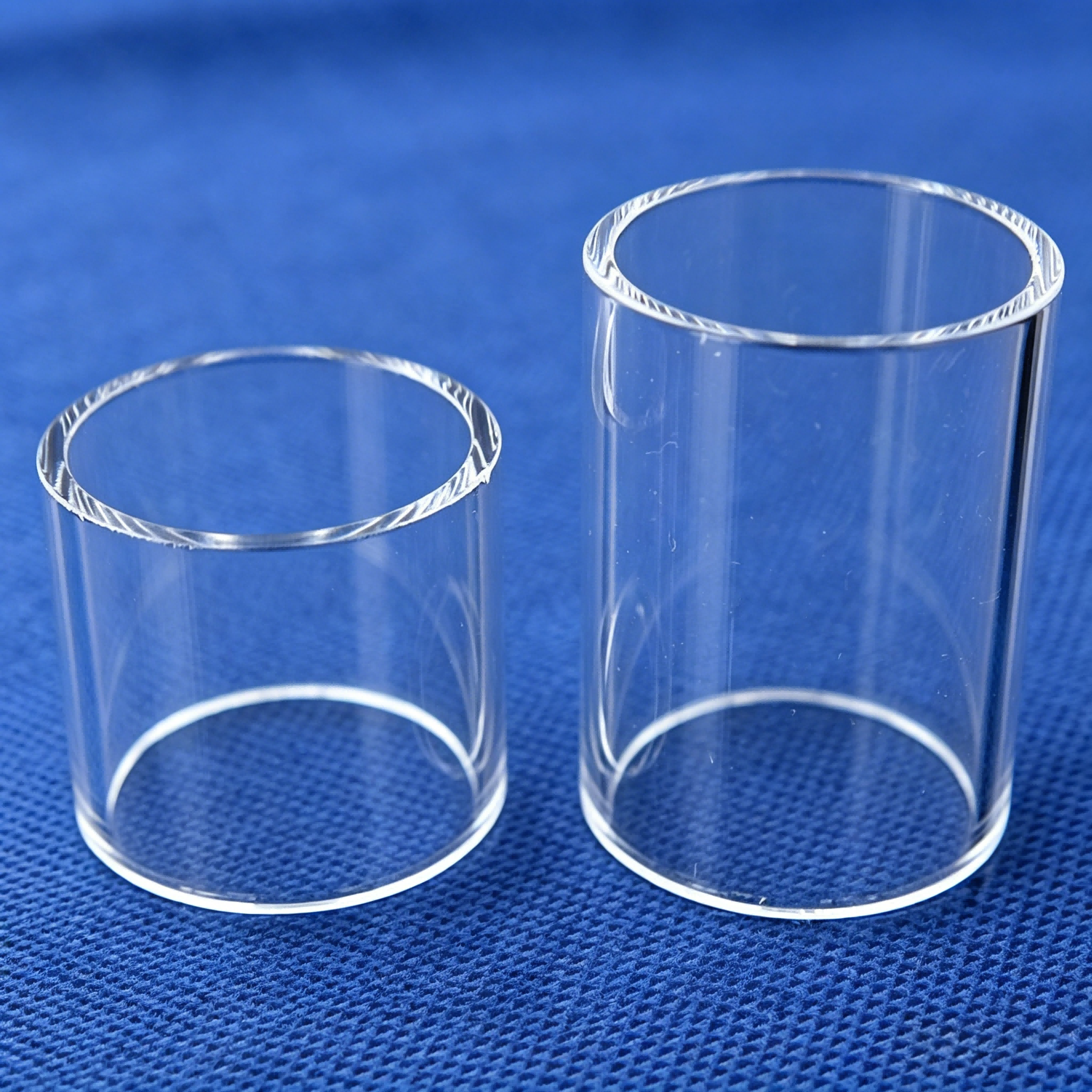
Corrosion-resistant custom heavy-wall cylinder pipe, twin-tube configurations, flame-polished cutting, and structural welding.
Explore Specifications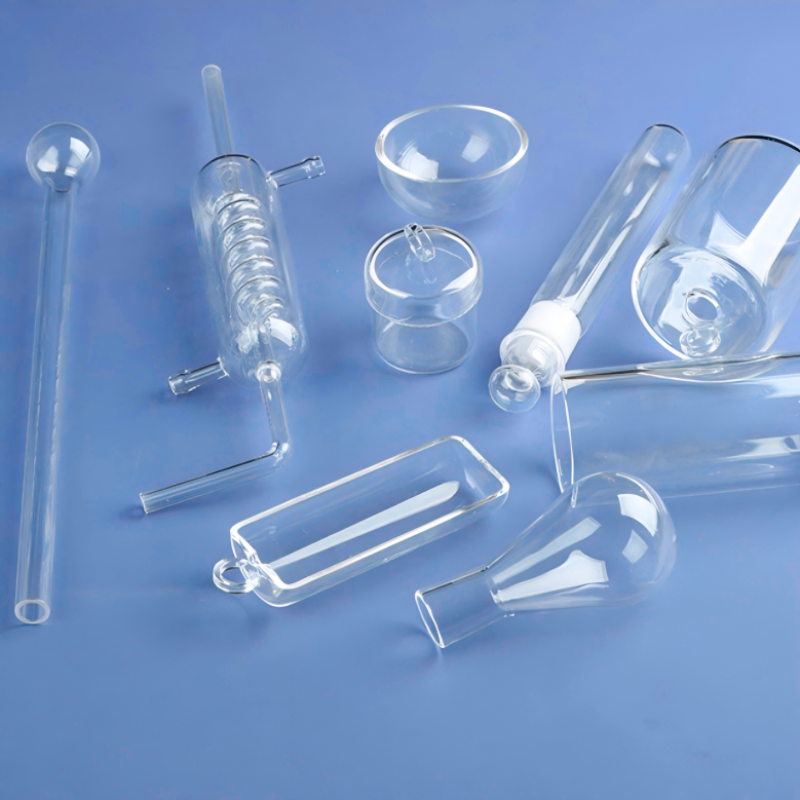
High-frequency transparent polished quartz furnace plugging rods and test vessels with superior heat durability.
Explore Specifications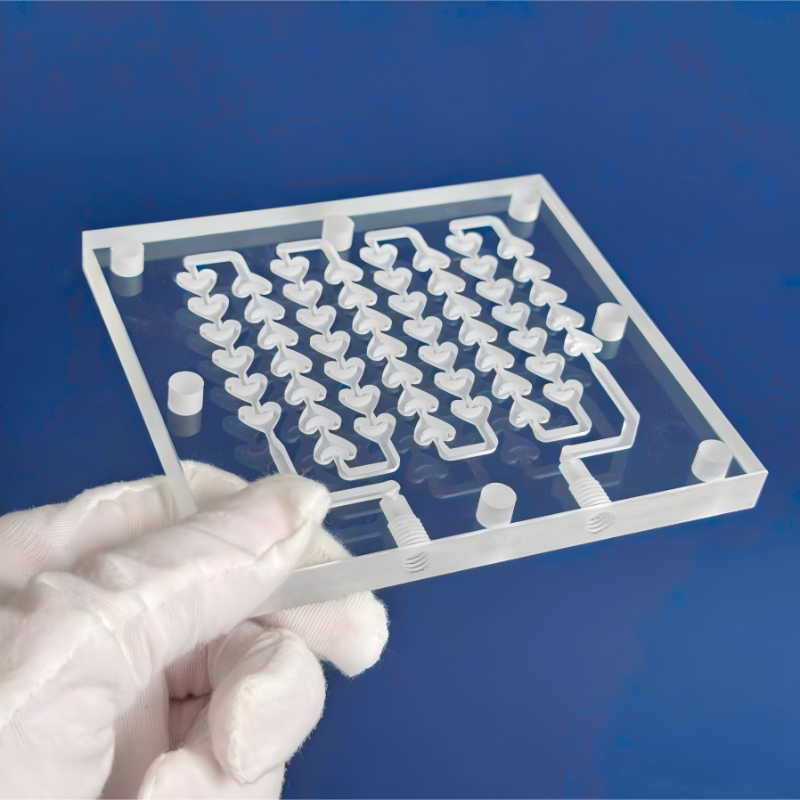
1750°C melting point heat-exchange circular quartz glass chips manufactured for extreme thermal interface stability.
Explore Specifications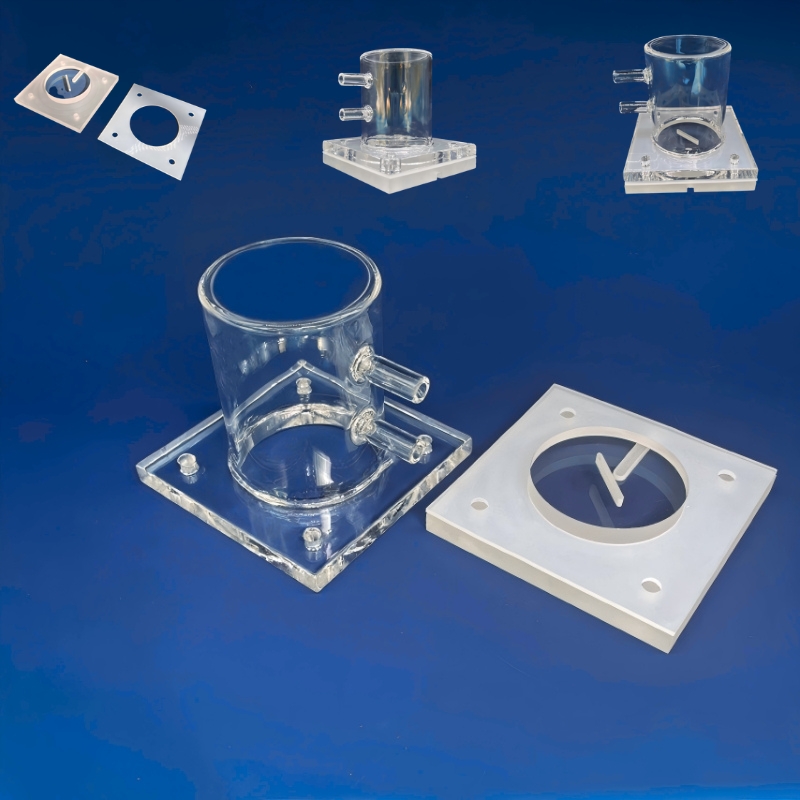
Specialized UV photodegradation reactor chamber engineered with ozone-free translucent quartz for solar hydrogen synthesis.
Explore Specifications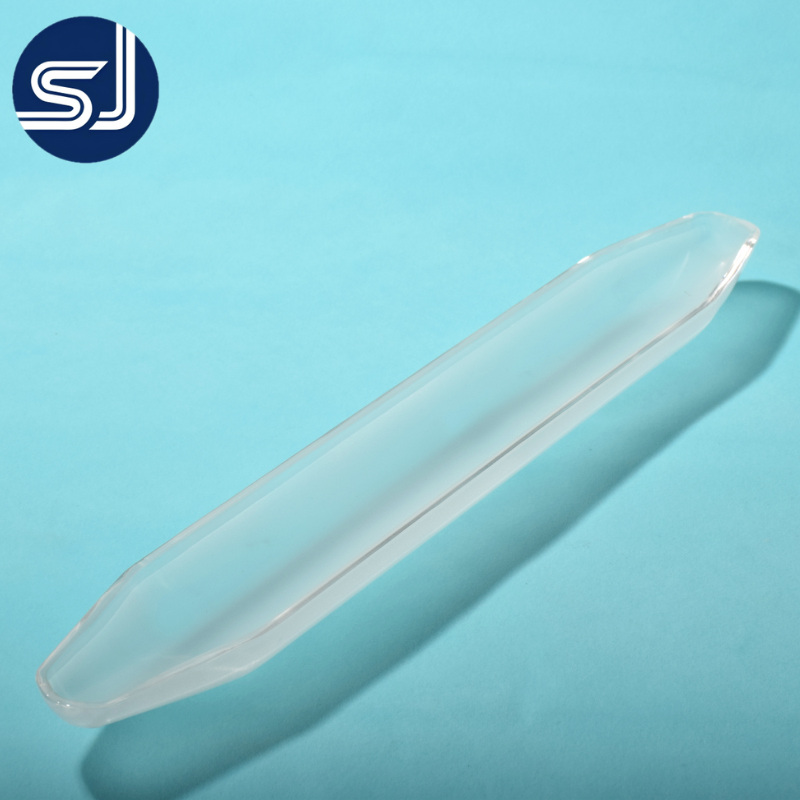
99.999% pure silica semiconductor boat with >85% transmittance, designed for 1100°C horizontal tube furnaces.
Explore Specifications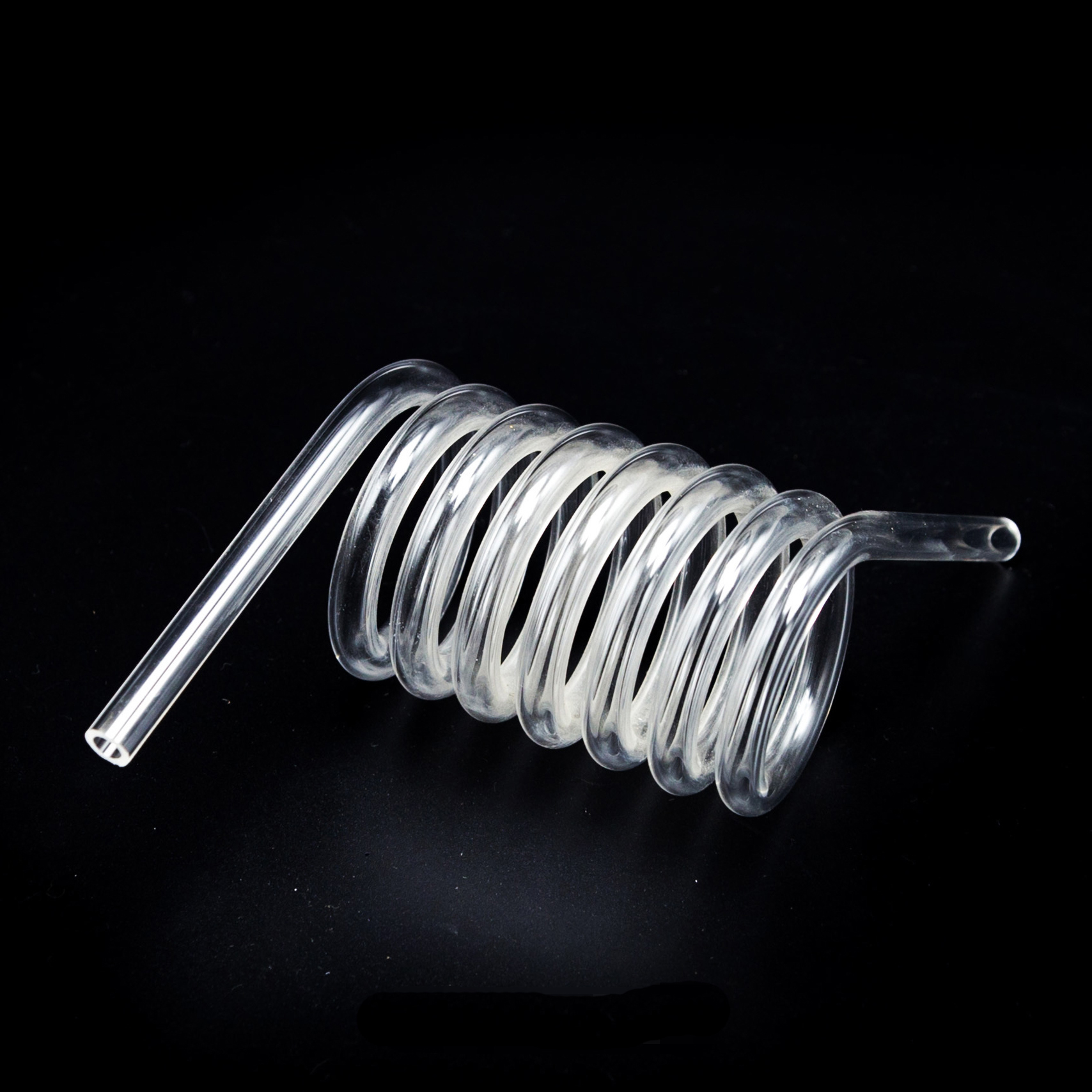
Precision flame-bent C-shape, helical spiral, and small-diameter welded quartz tubes for chemical instrument cooling paths.
Explore SpecificationsA structural, thermal, and optical analysis for procurement engineers and system integrators.
Industrial fused quartz cylinders, often categorized interchangeably as fused silica glass tubes, represent the pinnacle of vitreous inorganic materials. Unlike conventional borosilicate or aluminosilicate glasses that incorporate fluxing alkali oxides (such as Na₂O, K₂O, and B₂O₃) to depress melting points, pure quartz glass consists exclusively of a three-dimensional continuous random network of silicon-oxygen tetrahedra ([SiO₄]⁴⁻). This chemical purity of 99.99% to 99.999% SiO₂ yields extraordinary mechanical rigidity, near-zero thermal expansion, wide-band spectral transparency, and total chemical inertness against virtually all mineral acids (with the deliberate exception of hydrofluoric and hot concentrated phosphoric acid).
The operating envelope of a quartz cylinder is defined by its thermal transformation points. The strain point sits at approximately 1070°C, the annealing point at 1180°C, and the softening point at 1683°C. For prolonged industrial applications, such as horizontal semiconductor LPCVD or diffusion furnaces, continuous working exposure is maintained between 1100°C and 1150°C. Short-term peak thermal spikes can safely attain 1300°C to 1450°C without plastic deformation, provided that wall thickness geometry is engineered to balance hydrostatic or mechanical load.
Understanding Devitrification (Recrystallization): At temperatures exceeding 1150°C, vitreous amorphous quartz experiences a thermodynamic driving force to transition into its stable crystalline polymorph: high-temperature beta-cristobalite. When cooled below 275°C, beta-cristobalite undergoes a displacive phase transformation into alpha-cristobalite, accompanied by a sudden volumetric contraction of approximately 5%. This localized shear stress produces microcracking, hazing, and mechanical failure. Devitrification is catalyzed by surface contaminants—specifically alkali ions (Li⁺, Na⁺, K⁺) and alkaline earth metals (Ca²⁺, Mg²⁺). Therefore, maintaining sub-ppm impurity thresholds during tube drawing and enforcing high-temperature de-hydroxylation directly controls the lifecycle of high-temperature quartz cylinders.
| Physical / Mechanical Property | Natural Fused Quartz (SJ Grade) | Synthetic Fused Silica (Optical/Semi) | Testing Standard / Reference |
|---|---|---|---|
| Chemical Purity (SiO₂) | ≥ 99.99% (4N) to 99.995% | ≥ 99.9999% (6N) | ICP-OES / GD-MS Analysis |
| Density (20°C) | 2.20 ± 0.01 g/cm³ | 2.201 g/cm³ | Archimedes Immersion Method |
| Coefficient of Thermal Expansion (CTE) | 5.5 × 10⁻⁷ / °C (20°C–320°C) | 5.2 × 10⁻⁷ / °C (20°C–320°C) | Dilatometry (DIN 51045) |
| Continuous Service Temperature | 1100°C | 1150°C – 1200°C | Long-Term Load Sag Test |
| Maximum Peak Temperature | 1450°C | 1500°C | Atmospheric Furnace Cycling |
| Hydroxyl Radical (OH⁻) Content | < 30 ppm (Electric) / < 180 ppm (Gas) | < 1 ppm (Dry) to 1200 ppm (Wet) | FTIR Infrared Absorption at 2.73 µm |
| Refractive Index (nD at 589.3 nm) | 1.4585 | 1.4584 | V-Block Refractometry |
| Dielectric Strength (20°C, 1MHz) | 25–40 kV/mm | 35–45 kV/mm | ASTM D149 Solid Insulator Testing |
The spectral transmission of a quartz glass cylinder is fundamentally determined by trace elemental dopants and the fusion method. Electrically fused natural quartz provides remarkable transmission from the near-ultraviolet (NUV: ~260 nm) through the visible spectrum and into the near-infrared (NIR: ~3.5 µm), making it ideal for infrared heating twin-tubes, furnace reaction chambers, and high-intensity discharge lamps.
Ozone-Free Doping Mechanics: Standard atmospheric air contains oxygen (O₂) which dissociates under deep UV wavelengths below 200 nm (specifically the intense 184.9 nm mercury resonance line) into reactive singlet oxygen atoms, generating toxic ozone (O₃). To eliminate this hazard in indoor ultraviolet disinfection, germicidal water purification, and photopolymerization equipment, our engineering team manufactures Titanium-doped or Cerium-doped quartz cylinders. The dopant acts as an internal optical bandpass filter, creating a steep absorption edge around 220 nm that extinguishes vacuum UV while transmitting over 88% of the germicidal 253.7 nm UV-C emission.
Conversely, for advanced photochemical reactors and excimer laser systems, synthetic fused silica synthesized via chemical vapor deposition (SiCl₄ flame hydrolysis) delivers crystal-grade transmission down to 185 nm without solarization or dark-center formation.
Direct supply from China's crystal capital backed by rigorous third-party verification.
Assessment Report Validated · Factory Location: Donghai Economic Development Zone, Jiangsu



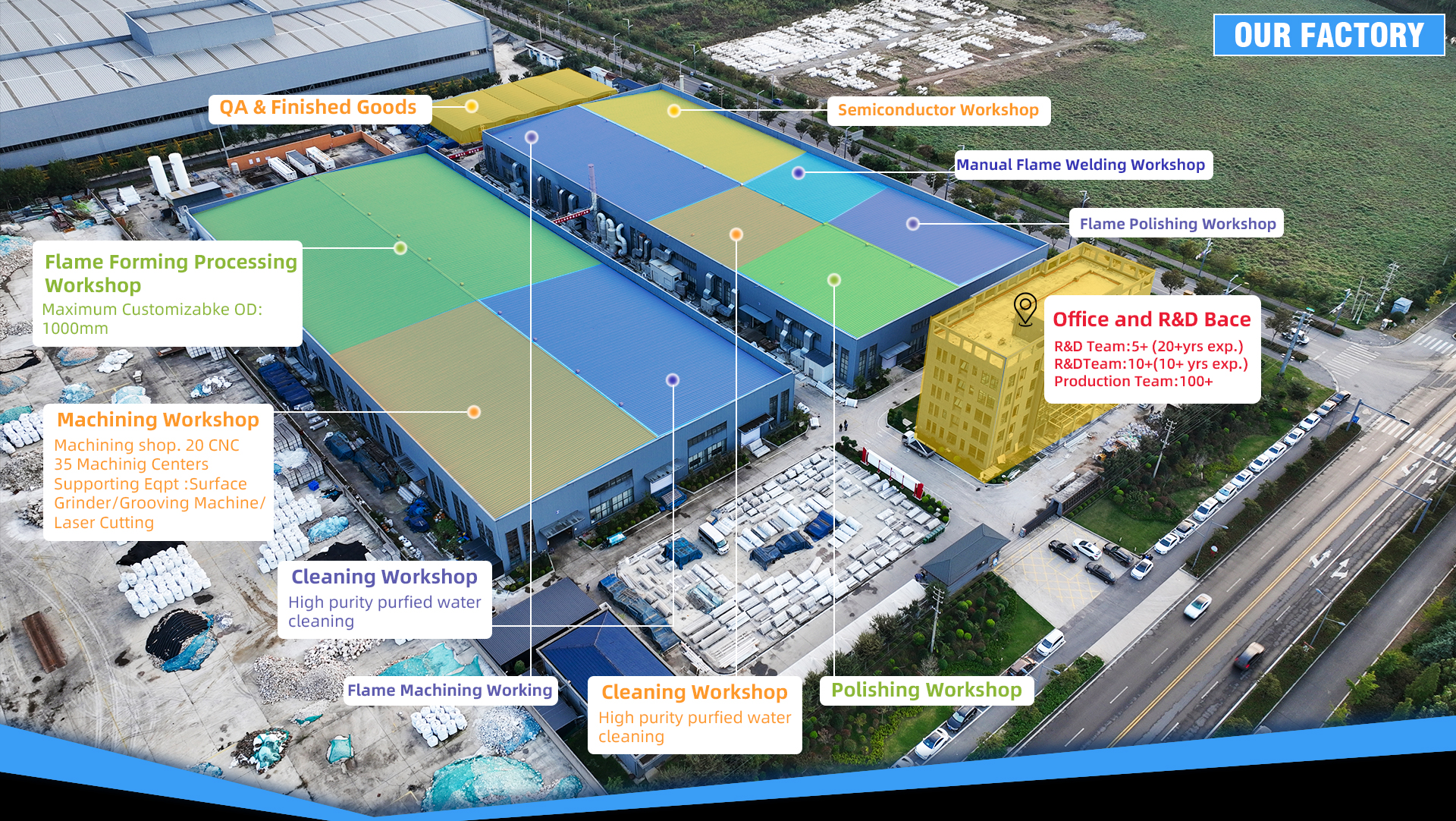
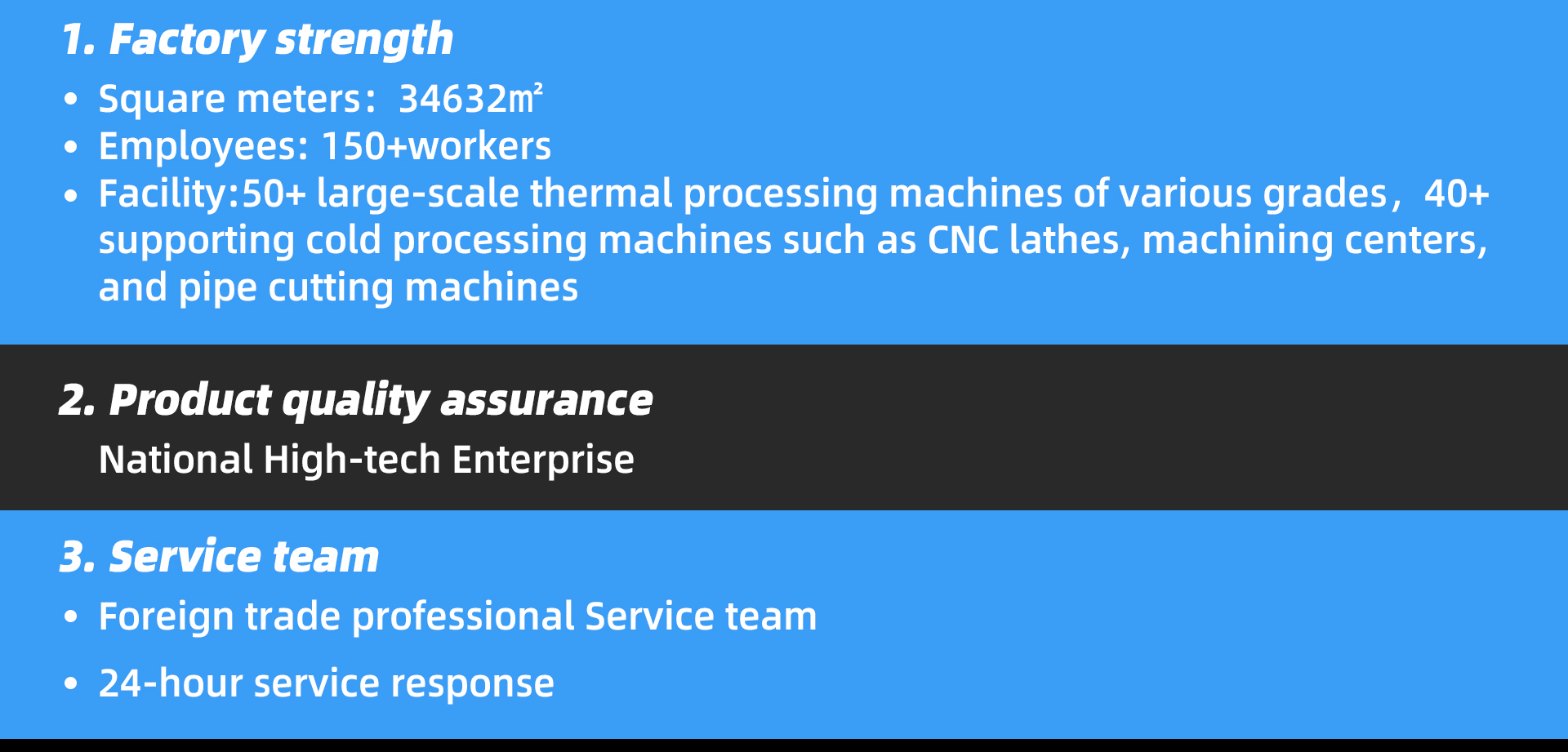
Headquartered at No. 9 Dingxin Road, Jiangsu Donghai Economic Development Zone, Lianyungang Vulra Quartz Products Co., Ltd. sits in the geological hub of China's quartz refining cluster. This geographical synergy grants us direct, immediate access to ultra-low impurity natural quartz sand resources. Our fully owned processing facilities combine continuous electric-arc drawing towers, precision oxy-hydrogen flame glass lathes, and CNC diamond ultrasonic machining centers under an audited ISO 9001:2015 quality architecture.
We translate complex CAD/SolidWorks geometries into precision components. From miniature precision capillary cylinders (OD 2 mm, WT 0.3 mm) to massive heavy-wall diffusion cylinders (OD 800 mm), our tooling adapts to your thermal tolerances.
Eliminate capital-intensive barriers during scientific R&D, pilot line validation, or specialized vacuum equipment manufacturing. We provide full prototyping from a single workpiece before batch release.
High-purity quartz requires shock mitigation. Each cylinder is wrapped with dust-free PE film, isolated in expanded EPE contoured foam, boxed in heavy reinforced triple-wall cartons, and secured in fumigated plywood export crates.
Precision execution at every phase: flame synthesis, machining, annealing, and cleanroom packaging.
Multi-torch hydrogen-oxygen glass lathes execute seamless cylinder splicing, flanging, doming, and complex port branch fusion.
Micro-crack-free wet diamond wire cutting, high-speed inner/outer cylindrical grinding, ultrasonic boring, and edge chamfering.
Electric heating lehrs bring quartz cylinders to 1180°C with controlled cool-down cycles, verified via polariscope birefringence for zero internal residual stress.
Strategic insight for global buyers navigating semiconductor, solar PV, and hydrogen revolutions.
The global demand for high-purity quartz cylinders is undergoing an aggressive structural evolution driven by next-generation chip geometries, wide-bandgap (SiC/GaN) power semiconductors, high-efficiency solar cells (TOPCon, HJT, Perovskite-Silicon tandems), and industrial-scale photocatalytic hydrogen production. Procurement managers must position their supply chains to accommodate five defining trends:
In advanced lithography, ALD (Atomic Layer Deposition), and dry plasma etching, trace metal cross-contamination is catastrophic. Buyers are transitioning from standard 4N grade (99.99%) to 5N5 (99.9995%) quartz cylinders. Alkali metals such as Sodium (Na) and Lithium (Li) must remain strictly below 0.1 ppm, and transition metals like Iron (Fe) and Copper (Cu) below 0.05 ppm to prevent gate-oxide degradation during 1200°C wafer thermal processing.
As photovoltaic manufacturers migrate from M10 (182 mm) wafers to G12 (210 mm) rectangular formats, diffusion furnace tubes require unprecedented dimensions. Quartz cylinders exceeding 500 mm in diameter with uniform wall thicknesses of 6.0 mm to 10.0 mm are now standard. Maintaining strict dimensional circularity (ovality < 0.3%) over lengths exceeding 2500 mm requires proprietary horizontal continuous drawing technologies.
Fluorinated plasma gases (such as CF₄, NF₃, and SF₆) in semiconductor wafer etch tools rapidly corrode traditional SiO₂ networks, forming volatile SiF₄ gas and causing premature cylinder thinning. The industry is heavily adopting Yttrium-oxide (Y₂O₃) modified or dense synthetic quartz to lower etch rates by 40–60%. Furthermore, for horizontal high-temperature tube furnaces, low-OH (<5 ppm) electrically fused cylinders are mandatory to suppress structural creep and sag.
Solar water splitting and photoelectrochemical hydrogen-oxygen production are scaling from laboratory flasks into multi-tube industrial reactors. These configurations rely on high-volume synthetic quartz cylinders engineered with >90% transmission at 254 nm and 185 nm. Ozone-free properties are simultaneously demanded to protect personnel while maximizing the photon flux delivered to immobilized TiO₂ or bismuth vanadate photocatalysts.
Procurement teams are shifting from evaluating purchase price per piece to evaluating Total Cost of Ownership (TCO). Buyers demand Coordinate Measuring Machine (CMM) runout inspection reports, laser-scan wall thickness mapping, and ICP-MS chemical batch certificates for every exported cylinder lot. A cylinder with ±0.05 mm tolerance prevents costly furnace seal gas leaks and downtime.
Clear, engineering-backed answers to the challenges procurement specialists encounter when importing quartzware.