Featured Quartz Components & Optical Flow Cell Assemblies
Engineered with 99.999% High-Purity Silica for Superior UV Transmission, High Thermal Shock Resistance, and Microfluidic Precision.
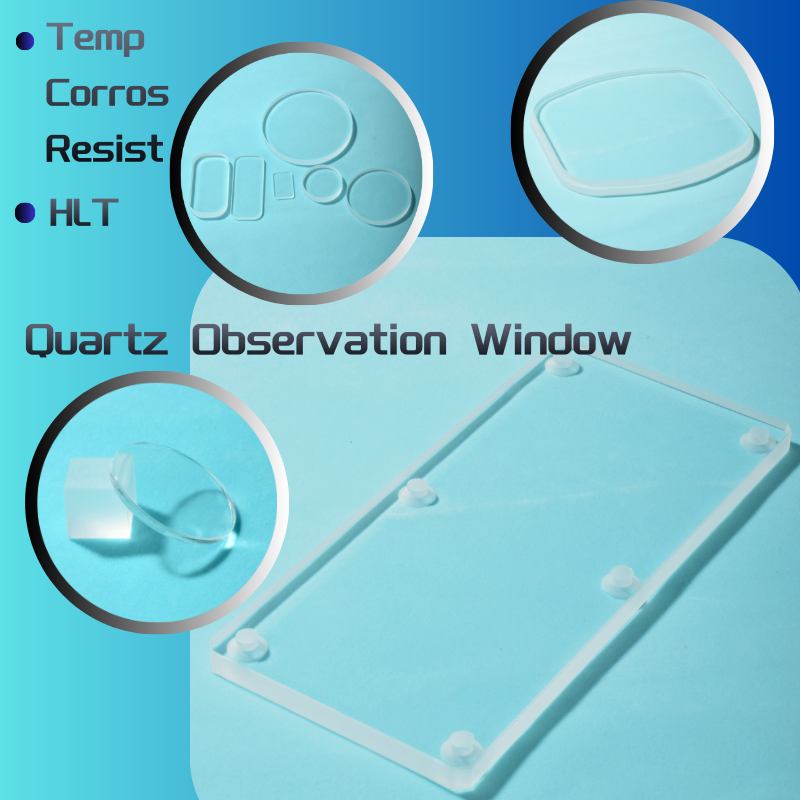
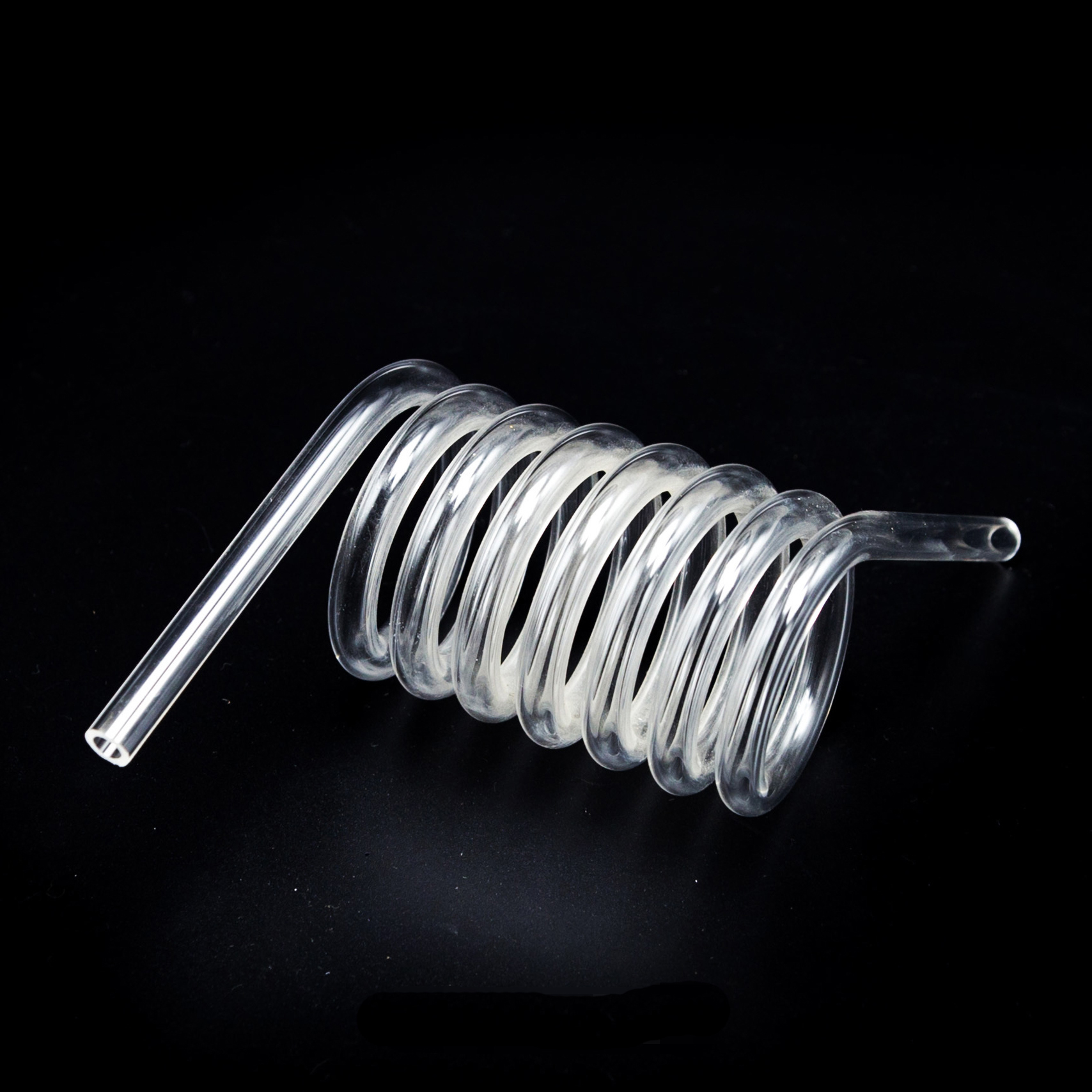
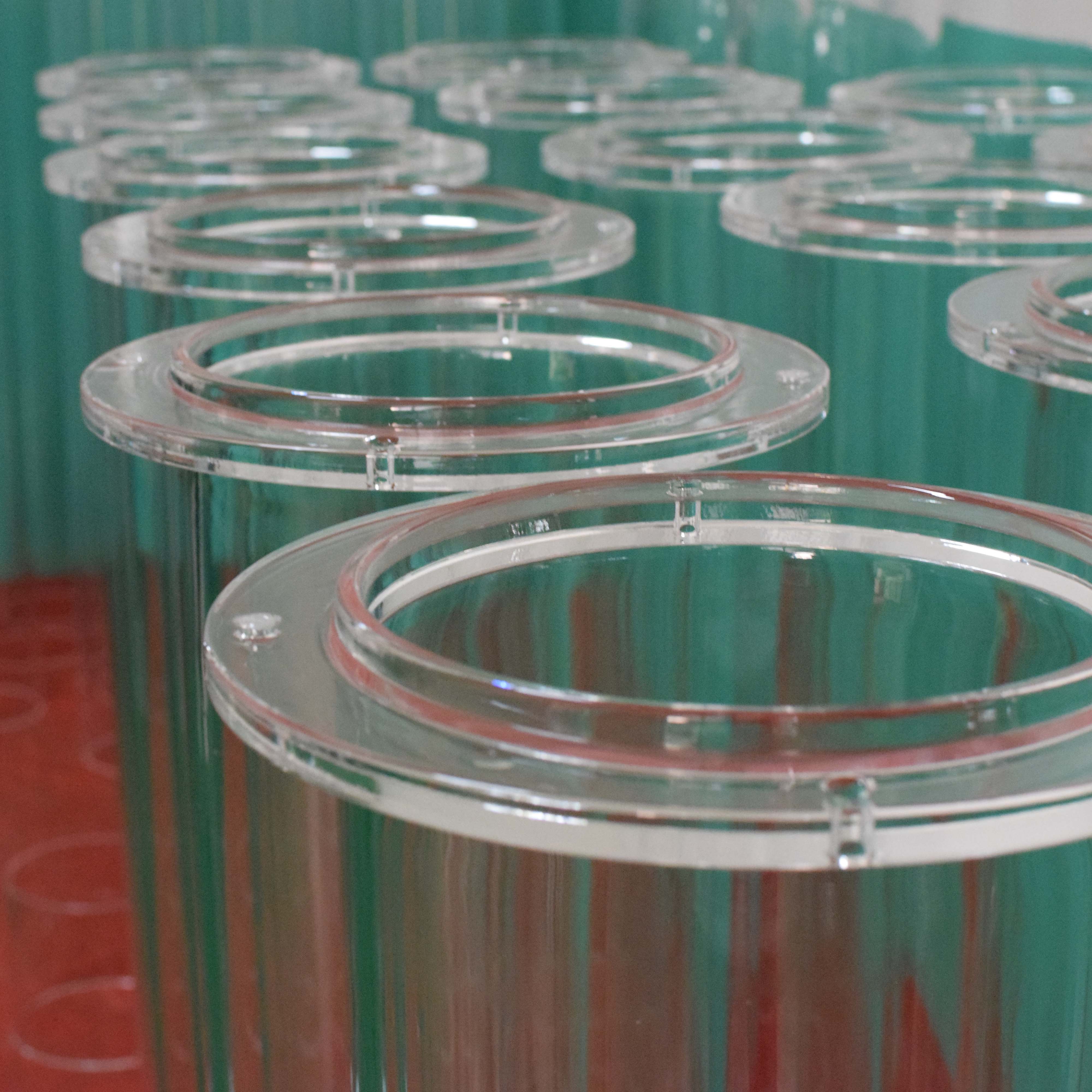
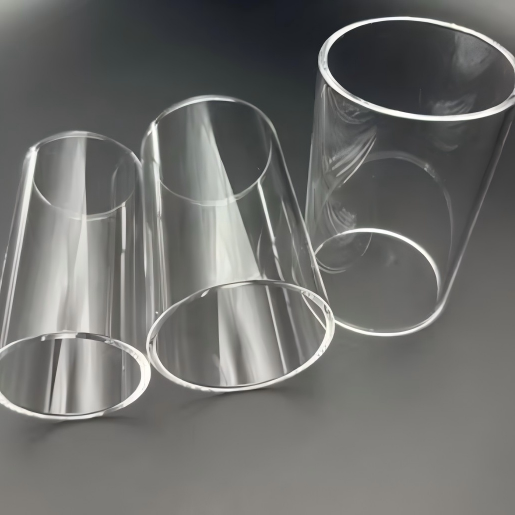
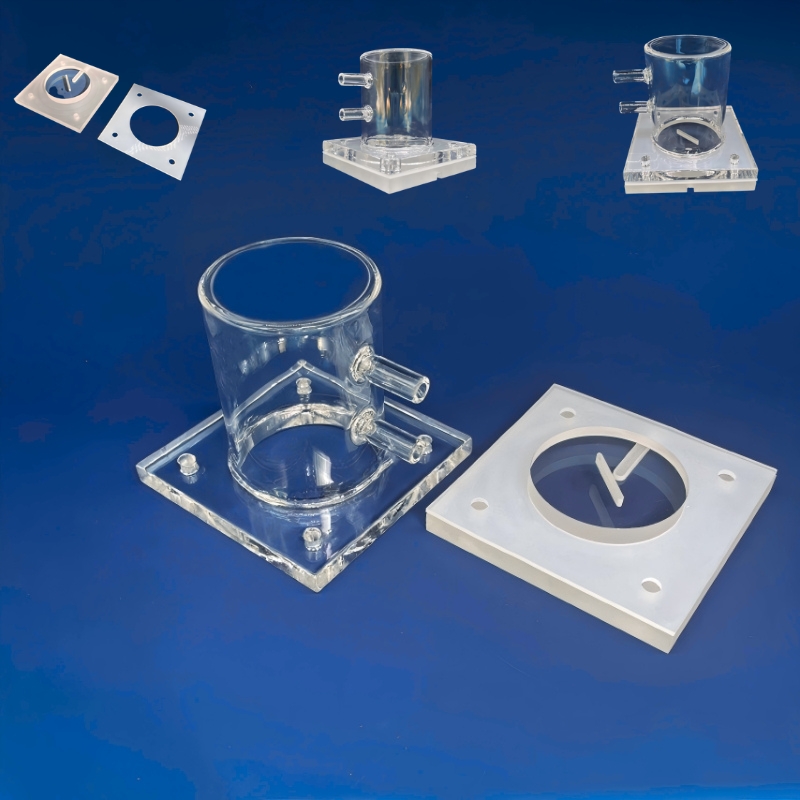
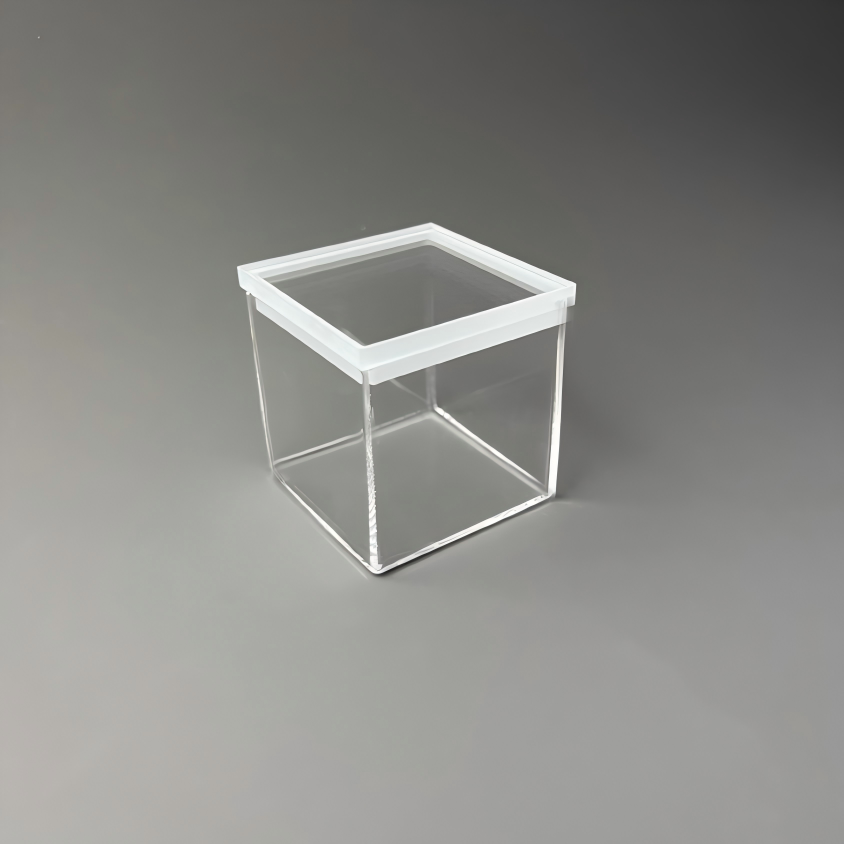
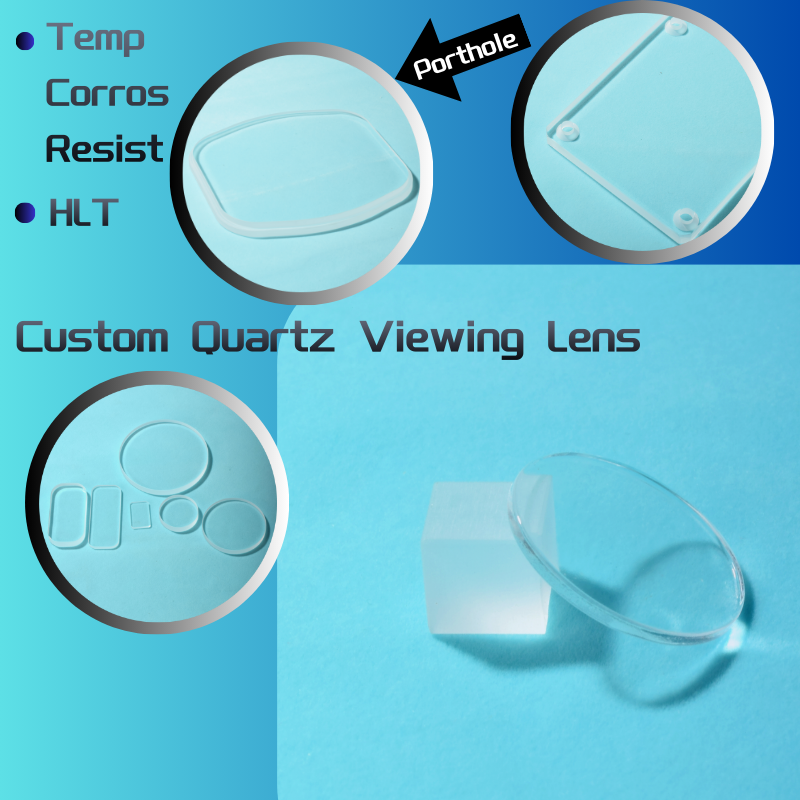
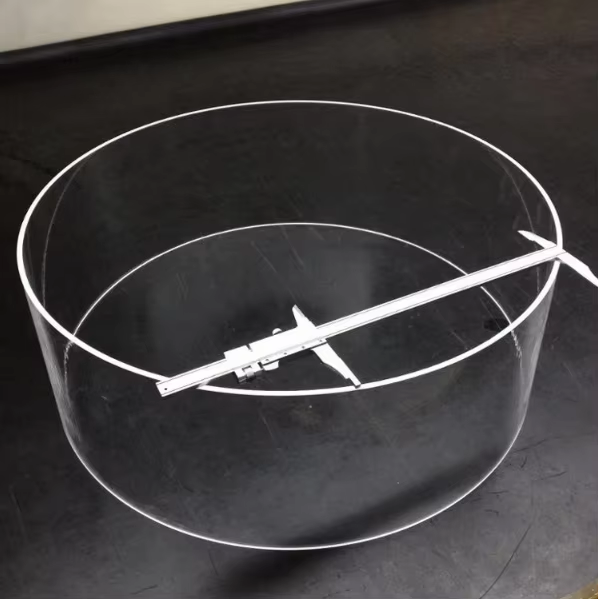
1. Technical Architecture & Engineering Fundamentals of Quartz Flow Cells
Quartz flow cells represent the optical and mechanical backbone of modern analytical chemistry, microfluidic diagnostics, high-performance liquid chromatography (HPLC), UV-Vis/FTIR spectroscopy, and continuous flow photoreactors. Designed to transmit spectral radiation with negligible signal attenuation across deep ultraviolet (DUV), visible, and near-infrared (NIR) wavelengths, these specialized optical elements maintain fluidic isolation under high pressure, corrosive fluid transport, and elevated thermal gradients.
As a premier OEM/ODM Quartz Flow Cell Supplier & Exporter, Lianyungang Vulra Quartz Products Co., Ltd. combines raw silica material selection, proprietary micro-machining, thermal diffusion bonding, and optical surface polishing. Located in Donghai County—the globally recognized "Crystal Capital of China"—our manufacturing ecosystem leverages direct access to world-class natural quartz sand deposits and high-purity synthetic precursors ($SiCl_4$).
Information Gain Key Takeaway: Unlike standard borosilicate or optical glass flow cells which exhibit severe UV cutoff absorption below 300 nm and suffer thermal degradation at high temperatures, synthetic fused silica flow cells maintain optical transparency down to 190 nm and can endure severe thermal shocks up to 1100°C without structural failure or mechanical birefringence.
Material Grade Differentiation: JGS1 vs. JGS2 vs. JGS3 Silica
Selecting the optimal quartz grade is critical for balancing optical throughput, chemical resistance, and manufacturing budget:
| Quartz Material Grade | Spectral Range | Hydroxyl (OH-) Content | Primary Industrial Applications |
|---|---|---|---|
| Synthetic Fused Silica (JGS1) | 190 nm – 2500 nm (Deep UV Clear) | < 5 ppm to 1200 ppm (Grade Dependent) | HPLC UV Detectors, Fluorescence Spectroscopy, Microfluidic Flow Cells, Laser Optics |
| Natural Fused Quartz (JGS2) | 220 nm – 2500 nm (Standard UV-Vis) | < 30 ppm | Industrial Photochemical Reactors, Sight Glasses, High-Temperature Flow Chambers |
| Infrared Fused Silica (JGS3) | 260 nm – 3500 nm (Infrared Optical) | < 5 ppm (Water-Free) | FTIR Flow Spectroscopy, Non-Dispersive Infrared (NDIR) Gas Sensing, Thermal Optics |
Our custom OEM/ODM quartz flow cells utilize zero-bubble optical silica blocks processed under ISO Class 5 cleanroom conditions. Using seamless atomic diffusion bonding (direct fusion without organic adhesives or low-melting glues), our microfluidic channels exhibit zero fluorescence background noise and withstand working fluid pressures up to 30 MPa (300 bar).
Enterprise Strengths & Precision Manufacturing Capabilities
Verified by TÜV Rheinland as a Direct Manufacturer & Custom Fabricator with End-to-End Control from Raw Sand to Finished Optics.
Full OEM/ODM Customization
We translate 2D/3D CAD drawings (STEP, IGES, DXF) into high-precision prototypes within 5 to 7 working days. Minimum order quantities start from just 1 piece for customized flow channels, micro-bores, and multi-port optical flow cells.
TÜV Rheinland Audited Facility
Lianyungang Vulra Quartz Products Co., Ltd. underwent on-site verification by TÜV Rheinland. Our production lines, raw material purity testing, and dimensional inspection laboratories operate under strict ISO 9001 quality systems with CE and RoHS compliance.
Advanced Micro-Machining & Polishing
Equipped with 5-axis ultrasonic CNC grinding centers, femtosecond laser drilling machines, double-sided optical polishing machines, and high-temperature vacuum annealing furnaces for stress-free optical windows (Scratch-Dig 20/10, λ/4 flatness).
2. Future Procurement Trends in Quartz Flow Cells (2025–2030 Perspective)
The global demand for high-performance quartz flow cells is experiencing a paradigm shift driven by technological convergence in pharmaceutical manufacturing, industrial automation, and micro-scale analytical chemistry. Procurement directors and engineering leads must align sourcing strategies with the following emerging key industry trends:
A. High-Throughput Continuous Flow Chemistry & Microreactors
Traditional batch chemical synthesis is rapidly transitioning toward continuous flow chemistry, particularly in fine chemical manufacturing and active pharmaceutical ingredient (API) synthesis. Quartz microreactors and optical flow cells allow continuous UV-irradiation and real-time reaction monitoring (Process Analytical Technology - PAT). Sourcing trends indicate a 40% surge in demand for microchannel quartz cells capable of operating continuously at 200°C and 25 bar.
B. Ultra-Low Dead Volume & Zero-Stagnation Geometry
In Ultra-High-Performance Liquid Chromatography (UHPLC) and capillary electrophoresis, peak broadening caused by turbulent fluid mixing inside detector flow cells degrades analytical accuracy. Sourcing teams now prioritize flow cells engineered with internal channel volumes below 1.5 microliters ($\mu L$), featuring sub-micron optical wall polishing to eliminate dead volume zones and sample carryover.
C. Hybrid Quartz-Metal & Glass-Sapphire Composite Flow Cells
Modern industrial inline fluid analyzers require both the chemical inertness of synthetic fused silica and the rugged mechanical threads of titanium, Hastelloy, or PEEK fittings. Future-ready procurement strategies emphasize suppliers capable of delivering direct laser-brazed or mechanical seal hybrid quartz assemblies that eliminate elastomer O-ring degradation in aggressive organic solvents.
D. Standardized Modular Microfluidic Interfacing
System integrators are moving away from proprietary fitting designs toward standardized fluidic interfaces (e.g., 1/16" HPLC compression fittings, capillary sleeve joints, and chip-to-world manifold clamps). OEM suppliers with standardized port geometries drastically reduce equipment time-to-market and lower spare-part procurement overhead.
3. Technology Development & Microfabrication Trends
The fabrication of optical quartz flow cells has evolved from manual flame working and mechanical drilling toward state-of-the-art micro-optics and laser direct writing. Understanding these technological advancements enables buyers to specify higher performance thresholds in custom contracts.
Diffusion Bonding Technology
Eliminates glass adhesives and frit glues by fusing clean silica surfaces at near-softening temperatures (~1200°C) under controlled pneumatic pressure. The result is a monolithic optical block with zero optical aberration at joints.
Femtosecond Laser Etching (FLICE)
Enables 3D micro-fluidic channels with complex spiral geometries and round cross-sections inside solid synthetic quartz blocks, overcoming the line-of-sight limitations of mechanical diamond drill bits.
Atomic-Level Surface Polishing
Utilizes chemical-mechanical planarization (CMP) to achieve surface roughness $Ra < 0.5 \text{ nm}$. This ultra-smooth surface prevents bio-fouling and cell adhesion in biomedical analytical flow cytometers.
Comprehensive Material Performance Matrix
| Physical / Optical Property | Standard Fused Quartz | Synthetic Fused Silica (JGS1) | Borosilicate Glass (Comparison) |
|---|---|---|---|
| Density | 2.20 g/cm³ | 2.20 g/cm³ | 2.23 g/cm³ |
| Coefficient of Thermal Expansion (0–300°C) | 5.5 × 10⁻⁷ / K | 5.4 × 10⁻⁷ / K | 33 × 10⁻⁷ / K |
| Softening Point | 1683 °C | 1600 °C | 820 °C |
| Max Short-Term Temperature | 1450 °C | 1300 °C | 500 °C |
| Refractive Index (nD at 589.3 nm) | 1.4585 | 1.4585 | 1.470 |
| Fluorescence Under 254 nm UV | Low / Trace | Extremely Low / Non-detectable | High (Unsuitable for Fluorescence) |
Frequently Asked Questions (Procurement & Technical FAQ)
Expert Answers to Technical, Quality Control, and Custom Prototyping Questions from International Buyers.
What is the minimum optical pathlength tolerance available for OEM quartz flow cells?
Our 5-axis optical grinding and double-sided polishing systems achieve pathlength tolerances down to ±0.005 mm (±5 microns) for standard 10mm, 5mm, 2mm, and 1mm optical path cells. Sub-millimeter micro-path cells (e.g., 0.1mm or 0.2mm) can be held to ±0.002 mm upon request.
How does thermal diffusion bonding compare to glue-bonded quartz cells?
Glue-bonded cells use organic epoxy adhesives that dissolve or leach when exposed to organic solvents (such as acetonitrile, THF, or acetone) and degrade under deep-UV radiation. Thermal diffusion bonding joins the quartz plates at atomic level, resulting in an adhesive-free cell that is chemically inert, non-fluorescing, and thermally stable up to 1100°C.
Can you manufacture custom quartz flow cells from customer CAD drawings?
Yes. As a verified custom manufacturer, over 70% of our production is drawing-based OEM/ODM work. We accept STEP, IGES, DXF, and PDF formats. Our engineering team conducts a complimentary feasibility review focusing on wall ratios, internal pressure limits, optical window clearance, and stress concentration points.
What quality control and inspection procedures are performed prior to export shipment?
Every exported quartz component undergoes 100% dimensional measurement using optical comparators, surface roughness evaluation (Ra meter), polariscopic residual stress testing for strain relief, and optical transmission spectrophotometer verification (190nm–2500nm). Products are cleaned in ultrasonic acid baths, rinsed in DI water, and packed in cleanroom vacuum foam pouches.
What is the standard lead time for custom prototype flow cells vs. volume production?
Custom prototype samples are typically completed within 5 to 10 working days after drawing sign-off. Regular batch orders (100–1,000 pieces) require approximately 2 to 3 weeks depending on channel complexity and polishing specifications.
How are fragile quartz flow cells protected during international freight transit?
We utilize custom high-density EPE foam cradles tailored to each item's geometry, housed within double-walled corrugated boxes or reinforced wooden cases. Our export packaging complies with ISTA 3A drop and vibration testing standards, ensuring zero breakages during sea, air, or express parcel shipments.
Ready to Engineer Your Custom Quartz Flow Cell Assembly?
Consult directly with our senior quartz optical engineers. Submit your technical drawings or functional requirements today for a formal quotation, DFM analysis, and material selection guidance within 24 hours.