High-Purity Fused Quartz Components & Assemblies
Verified technical grade fused quartz products optimized for extreme thermal shock resistance, optical transmittance, and semiconductor-grade chemical inertness.
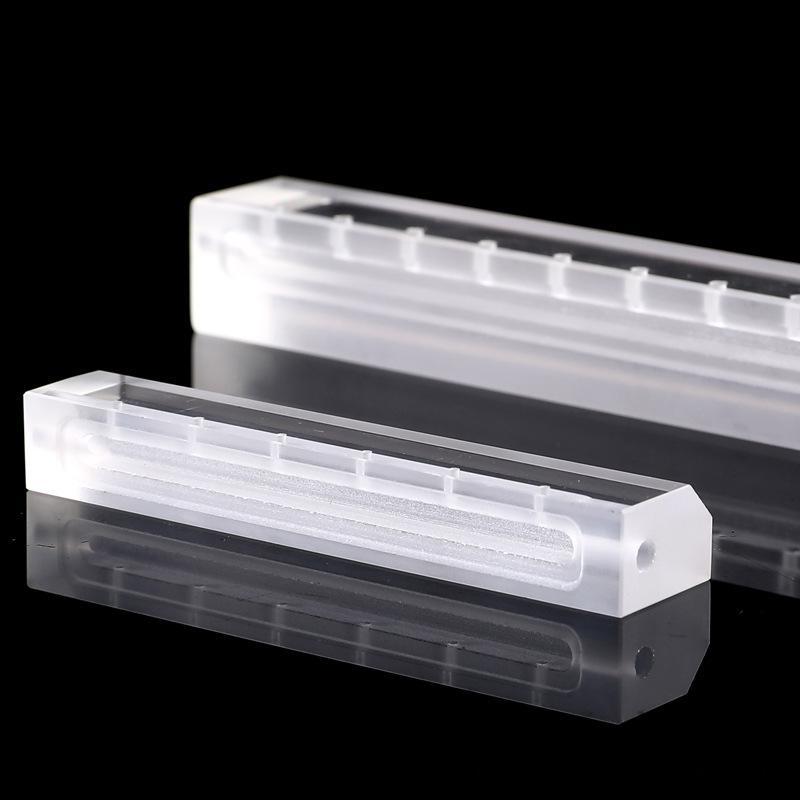
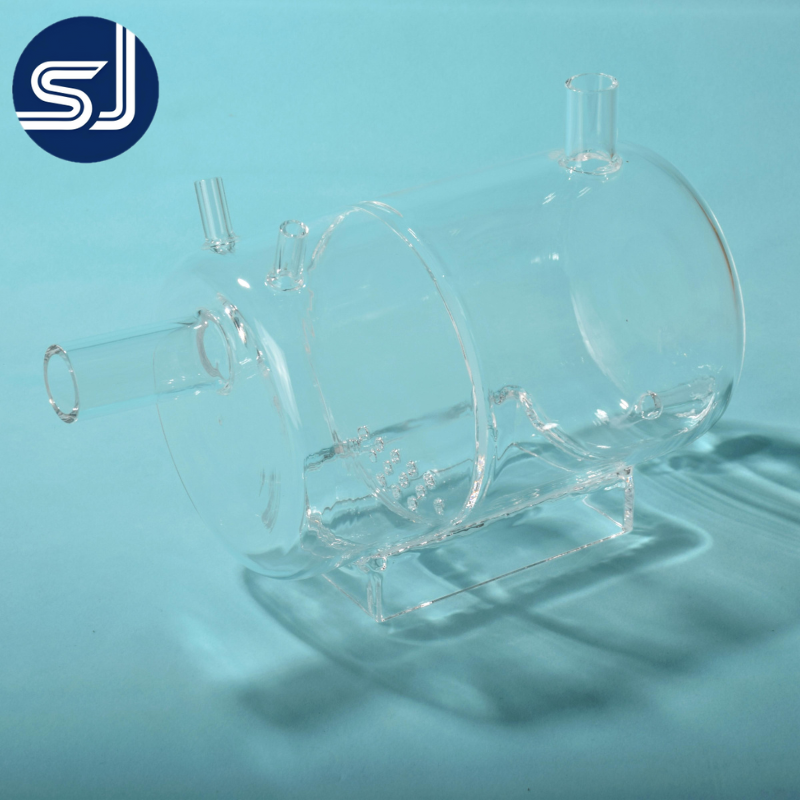
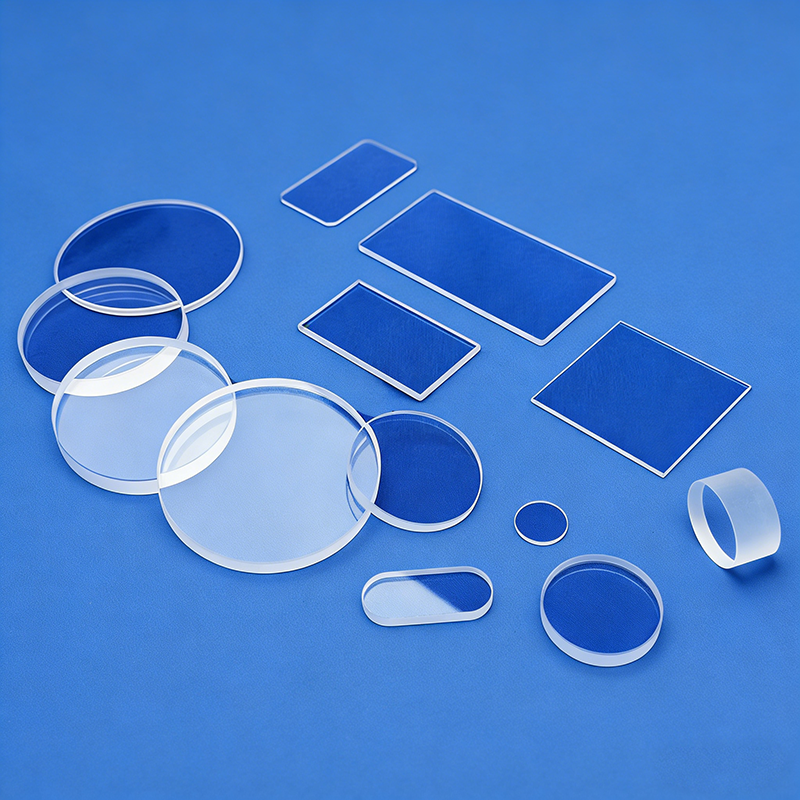
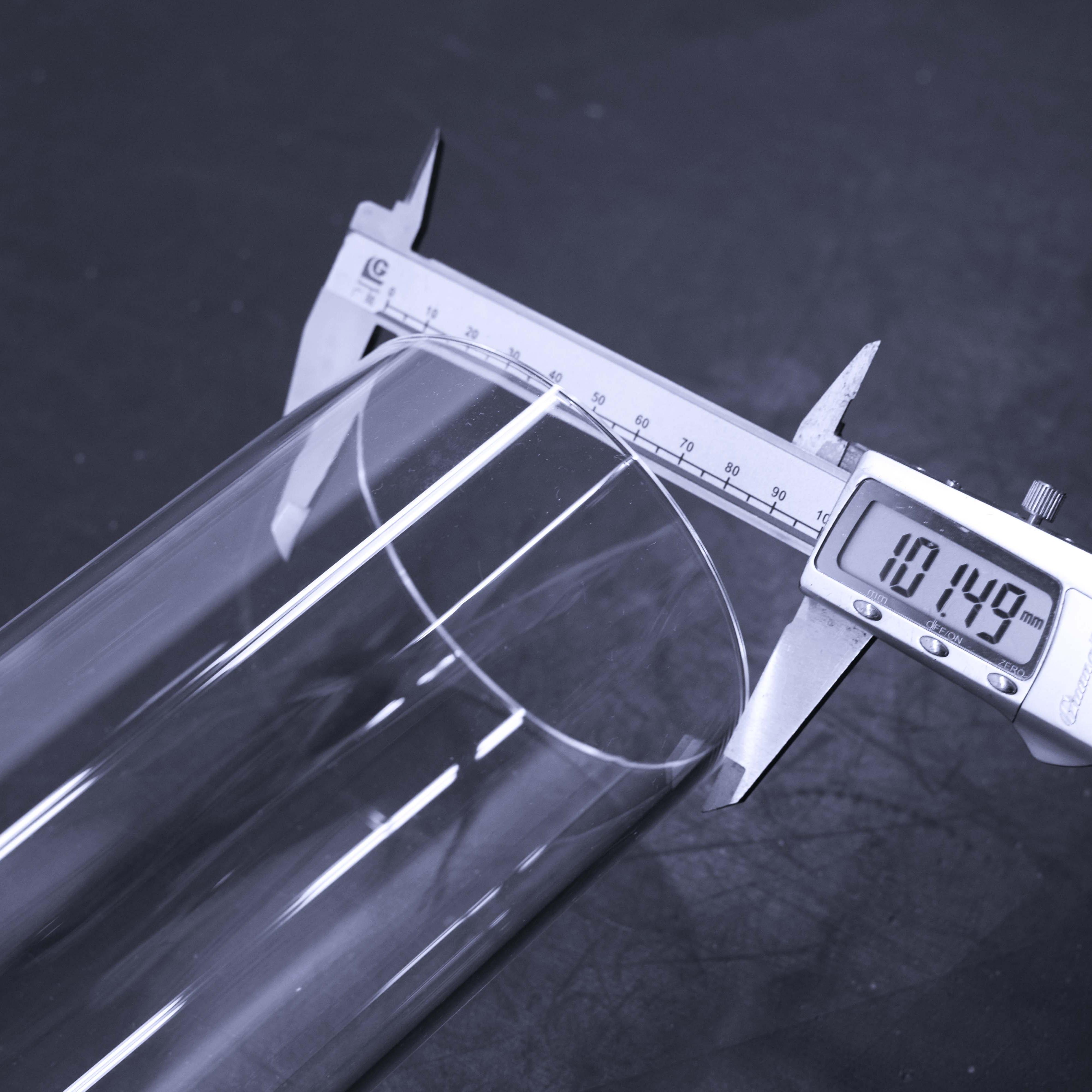
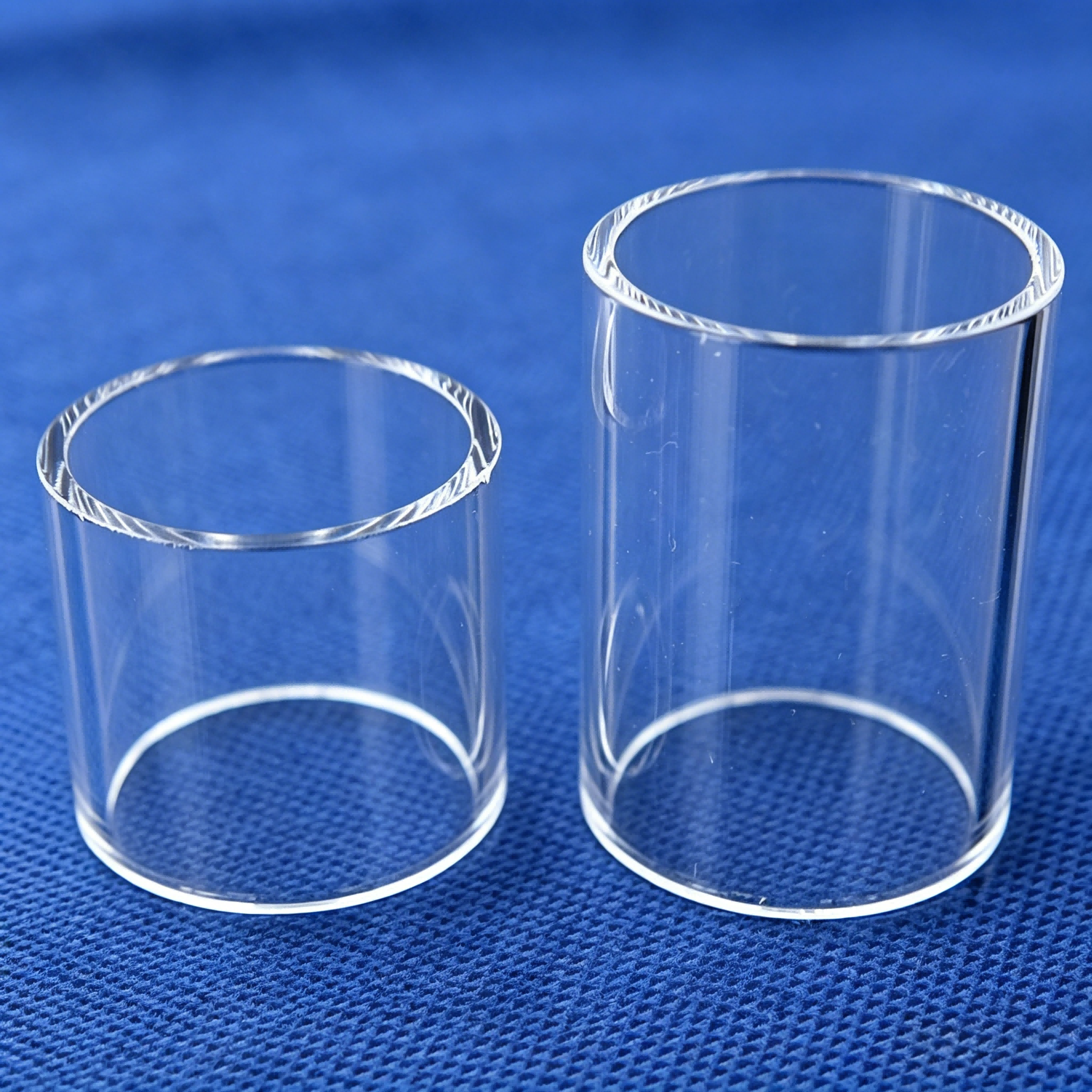
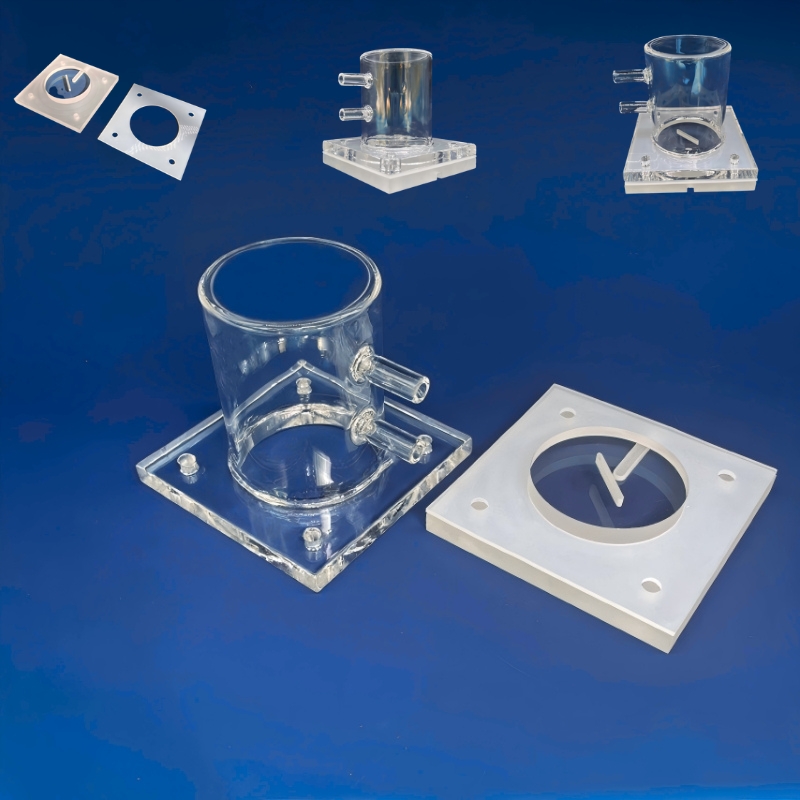
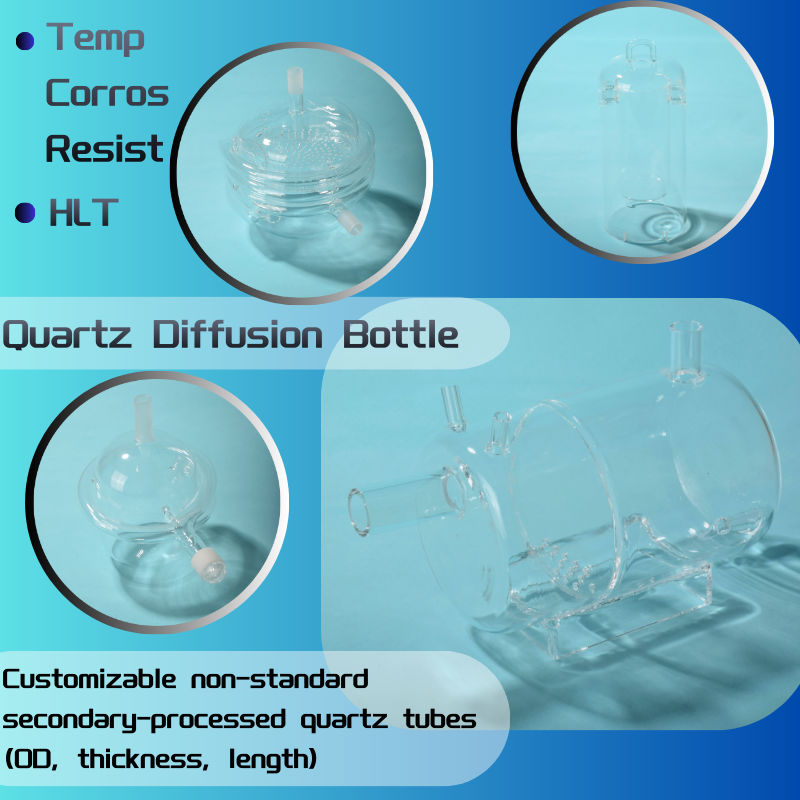
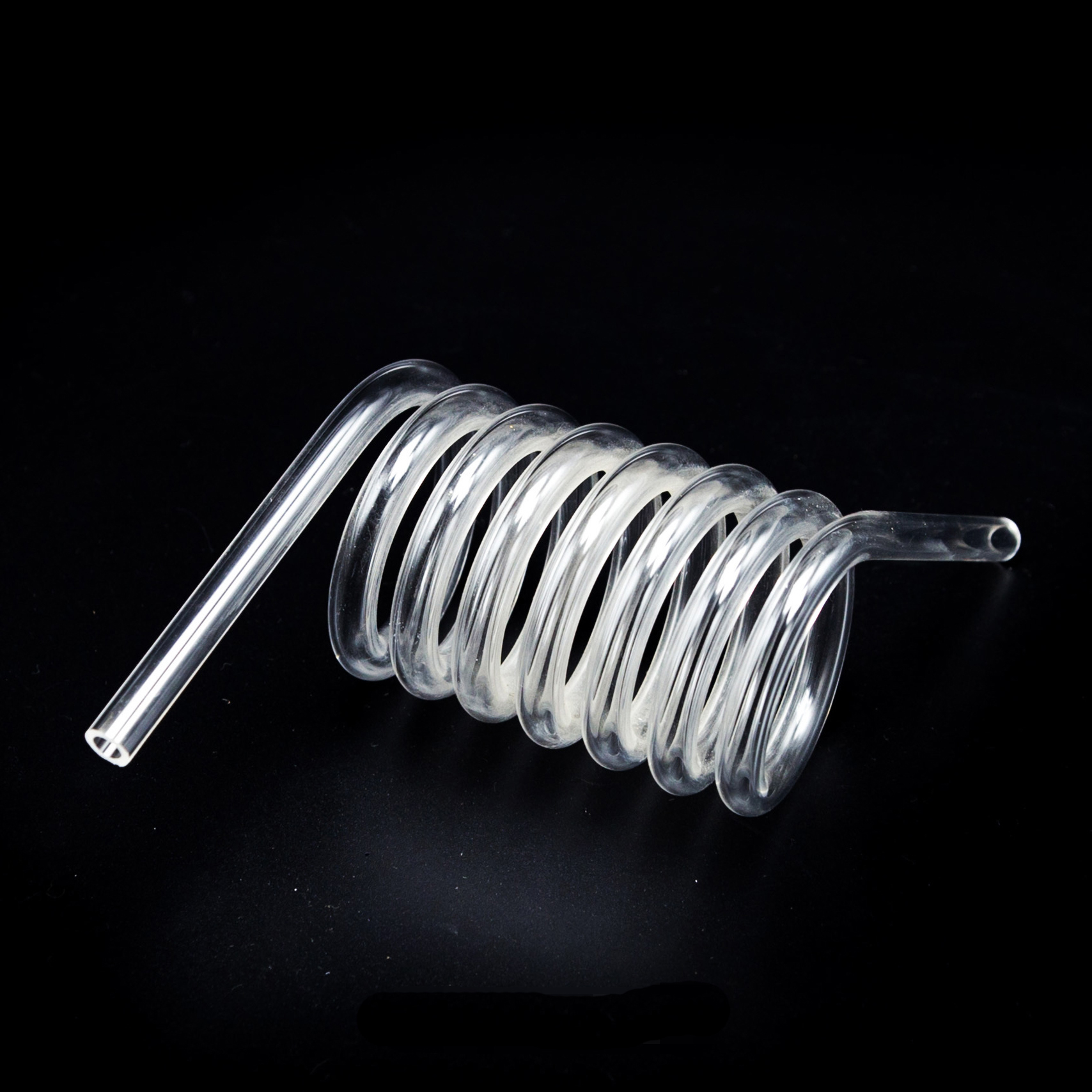
High-Purity Fused Quartz Powder & Fabricated Quartzware Technical Overview
An authoritative technical analysis of silica chemistry, thermal behavior under extreme conditions, and manufacturing protocols for semiconductor, optical, and renewable energy sectors.
In modern industrial process engineering, high-purity fused quartz powder and custom-fabricated quartz glassware serve as indispensable foundational materials. Fused quartz is manufactured by melting naturally occurring high-purity crystalline quartz sand at ultra-high temperatures exceeding 1700°C. The resulting non-crystalline, amorphous silicon dioxide (SiO₂) structure exhibits an exceptional combination of thermal, mechanical, optical, and dielectric properties that standard commercial glass cannot replicate.
As a leading OEM/ODM Fused Quartz Powder Manufacturer & Supplier based in Donghai County—the globally recognized crystal capital of China—Lianyungang Vulra Quartz Products Co., Ltd. delivers high-gain engineering solutions tailored to exact industrial specifications. By bridging raw material refinement with advanced secondary fabrication (including CNC cold grinding, optical polishing, thermal bending, and oxy-hydrogen flame welding), we serve tier-1 global buyers across semiconductor fabrication, photovoltaic crystal growth, deep-UV optical systems, and high-temperature chemical research.
Material Chemistry & Impurity Control Protocols
The operational performance of fused quartz powder and synthesized quartzware is dictated primarily by chemical purity and hydroxyl (OH⁻) content. Trace metallic impurities—such as Iron (Fe), Aluminum (Al), Sodium (Na), Potassium (K), Lithium (Li), and Titanium (Ti)—can cause devitrification (crystallization) at high temperatures, degrade optical transmittance, and induce wafer contamination in semiconductor processing environments.
| Material Grade | SiO₂ Purity | Total Metallic Impurities | OH Content | Primary Industrial Applications |
|---|---|---|---|---|
| Semiconductor Grade (SG-01) | ≥ 99.999% | < 5 ppm | < 5 ppm (Low OH) | Diffusion tubes, IC packaging filler, furnace boats, wafer carriers |
| Optical Grade (OG-UV) | ≥ 99.995% | < 10 ppm | 10 - 200 ppm | Deep-UV sight windows, XRD sample holders, laser optics |
| Photovoltaic Grade (PV-02) | ≥ 99.99% | < 20 ppm | < 30 ppm | Solar Czochralski (CZ) crucibles, diffusion tubes, CVD sleeves |
| Refractory / EMC Filler Grade | 99.90% - 99.95% | < 50 ppm | N/A | Epoxy Molding Compounds (EMC), investment casting, thermal barriers |
Our raw fused quartz powder is purified using advanced flotation, magnetic separation, acid leaching (HF + HCl), and thermal shock calcination to reduce heavy metals to sub-ppm levels. When fused into ingots, tubes, plates, or custom components, the material maintains structural integrity without thermal deformation under rigorous temperature cycling.
Why Partner with Lianyungang Vulra Quartz Products Co., Ltd.?
Combining verified supply chain legitimacy, deep regional raw-material integration, and drawing-based OEM/ODM precision customization.
Donghai Crystal Cluster Advantage
Situated in Donghai County, Jiangsu Province—China's crystal capital—we maintain direct control over high-purity natural silica sources, giving our buyers unprecedented raw material stability and cost efficiency.
TÜV Rheinland On-Site Verified
Our manufacturing facilities, legal compliance, export capacity, and laboratory quality control systems are independently verified on-site by TÜV Rheinland, backed by full CE and RoHS product certifications.
Drawing-Based OEM/ODM Customization
From 1-piece R&D prototypes to high-volume recurring batch runs. Our engineering team reviews 2D/3D CAD drawings for thermal stress mitigation, wall thickness ratios, and tight dimensional tolerances (±0.05 mm).
Integrated Hot & Cold Processing
Equipped with oxy-hydrogen glass lathe welding, automated pipe bending, multi-axis CNC slicing, optical lap grinding, and programmable annealing furnaces to eliminate mechanical residual stress.
Ultra-Low Hydroxyl (OH) Synthesis
Specialized gas-phase drying and vacuum desiccation protocols allow us to produce low-OH fused quartz (< 5 ppm) designed for high-temperature infrared systems and semiconductor thermal furnaces.
Export-Safe shockproof Packaging
Fragile quartzware is protected with customized inner foam molds, vacuum sealing, outer corrugated double-wall cartons, and fumigated solid wooden crates engineered for long-haul international air and ocean freight.
Future Procurement Trends in OEM/ODM Fused Quartz Materials
Market dynamics, technological inflection points, and supply chain strategies transforming global high-purity quartz purchasing decisions through 2030.
1. Upscaling Semiconductor Wafer Processing (300mm / 12-Inch Dominance)
As semiconductor fabrication transitions to advanced node architectures (3nm, 2nm, and GAAFET), fab operators are standardizing on 300mm wafer processing. This shift requires larger, ultra-precise fused quartz components—including massive diffusion tubes (diameter up to 800mm), wafer boats, outer process chambers, and quartz flanges. Procurement officers must align with suppliers capable of maintaining micro-inch tolerances on large-format hot-worked quartz assemblies without introducing micro-cracks or dimensional sagging at 1100°C+ continuous thermal loads.
2. Rise of Spherical Fused Quartz Powder for Next-Gen Chip Packaging (EMC)
In high-density microelectronics, Artificial Intelligence (AI) accelerators, and 2.5D/3D advanced packaging, thermal management and Dielectric Loss Factor (Ddf) are paramount. Standard angular fused quartz powder is rapidly giving way to Spherical Fused Quartz Powder. Produced via flame-spheronization or thermal plasma synthesis, spherical quartz particles offer lower viscosity, higher loading density (up to 90% by weight in Epoxy Molding Compounds), and superior fluid flow during molding. B2B procurement is shifting toward suppliers offering highly customized particle size distributions (D50 ranging from 0.5 µm to 30 µm) with strict cut-offs on alpha-particle emissions (< 0.002 c/cm²/h) to prevent soft errors in memory chips.
3. Photovoltaic Cell Efficiency Acceleration (TOPCon & HJT Tech)
The solar energy sector's transition to Tunnel Oxide Passivated Contact (TOPCon) and Heterojunction (HJT) cell architectures demands higher thermal purity during silicon wafer doping and LPCVD/PECVD processes. Quartzware utilized in solar manufacturing must endure aggressive fluorine- and chlorine-based cleaning gases while preventing sodium and metallic migration. Consequently, demand for synthetic fused silica coatings and high-purity natural fused quartz tubing with specialized surface acid-etching is experiencing compound annual growth rates (CAGR) exceeding 14.5% globally.
4. Localized Supply Chain Auditing & Traceability Requirements
Geopolitical friction and global freight disruptions have highlighted the vulnerability of critical material supply chains. Enterprise buyers in North America, Europe, and Asia-Pacific are demanding transparent origin auditing for raw quartz sand and intermediate fused ingots. Partnering with verified manufacturers located in established mineral processing hubs like Donghai—who possess integrated ESG compliance, TÜV auditing, and localized raw material stockpiles—has become a mandatory procurement risk mitigation strategy.
Product & Technological Development Trends in Fused Quartz Processing
Key technological breakthroughs in high-purity material refining, high-precision machining, and optical surface treatment.
Gas-Phase Synthetic Silica Refinement
Moving beyond natural quartz sand melting, chemical vapor deposition (CVD) using silicon tetrachloride (SiCl₄) precursors allows synthetic fused silica production with total impurity levels below 0.1 ppm, unlocking sub-200nm deep-UV transmittance for photolithography tools.
Plasma Spheroidization Technology
Utilizing high-temperature radio frequency (RF) induction plasma torches to instantaneously melt angular silica powder at 3000°C+. Surface tension creates perfectly spherical silica micro-beads with zero internal porosity and superior flowability.
Laser Micro-Machining & Stress Relief
Replacing traditional diamond wheel grinding with femtosecond laser cold processing. This eliminates micro-cracks along cut edges, dramatically increasing mechanical fracture toughness and optical polish accuracy (< 0.5 nm Ra).
Detailed Technical Performance Comparison Matrix
When selecting fused quartz powder or manufactured components, understanding physical property limits is vital for engineering validation. Fused quartz exhibits a extremely low coefficient of thermal expansion (CTE) of approximately 5.5 × 10⁻⁷ /°C from room temperature to 1000°C, rendering it virtually immune to violent thermal shock. For instance, a red-hot quartz tube heated to 1100°C can be plunged into ice water without cracking.
| Physical / Thermal Parameter | Standard Value / Metric | Engineering Significance |
|---|---|---|
| Density | 2.20 g/cm³ | Lightweight structural integrity for vacuum equipment |
| Mohs Hardness | 5.5 - 6.5 | High scratch resistance for optical sight glasses and windows |
| Softening Point | ~ 1683 °C | Upper thermal transformation threshold |
| Annealing Point | ~ 1215 °C | Stress-relief heat treatment zone |
| Max Short-Term Service Temp | 1450 °C | Peak temperature limit for brief process spikes |
| Refractive Index (nD at 589nm) | 1.4585 | Low optical dispersion across visible spectrum |
| Dielectric Strength | 25 - 40 kV/mm | Superior electrical insulation at high temperatures |
Frequently Asked Procurement & Technical Questions (FAQ)
Expert answers addressing specifications, custom tolerances, thermal limitations, and ordering logistics for international buyers.
What is the distinction between natural fused quartz and synthetic fused silica?
Natural Fused Quartz is manufactured by electrically or flame melting high-purity natural quartz crystal sand (SiO₂ ≥ 99.99%). It offers exceptional thermal stability (up to 1100°C continuous service) and high mechanical strength at an economical price point, making it ideal for diffusion tubes, furnace boats, crucibles, and industrial sight glasses.
Synthetic Fused Silica is produced via chemical synthesis (plasma or flame hydrolysis of SiCl₄). It achieves purity levels of 99.9999%+, near-zero metallic contamination, and superior optical transmission down into the deep ultraviolet (185nm - 260nm) spectrum. It is selected primarily for photolithography optics, deep-UV lamps, and advanced semiconductor steps.
What are the maximum continuous and peak working temperatures for your quartzware?
Our standard clear fused quartz components are rated for continuous long-term continuous operation at temperatures up to 1100°C. For short-term process spikes, the material can withstand temperatures up to 1450°C. The softening point occurs at approximately 1683°C. Note: For high-vacuum or structural load-bearing applications at elevated temperatures, wall thickness must be increased to prevent thermal sag.
What dimensional tolerances can you achieve for custom OEM/ODM drawings?
For standard cold-machined and ground quartz components (plates, discs, rods), we maintain tolerances within ±0.05 mm to ±0.1 mm. For hot-worked tubular assemblies, outer diameter (OD) and wall thickness tolerances are typically controlled within ±0.2 mm to ±0.5 mm depending on diameter scale. Precision optical polishing can achieve flatness to λ/4 per inch and surface roughness Ra < 0.5 nm.
What is your Minimum Order Quantity (MOQ) for custom fabricated parts?
To support corporate R&D projects and engineering prototypes, our MOQ for custom drawing-based quartz parts (such as specialized furnace boats, flow splitting bottles, reactors, and oversized plates) starts from 1 piece. For standard quartz tubes, rod stock, and small testing discs, MOQ ranges between 5 to 10 pieces.
Why should buyers specify Ozone-Free Quartz Tubing?
Standard quartz glass transmits ultraviolet light down to 185 nm, which reacts with atmospheric oxygen to generate toxic ozone gas (O₃). Ozone-Free Quartz Tubing is chemically doped with titanium (Ti) during melting to absorb UV radiation below 220 nm, completely blocking the 185 nm ozone-generating wavelength while preserving high transmission at 254 nm and infrared ranges. It is widely specified in UV curing, heating lamps, and indoor disinfection equipment where ozone generation would corrode surrounding machinery or pose health risks.
How do you protect fragile quartz products against breakage during international transport?
Every fabricated item undergoes ultrasonic cleaning and vacuum protective sealing. Products are wrapped in shock-absorbing high-density polyethylene (EPE) foam, isolated in separate compartmented inner boxes, and packed into heavy-duty corrugated outer cartons. Large-format tubes and heavy quartz assemblies are secured inside custom-built fumigated wooden crates with shock indicator labels. We maintain a zero-breakage guarantee for door-to-door air and sea freight.
Request an Engineering Consultation & OEM Quote Today
Need custom fused quartz powder formulations, precision glass lathe fabrication, or urgent prototype delivery? Our engineering team in Donghai is ready to review your CAD drawings and material specifications.
Contact Us