High-Purity Quartz Ware Machined from Virgin Ingots
Our vertically integrated fabrication starts directly with raw fused silica ingots and synthetic boules, processed into precision-machined laboratory tubes, furnace boats, reactor vessels, and optical windows.
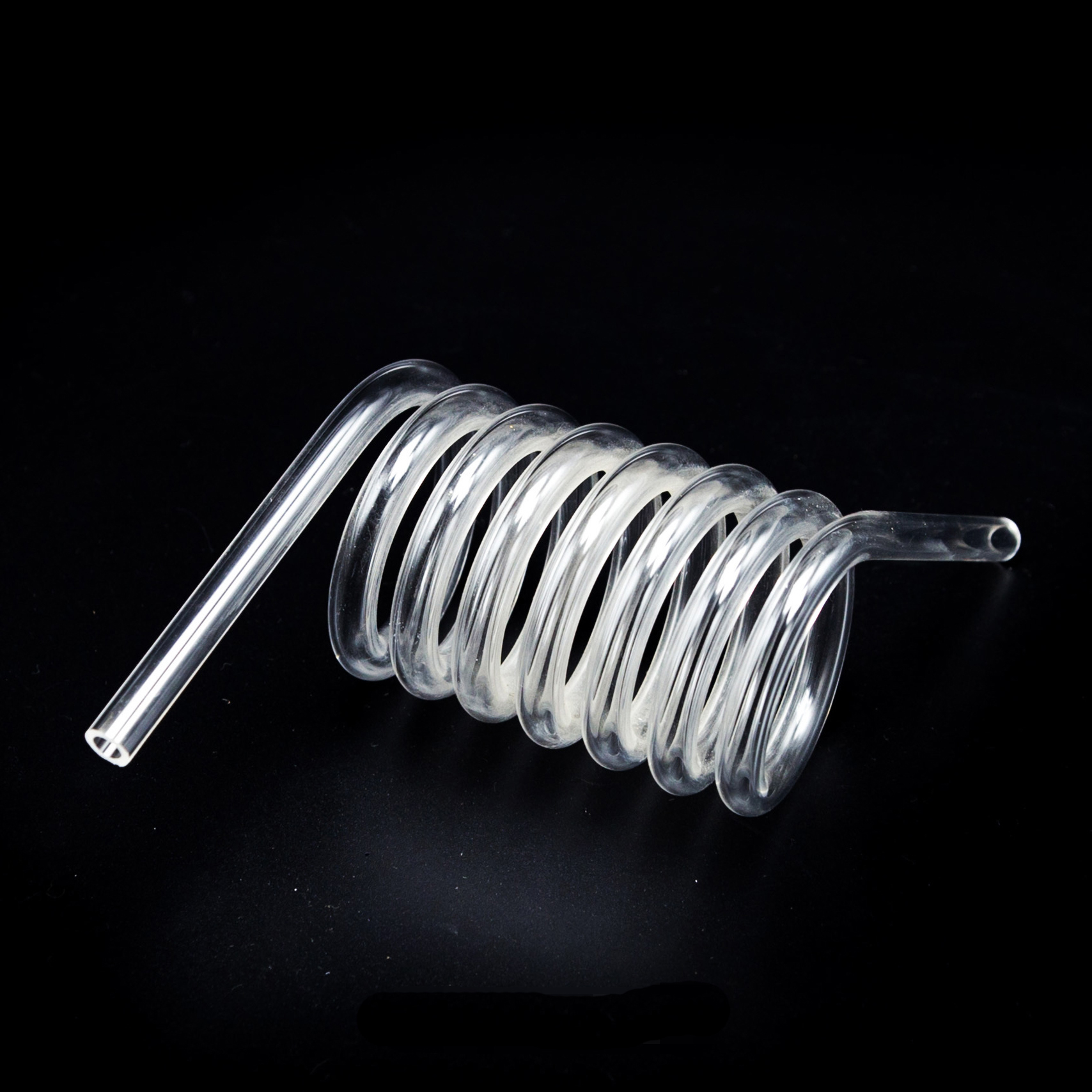
Factory Hot Sale High Purity Polished Clear Quartz C Shape Spiral/Bent/Custom Tubes Small Diameter Cutting/Welding Bending
Custom hot-worked spiral, helical, and C-shaped quartz tubes machined from premium drawn stock. High thermal shock resilience up to 1100°C continuous service.
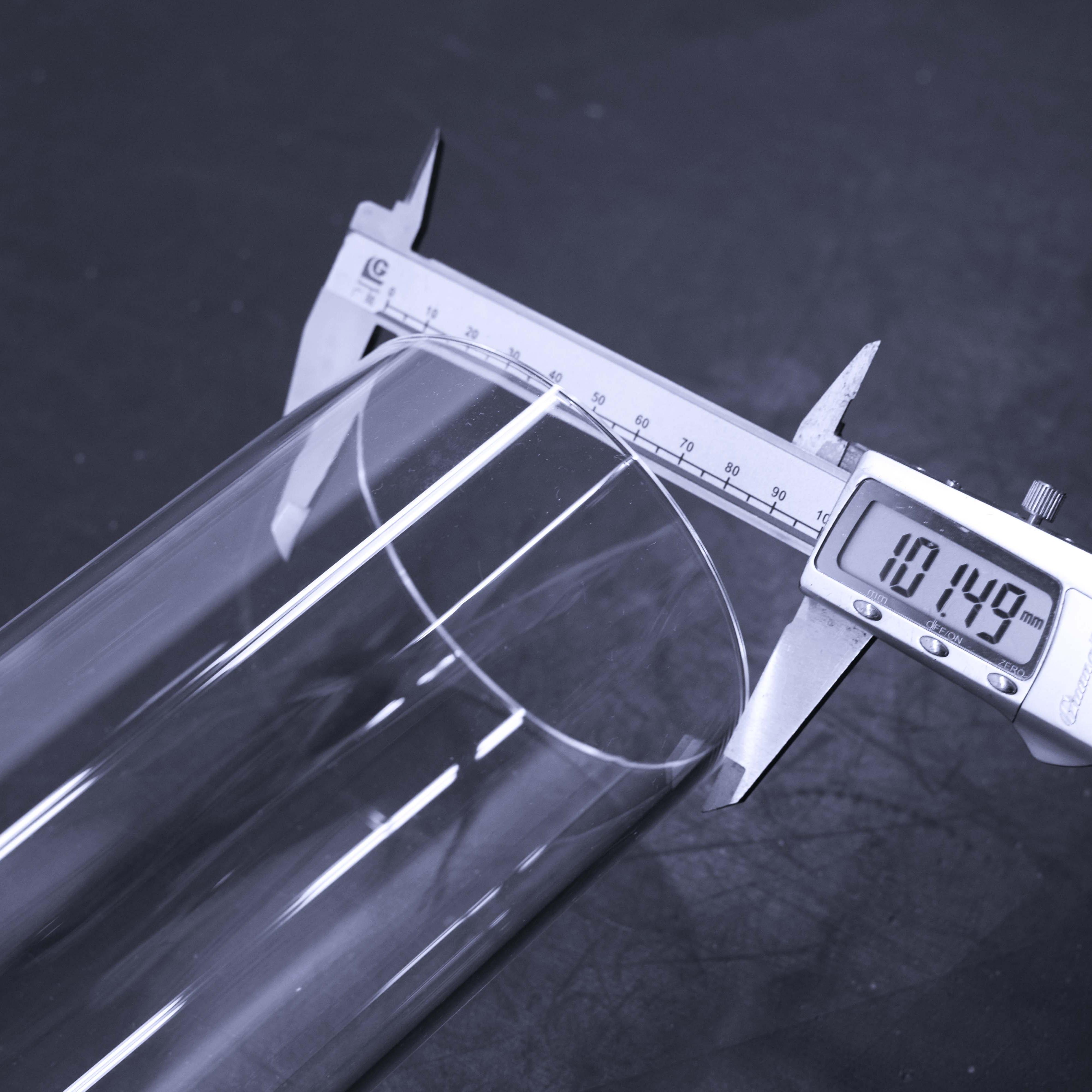
High Purity Quartz Transparent Polished Glass Tube Hollow High Temperature Resistance Clear Quartz Tube Bending Customizable
Extruded and continuous-fusion hollow quartz tubes with precise OD/ID concentricity. Essential for CVD processing reactors and high-temperature furnace liners.
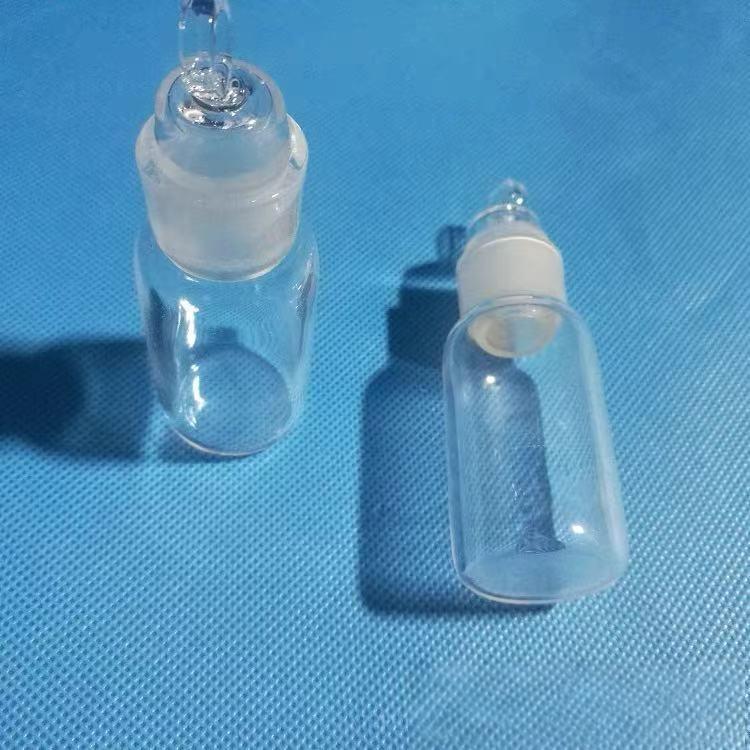
High-Corrosion Resistant High-Temperature Resistant High-Transparency Long-Lifespan Semiconductor 400 Mesh Laboratory Quartz
Precision 400-mesh sintered and fused quartz filters exhibiting inert chemical resistance against hot acids and halogens. Engineered for trace analytical chemistry.
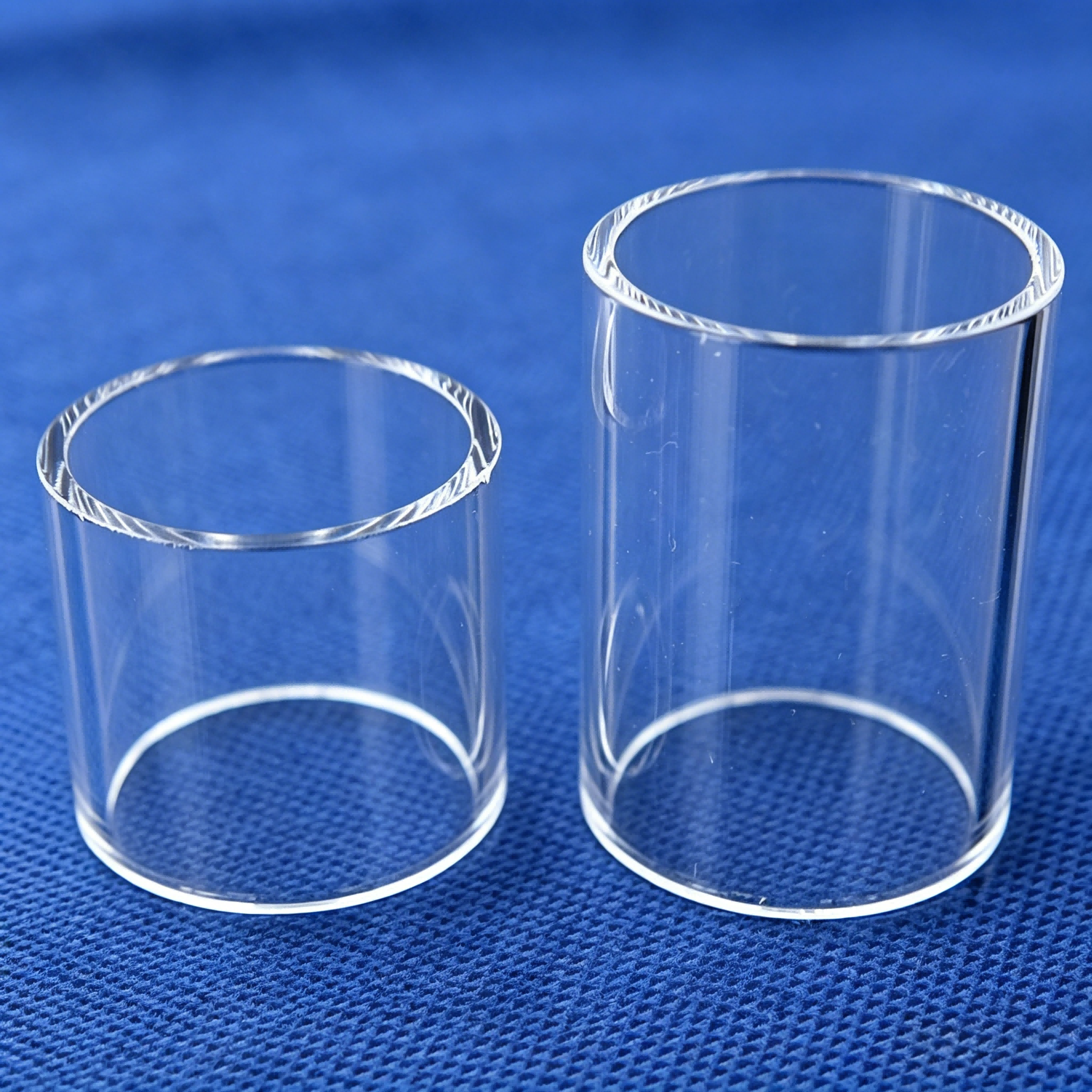
Custom High Temperature Corrosion Resistant Clear Quartz Glass Pipe | Twin Tube Polished Surface Bending/Welding/Cutting SJ 210
Heavy-duty dual-channel quartz envelope and twin pipes. Exceptional mechanical stability for infrared emitters, photochemical degradation conduits, and ozone generators.
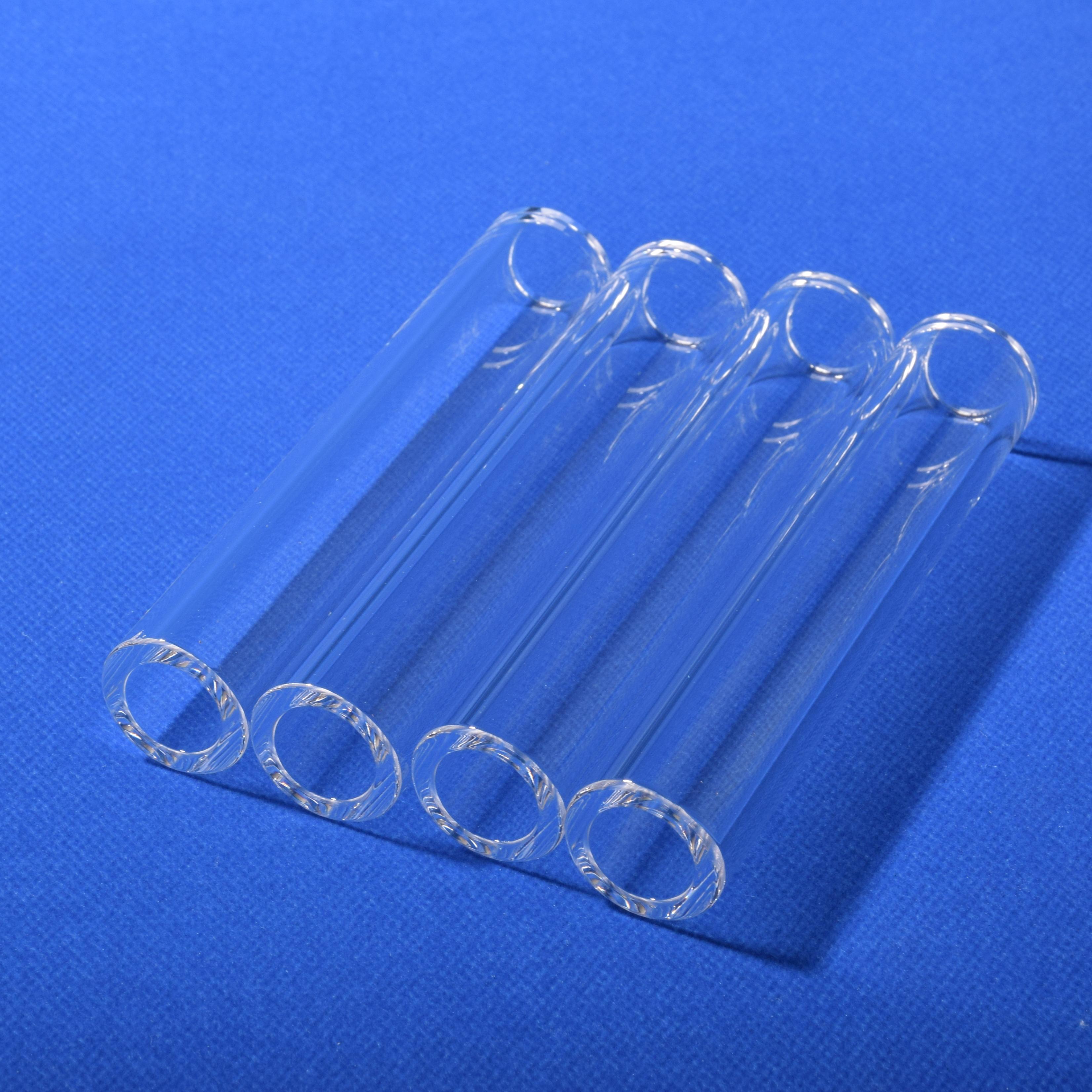
SJ 150 Translucent Oversized Thick Wall Polished Quartz Tube Heat Resistant 1100 Corrosion Resistant Ozone Free Welding
Heavy-cross-section cylindrical tubing manufactured from oversized ingots. Eliminates high-temperature sagging and mechanical distortion in vacuum annealing furnaces.
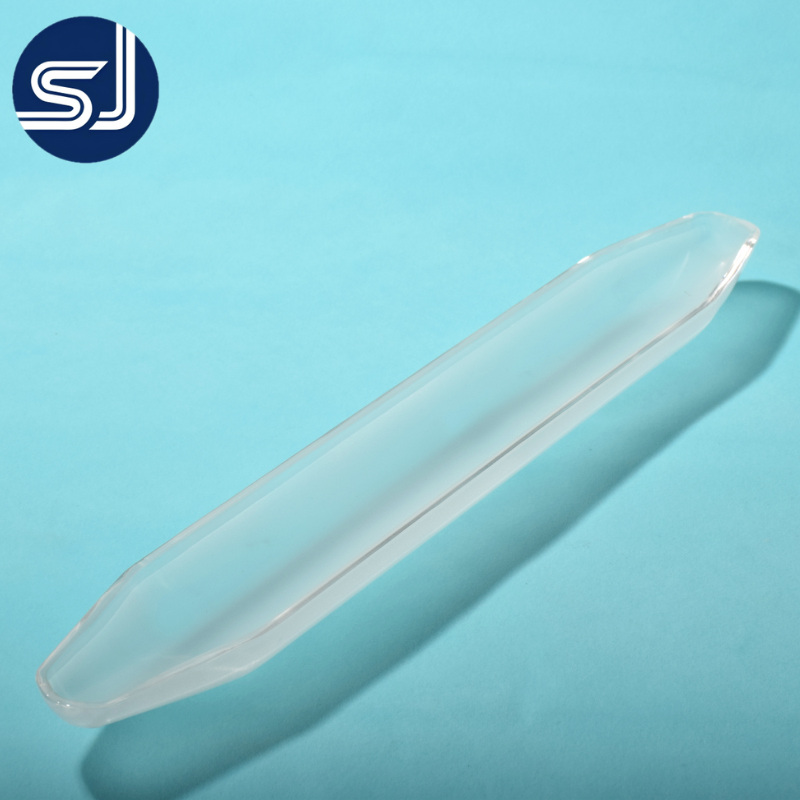
SJ 140 QUARTZ Customizable Transparent High Purity 99.9-99.999% Precision Polished Quartz Boat >85% Transmittance 1100 Lab
Micro-slotted wafer carrier boat fabricated via precision CNC diamond grinding and stress-relieved flame finishing. Guaranteed minimal micro-cracking and high slot accuracy.
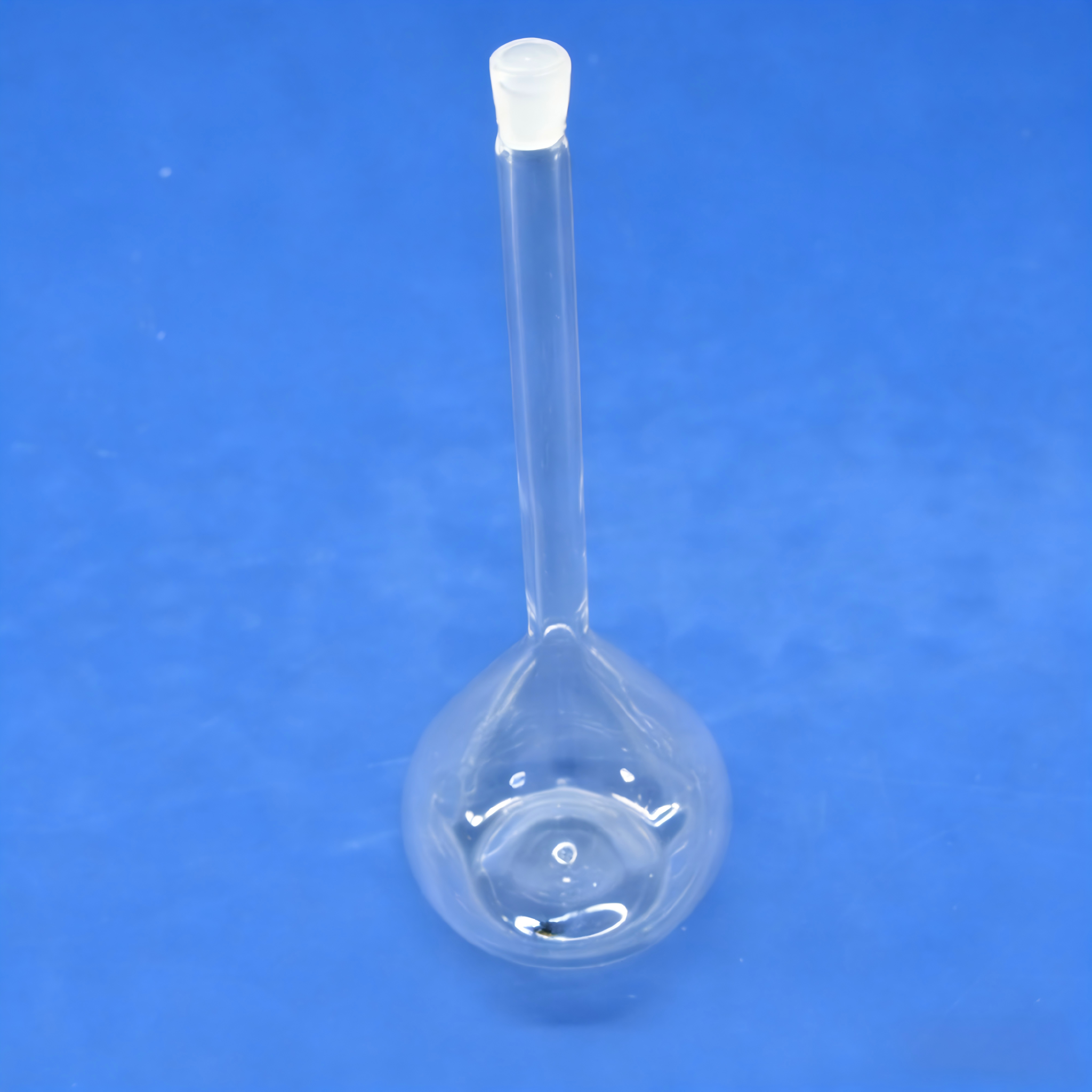
High Purity Transparent Quartz Glass Ampoule Customized Clear Quartz Flask Bending Cutting Welding Lab Use Ozone Free Polished
Custom-blown reaction vessels and hermetically sealable quartz ampoules. Uniform wall distribution enables uniform thermal conductivity in synthetic crystallization.
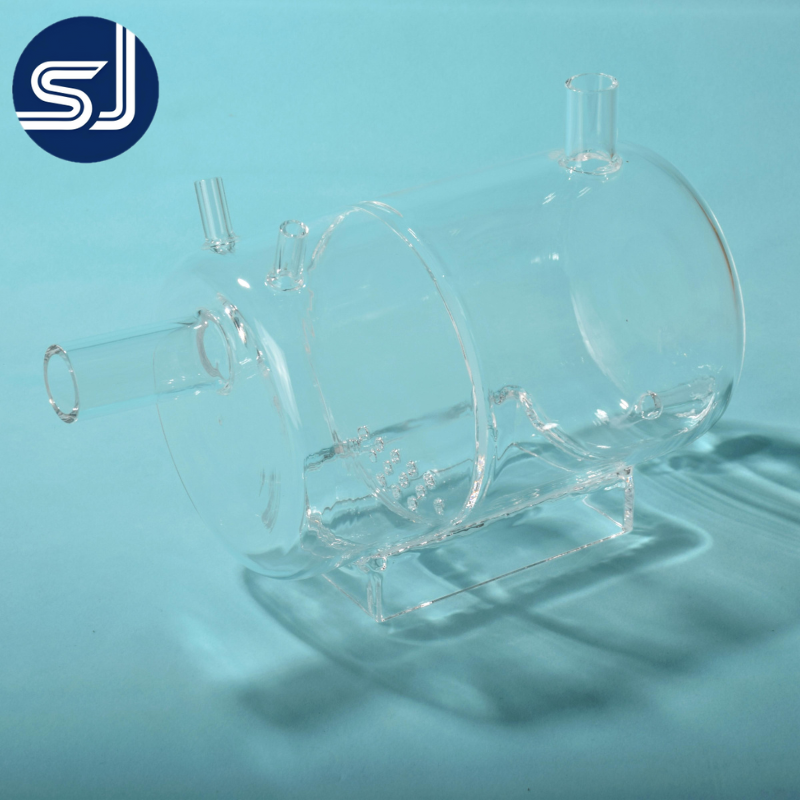
SJ QUARTZ High-Temperature Corrosion-Resistant 99.99% SiO2 1100 Laboratory Custom Quartz Flow Splitting Bottle >85%
Multi-port manifold flow-splitting vessels welded with leak-free glass-to-glass joints. Optimized for high-temperature fluidic dynamics and corrosive gas delivery systems.
Engineering Fundamentals of Fused Quartz Ingot Metallurgy & Growth
A comprehensive examination of melting methodologies, refractory grain purification, structural stoichiometry, and impurity suppression in advanced SiO₂ glass manufacturing.
Fused quartz and synthetic fused silica ingots represent the foundational raw material for modern microelectronics, high-power laser optics, photovoltaic crystallization, and specialty chemical synthesis. As a premier custom OEM manufacturer based in the Donghai quartz cluster of China, Lianyungang Vulra Quartz Products Co., Ltd. produces cylindrical boules, rectangular billets, and custom-sliced ingots ranging from natural crystal-derived grades to ultra-high-purity vapor-phase synthetic silica. Understanding the fundamental thermodynamic synthesis pathways is critical for optical designers, process integration engineers, and global procurement leads seeking to eliminate devitrification failures, optical distortion, and metallic outgassing.
1. Synthesis Pathways: Electric Arc Fusion vs. Oxy-Hydrogen Flame vs. Synthetic CVD
The production of high-purity quartz ingots is broadly segmented by the fusion mechanism and raw feedstocks. Each synthesis route dictates the resulting glass's hydroxyl (OH⁻) content, bubble distribution, refractive index homogeneity, and refractory performance under sustained thermal loading:
-
Electrically Fused Natural Quartz (Two-Step Arc/Vacuum Fusion): Purified natural crystalline quartz sand (SiO₂ > 99.995%) is fed into an electric resistance or graphite vacuum furnace operating above 2000°C. Because melting takes place in a non-combustion or inert/vacuum atmosphere, the resulting ingot exhibits an exceptionally low hydroxyl content (typically
< 5 ppm to 30 ppm OH⁻). This "dry" fused quartz provides the highest resistance to thermal deformation, a strain point of 1070°C, and an annealing point of 1140°C, making it the premier choice for semiconductor diffusion furnace tubes, thermocouple protection sheaths, and high-temperature wafer-carrier boats. -
Gas-Fused Quartz (Oxy-Hydrogen Direct Melting): Natural high-purity quartz sand is introduced continuously through an oxy-hydrogen burner flame onto a rotating refractory target. While providing superior optical clarity and bubble-free vitreous structures, this process incorporates substantial moisture, elevating the OH⁻ concentration to
150 ppm – 300 ppm. The higher hydroxyl content lowers the effective softening point slightly (by approximately 30°C to 50°C) but significantly enhances UV transmission and mitigates micro-bubble inclusion for optical lenses, sight windows, and analytical cuvettes. -
Synthetic Fused Silica (Chemical Vapor Deposition / VAD): In lieu of solid crystal sand, volatile silicon tetrachloride (SiCl₄) or organic silanes (e.g., OMCTS) undergo high-temperature flame hydrolysis or plasma oxidation:
SiCl₄ + 2H₂O → SiO₂ + 4HCl. The deposited soot boule is vitrified into a synthetic silica ingot devoid of metallic impurities (Fe, Al, Ti, Na, K < 0.1 ppm total). Synthetic ingots exhibit zero absorption down to 185 nm (Deep UV excimer grade) and complete freedom from granular boundary scatter.
Information Gain Note: For semiconductor fabrication processes operating below 14nm nodes, transitioning from gas-fused quartz to electrically fused dry quartz ingots with low alkali content (Na, K, Li < 0.1 ppm) is paramount. Trace alkali ions accelerate devitrification into high-temperature cristobalite, which induces micro-cracking during rapid thermal cycles (RTP) due to the disruptive 2.8% volume change associated with the α-to-β phase transition at 220°C.
2. Trace Element Metrology & Elemental Impurity Thresholds
Vulra Quartz maintains rigorous ICP-MS (Inductively Coupled Plasma Mass Spectrometry) verification for every production batch of ingots. The following data matrix outlines standard impurity thresholds (measured in parts per million by weight, ppm) across our three standard fused quartz and fused silica ingot grades:
| Element Impurity | Standard Industrial Ingot | Semiconductor High-Purity Ingot | Synthetic Optical Grade Ingot | Testing Methodology |
|---|---|---|---|---|
| Aluminum (Al) | 14.0 – 20.0 ppm | < 6.0 ppm | < 0.05 ppm | ICP-MS |
| Iron (Fe) | 0.8 – 1.5 ppm | < 0.15 ppm | < 0.02 ppm | ICP-MS |
| Calcium (Ca) | 0.6 – 1.2 ppm | < 0.4 ppm | < 0.02 ppm | ICP-MS |
| Sodium (Na) | 1.0 – 1.8 ppm | < 0.2 ppm | < 0.01 ppm | Flame AAS |
| Potassium (K) | 0.8 – 1.5 ppm | < 0.2 ppm | < 0.01 ppm | Flame AAS |
| Lithium (Li) | 0.4 – 0.9 ppm | < 0.1 ppm | < 0.01 ppm | Flame AAS |
| Titanium (Ti) | 1.0 – 2.0 ppm | < 0.8 ppm | < 0.01 ppm | ICP-MS |
| Hydroxyl (OH⁻) | 120 – 220 ppm (Wet) | < 20 ppm (Dry Arc) | < 1 ppm (Dry) / >800 ppm (Wet) | FTIR (2.73 µm band) |
| Bubble Class (ISO 10110) | Class 2 – 3 | Class 1 | Class 0 (Bubble Free) | Laser Darkfield Metrology |
| Transformation Temp (Tg) | 1120°C | 1160°C | 1080°C (Wet) / 1180°C (Dry) | Dilatometric Expansion |
Future Procurement Trends in Fused Quartz Ingots (2025–2030)
Market dynamics, geopolitical supply chain shifts, and microelectronics node evolutions are radically transforming how global procurement directors qualify and contract quartz glass manufacturers.
1. Sub-2nm Lithography Impurity Stringency
Advanced node EUV lithography and atomic layer deposition (ALD) chambers require ingot stocks with alkali metal impurities suppressed below 0.05 ppm to eliminate wafer contamination and beam drift.
2. Shift to Oversized Rectangular Billets
Transition from traditional round cylindrical boules to large format continuous-cast rectangular billets (up to 1200mm × 800mm) reduces saw-kerf waste during CNC machining for 300mm/450mm wafer carriers.
3. Cluster-Integrated Supply De-risking
Global OEMs are securing multi-year bilateral agreements with vertically integrated producers situated in raw-material hubs like Donghai, safeguarding against crystal sand price volatility.
4. Comprehensive ESG & Low-Carbon Fusion
EU and North American semiconductor consortiums mandate ISO 14064 carbon disclosure. Plasma electric arc fusion powered by renewable energy grids is rapidly replacing coal-fired gasification systems.
Technological Frontiers in High-Purity Ingot Fabrication
The convergence of precision ultrasonic multi-axis grinding, hydrogen-free plasma vitrification, and finite element stress relaxation is setting new benchmarks for quartzware longevity.
Ultrasonic-Assisted Diamond Core Machining
Conventional mechanical drilling generates subsurface micro-cracks extending up to 150 µm into the bulk quartz matrix, leading to catastrophic failure under thermal cycling. Vulra utilizes 20 kHz ultrasonic rotary diamond tooling on raw ingots, reducing subsurface damage depths to < 15 µm and boosting tensile fracture strength by 35%.
Plasma Chemical Vapor Vitrification
By replacing oxy-hydrogen combustion flames with radiofrequency induction-coupled plasma (ICP) torches during chemical vapor vitrification, hydrogen-free synthetic silica boules with zero hydroxyl absorption at 2.73 µm are achieved. This eliminates NIR laser attenuation in high-power directed energy and fiber laser delivery systems.
Computer-Controlled Hyper-Annealing Cycles
Thermal gradients induced during ingot solidification generate internal mechanical stress manifested as optical birefringence. Our automated 72-hour programmatic annealing schedules lower thermal stresses below 0.5 nm/cm, ensuring zero mechanical warpage when slicing massive wafer windows or CVD chamber liners.
Why Tier-1 Semiconductor & Optical OEMs Partner with Vulra Quartz
Headquartered in Donghai—China’s crystalline quartz capital—Lianyungang Vulra Quartz Products Co., Ltd. bridges raw mineral advantages with elite CNC engineering and certified quality governance.
Direct Access to World-Class Silica Mineral Reserves
Located at No. 9, Dingxin Road within the Jiangsu Donghai Economic Development Zone, our factory enjoys unhindered direct access to China's premier mineral refinement belt. Donghai County supplies over 70% of China's high-purity natural silica sand, enabling Vulra to enforce upstream mineral traceability and cost predictability unattainable by inland or non-cluster fabricators.
Every custom drawing sent to our engineering office undergoes a detailed manufacturability review (DFM). We inspect critical wall-thickness-to-diameter ratios, weld seam structural stresses, optical plane flatness tolerances (down to λ/10), and advise on the most cost-effective ingot grade for your operating atmosphere.
1-Piece Prototype Feasibility: While industry conglomerates mandate multi-ton ingot commitments, Vulra supports R&D institutes, university laboratories, and equipment OEMs with custom drawing prototype runs starting from just 1 piece.
TÜV Rheinland Verified
Independent Factory Assessment- Verified Custom Manufacturer: Comprehensive on-site verification of hot-flame and CNC cold-machining workshops by TÜV Rheinland.
- International Standards Compliance: Certified CE-marked product lines and verified RoHS environmental compliance.
- End-to-End In-House Capabilities: Core drilling, wire sawing, flame polishing, optical grinding, ultrasonic cleaning, and cleanroom packaging.
- Export-Ready Logistics: Shock-cushioned vacuum packaging and custom fumigated plywood crates designed for intercontinental air and sea transit.
Frequently Asked Questions on Custom Quartz Ingot Procurement
Actionable, engineering-grounded answers to help procurement managers and device designers specify fused quartz materials with absolute precision.
What distinguishes fused natural quartz ingots from synthetic fused silica boules?
What is the maximum operating temperature before quartz ingots experience devitrification?
How does hydroxyl (OH⁻) content influence the optical and physical performance of the quartz?
What dimensional tolerances and surface finishes can Vulra achieve on machined ingot blanks?
Can you produce custom shapes directly from our 2D/3D engineering CAD drawings?
What is the Minimum Order Quantity (MOQ) and typical production lead time?
How does Vulra guarantee safe international freight of fragile quartz components?
Request Ingot Slicing & Custom OEM Machining Quotes
Send your CAD drawing or dimensional specifications to our engineering team. We provide rapid DFM feedback, certified material data sheets, and competitive direct-manufacturer pricing.