High-Purity Quartz Glass & Joint Assemblies
Manufactured under strict ISO/DIN and ASTM specifications in Donghai County. Every joint, tube, and vessel features micro-diamond precision lapping, low outgassing, and chemical inertness for semiconductor furnaces and analytical setups.
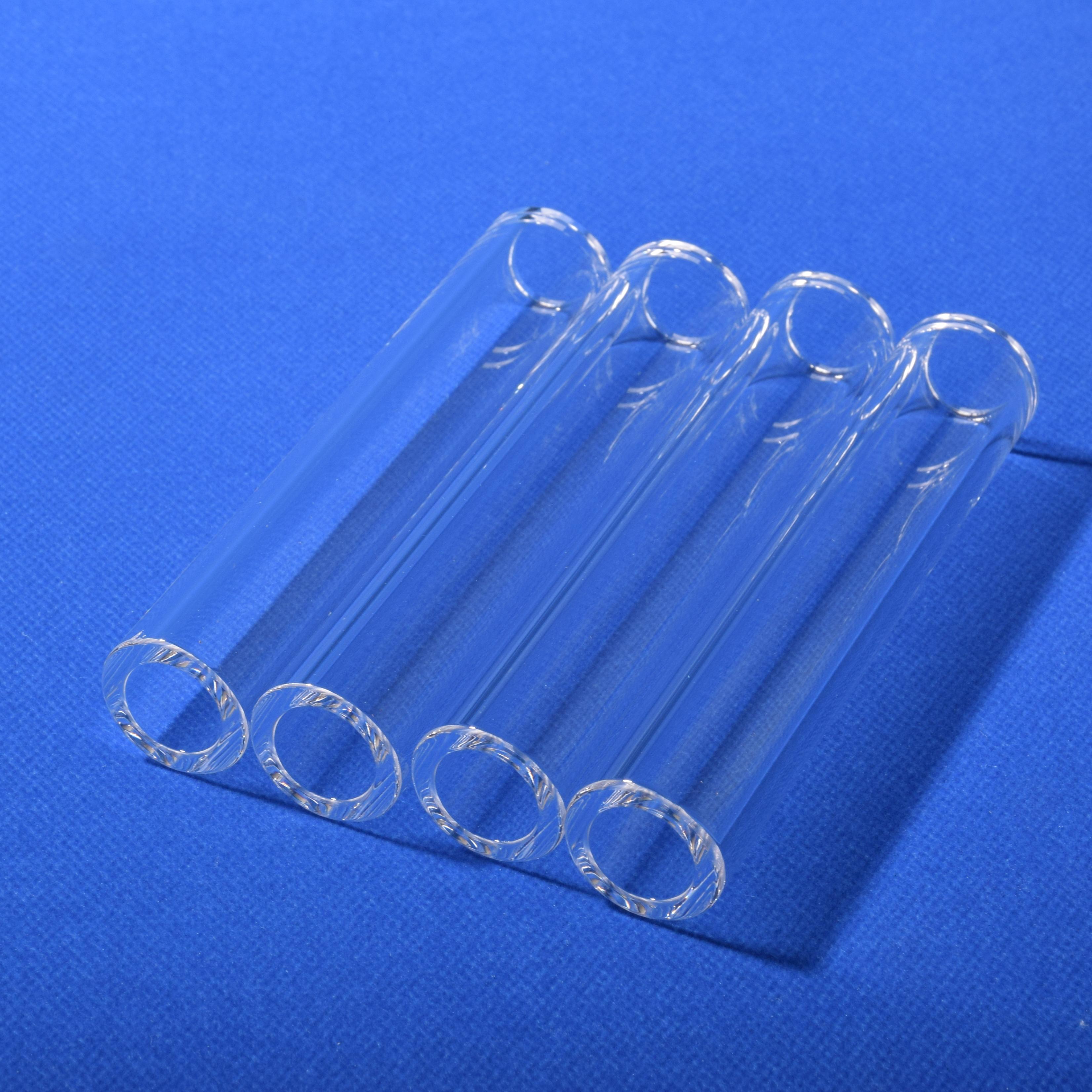
SJ 150 Translucent Oversized Thick Wall Polished Quartz Tube Heat Resistant 1100 Corrosion Resistant Ozone Free Welding
- Oversized outer diameter (OD up to 800mm)
- Heavy wall thickness for high-vacuum pressure
- Ozone-free flame welding and ground joint caps
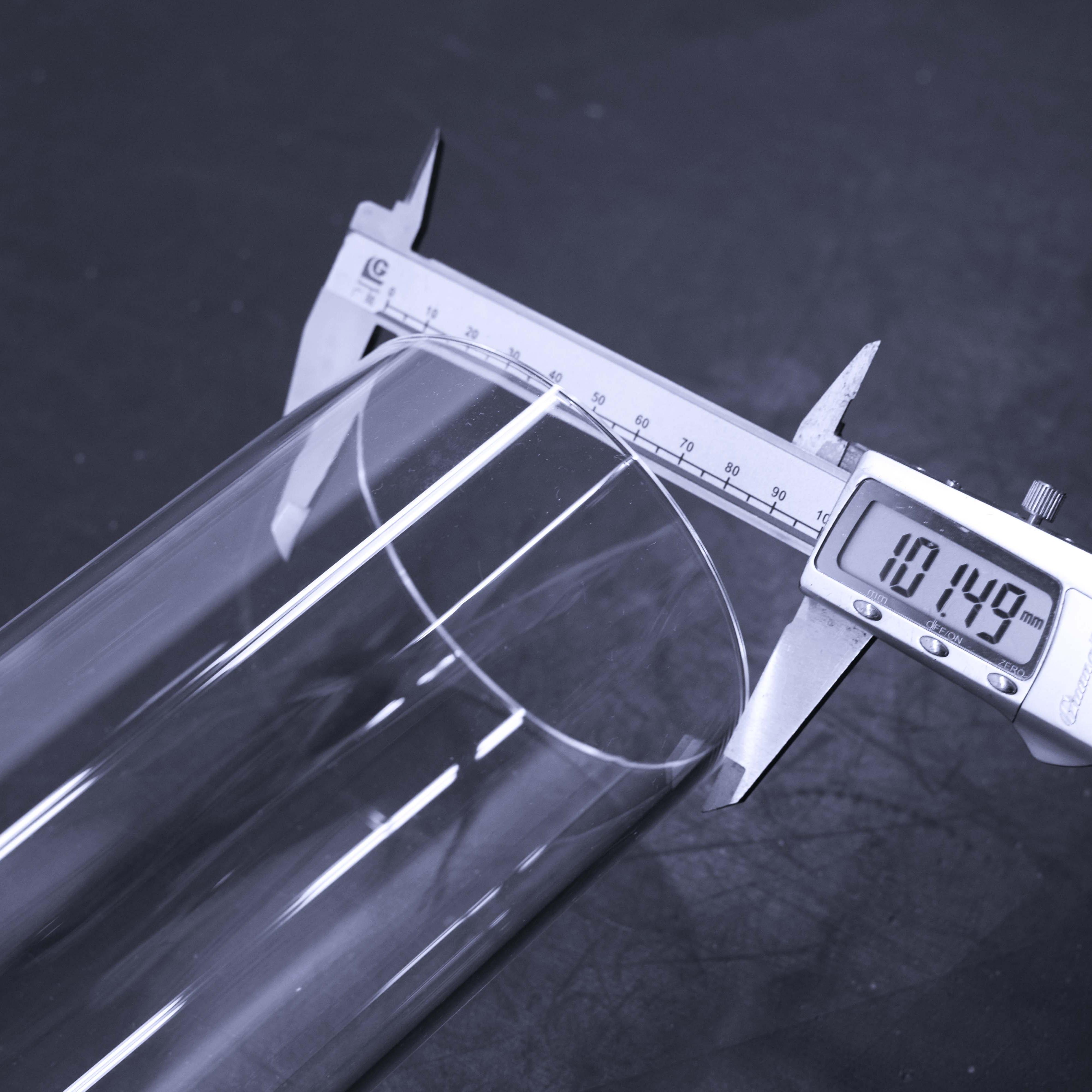
High Purity Quartz Transparent Polished Glass Tube Hollow High Temperature Resistance Clear Quartz Tube Bending Customizable
- Precision-ground ends with custom cone taper
- Superior visual clarity with zero air lines/seeds
- Annealed at 1140°C to eliminate residual stress
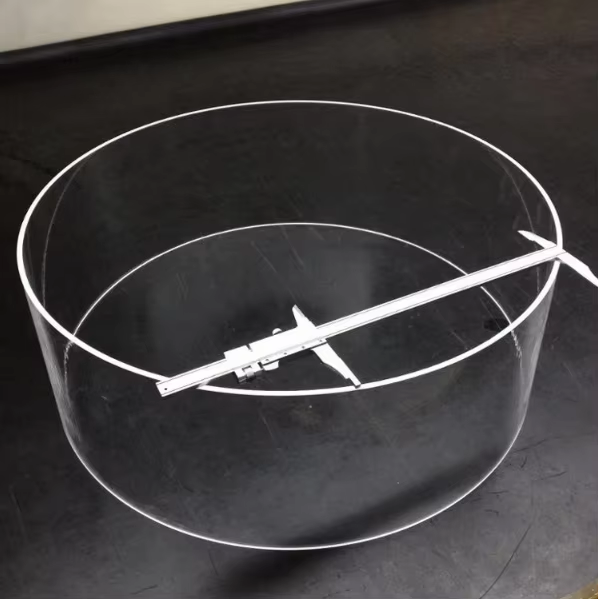
Factory Supply Optical Quartz Sapphire Tubes High Temperature Resistant UV Glass Test Pipe Powder Sintering Welding Bending
- Deep UV to NIR broadband transmission (>90%)
- Powder metallurgy & sintering chamber joints
- Sapphire-to-quartz vacuum-tight transition seal
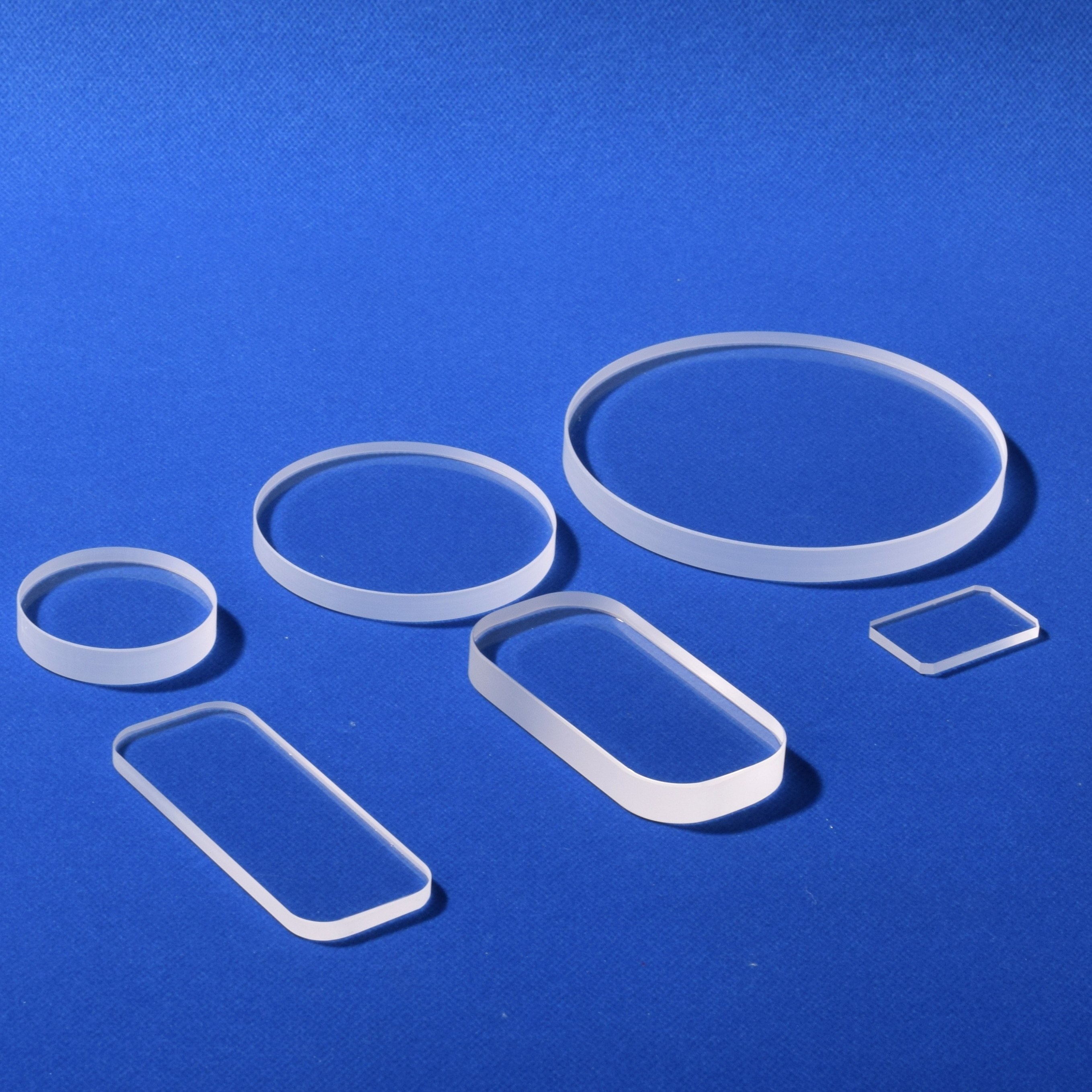
Sophisticated Technology High Transmittance Customized Heat Resistant Transparent Quartz Glass Watch Window High Insulation
- Optical flat lapping (λ/4 wave flatness)
- Flat O-ring ground joint flanges for viewport ports
- High dielectric strength & thermal shock resilience
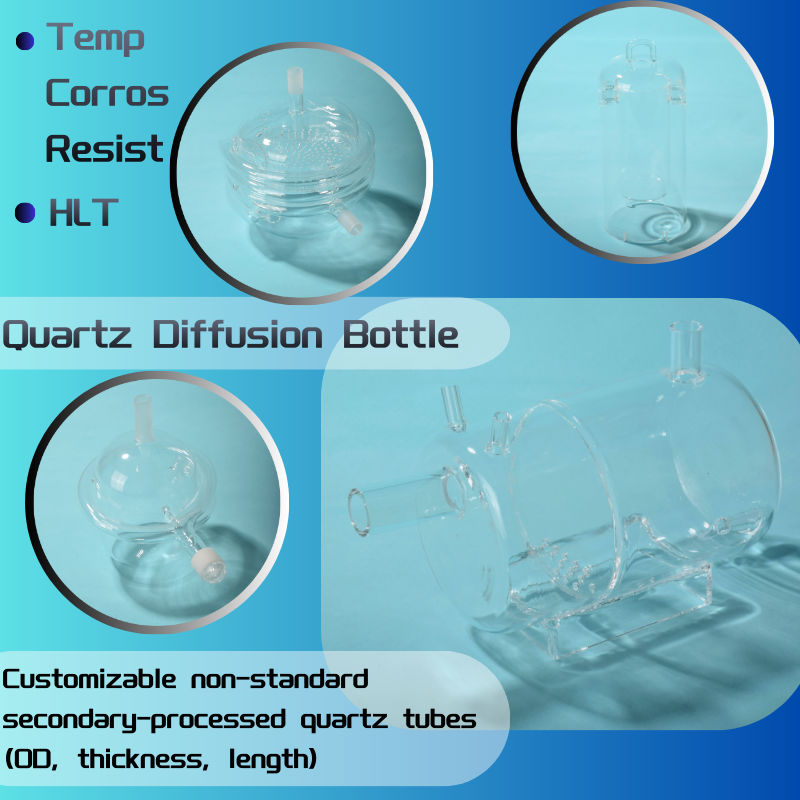
SJ 135 Custom High Purity Clear Quartz Tube Condensers Separatory Funnels Waste Jars Purification Units Semiconductor Grade High
- Standard Taper 14/20, 24/40, 29/32 ground joints
- Closed-loop sub-boiling acid purification units
- Zero chemical leaching into ultra-pure reagents

Clear Refractory Fused Quartz Crucible Bowl SJ Brand High Tension Strength 48 N/mm 1683 Softening Point Semiconductor
- Polished ground rim or bevel joint matching
- Extreme molten silicon non-wetting characteristics
- Verified tensile strength up to 48 N/mm²
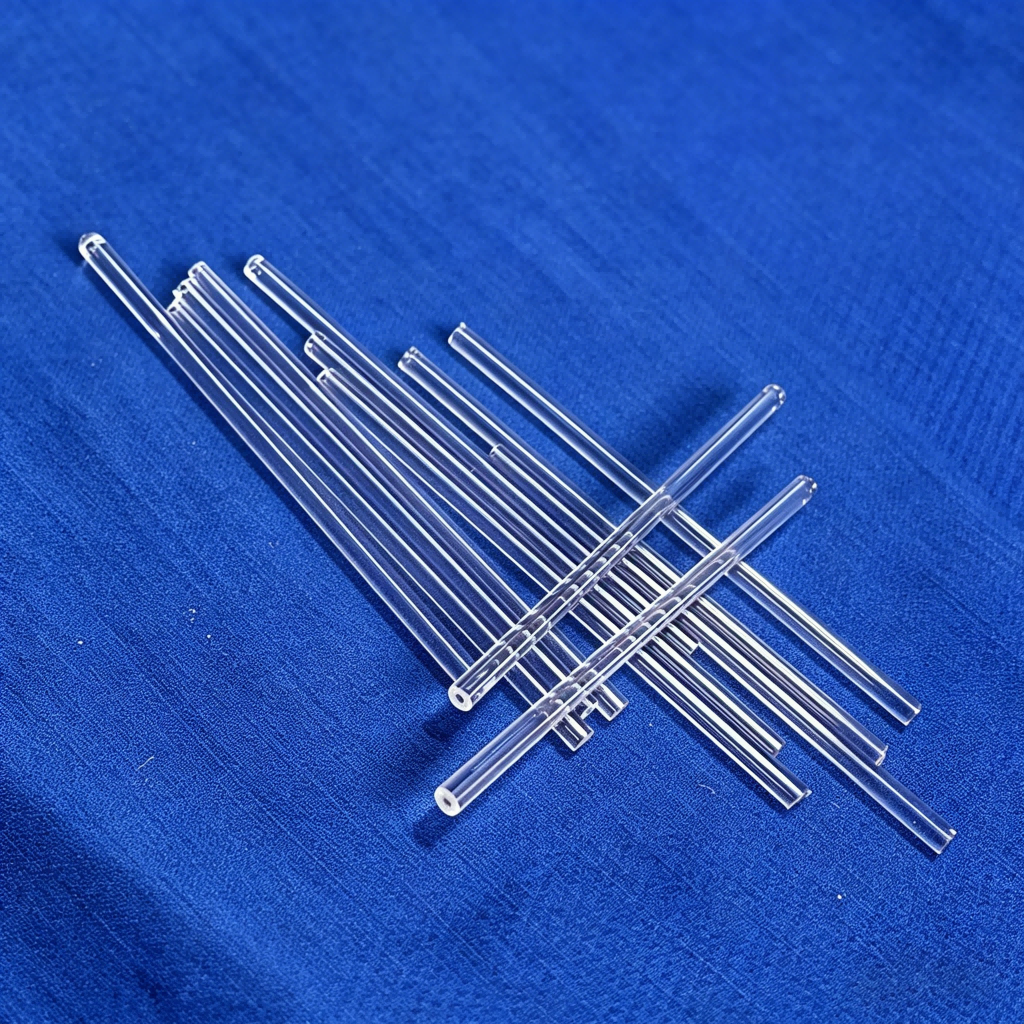
High Purity Opaque Micro Capillary Quartz Glass Tube | Laboratory Exhaust Capillary Tube 99.9%-99.999% Silicon Dioxide 2-10mm OD
- Ultra-fine bore (ID tolerances ±0.02 mm)
- Miniature standard cone male/female joint ends
- Excellent infrared thermal shielding insulation
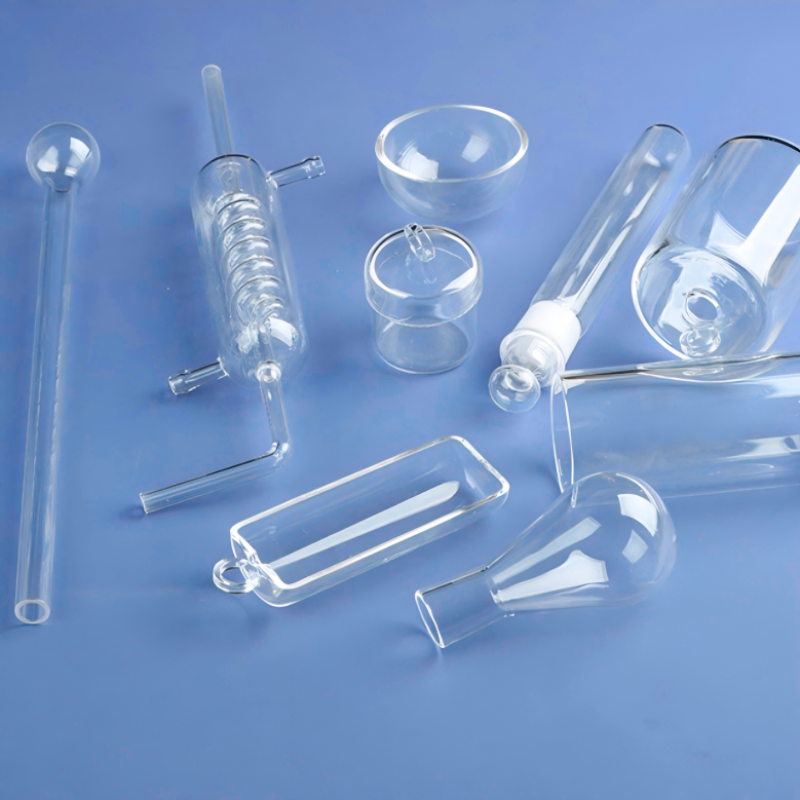
Quartz Glass Tube Plugging Rod Heating Test Tube Boat High Temperature Resistant High Frequency Transparent Polished Surface
- Ground-joint sealing plugs for CVD tube furnaces
- RF/high-frequency induction heating compatible
- Precision-ground taper ensures complete gas sealing
Direct-from-Donghai Manufacturing Excellence
Situated in the heart of Donghai County—internationally acknowledged as the premier high-purity quartz cluster—Lianyungang Vulra Quartz Products Co., Ltd. operates dedicated cleanroom cold-working and computerized glass-blowing lathes. Our factory delivers full drawing-to-flame integration for quartz ground joints, eliminating the 40% distributor markup while enforcing micron-level taper reproducibility.
TÜV Rheinland Audited
On-site audited and certified premises, verifying full OEM/ODM traceability, CE safety conformity, and RoHS material compliance.
Sub-Micron Lapping
Multi-stage diamond abrasive lapping yields an arithmetic surface roughness Ra ≤ 0.2 μm, eliminating micro-capillary gas channels.
1140°C Full Annealing
Every welded joint assembly undergoes computer-controlled lehr annealing to relieve polariscopic stress and prevent thermal crack propagation.
1-Piece Drawing Prototype
Upload your 2D CAD or 3D STEP file for rapid engineering evaluation, tolerance validation, and prototype dispatch within 3 to 7 business days.
Engineered Quartz Joint Specifications
| SiO₂ Chemical Purity | ≥ 99.99% – 99.999% (Metals < 15 ppm) |
|---|---|
| Continuous Working Temp | 1100°C (1373 K) continuous |
| Peak Short-Term Service | 1450°C (1723 K) max peak |
| Softening Point | 1683°C (1956 K) |
| Thermal Expansion Coeff. | 5.5 × 10⁻⁷ / °C (20°C to 320°C) |
| Thermal Shock Resilience | Quench 1100°C into 20°C water with 0 cracks |
| Ground Taper Geometry | 1:10 Conical (DIN 12242 / ASTM E676) |
| Spherical Joint Standard | Ball and Socket (ASTM E677, S13 to S50) |
| Flat Flange Tolerances | Parallelism < 0.05 mm, O-ring grooved |
| Helium Leak Rate | < 1.0 × 10⁻⁹ mbar·l/s (Dry Vac) |
Future Procurement Trends in Quartz Ground Joints (2025–2030)
As semiconductor wafer fabrication migrates below 2nm nodes and photovoltaic producers transition to TOPCon and HJT cell architectures, procurement requirements for fused quartz ground joint components are experiencing fundamental paradigm shifts.
Industrial quartz ground joints have evolved far beyond conventional chemistry benchware. Today, multinational research facilities, CVD/ALD equipment manufacturers, and sub-boiling acid distillation plants require modular fused silica interfaces capable of sustaining corrosive vapor transport at temperatures exceeding 900°C while maintaining hermetic integrity under ultra-high vacuum (UHV). Procurement directors navigating volatile supply chains must align with verified manufacturers equipped to fulfill these emerging requirements:
Trace-Metal Elimination
Standard semiconductor cleanroom protocols now penalize alkali outgassing (Lithium, Sodium, Potassium) above 1 ppm. Future procurement contracts explicitly demand 99.999% synthetic or ultra-refined natural fused silica joints to mitigate vapor-phase wafer contamination during thermal diffusion cycles.
Grease-Free Dry Vacuum Interfaces
Hydrocarbon and fluorocarbon stopcock greases contaminate mass spectrometers, laser ablation chambers, and high-purity etching loops. The industry is rapidly adopting precision CNC-ground quartz joints with diamond-honed micro-finishes (Ra ≤ 0.2 μm) coupled with perfluoroelastomer (FFKM) encapsulation rings for dry vacuum sealing down to 10⁻⁸ Torr.
Decentralized OEM Factory Sourcing
Global procurement teams are shifting away from Western distribution resellers who re-brand Chinese quartz with 200–300% markups. Direct-to-factory wholesale procurement via verified Donghai manufacturers provides auditable raw material origin, shorter engineering revision cycles, and batch-to-batch CMM inspection reports.
Next-Generation Quartz Ground Joint Engineering
Explore the engineering breakthroughs in hot flame fabrication, sub-surface damage elimination, and composite joining techniques currently driving process yield improvements.
Mitigating Micro-Fracture Propagation in Cyclic Thermal Environments
The principal failure mode of fused silica ground joints under cyclic heating (e.g., tube furnace purge lines cycling between 20°C and 1100°C) is micro-crack propagation initiated by mechanical grinding stress. Traditional coarse silicon carbide lapping introduces micro-subsurface fractures extending 10 to 30 microns beneath the ground zone. When exposed to rapid thermal transitions, tensile stresses concentrate at these micro-notches, causing catastrophic socket cleavage.
At our Donghai facility, we implement a multi-stage finishing protocol: initial coarse diamond contour shaping is systematically followed by ultra-fine diamond paste honing, ultrasonic cavitation wash, and a proprietary thermal flame-glazing polish along the non-mating relief shoulders. This eliminates edge chipping, dampens stress concentration factors, and elevates mechanical shear resistance to 48 N/mm².
| Joint Architecture | Standard Sizes | Primary Industrial Use Case | Hermetic Limit (Dry) | Thermal Shock Window | Factory Machining Method |
|---|---|---|---|---|---|
| Standard Taper (ST) Conical | ST 10/19, 14/20, 19/22, 24/40, 29/32, 45/50 | General analytical glassware, distillation heads, reactor ports | 10⁻⁶ mbar | ΔT = 1000°C Rapid Quench | 1:10 CNC Precision Lathe Grinding |
| Spherical Ball & Socket | S13/2, S19/9, S29/15, S35/20, S50/30 | Flexible gas lines, vibration-isolated vacuum manifolds | 10⁻⁵ mbar | ΔT = 950°C Rapid Quench | Diamond Radius Lapping with Pinch Clamps |
| Flat O-Ring Flange Joint | KF16, KF25, KF40, DN50, DN100, Custom | Semiconductor exhaust traps, UHV furnaces, observation ports | 10⁻⁹ mbar | ΔT = 1100°C with FFKM Seals | Double-Disk Planetary Optical Polishing |
| Threaded / GL Ground Coupling | GL 14, GL 18, GL 25, GL 32, GL 45 | HPLC liquid delivery, electrochemical cells, temperature sensors | 10⁻³ mbar | ΔT = 400°C (Cap Limited) | Hot Flame Thread Forming + Ground End |
Frequently Asked Questions on Quartz Ground Joint Procurement
Clear, unhedged technical answers prepared by our production engineering group to help international buyers streamline vendor vetting, verify quality standards, and expedite quote turnaround.
Why specify fused quartz ground joints instead of borosilicate 3.3?
Borosilicate 3.3 glass softens at 820°C and has a thermal expansion coefficient of 3.3 × 10⁻⁶/K. Fused quartz features an exceptionally low thermal expansion coefficient of 5.5 × 10⁻⁷/K (six times lower than borosilicate) and withstands continuous operation at 1100°C with peaks up to 1450°C. For semiconductor CVD, acid refluxing with aggressive acids (excluding HF), and thermal shock cycling, quartz ground joints eliminate catastrophic breakage and alkali metal contamination.
How do you test and ensure vacuum seal integrity without grease?
Our joints are ground using a computer-controlled 1:10 taper ratio. We verify sealing performance via blue-rouge optical contact testing (requiring >95% uniform contact band) and dry helium mass spectrometer leak testing. Under dry clamping conditions with precision spring or pinch clips, our Standard Taper and Spherical joints maintain leak rates below 1.0 × 10⁻⁶ mbar·l/s, while our flat flange O-ring joints achieve <1.0 × 10⁻⁹ mbar·l/s.
Can you fabricate custom non-standard taper dimensions from customer CAD files?
Yes. Approximately 65% of our production consists of customized OEM/ODM projects. We accept CAD files in DXF, DWG, STEP, IGES, or PDF formats. Our internal engineering department evaluates wall thickness ratios, flame weld boundaries, and thermal expansion relief before issuing shop-floor machining programs. We can manufacture custom taper angles, extended lengths, and multi-port reduction adapters starting from 1 piece.
What is the standard lead time for wholesale prototype and volume orders?
Custom prototype samples typically ship within 5 to 8 working days following drawing freeze. Standard production batches (100 to 1,000 units) require 15 to 20 working days. Because our primary manufacturing hub is located directly within the Donghai quartz mineral cluster, raw material delays are eliminated, and we maintain steady buffer stocks of precision clear fused quartz tubing from 5 mm to 800 mm OD.
How are fragile quartz ground joints packaged to ensure zero transit breakage?
Every joint is individually ultrasonic-cleaned, vacuum-shrink wrapped with dust-free polyethylene film, fitted with protective polyethylene taper caps, and suspended in multi-density custom EPE foam nests. External packaging utilizes double-walled corrugated export cartons reinforced with impact corners, which are subsequently palletized or crated in IPPC-certified fumigated plywood boxes designed for international air and ocean transport.
What chemical environments cause degradation to fused quartz ground joints?
Fused quartz exhibits near-complete chemical inertness to water, saline solutions, halogens, and all inorganic acids regardless of concentration—with two critical exceptions: Hydrofluoric acid (HF), which actively dissolves SiO₂, and concentrated Phosphoric acid (H₃PO₄) at temperatures above 150°C. Strong alkaline solutions (NaOH, KOH) will slowly etch the frosted ground interface at elevated temperatures (>60°C); for alkaline duty, polished sealing surfaces are recommended.
Ready to Optimize Your Quartz Joint Supply Chain?
Connect directly with our chief production engineers in Donghai. Send your PDF/STEP drawings, operating parameters, or custom joint specifications. We provide a complete manufacturability assessment, detailed tolerance analysis, and transparent direct-factory wholesale pricing within 24 hours.