High-Performance Quartz Inspection Windows & Process Ware
Verified dimensional tolerances (±0.02 mm), deep ultraviolet to infrared optical transmission, and certified purity exceeding 99.99% SiO₂ fabricated at our Donghai production facility.
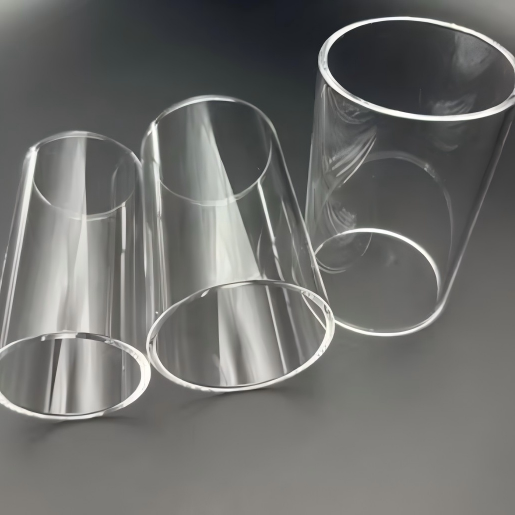
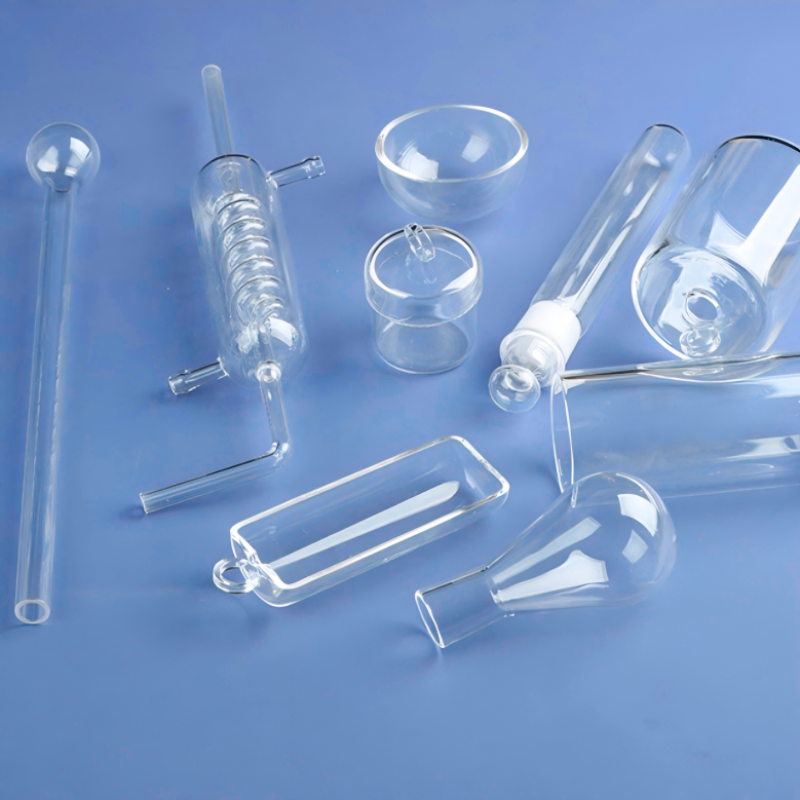
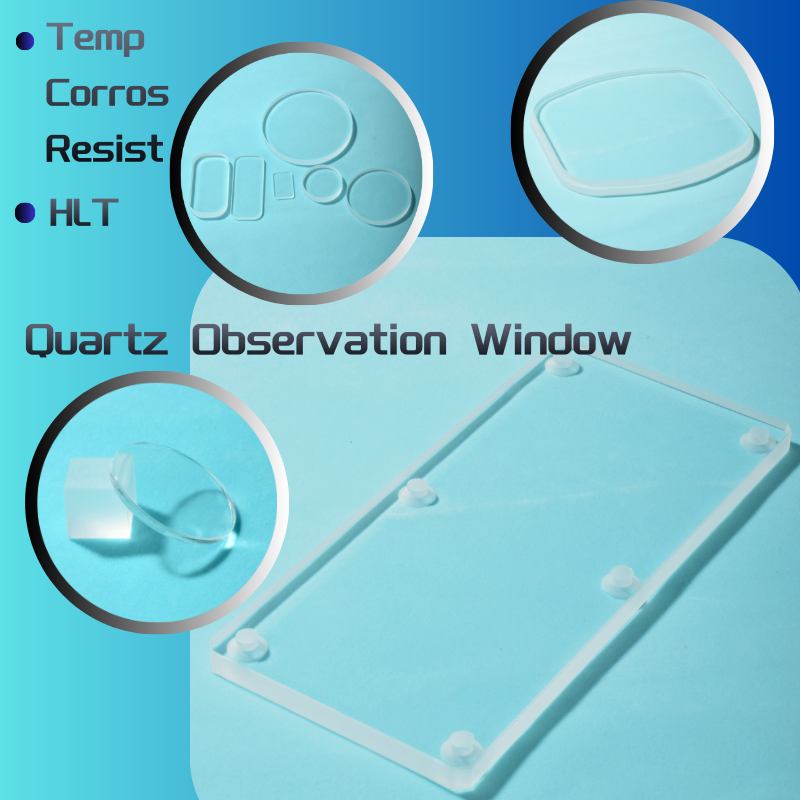
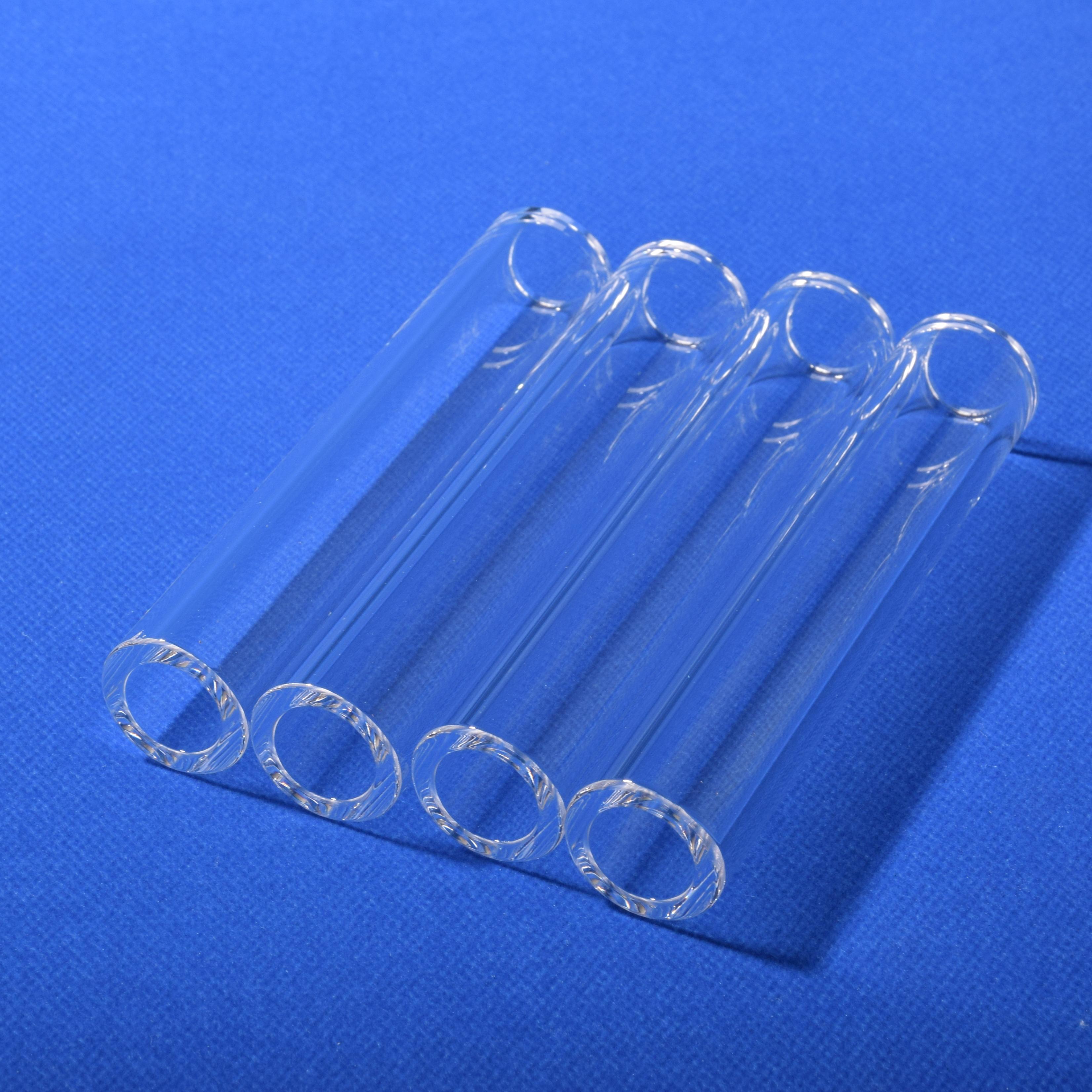
Physical, Optical, and Thermal Characteristics of Quartz Viewports
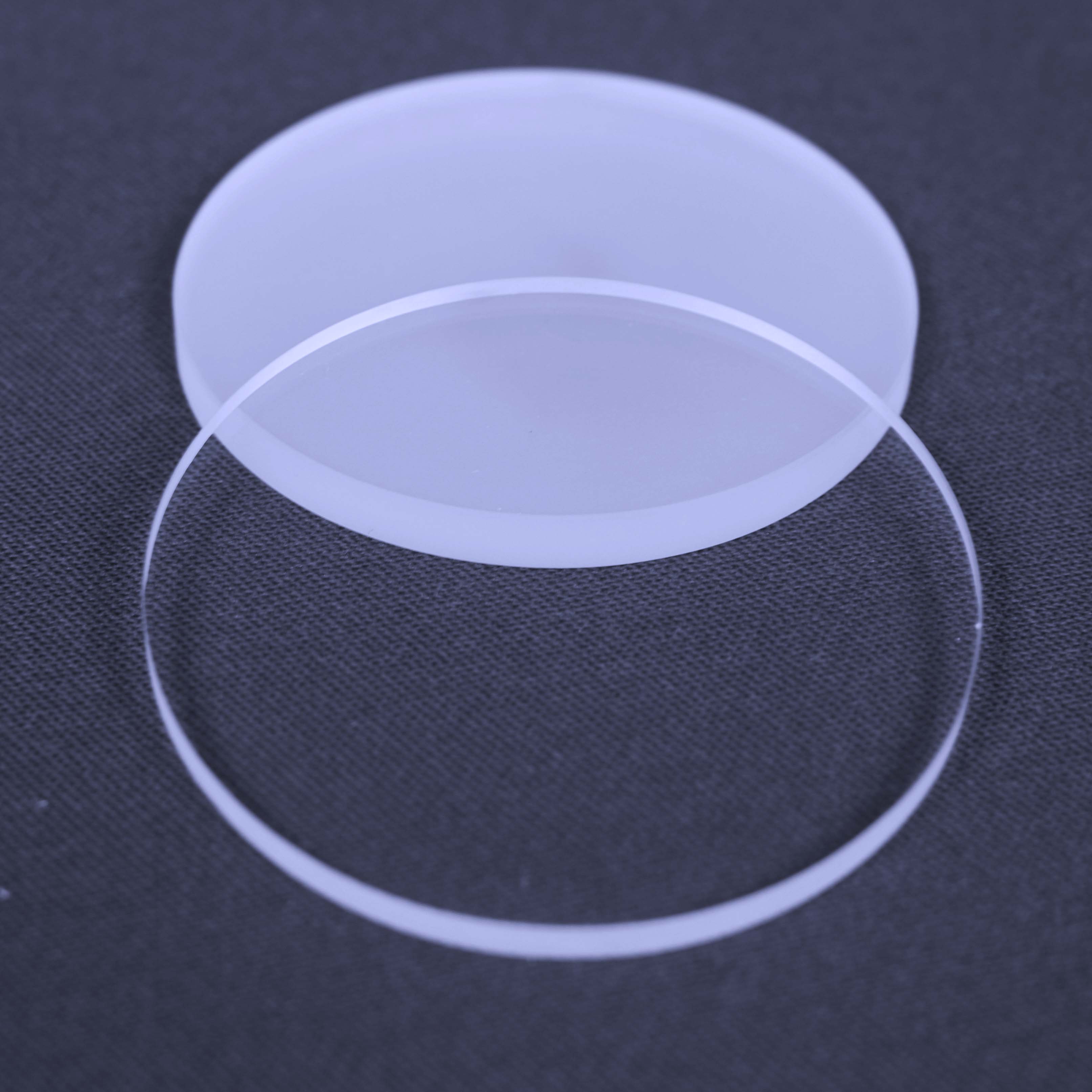
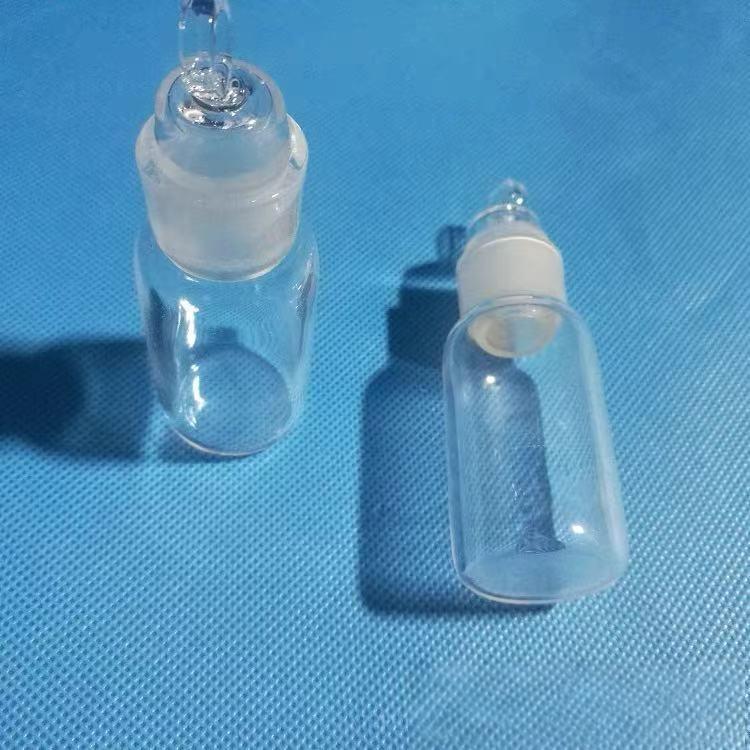
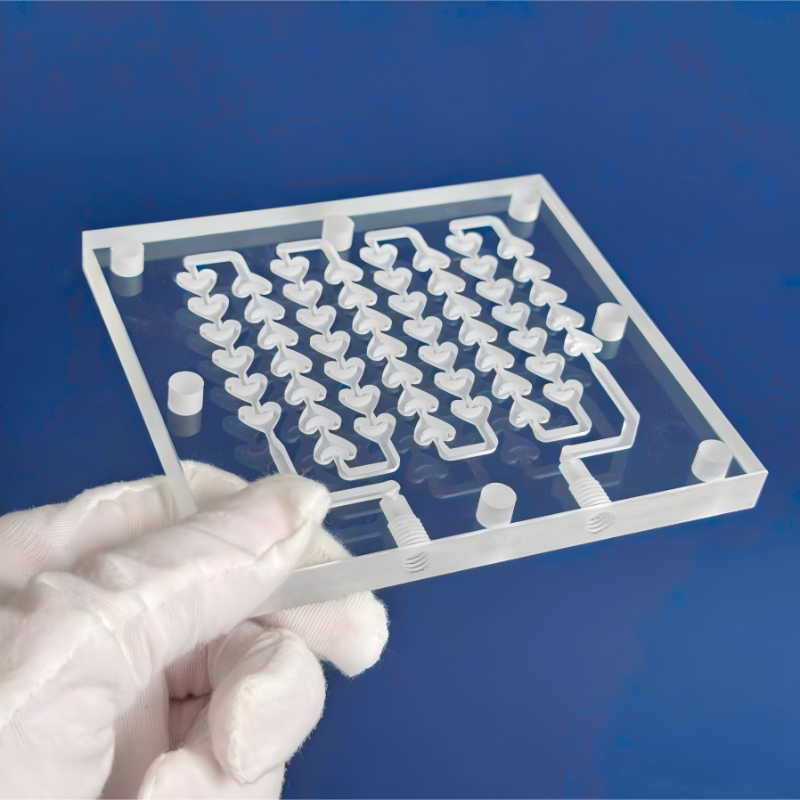
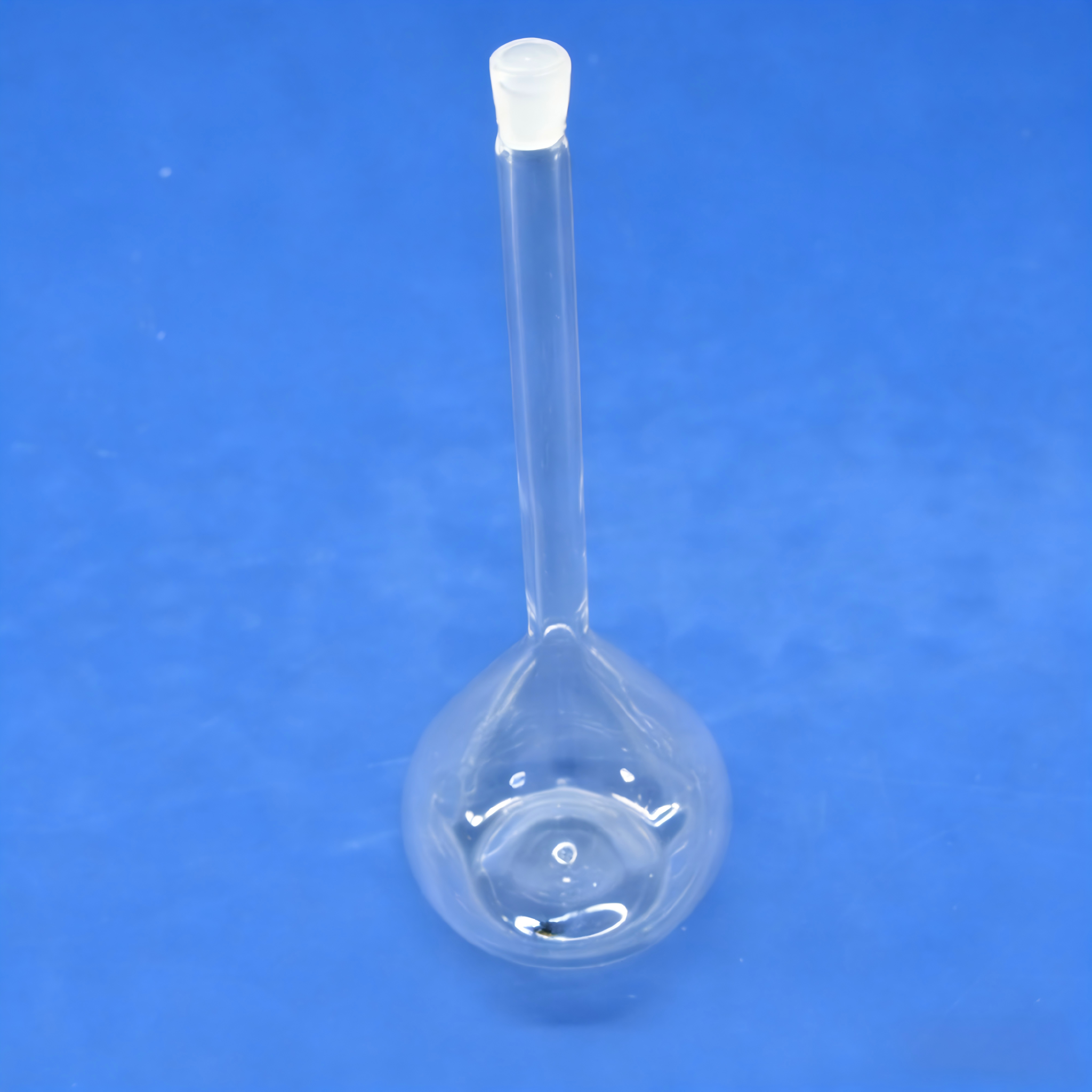
Quartz inspection windows (often designated as fused silica sight glasses, observation flanges, or optical cell windows) serve as critical transparent pressure boundaries in severe industrial environments. Unlike standard borosilicate or aluminosilicate glasses, silicon dioxide (SiO₂) in its pure vitreous form provides a combination of thermal shock resistance, extreme ultraviolet (DUV) to near-infrared (NIR) transmission, and exceptional chemical inertness.
Synthesized via chemical vapor deposition (SiCl₄ flame hydrolysis), producing nearly zero bubble inclusions and ultra-low trace metals (<1 ppm). Exceptional deep UV transmission starting down to 185 nm without solarization.
- Transmission Range: 185 nm – 2500 nm
- OH Concentration: ≈ 1200 ppm (Hydrated)
- Typical Application: Excimer laser, DUV Litho
- Inclusion Class: ISO 10110 Class 0
Fused by electric or oxy-hydrogen gas melting from pristine Donghai crystal pegmatite sand. Features excellent mechanical rigidity and continuous spectral transmission across the full visible and shortwave infrared spectrum.
- Transmission Range: 220 nm – 2800 nm
- OH Concentration: < 30 ppm
- Typical Application: Sight Glass, XRD, Furnaces
- Continuous Temp: 1100 °C
Vacuum electric melted to strip water molecules, virtually eliminating the hydroxyl absorption band at 2730 nm (2.73 μm). Unobstructed infrared throughput for thermal pyrometry and gas-phase FTIR chamber monitoring.
- Transmission Range: 260 nm – 3500 nm
- OH Concentration: < 5 ppm (Water-Free)
- Typical Application: IR Thermography, Pyrometry
- Softening Point: 1683 °C
Substrate Material Benchmark: Borosilicate vs. Sapphire vs. Fused Silica
| Property / Specification | Borosilicate 3.3 | Natural Fused Quartz (JGS2) | Synthetic Silica (JGS1) | Single-Crystal Sapphire |
|---|---|---|---|---|
| SiO₂ / Al₂O₃ Purity (%) | 81% (with B₂O₃, Na₂O) | ≥ 99.99% | ≥ 99.9999% | ≥ 99.99% (Al₂O₃) |
| UV Cut-off Wavelength (λ τ=50%) | ≈ 310 nm | ≈ 210 nm | ≈ 175 nm | ≈ 190 nm |
| Coeff. of Thermal Expansion (CTE) | 3.3 × 10⁻⁶ / K | 0.55 × 10⁻⁶ / K | 0.52 × 10⁻⁶ / K | 5.8 × 10⁻⁶ / K |
| Thermal Shock Threshold (ΔT) | 150 °C | > 1050 °C quench | > 1100 °C quench | ≈ 300 °C |
| Continuous Operating Temp. | 450 °C | 1100 °C | 1150 °C | 1600 °C |
| Refractive Index (nd @ 589.3nm) | 1.473 | 1.458 | 1.458 | 1.768 (Birefringent) |
| Pressure Clamping Safety Factor | SF = 8 (Brittle) | SF = 5 (Elastic) | SF = 5 (Elastic) | SF = 4 (Ultra-Hard) |
Mechanical Design Rule: Minimum Thickness Calculation for Clamped Circular Viewports
For circular sight glasses subjected to differential positive pressure, thickness t is governed by Timoshenko's clamped circular plate formulation: t = 0.5 × d × √( (C × P × SF) / σb ), where d is the unsupported optical diameter, P is design pressure (MPa), C is the clamping constraint factor (0.75 for non-clamped elastomeric o-ring seals; 1.12 for rigid metal bolt torquing), SF is safety factor (recommended 5–8), and σb is the flexural bending rupture modulus (48–52 MPa for high-purity natural fused quartz). Our engineering department assists client CAD teams in calculating precise glass stress distributions before cutting.
Future Procurement Trends in Quartz Inspection Windows (2025–2030)
Key technological transitions shaping how international optical engineers, vacuum furnace builders, and semiconductor toolmakers procure Chinese precision quartz.
1. Vacuum Flange Direct Integration
Global procurers are shifting from bare glass discs toward pre-brazed or Kovar-metallized hermetic CF (ConFlat), KF, and ISO-K viewport assemblies. Pre-mounted flange designs minimize assembly torque cracking and guarantee ultra-high vacuum leak tightness below 1×10⁻¹⁰ mbar·l/s.
2. Nanoscale Anti-Reflective Coatings
Modern process spectrometers and plasma chambers demand higher photon throughput. Procuring viewports with broadband anti-reflective (BBAR) coatings deposited directly onto silica substrates eliminates internal Fresnel reflections, elevating light transmission from 92.5% to >99.2% at target wavelengths.
3. Ultra-Low Trace Metallic Impurity
With sub-2nm node semiconductor fabrication scaling up, inspection windows facing fluorinated plasma (NF₃, CF₄) or ALD precursors must minimize sodium (Na), iron (Fe), and aluminum (Al) ions. Sourcing trends prioritize raw quartz sand processed through hydrofluoric purification with trace impurities < 0.1 ppm.
4. Direct Donghai Cluster Sourcing
International procurement managers are bypassing intermediate trading agents to partner directly with verified Donghai manufacturers like Vulra Quartz. Direct integration between raw crystal processing and optical-lap machining compresses OEM lead times by 40% and secures batch traceability.
Donghai Industrial Cluster: Vertical Manufacturing Supremacy
Headquartered at No. 9 Dingxin Road, Jiangsu Donghai Economic Development Zone, Lianyungang Vulra Quartz Products Co., Ltd. is physically rooted in the world's primary natural crystal refining capital. Our on-site TÜV Rheinland-assessed manufacturing plant covers the full lifecycle of precision quartz fabrication:
Cold Working & Lapping
High-speed CNC diamond core drilling, ultrasonic contour milling, double-sided planetary lapping, and pitch optical polishing achieving scratch-dig 40/20, Ra < 0.5 nm, and flatness λ/4.
Thermal & Lathe Flame Working
Oxy-hydrogen flame processing lathes handling components up to 800 mm diameter. Hermetic one-end tube closing, step-down bevel joints, and fire-polishing to remove edge microcracks.
Annealing & Stress Relief
Computer-monitored electric muffle annealing lehrs holding soak temperatures at 1150°C followed by controlled cooling to <2°C/min, completely purging internal photoelastic birefringence.
Cleanroom Acid Wash & QC
Multi-stage ultrasonic deionized water rinsing, nitric/hydrofluoric surface micro-etching to strip residual organic and metallic debris, packaged in class 10,000 cleanrooms for vacuum installation.
Frequently Asked Questions: B2B Sourcing & Technical Compliance
QWhat is the maximum working pressure rating of a quartz sight glass?
Quartz sight glass pressure ratings are not universal; they are strictly determined by the unsupported diameter-to-thickness ratio and mounting gasket compliance. For example, a 50 mm clear diameter disc with a 10 mm thickness can safely handle continuous working pressures of 2.5 MPa (25 bar) with an operating safety factor of 8. For high-pressure petrochemical autoclaves, we calculate custom thicknesses and recommend fire-polished chamfered edges to eliminate stress risers.
QCan quartz observation windows withstand instantaneous thermal cycling?
Yes. Fused quartz exhibits an extraordinarily low coefficient of thermal expansion (CTE ≈ 5.5×10⁻⁷/°C from 20°C to 1000°C). A properly annealed Vulra quartz window can be heated to 1100°C and plunged immediately into ice-cold 20°C water without fracturing or undergoing thermal shock failure. This makes it vastly superior to borosilicate glasses in furnace observation doors.
QWhat is the difference between JGS1, JGS2, and JGS3 quartz inspection windows?
JGS1 is synthetic fused silica manufactured from silicon tetrachloride (SiCl₄), offering the highest UV transmission down to 185 nm with zero bubble clusters. JGS2 is optical-grade fused quartz made from natural Donghai crystal, offering superior economy and high transmittance from 220 nm to 2500 nm. JGS3 is infrared-grade water-free quartz with near-zero hydroxyl (OH < 5 ppm), eliminating the 2.73 μm absorption dip for thermal and pyrometric imaging.
QHow does Vulra Quartz prevent quartz devitrification during prolonged heating?
Devitrification (conversion of amorphous vitreous silica into crystalline cristobalite) occurs above 1150°C when alkali metals (Na, K, Li) or surface fingerprints contaminate the glass. Vulra Quartz utilizes ultra-pure acid chemical cleaning, high-temperature gas-phase baking, and pristine cleanroom packing in protective PE films to ensure zero surface alkali ion nucleation sites are present prior to your installation.
QWhat surface flatness and optical finish specifications can be manufactured?
We routinely manufacture optical viewports to MIL-PRF-13830B standards: 40/20 or 20/10 scratch-dig surface quality, flatness up to λ/4 or λ/10 per 25 mm at 632.8 nm, and parallelism within 10 to 30 arcseconds. Dual-sided surface roughness can be controlled below Ra 0.5 nm (5 Ångströms) for extreme UV and laser beam diagnostic windows.
QCan you accommodate custom drawings and low-volume prototyping?
Yes. We operate dedicated CNC machining centers for one-off prototyping (MOQ: 1 piece) as well as mass production runs. Clients can supply 2D engineering PDFs or 3D STEP/IGES CAD files with custom bolt holes, counterbored steps, beveled chamfers, or curved cylindrical viewports. Engineering design reviews and DFM feedback are delivered within 24 hours.
Submit Your Quartz Window Drawing for Instant Engineering Review
Consult directly with Vulra Quartz production specialists. Whether you require standard sight glass replacements or custom-toleranced synthetic silica flanges, our Donghai engineering team provides complimentary DFM evaluations and factory-direct quotation within 24 hours.