Precision Quartz Optics, Slides & Process Ware
Explore our CE marked and factory-inspected fused quartz components. Precision machined from Donghai ultra-pure SiO₂ crystal sand (99.99% – 99.999% purity) for research labs, wafer fabs, and high-temperature thermal reactors.
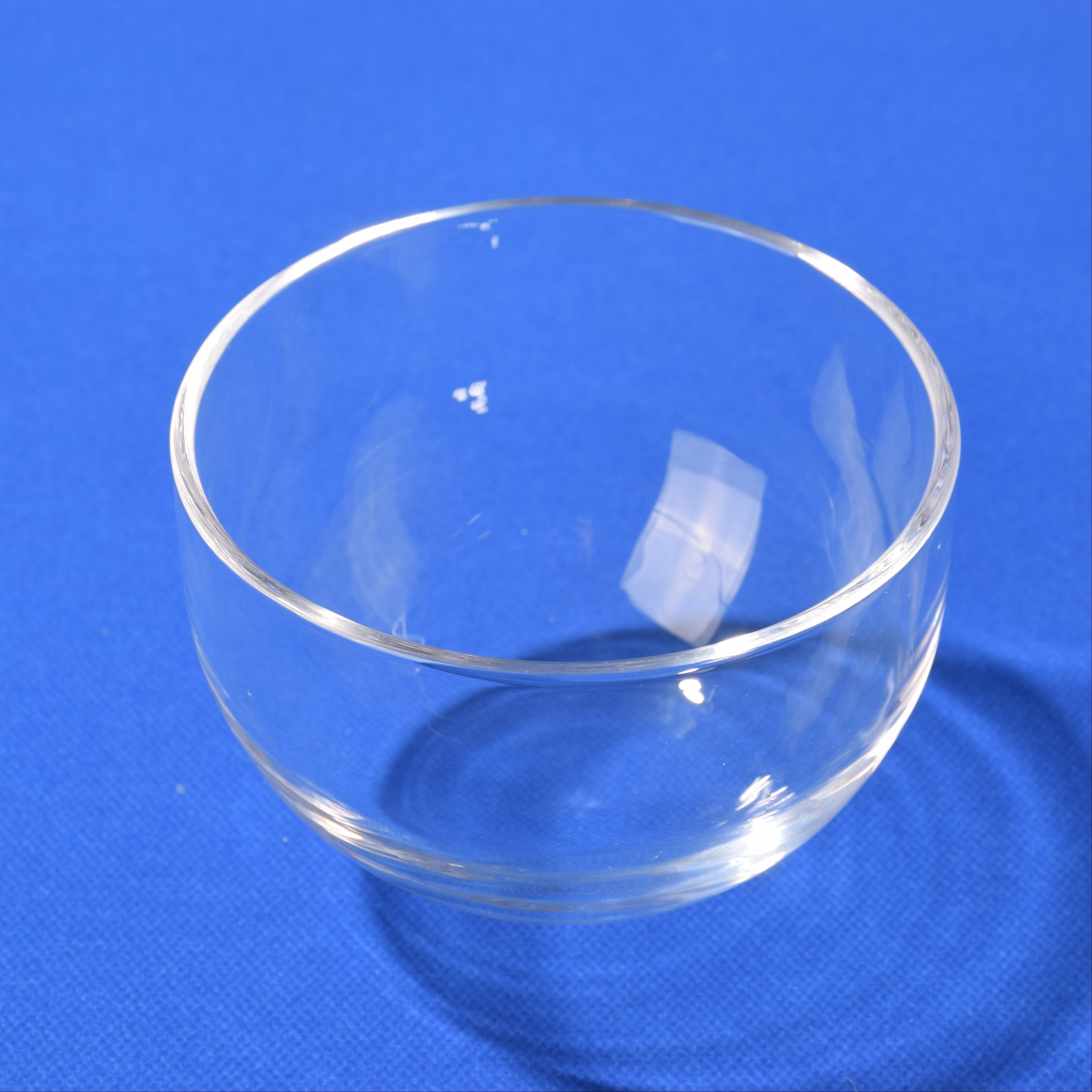
Clear Refractory Fused Quartz Crucible Bowl SJ Brand High Tension Strength 48 N/mm² 1683°C Softening Point
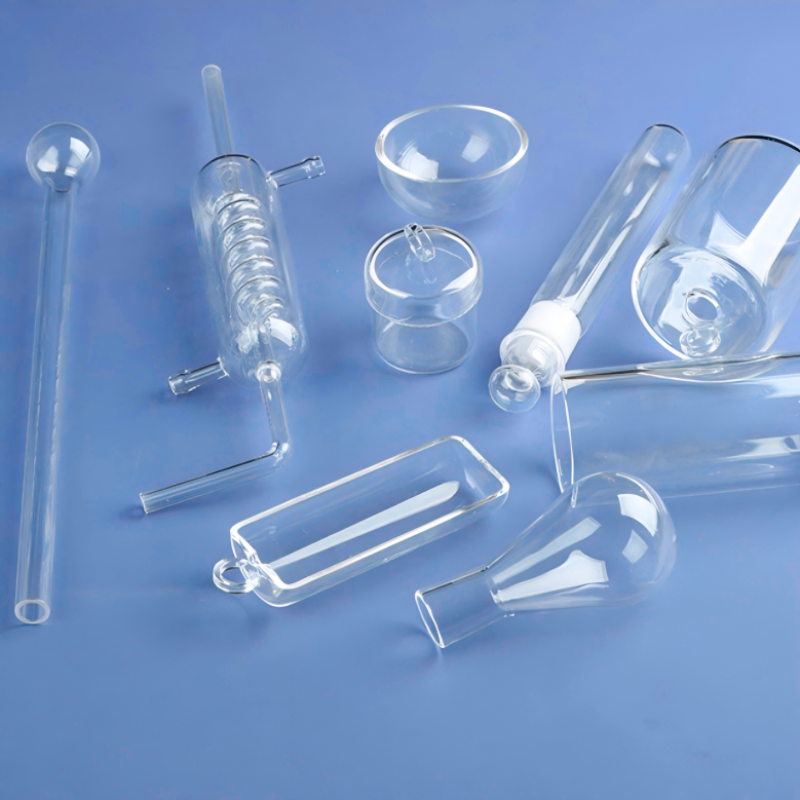
Quartz Glass Tube Plugging Rod Heating Test Tube Boat High Temperature Resistant Polished Surface
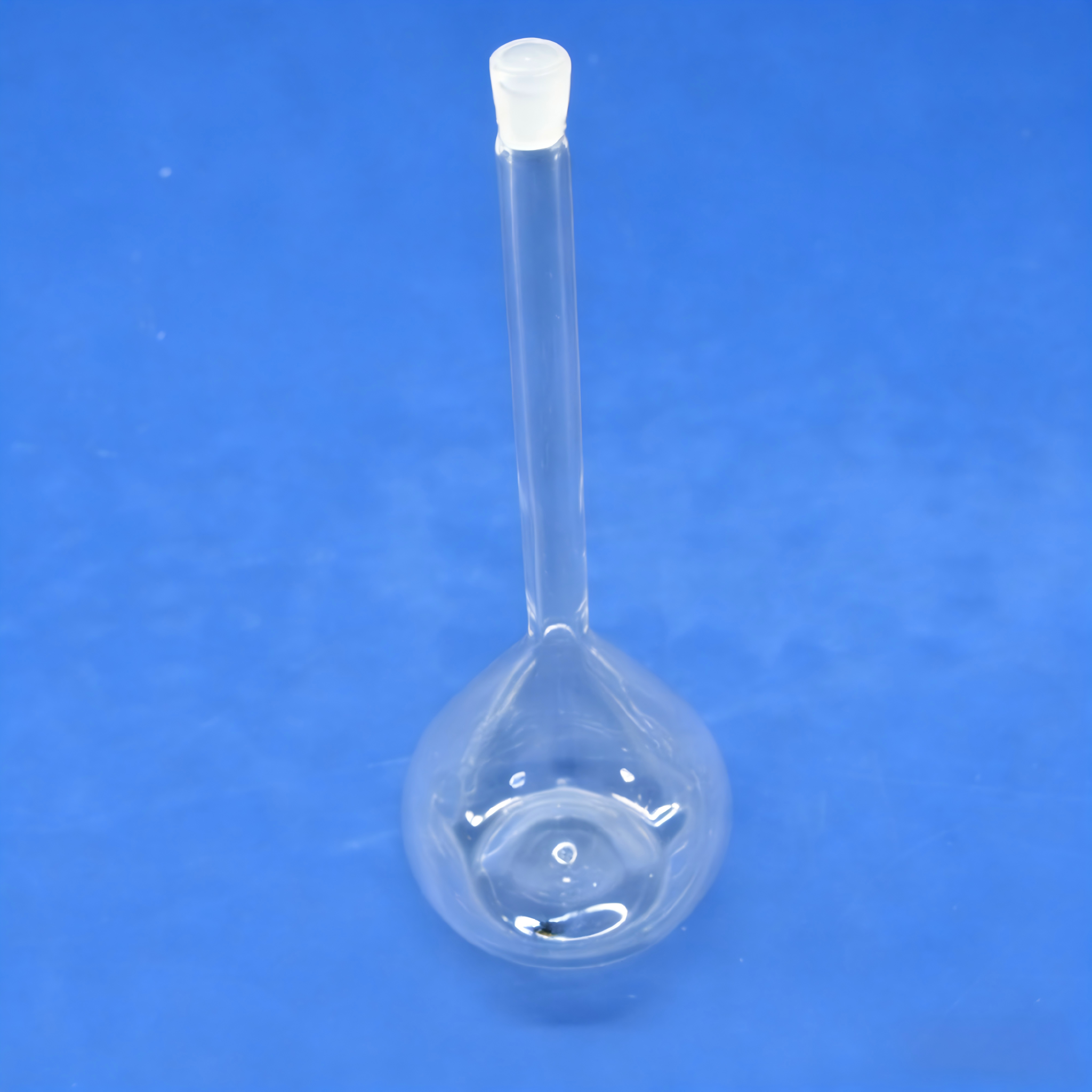
High Purity Transparent Quartz Glass Ampoule Customized Clear Quartz Flask Bending Lab Ozone Free
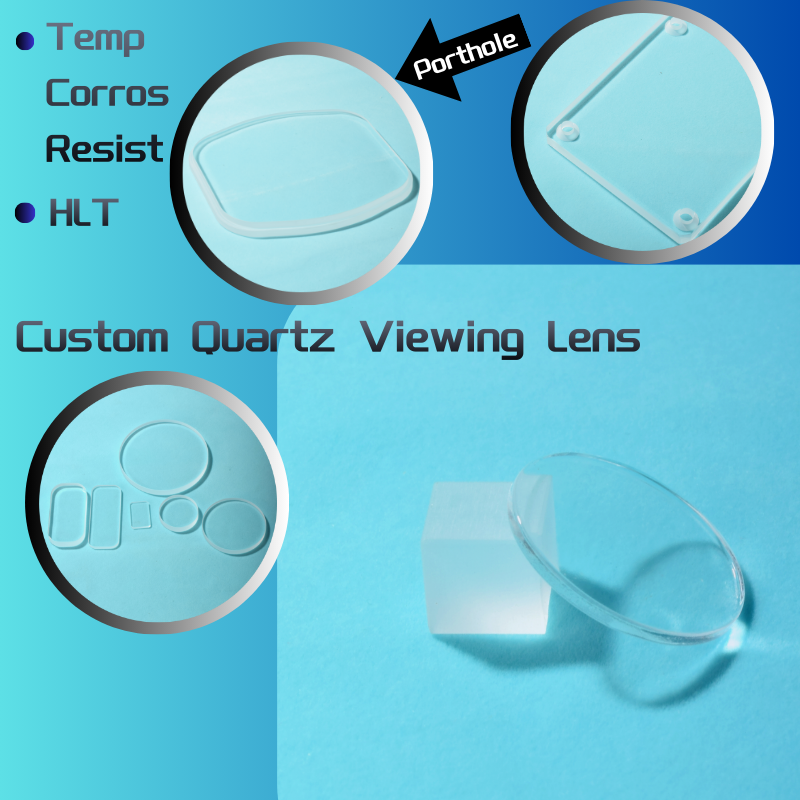
SJ 126 Natural Fused Quartz Square Thin Glass Slide Optics-High Transparency Precision Lab Use
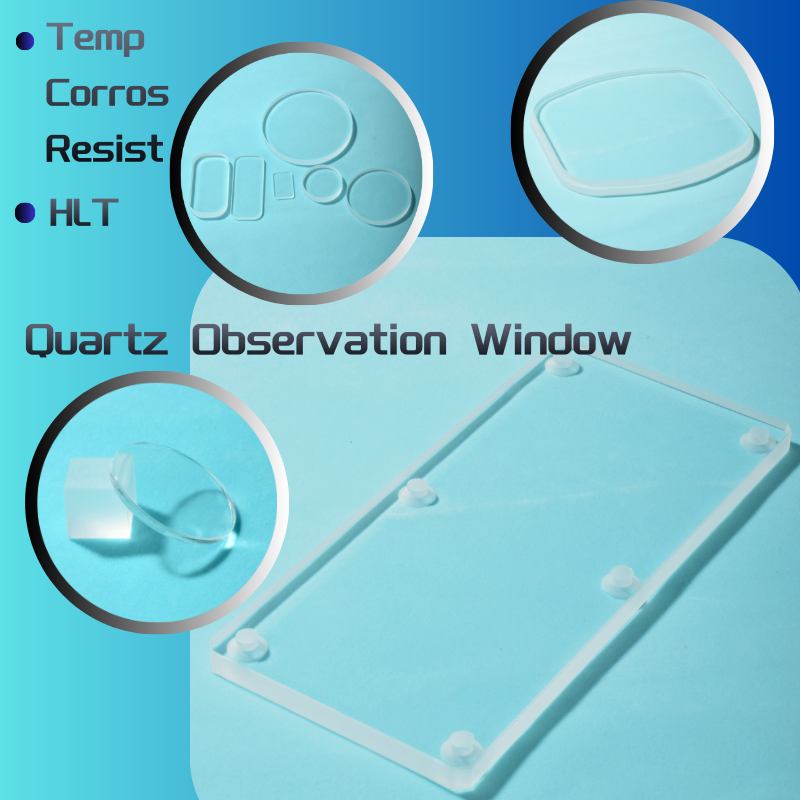
SJ Natural Fused Quartz Polished Plate Optical Clear Heat-Resistant Chemical Cutting Laser Window
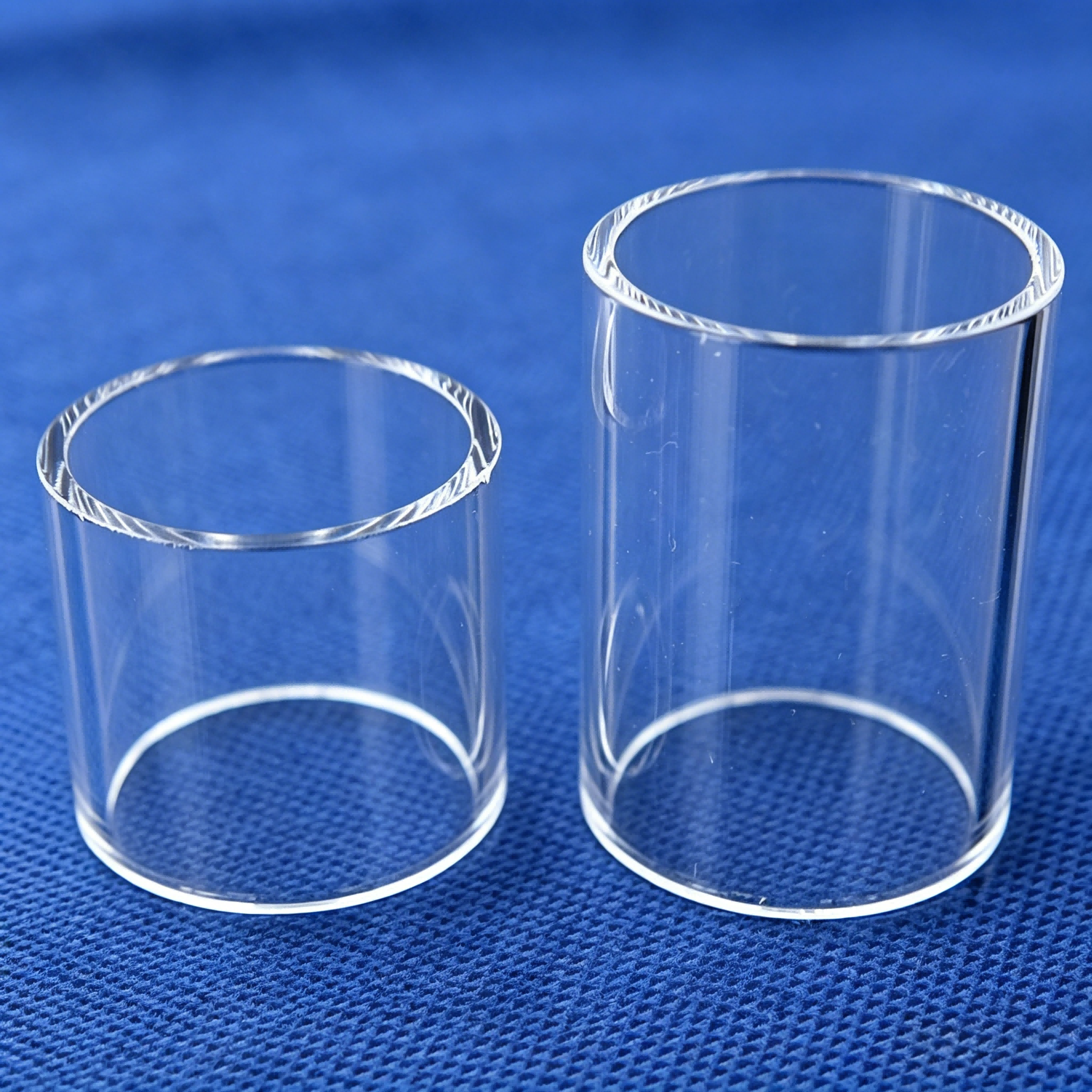
Custom High Temperature Corrosion Resistant Clear Quartz Glass Pipe | Twin Tube Polished Surface SJ 210
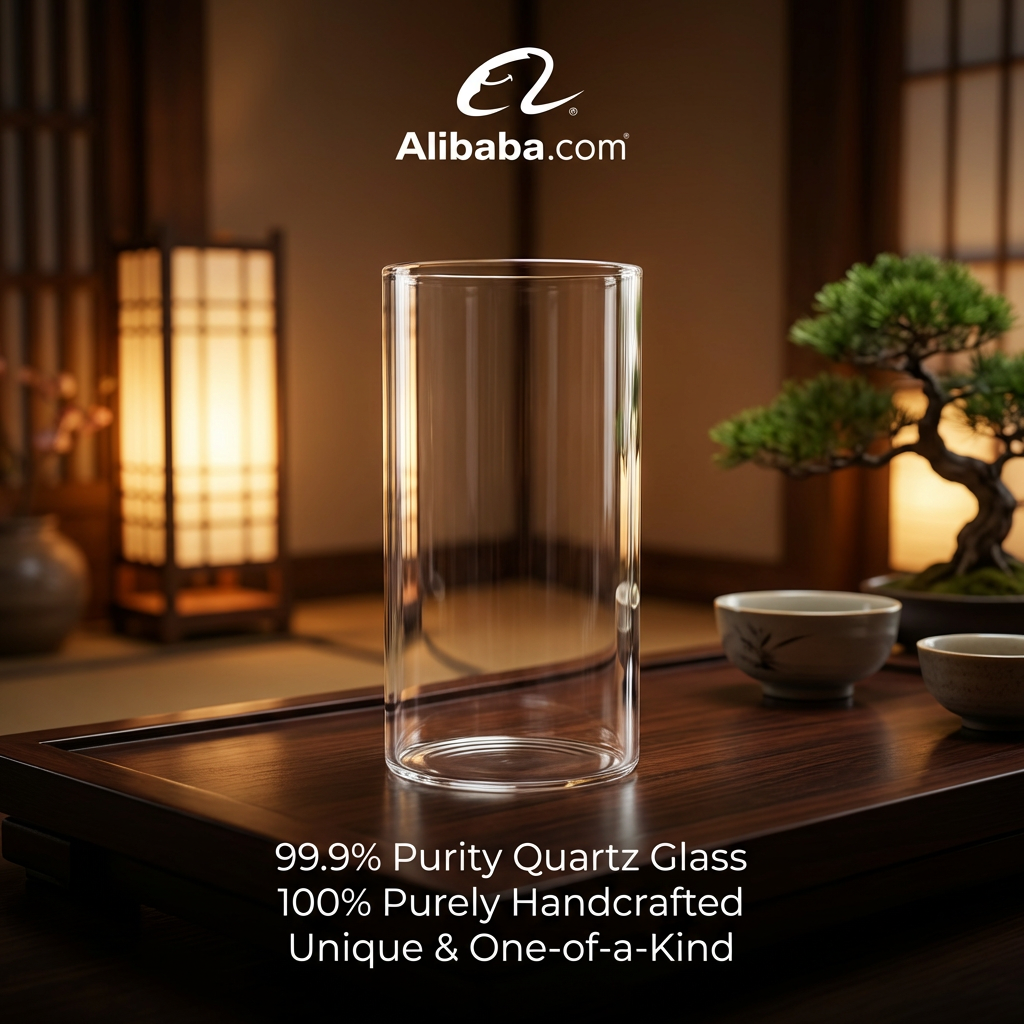
Custom Clear Fused Quartz Tube Fire Polished Hand-blown Silica Glass Laboratory Vessel SJ 226
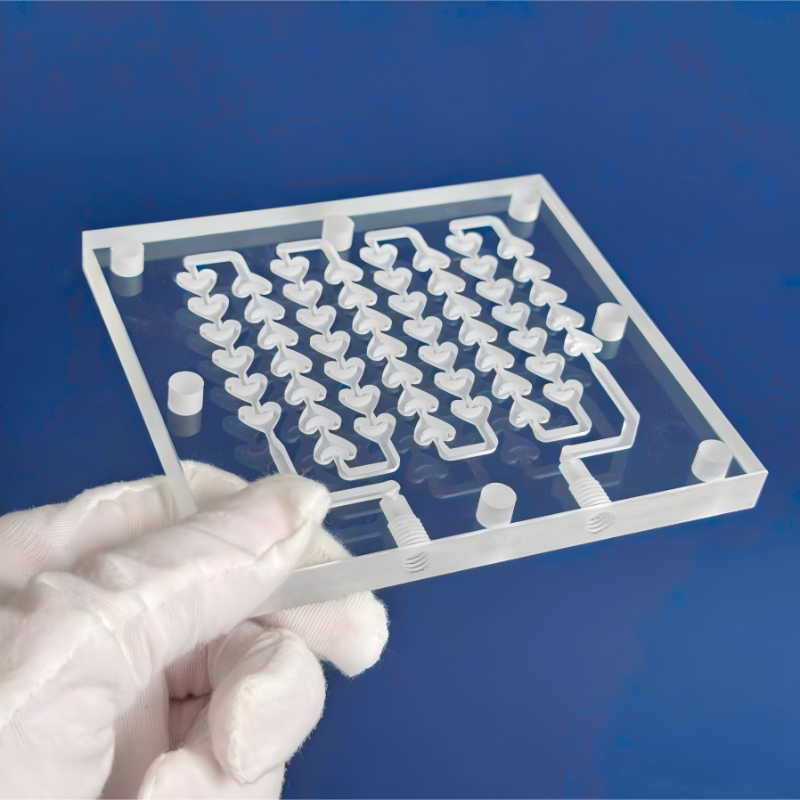
Customized High Thermal Conductance 1750°C Melting Point Heat-Exchange Glass Interlayer Chips Circular Quartz
Material Science: Selecting Between Natural Fused Quartz & Synthetic Fused Silica
In high-stakes photonic, biomedical, and wafer fabrication environments, glass substrate selection dictates optical absorption, thermal deformation, and background fluorescence. Understanding the crystallographic transition from natural quartz sand to amorphous fused silica is vital for global procurement engineers.
The Structural Difference in Optical Transmission & Hydroxyl (OH) Levels
Standard borosilicate or soda-lime glass degrades rapidly when subjected to intense deep-ultraviolet (DUV) wavelengths below 300 nm or thermal shock excursions exceeding 300°C. CE-certified fused quartz glass slides manufactured by Vulra Quartz are synthesized by melting natural pegmatitic crystal quartz or via chemical vapor deposition (CVD) of silicon tetrachloride (SiCl₄).
Natural Fused Quartz (JGS2 / JGS3 equivalent) provides superior mechanical stability and heat resistance up to 1100°C continuous service, with high optical clarity across the visible to near-infrared spectra (360 nm to 2500 nm). In contrast, Synthetic Fused Silica (JGS1 grade) offers virtually zero trace heavy metal impurities (<0.1 ppm Fe, Al, Ti) and a low hydroxyl (OH⁻) content option, delivering transmission rates over 90% at 193 nm and 248 nm for ArF/KrF excimer laser and deep fluorescence imaging.
By operating from Donghai County—the international epicenter of mineral silicon reserves—Vulra Quartz controls raw quartz sand grading directly from source, eliminating unpredictable batch lot variances in coefficient of thermal expansion (CTE).
Parametric Performance Standard: Quartz vs. Standard Glass
Review the comprehensive physical, thermal, and optical baseline metrics established by Vulra Quartz's cleanroom testing laboratory in accordance with ISO 9001:2015 and CE EN standards.
| Physical Parameter | Fused Quartz Slide | Borosilicate Slide |
|---|---|---|
| SiO₂ Purity | 99.99% – 99.999% | ~80% (contains B₂O₃, Na₂O) |
| Softening Point | 1683 °C | 820 °C |
| Annealing Point | 1140 °C | 560 °C |
| Thermal Expansion (CTE) | 5.5 × 10⁻⁷ / °C | 33 × 10⁻⁷ / °C |
| DUV Transmission (200nm) | > 90% (JGS1) | < 5% (Opaque in UV) |
| Fluorescence Autofluorescence | Extremely Low / Nil | High Background Noise |
Why Tier-1 Laboratories & Semiconductor OEMs Partner With Vulra Quartz
Headquartered at No. 9, Dingxin Road in the Jiangsu Donghai Economic Development Zone, Lianyungang Vulra Quartz Products Co., Ltd. combines geographic raw material leverage with certified precision engineering.
Donghai Raw Material Hub
Direct mine-to-furnace integration in the "Crystal Capital of China" ensures uninterrupted supply of 99.999% high-purity SiO₂ sand with trace metal contaminants monitored via ICP-MS testing.
TÜV Rheinland Audited
Our production facilities, cleanroom operations, legal corporate standing, and full customization ODM capability have undergone rigorous on-site verification by TÜV Rheinland engineers.
Sub-Nanometer Polishing
Double-sided Chemical Mechanical Planarization (CMP) and diamond abrasive grinding deliver surface roughness down to Ra < 0.5 nm (5 Å) and surface accuracy up to λ/4 per inch.
Drawing-to-Part OEM/ODM
From a 1-piece prototype for university spin-outs to recurring batch deliveries of tens of thousands of custom-sized slides, cover slips, and drilled microfluidic discs—no order is too complex.
CE & RoHS Compliance
Every batch of quartz glass slides satisfies EU Directive 2011/65/EU (RoHS) and CE conformity criteria, guaranteeing free transit and commercial acceptance across the European Union and North America.
High Thermal Shock Defense
With an extremely low CTE of 5.5 × 10⁻⁷ / °C, our fused quartz slides endure rapid water quench cycles from 1100°C to 20°C without catastrophic micro-fracturing or phase inversion.
Export-Grade Vacuum Packaging
Cleanroom Class 100 washed, ultrasonically degreased, and packaged in anti-static, nitrogen-purged individual vacuum cassettes or foam-cushioned crates for zero transit scratches.
Future Procurement Trends in the High-Purity Quartz Glass Slide Industry
Procurement directors face shifting regulatory landscapes, geopolitical silicon supply constraints, and shrinking component tolerances. Here are the 4 fundamental market dynamics shaping fused quartz procurement over the 2025–2030 cycle.
1. Direct Tier-1 Manufacturer Alliances
Procurement teams are cutting through layers of western trading intermediaries. Buying direct from verified Chinese factories in Donghai reduces unit costs by 35% to 55% while establishing direct engineering dialogues for tight dimensional tolerances.
2. Ultra-Thin Substrate Geometric Shift
The rise of high-resolution micro-spectroscopy and compact lab-on-a-chip cartridges demands thinner quartz substrates—moving from standard 1.0 mm thickness to 0.15 mm–0.2 mm wafer-thin slides that still retain rigid structural flatness without warpage.
3. Zero-Autofluorescence Imperative
Next-generation DNA sequencing (NGS), single-molecule confocal microscopy, and flow cytometry require slides with zero intrinsic autofluorescence. Synthetic fused silica is rapidly replacing traditional quartz as the de facto standard for genomics consumables.
4. Certified Supply Chain Traceability
Driven by EU ESG mandates and semiconductor quality audits, buyers require mill test certificates (MTC), full chemical ICP-MS impurity logs, CE conformity declarations, and RoHS proof directly traceable to the specific ingot lot.
Total Cost of Ownership (TCO) vs. Initial Piece Price
When sourcing optical quartz glass slides, nominal unit purchase price represents only 40% of the true cost envelope. Micro-scratches, subsurface lattice damage from poor cold-cutting, or bubble inclusions cause catastrophic laser-induced damage (LIDT failure) or high scrap rates during automated microfluidic cover slip bonding.
By enforcing MIL-PRF-13830B optical scratch-dig specifications (e.g., 40/20 or 20/10) and DIN ISO 10110 surface quality control, Vulra Quartz ensures secondary yield stability for global device integrators.
Custom Dimensions & Value-Added Edge Geometries
Modern automated slide loaders and microfluidic fluidic connections reject standard rough-cut glass. Vulra Quartz offers comprehensive CNC edge profile customization:
- Ground C-Edges & Pencil Edges: 45-degree chamfers eliminate micro-splinters and worker injury.
- Ultrasonic Micro-Hole Drilling: Inlets/outlets from 0.5 mm diameter for microfluidic tubing.
- Laser Markings & Grid Scribing: High-precision serial numbering, fiduciary markers, and counting grids.
- Optical Thin-Film Coatings: AR (Anti-Reflective), BBIL (Broadband), and metallic gold/chrome sputtered layers.
Emerging High-Tech Applications Driving Quartz Glass Innovation
Fused silica substrates are no longer confined to traditional school chemistry microscopes. Today's advanced engineering landscapes leverage the extreme physical properties of quartz for next-generation technological breakthroughs.
Microfluidic Lab-on-a-Chip & Bio-MEMS
Microfluidic devices fabricated on quartz glass slides enable direct optical interrogation across UV wavelengths. Because fused silica withstands strong aggressive acid etching (HF excepted) and allows thermal bonding at 1000°C without micro-channel collapse, it remains the gold standard for capillary electrophoresis and analytical cell sorters.
High-Energy Ultrafast Laser Windows
With femtosecond and picosecond industrial lasers expanding across metal cutting and medical surgery, beam delivery optics demand substrates with high Laser-Induced Damage Thresholds (LIDT > 10 J/cm² @ 1064 nm, 10 ns). Our super-polished fused quartz plates prevent thermal lensing and beam wavefront distortion.
Semiconductor Photomask Blanks & DUV Sensors
As microelectronics scale below 7nm nodes, optical lithography tools operating in deep ultraviolet rely on ultra-flat, bubble-free synthetic fused silica blanks. These substrates exhibit zero solarization and zero radiation-induced compaction under prolonged excimer exposure.
| Optical Grade | Material Origin | Transmission Bandwidth | Dominant Industry Applications | Certification Standards |
|---|---|---|---|---|
| JGS1 (Synthetic Fused Silica) | Chemical Vapor Synthesis (SiCl₄) | 185 nm – 2500 nm (Deep UV to NIR) | Laser Optics, DUV Photomasks, Single-Molecule Bioimaging | CE, RoHS, ISO 10110 Class 0/I |
| JGS2 (Optical Fused Quartz) | High Purity Natural Quartz Sand | 220 nm – 2500 nm (UV-Vis-NIR) | Standard Laboratory Slides, Furnace Windows, Sight Glasses | CE, RoHS, DIN 52332 |
| JGS3 (Infrared Fused Quartz) | Vacuum Electric Melting (Low OH) | 260 nm – 3500 nm (Broad Infrared) | IR Spectroscopy, Pyrometry Windows, Thermal Sensor Shields | CE, RoHS, MIL-G-174B |
| Ozone-Free Quartz Substrate | Titanium/Cerium Doped Quartz | Cuts off < 220 nm (Blocks 185nm line) | UV Sterilization, Curing Systems, Laboratory Safety Barriers | CE Certified, Occupational Safety Safe |
Frequently Asked Questions by Technical Buyers & Optoelectronic Engineers
Direct answers from our senior materials engineering team to resolve the technical, commercial, and logistical questions most frequently raised before placing purchase orders.
For standard production runs, our CNC precision cutting holds width and length tolerances to ±0.05 mm, and thickness tolerances to ±0.02 mm. For high-precision semiconductor and laser applications, double-sided lapping can tighten thickness tolerances down to ±0.005 mm with parallelism ≤ 10 arcseconds and surface flatness of λ/4 per inch.
Fire-polishing uses high-temperature flame to melt the outer silica skin, producing a glossy, economical finish suitable for simple sight-glasses, but it introduces minor wave distortion and corner rounding. Optical polishing uses mechanical/CMP diamond slurry abrasives, yielding perfectly flat, parallel surfaces with Ra < 0.5 nm, mandatory for microscopy and laser optics.
As an independently verified Custom Manufacturer by TÜV Rheinland, we support prototype validation starting from a 1-piece minimum order quantity (MOQ) for custom plates, slides, crucibles, and boats. Standard commercial dimensions typically ship from pre-annealed stock in batches of 5 to 50 pieces.
All quartz substrates are ultrasonically cleaned, individually interleaved with lint-free optical paper or static-dissipative film, sealed in vacuum cassettes, and cushioned inside rigid high-density EPE foam armor within multi-wall corrugated cartons or fumigated export plywood cases tested to ISTA-3A drop test standards.
Fused quartz possesses near-complete chemical resistance to virtually all acids (including HCl, HNO₃, H₂SO₄, and aqua regia) and organic solvents even at elevated temperatures. However, Hydrofluoric Acid (HF) and concentrated hot Phosphoric Acid (>150°C) will chemically attack and dissolve SiO₂. Strong basic alkaline solutions will also etch quartz at temperatures over 100°C.
Our engineering department directly processes 2D engineering drawings in PDF, DWG, and DXF formats (with explicit geometric dimensioning & tolerancing / GD&T), as well as 3D native models in STEP (.stp) and IGES (.igs) files. Quotations with full DFM (Design for Manufacturability) feasibility reports are returned within 12 to 24 business hours.
Following hot-cutting or flame welding, quartz parts undergo programmed electric furnace annealing at 1150°C to 1200°C, followed by a controlled slow-cooling soak past the strain point (1070°C). Stress birefringence is measured using a polariscope to guarantee optical path difference (OPD) ≤ 10 nm/cm in accordance with ISO 10110-2.
Every delivery includes a certified Certificate of Conformity (CoC) bearing the European CE mark, an ICP-MS chemical composition inspection report confirming 99.99%+ SiO₂, and RoHS compliance certification. Customers can independently cross-reference our TÜV Rheinland inspection credentials via report number available on our Trust Center.