Quartz Photocatalytic Reactor Hydrogen Oxygen Production
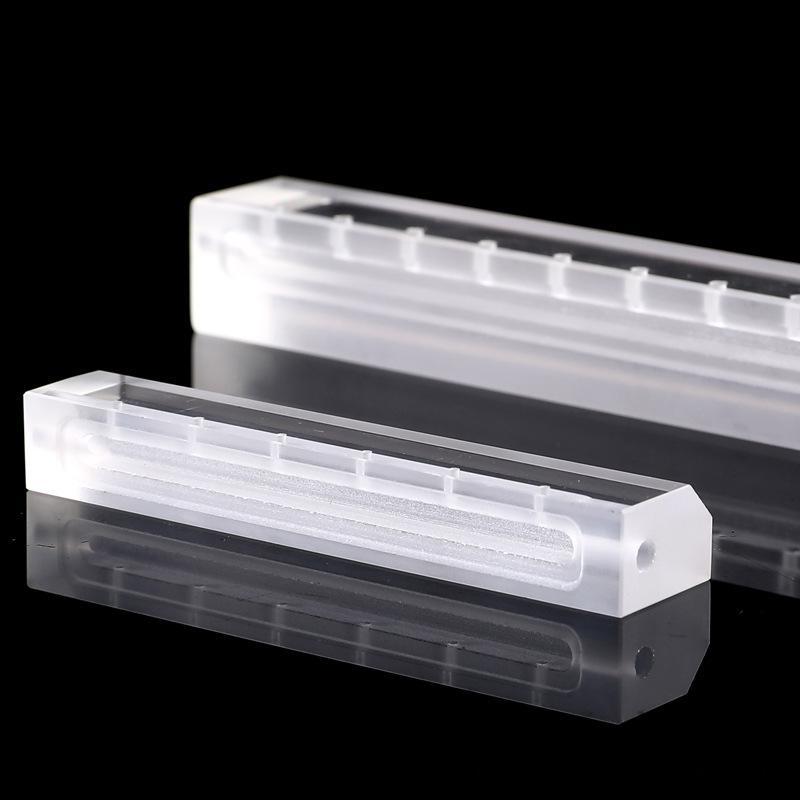
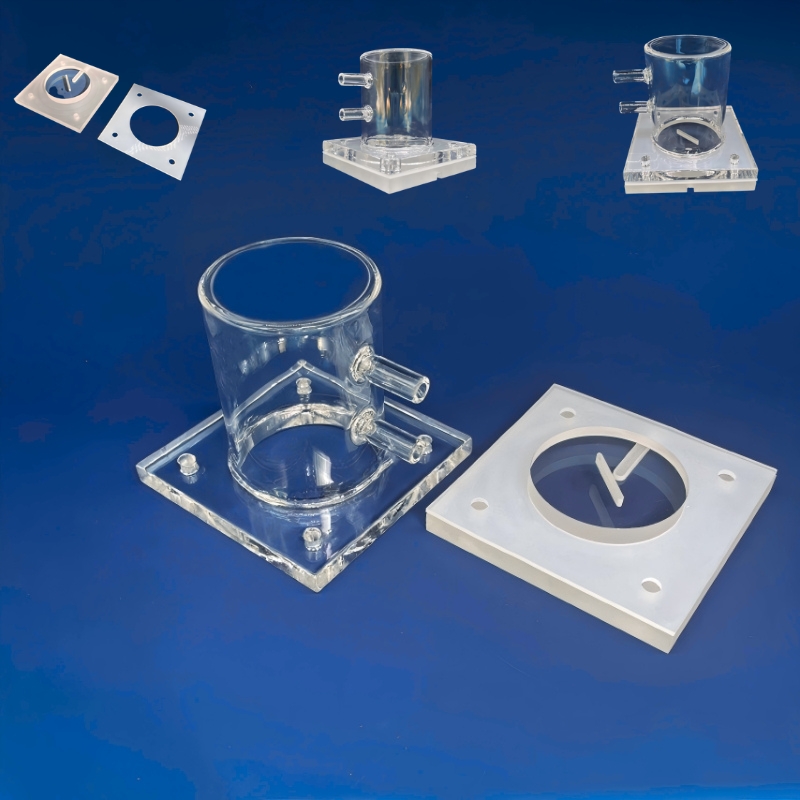
Jacketed UV photodegradation reactor with ozone-free translucent quartz molding and precision water-cooling sleeves for advanced process photolysis.
View SpecificationsPrecision-manufactured in Donghai and calibrated for the high-stress copper-molybdenum concentration facilities across the Orkhon mining province. Designed from drawing with single-piece OEM/ODM flexibility.
Jacketed UV photodegradation reactor with ozone-free translucent quartz molding and precision water-cooling sleeves for advanced process photolysis.
View Specifications
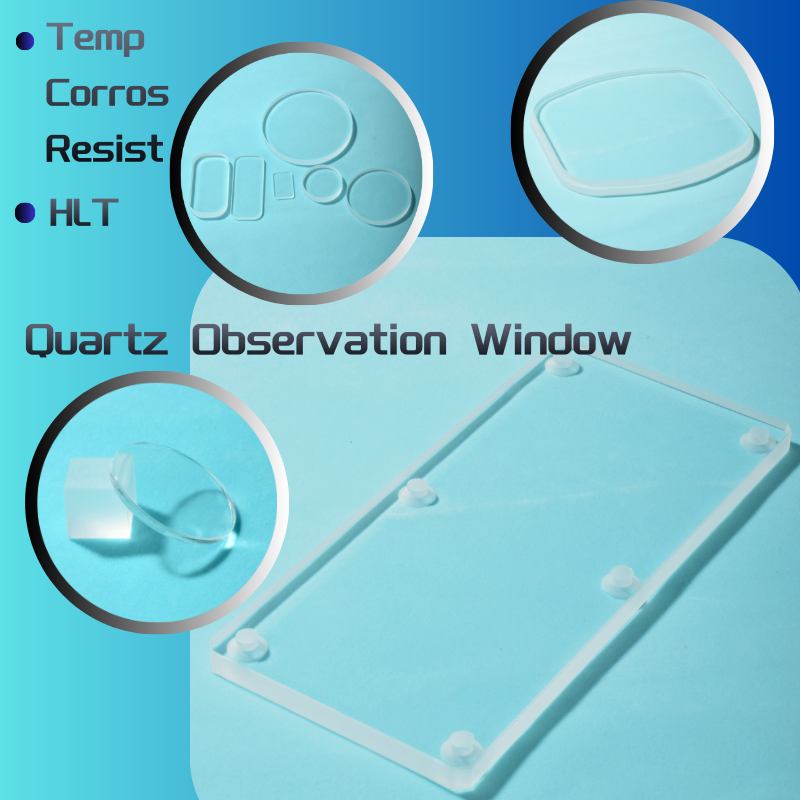
High thermal conductance circular quartz observation disc for spectroscopic slurry inspection and optical immersion sensor arrays.
View Specifications
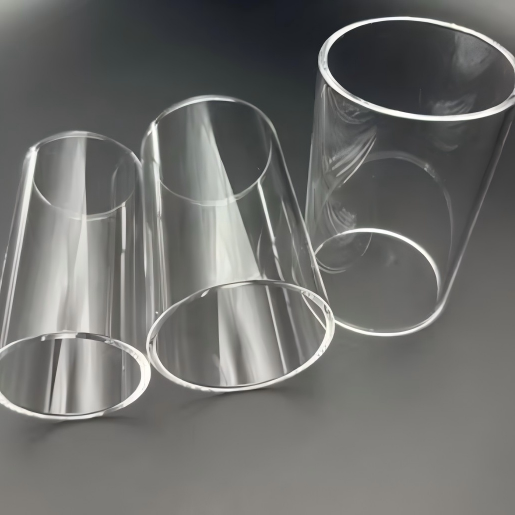
Heavy-wall 5–800mm diameter protective well. Precision flame-welded rounded bottom with zero thermal distortion up to 1100°C continuous service.
View Specifications
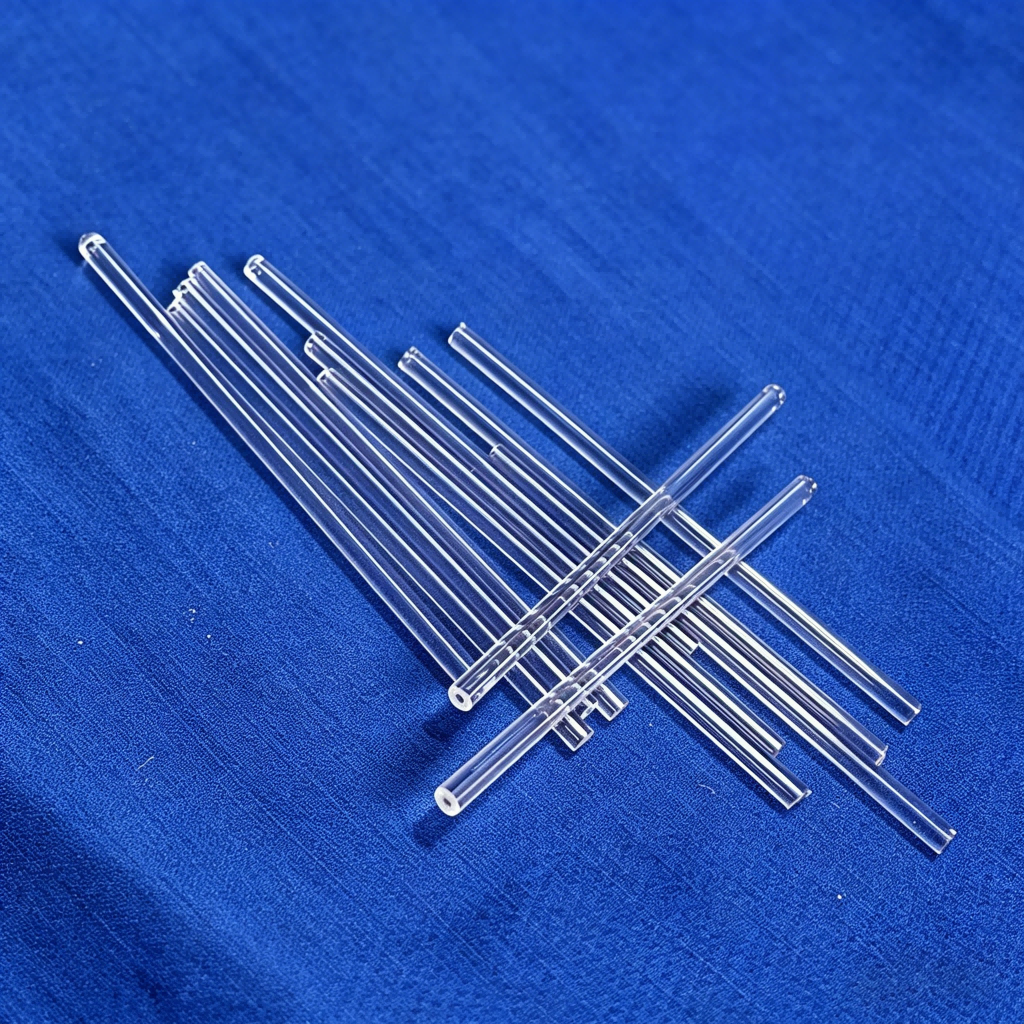
Laboratory exhaust capillary tube with 99.9%–99.999% SiO₂ purity. Ideal for specialized gas sampling inside pressurized leaching wells.
View Specifications
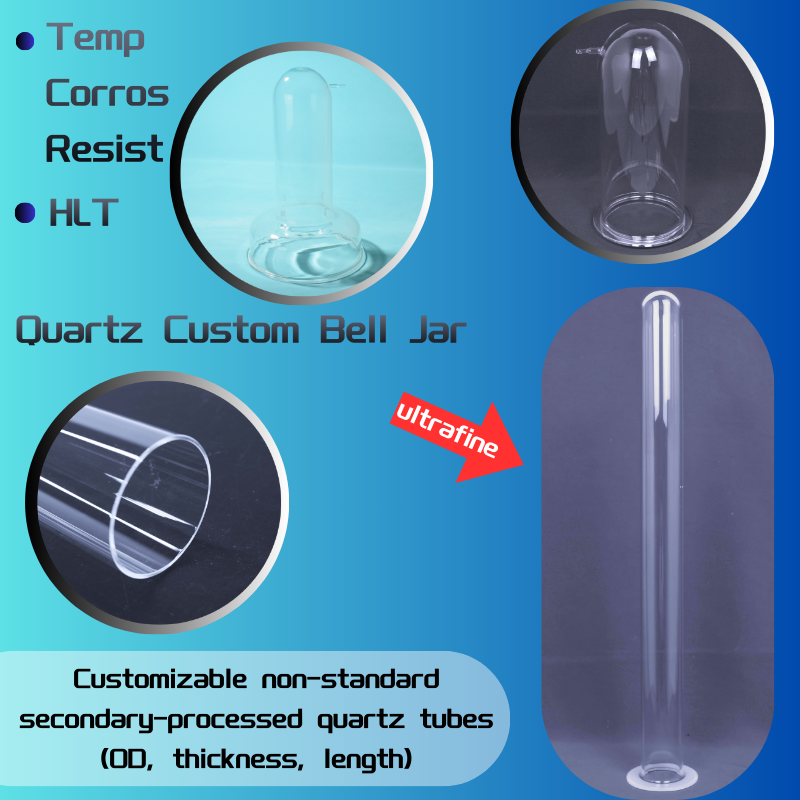
Hermetically sealed, leak-proof quartz sleeve designed for negative pressure chemical degassing, leaching columns, and analytical sampling lines.
View Specifications
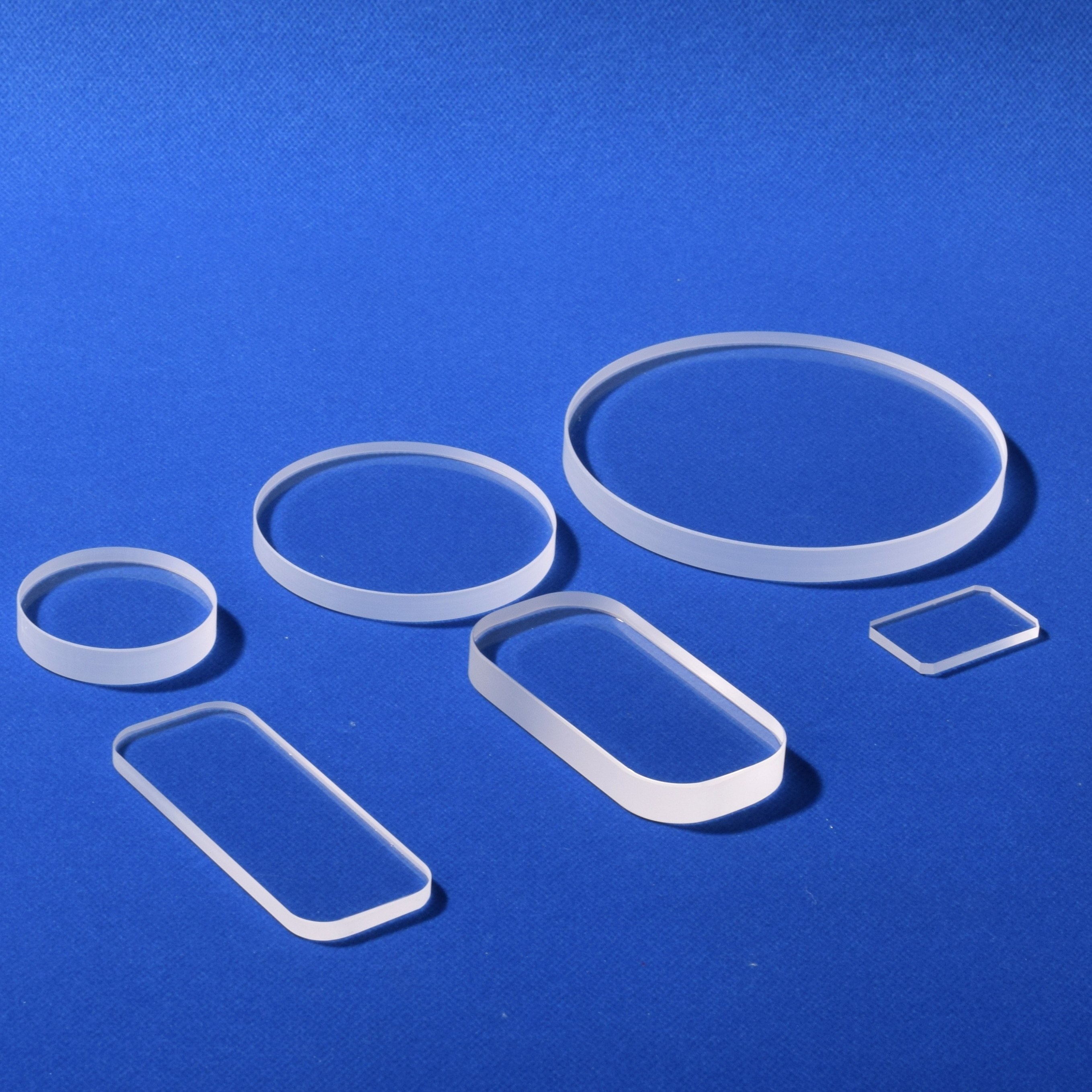
Optical polishing with >92% transmission in both deep-UV and infrared spectrums. Withstands extreme thermal shock and aggressive acid vapors.
View Specifications
High melting point (1683°C softening point) substrate and baffle disc for autoclave internal reactors and immersion well bottom stabilization.
View Specifications
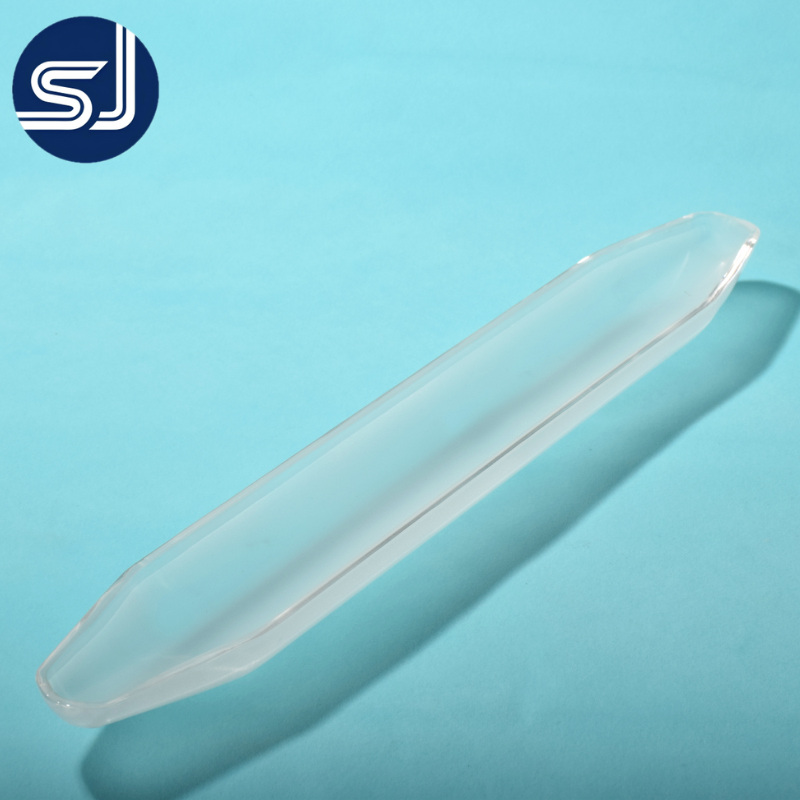
Ultra-pure fused silica carrier vessel for high-temperature roasting, concentrate ignition, and molybdenum calcination experiments.
View SpecificationsErdenet, anchoring Mongolia’s northern industrial heartland within the Orkhon Valley, is recognized internationally for hosting one of the world's most extensive open-pit copper and molybdenum mining and beneficiation facilities. As the metallurgical operations of the Erdenet Mining Corporation (EMC) and adjacent chemical processing installations continue their modernizing trajectories toward enhanced recovery rates and rigorous environmental stewardship, process engineers face severe physical-chemical hurdles. Flotation circuits, hydrometallurgical Solvent Extraction and Electrowinning (SX-EW) units, and concentrated leaching tanks operate under conditions characterized by highly corrosive sulfuric acid matrices, elevated hydrostatic slurries, abrasive gangue minerals, and acute seasonal ambient temperature swings ranging from +35°C in brief summers down to -45°C throughout the continental sub-arctic winter.
In this intense processing matrix, standardized borosilicate glass, synthetic polymers (such as PTFE or PVDF), and conventional stainless-steel protection sheaths encounter severe operational limitations. Borosilicate glass undergoes catastrophic micro-crazing and alkali ion leaching when exposed to elevated hydrometallurgical temperatures, while polymers deform under high hydrostatic heads or fail when integrated with high-intensity ultraviolet (UV) photochemical digestion systems. Metallic alloy sheaths (e.g., Hastelloy or titanium) produce galvanic interference, leach trace transition metals that contaminate spectrophotometric or analytical assays, and attenuate ultraviolet radiation completely.
Fused quartz immersion wells serve fundamentally as impermeable, chemically inert, optically transparent physical barriers. Whether utilized as jacketed immersion wells for immersion UV lamps in wastewater advanced oxidation processes (AOP), protective envelopes for submerged temperature and redox monitoring probes, or internal heating elements within acidic electrolytic reservoirs, the material specification determines overall plant uptime. A micro-fracture or thermal shock collapse within an immersion well immediately floods expensive internal sensors or high-voltage mercury/excimer UV lamps with aggressive copper pregnant leach solution (PLS), provoking catastrophic downtime, expensive hardware destruction, and chemical safety hazards.
Quantitative performance metrics demonstrating why high-purity natural fused quartz from Donghai outperforms conventional substrates in high-latitude hydrometallurgy.
| Performance Parameter | Vulra Fused Quartz (Donghai) | Standard Borosilicate 3.3 | PTFE / Fluoropolymers | Titanium Grade 2 |
|---|---|---|---|---|
| SiO₂ Purity / Composition | 99.99% – 99.999% Pure SiO₂ | ~81% SiO₂, 13% B₂O₃, 4% Na₂O | Polymerized Tetrafluoroethylene | Unalloyed Commercial Ti |
| Continuous Service Temp. | 1100 °C (Short peak: 1450 °C) | 450 °C (Short peak: 500 °C) | 260 °C max | 400 °C max |
| Coefficient of Thermal Expansion | 5.5 × 10⁻⁷ / °C (Virtual Zero) | 33 × 10⁻⁷ / °C (6x Higher) | 100–160 × 10⁻⁶ / °C | 8.6 × 10⁻⁶ / °C |
| Thermal Shock Resistance (ΔT) | Instant 1100°C to Cold Water | Cracks at ΔT > 150°C | Deforms / Creeps under load | High (Opaque to radiation) |
| UV Transmission (@ 254 nm) | > 90% (Optical Clear Grade) | < 5% (Complete UV Cutoff) | 0% (Opaque/Degrades) | 0% (Totally Opaque) |
| Corrosion Resistance in H₂SO₄ | Total Inertness (0.00 mm/a) | Alkali leaching occurs | High (Permeation risks) | Susceptible to hot non-oxidizing acid |
| Dielectric Strength (kV/mm) | 25–40 kV/mm | ~10 kV/mm | ~20 kV/mm | Conductive (Short hazard) |
Tailored quartz configurations engineered specifically for the chemical, physical, and meteorological challenges of the Mongolian mining belt.
Hydrometallurgical bleed streams at Erdenet often carry residual organic entrainments, including aldoxime/ketoxime extractants and kerosene diluents. Jacketed quartz immersion wells allow deep-UV lamps to emit uninterrupted 185–254 nm photons directly into circulating effluent, decomposing organic complexes via UV-Fenton advanced oxidation processes prior to recycling into the flotation circuit.
Assaying molybdenum concentrate, trace rhenium, and copper grades in regional analytical facilities requires boiling aqua regia or perchloric-nitric digestions. One-end closed quartz test tubes, opaque micro-capillary tubes, and transparent quartz boats supply the zero-background elemental baseline needed for modern ICP-OES and X-ray diffraction (XRD) sample preparation without matrix contamination.
Erdenet's extreme continental climate induces massive thermal gradients when immersion sensors are moved between sub-zero exterior temperatures (-40°C) and hot pregnant leach solutions (+70°C). With an ultra-low thermal expansion coefficient of 5.5×10⁻⁷/°C, Vulra’s heavy-wall immersion wells withstand this abrupt shock with zero mechanical fractures or wall shearing.
During roasting and off-gas treatment of sulfur-bearing concentrates, SO₂/SO₃ atmospheres destroy standard monitoring devices. Customized one-end closed quartz immersion sleeves function as durable thermowells, safeguarding high-precision thermocouples and optical infrared pyrometers from sulfur attack at furnace temperatures reaching 1000°C–1200°C.
How evolving metallurgical standards and zero-discharge mandates drive the transition toward high-precision engineered silica.
Rather than pulling batch samples from flotation banks and copper electrowinning cells, Mongolian plants are integrating automated spectroscopic probes enclosed in high-transmittance optical quartz immersion wells. This enables real-time, non-invasive measurement of cupric and ferric ion concentrations without human exposure to hazardous acid mists.
Mongolian environmental laws protecting the Selenge and Orkhon watersheds require near-zero toxic discharge. Mineral processors are expanding automated multi-lamp photochemical oxidation reactors. Jacketed quartz immersion wells allow excimer and amalgam UV lamps to operate at peak photolytic intensity with forced chilled water loops.
Generic laboratory catalog sizes rarely match legacy Soviet-era or custom Western-designed autoclaves. Sourcing managers in Erdenet increasingly bypass middleman stockists, working directly with Chinese original equipment manufacturers who can cut, flame-weld, bend, and inspect immersion wells based directly on 2D/3D plant schematics.
Supplying heavy, delicate scientific quartz to inland Mongolia necessitates resilient logistics. Procurement teams now mandate international export-certified packaging: multi-layer cellular foam suspend-packaging housed within reinforced wooden shipping crates, preventing vibrational micro-fractures along the 2,500 km Trans-Mongolian rail route.
Headquartered in Donghai County, China—the undisputed global capital of natural crystal and high-purity silica sand processing—Vulra Quartz integrates precision thermal forming, CNC cold finishing, and certified quality management.
Located at No. 9, Dingxin Road in the Jiangsu Donghai Economic Development Zone, Vulra maintains direct access to first-grade SiO₂ granular feedstock, delivering rock-solid chemical purity (99.99% to 99.999%) and minimal hydroxyl (OH⁻) content to prevent thermal devitrification.
From massive glass-lathes capable of welding 5–800 mm diameter outer tubes to computer-controlled diamond-wheel diamond slicing, grinding, ultrasonic drilling, and flame polishing, every immersion well is fabricated entirely in-house without split-contracting.
To eliminate inner mechanical stresses introduced during oxy-hydrogen flame welding, all immersion wells undergo high-temperature programmed annealing cycles. Finished goods are validated with polariscopes, ultrasonic wall gauges, and deep-UV spectrophotometers.
Direct technical and operational answers from Vulra’s engineering desk for mining procurement specialists, laboratory directors, and plant managers.
We employ specialized export-grade packaging engineered for cross-border rail and road transit. Each quartz well is degreased, acid-cleaned, wrapped in dust-free electrostatic film, enclosed in custom high-density EPE shock-absorbent foam casing, and secured within reinforced multi-ply wooden crates with anti-vibration battens. Shipments transit smoothly via Erenhot/Zamiin-Uud customs directly through to Ulaanbaatar and onward to Erdenet by express rail or road freight, covered by full transit cargo insurance.
Yes. Because our fused quartz has an extraordinarily low coefficient of thermal expansion (5.5 × 10⁻⁷ / °C), it possesses exceptional thermal shock resistance. An operator can safely transfer a Vulra quartz immersion well from a sub-zero staging shed (-40°C) into an operational leaching autoclave or electrowinning cell at +80°C to +150°C without mechanical rupture. Borosilicate 3.3 or toughened glass would instantly shatter under identical conditions.
Fused quartz demonstrates complete chemical inertness to sulfuric acid (H₂SO₄), hydrochloric acid (HCl), nitric acid (HNO₃), aqua regia, and common organic extraction diluents across all industrial operating temperatures. The only chemical media that attack fused quartz are hydrofluoric acid (HF), concentrated phosphoric acid (H₃PO₄) above 150°C, and strong alkaline solutions (such as concentrated NaOH) at high continuous temperatures.
Absolutely. We specialize in custom OEM/ODM fabrication with an accessible 1-piece minimum order quantity (MOQ) for prototypes and pilot runs. Buyers can send 2D engineering drawings (PDF/DWG) or 3D STEP files showing specific dimensions, coolant hose barb adapters, DN/KF flanges, ground glass taper joints (e.g., 29/32, 45/40), or multi-port sensor entries. Our technical engineers review wall thickness ratios and weld relief zones before releasing to flame production.
Natural fused quartz is synthesized from refined high-purity natural quartz crystal sand (99.99%+ SiO₂), which provides high mechanical strength, 1100°C continuous thermal performance, and excellent transmission down to 240 nm—making it ideal for standard industrial UV reactors, thermowells, and mining analysis. Synthetic fused silica is produced via chemical silicon gas hydrolysis (SiCl₄), delivering ultra-low metallic impurities (< 0.1 ppm) and superior transmission in the deep vacuum-UV spectrum (185 nm) for high-end semiconductor and sensitive photochemical oxidation processes.
Every pressurized or deep-immersion well passes through stringent digital ultrasonic wall-thickness mapping to detect eccentricities or thin spots. Pressure-rated vessels undergo hydrostatic pressure validation and polariscope birefringence tests to ensure that internal stresses created during bottom-closing and neck-joint welding have been fully eliminated during annealing, ensuring zero risk of implosion under high hydrostatic head pressure.
Whether you require replacement quartz immersion wells for existing water treatment systems, custom photolysis reactors, or high-purity testing quartzware for your analytical lab in Erdenet, our engineering team delivers precision-machined solutions backed by TÜV Rheinland verified manufacturing standards.