Ozone Free
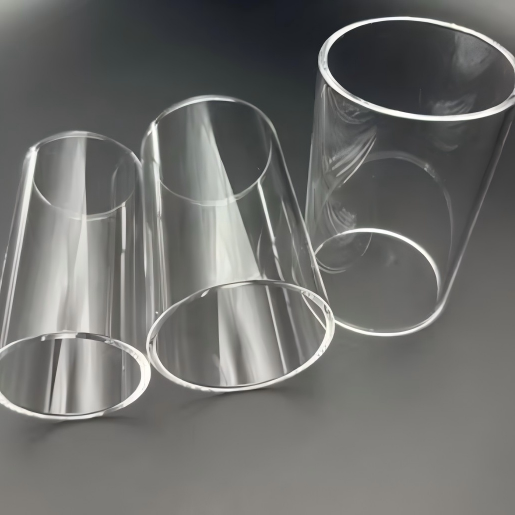
High Temperature Transparent Polished Ozone Free One End Closed Quartz Tube 5-800mm Diameter Bending Welding Cutting
- Diameter: 5 - 800 mm
- Temp Resistance: 1100°C Cont.
- Processing: Flanged / Closed Dome
Precision-melted fused quartzware manufactured from Donghai's world-class silica reserves, calibrated for continuous thermal duty and spectral purity.
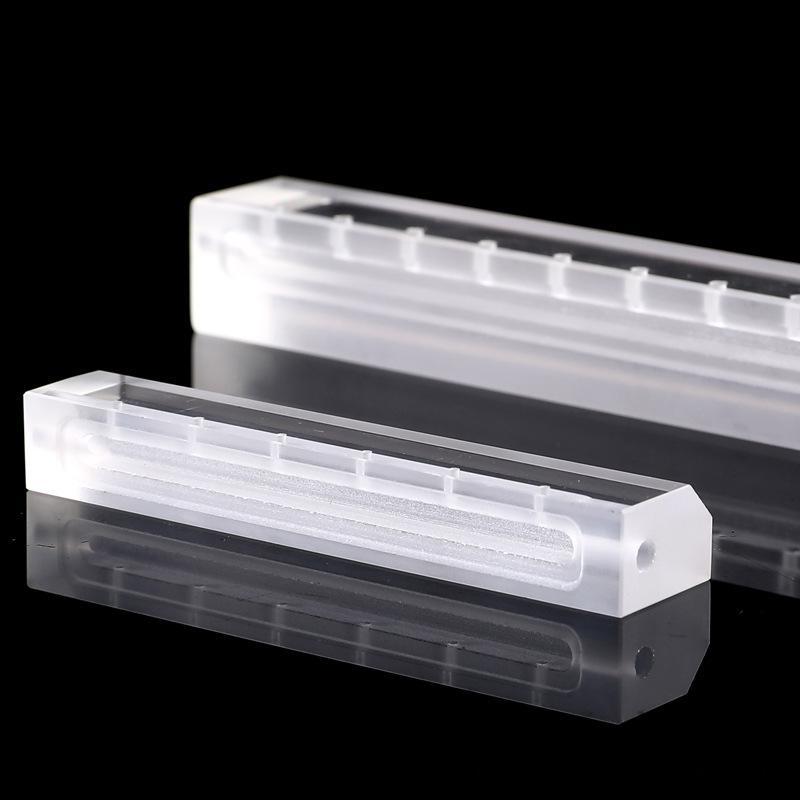
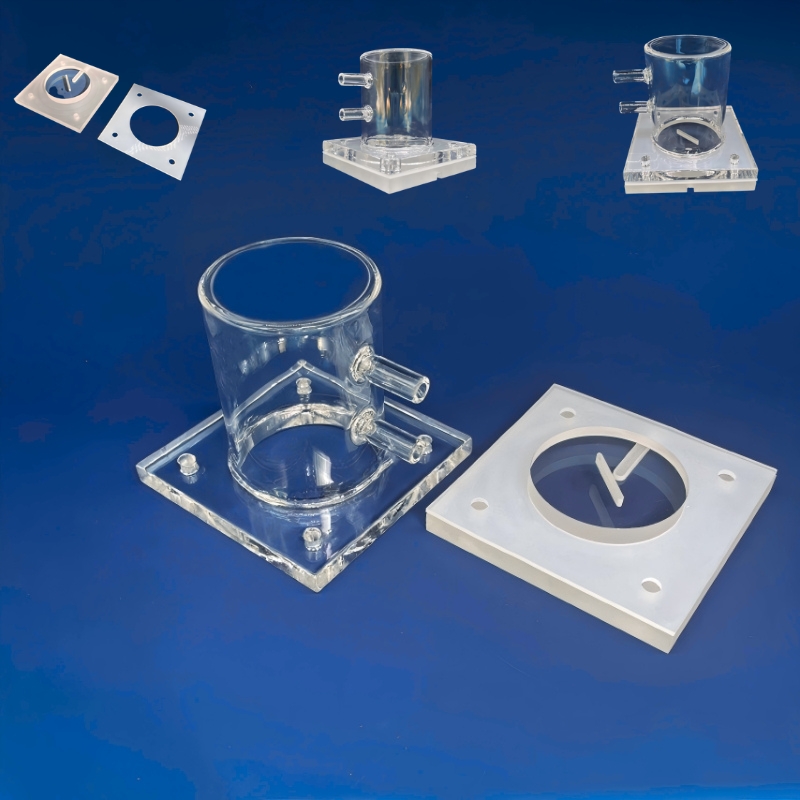
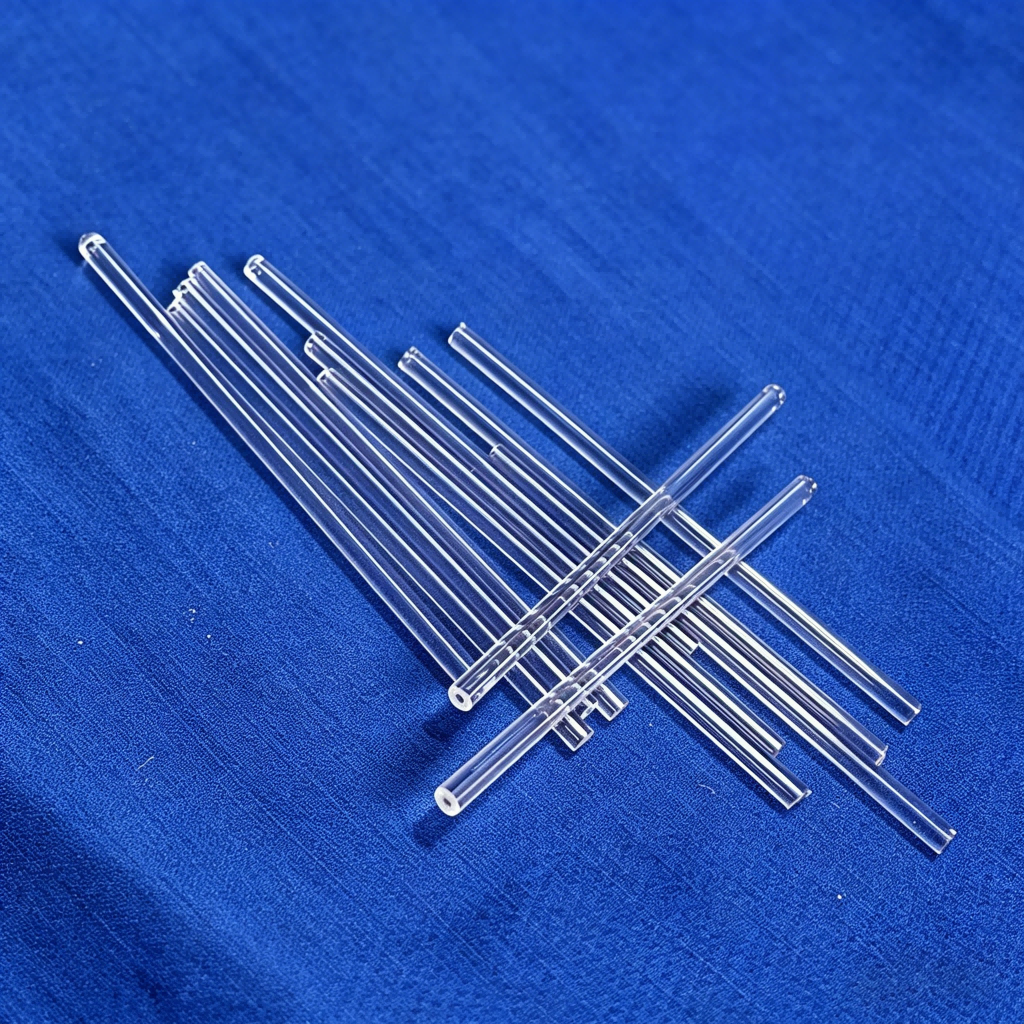
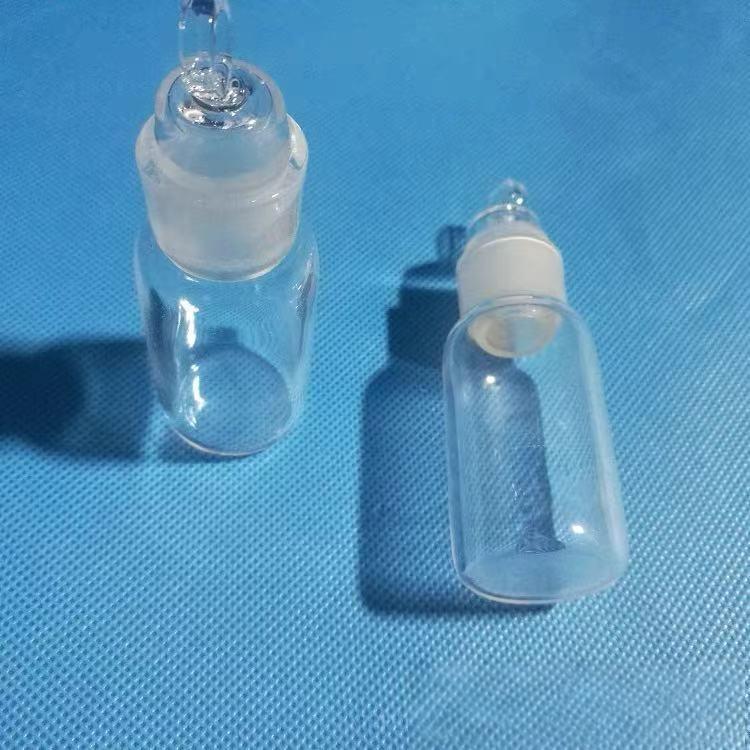
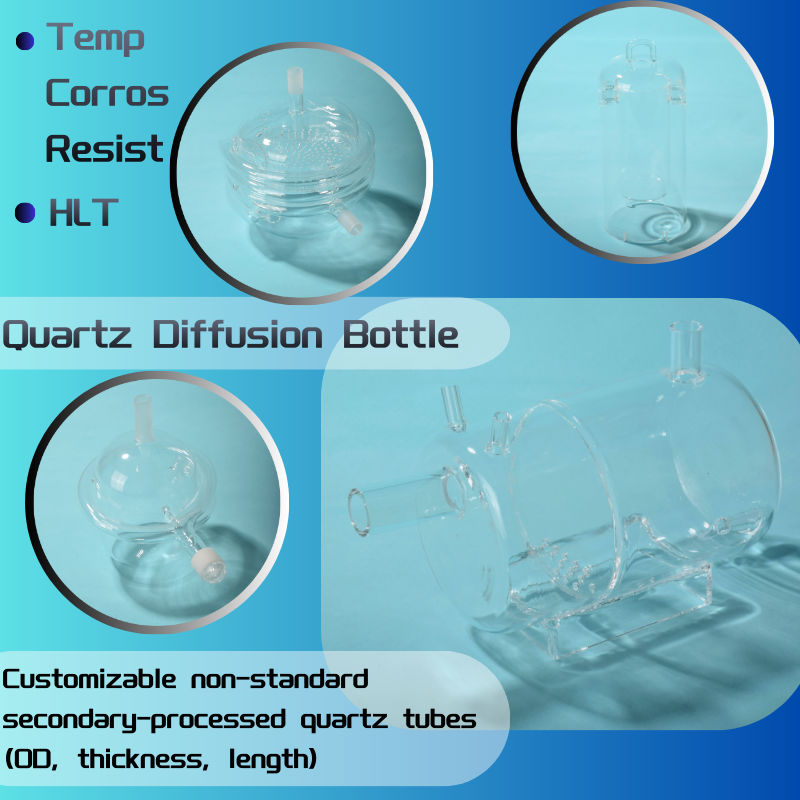
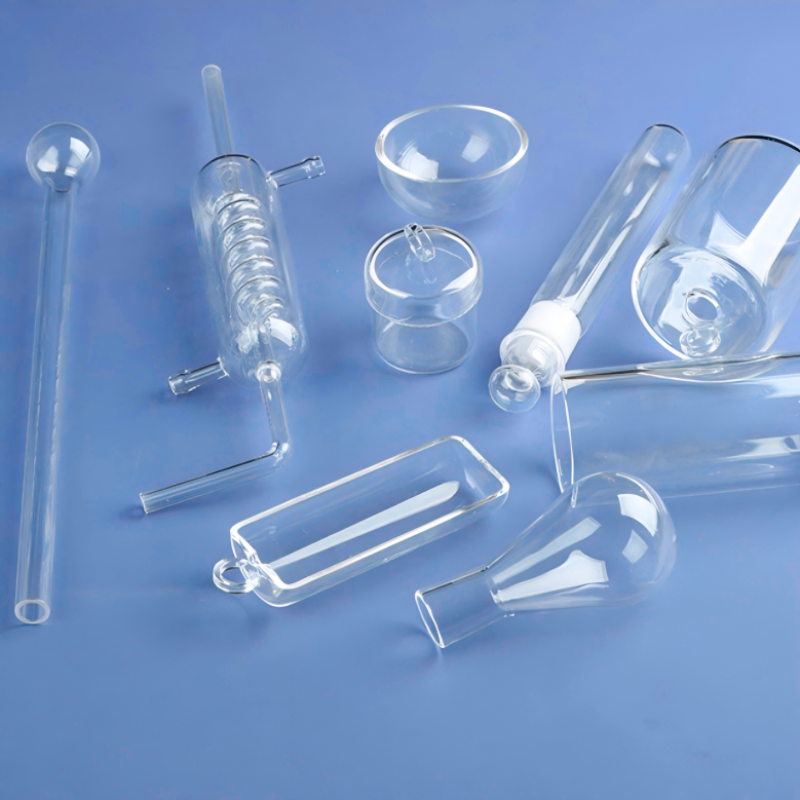
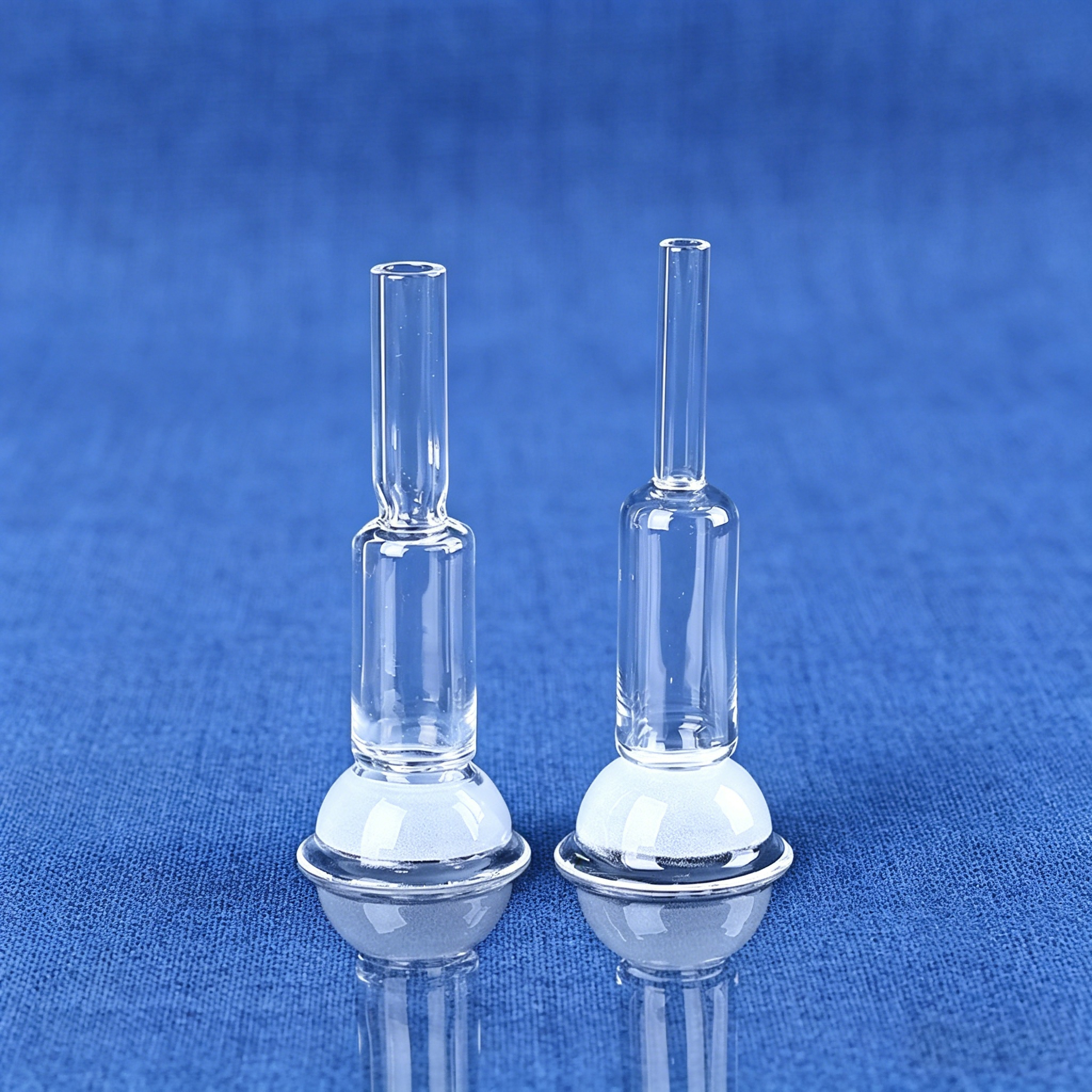
In modern photonics, semiconductor thermal processing, and industrial sterilization, selecting the correct optical boundary material directly determines operational lifespan and process integrity. Standard fused silica ($SiO_2$) transmits ultraviolet radiation broadly across the spectrum down to 180 nanometers (nm). When radiation in the vacuum ultraviolet (VUV) window between 180 nm and 200 nm—specifically the intense 184.9 nm mercury emission line—interacts with ambient atmospheric oxygen ($O_2$), it causes photo-dissociation of the oxygen molecule into atomic oxygen radicals ($O(^3P)$ or $O(^1D)$), which immediately recombine with molecular oxygen to generate toxic, corrosive ozone ($O_3$).
Lianyungang Vulra Quartz Products Co., Ltd. eliminates unwanted ozone formation at the atomic lattice level. During our high-temperature electric fusion process at our manufacturing center in Donghai, China, the high-purity natural silica melt is selectively doped with minute trace quantities of transition and rare-earth oxides—primarily titanium dioxide ($TiO_2$, at approximately 100 to 250 parts per million by weight). The titanium ions ($Ti^{4+}$) integrate into the silicon-oxygen tetrahedral network ($[SiO_4]^{4-}$), fundamentally shifting the band gap and inducing a steep optical absorption edge beginning precisely at 220 nm.
Scientific Principle: Our ozone-free fused quartz tubes achieve an extinction coefficient exceeding 99.8% for all radiation wavelengths below 220 nm, neutralizing the ozone-generating 184.9 nm resonance line while maintaining peak optical transmittance of over 88% to 92% at the critical germicidal 253.7 nm UVC wavelength and more than 93% across the infrared spectrum.
This deliberate bandgap engineering eliminates the requirement for costly, noisy external ozone extraction scrubbers and ductwork in confined industrial environments. Simultaneously, it prevents the severe oxidative embrittlement that ozone inflicts upon elastomer seals, copper wiring harnesses, optical coatings, and sensitive electronic assemblies.
Plovdiv has established itself as the beating industrial heart of South-Central Bulgaria, driven by the massive expansion of the Trakia Economic Zone (TEZ) across Maritsa, Rakovski, and Kuklen. As mechanical engineering, mechatronics, automotive electronics, and precision biochemical processing converge in this corridor, the operational demand for specialized, high-purity ozone-free quartz glassware has surged exponentially. Vulra Quartz serves as a primary Tier-1 fabrication partner delivering custom-machined quartz solutions across key regional manufacturing sectors:
Within the Maritsa Industrial Zone, manufacturers producing automotive wire harnesses, optical sensors, and ECU substrates depend on Vulra's ozone-free quartz tubes for inline UV conformal coating and infrared curing. By preventing toxic ozone emissions inside localized robotic stations, electronics manufacturers avoid copper trace corrosion and contact pitting, ensuring automotive electronic reliability compliant with IATF 16949 standards.
Plovdiv's extensive food processing and pharmaceutical packaging plants utilize high-output 253.7 nm germicidal lamps encased within our titanium-doped quartz protective sleeves. These sleeves transmit intense sterilizing UVC directly into liquid streams and aseptic filling tunnels without forming dangerous airborne ozone, ensuring total compliance with European occupational health directives and maintaining container hygiene.
Operating in conjunction with Plovdiv's academic research institutes and advanced metallurgy facilities, our one-end closed quartz furnace tubes and combustion boats endure continuous heat loads up to 1100°C. With near-zero thermal expansion ($5.5 \times 10^{-7} \text{K}^{-1}$), these tubes survive rapid cooling cycles without micro-fracturing, providing chemically inert vessels for catalytic and chemical synthesis.
To assist European equipment designers, plant engineers, and testing laboratories in validating technical specifications, the following empirical comparison illustrates the mechanical, thermal, and optical boundaries of Vulra's specialized ozone-free quartz versus alternative commercial glass types:
| Property Attribute | Vulra Ozone-Free Quartz | Standard Synthetic Silica | Standard Fused Quartz | Borosilicate Glass 3.3 |
|---|---|---|---|---|
| Base Purity ($SiO_2$) | 99.99% – 99.999% | > 99.9999% | 99.95% – 99.99% | ~ 81% ($SiO_2 + B_2O_3$) |
| 185 nm VUV Transmittance | < 0.1% (Full Blocking) | 85% – 90% (High Ozone) | 65% – 80% (Moderate Ozone) | 0% (Opaque below 300nm) |
| 254 nm UVC Transmittance | 88% – 92% | 91% – 93% | 86% – 90% | < 5% (Ineffective for UV) |
| Thermal Expansion Coeff. ($\alpha$) | $5.5 \times 10^{-7} \text{K}^{-1}$ | $5.2 \times 10^{-7} \text{K}^{-1}$ | $5.5 \times 10^{-7} \text{K}^{-1}$ | $33.0 \times 10^{-7} \text{K}^{-1}$ |
| Max Continuous Temp | 1100 °C | 1150 °C | 1100 °C | 450 °C |
| Softening Point | 1683 °C | 1730 °C | 1683 °C | 820 °C |
| Hydroxyl ($OH^-$) Content | < 15 ppm (Low OH) | < 1 ppm to 1000 ppm | 20 – 50 ppm | N/A (Complex Borate) |
| Thermal Shock Resistance | Quench 1100°C to 20°C | Quench 1150°C to 20°C | Quench 1100°C to 20°C | Max $\Delta T = 100^\circ\text{C}$ |
The manufacturing ecosystem in Plovdiv and the wider Maritsa basin is undergoing rapid structural modernization driven by European green taxonomy requirements, factory digitalization, and supply chain reshoring. As regional engineering directors evaluate optical and thermal components, several core trends have become paramount:
A. Regulatory Stringency on Workplace Ozone Concentrations: Under EU OSHA framework directives (including Directive 2004/37/EC on occupational exposure), maximum allowable atmospheric ozone levels inside manufacturing workshops are strictly limited to 0.05 to 0.1 ppm averaged over an 8-hour shift. Facilities in Plovdiv can no longer afford the legal liability or ventilation costs of installing open-spectrum VUV lamps. Switching to certified titanium-doped ozone-free quartz tubes has become the definitive compliance strategy for sanitization and curing production lines.
B. Shift Toward Direct Factory Customization from 1 Piece: Rapid prototyping cycles in automotive robotics and university-affiliated labs mean procurement teams can no longer accept rigid catalog minimums of 100+ units. Vulra Quartz’s production architecture permits drawing-based OEM/ODM from a minimum order quantity (MOQ) of just 1 single piece. Whether fabricating a unique C-shaped BET gas-adsorption tube or an oversized 800 mm flanged furnace envelope, parts are flame-worked or CNC-machined directly from CAD files.
C. Supply Chain Resilience & Direct Traceability: Situated in Donghai County—the global center of crystal mining and silica purification—Vulra controls the supply process from raw silica beneficiation through vacuum electric fusion, precision slicing, diamond-edge grinding, and oxygen-hydrogen flame annealing. This raw material security shields Bulgarian customers from downstream European distributor markups and unexpected allocation shortages.
Independently verified custom manufacturer. Production facilities, quality control labs, and export credentials have been certified on-site by TÜV Rheinland.
Equipped with state-of-the-art glass-turning lathes, diamond CNC wire saws, and centerless cylindrical grinders achieving wall tolerances down to ±0.05 mm.
All welded, flanged, and hot-bent parts undergo complete cycle furnace annealing to relieve residual mechanical stresses, eliminating premature thermal shock failure.
Specialized multi-layer shock isolation with customized EPE foam and reinforced plywood crates engineered to guarantee zero-breakage transit to Plovdiv.
Whether configuring high-temperature reaction tubes for the Trakia Economic Zone, custom photochemical cells, or replacement UVC germicidal quartz sleeves, connect with Vulra Quartz's application engineering group today.