High-Precision Quartz Components & Opaque Silicas
Engineered to rigorous DIN/ISO tolerances for diffusion furnaces, chemical vapor deposition, optical diffraction, and high-temperature thermal barriers in Nordic cleanroom environments.
Engineering Fundamentals of Opaque Quartz Rods
Why microscopic spherical micro-voids provide unparalleled infrared scattering and thermal insulation in advanced thermal processing systems.
Diffuse Infrared Scattering
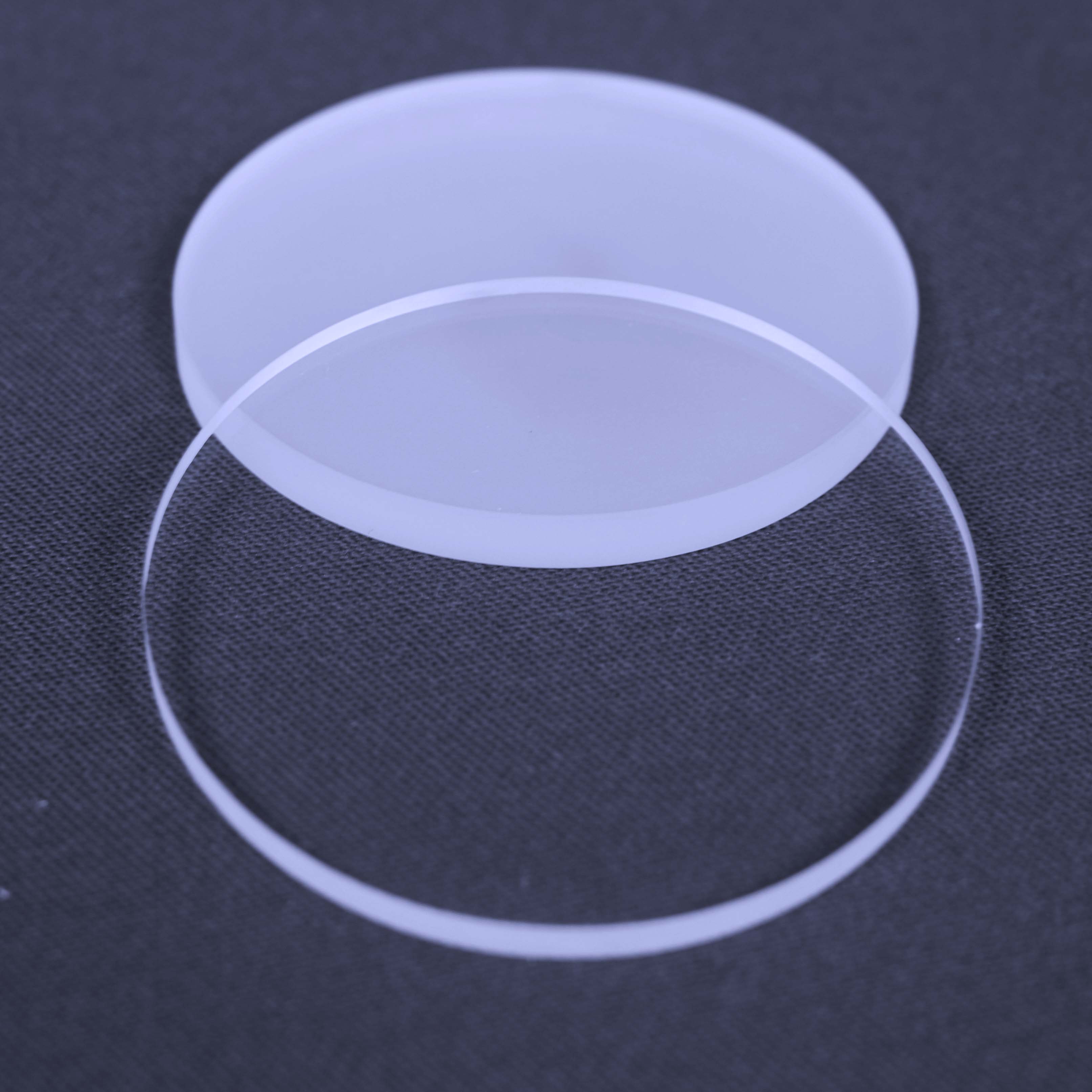
Unlike optical-grade transparent fused silica which transmits wavelengths up to 3.5 μm with negligible attenuation, opaque quartz (milky fused silica) is intentionally engineered with a high concentration of microscopic gas bubbles (typically 5 to 50 μm in diameter). These micro-voids induce intense internal reflection and Mie scattering across the entire near- and mid-infrared spectrum (0.8–5.0 μm), acting as a physical thermal radiation barrier that lowers furnace heat loss by up to 75%.
Thermal Shock Immunity
Opaque fused quartz retains the signature ultralow coefficient of thermal expansion common to vitreous silicas (α ≈ 5.5 × 10⁻⁷ K⁻¹ from 20°C to 1000°C). As a consequence, opaque quartz rods can withstand instantaneous thermal shock, such as direct removal from an 1150°C furnace zone into ambient room temperatures (or cold nitrogen quenches), without structural cracking, spalling, or micro-fracturing along grain boundaries.
Purity & Dielectric Integrity
Fabricated using natural crystalline pegmatite sands mined and refined in Donghai, our opaque quartz maintains SiO₂ chemical purities exceeding 99.99%. Alkali metal concentrations (Na, K, Li) are kept strictly below 1.5 ppm, preventing phase transition into devitrified cristobalite at sustained high temperatures. The material maintains extreme volume resistivity (>10¹⁵ Ω·cm at 20°C) and excellent dielectric strength across microwave frequencies.
Deploying Quartz Solutions Across Espoo's Innovation Hub
Serving the demanding operational criteria of Finland's national microelectronics research clusters, universities, and clean-tech pioneers.
Micronova & VTT Cleanrooms
Inside the Micronova cleanroom facility in Otaniemi (Espoo), high-purity opaque quartz rods serve as furnace baffle supports, wafer cassette thermal standoffs, and thermocouple shielding tubes in horizontal oxidation and LPCVD diffusion furnaces. Low particulate shedding ensures strict compliance with ISO Class 4 and 5 cleanroom conditions.
Atomic Layer Deposition (ALD)
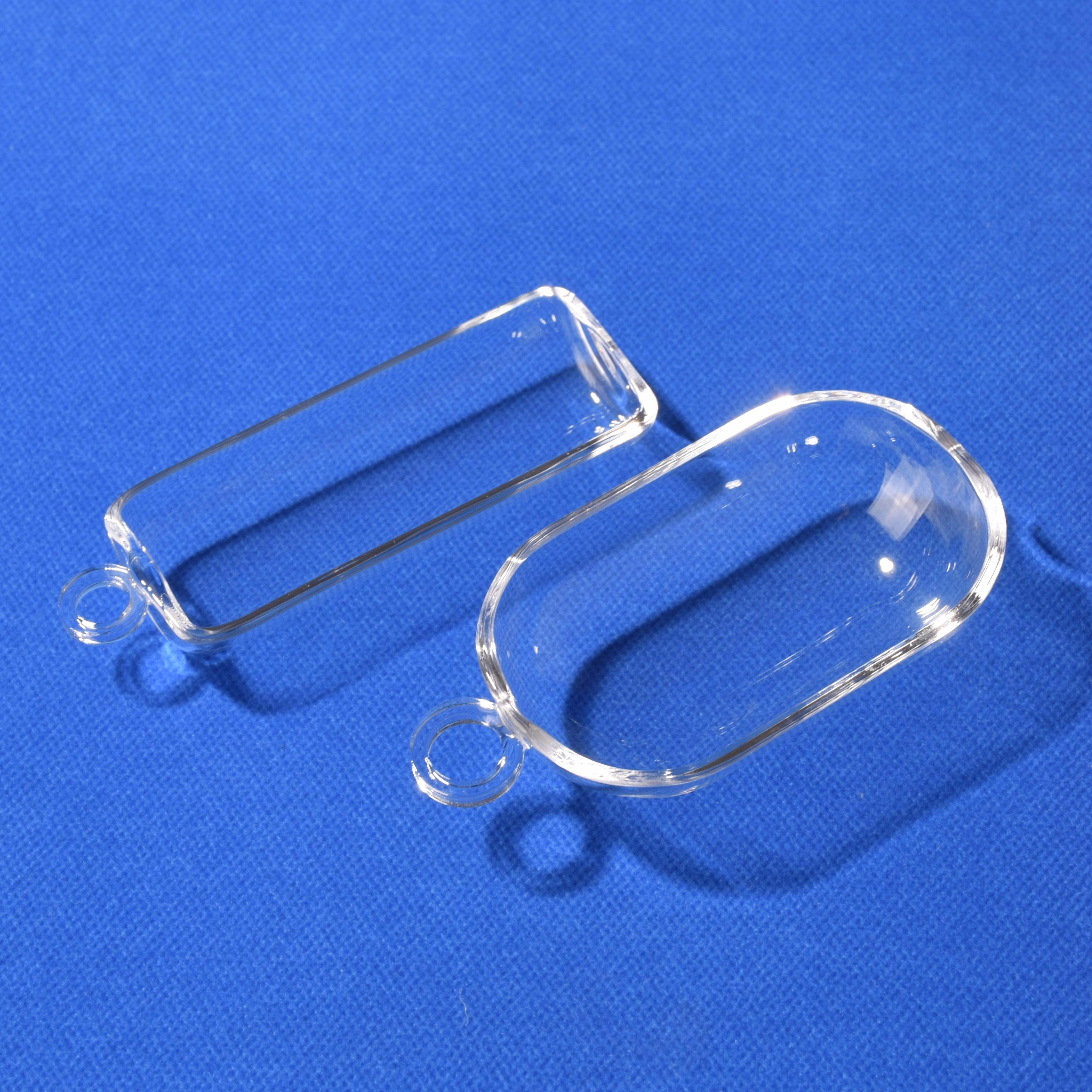
Finland is the global birthplace of ALD technology. In precursor delivery lines and reaction zones engineered by Espoo equipment fabricators, opaque quartz bars and transparent quartz separating vessels provide complete corrosion immunity against metal halides, organometallics, and aggressive ozone oxidizers without trace metallic outgassing.
Quantum Cryostats & Dilution Heat Breaks
Espoo's rapidly accelerating quantum hardware cluster requires specialized thermal isolation members. Ground and polished opaque quartz rods serve as ultra-rigid structural standoffs where extremely low thermal conduction and zero magnetic susceptibility (χ ≈ -0.46 × 10⁻⁶) are imperative for millikelvin cryostat shielding.
Renewable Cleantech & Metallurgy
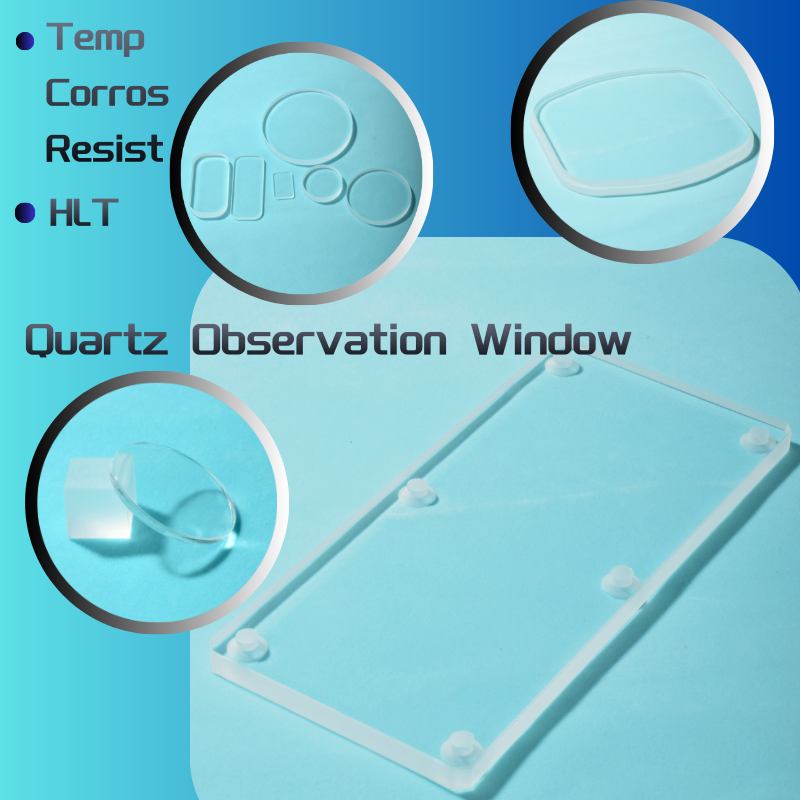
From high-temperature pyrolysis research at Aalto University to green hydrogen electrolyzer testbeds, opaque quartz rods act as inert physical pushers, slag observation plugs, and structural insulation pins inside sintering kilns operating under volatile reducing atmospheres.
Material Performance Matrix: Fused Quartz vs. Industrial Ceramics
Quantitative analysis evaluating thermo-mechanical suitability across high-stress semiconductor and thermal chamber architectures.
| Material Property | Vulra Opaque Quartz Rod | Clear Fused Quartz (Standard) | Alumina Ceramic (Al₂O₃ 99.7%) | Borosilicate Glass 3.3 |
|---|---|---|---|---|
| Chemical Purity | > 99.99% SiO₂ | > 99.99% – 99.999% SiO₂ | 99.7% Al₂O₃ | 81% SiO₂, 13% B₂O₃ |
| Density (g/cm³) | 2.05 – 2.15 (cellular matrix) | 2.20 | 3.90 | 2.23 |
| Thermal Expansion (20–1000°C) | 5.4 × 10⁻⁷ K⁻¹ | 5.5 × 10⁻⁷ K⁻¹ | 8.0 × 10⁻⁶ K⁻¹ | 3.3 × 10⁻⁶ K⁻¹ |
| Continuous Service Temperature | 1100 °C | 1100 °C | 1600 °C | 450 °C |
| Short-Term Max Temperature | 1300 °C | 1450 °C | 1700 °C | 500 °C |
| IR Radiation Transmission (1–4 μm) | < 15% (High Infrared Shielding) | > 90% (Direct Radiation Passing) | Opaque / Diffuse | Absorbs > 2.7 μm |
| Thermal Shock Resistance | Superior (Quench from 1100°C) | Superior (Quench from 1100°C) | Poor (ΔT ≈ 200°C shock limit) | Moderate (ΔT ≈ 150°C) |
| Dielectric Strength (kV/mm at 20°C) | 25 – 35 | 25 – 40 | 15 – 20 | 10 – 15 |
Emerging Technology Trends in the Greater Helsinki & Espoo Region
How the evolving hardware landscape in Uusimaa drives technical demand for specialized vitreous silica configurations.
1. Sovereign Semiconductor Pilot Lines
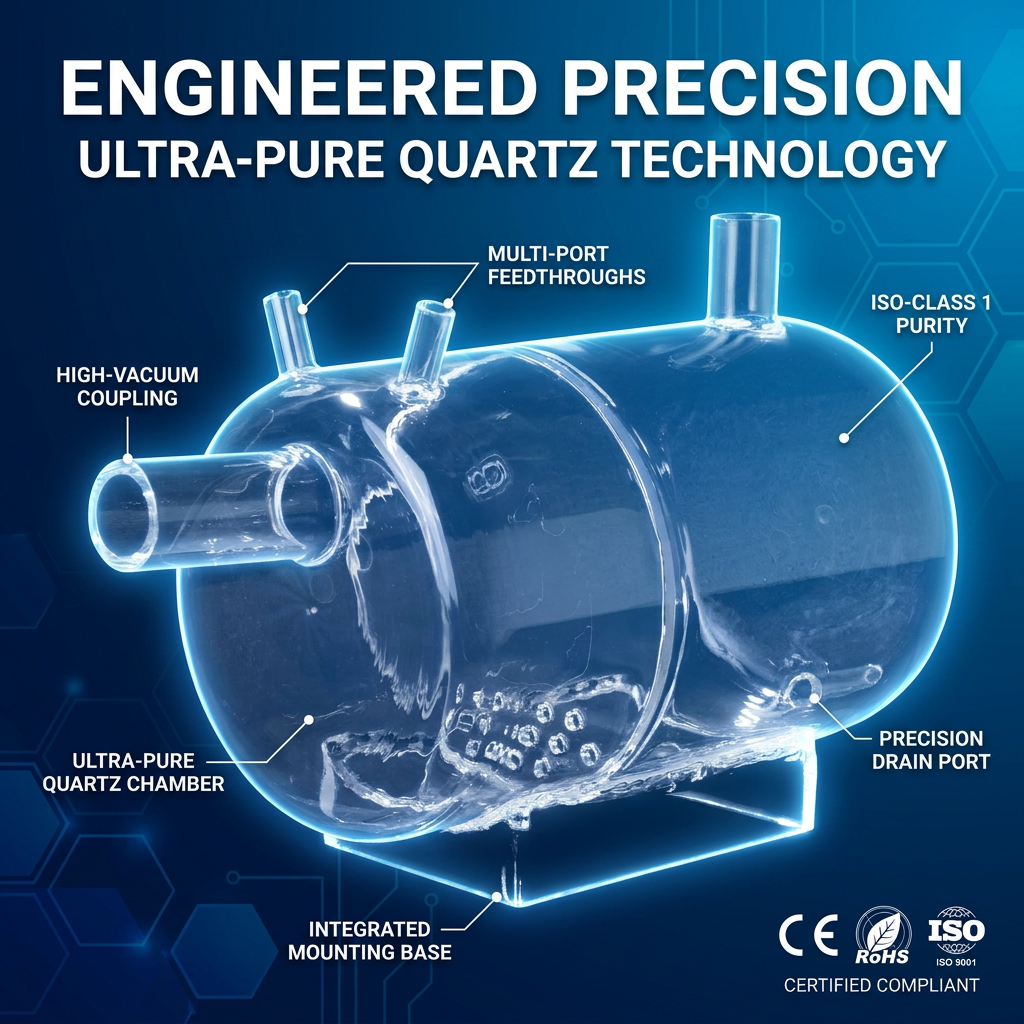
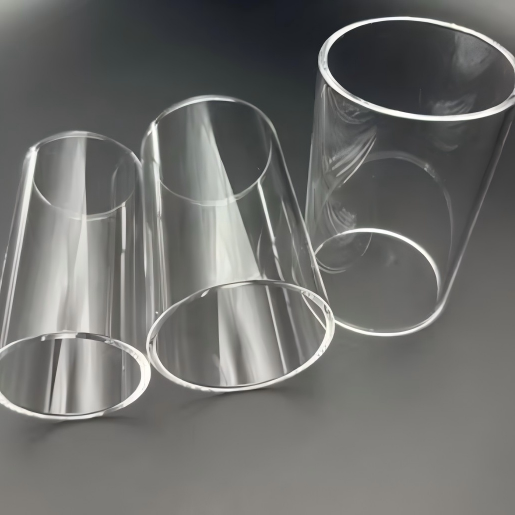
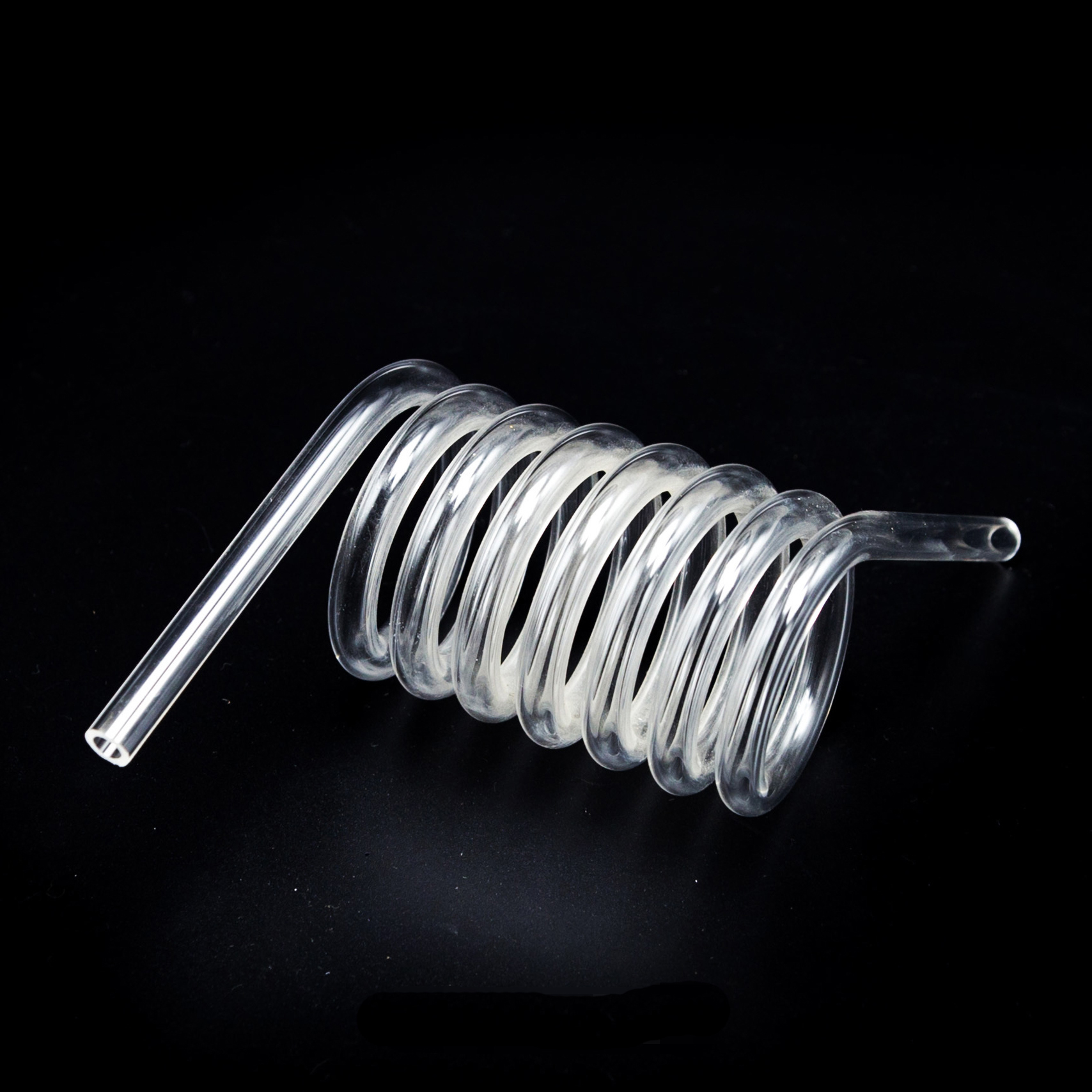
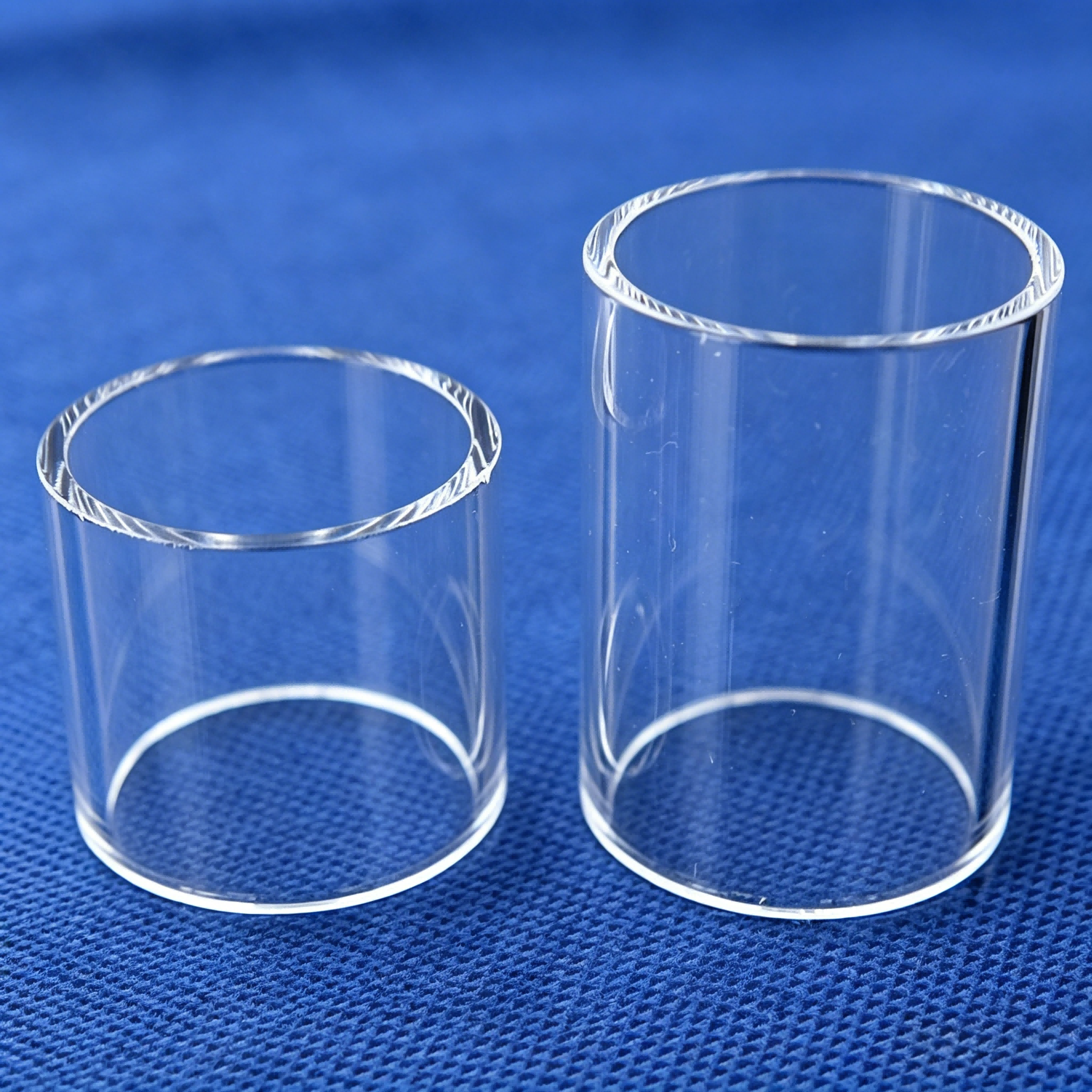
With Finland spearheading European Chips Act initiatives through the Kvanttinova infrastructure project in Espoo, pilot packaging facilities require quartz suppliers capable of providing customized semiconductor-grade wafer processing vessels, high-aspect-ratio furnace tubes, and opaque quartz thermal insulators machined to sub-millimeter geometric tolerances.
2. Scaling Quantum Hardware Architecture
Espoo hosts one of Europe’s densest clusters of quantum computing startups. The transition from 5-qubit test chips to commercial hundred-plus qubit dilution cryostats demands quartz components with negligible dielectric losses, non-magnetic properties, and cryo-thermal stability that prevents thermal blooming between temperature stages.
3. Decarbonized High-Temperature Processing
Finnish research into green metal refining, synthetic fuel synthesis, and electrified industrial kilns necessitates replacing metallic furnace hardware with non-corroding, non-scaling refractory materials. Opaque quartz rods provide the required chemical inertness against carbon monoxide, hydrogen reduction, and acid gas condensates.
Espoo Buyer FAQ: Sourcing Fused Quartz & Opaque Rods
Practical answers addressing logistics to Southern Finland, material certifications, technical specifications, and custom CAD manufacturing.
How does opaque quartz differ structurally and thermally from clear fused quartz rods?
What are the standard lead times and logistics routes from your factory to Espoo?
How are fragile quartzware items packaged to prevent transit breakage to Finland?
Can Vulra Quartz fabricate components directly from proprietary STEP or DXF drawings?
Do your quartz products comply with EU RoHS, REACH, and cleanroom trace-metal limits?
What is the Minimum Order Quantity (MOQ) for custom opaque quartz rods?
How do opaque quartz rods behave in hydrogen or reducing atmospheres?
Can opaque quartz rods be mechanically machined or fire-polished after delivery?
Why Espoo Engineers Partner With Vulra Quartz
Combining Donghai's world-leading natural crystal reserves with audited high-precision fabrication systems.
Donghai Silicon Cluster
Situated in Donghai County (Lianyungang, China)—the crystal capital of the world—our factory has unhindered access to raw quartz sand deposits with unmatched native purity, assuring consistent supply chains and competitive cost efficiencies for Nordic buyers.
TÜV Rheinland Audited
Our complete production facility, physical premises, quality management systems, and export handling capabilities are independently audited and certified on-site by TÜV Rheinland, eliminating intermediary trading risks.
Hot & Cold Integrated Processing
From electric continuous drawing and oxy-hydrogen flame manipulation to diamond wire saw slicing, surface lapping, precision CNC core drilling, and computer-controlled annealing ovens—all quartz shaping occurs under one consolidated roof.
Stringent Metrology & QA
Every batch undergoes laser micrometer dimensional validation, optical polariscope stress analysis to confirm complete annealing, bubble-class inspection per DIN 58927, and acid cleanroom rinsing prior to international dispatch.
Ready to Procure Custom Quartzware or Opaque Rods for Espoo?
Send your dimensional drawings, required purity grades, operating parameters, or tolerance schedules. Our quartz fabrication engineers will deliver an actionable manufacturing review and quote within 24 hours.