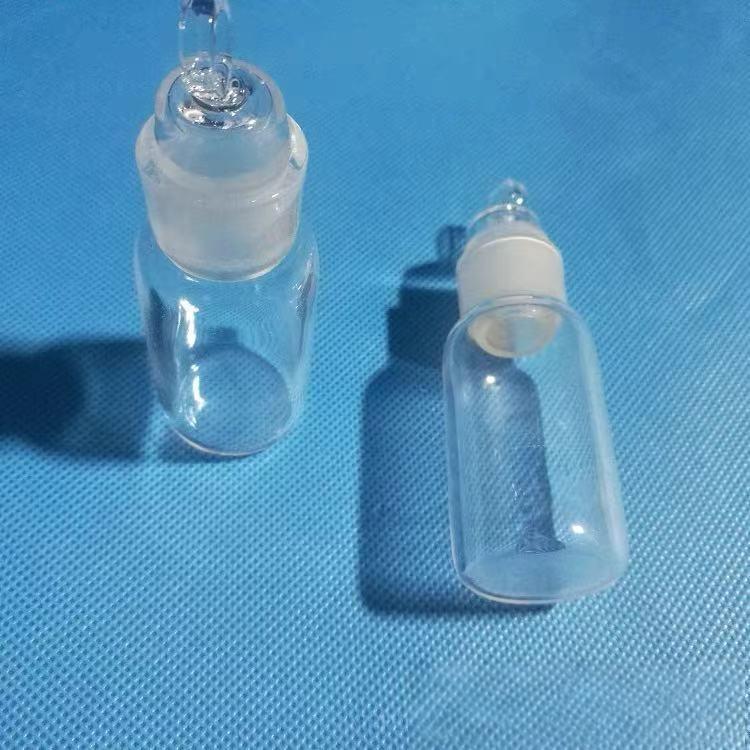
Semiconductor & Lab
Semiconductor 400 Mesh Laboratory Quartz
High-corrosion and high-temperature resistant fused quartz glassware designed for ultra-clean powder containment and filtration.
Technical SpecsEngineered to satisfy rigorous ISO 9277 / IUPAC standards for physisorption and chemisorption testing. Designed with optical-grade clarity, micro-calibrated stems, and exceptional structural integrity under vacuum and cyclic thermal degas conditions.
High-corrosion and high-temperature resistant fused quartz glassware designed for ultra-clean powder containment and filtration.
Technical Specs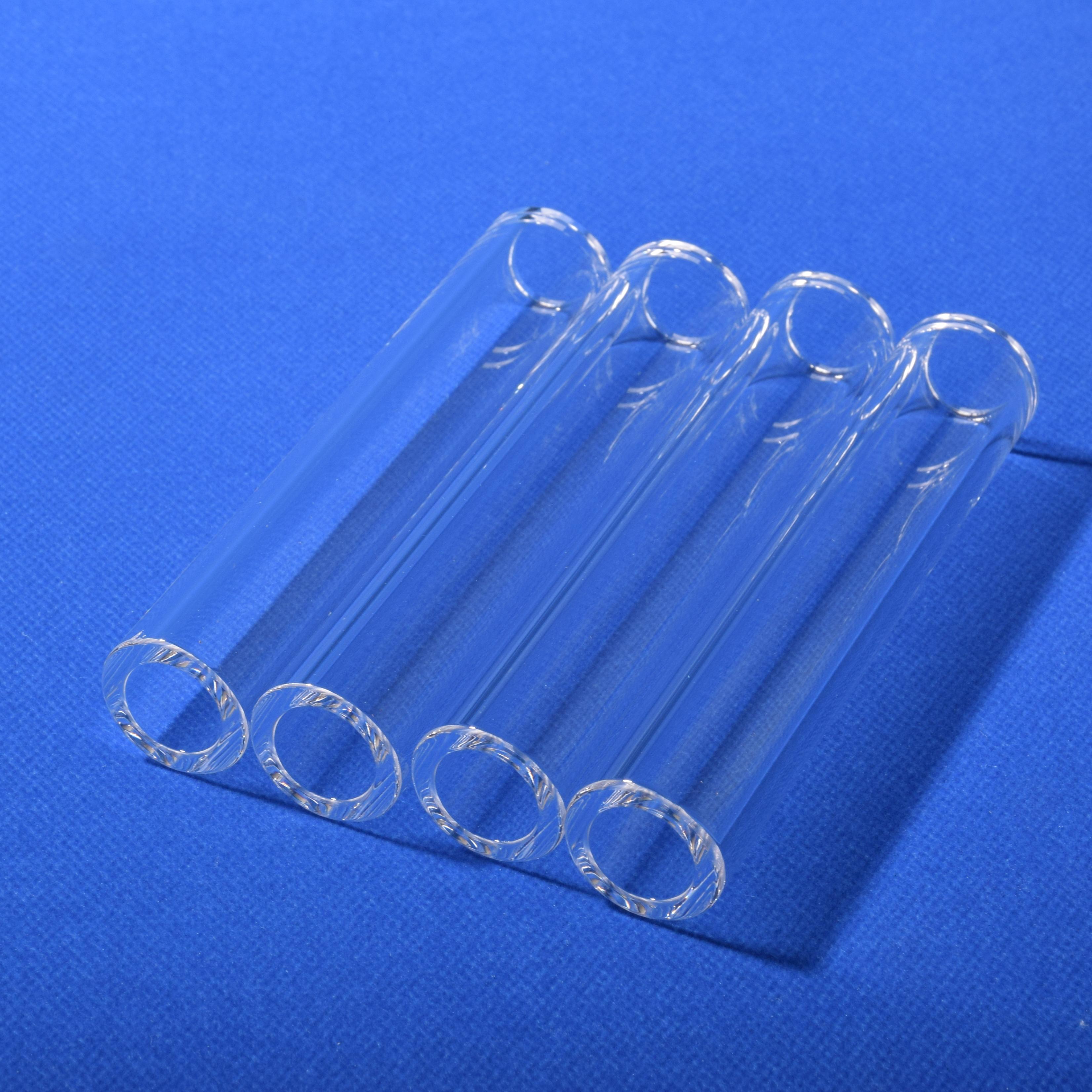
Heavy-wall fused quartz cylinder resistant to 1100°C continuous service, corrosion-proof, ozone-free, and fire-polished.
Technical Specs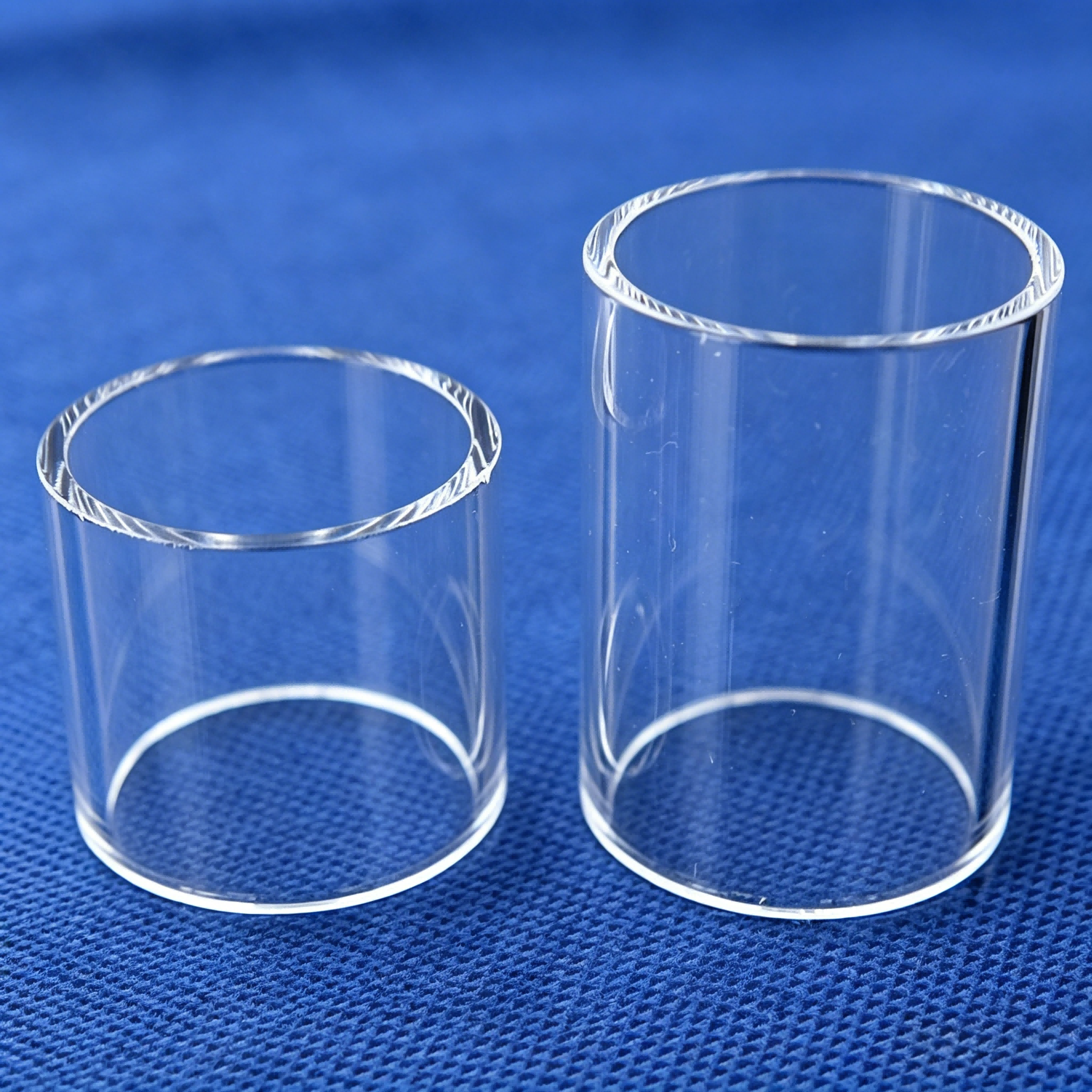
Dual-channel quartz tubing engineered with precision flame bending, diamond cutting, and vacuum-sealed fusion joints.
Technical Specs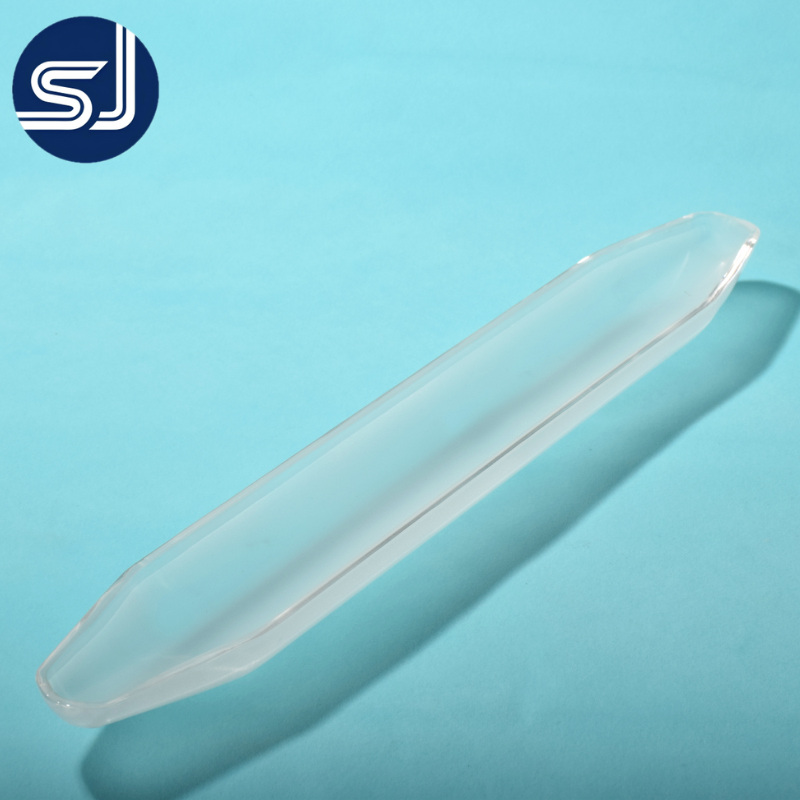
Ultra-high purity (99.999% SiO₂) combustion and degassing boat providing >85% optical transmittance and 1100°C endurance.
Technical Specs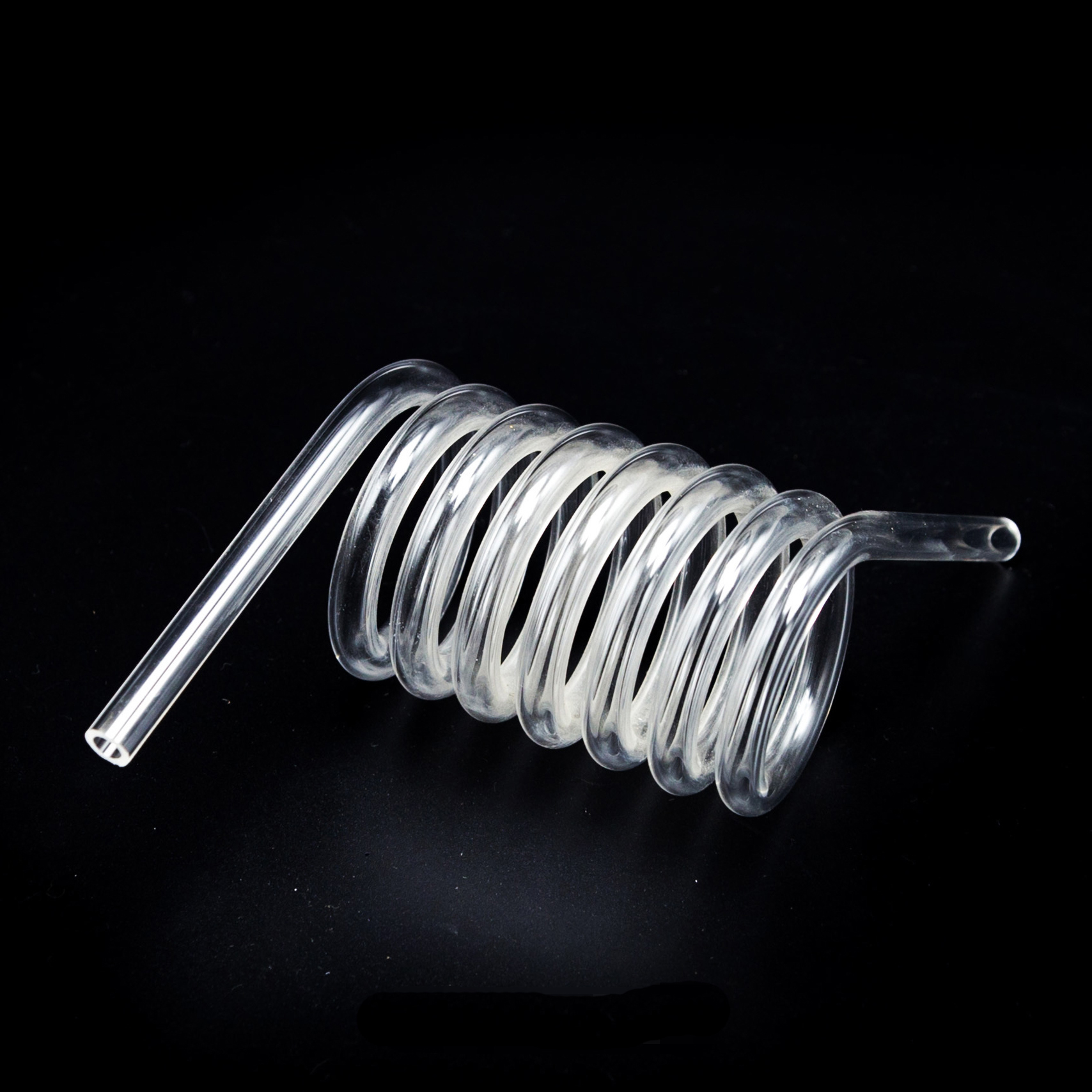
Custom C-shape, helical spiral, and manifold quartz stems calibrated for specialized gas handling and BET manifolds.
Technical Specs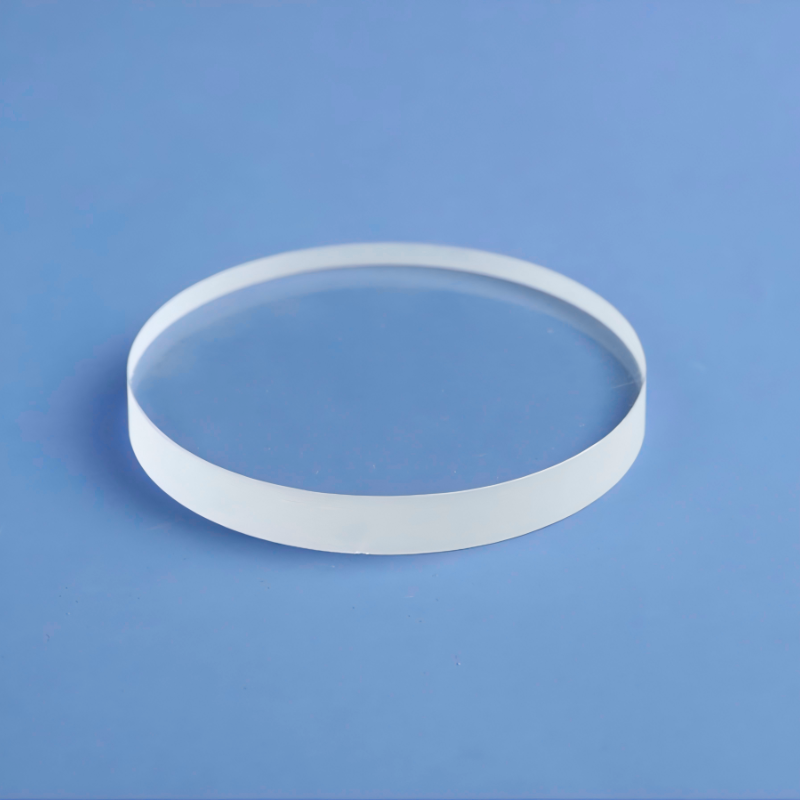
Diamond-machined, fine-annealed flat quartz substrate discs and observation inspection windows for spectroscopic gas cells.
Technical Specs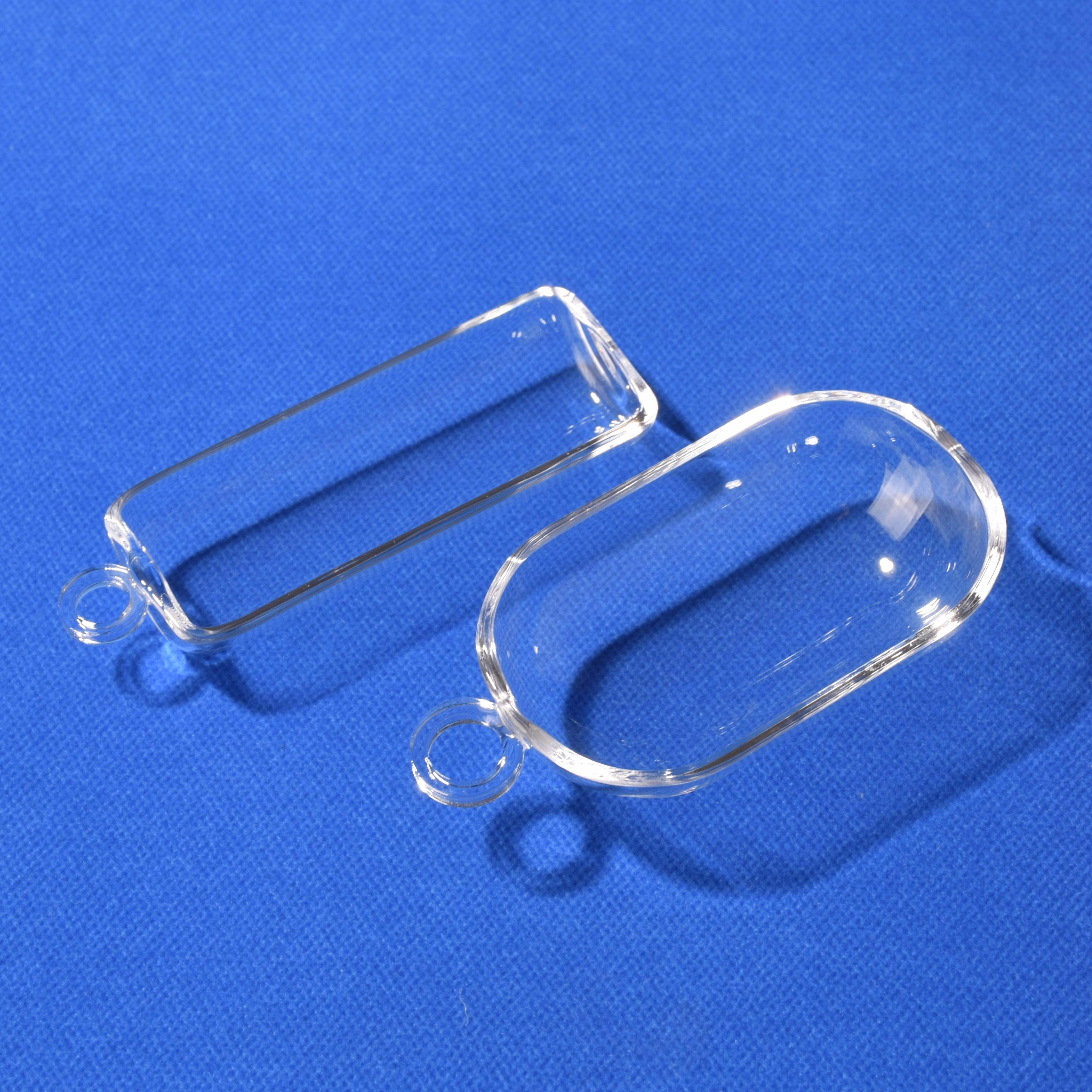
Ozone-free transparent combustion vessel featuring a stabilized flat bottom, optimized for horizontal tube furnace preparation.
Technical Specs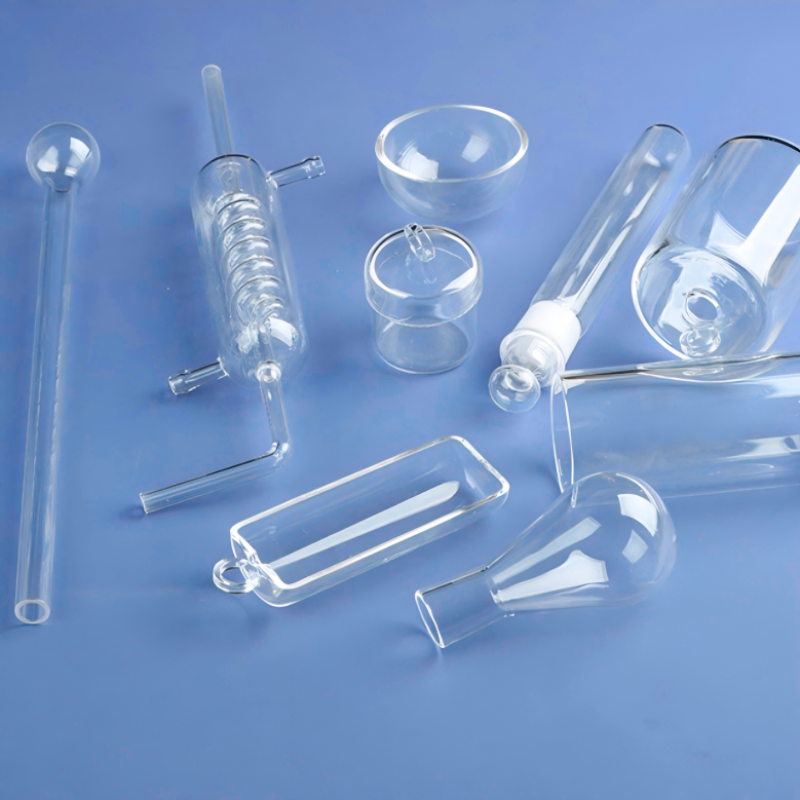
Precision displacement filler rods and bulb sample tubes designed to minimize gas dead-space volume during nitrogen sorption.
Technical SpecsAn in-depth metallurgical analysis on why fused silica geometry, hydroxyl content, and thermal-stress management dictate data validity in Brunauer-Emmett-Teller specific surface area (SSA) testing.
Specific surface area (SSA), pore size distribution (BJH method), and total pore volume measurements are baseline analytical parameters across contemporary chemical engineering, active pharmaceutical ingredient (API) synthesis, and advanced nanostructured catalysts. The validity of any multi-point BET measurement hinges directly on physical gas adsorption (physisorption) at cryogenic liquid nitrogen temperatures (-195.8°C / 77 K) or argon temperatures (87 K). Under these extreme thermodynamic conditions, the test chamber tube is subjected to aggressive pressure differentials—from ultra-high vacuum (< 10⁻⁵ Pa) during outgassing to relative saturation pressures ($p/p_0$ up to 0.995).
Ordinary borosilicate 3.3 laboratory glass, while adequate for basic benchtop wet chemistry, exhibits fundamental physical and chemical deficiencies when used in high-precision micro-porous or meso-porous BET characterization. Borosilicate glasses harbor higher levels of alkali metals (Na₂O, B₂O₃, Al₂O₃) and display a structural permeability that permits trace atmospheric helium and moisture absorption. When sample powders are pre-conditioned at high thermal degassing setpoints (350°C to 1050°C), borosilicate tubes leach structural moisture and volatile radicals. This artificial pressure rise distorts the high-vacuum baseline, falsifying warm and cold free-space (dead-space) calibrations.
Lianyungang Vulra Quartz Products Co., Ltd. resolves these systemic measurement artifacts through the synthesis and hot-working fabrication of semiconductor-grade natural fused quartz (99.99% to 99.999% pure SiO₂). By leveraging raw crystal concentrates mined from Donghai County—the premier quartz cluster of the globe—our BET sample cells deliver an almost zero coefficient of thermal expansion (CTE: 5.5 × 10⁻⁷ / °C between 20°C and 320°C). This guarantees dimensional stability, virtually eradicating changes in internal volumetric stem profiles when transitioning between furnace outgassing jackets and cryogenic dewar flasks.
In static volumetric manometric BET analyzers (such as Micromeritics 3Flex / TriStar, Anton Paar Nova / Autosorb, and Microtrac BELSORP series), free-space determination represents the most critical calculation prior to dosing nitrogen, krypton, or carbon dioxide adsorptives. Any eccentricity or inner-diameter wall runout along the sample tube stem amplifies errors in the cold-zone volume ratio:
Vd = Vambient + Vcryo (Tambient / Tcryo)
If the quartz stem possesses uneven radial thickness or longitudinal tapering, thermal convective gradients cause the liquid nitrogen level to fluctuate unevenly along the wall. Vulra Quartz deploys CNC diamond-blade centerless grinding and laser-micrometer radial scanning across our entire 6 mm, 9 mm, and 12 mm BET stem lines, holding dimensional roundness within ±0.02 mm. Coupled with our custom-blown, vacuum-sealed quartz displacement plugging rods, internal ambient dead volume is reduced by up to 78%, unlocking high-repeatability krypton sorption data for thin films and samples with specific surface areas below 0.1 m²/g.
Hydroxyl (OH⁻) radicals reduced below 15 ppm via high-temperature vacuum dehydroxylation, eliminating residual moisture desorption during degas runs up to 1100°C.
Exceptional mechanical lattice cohesion prevents structural sag, elongation, or vacuum collapse during multi-stage in-situ calcination and hydrogen activation.
Fire-polished, defect-free interior walls resist micro-fissuring, abrasive particle cling, and aggressive acid etching (HF excepted), ensuring clean quantitative recovery.
| Performance Characteristic | Vulra Semiconductor Quartz | Standard Synthetic Silica | Borosilicate Glass 3.3 |
|---|---|---|---|
| SiO₂ Purity Level | 99.99% – 99.999% | > 99.999% (Synthetic) | ≈ 81% (Impure Network) |
| Continuous Max Working Temp | 1100 °C | 1150 °C | 480 °C (Softens at 520°C) |
| Softening Point (Ts) | 1683 °C | 1600 °C – 1700 °C | 820 °C |
| Thermal Expansion (CTE 20-300°C) | 5.5 × 10⁻⁷ / °C | 5.2 × 10⁻⁷ / °C | 33.0 × 10⁻⁷ / °C (6x Higher) |
| Thermal Shock Resistance (ΔT) | 1000 °C Water Quench: Zero Fracture | 1050 °C Quench: Zero Fracture | < 150 °C Fracture Hazard |
| Helium Permeation @ 300°C | Extremely Low Baseline | Negligible | Detectable Volumetric Drift |
Strategically interfacing with Northern Italy’s high-precision manufacturing, fine chemical clusters, biomedical hubs, and university materials characterization cores.
Verona and the greater Veneto bio-pharmaceutical corridor host advanced formulation enterprises producing sterile active pharmaceutical ingredients (APIs), excipients, and micro-encapsulated carrier particles. In solid-state dissolution analysis, the specific surface area directly correlates with API bio-availability, dissolution kinetics, and shelf-life stability. Vulra’s calibrated quartz bulb tubes enable Verona pharmacologists to run precise low-temperature krypton and nitrogen isotherms without trace alkali leaching, conforming directly to European Pharmacopoeia (Ph. Eur. 2.9.26) specifications.
The Verona district is renowned worldwide for natural stone transformation, fine quartz conglomerates, and technical sintered ceramics. Fine-tuning the sintering activity of micronized calcium carbonates, alumina slurries, and zirconium silicates requires continuous pore-size distribution (BJH) surveillance. Our heavy-wall translucent and polished quartz furnace boats (such as the SJ-140 and SJ-150 series) withstand rapid thermal degas cycles up to 1050°C, enabling local ceramic engineers to measure precursor powders without crucible contamination.
As the Veneto automotive and power transmission sector pivots toward e-mobility and energy storage, local labs in Verona and Vicenza evaluate anode graphite, synthetic hard carbon, and lithium iron phosphate (LFP) cathode matrices. Assessing electrochemically active surface areas requires rigorous outgassing under deep vacuum. Vulra Quartz BET analytical vessels provide leak-tight vacuum seal flanges and precise thermal heat-transfer interfaces, ensuring zero air ingress during critical sub-monolayer coverage tests.
How sustainability mandates, high-throughput automated laboratories, and localized European supply-chain resilience are redefining quartzware engineering standards.
The manufacturing ecosystem of Verona—anchored logistically by the Interporto Quadrante Europa (consistently ranked among Europe’s foremost intermodal transport hubs)—is undergoing a decisive technological evolution under the umbrella of Industria 4.0 and the European Green Deal. This transformation has introduced three defining market trends that directly influence how analytical laboratories and equipment OEMs source fused silica glassware:
Environmental and chemical regulations within the EU (notably REACH compliance and strict limits on hazardous process byproducts) have forced testing facilities to lower detection limits. Analytical researchers in Verona examining carbon capture porous polymers, MOFs (metal-organic frameworks), and zeolites can no longer tolerate the trace sodium or boron contamination common to borosilicate glassware. Fused quartz with 99.999% SiO₂ matrix purity is rapidly becoming the universal baseline specification, eliminating false data spikes during automated surface sorption logging.
Commercial testing laboratories and QA/QC centers across Verona, Padua, and Brescia are replacing single-station prep instruments with 6-port and 12-port simultaneous vacuum outgassing stations. These automated thermal lines apply severe mechanical and thermal stresses: rapid pneumatic clamping, automated heating mantle retraction, and immediate liquid nitrogen immersion. This workflow necessitates ultra-rugged, thick-wall fused quartz tubes that resist mechanical shearing at the O-ring seal junction and display absolute zero thermal shock fatigue over thousands of operating hours.
Verona’s analytical facilities increasingly operate non-standard reactor vessels: flow-through chemisorption cells, in-situ infrared quartz reactors, and combined BET-pycnometry chambers. Off-the-shelf instrument catalogs often fail to accommodate specialized slurry viscosities or sample volumes. Equipment engineers demand certified custom quartz fabricators capable of manufacturing direct-to-drawing geometries in prototype quantities (1 to 5 pieces) without imposing punitive tooling charges or extended lead times.
Originating in Donghai—the world's crystal raw material hub—Lianyungang Vulra Quartz Products Co., Ltd. combines advanced hot-working craftsmanship with internationally audited manufacturing compliance.
Vulra Quartz operates an end-to-end vertically integrated production facility spanning raw material sand purification, oxy-hydrogen flame lathed fabrication, precision diamond grinding, stress-relief annealing, and Class 1,000 cleanroom acid-leach passivation. International trade with Italian partners is supported by robust compliance frameworks:



Every production batch destined for overseas research labs undergoes thorough dimensional polariscope stress examination, bubble count classification (Grade A zero inclusion standard), and ultrasonic bath cleaning.
Essential insights into dimensional compatibility, customs clearance, thermal conditioning protocols, and logistics for Italian procurement officers.
Contact our senior quartz technical engineering team today. Discuss custom BET cell dimensions, request volume quotations for Verona facilities, or submit your bespoke CAD drawings for rapid review.