High-Purity Fused Quartz Components & Optical Substrates
Direct OEM manufacturing from Donghai's crystal quartz corridor. Each product features sub-micron optical dimensional stability, minimal metallic impurities (Fe < 0.2 ppm), and proven compatibility with analytical flow instruments across Finland.
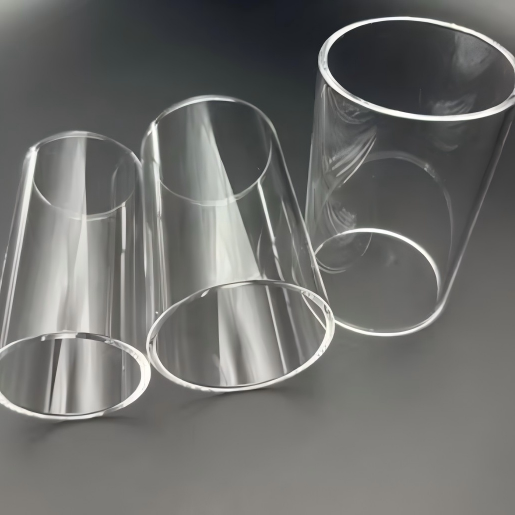
One End Closed Quartz Tube (5-800mm)
Transparent polished ozone-free closed-end envelope for high-temperature sensor wells and optical emission protection.
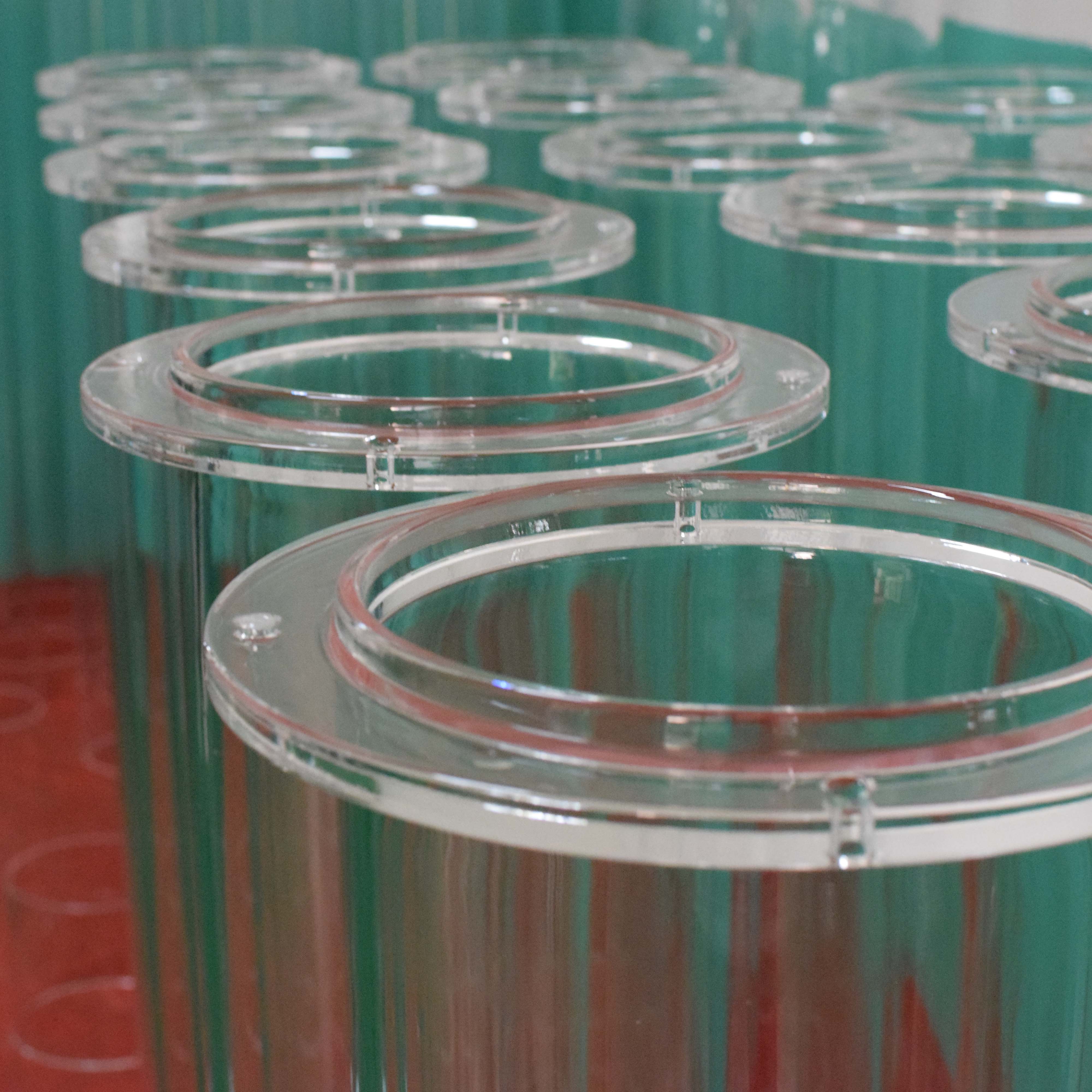
Single Crystal Quartz Flange Tube
99.999% high-purity single-crystal fused quartz flange re-feeder container, precision welded for inert reactor chambers.
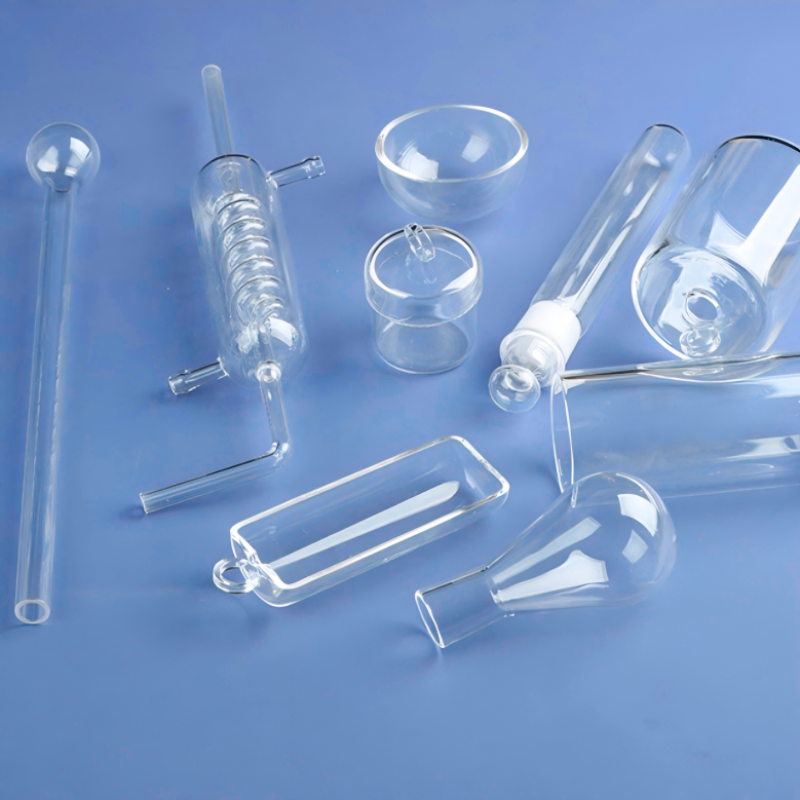
Plugging Rod & Heating Test Boat
High-frequency transparent polished quartz boat for high-temperature pyrolysis, tube furnaces, and combustion analysis.
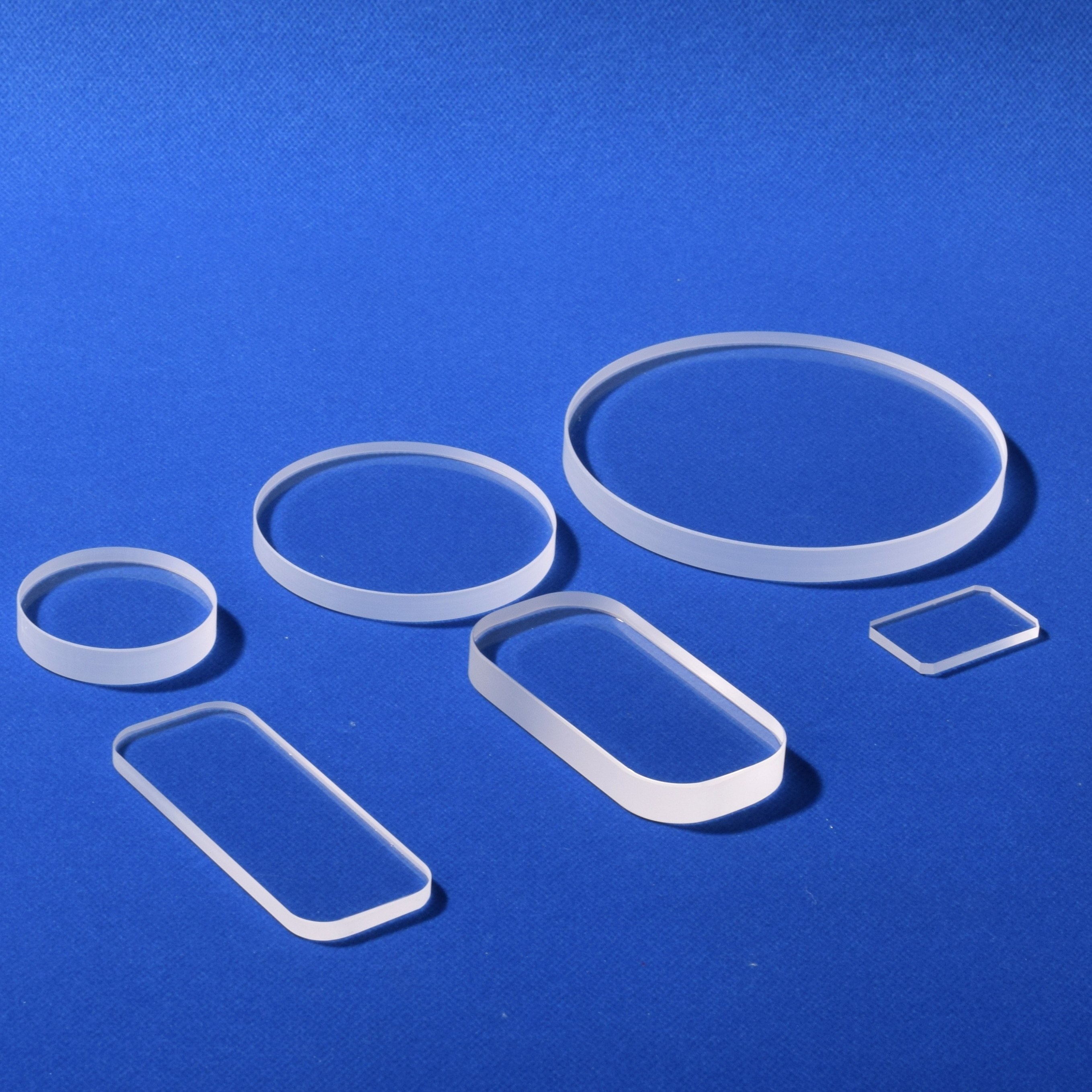
High-Transmittance Watch Window
Optical-flat transparent quartz sight glass with vacuum-tight edge grinding for inline process flow cell inspection.
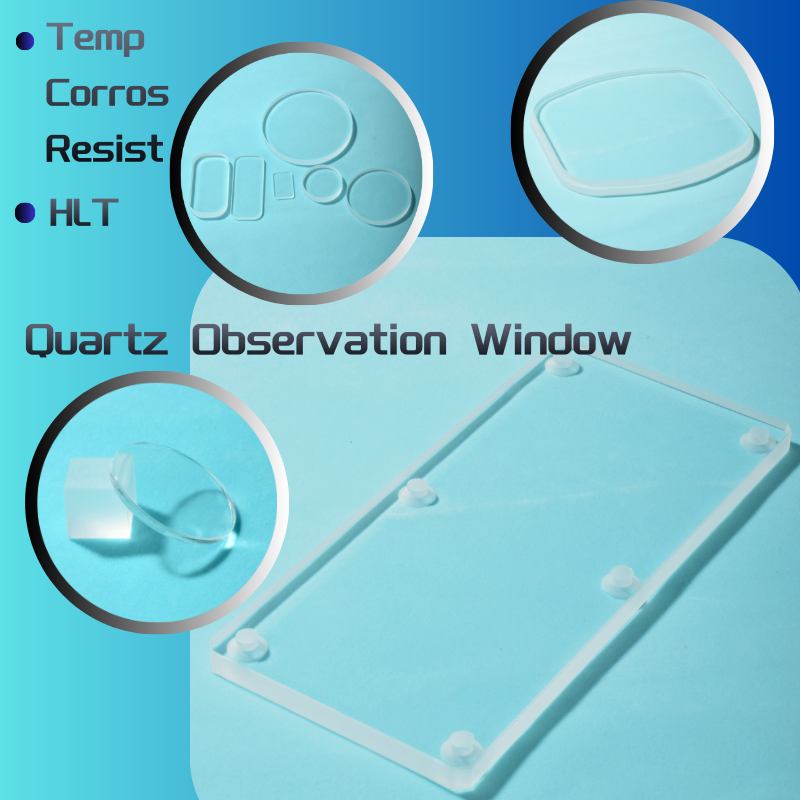
Natural Fused Quartz Polished Plate
Optical clear substrate with hardness 5.5-6.5 Mohs, chemical-resistant and double-sided polished for flow channels.
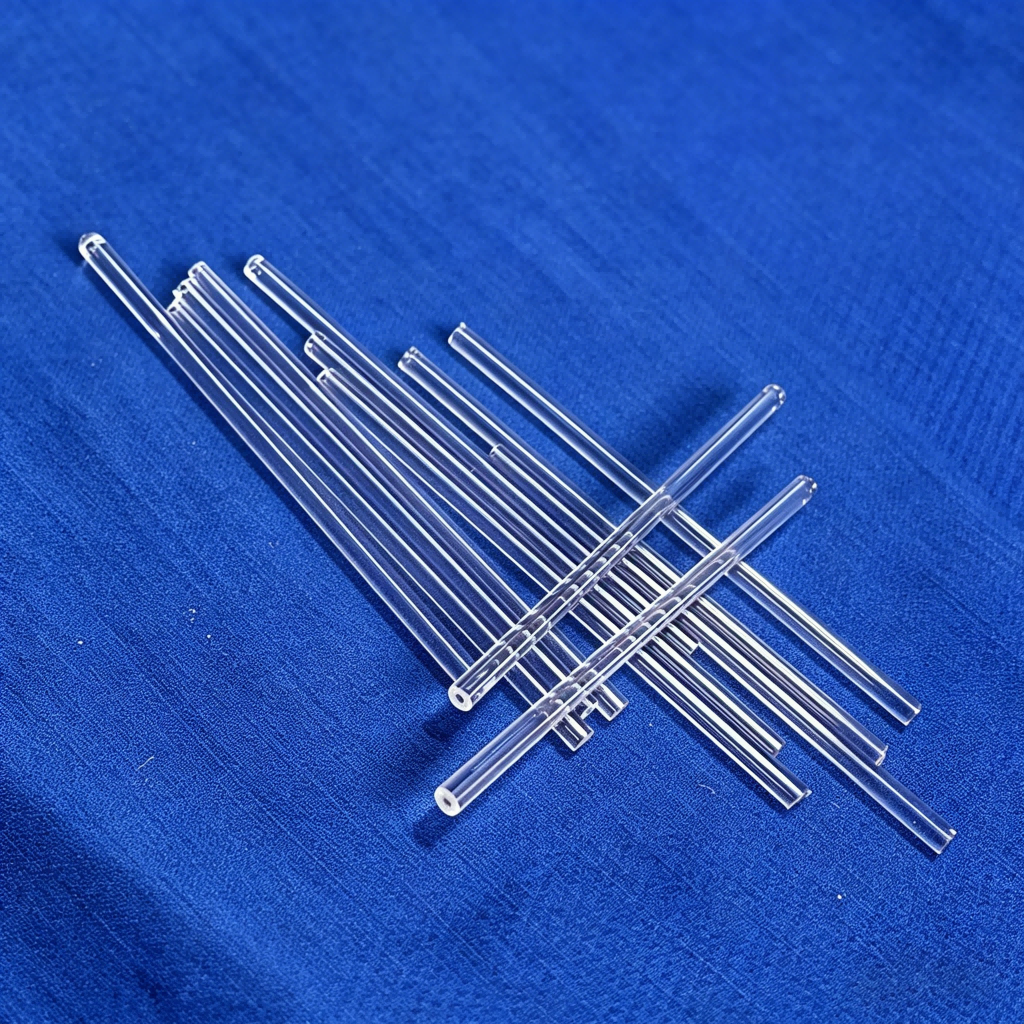
Micro Capillary Quartz Tube (2-10mm OD)
Calibrated micro-bore tubing for liquid chromatography exhaust, capillary electrophoresis, and laminar micro-flow.

Semiconductor 400-Mesh Quartz Component
Ultra-pure sintered quartz diffusion discs and filtration frits for aggressive chemical separation and fluid degassing.
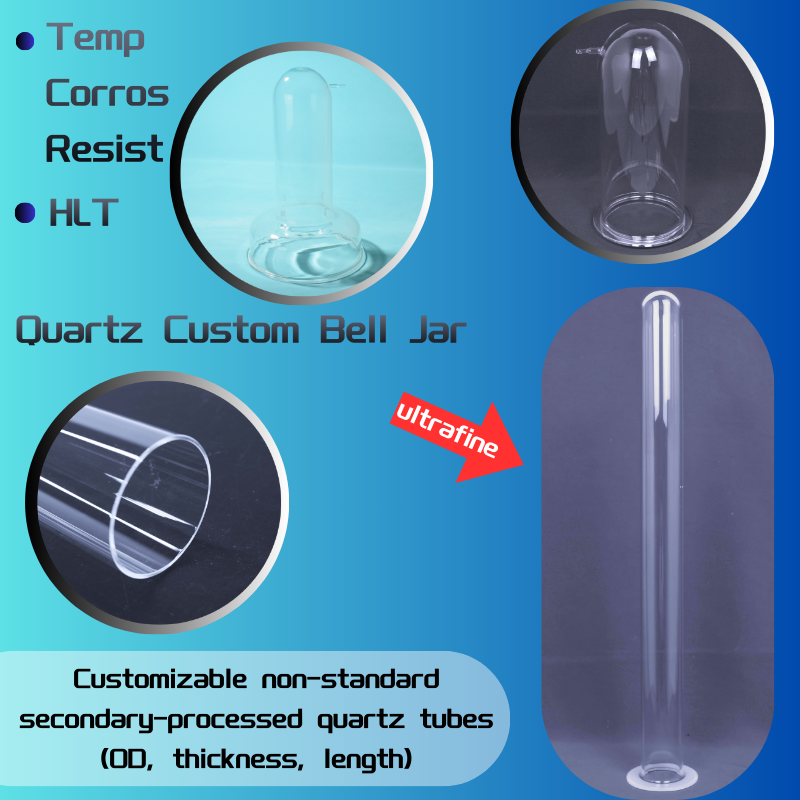
High-Precision Quartz Vacuum Tube
Leak-proof negative pressure tube tested up to 10⁻⁶ mbar for degassing systems, mass spectrometry, and optical flow loops.
Engineering Quartz Flow Cells: Optical Physics, Purity Grades, and Jointless Assembly
A rigorous examination of molecular fusion techniques, beam deflection mitigation, and spectrochemical transmission limits for precision analytical instrumentation.
Precision photometric analysis in liquid chromatography (HPLC, UHPLC), capillary electrophoresis (CE), laser-induced fluorescence (LIF), and continuous process analytical technology (PAT) hinges fundamentally on the optical integrity of the flow cell. A flow cell acts as both a fluid containment vessel under pressure and a high-transmittance optical window where optical pathlength directly correlates with Beer-Lambert absorption accuracy: A = ε · c · l. For scientific instrumentation engineers and research directors in Turku, selecting the proper grade of quartz glass (fused silica) and the manufacturing jointing method dictates signal-to-noise ratio, baseline drift, and operational lifespan under aggressive chemical exposure.
Critical Optical Distinction: Synthetic Fused Silica (JGS1) vs. Natural Fused Quartz (JGS2/JGS3)
In high-sensitivity UV spectroscopy (190 nm to 260 nm), conventional natural fused quartz contains trace metallic oxides (Fe, Ti, Al) that generate intrinsic absorbance bands. JGS1 synthetic silica—synthesized from volatile silicon compounds through chemical vapor deposition (CVD)—eliminates virtually all metallic ions, delivering >90% transmission down to 185 nm without solarization or bubble-induced optical distortion.
Comparison of Optical Fused Silica Materials for Flow Analysis
| Property / Optical Specification | JGS1 (Far UV Synthetic Silica) | JGS2 (Optical Grade Fused Quartz) | JGS3 (Infrared Synthetic Silica) |
|---|---|---|---|
| Primary Transmission Spectrum | 185 nm – 2,500 nm (Deep UV-Vis) | 220 nm – 2,500 nm (Standard UV-Vis) | 260 nm – 3,500 nm (Vis to Mid-IR) |
| Hydroxyl Ion (OH⁻) Concentration | High (~1,200 ppm, resistant to UV darkening) | Medium (30 – 150 ppm) | Ultra-Low (< 5 ppm, zero water absorption peak at 2.73 μm) |
| Metallic Impurities Total | < 0.1 ppm (Trace iron < 0.01 ppm) | < 10 ppm total | < 1.0 ppm total |
| Typical Turku Application | Downstream Biopharmaceutical UV Absorbance (280 nm / 254 nm) | Balast Water Turbidity & Marine CDOM Fluorometry | Process Inline NIR Spectroscopy & Organic Synthesis Monitoring |
| Refractive Index (n_D, λ=589.3 nm) | 1.4584 | 1.4585 | 1.4580 |
Thermal Diffusion Bonding vs. Adhesive Optical Contacting
A primary failure point in commercial flow cells exposed to organic mobile phases (acetonitrile, methanol, tetrahydrofuran, hexane) or cleaning protocols utilizing 1M sodium hydroxide is adhesive degradation. Traditional microcuvettes constructed using epoxy bonding or fritted glass glues suffer from polymer leaching, solvent swelling, and optical window delamination under system operating pressures exceeding 5 bar.
Vulra Quartz utilizes an advanced high-temperature solid-state thermal diffusion bonding process. Under cleanroom Class 100 conditions, micro-machined quartz plates are brought into intimate atomic contact and heated in high-vacuum annealing furnaces to approximately 1180°C—near the transition strain point. Silicon-oxygen (Si-O-Si) bonds bridge across the joint interface, transforming separate optical windows and flow path walls into a monolithic, seamless quartz flow block. This technique yields zero dead-volume, withstands internal burst pressures beyond 40 bar (depending on channel geometry and wall thickness), and guarantees 100% chemical inertness against every reagent except concentrated hydrofluoric acid and boiling phosphoric acid.
Mission-Critical Flow Cell Applications in Turku & Southwest Finland
From the laboratories of Turku Science Park to the shipyards of Perno, our precision fused quartz components power Southwest Finland's core high-tech clusters.
Biopharmaceutical Downstream PAT (Turku BioCity)
Biomedical research institutes and bioprocess operators at Turku BioCity require continuous UV flow cells for real-time monitoring of monoclonal antibodies (mAbs) and recombinant protein chromatography. Our optical micro-flow cells provide sub-millimeter optical pathlengths (0.1 mm to 2.0 mm) with fused silica JGS1 windows, preventing dynamic signal saturation during high-titer elution profiles.
Clinical Diagnostics & Flow Cytometry (BioTurku IVD)
Southwest Finland is globally celebrated for immunoassay systems and Point-of-Care (PoC) diagnostic innovation. We supply custom quartz hydro-focusing flow channels and fluorescence excitation microcuvettes with polished optical apertures (surface roughness Ra < 0.5 nm). These flow cells provide near-zero background autofluorescence under 405 nm and 488 nm laser excitation.
Marine Environmental Monitoring (Baltic Archipelago)
Deployments in autonomous surface vessels and coastal environmental monitoring stations around the Turku archipelago require rugged optical flow-through sensors. Our thick-walled fused quartz observation chambers and UV-absorption flow tubes resist bio-fouling cleanings, high salinity, and thermal cycling between Baltic winter water (+1°C) and heated diagnostic cabins.
Clean Marine & Exhaust Scrubber Analysis (Meyer Turku)
The shipbuilding hub at Meyer Turku and related maritime tech suppliers implement inline optical sensors for exhaust gas cleaning systems (EGCS) washwater discharge. We engineer heavy-duty quartz sight-glasses and flow cells calibrated for PAH (polycyclic aromatic hydrocarbons) and turbidity monitoring compliant with IMO MEPC discharge guidelines.
Academic Physical Chemistry (Åbo Akademi & UTU)
Departmental researchers at University of Turku and Åbo Akademi University developing novel photochemical reactors and microfluidic reaction networks rely on our custom OEM glass lathe and laser cutting capabilities. We translate university CAD sketches into multi-inlet quartz reaction chips capable of withstanding aggressive acids, supercritical CO₂, and laser-induced heating.
Semiconductor & Clean Energy Thin-Film R&D
Innovators engineering atomic layer deposition (ALD) and thin-film photovoltaics utilize our high-purity quartz vacuum tubes and optical observation windows. With an annealing point of 1180°C and a softening threshold of 1683°C, our fused silica components prevent thermal sag and trace alkali metal contamination during thermal processing cycles.
Macro Trends Transforming Southwest Finland's Analytical Quartz Sourcing
An executive overview of regulatory enforcement, continuous micro-processing, and strategic direct-from-source procurement trends across the Nordic life sciences corridor.
Shift from Batch to Continuous Flow Chemistry
Finnish chemical and biopharmaceutical innovators are rapidly pivoting from legacy batch stirred-tank reactors to continuous micro-flow reactors. Micro-flow processing requires microcuvettes and capillary flow paths with minimal internal volumes (often < 20 μL) and precise hydrodynamic channel profiles to guarantee uniform residence time distribution and instantaneous heat exchange.
Stringent EU Chemical & Environmental Directives
Procurement departments across Finland face intensifying scrutiny under EU REACH (EC 1907/2006) and RoHS 2.0 (2011/65/EU) regulations. Quartz flow cells manufactured with adhesive bonding frequently fail RoHS compliance due to banned curing catalysts or phthalate-based plasticizers. Vulra Quartz’s thermal-diffusion monolithic fused silica is completely inorganic, heavy-metal-free, and REACH SVHC-exempt.
Elimination of European Wholesaler Markups
Traditionally, Finnish research institutes and system OEMs acquired custom quartzware through third-party catalog distributors in Germany or the UK, absorbing markups between 250% and 400% alongside 10–14 week lead times. By partnering directly with a certified Donghai manufacturer verified by TÜV Rheinland, Turku-based engineering teams compress lead times to 2–3 weeks while preserving drawing confidentiality.
Moreover, the integration of multi-spectral sensing—combining UV-Vis absorbance, Raman scattering, and fluorescence in a single hybrid flow cell—is emerging as the gold standard for automated biomanufacturing quality control. This necessitates complex multi-window geometries where perpendicular excitation and emission paths must achieve λ/4 optical flatness with laser-grade surface finishes (scratch-dig 20/10) to prevent spurious stray light reflections from drowning out low-level fluorophore signals.
Integrated Manufacturing Power: From Raw Donghai Crystal to Sub-Micron Precision
Headquartered at No. 9 Dingxin Road, Donghai Economic Development Zone—the world capital of natural quartz crystal processing—we control raw material refinement, thermal working, and optical polishing under one certified roof.
TÜV Rheinland Verified Production
Our facilities, testing equipment, legal export credentials, and OEM production lines have undergone rigorous on-site validation by TÜV Rheinland. We maintain verifiable CE and RoHS compliance records for all quartz tube, rod, plate, and custom cell series, ensuring zero customs compliance bottlenecks upon arrival in the EU.
Full-Spectrum Hot & Cold Processing
Unlike trading entities that outsource machining, Vulra Quartz operates high-precision diamond CNC wire saws, 5-axis ultrasonic glass-machining centers, hydrogen-oxygen glass lathes, and computer-programmed annealing lehrs. We seamlessly cut, drill micro-ports down to ø0.3 mm, slot, fire-polish, and optically finish in-house.
Rapid Drawing Feasibility from 1 Piece
We respect the iterative nature of academic and industrial R&D. Send your CAD models (AutoCAD DWG/DXF, SolidWorks STEP, or IGES) for rapid engineering appraisal. Our senior optical engineers review aspect ratios, thermal strain vectors, and fluidic dead corners, delivering a formal feasibility report and prototype within 7–10 working days.
Engineered Export Packaging
Quartz components intended for Nordic export undergo multi-stage ultrasonic degreasing, DI water rinse, and vacuum-sealed anti-static bag packing in cleanroom environments. Shipments are shock-buffered with custom high-density molded EPE foam and encased in moisture-proof reinforced wooden shipping crates built for air express or ocean transport.
Material Traceability & Purity Certification
Every critical batch of fused silica is supplied with an authenticated material certificate detailing spectroscopic transmission curves (190 nm to 3000 nm), hydroxyl content (ppm), and ICP-MS metallic trace contaminant profiles. Finnish buyers receive absolute confirmation of compliance before components enter cleanroom assembly lines.
Frequently Asked Questions: Sourcing Custom Quartz Flow Cells into Finland
Direct answers from our senior engineering and export logistics desks regarding customs, incoterms, quality inspection, and technical customization for Finnish buyers.
What is the standard HS code and tariff rate for importing quartz flow cells into Finland?
How do you guarantee that optical windows will not crack or leak under high pressure?
What typical shipping timelines can Turku-based laboratories anticipate?
Can you manufacture microfluidic flow cells according to non-standard proprietary CAD drawings?
What is the chemical compatibility of your fused quartz flow cells with strong acids and bases?
How do you prevent bubbles from adhering to the optical observation windows during flow analysis?
Request a Technical Drawing Review & Quotation
Collaborate directly with our quartz engineering specialists in Donghai. Send your CAD drawings, dimensional parameters, or spectral requirements for an immediate feasibility evaluation and formal quotation serving the Turku and wider Finnish market.