An Authoritative Technical Whitepaper on Precision Fused Quartz Machining, Thermal Pyrometry Windows, and Spectroscopic Substrates for Upper Austria’s Industrial Heartland
Engineered Quartz Products
High-Purity Quartz Solutions for Linz Engineering & Research
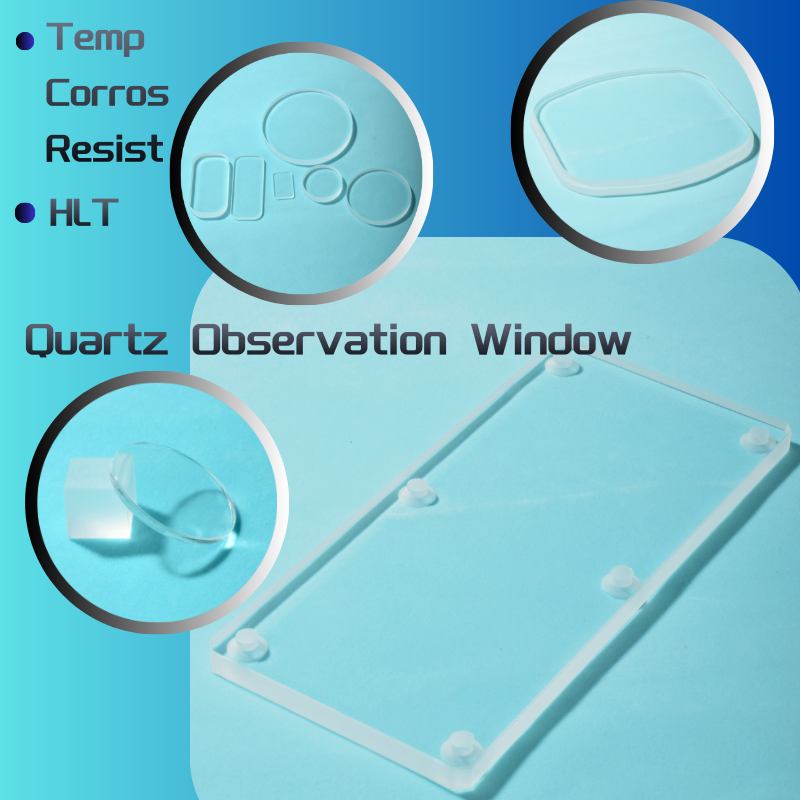
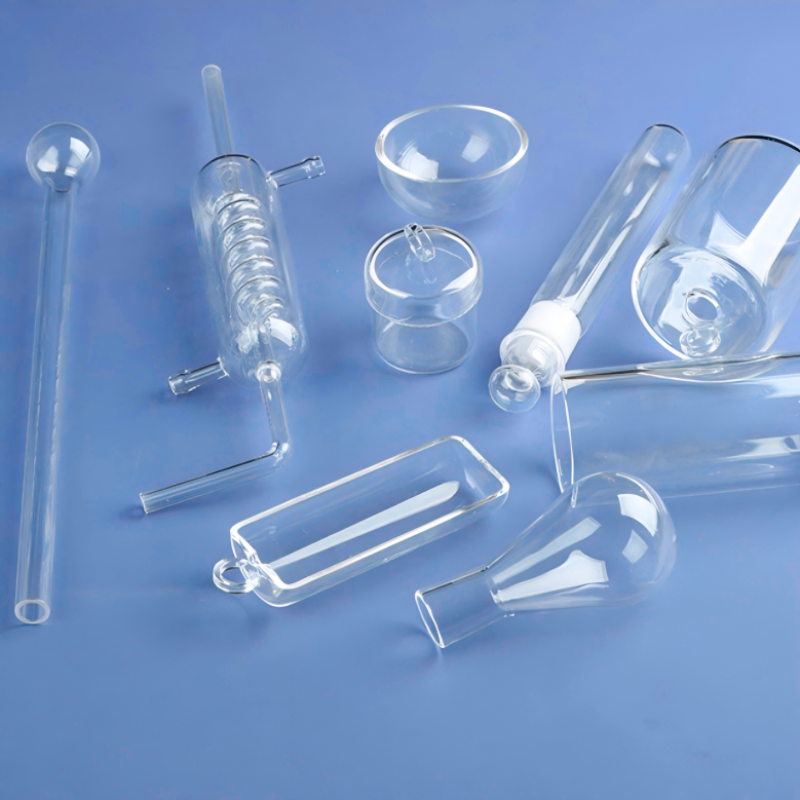
Direct factory fabrication covering optical-grade observation plates, reaction holders, furnace carriers, and BET testing assemblies with micrometer-level precision.
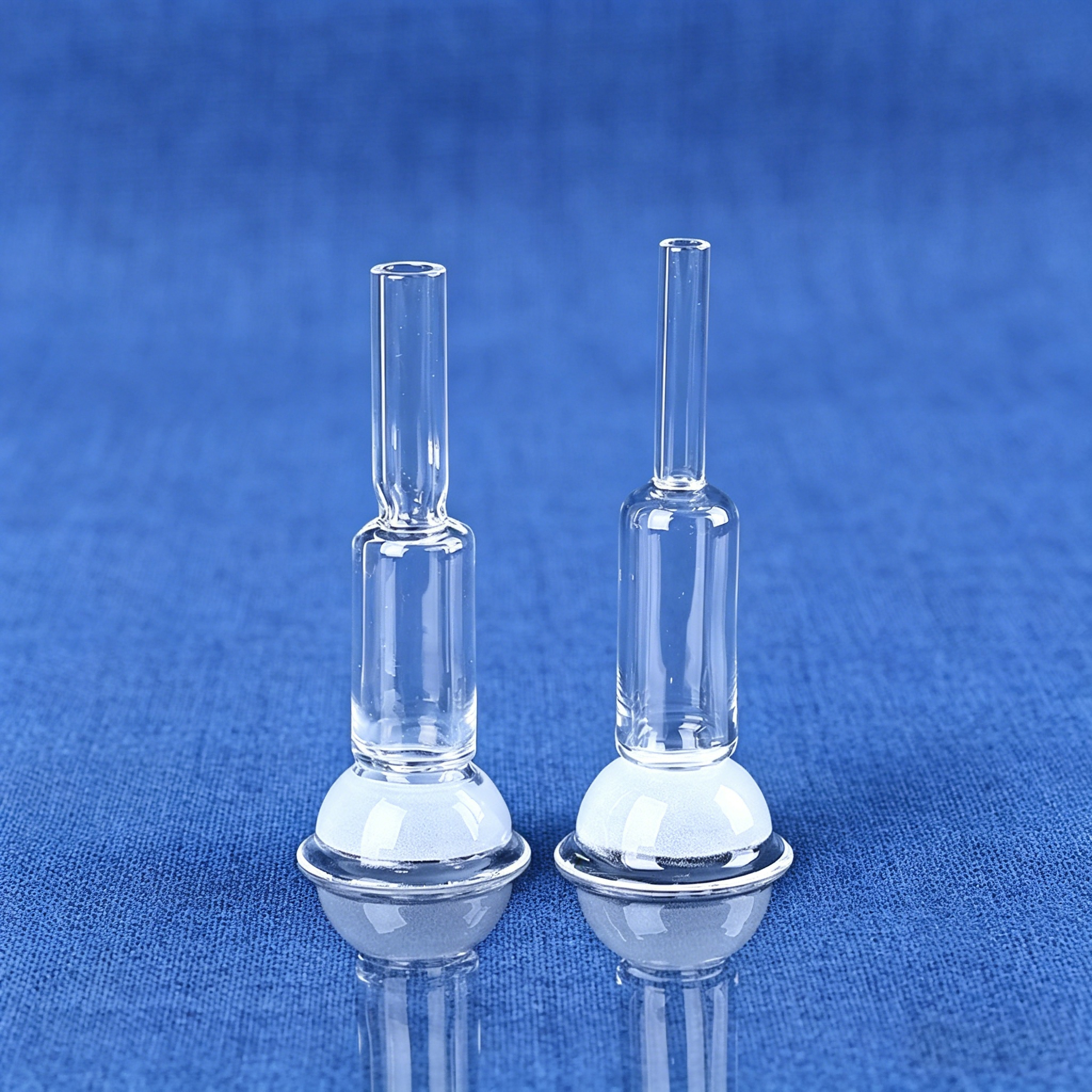
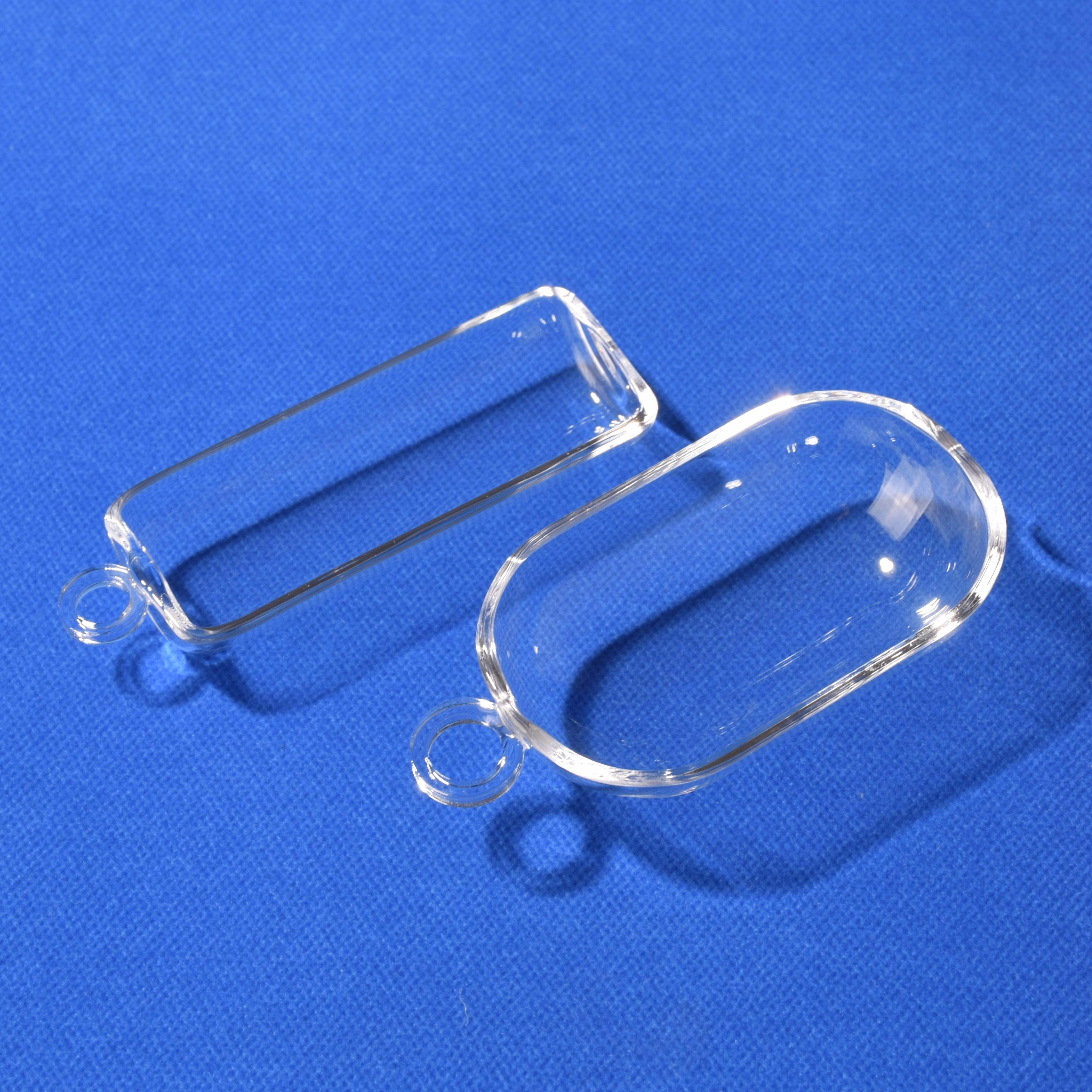
Precision bent and welded BET analysis tube rated for 1100°C continuous service, explicitly designed for high-resolution gas adsorption and specific surface area testing.
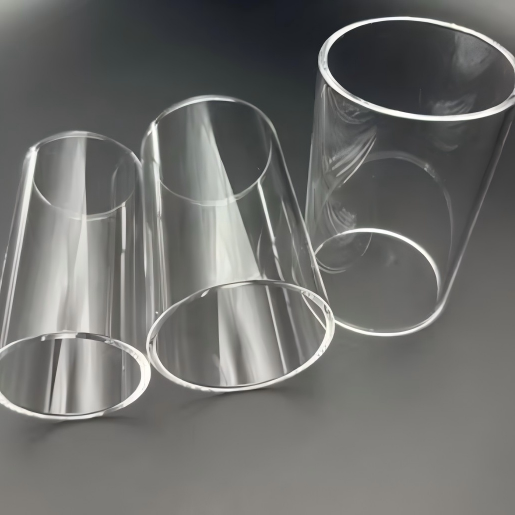
Manufactured in outer diameters from 5mm to 800mm with bubble-free domed seals, ideal for thermocouple protection sheaths and horizontal vacuum furnaces.
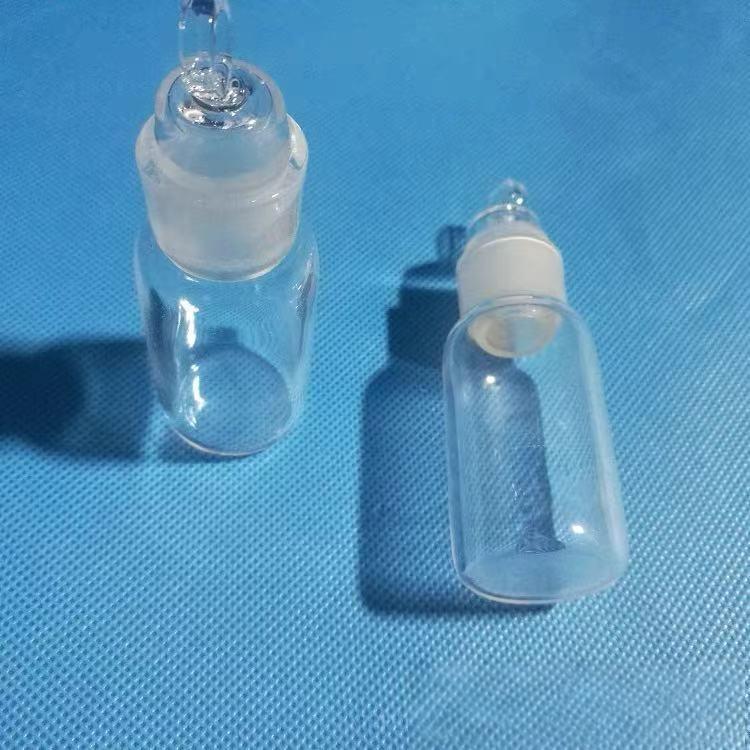
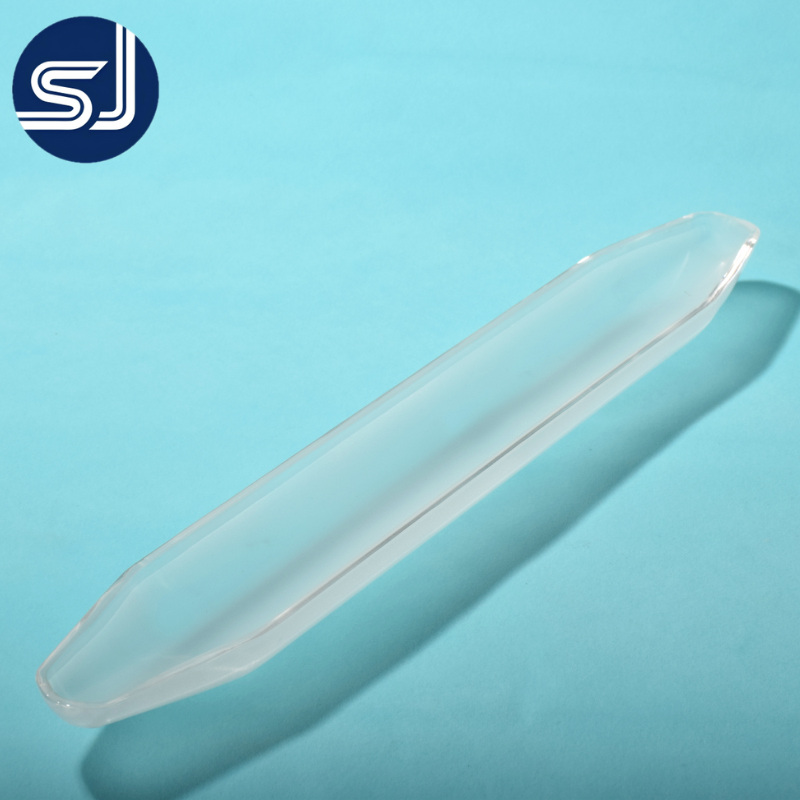
Custom 99.999% SiO2 wafer carrier and combustion boat, fire-polished with >85% clarity for high-temperature semiconductor diffusion and crystal sintering processes.
Thermal stress-relieved quartz sealing rods and observation reaction tubes built to withstand extreme thermal cycle shocks up to 1450°C without mechanical rupture.
The Critical Role of Optical Grade Quartz Plates in Linz’s Industrial Corridor
Linz, the economic engine of Upper Austria along the Danube, represents a rare global convergence where heavy metallurgical transformation seamlessly unites with high-precision mechatronics, advanced polymer synthesis, and cutting-edge sensor photonics. As the home of industrial pioneers like the voestalpine Group, academic institutions like the Johannes Kepler University (JKU) Linz, and research accelerators like the Linz Institute of Technology (LIT), the region demands optical materials capable of surviving physical extremes without compromising photon transmission.
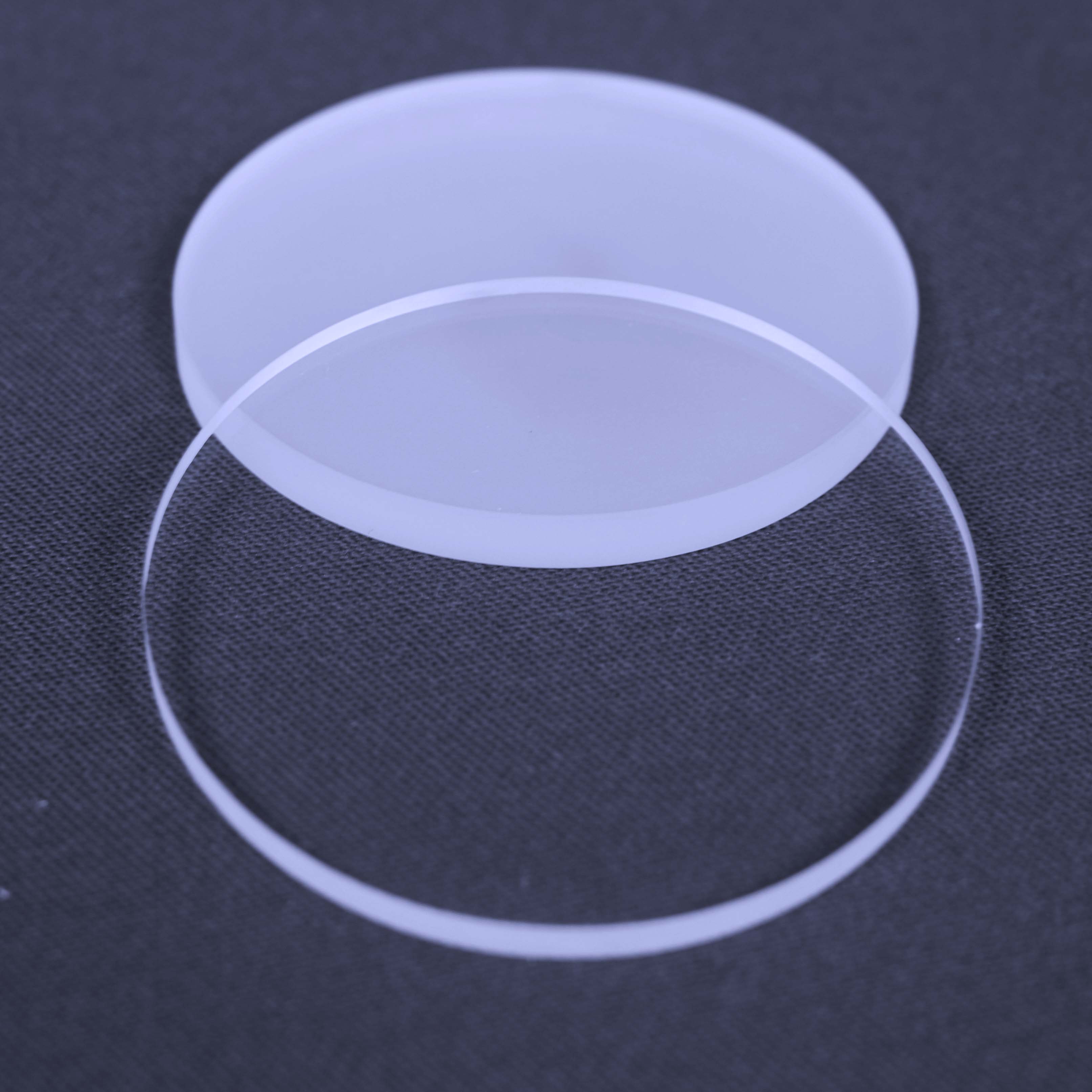
Optical grade quartz plates (specifically high-purity fused silica and synthetic fused quartz) serve as irreplaceable baseline components across this ecosystem. Unlike standard borosilicate or soda-lime glass, optical quartz boasts an extremely low coefficient of thermal expansion (CTE ≈ 5.5 × 10⁻⁷ /°C), a softening threshold exceeding 1680°C, and exceptional spectral transmission across the deep ultraviolet (DUV), visible, and near-infrared (NIR) spectra (190 nm to 2500 nm). In Linz, these plates are neither generic glass panes nor passive elements—they are mission-critical observation viewports, spectroscopy flow-cell windows, laser protective optics, and semiconductor substrate carriers.
Linz Engineering Insight: When operating non-contact pyrometry sensors over steel melts exceeding 1500°C or within pressurized chemical reactors in the Chemiepark Linz, thermal shock resistance is non-negotiable. An optical grade quartz plate can withstand an instantaneous temperature drop from 1100°C into cold water without micro-fracturing—an engineering property that protects multimillion-euro spectroscopy sensors and ensures uninterrupted industrial uptime.
Metallurgy & Blast Furnace Pyrometry
Installed at continuous casting lines, electric arc furnaces (EAF), and oxygen converter viewports throughout Linz’s steel fabrication centers for real-time infrared thermography and molten slag monitoring.
High-Power Industrial Laser Processing
Serving Linz mechatronics manufacturers as debris shield windows, collimation beam splitters, and protective optical flats in 1064nm fiber and Nd:YAG cutting heads with ultra-high laser damage thresholds (LIDT).
Chemical Synthesis & Spectroscopy Cells
Operating inside the Chemiepark Linz and JKU chemistry departments as UV-transparent reaction vessels, XRD zero-background sample wells, and spectroscopic flow chambers resistant to hot acidic corrosion.
Procuring optical quartz for high-reliability applications in Upper Austria demands thorough due diligence regarding material provenance, OH-content (hydroxyl absorption), bubble classifications (DIN ISO 10110), surface flatness, and international freight reliability. Below is an engineering review of the top 10 verified manufacturers and global exporters actively supplying and serving the Linz industrial cluster.
Tier 1 Global Specialist
1. Heraeus Conamic (Germany)
European benchmark for synthetic fused silica (Suprasil®) and natural fused quartz (Spectrosil®).
Supreme DUV transmission down to 190nm for lithography and semiconductor metrology.
Direct technical distribution network into Austria with certified material batches.
Premium pricing structure best suited for non-cost-sensitive institutional research.
Semiconductor Standard
2. Shin-Etsu Quartz Products (Japan)
Joint venture titan delivering synthetic silica substrates for photomasks and semiconductor processing.
Exceptional homogeneity and virtually zero refractive index variations (Δn < 1×10⁻⁶).
Rigorous trace metal impurity controls (<0.1 ppb for critical alkali elements).
Extended production lead times when sourcing custom non-standard plate geometries.
European Engineered Optics
3. Saint-Gobain Quartz (France)
Leading European manufacturer specializing in Quartzel® fused quartz glass and optical windows.
Uncompromising thermal stability under sustained high-temperature metallurgical conditions.
Full conformity with CE, RoHS, and European defense optical manufacturing standards.
Focuses primarily on large-scale recurring industrial orders rather than agile prototyping.
High Purity Fabrication
4. Tosoh Quartz Corporation (Japan/USA)
Global powerhouse delivering ultra-pure quartzware for semiconductor fabs and solar wafer fabrication.
Industry-standard wet bench chemical etching resistance and quartz boat carriers.
Precision surface lapping with certified parallelism for laser optical cavities.
Strict order minimums often limit accessibility for small-batch prototyping.
Precision Photonics Giant
5. Corning Specialty Materials (USA)
Producer of HPFS® (High Purity Fused Silica) 7980, standard in aerospace and excimer laser optics.
Highest laser-induced damage threshold (LIDT) for ultra-short pulsed laser systems.
Extensive birefringence characterization and precise wave-front distortion controls.
Sourced primarily through centralized European optical catalog intermediaries.
Optical Glass Expert
6. Nikon Corporation - Glass Div. (Japan)
Dedicated synthetic fused silica manufacturing for high-NA optical projection lenses and steppers.
Unsurpassed internal transmission and laser durability under intense 193nm/248nm radiation.
Exceptional thermal homogeneity across substantial plate diameters up to 400mm.
Specialized for ultra-precision optical applications with premium procurement cycles.
Spectroscopy Specialist
7. Hellma Analytics (Germany)
Global leader in optical quartz flow cells, absorption cuvettes, and spectroscopic inspection flats.
Well-established direct distribution channels across Upper Austria and Linz universities.
Pre-calibrated transmission baselines certified for analytical laboratory instruments.
Specialized in micro-optics and lab vessels rather than large-format industrial viewport plates.
Optomechanical Distributor
8. Edmund Optics Europe (Germany/UK)
Leading stock supplier of off-the-shelf fused silica windows, laser mirrors, and optical flats.
Rapid next-day dispatch into Linz for standard optical catalog dimensions.
Comprehensive AR (anti-reflective) coating options (UV, VIS, NIR, and telecom bands).
Substantial retail markup compared to direct primary-manufacturer production runs.
Laser Optics Innovator
9. Altechna (Lithuania)
Custom laser optics firm serving European industrial photonics with high-specification fused silica.
Custom dielectric coatings tailored for femtosecond and picosecond laser processing heads.
Strong engineering alignment with European laser research institutes.
Longer lead times when requiring thick, customized flame-worked quartz furnace plates.
TÜV Rheinland verified primary manufacturer situated in Donghai, the world’s high-purity quartz cluster, offering drawing-based OEM/ODM direct to Linz.
Direct Raw Material Advantage: Instant access to 99.999% SiO₂ natural quartz crystal sand, reducing raw material volatility and processing costs.
Full In-House Processing: Seamless integration of diamond cutting, optical surface lapping, Ra < 0.5nm mechanical polishing, vacuum annealing, and acid etching under one roof.
Rapid 1-Piece Prototyping: No punitive MOQs—engineers in Linz can validate bespoke viewport shapes, step-cut sight glasses, or XRD sample discs before commit to volume orders.
TÜV & CE Certified Quality: Verified supplier assessment with full traceability, scratch-dig 20/10 compliance, and reinforced export crating designed for intercontinental air and rail freight.
When selecting optical plates for heavy industrial furnaces or precision spectroscopy setups in Linz, evaluating empirical physical attributes is paramount. The table below delineates critical parameters between JGS1 (Synthetic Fused Silica), JGS2 (Optical Natural Fused Quartz), and JGS3 (Infrared Optical Quartz).
Parameter / Grade
JGS1 (Synthetic Silica)
JGS2 (Optical Fused Quartz)
JGS3 (Infrared Fused Quartz)
SiO₂ Purity Level
≥ 99.9999% (< 0.1 ppm Fe, Al, Ti)
≥ 99.99% – 99.995%
≥ 99.99% (Low OH content < 5 ppm)
Transmission Range
185 nm – 2500 nm (Deep UV/VIS)
220 nm – 2500 nm (Standard Optical)
260 nm – 3500 nm (Extended Infrared)
Bubble Class (DIN ISO 10110)
Class 0 (Virtually bubble-free)
Class 0 – Class 1
Class 1 – Class 2
Thermal Shock Resistance
1100°C to cold water ΔT 1000°C
1100°C to cold water ΔT 1000°C
1050°C to cold water ΔT 950°C
Surface Roughness (Polished)
Ra < 0.3 nm – 0.5 nm
Ra < 0.5 nm – 0.8 nm
Ra < 0.8 nm – 1.0 nm
Softening Point / Annealing
1730°C / 1180°C
1683°C / 1140°C
1650°C / 1120°C
Optimal Linz Industrial Use
Excimer lasers, semiconductor wafers
Steel pyrometry, furnace viewports
IR heating panels, gas analyzers
Manufacturing Capabilities
Direct Factory Strengths Engineered for Linz Procurement
Operating directly out of No. 9, Dingxin Road in the Jiangsu Donghai Economic Development Zone, Lianyungang Vulra Quartz Products Co., Ltd. eliminates multiple layers of distributor markup. We provide European industrial buyers with transparent manufacturing, precision CNC machining, and comprehensive drawing-based production.
TÜV Rheinland On-Site Verified
Authenticated production facilities, legal status, and manufacturing lines confirmed by third-party German technical inspectors.
Complete Hot & Cold Machining Under One Roof
Equipped with precision CNC waterjet profiling, diamond grinding wheels, optical double-sided lapping, flame bench lathe sealing, and electric stress-relief annealing furnaces.
Engineered Export Packaging
Shock-absorbing multi-layer EPE foam inserts, vacuum-sealed electrostatic wrapping, and ISPM-15 compliant reinforced plywood cases guaranteeing crack-free air and sea transit to Linz.
Audited Quality Credentials
Every batch shipped to Austria undergoes interferometric flatness testing, dimensional caliper verification (tolerance down to ±0.02mm), and chemical purity spectrometry. Full test certificates and dimensional inspection sheets are included with every delivery.
Emerging Technology Trends Reshaping Quartz Demand in Upper Austria (2025–2030)
The industrial paradigm in Linz is experiencing rapid structural transformation, guided by Upper Austria’s strategic economic initiative #upperVISION2030. These macroeconomic and technological shifts are directly influencing specifications for optical quartz plates and custom labware across multiple sectors:
1. The Transition to Hydrogen Direct Reduced Iron (DRI) Metallurgy
As Linz’s flagship steelmaking hubs pioneer hydrogen-based metallurgy to replace coke-fired blast furnaces, observation conditions become dramatically more aggressive. Hydrogen combustion creates high moisture steam vapor coupled with intense radiative thermal loads up to 1600°C. Standard viewport glasses develop severe surface devitrification under these conditions. Specially fire-polished, hydroxyl-controlled fused quartz plates are increasingly specified for optical spectroscopy ports to monitor iron ore pellet reduction in real time.
2. Laser Powder Bed Fusion (P-BF) and Metal Additive Manufacturing
Linz’s mechatronics cluster has emerged as a key European hub for industrial 3D printing and laser cladding. Laser processing heads operating at kilowatt power levels require optical quartz cover plates with minimum absorption coefficients at 1030–1080 nm to prevent thermal lensing—a phenomenon where heated glass deforms the laser focus. Quartz plates polished to Ra < 0.5 nm with low bulk absorption ensure focal stability during multi-day continuous print cycles.
3. Integrated Photonics and Quantum Research at JKU & LIT
Academic research laboratories across the Linz Institute of Technology (LIT) and Silicon Austria Labs (SAL) are pushing into integrated optical wave-guides and quantum sensing. These applications necessitate quartz plates with ultra-low birefringence (retardation < 5 nm/cm), zero internal striations, and Class 0 bubble ratings to serve as dependable test substrates for micro-optical arrays.
Procurement Guidance
Frequently Asked Questions by Linz Engineers & Buyers
Direct answers addressing technical tolerances, customs compliance, Austrian logistics, and material selection criteria.
How do I choose between natural fused quartz (JGS2) and synthetic silica (JGS1) for viewport windows?
For high-temperature thermal observation (furnaces, pyrometry) operating in the visible to near-infrared spectrum (380–2500 nm), JGS2 natural fused quartz provides superior cost-performance and 1100°C thermal stability. If your application involves excimer laser transmission below 220 nm or extreme deep-UV spectroscopy, JGS1 synthetic silica is required due to its negligible trace metal content.
What optical surface tolerances and flatness can be achieved on custom plates?
Our cold machining facility regularly achieves dimensional tolerances of ±0.05 mm (or ±0.02 mm upon request), surface parallelism < 10 arcseconds, optical flatness of λ/4 to λ/10 per inch @ 632.8 nm, and mechanical surface roughness Ra < 0.5 nm (scratch-dig 20/10 to 40/20 per DIN ISO 10110).
What are the logistics arrangements and customs procedures for shipping to Linz, Austria?
We routinely deliver to Upper Austria via DDP (Delivered Duty Paid) or DAP air express (DHL/FedEx/UPS to Linz Airport LNZ or Vienna International Airport VIE), reaching your facility in 5–8 business days after dispatch. We handle all export customs paperwork; Austrian buyers only need to supply their standard EU EORI number for duty clearance.
How do you prevent micro-cracks and damage during transit of brittle quartz plates?
Each optical plate is sealed in an individual cleanroom bag, cushioned with custom-molded high-density polyethylene (EPE) foam dampeners, and isolated from adjoining components. Consignments are packed within heavy-duty export plywood crates reinforced with steel corner brackets, ensuring zero transit breakage.
Can you fabricate custom circular sight glasses with drilled holes or step-bevels from our CAD drawings?
Yes. Our multi-axis CNC machines and ultrasonic glass drilling centers process complex geometries, including stepped counterbores, beveled edge chamfers, ground o-ring sealing grooves, and precision center holes directly from your 2D PDF or 3D STEP/DXF drawing files.
What is the minimum order quantity (MOQ) for non-standard custom dimensions?
Because we operate our own raw material cutting and cold polishing lines, we support prototype validation starting from a single (1) piece. You can test fit and verify optical performance in your Linz facility before moving forward with full batch production.
Have an Optical Quartz Drawing or Custom Specification?
Connect directly with our engineering team for a comprehensive thermal, dimensional, and material review. Get an immediate quotation tailored to your Linz project requirements with factory-direct pricing.