Engineered Fused Quartz Portfolio
Continuous-service clear quartz rods, capillary channels, high-temperature diffusion boats, and observation window assemblies custom-fabricated to tight engineering tolerances (±0.05 mm).
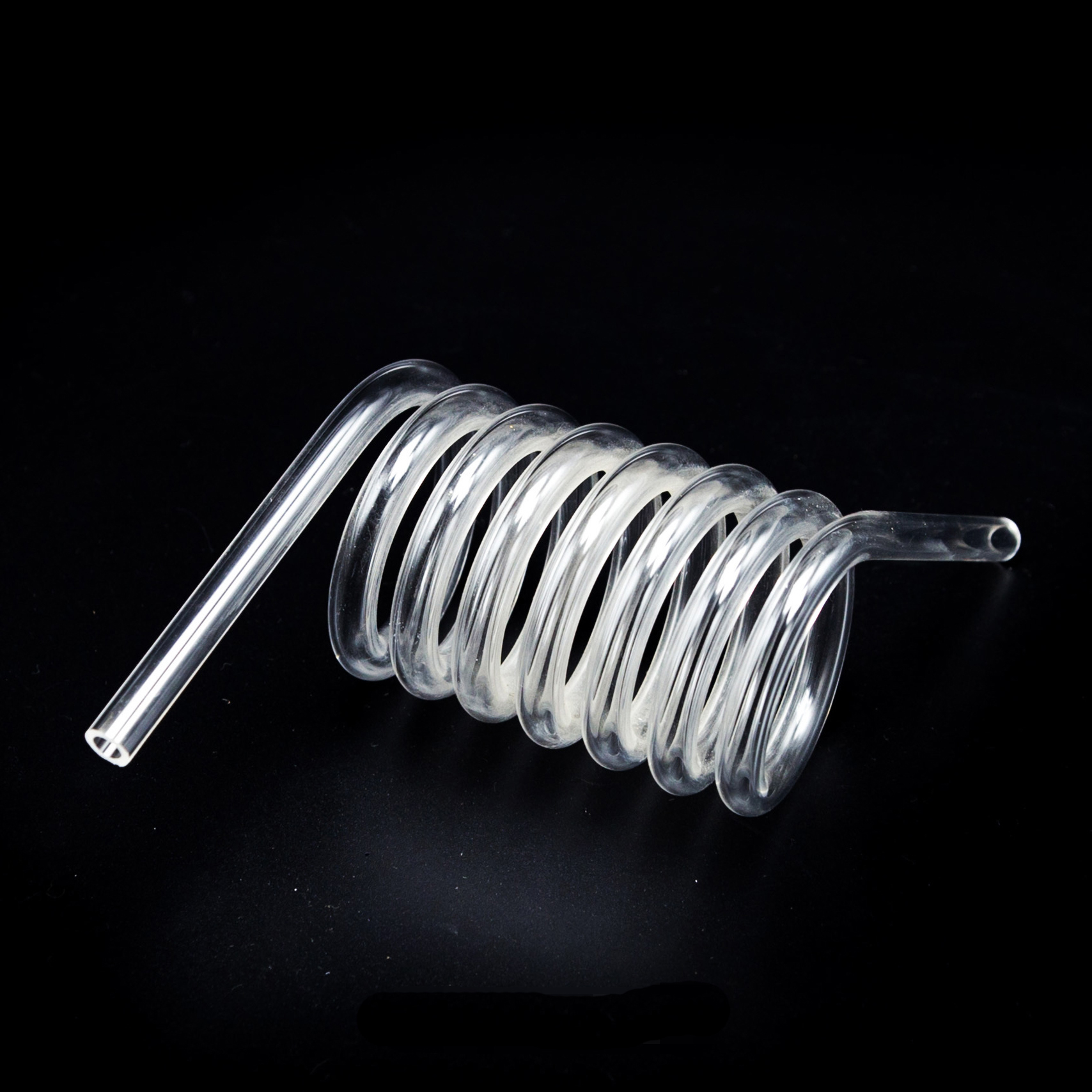
Factory Hot Sale High Purity Polished Clear Quartz Spiral/Bent/Custom Rods & Tubes
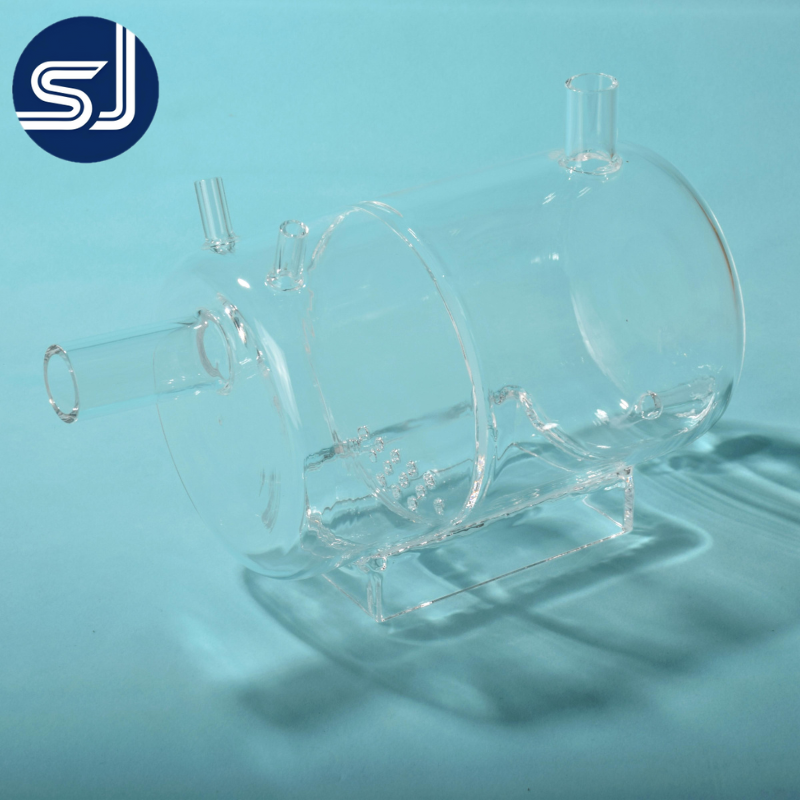
SJ QUARTZ Corrosion-Resistant 99.99% SiO2 1100°C Quartz Flow Splitting Bottle
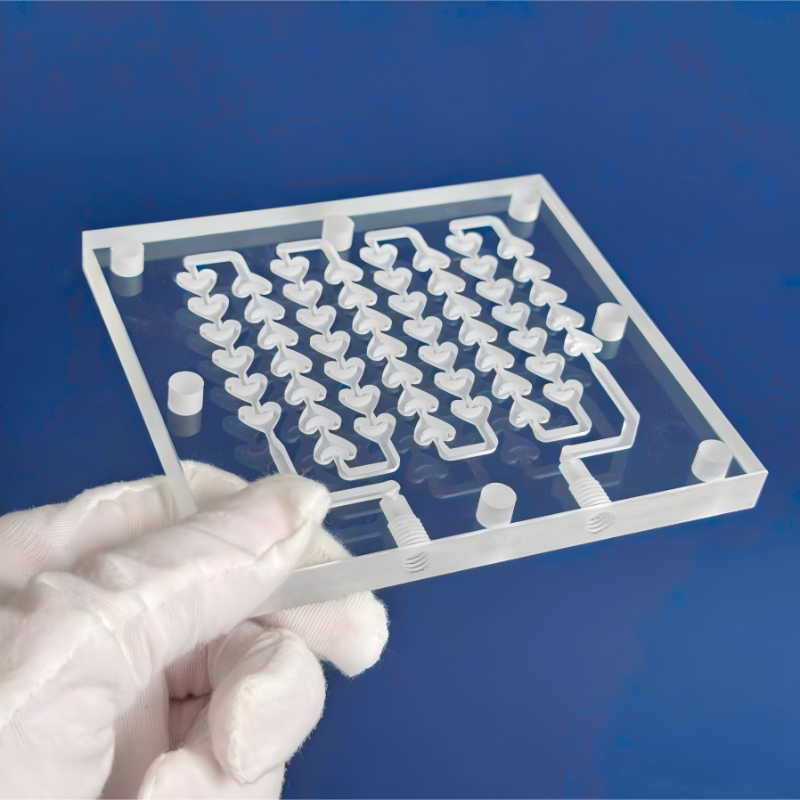
High Thermal Conductance 1750°C Melting Point Heat-Exchange Quartz Discs & Chips
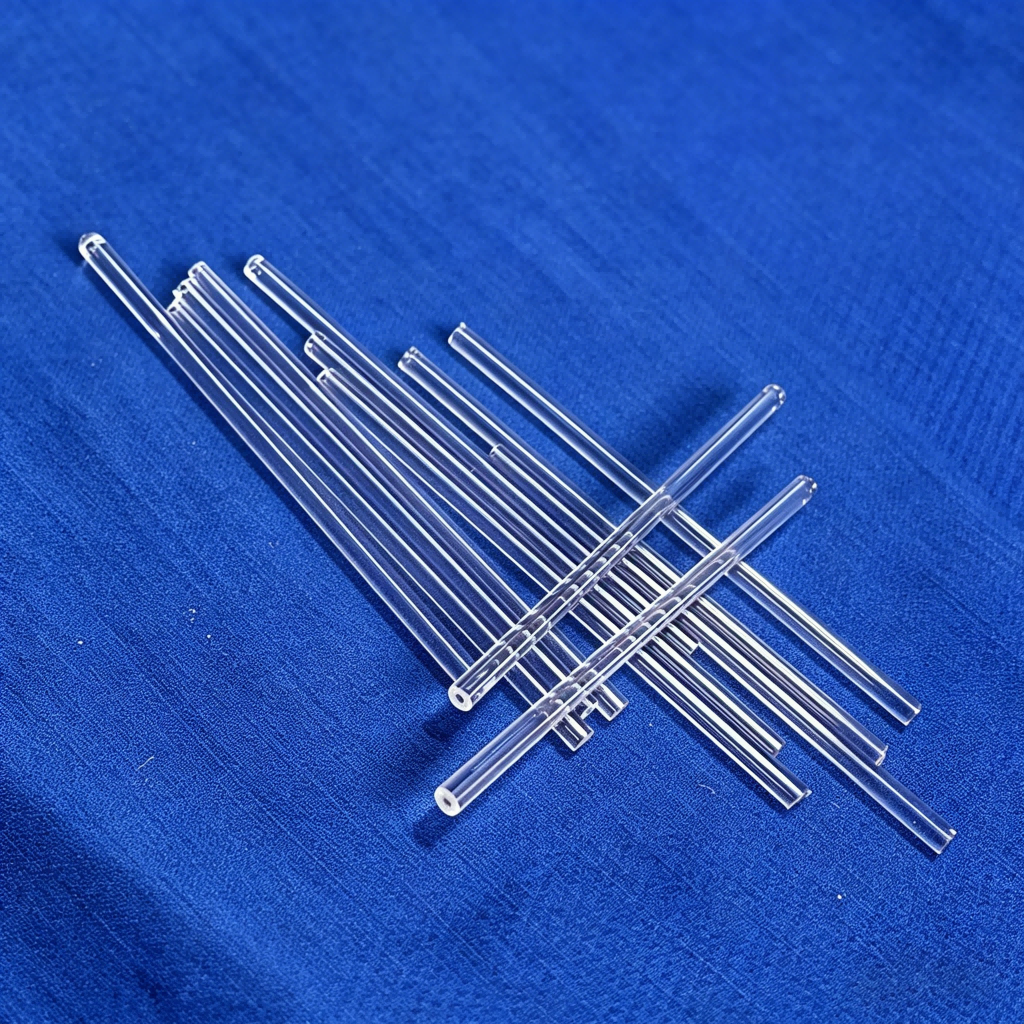
High Purity Opaque & Clear Micro Capillary Quartz Glass Tube/Rod (2–10mm OD)
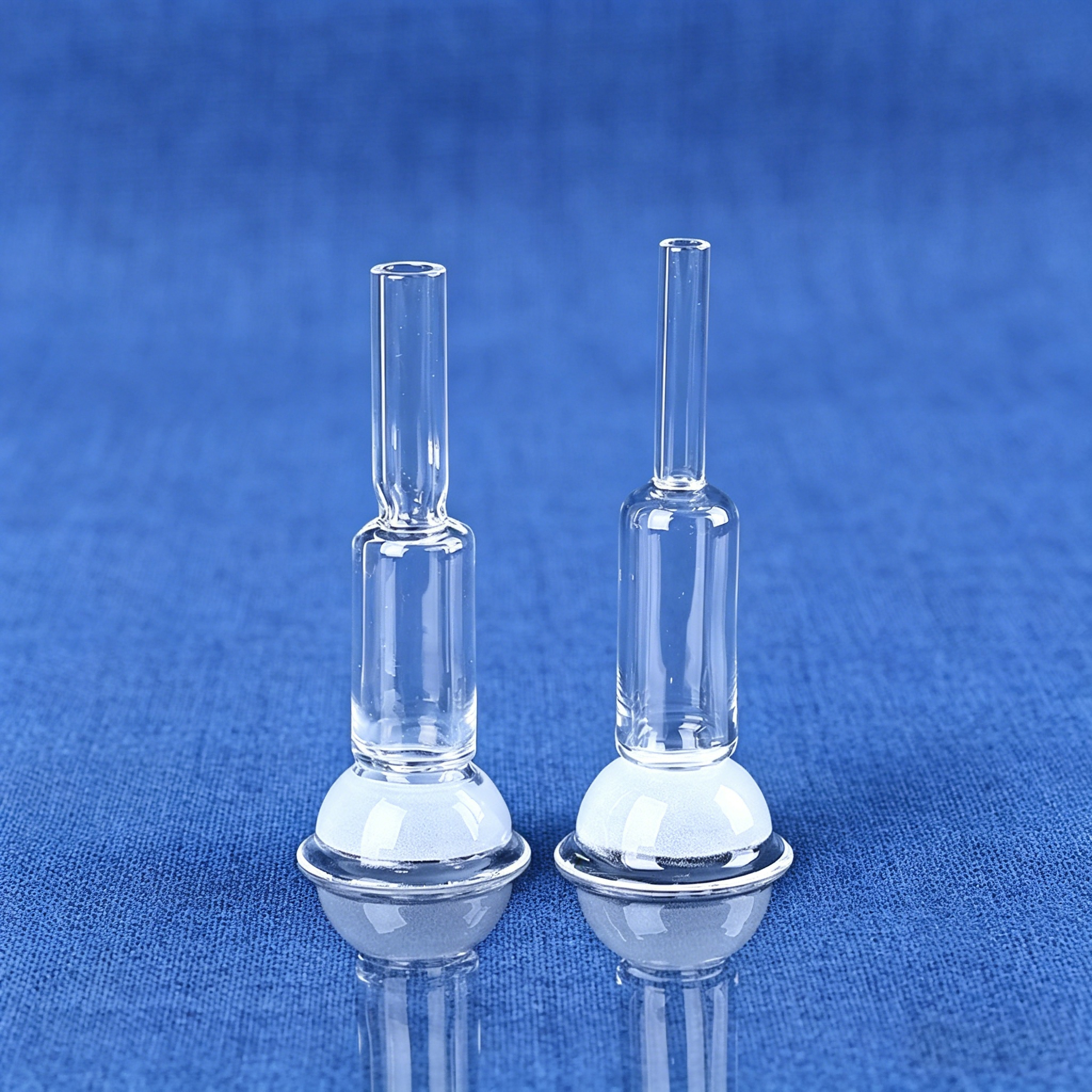
Custom High Purity Quartz C-Shaped Small-Sized BET Surface Area Reactor Tube
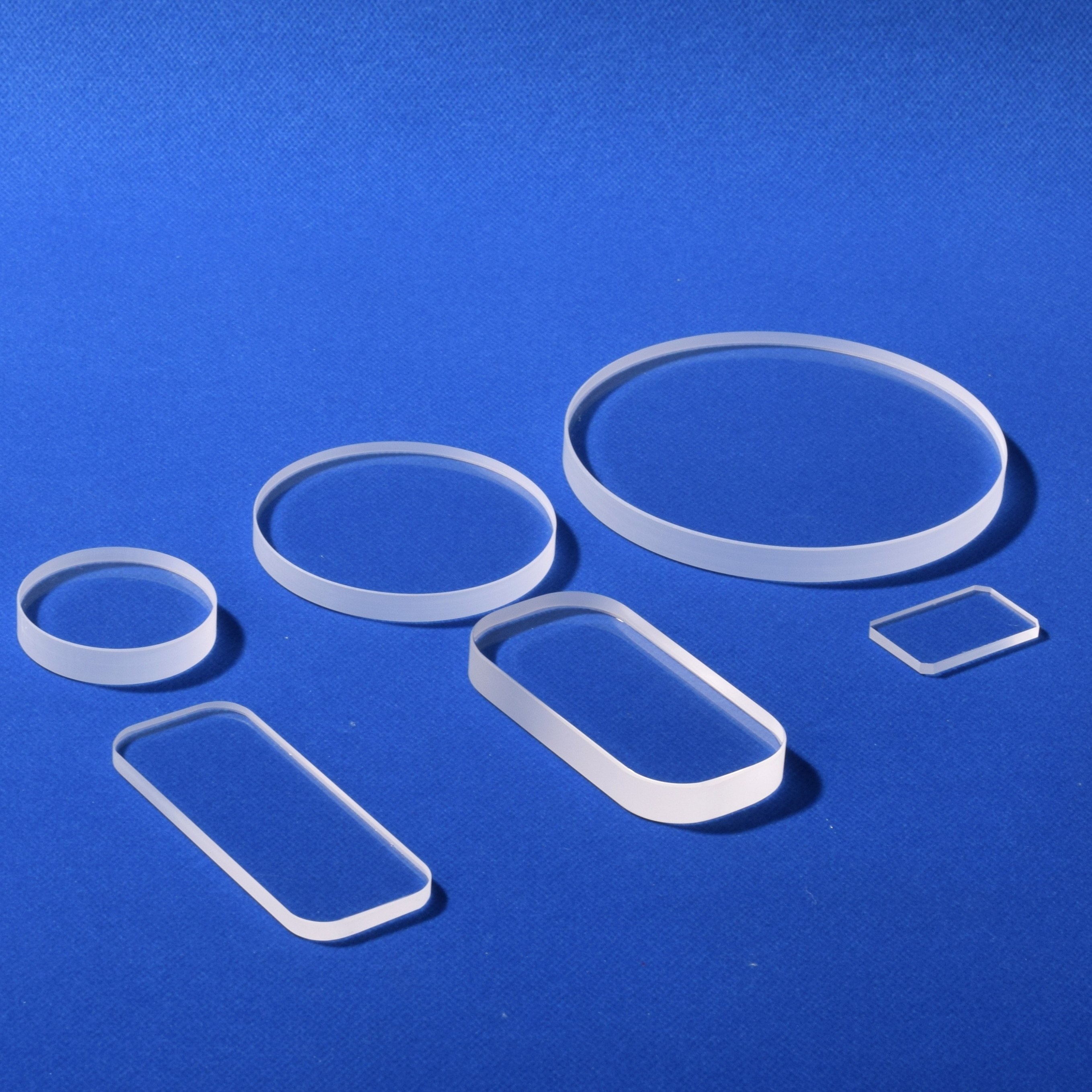
Sophisticated High Transmittance Heat-Resistant Quartz Glass Sight Window
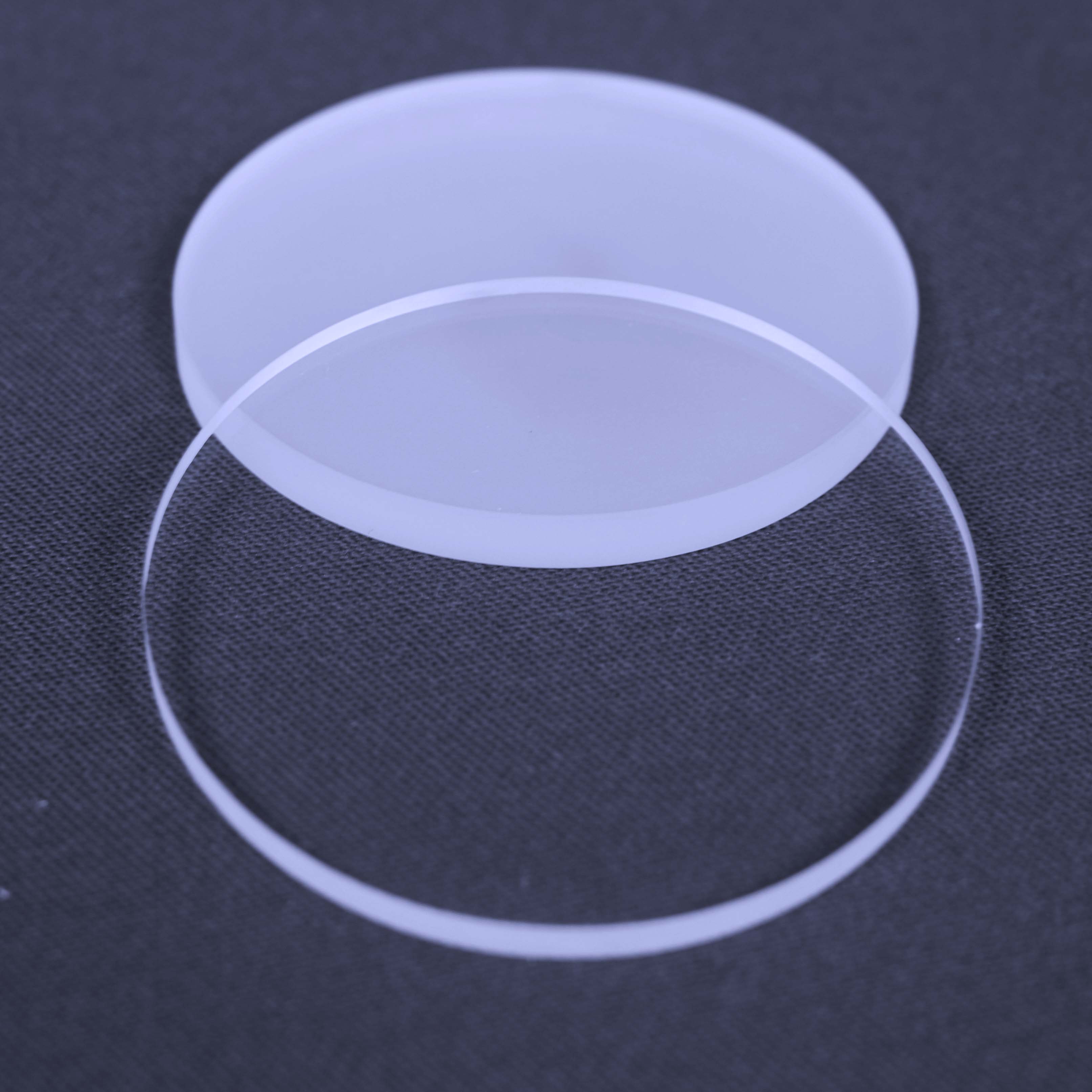
XRD Quartz Sample Holder High Transmittance Clear Plate Circular Optical Grade
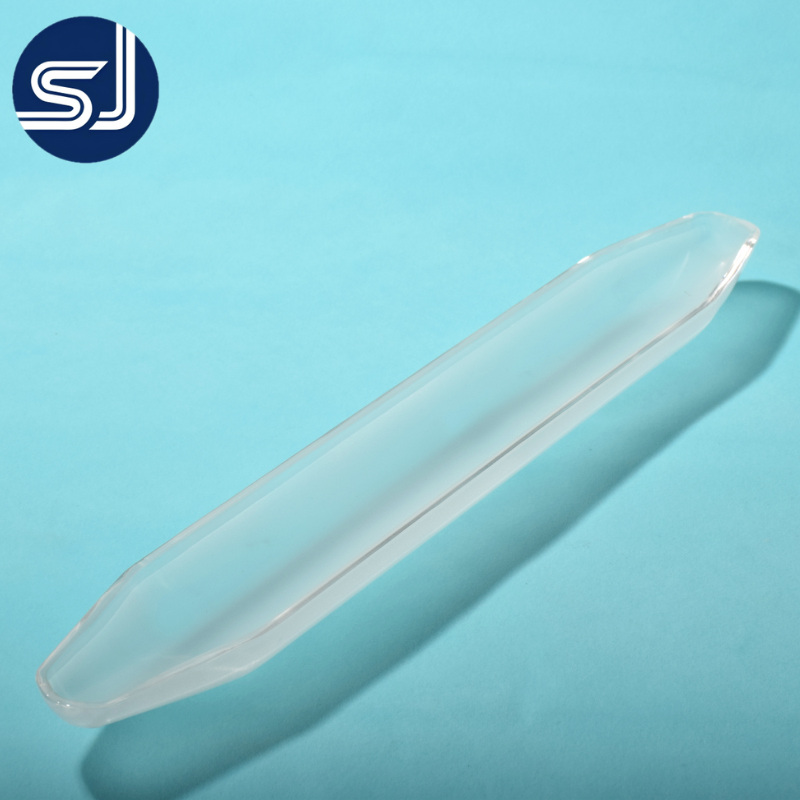
SJ 140 Customizable Transparent High Purity 99.999% Polished Quartz Boat
1. Executive Engineering Summary: Clear Quartz Rod Sourcing in Lviv
The municipal and regional industrial framework of Lviv, Ukraine, encompassing the surrounding Western Ukrainian technological corridor extending toward the Polish border (Przemyśl–Rzeszów trade gateway), has witnessed a profound structural shift toward high-precision material processing. Academic laboratories, military-tech innovators, bio-analytical startups, and specialized optoelectronics workshops centered around the Ivan Franko National University of Lviv and the Lviv Polytechnic National University require high-integrity clear fused quartz rods (fused silica boules and cylindrical stock) exhibiting minimal bubble inclusions, virtually non-detectable metallic contamination, and near-zero coefficient of thermal expansion ($5.5 \times 10^{-7}/\text{K}$).
Procuring optical-grade clear quartz rods involves far more than simply selecting raw glass dowels. Industrial buyers must navigate a distinct chemical distinction between Type I / Type II electric-arc or gas-fused natural quartz (derived from high-grade natural silica crystalline sand) and Type III / Type IV synthetic fused silica (synthesized through the chemical vapor hydrolysis of silicon precursors like $\text{SiCl}_4$). While synthetic silica yields ultra-pure performance in the deep ultraviolet spectrum (down to 185 nm) with negligible transition metals ($<0.1\text{ ppm}$ total Fe, Cu, Ni), natural fused quartz delivers superior structural rigidity, significantly higher resistance to thermal creep at elevated continuous service ranges ($1100^\circ\text{C}$ continuous, peaking at $1450^\circ\text{C}$), and substantially lower procurement expenditure for industrial furnaces, sight gauges, and plasma torches.
Because Western Ukraine lacks raw natural quartz refining mega-foundries, local manufacturers, scientific institutes, and original equipment manufacturers (OEMs) in Lviv depend upon an international procurement network. The most competitive, technically rigorous pathway connects direct Chinese precision foundries located in global raw-material clusters—specifically Donghai, Jiangsu Province (the recognized capital of crystal quartz production)—with verified European forwarding depots and direct cross-border air/freight logistics entering the Lviv Customs Terminal.
Material Metallurgy & Chemical Impurity Benchmarking (JGS1 vs. JGS2 vs. JGS3)
When evaluating clear quartz rod fabricators for export to Lviv, procurement engineers must benchmark incoming parts against standardized optical silica classifications. The following benchmark table provides the precise chemical, optical, and physical limits applied during factory-level quality assurance:
| Material Grade | Optical Transmission Band | Typical Hydroxyl ($\text{OH}^-$) Content | Total Metallic Impurity | Primary Industrial Use-Case |
|---|---|---|---|---|
| JGS1 (Synthetic Fused Silica) | 185 nm – 2500 nm (Deep UV to VIS) | <10 ppm to >1200 ppm (Grade specific) | <1.0 ppm Total | Laser optics, photolithography masks, deep-UV reactor windows, high-precision laser guides. |
| JGS2 (Fused Natural Quartz) | 220 nm – 2500 nm (Near UV to VIS) | <30 ppm to 150 ppm | <15.0 ppm Total | Standard clear quartz rods, laboratory stirrers, high-temp sight glasses, thermocouple wells. |
| JGS3 (Infrared Fused Quartz) | 260 nm – 3500 nm (VIS to Full IR) | <5 ppm (Vacuum Degassed) | <20.0 ppm Total | Infrared heating lamp envelopes, pyrometer protection rods, thermal sensing waveguides. |
| Ozone-Free Doped Silica | Absorbs <220 nm; Transmits VIS/IR | Standard natural range | Contains Ti / Ce trace dopants | UV curing systems, germicidal water sanitation lamps without ambient toxic ozone release. |
2. Top 10 Clear Quartz Rod Factory & Exporter Directory Serving Lviv
The following comparative evaluation establishes the top 10 verified manufacturers, international exporters, and regional specialty supply channels that provide clear quartz rods to precision engineering facilities, laboratories, and industrial enterprises in Lviv and Western Ukraine. Rankings reflect technical compliance, production scalability, TÜV/CE certifications, drawing-based OEM capability, and logistical reliability into Lviv.
Lianyungang Vulra Quartz Products Co., Ltd.
Core Strengths: Rooted in the world's crystal raw material hub (Donghai County), Vulra Quartz operates integrated flame-working lathe lines and CNC cold machining workshops. Delivers natural fused quartz rods from 1 mm to 150 mm diameter with tight diametrical tolerances (±0.05 mm), continuous $1100^\circ\text{C}$ performance, and $1683^\circ\text{C}$ softening points. Supported by drawing-based rapid prototyping starting from 1 piece, CE/RoHS certifications, and direct export packing tailored for Western Ukrainian air/rail freight.
Heraeus Conamic (Regional Central Europe Network)
Core Strengths: Renowned global leader in high-purity synthetic fused silica (Suprasil series) and natural fused quartz (HSQ series). Frequently selected by high-end semiconductor fabricators and laser laboratories in Lviv for ultra-demanding laser transmission rods, though lead times and raw material unit pricing carry a substantial premium compared to direct manufacturing hubs.
QSIL GmbH Glass Solutions
Core Strengths: Specializes in electric and plasma-fused silica tubes and cylindrical quartz ingots. Supplies regional European instrument makers with hollow and solid rods designated for solar furnace environments, high-temperature furnace sight rods, and specialty lamp envelopes. Regional shipments reach Western Ukraine via Polish overland freight.
Saint-Gobain Quartz (Quartzel Portfolio)
Core Strengths: Focuses heavily on high-tensile fused quartz fibers, fine wool, and specialized optical-grade drawn rods for aerospace and extreme chemical applications. Offers ultra-low thermal expansion and superior dielectric insulation under radar and microwave applications utilized by defense-adjacent R&D groups in Lviv.
Momentive Technologies (Formerly GE Quartz)
Core Strengths: Renowned for Type 214 fused quartz rods and tubes, widely regarded as the historical benchmark for semiconductor furnace diffusion lines and quartzware welding rods. Highly standardized chemical purity and low sagging rates; imported into Ukraine primarily via authorized European chemical distribution houses.
Tosoh Quartz Corporation
Core Strengths: Excels in sub-nanometer cleanroom quartzware fabrication, producing ultra-high purity quartz rods engineered for robotic wafer handling wands, chemical vapor deposition (CVD) components, and micro-machined capillary assemblies serving advanced microelectronic ventures.
TopSip Specialty Quartz & Glass
Core Strengths: A specialized Central European cold-working and hot-lathe glassblowing atelier. Focuses on taking raw imported fused quartz rods and converting them into tailored analytical instrumentation parts, photochemical reactor stirrers, and sight-glass gauges for Eastern and Central European academic projects.
Hilgenberg GmbH
Core Strengths: Renowned worldwide for thin micro-capillaries, micro-rods, and precision-drawn quartz tubes ranging from 0.1 mm to 3 mm outer diameter. Widely utilized in medical sensor encapsulation, fiber optic splices, and micro-electrophoresis systems across Lviv's biotechnology laboratories.
Pol-Quartz Logistics & Distribution Hub
Core Strengths: Situated strategically along the Polish-Ukrainian transit corridor, stocking standard-dimension fused quartz rods and pyrex-to-quartz graded seals. Acts as a rapid delivery intermediary for industrial clients throughout Galicia, providing same-week delivery on baseline stock dimensions.
Lviv Advanced Photonics & Glass Fabricators
Core Strengths: A localized cooperative of scientific glassblowers, optical polishers, and university technicians operating in Lviv. While lacking raw ingot smelting kilns, they import semi-finished clear quartz rods from tier-1 Chinese manufacturers (such as Vulra) to perform local diamond sawing, polishing, bending, and urgent equipment repair.
3. Localized Industrial Applications Across the Lviv Tech Cluster
The economic and technological ecosystem of Lviv presents distinct application scenarios for optical and technical clear quartz rods. From university research hubs in the central Frankivskyi and Sykhiv districts to specialized manufacturing facilities near the Horodok and Shevchenkivskyi industrial parks, fused silica provides critical performance characteristics where conventional borosilicate glasses fail:
Laser Resonators & Defense Photonics
Western Ukraine's burgeoning defense-technology initiatives require high-transmittance clear quartz rods as light guides, flashlamp envelopes, and laser cavity supports. Fused silica’s high optical damage threshold (>10 J/cm² at 1064 nm) ensures stability under high-intensity pulsed optical loads without thermal lensing or solarization.
Academic Analytical Chemistry & XRD
Institutes under Lviv Polytechnic and Ivan Franko National University utilize optical-grade ground and polished quartz rods and sample stages for X-ray diffraction (XRD), BET surface area analysis, and spectrophotometry, capitalizing on zero background diffraction scatter and acid-insoluble purity.
Municipal UV-C Water Disinfection
Lviv’s municipal infrastructure projects (such as Lvivvodokanal water rehabilitation programs) employ heavy-walled clear quartz protection tubes and transparent support rods inside high-output 254 nm UV-C reactor chambers to eliminate waterborne pathogens while resisting mineral encrustation and continuous hydrostatic pressure.
Photovoltaic & Semi-Conductor Tooling
Regional solar module repair shops and microelectronic testing labs require high-purity quartz carrier rods, welding filler rods, and thermocouple protection tubes capable of surviving repetitive insertion cycles inside 1100°C horizontal tube furnaces with zero wafer contamination.
Thermal Shock Sight Glasses & Pyrometry
Industrial boiler plants, glass furnaces, and foundry melting crucibles across the Lviv Oblast integrate thick-section polished quartz rods as direct optical pyrometer sight gauges, accurately transmitting radiant blackbody radiation without distortion across sudden 1000°C temperature deltas.
Electrochemical Sealed Cells & Electrodes
Next-generation energy storage research and catalytic sensor manufacturers in Lviv rely on precision-drawn quartz rods as inert non-conductive mounting rods, electrode guide posts, and micro-electrolysis chamber spacers that withstand boiling nitric, sulfuric, and hydrochloric acid vapors.
4. Supply Chain Dynamics: Shipping Fused Quartz Safely into Lviv
Sourcing technical quartz into Ukraine in the current trade climate demands a deep operational understanding of freight corridors, dual-use customs classifications, and specialized physical packing methods. Fused quartz rods, while exhibiting immense compressive strength ($\approx 1100\text{ MPa}$), possess a high Young's modulus ($72\text{ GPa}$) and low fracture toughness ($K_{1c} \approx 0.79\text{ MPa}\cdot\text{m}^{1/2}$), rendering them susceptible to brittle harmonic shock during overland trucking over uneven roadways.
Logistics Routing via the Polish-Ukrainian Border
Direct shipments originating from the factory base in Donghai, China are consolidated at international freight centers (such as Shanghai or Zhengzhou) and air-freighted into major European air hubs—predominantly Warsaw Chopin Airport (WAW) or Rzeszów-Jasionka (RZE). From Rzeszów, dedicated bonded cargo trucks route directly across the Polish-Ukrainian border crossing at Korczowa–Krakovets or Medyka–Shehyni into the Lviv Customs Terminal (Lviv Regional Customs, Horodotska St.).
Standard transit schedules achieve an average of 7 to 10 days for expedited air express cargo, or 28 to 35 days via multimodal rail-truck transit through the Malaszewicze rail terminal. Custom drawing prototyping (1 to 5 pieces) is typically cleared via door-to-door courier services (DHL/FedEx) operating coordinated customs protocols directly into Lviv tech facilities.
Export Packing Specifications for Zero Breakage
To ensure 100% arrival integrity across long-distance transit, Vulra Quartz adheres to an engineered 4-Tier Anti-Vibration Packaging Protocol:
- Layer 1 (Surface Passivation): Every individual quartz rod is enclosed in electrostatic dust-free PE sleeves and sealed with non-marking silica tape to prevent micro-frictional surface scratches that create stress-concentration fracture points.
- Layer 2 (Cellular Isolation): High-density Expanded Polyethylene (EPE) closed-cell foam inserts feature CNC-milled channels, ensuring each rod is completely suspended without glass-to-glass contact.
- Layer 3 (Double-Wall Inner Corrugation): EPE blocks are sealed inside heavy-duty K=K double-wall corrugated cartons reinforced with moisture barrier desiccants.
- Layer 4 (Reinforced ISPM-15 Plywood Crates): For export shipments exceeding 15 kg or lengths over 500 mm, cartons are encased in heat-treated export plywood crates fitted with steel edge strapping, anti-tipping indicators (TiltWatch), and shock-monitoring sensors.
5. Enterprise Capabilities: Lianyungang Vulra Quartz Products Co., Ltd.
Operating directly out of No. 9, Dingxin Road within the Jiangsu Donghai Economic Development Zone, Vulra Quartz represents an audited, on-site verified custom manufacturer (TÜV Rheinland Supplier Assessment Verified). Unlike generic trading brokers, Vulra integrates the entire quartz manufacturing cycle under one factory roof:
Donghai Quartz Sand
Immediate access to local 99.999% purity natural crystalline silica sand, reducing raw material volatility and delivering superior price-performance value.
Hot & Cold Tooling
Oxy-hydrogen flame-working lathes, diamond-blade CNC dicing, circular centerless grinding, laser drilling, and double-sided optical polishing machines.
Stress Annealing
High-capacity electric kilns provide programmed strain-point annealing up to 1210°C, fully neutralizing thermal stress from welding and bending operations.
1-Piece Prototyping
Engineering review of 2D/3D CAD drawings (DWG, STEP, PDF) with full tolerance analysis; sample prototypes manufactured with no high MOQ barriers.
Inside Our Precision Quartz Production Workshops
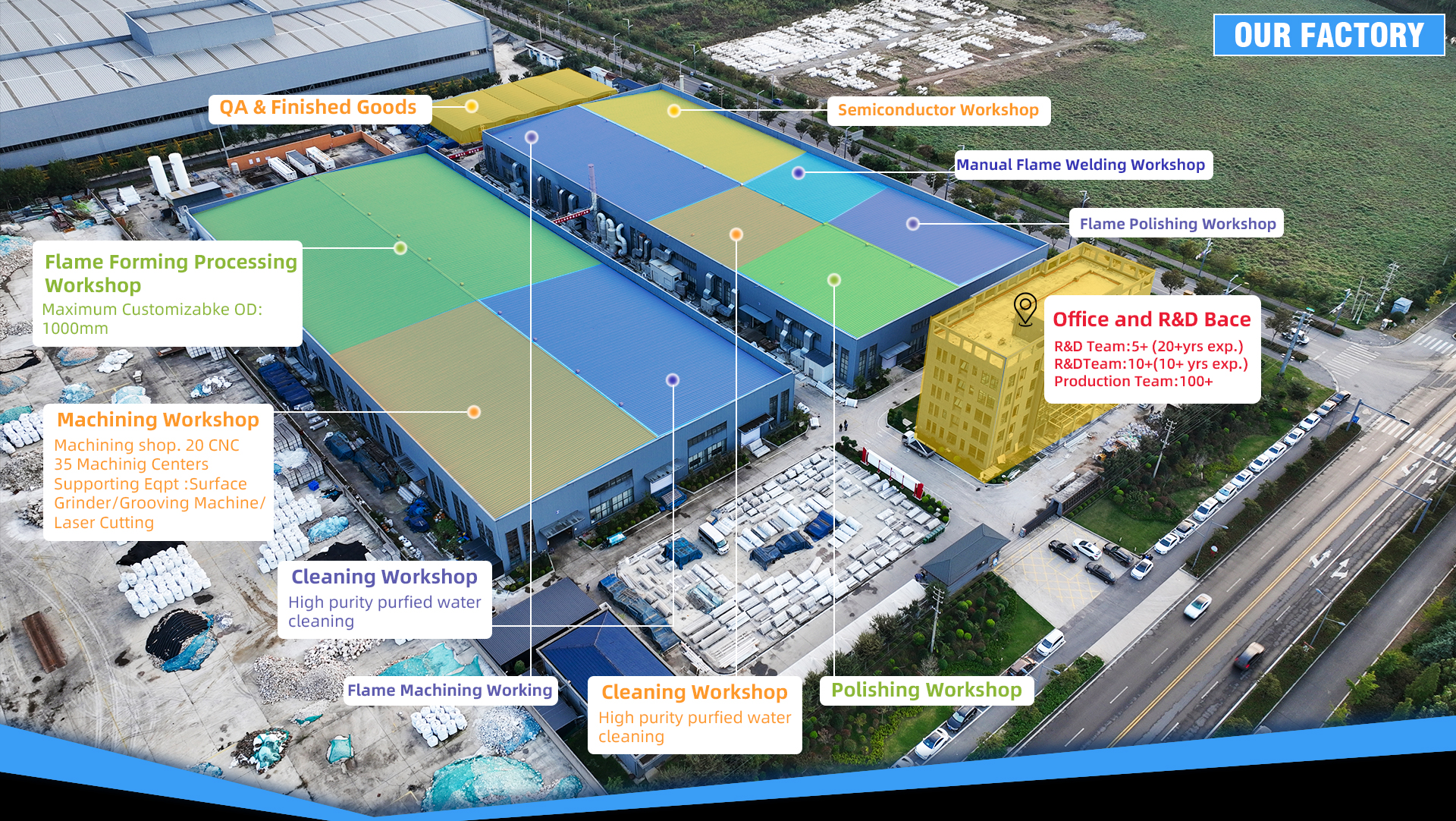
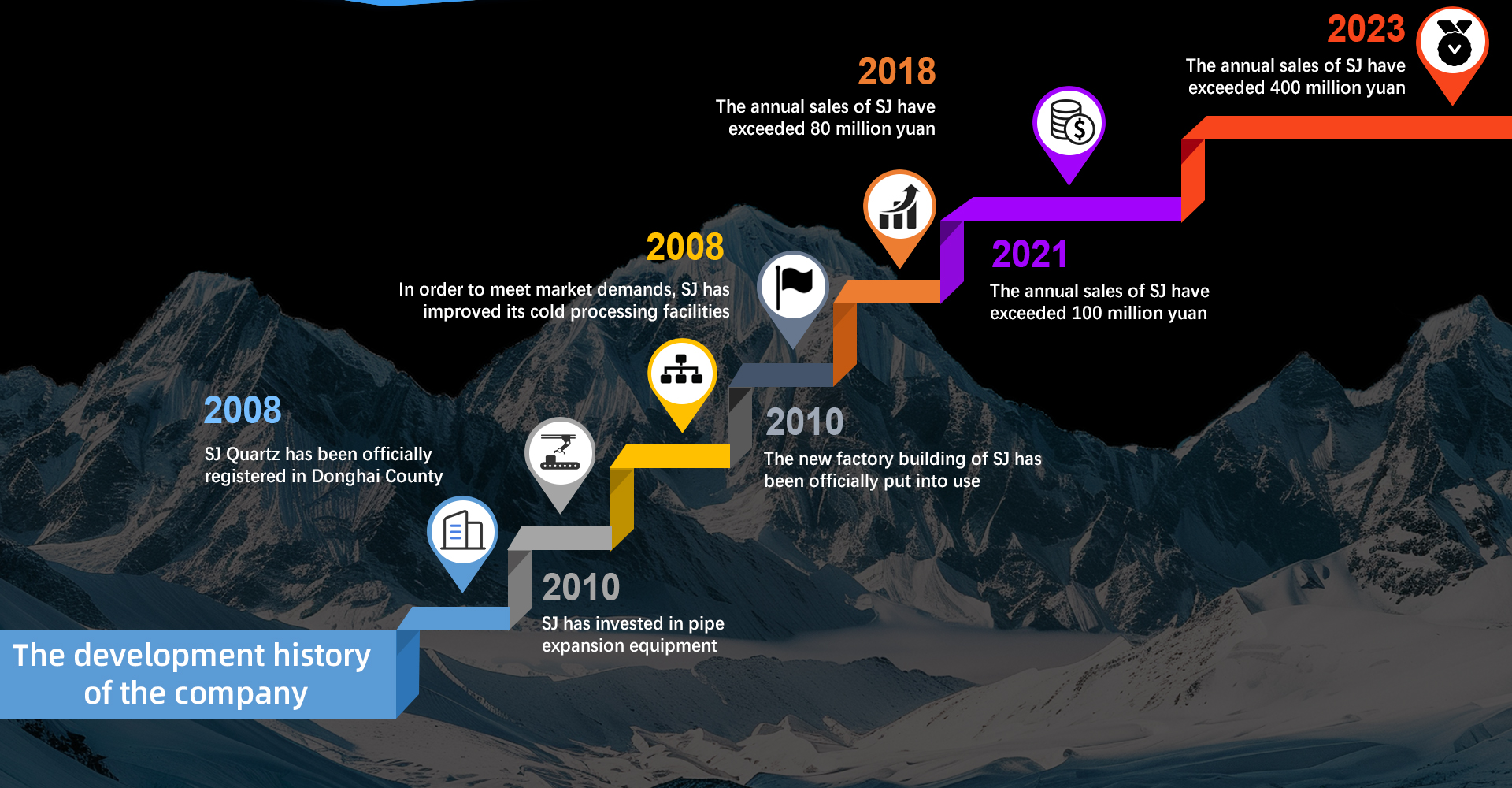
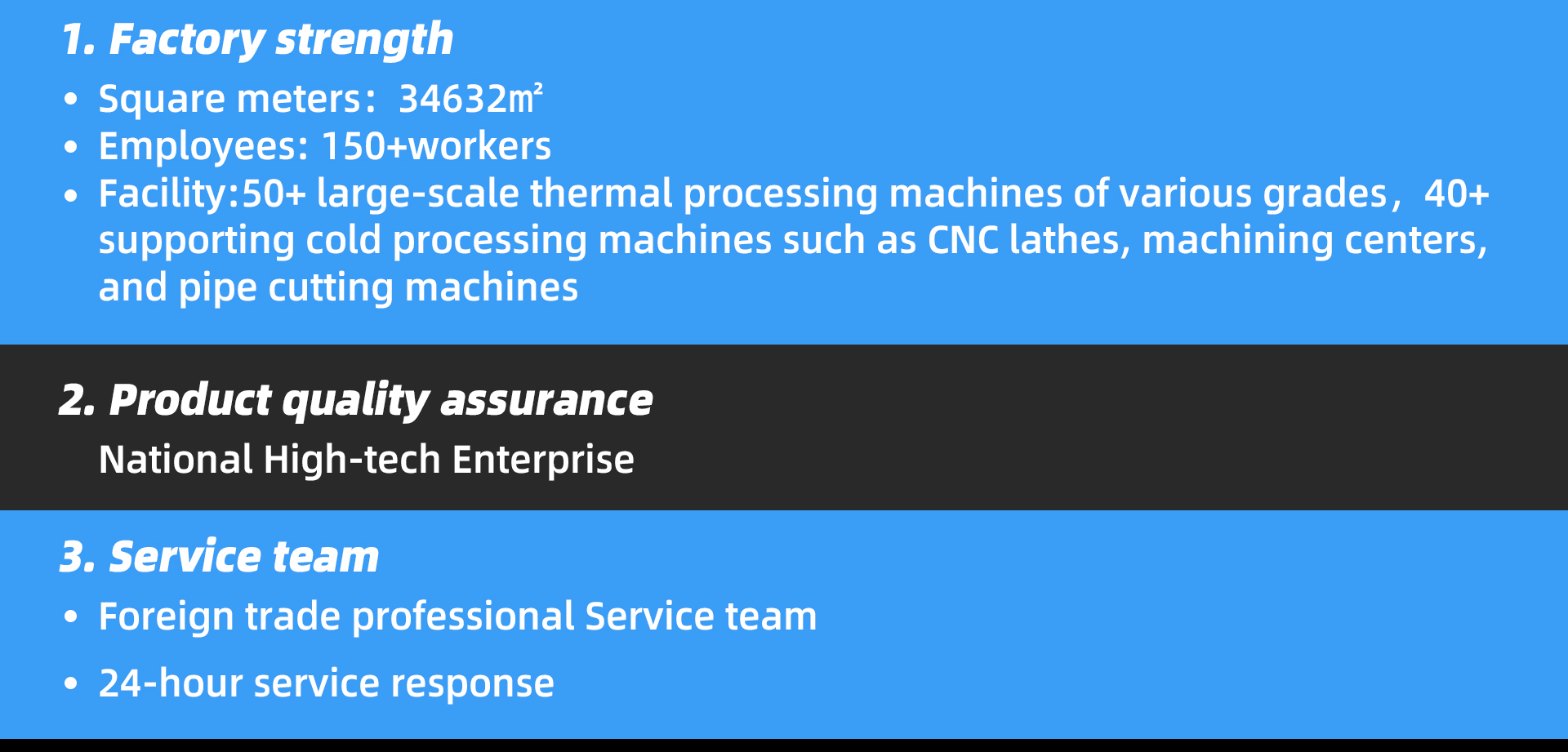
Every production batch destined for Lviv undergoes multi-stage quality assurance: dimensional verification via optical comparators, chemical leaching assays, bubble classification in compliance with DIN 3140 / ISO 10110-3, and polariscopic residual strain evaluation.
6. Frequently Asked Questions (FAQ) for Lviv Sourcing Specialists
These technical questions reflect actual procurement inquiries, customs specifications, and thermal engineering challenges faced by manufacturing and lab procurement directors in Western Ukraine.
What is the standard diametrical tolerance and maximum length for clear quartz rods? +
Standard drawn clear quartz rods range from 1 mm to 50 mm diameter with a standard tolerance of ±0.15 mm to ±0.3 mm. Through centerless diamond grinding and precision optical lap-polishing, Vulra Quartz achieves fine tolerances down to ±0.02 mm to ±0.05 mm. Standard stock lengths run up to 1200 mm or 2000 mm, but custom continuous rods or dicing down to ultra-precise 1.0 mm discs can be manufactured according to customer engineering drawings.
How does clear quartz perform under instant thermal shock (ΔT) compared to borosilicate glass? +
Borosilicate 3.3 glass has a linear coefficient of thermal expansion (CTE) of approximately $3.3 \times 10^{-6}/\text{K}$ and can withstand thermal shocks of $\Delta T \approx 100^\circ\text{C}$ to $150^\circ\text{C}$. In contrast, fused quartz possesses an ultra-low CTE of $5.5 \times 10^{-7}/\text{K}$—nearly six times lower than borosilicate. A clear quartz rod can be heated uniformly to 1100°C and plunged directly into ice water ($20^\circ\text{C}$) without shattering, making it the material of choice for Lviv foundries and pyrometric sight gauges.
What customs code (HS Code) is applied when clearing fused quartz rods into Ukraine? +
Fused quartz rods and tubes are classified under Ukrainian Customs HS Code 7002.20.10.00 (Tubes and rods of fused quartz or other fused silica, unworked) or 7002.39.00.00 / 7017.10.00.00 when converted into finished laboratory/optical apparatus. Vulra Quartz provides compliant international commercial invoices, packing lists with net/gross weights, CE certificates of origin, and material declaration sheets confirming compliance with non-military chemical inertness standards.
Can Vulra Quartz fabricate custom bent, drilled, or slotted rods from our CAD drawings? +
Yes. As a verified custom manufacturer, Vulra Quartz processes 2D/3D technical files (.DWG, .DXF, .STEP, .PDF). Our machine shop performs hot flame bending (C-shapes, helical spirals, hairpin loops), diamond core-drilling (through-holes, blind cavities), ultrasonic slotting, and precision flame or optical-flat end polishing. Every drawing is reviewed for wall-thickness stress concentrations prior to production.
What bubble and inclusion grade is guaranteed for optical-grade quartz rods? +
We classify our optical rods in accordance with DIN 3140 / ISO 10110 Part 3. For standard technical and thermal furnace rods, minor air lines and micro-bubbles ($<0.1\text{ mm}$) that do not affect structural strength are permitted. For optical and laser transmission rods (JGS1/JGS2 Optical Grade), rods are certified bubble-free under visual polariscopic inspection, ensuring zero scattering centers across the designated optical transmission clear aperture.
How are warranty and transit damage claims handled for shipments delivered to Lviv? +
All export shipments leaving our Donghai factory are insured under full CIF/CIP terms. In the rare event of transit breakage caused by extreme mechanical handling at border checkpoints, clients in Lviv simply provide high-resolution photos and dimensional confirmation of the damaged parts within 7 calendar days of receipt. Vulra Quartz provides priority fast-track remanufacturing and free replacement air shipment without bureaucratic delays.
What payment mechanisms are standard for B2B engineering orders to Ukraine? +
To accommodate established institutional and industrial procurement protocols, Vulra Quartz supports international SWIFT Wire Transfers (USD and EUR currencies), documentary Letters of Credit (L/C) for commercial batch volumes, and secure online escrow/credit card channels for prototype sampling runs. Proforma invoices contain complete IBAN and international banking routing credentials.
What is the chemical resistance of your clear quartz rods when exposed to concentrated acids? +
Fused quartz offers exceptional inertness to almost all chemical agents. It is completely inert to concentrated boiling nitric ($\text{HNO}_3$), sulfuric ($\text{H}_2\text{SO}_4$), and hydrochloric ($\text{HCl}$) acids, as well as organic solvents. The only substances that actively corrode fused silica are hydrofluoric acid ($\text{HF}$) at room temperature and concentrated phosphoric acid ($\text{H}_3\text{PO}_4$) at temperatures exceeding $150^\circ\text{C}$.
Ready for a Technical Review of Your Quartz Specification?
Submit your 2D/3D part drawing, dimensional requirements, or project bill of materials. Vulra Quartz’s engineering team will assess material purity grade (JGS1/JGS2/JGS3), diametrical tolerances, thermal loads, and provide an export quote with direct logistics to Lviv.