Standard & Custom Optical Components Ready for Mogilev Deliveries
Direct manufacturer supply for analytical chemistry, UV-Vis spectrophotometry, XRD diffraction, and high-temperature photochemical applications across Mogilev Oblast.
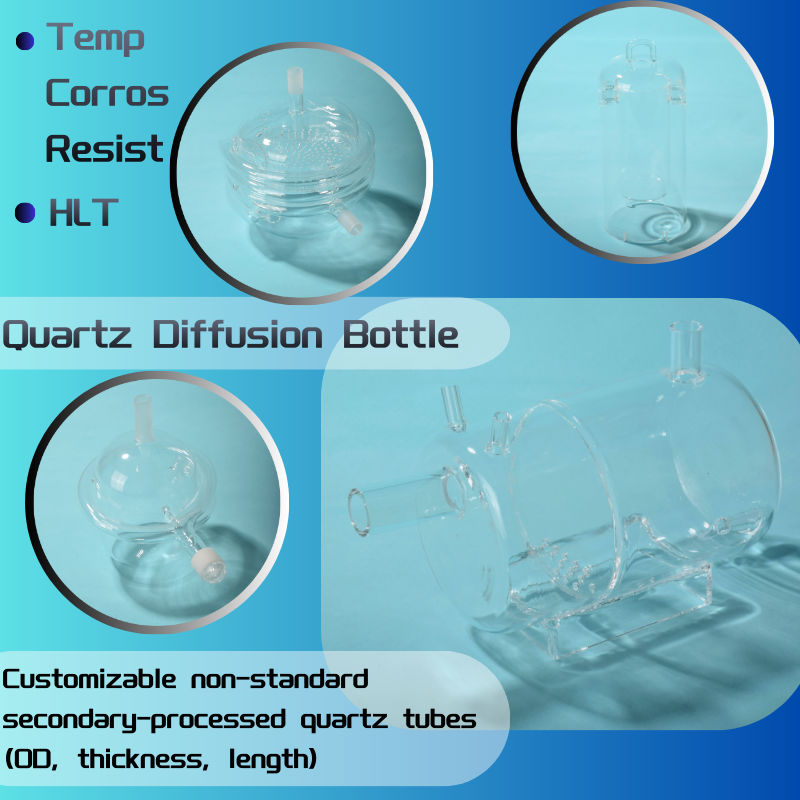
SJ 135 Custom High Purity Clear Quartz Tube Condensers & Separatory Funnels
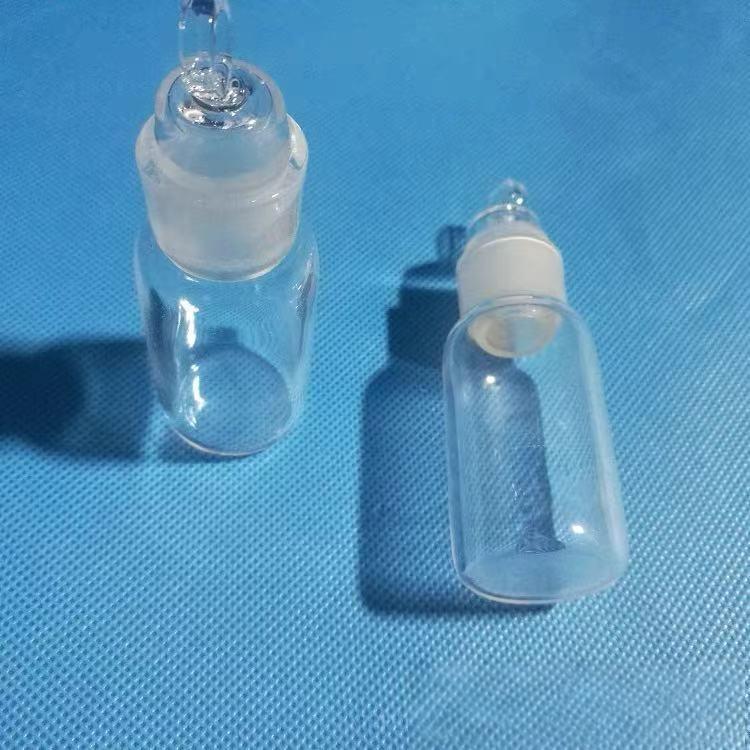
High-Corrosion Resistant Semiconductor 400 Mesh Laboratory Quartz
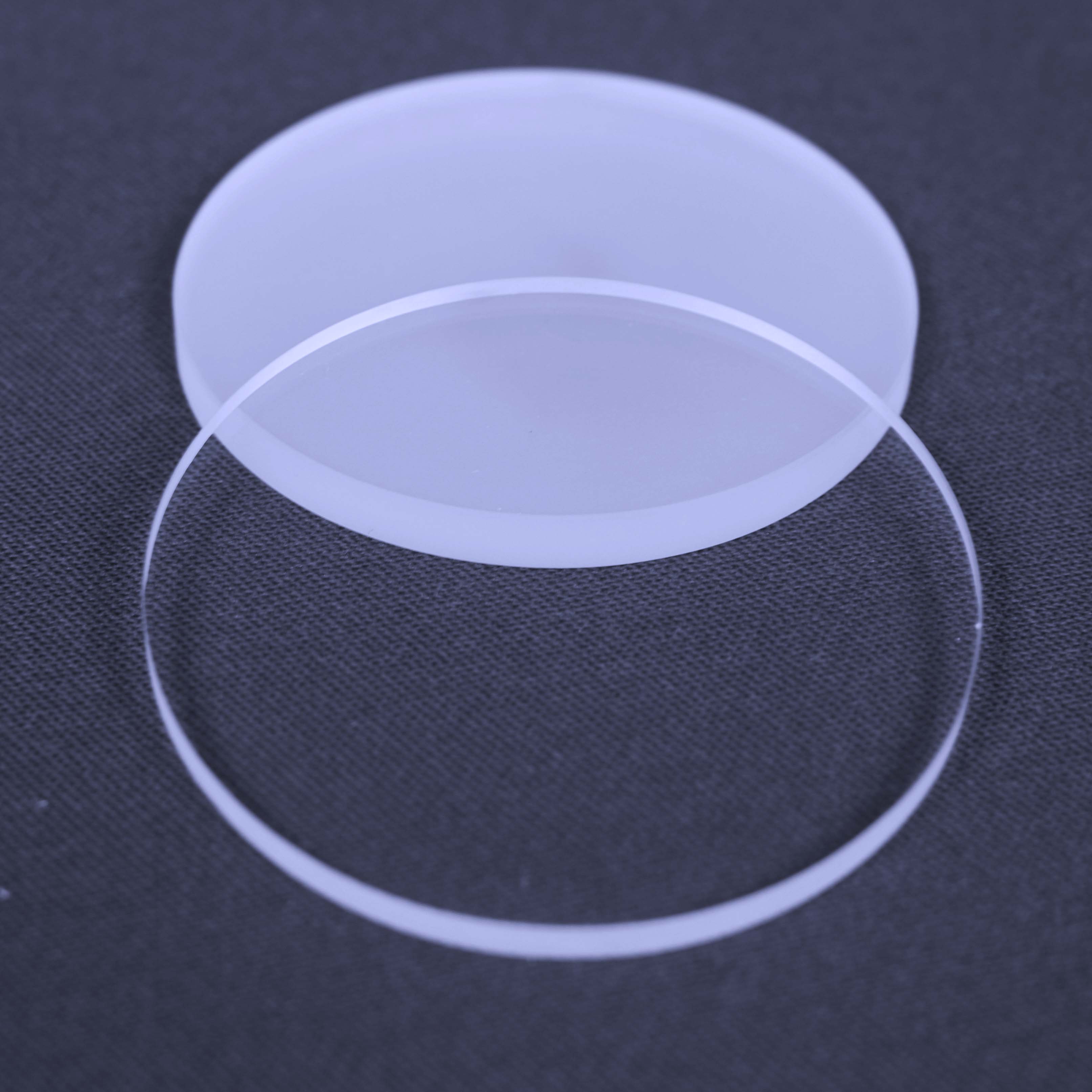
XRD Quartz Holder Test Samples High Transmittance Clear Circular Plate
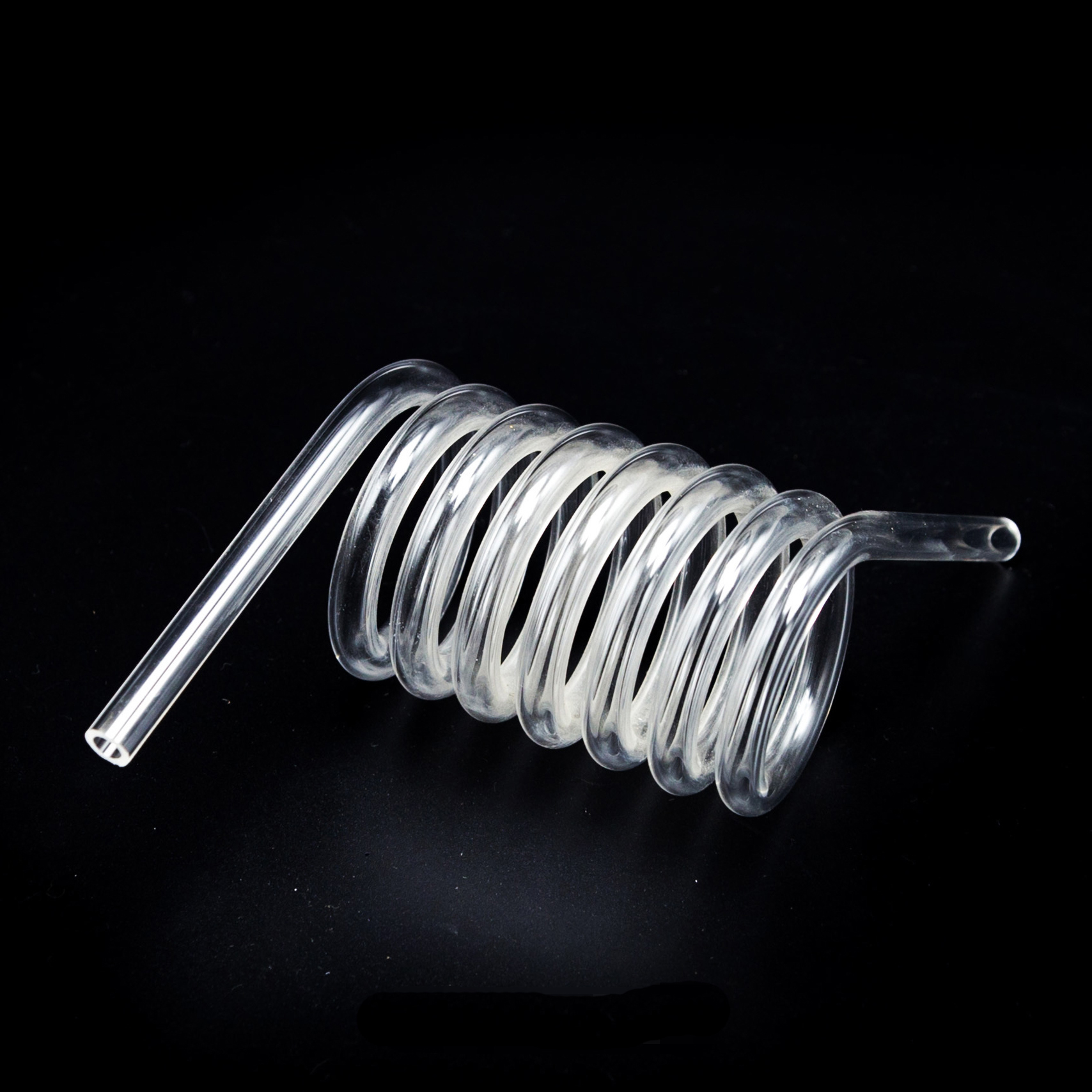
High Purity Polished Clear Quartz C Shape Spiral & Custom Bent Tubes
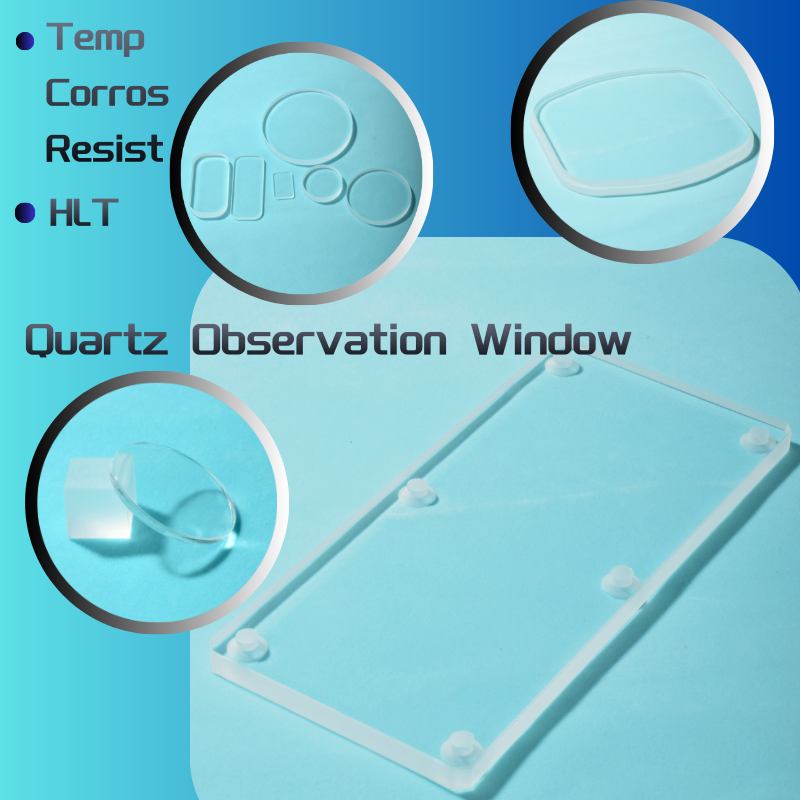
SJ Natural Fused Quartz Polished Plate Optical Clear Heat-Resistant Sheet
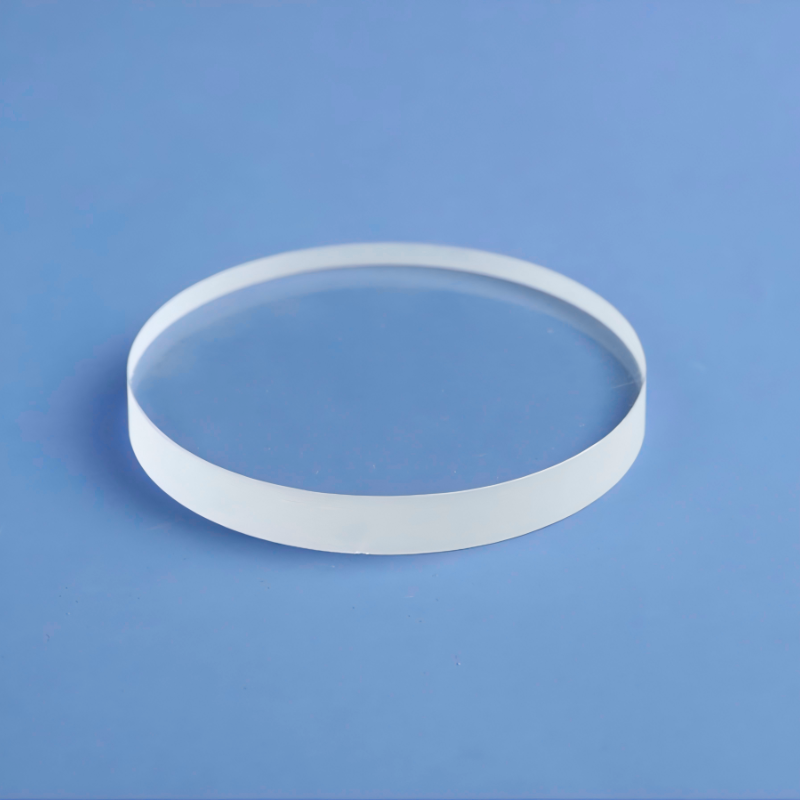
Clear Sapphire & Fused Silica Glass Tablets Customizable Polished Sheets
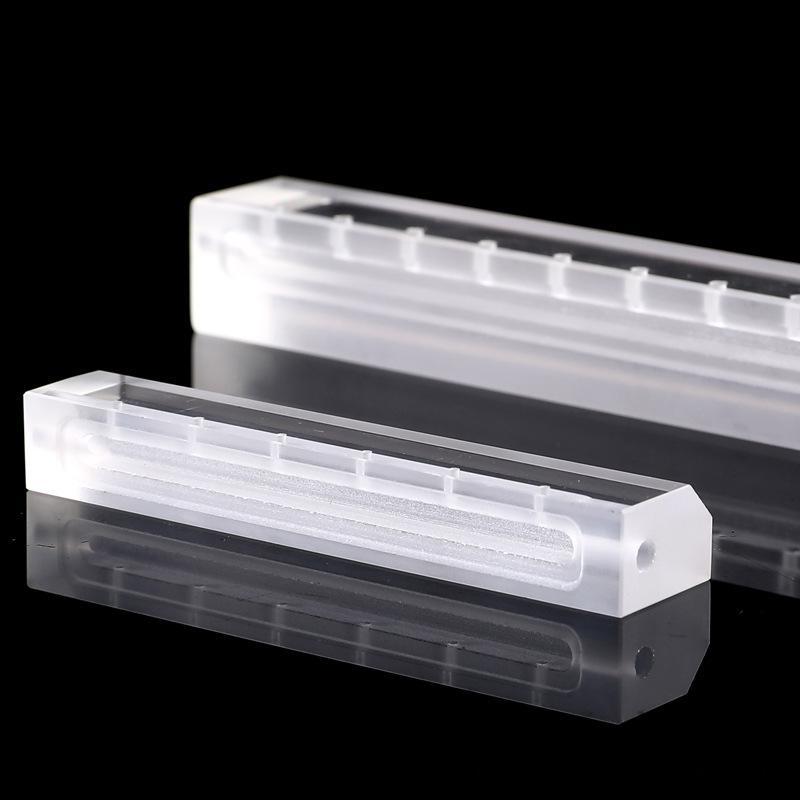
Clear Quartz Testing Sheet Ultra-Thin Optical Grade Circular Disc SJ 077
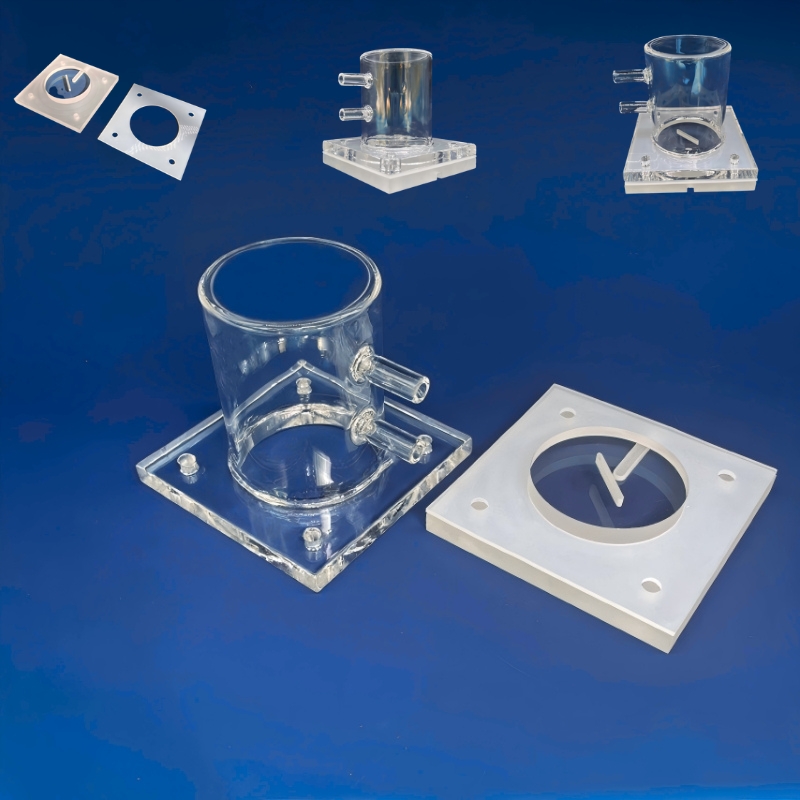
Quartz Photocatalytic Reactor Hydrogen & Oxygen UV Photodegradation Cell
High-Purity Quartz Cuvettes: Optical Metrology & Manufacturing Science
An in-depth analysis of spectroscopic transmission, molecular jointing, and optical pathlength stability for analytical laboratories and industrial monitoring stations in Mogilev.
1. Optical Transmission Physics: Far-UV to Near-Infrared Spectrum
In quantitative absorption spectroscopy governed by the Beer-Lambert law ($A = \varepsilon \cdot c \cdot l$), the optical transmission integrity of the cuvette window represents the definitive baseline limit of analytical precision. Commercial spectrophotometers in Mogilev’s chemical, polymer, and petrochemical testing centers rely on absorption readouts across wavelengths ranging from 190 nm (ultraviolet cutoff) to 2500 nm (near-infrared). Conventional borosilicate optical glass exhibits severe internal absorption band attenuation below 340 nm due to intrinsic trace iron ($Fe^{3+}$) and heavy metal oxides, rendering it useless for UV enzymatic assays, aromatic ring quantification, or nucleic acid determination at 260/280 nm.
Vulra Quartz manufactures spectrophotometric cuvettes using two primary synthetic and natural fused silica formulations: Far-UV Synthetic Fused Silica (JGS1 equivalent) and Optical Grade Fused Quartz (JGS2 equivalent). JGS1 is synthesized via the chemical vapor deposition (CVD) of volatile silicon tetrachloride ($SiCl_4$) in an oxygen-hydrogen flame, eliminating metallic impurities to levels below 0.1 ppm. This produces exceptional transmission exceeding 83% at 200 nm and over 90% across the 220–1100 nm window without solarization decay.
2. Molecular Fire-Fusion versus Adhesive Sintering
A catastrophic failure mode observed in low-tier laboratory cuvettes is boundary delamination and optical window clouding caused by adhesive degradation. Historically, cuvette manufacturers bonded side plates using epoxy adhesives or low-melting inorganic flux pastes. When exposed to aggressive organic solvents—such as dimethylformamide (DMF), dimethyl sulfoxide (DMSO), tetrahydrofuran (THF), chloroform, or concentrated inorganic acids used in industrial synthesis across Mogilev—adhesive seams dissolve, contaminate the analyte, and induce catastrophic optical misalignment.
Vulra Quartz utilizes high-temperature Direct Fire-Fusion & Thermal Fluxless Sintering. The quartz plates are diamond-milled to optical contact flatness ($\lambda/4$ per wavelength inch), assembled under cleanroom conditions, and exposed to localized oxy-hydrogen thermal radiation exceeding 1200°C. At this temperature, silicon dioxide molecules undergo solid-state boundary migration, creating an integrated, monolithic crystalline structure. The resulting fire-fused cuvette possesses uniform chemical resistance identical to raw fused quartz, capable of withstanding concentrated hydrochloric, nitric, and sulfuric acids (with the sole exception of hydrofluoric acid) and resisting thermal shocks up to $\Delta T = 1000^\circ\text{C}$.
| Physical & Optical Parameter | Far-UV Synthetic Silica (JGS1) | Standard Fused Quartz (JGS2) | Optical Glass (Borosilicate ES) |
|---|---|---|---|
| Usable Spectral Range | 190 nm – 2500 nm | 220 nm – 2500 nm | 340 nm – 2200 nm |
| Transmittance @ 200 nm (10 mm path) | > 82.0% | < 50.0% (Cutoff zone) | 0.0% (Completely opaque) |
| Transmittance @ 254 nm | > 90.5% | > 88.0% | < 15.0% |
| Pathlength Tolerance | ±0.005 mm (Calibration standard) | ±0.010 mm | ±0.020 mm |
| Window Parallelism | < 10 arcseconds | < 15 arcseconds | < 30 arcseconds |
| Surface Roughness (Ra) | < 0.8 nm (Sub-nanometer polish) | < 1.2 nm | < 2.5 nm |
| Thermal Expansion Coefficient | $5.5 \times 10^{-7} \text{ K}^{-1}$ | $5.5 \times 10^{-7} \text{ K}^{-1}$ | $33.0 \times 10^{-7} \text{ K}^{-1}$ |
| Acid Resistance (except HF) | Complete Monolithic Resistance | Complete Monolithic Resistance | Moderate; Etches in Strong Alkalis |
3. Wavefront Aberrations, Pathlength Tolerances, and Matched Pairing
In high-resolution spectrophotometry and fluorescence quantification, dimensional variance directly compromises reproducibility. For automated double-beam spectrophotometers (such as those manufactured by Shimadzu, PerkinElmer, or Analytik Jena deployed in Mogilev’s certified testing institutions), mismatched sample and reference cells introduce baseline drift and pseudo-absorption peaks. Vulra Quartz employs laser interferometric profiling to verify window flatness and optical parallelism. Every standard 10 mm cuvette features a strictly controlled physical pathlength of $10.00 \pm 0.005\text{ mm}$, providing an absorbance matching tolerance within $\Delta T < 0.3\%$ across the entire UV-Vis bandwidth.
Serving Mogilev’s Industrial Clusters & Analytical Testing Laboratories
Engineered quartz optical cells specifically adapted to the rigorous operating conditions and regulatory compliance frameworks of Mogilev Region, Republic of Belarus.
Synthetic Fiber & Petrochemical Synthesis
Mogilev is home to Eastern Europe's largest polyester industrial base, dominated by Mogilevkhimvolokno. Quality control laboratories require continuous UV photometric evaluation of raw terephthalic acid (PTA), dimethyl terephthalate (DMT), and glycol precursors. Our fire-fused quartz cells withstand aggressive cleaning solvents, including hot nitrobenzene, phenol-tetrachloroethane, and concentrated trifluoroacetic acid, without optical hazing or joint dissolution.
Agro-Food Quality & Dairy Assay Labs
The agricultural processing institutions of Mogilev, reinforced by the Mogilev State University of Food Technologies (BGUT), enforce rigorous food safety testing under Belarusian STB and EAEU technical standards. Vulra Quartz spectrophotometer cuvettes facilitate accurate UV-Vis enzymatic assays for protein quantification (Biuret and Lowry methods at 540/750 nm), fatty acid peroxide value evaluation, and hazardous veterinary residue detection.
Dnieper River Hydrology & Municipal Monitoring
Environmental laboratories across Mogilev monitor the Dnieper River basin, industrial effluents, and regional municipal water supplies. Spectroscopic determination of trace nitrates, phosphates, surfactant complexes, and heavy metal ions (hexavalent chromium, mercury complexes via diphenylcarbazide at 540 nm) requires 50 mm and 100 mm long-pathlength quartz cells to detect sub-part-per-million contaminant concentrations with unmatched optical linearity.
Metallurgical & Foundry Assay Lines
Mogilev’s engineering enterprises, including Mogilev Metallurgical Works and automotive parts plants, rely on colorimetric and spectrophotometric digestion assays to quantify micro-alloying elements in carbon steels, grey iron casting, and non-ferrous alloys. Our heavy-duty rectangular quartz cells tolerate strong acidic digestions (aqua regia, perchloric acid fumes) during quantitative silicon, manganese, and phosphorus analysis.
University Research & Materials Photophysics
At Mogilev State A. Kuleshov University and regional technological incubators, researchers study photocatalysis, fluorescent nanostructures, and novel functional coatings. We supply specialized four-side polished fluorometer cuvettes, screw-cap gas-tight anaerobic spectrophotometer cells, and jacketed flow-through cells for Peltier-controlled thermal kinetics from -10°C to +100°C.
Pharmaceutical & Toxicological Laboratories
Mogilev medical diagnostic facilities and regional pharmacology units demand uncompromising compliance with Belarusian State Pharmacopoeia standards. From DNA/RNA purity ratios (A260/A280) to active pharmaceutical ingredient (API) dissolution rate profiles, our low-volume micro-cuvettes (sub-micro 50 μL) deliver complete bubble-free fluid clearing and optical repeatability.
Spectroscopic Modernization Trends Across Eastern Belarus
Aligning laboratory infrastructure with automated flow chemistry, micro-volume assays, and Belarusian National Metrological Registry (BelGIM) compliance standards.
The analytical landscape in Mogilev and the broader Eurasian Economic Union (EAEU) is undergoing a structural transition driven by laboratory automation, stricter ecological monitoring along transboundary river basins, and the adoption of modern ISO/IEC 17025 accredited quality management protocols. Historically reliant on legacy manual spectrophotometers operating under old GOST standards with macroscopic 10–50 mm glass cuvettes, industrial quality laboratories are rapidly upgrading to modern high-throughput optical systems.
1. The Transition to Micro-Volume and Continuous Flow-Through Cells
In petrochemical analysis at Mogilevkhimvolokno and biotechnology testing at local agricultural campuses, high reagent costs and small analytical yields make conventional 3.5 mL standard macro cells impractical. The sector is shifting toward Micro and Sub-Micro Quartz Cuvettes with sample chambers restricted to 50 μL, 100 μL, or 500 μL. These cells feature black quartz self-masking side walls that absorb stray incident light, eliminating internal scatter and ensuring precise optical signal-to-noise ratios even when testing highly concentrated polymer solutions or rare enzymatic extracts.
2. Stringent Metrological Traceability Under BelGIM
Under Belarusian metrological verification administered by BelGIM (Belarusian State Institute of Metrology), every photometric testing device must demonstrate verified pathlength accuracy and wavelength fidelity. The use of inferior glued cuvettes frequently leads to audit rejections during annual state calibration cycles because adhesive degradation creates parallel optical distortion. Monolithic, fire-fused quartz cells manufactured with interferometrically verified windows provide the dimensional stability required to maintain national calibration certification over years of continuous solvent immersion.
Vulra Quartz: Direct Manufacturing Excellence from Donghai
Integrating raw silica processing, computerized optical cold working, and automated flame annealing for reliable laboratory supply to Mogilev.
Donghai Crystal Capital Supply
Situated in Donghai County, China's undisputed crystal and silica processing center, Vulra Quartz maintains direct access to supreme-grade natural crystal sand and synthetic silicon precursors, ensuring absolute raw material purity.
1-Piece Prototype to Batch OEM
We eliminate high MOQ barriers for regional laboratories. Whether a Mogilev academic project requires a single custom 0.2 mm pathlength flow-through cell or an OEM requires 2,000 paired sets, our CNC machines execute orders swiftly.
TÜV Rheinland Audited Quality
Our production facilities, material safety profiles, and business practices are independently assessed and certified by TÜV Rheinland. Full CE compliance and RoHS certification accompany every export shipment.
Precision Annealing & Stress Relief
Every cuvette and quartz window undergoes a 1150°C controlled electric annealing cycle to eliminate internal structural strain. Polarimetric inspection guarantees zero stress-induced optical birefringence.

Full-Chain Integrated Facility
Our Donghai industrial park spans specialized cold diamond cutting, sub-nanometer double-sided chemical mechanical polishing (CMP), high-purity cleanroom molecular fire-fusion, and final spectrophotometric optical density inspection.
Frequently Asked Questions by Mogilev Laboratory Buyers
Essential answers regarding optical selection, customs clearance in Belarus, thermal tolerances, and solvent cleaning protocols.
Equip Your Mogilev Laboratory With High-Precision Quartz Cells
Whether you require standard 10 mm matched pairs, ultra-micro UV cuvettes, or custom semiconductor-grade quartzware, our technical engineering team in Donghai is ready to review your CAD drawings and analytical requirements.