Featured High-Purity Quartz Systems & Labware
Continuous thermal endurance up to 1100°C, peak stability at 1450°C, and custom mechanical geometries designed for industrial vacuum and inert atmosphere tube furnaces.
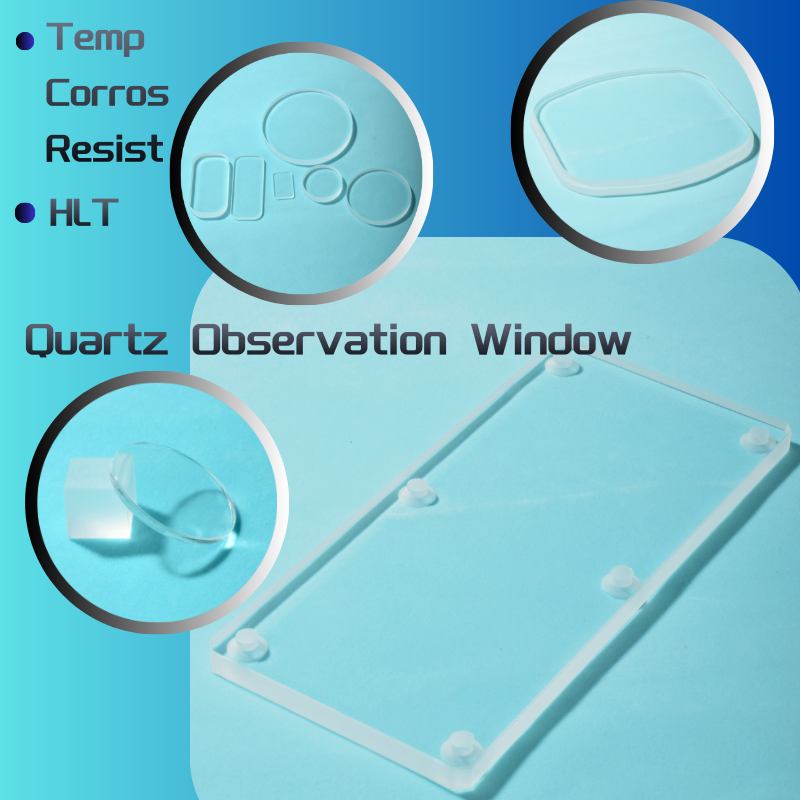
SJ Natural Fused Quartz Polished Plate Optical Clear
Laser-cut, chemical-resistant polished fused quartz plate for vacuum sight glasses, spectral inspection, and laser test benches.
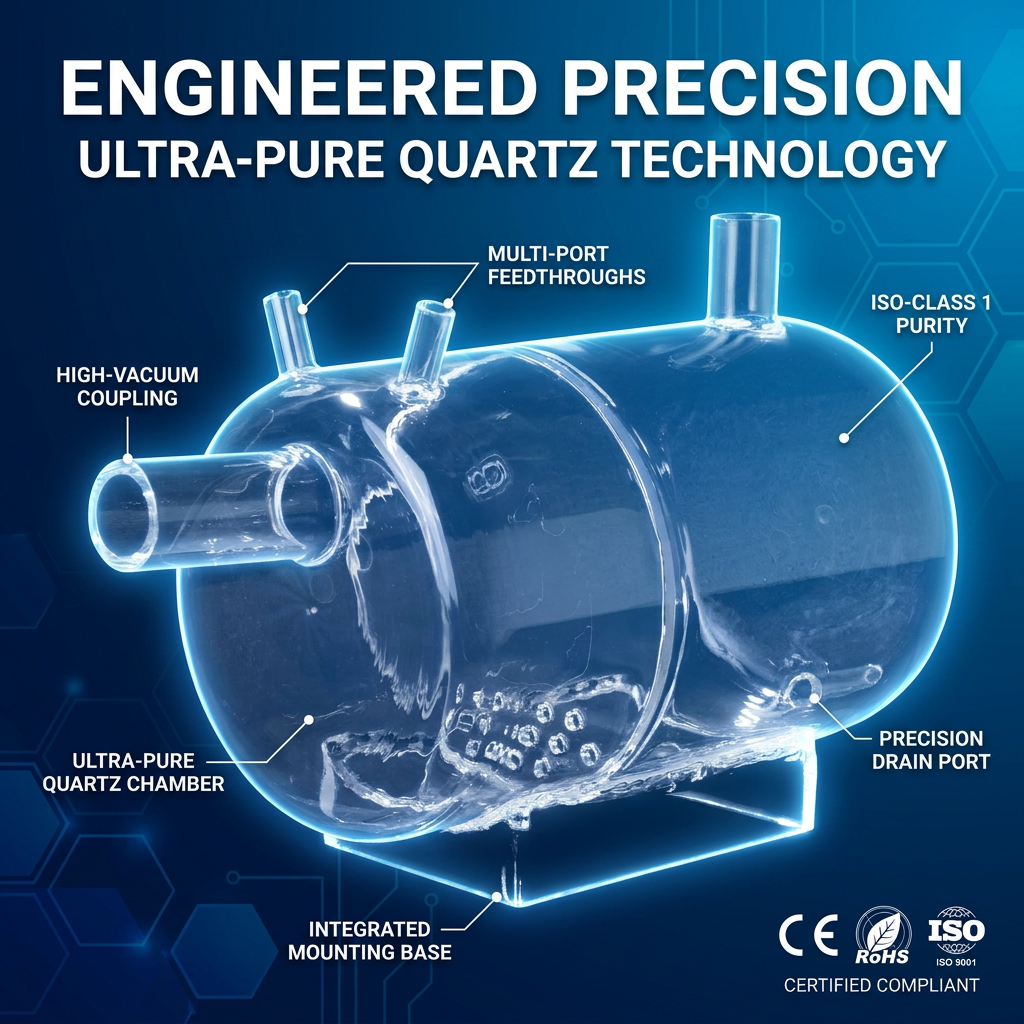
Precision Quartz Separating Container
99.9%–99.999% purity engineered for ultra-trace chemical handling, wet chemical etching, and cleanroom separation processes.
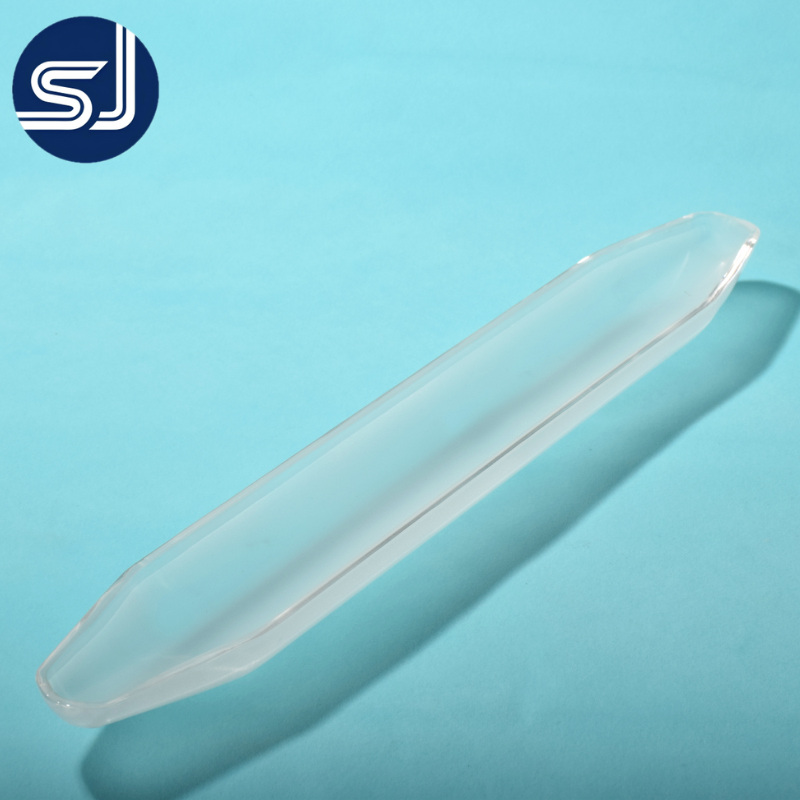
SJ 140 High-Purity Polished Quartz Boat
>85% optical transmittance, precision polished for semiconductor wafer doping, sintering boats, and muffle tube furnace carriers.
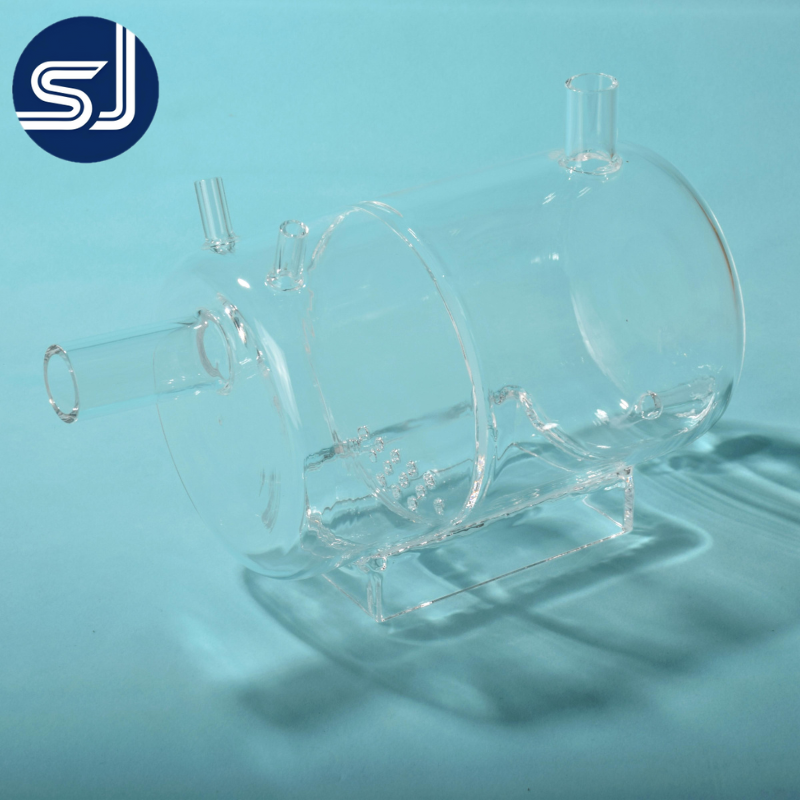
SJ Custom Quartz Flow Splitting Bottle
99.99% SiO₂ high-temperature apparatus designed for aggressive gas flow fractionation, chemical vapor analysis, and condensates.
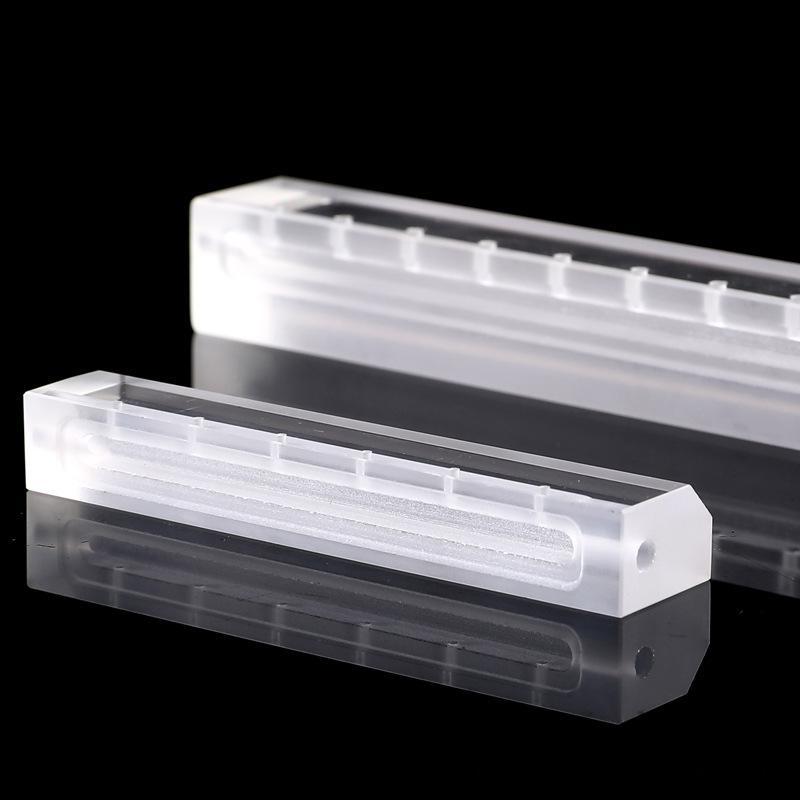
Ultra-Thin Optical Quartz Testing Sheet
Model SJ 077 circular thin plates featuring high thermal conductance, micro-welding durability, and minimal optical retardation.
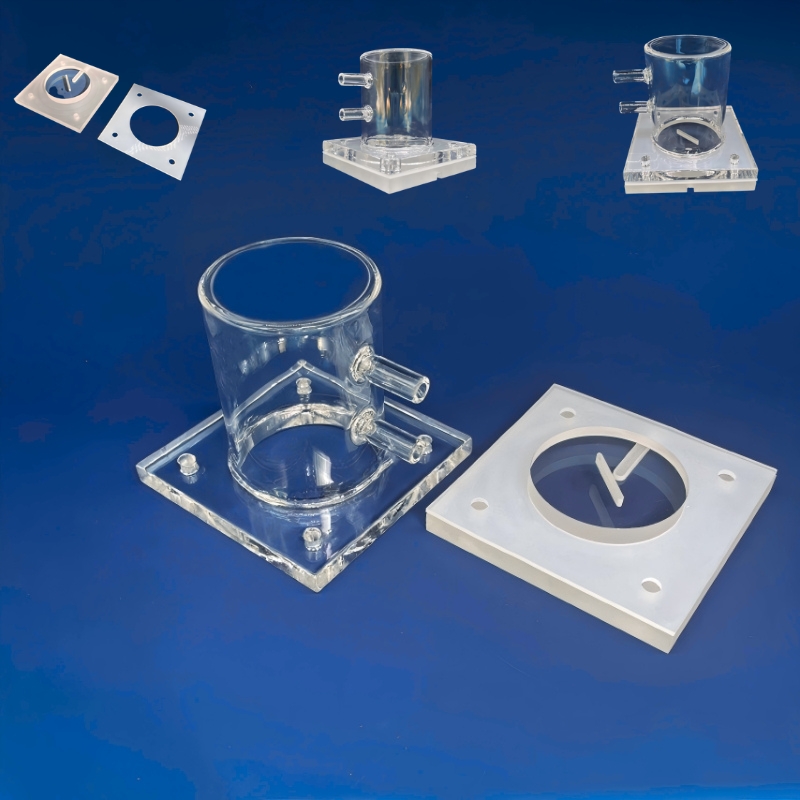
Quartz Photocatalytic Reactor for H₂/O₂
Moulded UV-transparent reactor for green hydrogen production, photochemical degradation, and laboratory catalytic cell setups.
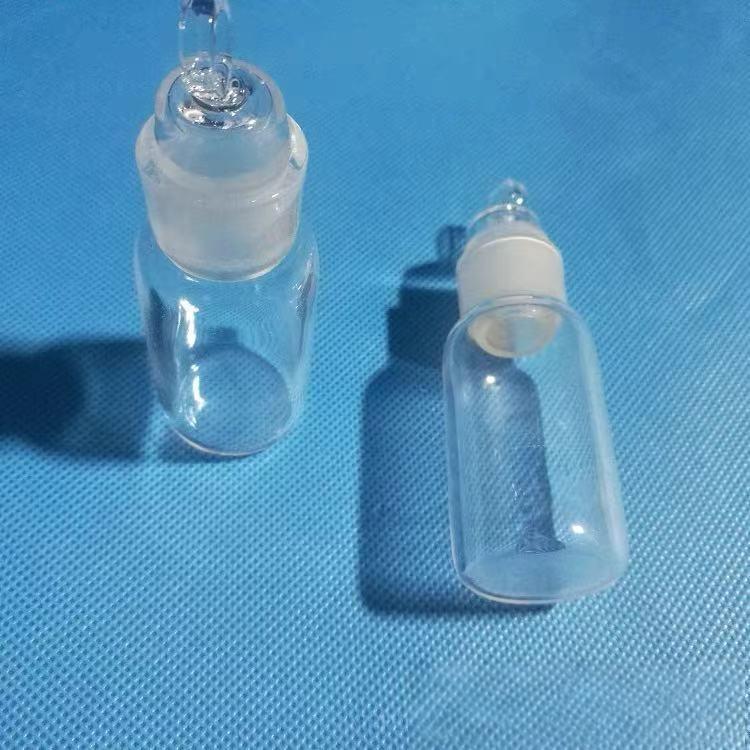
Semiconductor 400 Mesh Quartzware
Ultra-fine structured, high-corrosion resistant fused quartz engineered for prolonged thermal cycles in demanding cleanroom labs.
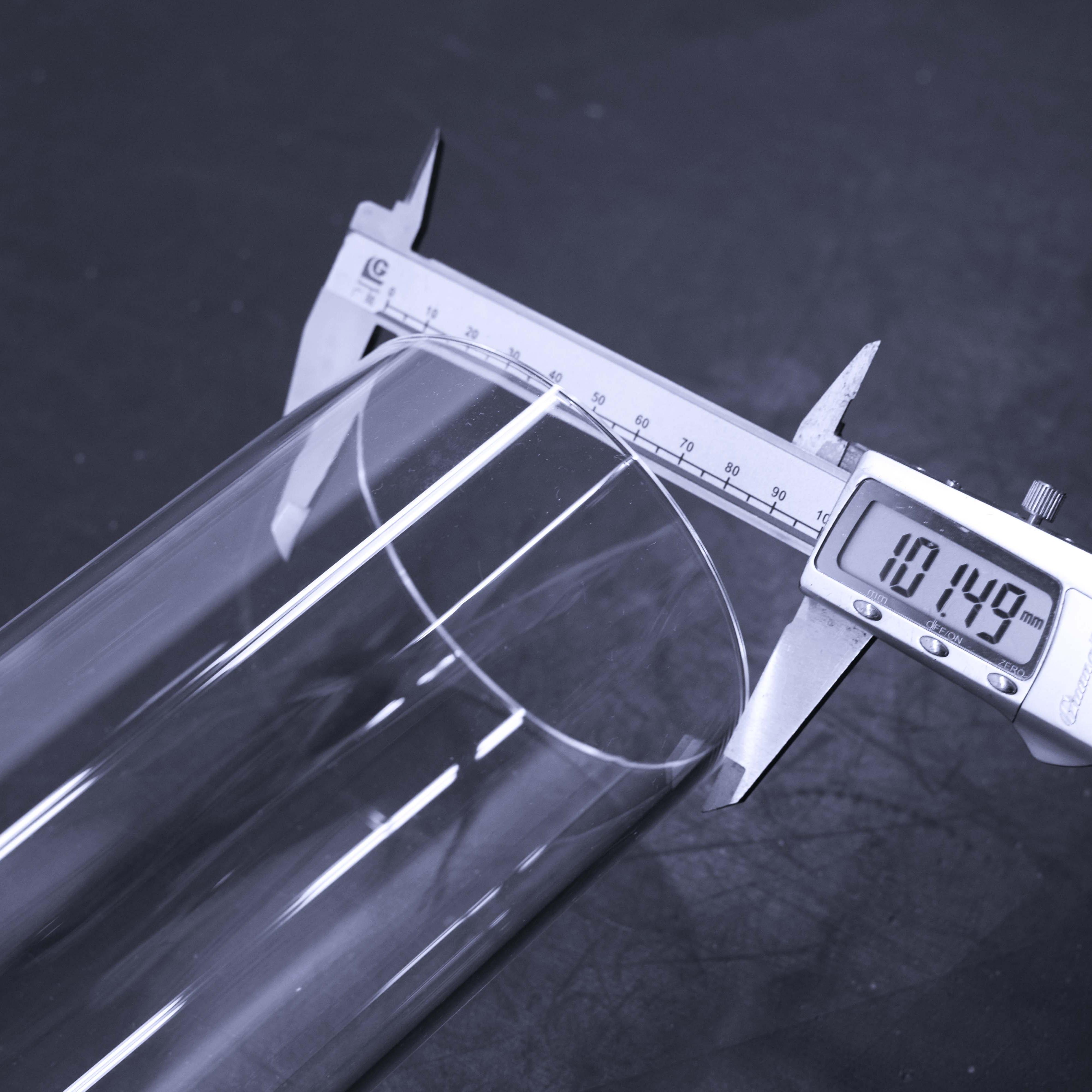
High-Purity Clear Quartz Muffle Tube
Continuous drawing, fire-polished clear quartz tubes up to 800 mm OD. Configurable with vacuum flanges, ground ball joints, and seals.
1. The Thermodynamics of High-Purity Quartz Muffle Tubes in Critical Environments
In modern pyrometallurgical, semiconductor diffusion, and advanced crystal growth operations, the muffle tube serves as the physical barrier separating extreme heating elements from sensitive chemical atmospheres. In high-precision scientific markets such as Innsbruck, Austria, where thermal processing interfaces with quantum materials synthesis, refractory alloy heat treatment, and cleanroom catalysis, selecting the appropriate grade of fused quartz (SiO₂ ≥ 99.99% to 99.999%) is not merely a matter of longevity—it dictates process repeatability and contamination limits.
Unlike conventional borosilicate glass or low-end ceramic muffles, natural fused quartz is synthesized from raw pegmatite silica deposits through electric arc or oxy-hydrogen fusion. The resulting non-crystalline, vitreous silica structure possesses an exceptionally low coefficient of thermal expansion (CTE ≈ 5.5 × 10⁻⁷ / K between 20°C and 1000°C). This allows an engineer to subject a red-hot quartz muffle tube operating at 1100°C to rapid ambient air quenching without micro-cracking or structural catastrophic failure.
However, operating at sustained temperatures above 1150°C introduces the primary thermodynamic degradation mechanism: cristobalite devitrification. At elevated temperatures, the metastable amorphous network reorganizes into crystalline high-cristobalite. Upon cooling below 270°C, the displacive transition into low-cristobalite induces a severe volume contraction of approximately 2.8%, creating destructive micro-crazing. Vulra Quartz combats this by enforcing rigorous dehydroxylation (reducing internal hydroxyl [OH⁻] content to < 20 ppm) and utilizing raw sand with alkali-metal impurity levels (Na, K, Li) under 1.5 ppm, directly suppressing nucleation kinetics and multiplying the usable lifecycle of muffle liners within Austrian academic and industrial furnaces.
| Physical / Chemical Property | Standard Laboratory Grade (SJ-99) | Semiconductor & Vacuum Grade (SJ-5N) | Test Standard / Methodology |
|---|---|---|---|
| Total Silica Content (SiO₂) | ≥ 99.99% (4N) | ≥ 99.999% (5N) | ICP-OES / GDMS Trace Analysis |
| Hydroxyl Radical Content ([OH⁻]) | < 150 ppm | < 20 ppm (Dehydroxylated) | FTIR Infrared Absorption at 2.73 µm |
| Continuous Service Temperature | 1050°C – 1100°C | 1150°C – 1200°C | Atmospheric Furnace Long-Run Test |
| Maximum Peak Thermal Load | 1300°C (Short Excursions) | 1450°C (Controlled Annealing) | Dilatometric Softening Verification |
| Dielectric Breakdown Strength | 25–40 kV/mm (at 20°C) | > 45 kV/mm (at 20°C) | IEC 60243-1 High-Frequency Test |
| Trace Elements: Fe, Al, Cu, Ti | < 18 ppm Total | < 3.5 ppm Total Combined | Mass Spectrometry Cleanroom Protocol |
Localized Thermal Scenarios Across the Innsbruck & Tyrolean Tech Cluster
Bridging Alpine basic research with high-volume European engineering: how Tyrolean enterprises and institutions deploy our fused quartz muffle systems.
Refractory Metallurgy & Sintering in the Inn Valley
Tyrol is globally renowned for its advanced powder metallurgy and refractory metal manufacturing corridors extending from Innsbruck to Reutte. Sintering molybdenum, tungsten carbide, and specialized high-entropy alloys requires muffle tube inserts capable of holding extreme vacuum (< 10⁻⁴ mbar) or high-flow dry hydrogen atmospheres at 1100°C without gas permeability or outgassing. Vulra Quartz muffle chambers provide the dense, non-porous vitreous boundary necessary to eliminate trace carbon and oxygen pickup during critical solid-state diffusion steps.
University of Innsbruck & Quantum Physics Research
The Leopold-Franzens-Universität Innsbruck and allied research clusters (such as IQOQI - Institute for Quantum Optics and Quantum Information) require specialized optical quartz test cells, vacuum viewports, and custom high-temperature quartz manifolds. Whether conducting atomic trap experiments requiring pristine UV transmission down to 260 nm or synthesizing ultra-pure perovskite crystals, our drawing-based custom quartz fabrications ensure sub-millimeter tolerances and minimal optical distortion.
Green Hydrogen & Photocatalytic Water Splitting
In alignment with Austria’s ambitious national energy transition and Tyrolean decarbonization roadmaps, research groups in the region are scaling photoelectrochemical reactors and high-temperature methane pyrolysis systems. Vulra Quartz manufactures ozone-free fused silica reactor vessels and high-temperature catalytic reaction chambers capable of withstanding acidic corrosives and severe UV photon bombardment without solarization degradation.
2. Strategic Market Drivers Shaping Quartz Procurement in Western Austria
The European manufacturing landscape is undergoing structural transformation driven by the European Chips Act, the expansion of regional semiconductor pilot lines, and the localization of critical chemical supply chains. In Austria—specifically across the Innsbruck, Villach, and Graz technological axes—procurement professionals are pivoting away from rigid, long-lead local distributors toward direct partnerships with verified custom manufacturers who offer certified traceability, technical drawing review, and agile prototyping.
Transition to Automated Horizontal & Vertical Tube Furnaces: European industrial labs are rapidly modernizing furnace infrastructure. Legacy standard-diameter tubes are being replaced by tailored muffle envelopes featuring integrated cooling jackets, precision ISO-KF or CF vacuum flanges, and multi-port gas injectors. Fabricating these complex welded assemblies demands sophisticated hot-working capabilities—such as oxy-hydrogen flame lathes and computer-controlled annealing cycles—to ensure that mechanical weld zones maintain the same structural resilience as the parent tube body.
Stringent Environmental & Compliance Standards: Austrian industrial buyers operate under rigorous EU regulations, including REACH (EC 1907/2006) and RoHS compliance. Sourcing quartzware from non-certified producers risks project delays due to heavy-metal impurities or non-compliant synthetic additives. As a TÜV Rheinland-assessed custom manufacturer, Vulra Quartz supplies comprehensive material certificates, chemical assay documentation, and batch trace reports, ensuring smooth clearance through Austrian customs authorities and seamless integration into certified ISO 14001 and ISO 9001 workflows.
Why European Engineers & Procurement Directors Partner with Vulra Quartz
From the world’s crystal capital in Donghai directly to your production floor in Tyrol: eliminating unnecessary trading tiers while elevating engineering precision.
Donghai Raw Material Hub
Situated in Donghai, China’s silicon cluster, giving our furnaces direct access to the world’s purest natural quartz crystal sand. We control chemical purity from raw silica grain to finished muffle tube.
TÜV Rheinland Audited
Our manufacturing facility, legal operations, production lines, and quality management protocols have been independently verified on-site by TÜV Rheinland, providing ironclad transparency for European buyers.
1-Piece OEM/ODM Prototyping
No prohibitive minimum order constraints. We machine, bend, and weld custom quartz components directly from your 2D CAD or 3D STEP drawings, supporting early-stage university R&D up to recurring factory runs.
Export-Grade Shock Packaging
Every muffle tube is chemically decontaminated, double-bagged, suspended in high-density custom foam linings, and secured in international export-grade timber crates designed for Alpine freight logistics.
Frequently Asked Questions by Innsbruck Engineers & Buyers
In-depth responses covering mechanical tolerances, shipping protocols to Austria, chemical compatibility, and thermal operations.
What are the standard dimensional tolerances for custom quartz muffle tubes delivered to Austria?
How does fused quartz handle corrosive process gases like HCl, Cl₂, or ammonia at high temperatures?
What is the procedure for rapid customs clearance and DDP delivery into the Innsbruck area?
How should an operator bake-out and prepare a new quartz muffle tube before first thermal cycling?
Can Vulra Quartz fabricate customized muffle shapes with welded thermocouple wells and gas inlets?
Accelerate Your High-Temperature Thermal Project
Whether you require a standard 50 mm OD tube furnace liner or an engineered 800 mm vacuum muffle vessel with bespoke flange connections, our materials engineers are ready to review your specifications and 2D/3D drawings.
Inquire Now