Featured Fused Quartz Engineering Ware
Direct-from-factory high-temperature fused silica solutions precision-engineered for analytical, semiconductor, and metallurgical tube furnaces across Kranj and the European Union.
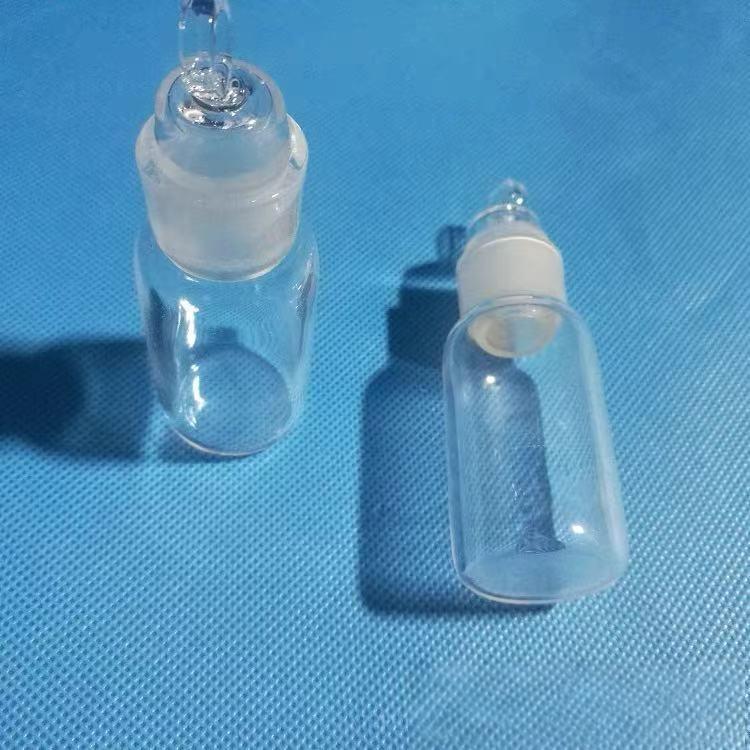
- Grade: High-purity natural silica
- Working Temp: Up to 1250°C
- Finish: Acid-leached fire-polished
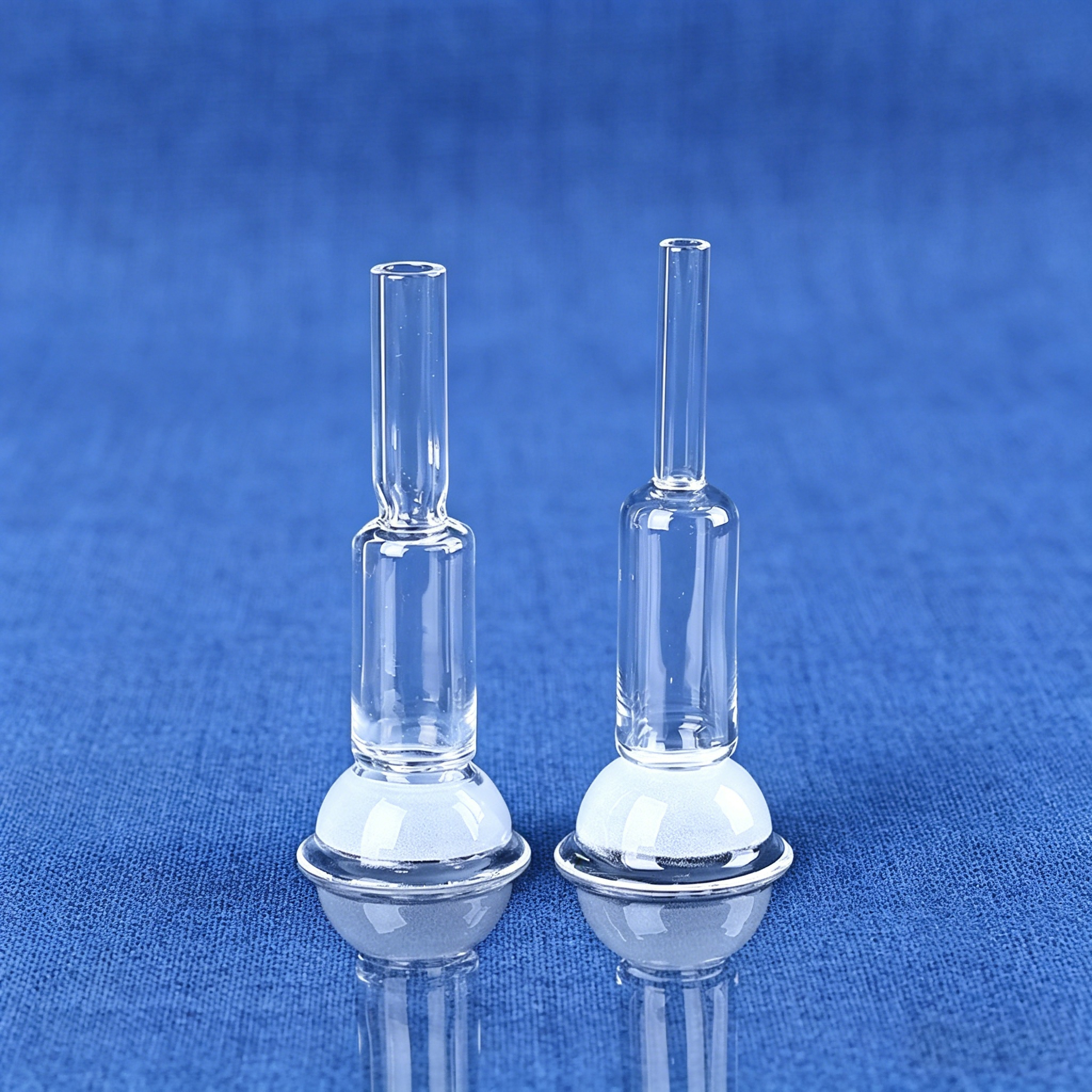
- Continuous Service: 1100°C
- Process: Precision bending & welding
- Compatibility: BELSORP / Microtrac
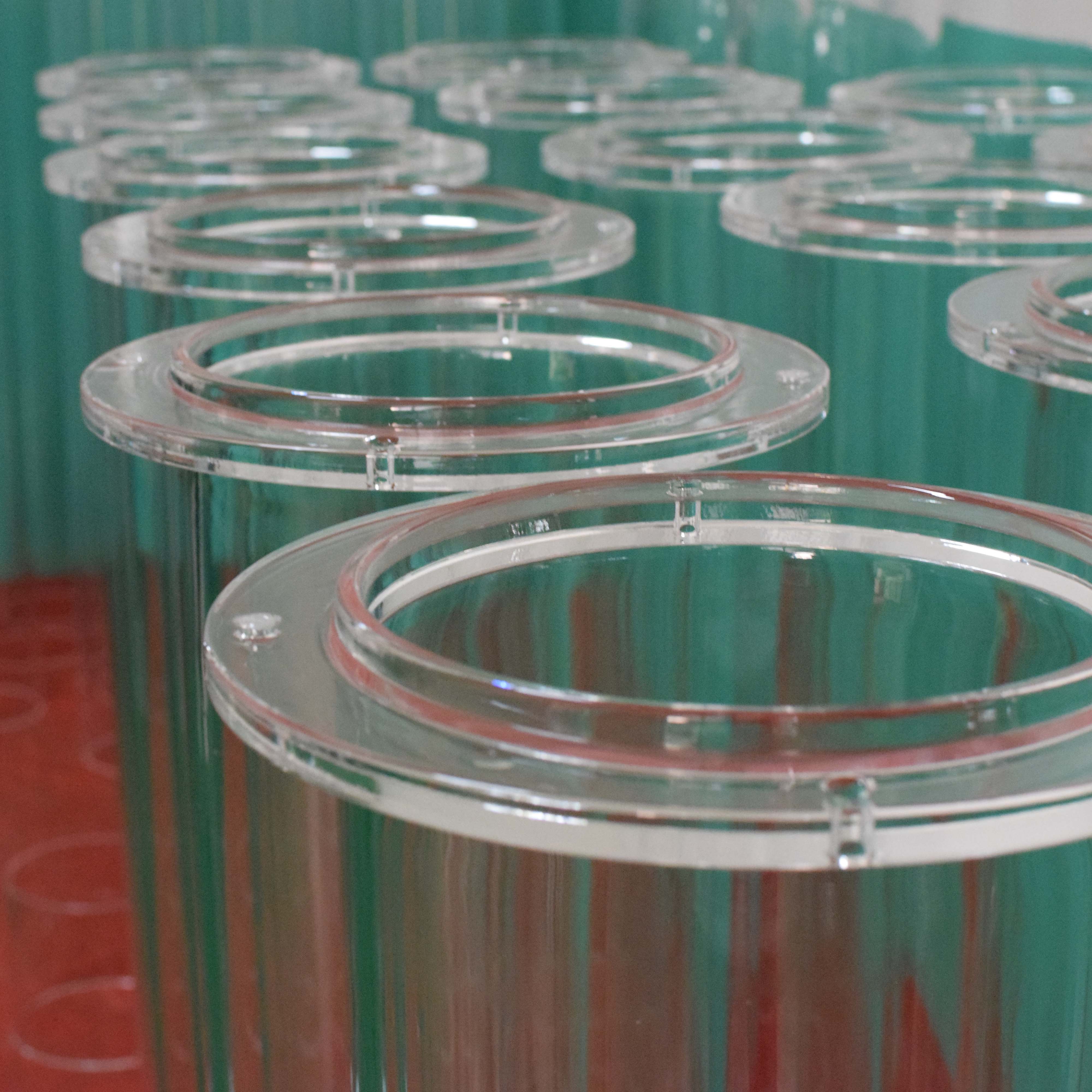
- Purity: 99.999% Single Crystal sand
- Fitting: Precision ground vacuum flange
- Resistance: Ozone & hydroxyl controlled
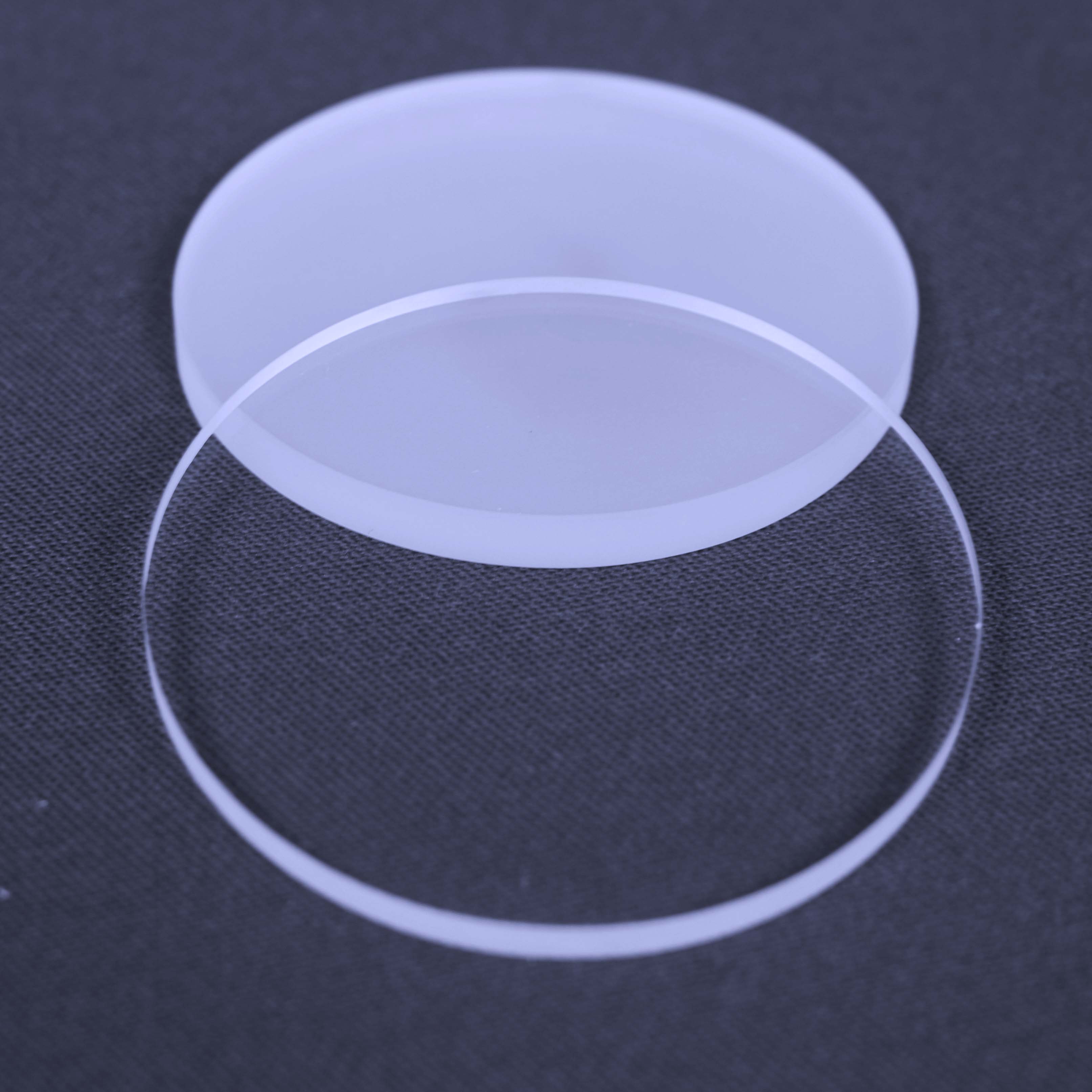
- Background: Ultra-low zero-background disc
- Flatness: Double-side optical polish
- Transmittance: >92% spectral UV-Vis
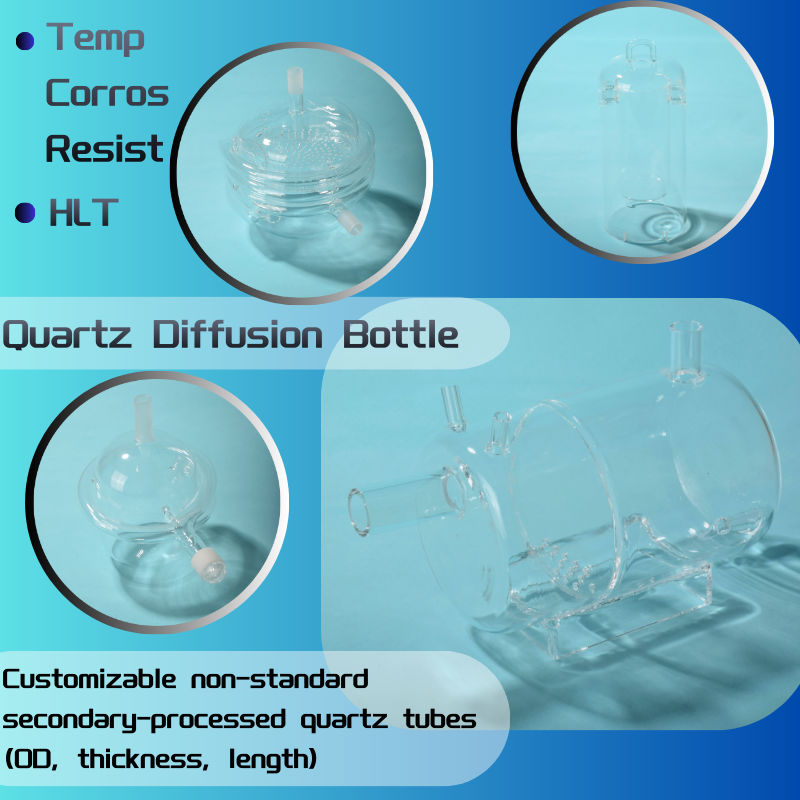
- Assemblies: Condensers & waste jars
- Grade: Trace metal leaching <5 ppb
- Applications: High-purity acid distillation
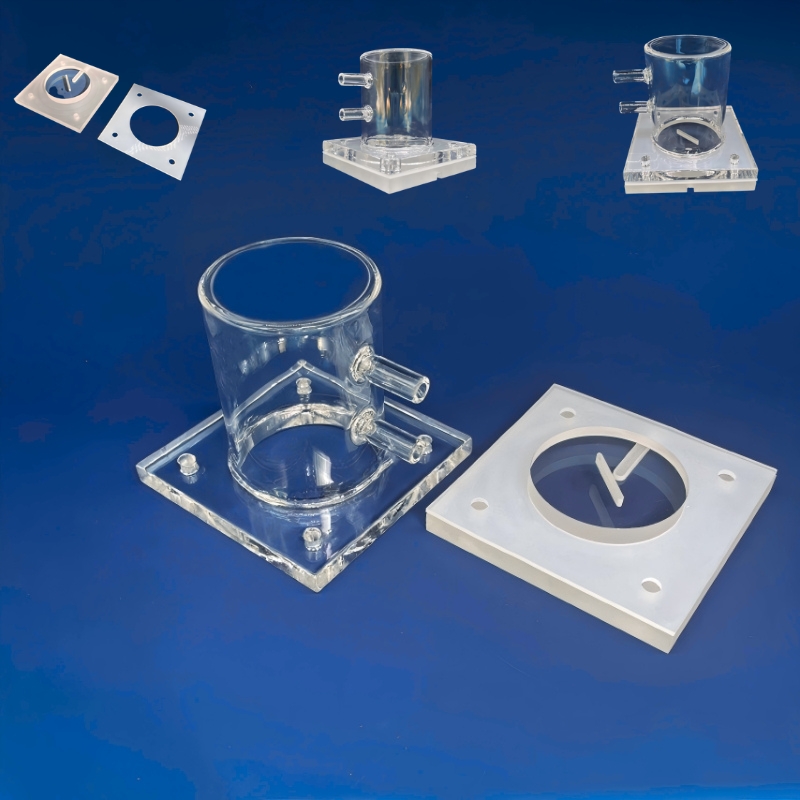
- UV Transmission: Deep UV 254 nm window
- Design: Hermetic jacketed flow cell
- Pressure: Vacuum to 0.4 MPa verified
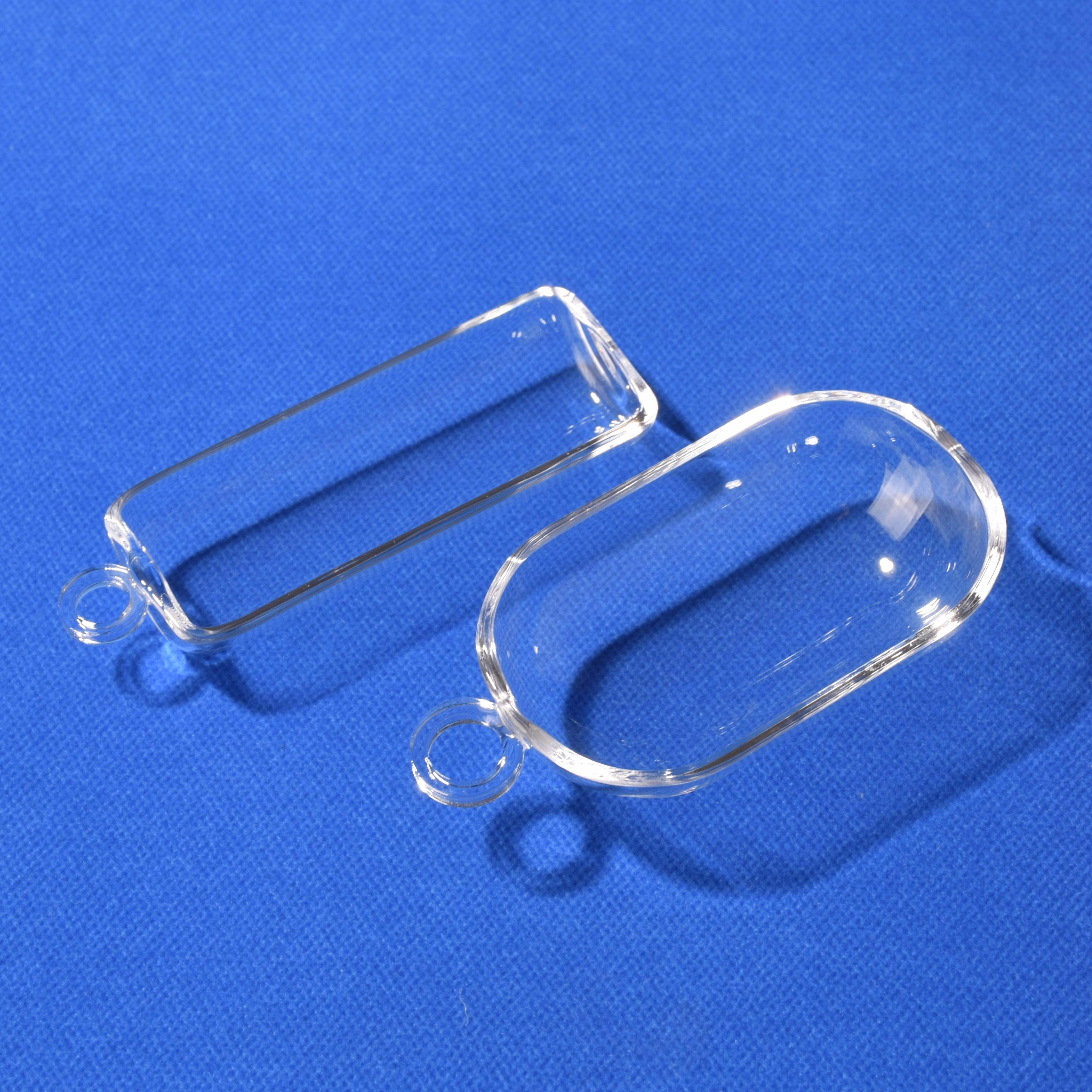
- Geometry: Flat-bottomed semi-circular
- Surface: Full flame-glazed optical sheen
- Compatibility: 20mm to 150mm tube bores
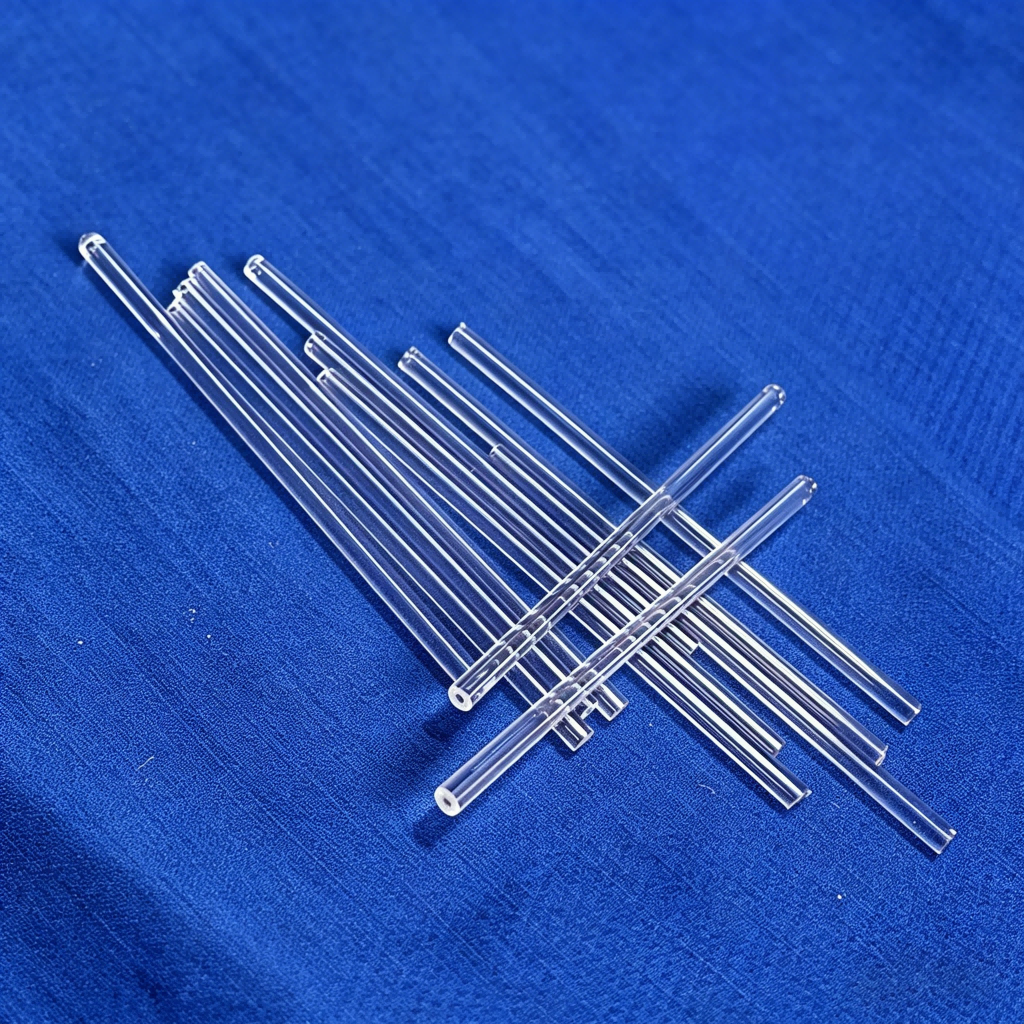
- Dimensions: 2mm to 10mm OD micro-draw
- Composition: 99.9% to 99.999% SiO₂
- Function: Exhaust routing & thermocouple wells
Thermodynamic Mechanics of Fused Quartz Boats in Tube Furnaces
An in-depth metallurgical analysis of devitrification kinetics, thermal shock mitigation, and stoichiometric stability under aggressive atmospheres.
Laboratory furnace boats manufactured from vitreous silica (fused quartz) represent an indispensable carrier medium in modern high-temperature chemical synthesis, semiconductor wafer diffusion, pyrolytic carbon deposition, and analytical calcination. Operating within horizontal or vertical tube furnaces, these vessels must withstand extreme thermal gradients without undergoing macroscopic distortion or introducing volatile lattice impurities into the process zone.
Lattice Architecture and Devitrification Kinetics
Unlike conventional borosilicate or multi-component glasses, high-purity fused quartz is composed entirely of silicon-oxygen tetrahedra ([SiO₄]) connected in an amorphous, non-crystalline three-dimensional random network. The lack of long-range lattice periodicity is the fundamental physical origin of its exceptional thermal and optical properties. However, when maintained at temperatures exceeding 1150°C for protracted operational regimes, this metastable vitreous phase experiences thermodynamic driving forces favoring the nucleation and growth of crystalline silica, specifically high-temperature β-cristobalite.
Devitrification initiates predominantly at external interfacial surfaces where atmospheric impurities, surface micro-scratches, or airborne alkali ions (such as sodium, potassium, or calcium) act as heterogeneous nucleation sites. When a contaminated quartz furnace boat cools below 275°C, the displacive phase transformation from β-cristobalite to α-cristobalite occurs, accompanied by an abrupt volumetric contraction of approximately 2.8% to 4.5%. This localized volumetric collapse induces severe internal shear stresses, generating extensive micro-fissuring, surface hazing (milkiness), and eventual mechanical failure during subsequent thermal cycling.
Impurity Profile and Chemical Purity Benchmark (ICP-MS)
Vulra Quartz strictly manages critical interstitial impurities derived from Donghai's premier quartz crystal veins to maintain the lowest possible kinetics of cristobalite growth. Trace alkali metals act as network-modifiers that break bridging Si-O-Si bonds, creating non-bridging oxygens (NBOs) that drastically lower the viscosity of silica glass at elevated temperatures and accelerate surface nucleation rates.
| Trace Element | Standard Commercial Grade (ppm) | Vulra Semiconductor Grade (ppm) | Analytical Measurement Method | Impact on High-Temperature Furnace Stability |
|---|---|---|---|---|
| Aluminium (Al) | 15.0 – 25.0 | < 6.5 | ICP-MS / GD-MS | Substitutes for Si⁴⁺; requires charge compensation, accelerates devitrification. |
| Iron (Fe) | 1.0 – 3.0 | < 0.15 | ICP-MS | Causes optical discoloration, increases high-temp radiative heat absorption. |
| Titanium (Ti) | 1.5 – 2.8 | < 1.0 | ICP-MS | Affects UV cutoff edge and localized refractive index stability. |
| Sodium (Na) | 1.2 – 2.5 | < 0.3 | Flame Atomic Absorption | Extremely volatile fluxing agent; causes rapid surface cristobalite at >1000°C. |
| Potassium (K) | 1.0 – 2.0 | < 0.2 | Flame Atomic Absorption | Lowers glass transition temperature; initiates boundary micro-cracking. |
| Lithium (Li) | 0.5 – 1.0 | < 0.1 | ICP-MS | Fast diffuser in quartz networks; catalyzes premature devitrification. |
| Hydroxyl (OH⁻) | < 30.0 (Flame Fusion) | < 5.0 (Ozone/De-OH) | FTIR (2.73 μm band) | Reduces viscosity; lowers annealing point; causes bubbling under vacuum. |
Industrial & Laboratory Applications in Kranj, Slovenia
Custom engineered fused quartz carriers integrated into the core manufacturing workflows of Gorenjska's precision automotive, electronics, and advanced sensor clusters.
Automotive Power Electronics & Sensors
Kranj serves as a premier hub for automotive mechatronics and sensing instrumentation in Central Europe. Fused quartz combustion boats provide a chemically unreactive carrier for the calcination of ceramic piezoresistive sensor elements, oxygen sensor substrates, and magnetostrictive components where zero iron-ion leaching is strictly mandated at 1050°C process thresholds.
Advanced Powder Metallurgy & Sintering
Surrounding industrial zones in Kranj, Škofja Loka, and Jesenice engage in high-precision powder metallurgy and specialized magnetic alloys. Flat-bottom, semi-circular quartz furnace boats enable laminar inert gas flow (Argon/Nitrogen/Forming Gas) across fine metallic powders, eliminating cross-contamination and adhering oxide slag.
Next-Gen Battery Material Synthesis
Aligned with Slovenia’s strategic focus on the EU battery value chain and green electromobility, research laboratories in Kranj utilize high-wall, multi-compartment quartz boats for the solid-state calcination of cathode precursor materials (NMC/LFP) and high-silicon composite anodes sensitive to atmospheric moisture.
CVD/LPCVD 2D Material Growth
Academic spin-offs and material testing facilities affiliated with regional polytechnics in Kranj rely on slotted micro-boats to position planar sapphire and silicon substrates during Chemical Vapor Deposition (CVD) of graphene, molybdenum disulfide (MoS₂), and hexagonal boron nitride (h-BN) films.
Environmental & Trace Chemical Analysis
Environmental testing laboratories in the Sava River basin mandate ash determination and volatile organic matter decomposition in pristine quartz boats that do not adsorb trace heavy metals (Cd, Pb, As), ensuring precise gravimetric results conforming to ISO 17025 validation protocols.
Market Evolution & Procurement Drivers in Central Europe
How Kranj’s transition toward automated electronics assembly and advanced ceramics is reshaping quartz component procurement.
The manufacturing ecosystem in Kranj and the wider Gorenjska region has experienced a pronounced technological pivot over the past decade. Previously dominated by conventional electro-mechanical manufacturing, local enterprise clusters have evolved into tier-1 and tier-2 providers of specialized sensors, electric drive subsystems, and high-frequency communication modules. This industrial upscaling imposes stringent operational prerequisites on consumable laboratory quartzware:
1. Elimination of Incompatible Ceramic Leaching
Historically, alumina (Al₂O₃) ceramic boats were routinely utilized for routine ash testing and metallurgical heating. However, modern semiconductor doping processes and functional electro-ceramics executed in Kranj’s cleanroom environments cannot tolerate trace aluminum or alkali vaporization. Fused quartz combustion boats, characterized by total metal impurity counts below 20 ppm, have systematically displaced opaque oxide ceramics across all process windows up to 1100°C.
2. Transition to Custom Drawing-Based Geometries
Off-the-shelf catalog products are increasingly inadequate for modern automated furnace loading systems. Engineers in Kranj are deploying specialized pusher-rod mechanisms requiring combustion boats with reinforced end-handles, built-in thermocouple wells, segmented inner dividers, and perforated bottoms for dynamic gas permeation. As a verified custom manufacturer, Vulra Quartz fabricates bespoke shapes directly from client STEP, DWG, or PDF specifications with rapid CNC laser diamond cutting and robotic oxy-hydrogen flame glazing.
3. Integration with High-Vacuum & Reducing Atmospheres
With localized investments accelerating in solar cell passivation (TOPCon/HJT) and green hydrogen catalyst testing, laboratory furnace boats must withstand continuous transitions between high vacuum (<10⁻³ Pa) and pure hydrogen or ammonia environments. De-hydroxylated quartz ware (<5 ppm OH⁻) manufactured by Vulra prevents structural blistering, water vapor outgassing, and premature structural failure under intense reducing atmospheres.
Comparative Performance of Furnace Carrier Materials
Evaluating high-temperature carriers for industrial tube furnaces: Fused Quartz vs. Alumina vs. Silicon Carbide vs. Boron Nitride.
| Performance Characteristic | Vulra Fused Quartz (99.999%) | High-Purity Alumina (99.7% Al₂O₃) | Sintered Silicon Carbide (SSiC) | Pyrolytic Boron Nitride (PBN) |
|---|---|---|---|---|
| Thermal Shock Resistance (ΔT) | Exceptional (>1000°C water quench) | Poor (<180°C gradient limit) | Moderate (350°C – 450°C) | Outstanding (>1200°C cyclic quench) |
| Coefficient of Thermal Expansion | 0.55 × 10⁻⁶ /°C (Near-zero) | 8.0 × 10⁻⁶ /°C (High) | 4.0 × 10⁻⁶ /°C (Medium) | 1.2 × 10⁻⁶ /°C (Low) |
| Maximum Continuous Service Temp | 1100°C (1450°C peak transient) | 1600°C – 1700°C | 1450°C – 1550°C | 1800°C (Inert/Vac) |
| Chemical Reactivity to Acids (HF excluded) | Totally Inert (Aqua Regia, HNO₃, HCl) | Resistant, but leaches Al ions | Passivated by SiO₂ layer | Highly Inert |
| Microwave & RF Transparency | 100% Transparent (tan δ < 0.0001) | Moderate Absorption | Highly Conductive / Absorbing | Transparent |
| Cross-Contamination Risk in CVD | Virtually Zero (<10 ppm metallic traces) | Elevated (Al, Na, Fe diffusion) | Carbon / Metal Silicide release | Negligible (Extremely pure) |
| Relative Cost Index per Unit | Economic / Cost-Efficient | Moderate | High | Extremely Expensive (5-10x Quartz) |
Enterprise Competence & Production Infrastructure
Direct-from-source engineering capabilities verified on-site by TÜV Rheinland in Donghai, Jiangsu Province.
Epicenter of World Crystal Sand
Situated in Donghai County—the globally recognized capital of crystal resources. Direct integration with certified high-purity natural silica sand mines ensures stable chemical stoichiometry and unrivaled batch-to-batch consistency for all molten tubes and boats.
Integrated Hot & Cold Processing
From primary drawing and precision hydrogen-oxygen glass-lathe welding to 5-axis diamond cold grinding, ultrasonic ultrasonic drilling, and computerized optical polishing. Every step is executed within our single 10,000 m² unified manufacturing base.
TÜV Rheinland Audited Facility
Our production premises, legal credentials, quality management frameworks, and analytical testing laboratories have undergone formal on-site audits by TÜV Rheinland. Fully compliant with RoHS 2.0 (EU 2015/863) and CE directives for export to Slovenia.
Prototype Flexibility From 1 Piece
We eliminate cumbersome industrial minimum order quantities. R&D centers, university laboratories, and development teams in Kranj can commission custom single-piece prototypes for new tube furnace validation prior to committing to production-scale batches.
Closed-Loop Quality Control Protocol
Frequently Asked Sourcing Questions
Detailed engineering and logistical clarifications for laboratory managers, procurement officers, and researchers in Kranj and Central Europe.
Our fused quartz laboratory boats are rated for continuous operational service at temperatures up to 1100°C under normal atmospheric pressure. For short-duration cycling (under 30 minutes), they operate safely up to 1250°C – 1300°C. The softening point is approximately 1683°C. When operating in high vacuum (<10⁻² Pa) or under heavy internal sample loading, we recommend maintaining temperatures below 1050°C and increasing the boat wall thickness from the standard 2.0mm to 3.5mm–4.0mm to mitigate viscous sag deformation over extended runs.
Devitrification is primarily catalyzed by fingerprint grease, airborne dust, and alkali salts. Operators should strictly handle quartzware using lint-free cotton or nitrile gloves. Before thermal cycling, clean the boat in a dilute hydrofluoric acid bath (3%–5% HF for 2 to 3 minutes) or a solution of 10% nitric acid (HNO₃) to dissolve surface metallic deposits. Rinse thoroughly with 18.2 MΩ·cm deionized (DI) water and dry completely in an oven at 120°C before furnace entry. Never clean hot quartz in ultrasonic baths or use caustic alkaline detergents (e.g., KOH, NaOH), which attack silica networks.
All shipments destined for Slovenian industrial or research entities are supplied with comprehensive documentation: Full Material Test Reports (MTR) confirming 99.99%–99.999% SiO₂ content via ICP-MS, Certificate of Conformity (CoC), CE Declaration, and RoHS 2.0 Compliance Certificates. Dimensional inspection records verifying compliance with CAD tolerances (±0.1mm standard or ±0.05mm precision) are included with each batch.
Export transport to Kranj (via Ljubljana Jože Pučnik Airport (LJU) air freight or Port of Koper sea multimodal corridors) utilizes our proven multi-tier suspension crating protocol. Each quartz combustion boat is individual shrink-wrapped in cleanroom PE film, encased in form-fitted high-density cross-linked polyethylene (EPE) foam dampening structures, packed into triple-wall corrugated export master cartons, and secured inside heat-treated, fumigated plywood cases (ISPM 15 certified). We guarantee zero transit breakage with immediate free-of-charge remake coverage.
Yes. We specialize in custom-tailored geometries. Whether you operate an MTI, Carbolite Gero, Nabertherm, or bespoke in-house tube furnace in Kranj, you can submit your technical drawings in DWG, DXF, STEP, or PDF format. Our application engineering staff evaluates wall-to-width ratios, thermal expansion margins, handling handles, and push-rod loops, providing a confirmed manufacturing drawing and quotation within 24 business hours.
Standard prototype fabrication (1 to 5 pieces) takes 5 to 8 working days following drawing approval. Batch orders (50 to 500 pieces) require 12 to 18 working days. Courier express delivery (DHL Express, FedEx International Priority) to Kranj and the Ljubljana industrial zone takes 3 to 5 business days door-to-door, complete with customs processing under Incoterms DDP, DAP, or CPT.
Accelerate Your High-Temperature Thermal Synthesis
Consult with our quartz application engineers today to discuss technical drawing reviews, purity specs, or custom boat prototypes for your Kranj facility.
Get a Quote