Engineered Quartz Heating Tubes & Thermal Components
Precision-drawn fused quartz sleeves, heating elements, and process glassware configured for immediate export dispatch to Nantes and the broader Pays de la Loire industrial cluster.
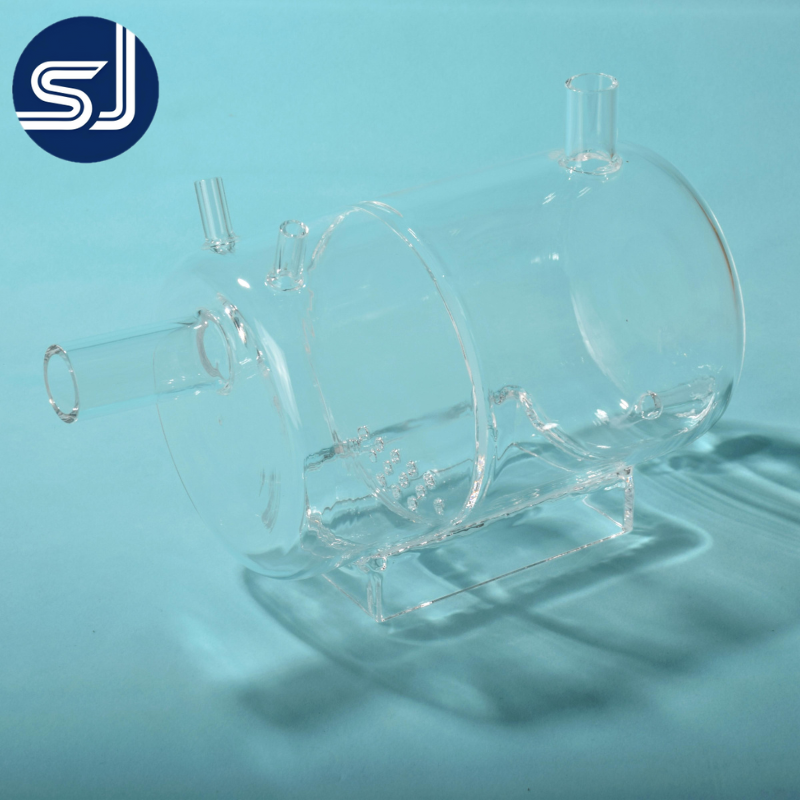
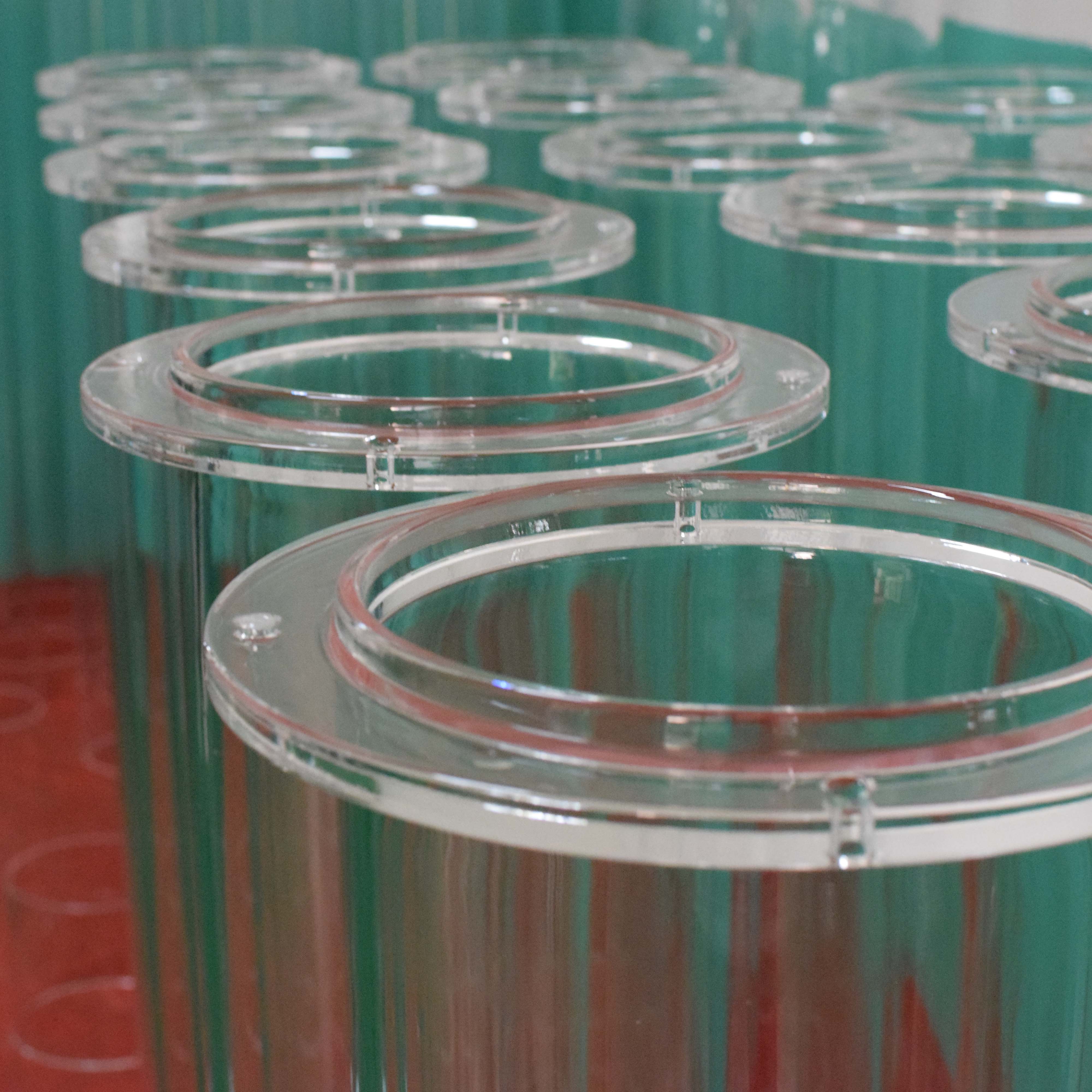
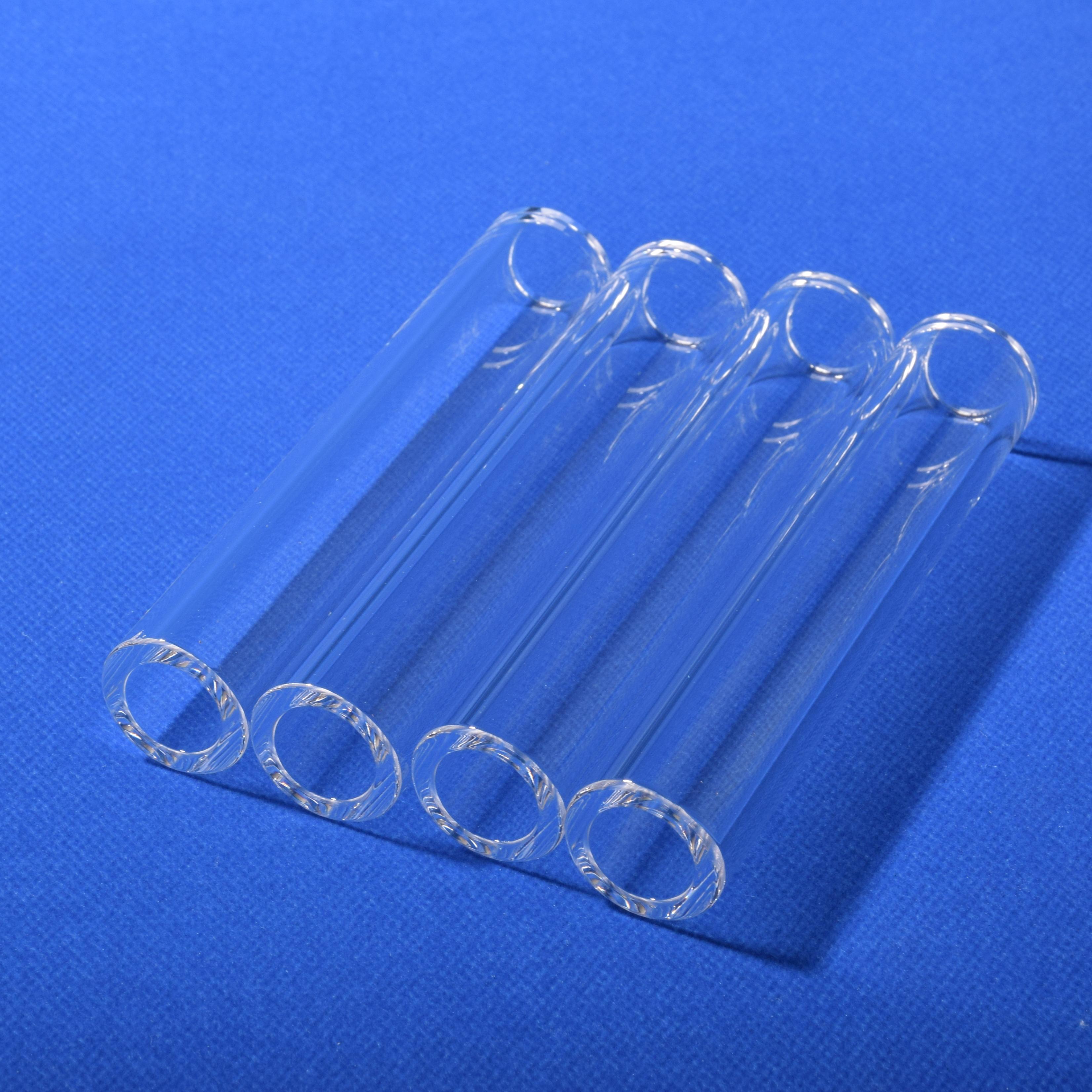
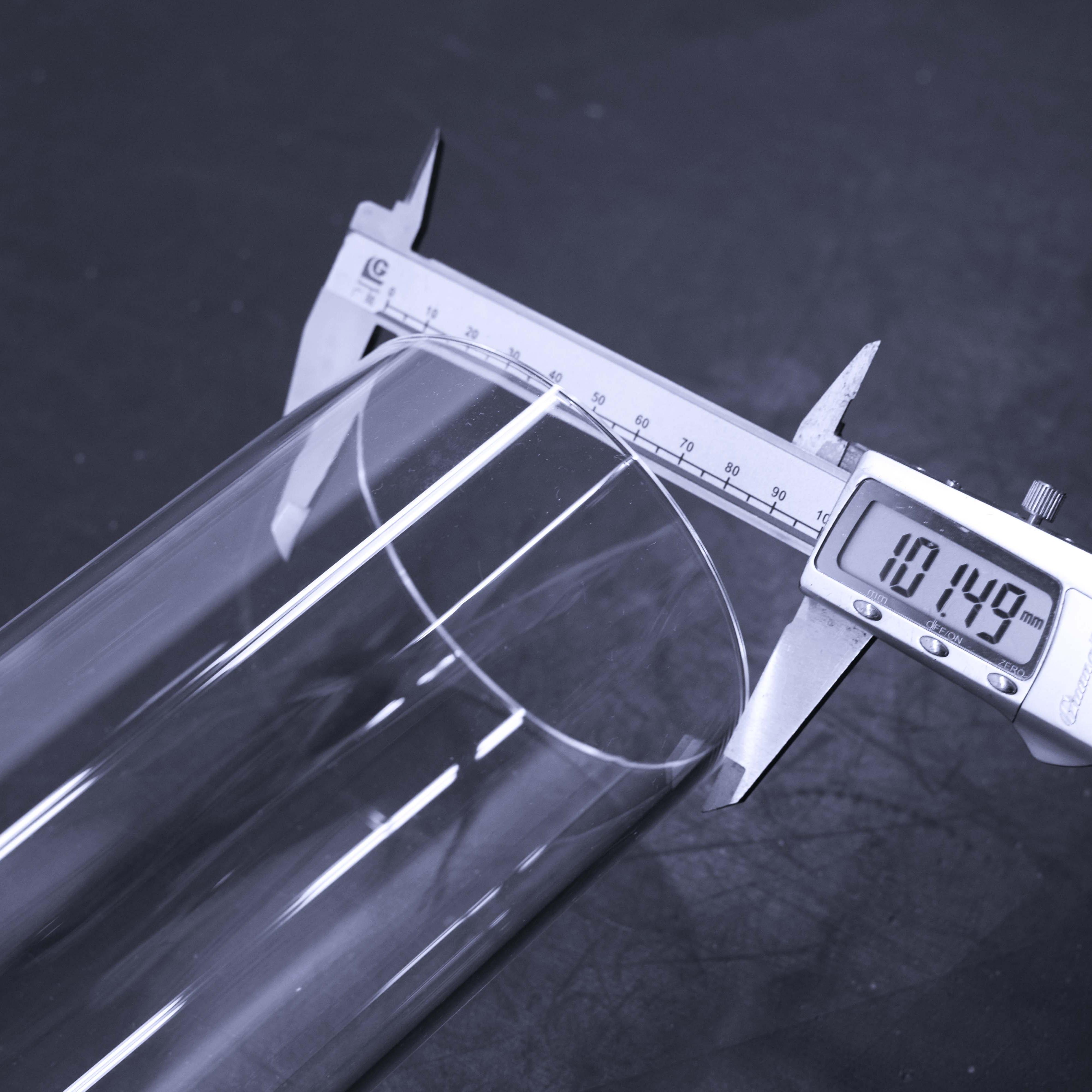
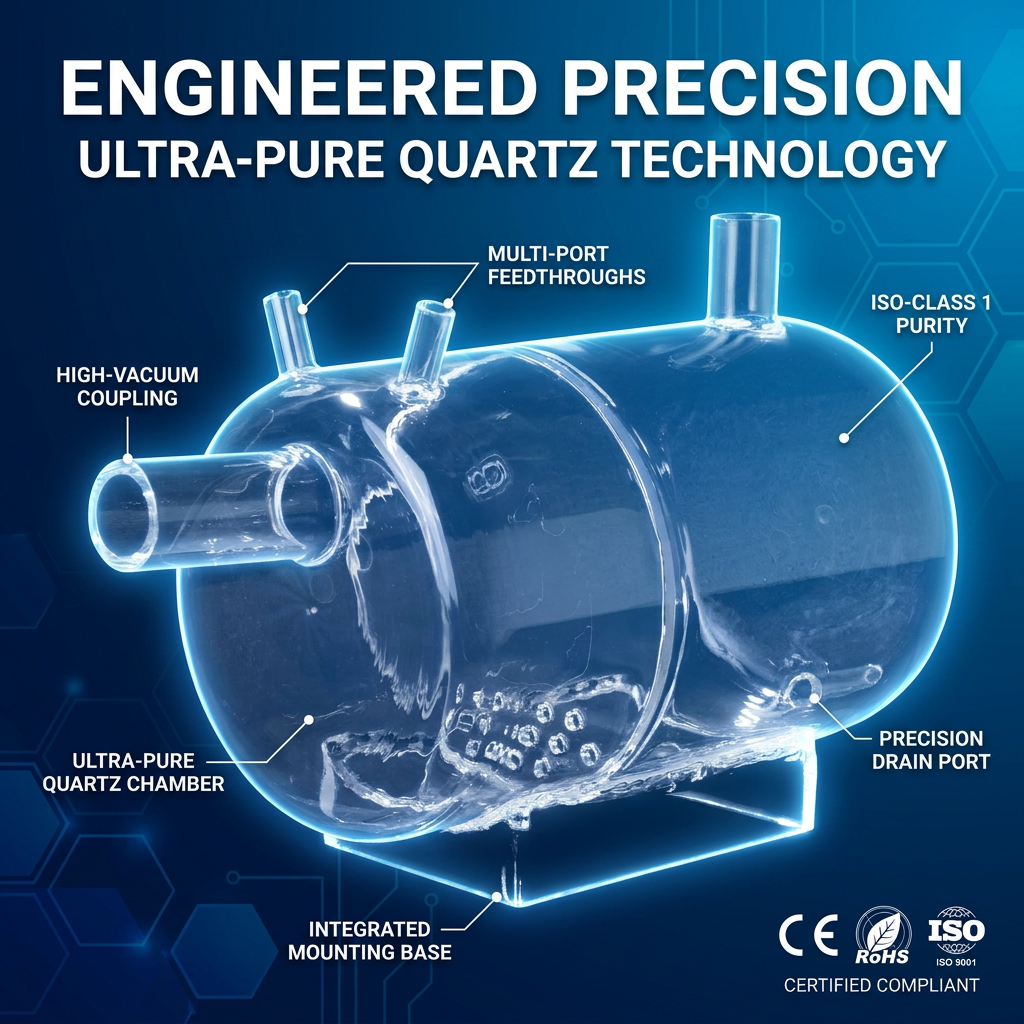
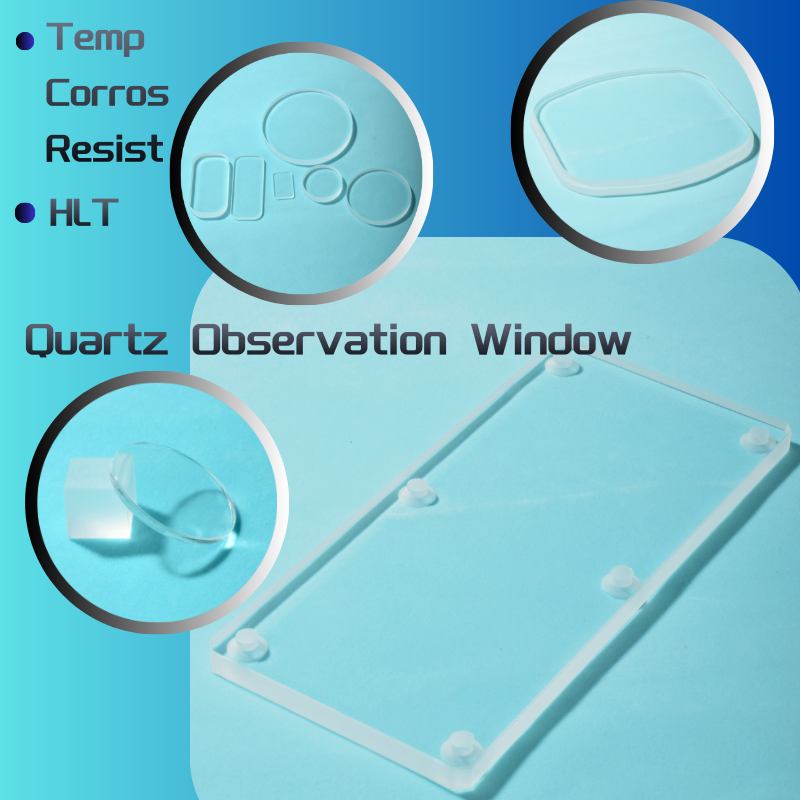
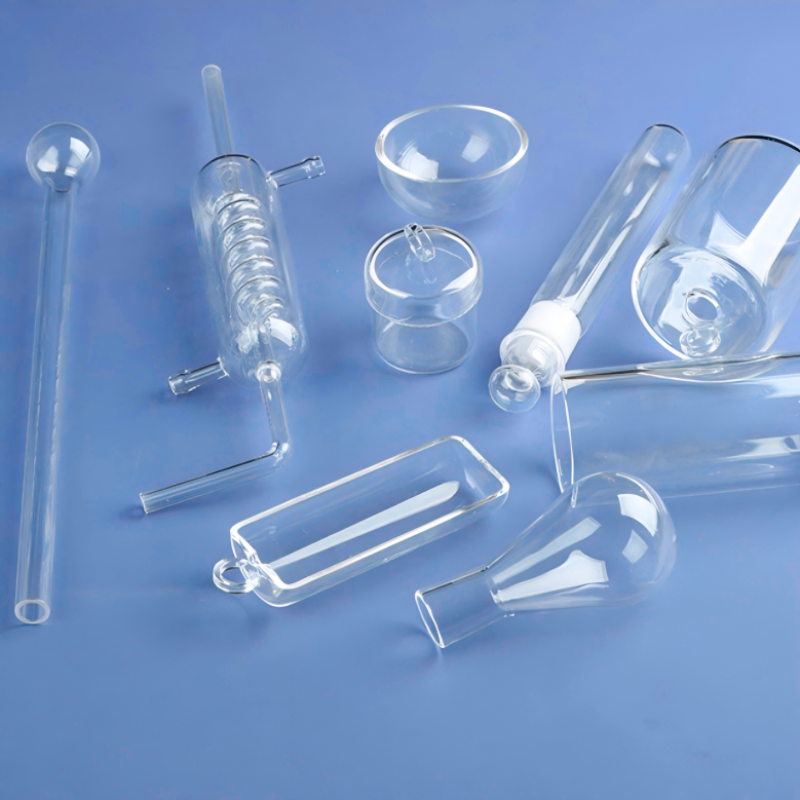
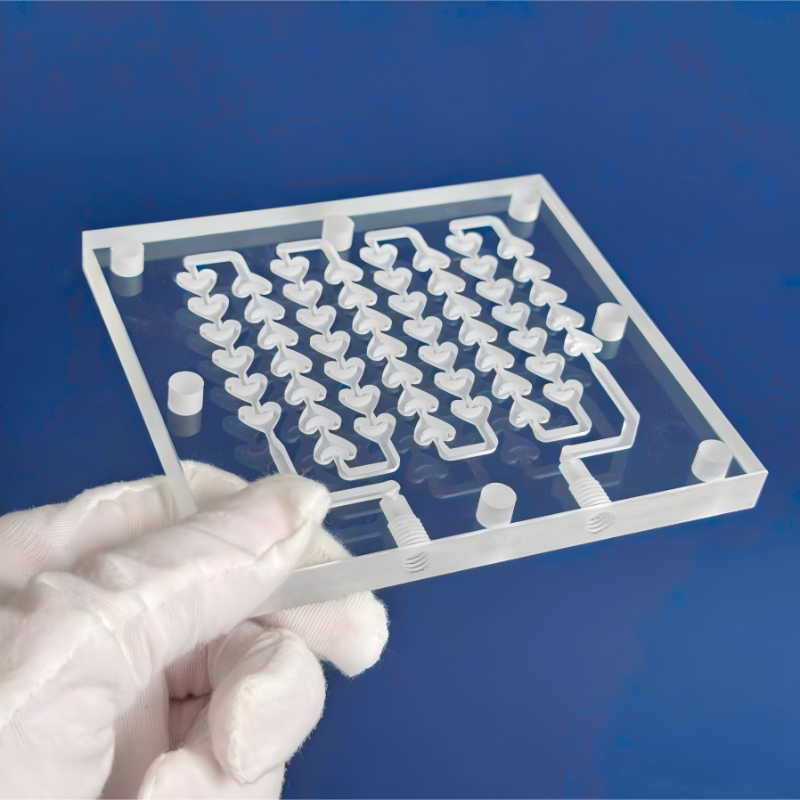
High-Purity Quartz Heating Elements: Thermal Transfer Physics & Mechanical Integrity in Advanced Western France Manufacturing
The manufacturing ecosystem of Western France—anchored by the Nantes-Saint-Nazaire metropolitan industrial corridor—has undergone an aggressive transformation toward industrial decarbonization, high-throughput composite curing, and precision thermal synthesis. In modern industrial operations, heating systems can no longer afford energy dispersion, outgassing, or unplanned quartz envelope fracture. Sourcing engineered fused quartz heating tubes is no longer an off-the-shelf procurement decision; it is an exercise in structural thermomechanics, thermodynamic wavelength tuning, and trace-element management.
1. Thermodynamic Efficiency & Spectral Emission Customization
Industrial quartz heating elements emit thermal energy across the infrared spectrum: short-wave (NIR, 0.78 to 1.4 μm), medium-wave (MIR, 1.4 to 3.0 μm), and long-wave (FIR, >3.0 μm). Standard industrial metallic or ceramic emitters exhibit substantial convective losses, warming ambient air rather than targeting the workpiece. Fused quartz envelopes operate with a negligible coefficient of thermal expansion (5.5 × 10⁻⁷ /°C between 20°C and 320°C), permitting instant power ramps without envelope shatter.
By adjusting envelope doping and wall thickness (ranging from 1.0 mm ultra-fast response envelopes up to 6.0 mm heavy-wall mechanical pressure barriers), the transmission window can be precisely shifted. For example, for composite thermoset curing processes prevalent in Saint-Nazaire's aeronautical supply chains, medium-wave IR matching the C-H resonance frequencies of epoxy and thermoplastic resins (PEEK, PEKK) yields up to 42% higher absorption efficiency than standard convection tunnels.
2. Material Purity, OH Concentration, and Devitrification Kinetics
Devitrification—the phase transformation of amorphous fused silica into crystalline cristobalite—occurs rapidly above 1150°C when catalyzed by alkali metal contaminants (sodium, potassium, lithium). Vulra Quartz utilizes natural quartz crystal sand directly from Donghai, refined through specialized acid leaches and chlorination baking to yield SiO₂ content from 99.99% up to 99.999%.
Equally critical for Nantes vacuum furnace integrators and CVD processes is the hydroxyl (OH⁻) content. Standard flame-fusion techniques typically retain high residual OH⁻ levels (150–200 ppm), which induce structural sagging under sustained 1000°C+ loads and accelerate thermal bubble growth. Our vacuum thermal-degassing protocol drives OH concentrations below 20 ppm, ensuring superior dimensional stability and structural stiffness under long cycle durations.
3. Resistance to Thermal Shock and Harsh Chemical Environments
Industries across the Loire River basin, from agro-industrial processing in Carquefou to chemical refining along the estuary, subject heater sheaths to corrosive vapors, splash zones, and aggressive steam flushes. Fused silica displays exceptional inertness against nearly all acidic compounds (including concentrated sulfuric, nitric, and hydrochloric acids at boiling temperatures), succumbing only to hydrofluoric acid and concentrated alkaline solutions at extreme temperatures. A high-purity quartz heating tube can be heated to 1100°C and directly quenched in cold water without structural cleavage—a safeguard essential for automated processing lines where localized liquid cooling failures occur.
Engineered Applications Across the Nantes-Saint-Nazaire Industrial Matrix
How tailored quartz thermal components integrate into key high-growth manufacturing sectors in Loire-Atlantique.
Aerospace & Marine Composites
Used in automated thermoforming, out-of-autoclave (OOA) prepreg consolidation, and resin infusion curing of carbon-fiber structures for major aerospace and maritime shipyards in Saint-Nazaire and Bouguenais.
Agri-Food & Flash Sterilization
Providing contactless, contamination-free infrared flash pasteurization, moisture drying, and shrink packaging across food production facilities in the Nantes AgroPark, fully compliant with strict EU hygiene baselines.
Clean Energy & Battery R&D
Supporting rapid thermal annealing (RTA) for perovskite solar panels and thermal drying for lithium battery cathode slurry lines within local Pays de la Loire green energy incubation labs.
Automated Surface Coating & Curing
Industrial IR emitter arrays delivering precision wavelength curing for solvent-free powder coatings, automotive paint lines, and industrial machinery components around Sainte-Luce-sur-Loire.
Academic & Industrial Metallurgy
Supplying high-purity quartz heating test tubes, combustion boats, and custom sight glasses for advanced material characterization at Nantes Université and regional technical research centres.
Industrial Trends in Loire-Atlantique: Decarbonization & Electrified Process Heat
The manufacturing sector in Nantes is actively decarbonizing industrial heat. In alignment with France's national Stratégie Nationale Bas-Carbone (SNBC) and regional decarbonization subsidies, plants are aggressively replacing legacy natural gas burners and steam coils with localized, electrically powered infrared emitter stations.
This shift brings two stringent requirements: instantaneous cycling capabilities and zero maintenance downtime. Conventional infrared systems utilizing borosilicate or standard glass degrade under cyclic thermal expansion, requiring frequent shutdowns. High-grade fused silica heating tubes offer near-instant thermal response (reaching full temperature within seconds) and withstand continuous operating runs exceeding 5,000 hours at 1000°C without sag or surface crystallization.
Furthermore, with the expansion of offshore wind installations off Saint-Nazaire, composite blade production and repair require compact, portable, highly localized quartz heating jackets capable of operating under windy, variable shipyard conditions—a segment where Vulra Quartz's customized mechanical tube bending and flange welding capabilities provide critical technical advantages.
Frequently Asked Sourcing Questions by Nantes Engineers
Key technical, regulatory, and logistics answers for procurement managers and mechanical engineers across France.