Precision Quartzware & Optical Slide Series
Ultra-flat, heat-resistant, high-purity natural fused quartz and synthetic fused silica components tailored for Texas industrial, cleanroom, and university research environments.

Material Science Whitepaper: Optical & Structural Integrity of Quartz Glass Slides in Austin's Hi-Tech Ecosystem
As the Greater Austin metropolitan region—widely hailed as the "Silicon Hills"—solidifies its global standing as North America's premier nexus for semiconductor fabrication, photonics, and biophysical engineering, component specifications have evolved beyond commercial-grade tolerances. Semiconductor fabrication corridors in Austin, Taylor, Round Rock, and the research clusters flanking the University of Texas at Austin demand raw substrates exhibiting atomic-scale material uniformity, minimal coefficient of thermal expansion, and non-fluorescent optical transmission profiles extending from deep ultraviolet (DUV) wavelengths up to the near-infrared spectrum.
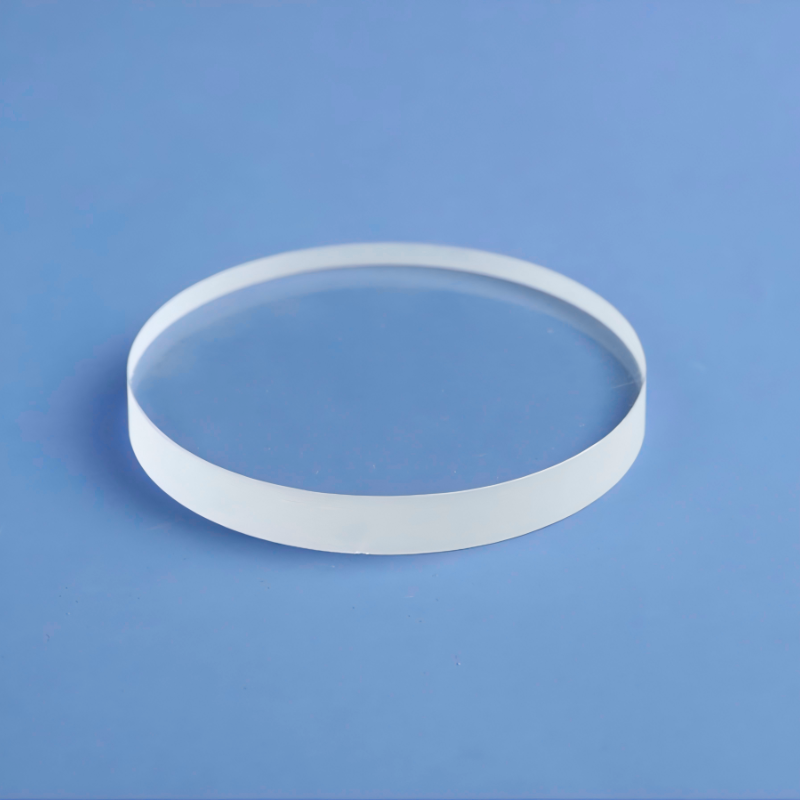
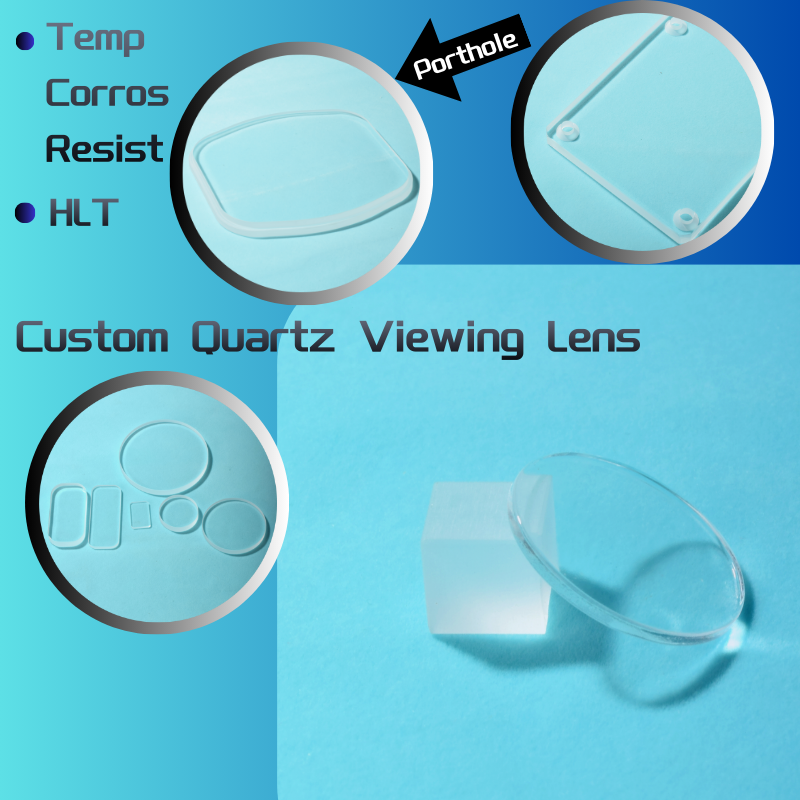
Lianyungang Vulra Quartz Products Co., Ltd. supplies high-precision quartz glass slides, custom synthetic fused silica windows, and wafer carrier substrates manufactured directly at our Donghai production headquarters. By bridging source-level crystal refining with computerized double-sided lapping, chemical-mechanical planarization (CMP), and class-1000 cleanroom packaging, we provide Austin engineering groups with components that prevent focal shift, resist aggressive plasma etch chemistries, and withstand repetitive thermal cycles exceeding 1100°C without devitrification.
Specialized Deployment Scenarios in Austin & Central Texas
Precision quartz components designed specifically to address the mechanical, chemical, and optical constraints of Austin's primary high-technology manufacturing and research institutions.
Semiconductor Photolithography & Mask Substrates
Austin’s front-end fabrication clusters (including Taylor's advanced foundry expansions and legacy 200mm/300mm facilities) utilize our high-transmittance fused silica plates for test reticles, inspection windows, and vacuum chuck slip plates. Superior transmission at 193nm, 248nm (KrF), and 365nm (i-Line) ensures uncompromised exposure uniformity without wavefront distortion.
CVD, ALD & Thermal Oxidation Carriers
Serving local thin-film equipment builders and secondary fabs, our quartz slides and slotted boats act as substrate carriers in atmospheric and low-pressure chemical vapor deposition systems. Rated for continuous duty at 1100°C with an ultimate softening ceiling of 1683°C, our quartz components eliminate sag and resist cross-contamination during chlorine and silane purge cycles.
Single-Molecule TIRF & Dell Medical Biophysics
Austin’s booming biomedical hub along the Red River Cultural District relies on our microscope-grade quartz slides for Total Internal Reflection Fluorescence (TIRF) and single-molecule RNA/protein assays. Engineered with zero inherent background fluorescence and surface flatness controlled down to λ/10, these substrates maximize photon signal-to-noise ratios.
High-Power Industrial Laser Metrology
With an extensive community of laser-machining, defense sensor, and metrology integrators in Round Rock, Cedar Park, and South Austin, our synthetic fused silica windows provide exceptionally high Laser-Induced Damage Thresholds (LIDT > 10 J/cm² at 1064nm, 10ns pulses). This mitigates thermal lensing and self-focusing damage in beam delivery optics.
Clean Energy, Battery & PV Cell Research
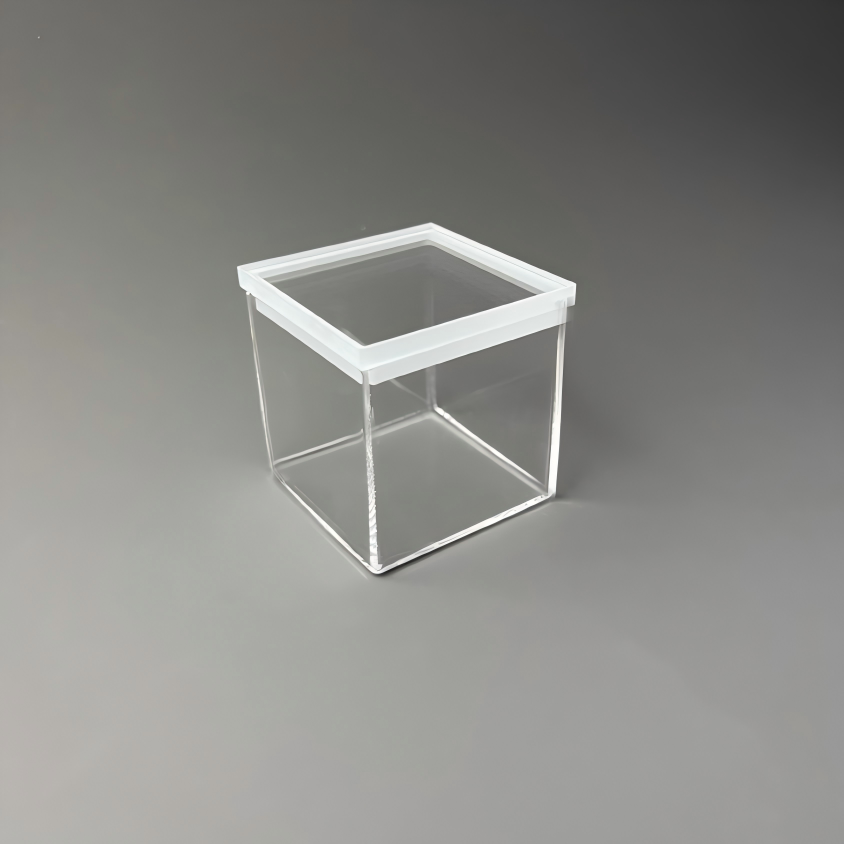
Working alongside cutting-edge cleantech initiatives throughout the Austin-San Antonio innovation corridor, our custom quartz electrolytic cells and high-temperature observation slides support in-situ battery degradation analysis, photocatalytic water splitting, and spectroelectrochemical characterization under severe corrosive electrolyte exposures.
Academic Nanofabrication (UT Austin Cockrell School & TMI)
Direct supply to the Texas Materials Institute (TMI) and the Microelectronics Research Center (MRC). We machine specialized circular wafers, XRD zero-background sample plates, and micron-grooved quartz slides configured for electron-beam lithography, spin-coating verification, and X-ray reflectivity testing without elemental background interference.
Technical Comparison: Quartz Slide Grades for Specifying Engineers
Selecting the ideal quartz grade is vital for preventing premature substrate failure, optical absorption spikes, or particulate leaching in Austin cleanroom lines. Our factory processes three premier fused silica/quartz classifications:
| Property / Parameter | JGS1 (Synthetic Fused Silica) | JGS2 (Optical Fused Quartz) | JGS3 (Infrared Fused Quartz) |
|---|---|---|---|
| Primary Optical Spectrum | Deep UV & Visible (185nm – 2500nm) | Standard UV & Visible (220nm – 2500nm) | Visible to Mid-Infrared (260nm – 3500nm) |
| Hydroxyl (OH⁻) Concentration | High (> 1200 ppm) – No UV absorption band | Moderate (30 – 150 ppm) | Ultra-low (< 5 ppm) – Bubble-free IR transmission |
| Total Impurity Content | < 5 ppm total metallic traces | < 30 ppm total metallic traces | < 20 ppm total metallic traces |
| Bubble & Inclusion Class | Class 0 (Zero visible inclusions) | Class 1 / Class 2 options | Class 1 (Precision furnace vacuum melted) |
| Fluorescence Index | Virtually Non-Fluorescent (Ex: 254nm / 365nm) | Extremely Low Fluorescence | Negligible Infrared Background Noise |
| Recommended Austin Usage | Excimer laser optics, TIRF microscopy, DUV litho | Standard fab sight glasses, furnace windows | IR spectroscopy, thermal sensing windows |
* Note: Standard dimensional tolerances: Thickness ±0.05 mm, Length/Width ±0.1 mm, Surface Quality: 60/40 or 40/20 Scratch-Dig, Flatness: 1-3 λ/inch. Precision optical grades can be lapped to 20/10 Scratch-Dig with λ/10 surface accuracy upon engineering request.
Austin's Strategic Sourcing Paradigm: Navigating Silicon Hills Fab Expansion
The capital expenditure influx spurred by the U.S. CHIPS and Science Act has altered the procurement landscape across Williamson and Travis counties. Fused quartz consumable demand is reaching historical highs, leading to domestic supply crunches, extended domestic lead times spanning 16–24 weeks, and prohibitive distributor markups from local intermediaries.
Forward-thinking Austin procurement directors and laboratory managers are increasingly re-architecting their tier-1 and tier-2 vendor relationships. By partnering directly with verified original equipment manufacturers (OEMs) who control upstream quartz sand refining through downstream precision machining, engineering departments gain direct pricing, full supply chain transparency, and custom fabrication flexibility that domestic catalog houses cannot match.
Vulra Quartz maintains direct shipping corridors directly to Austin-Bergstrom International Airport (AUS) and DFW air hubs, facilitating door-to-door expedited delivery of custom quartzware within 7 to 12 working days from completion of CNC machining.
Why Texas Engineers Partner Directly With Our Factory
Combining world-renowned Donghai natural quartz purity with stringent international manufacturing compliance verified by independent third-party audits.
TÜV Rheinland Audited
Our complete facility, operating lines, business legitimacy, and quality control systems are independently audited and verified on-site by TÜV Rheinland, providing full enterprise governance assurance for corporate vendor onboarding.
Donghai Raw Material Purity
Headquartered in Donghai, the global crystal capital, we maintain raw material access to 99.99%–99.999% pure silica sands, resulting in quartz substrates virtually free from metallic contaminants, striations, and seed bubbles.
Full Drawing-to-Part Customization
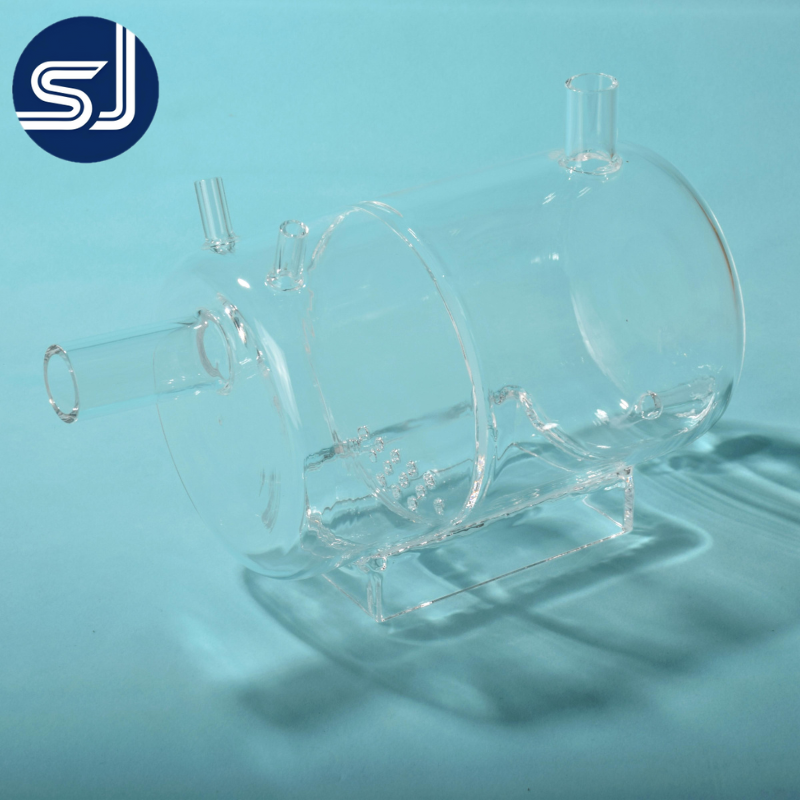
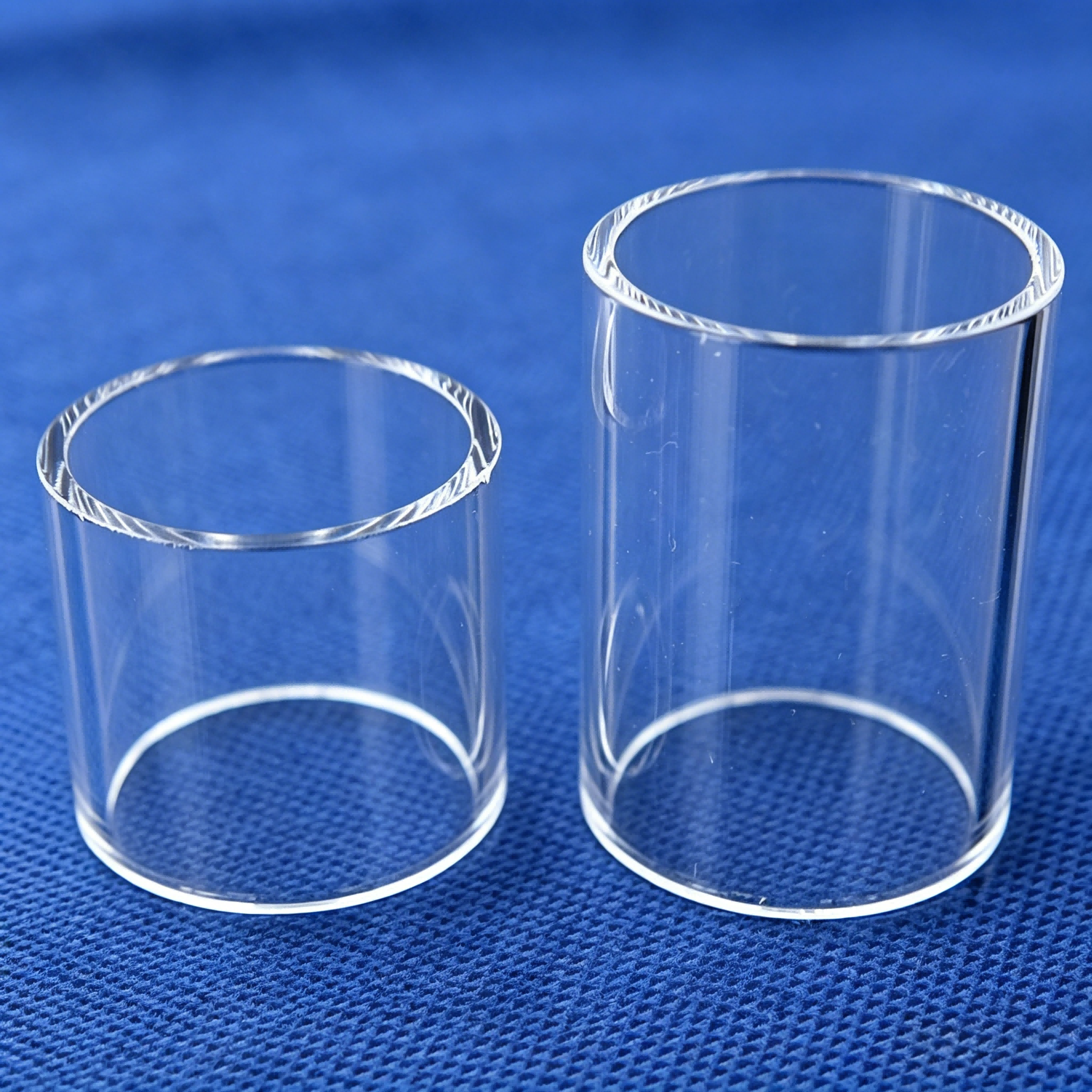
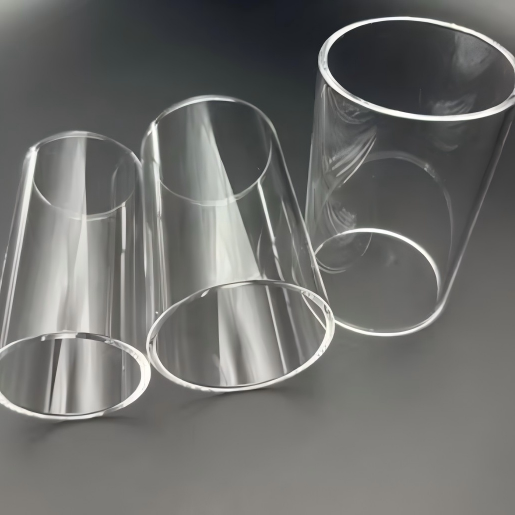
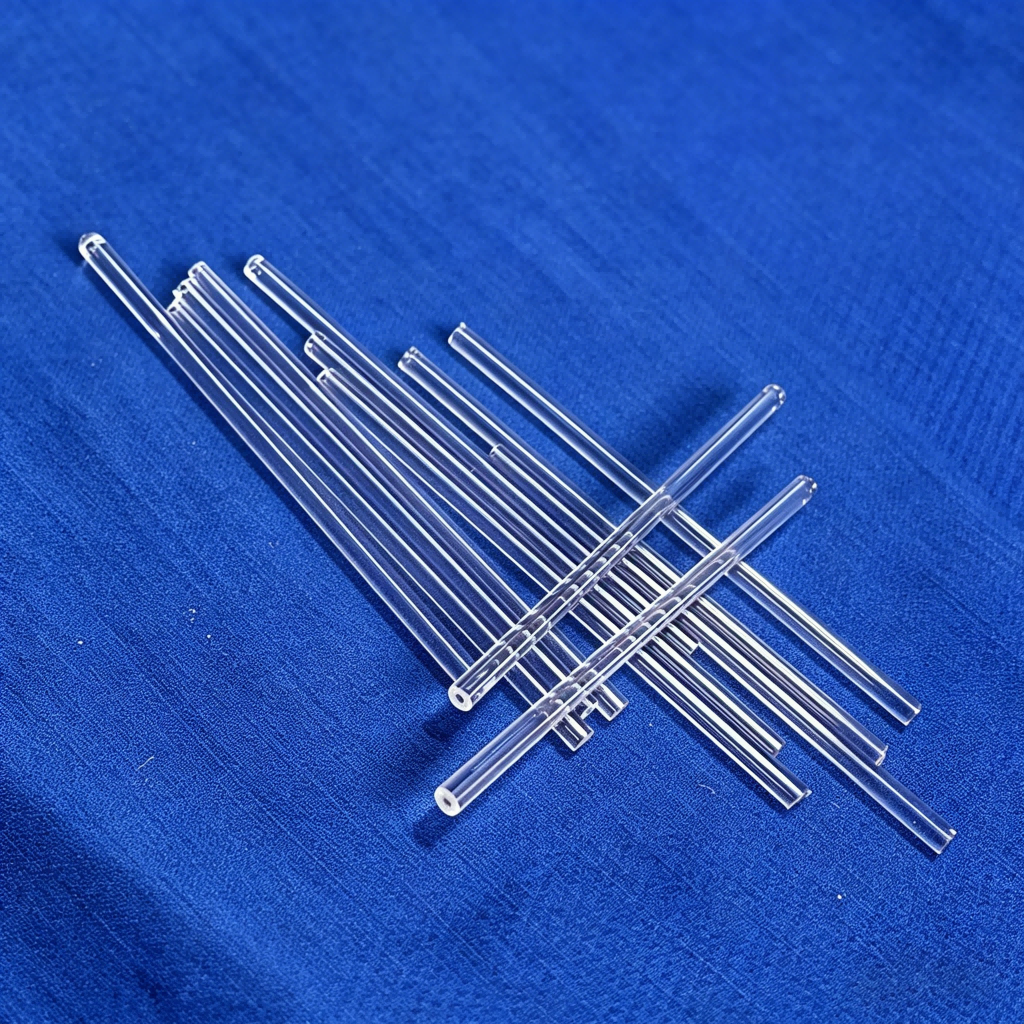
From micro-capillaries to 800mm diameter tubes, wafer boats, and ultra-thin 0.15mm quartz cover slides: our master glassblowers and CNC machinists execute bespoke geometries based on your CAD/2D technical drawings from a single piece.
Cleanroom Vacuum Packaging
Every slide undergoes ultrasonic deionized water scrubbing, multi-stage acid leaching, thermal dehydroxylation, and nitrogen-purged hermetic vacuum sealing inside anti-static cleanroom packs ready for immediate clean bay transition.
CE & RoHS Certified Compliance
Our clear quartz, ozone-free tubes, and precision flatware comply fully with RoHS environmental directives and CE marking standards, satisfying institutional compliance protocols across public universities and defense contractors.
Zero-Breakage Export Packaging
Custom-cut high-density EPE shock absorption molds, individual cellular partition cartons, and reinforced export-grade plywood crates ensure delicate optical quartz products survive international transit with a verified >99.8% intact arrival record.
Austin Buyer Technical FAQ
Direct answers from our senior materials engineers covering specifications, cleanroom qualification, prototyping, and logistics for Texas research and industrial buyers.
Can your quartz slides substitute for sapphire or standard borosilicate in Austin semiconductor metrology?
What is the standard lead time for delivering custom-dimension quartz slides to the Austin/Taylor area?
Are your quartz substrates compatible with Class 10 / Class 100 semiconductor cleanroom entry?
What edge finishing options do you offer to prevent cleanroom chipping and personnel injury?
What is your minimum order quantity (MOQ) for custom university research orders at UT Austin?
How do you verify optical flatness and surface roughness before dispatch?
Accelerate Your Austin Project with Direct OEM Precision Quartz
Submit your custom dimensions, CAD blueprints, or purity requirements. Our materials engineering group will complete a comprehensive manufacturability review, tolerance check, and quote within 12 hours.