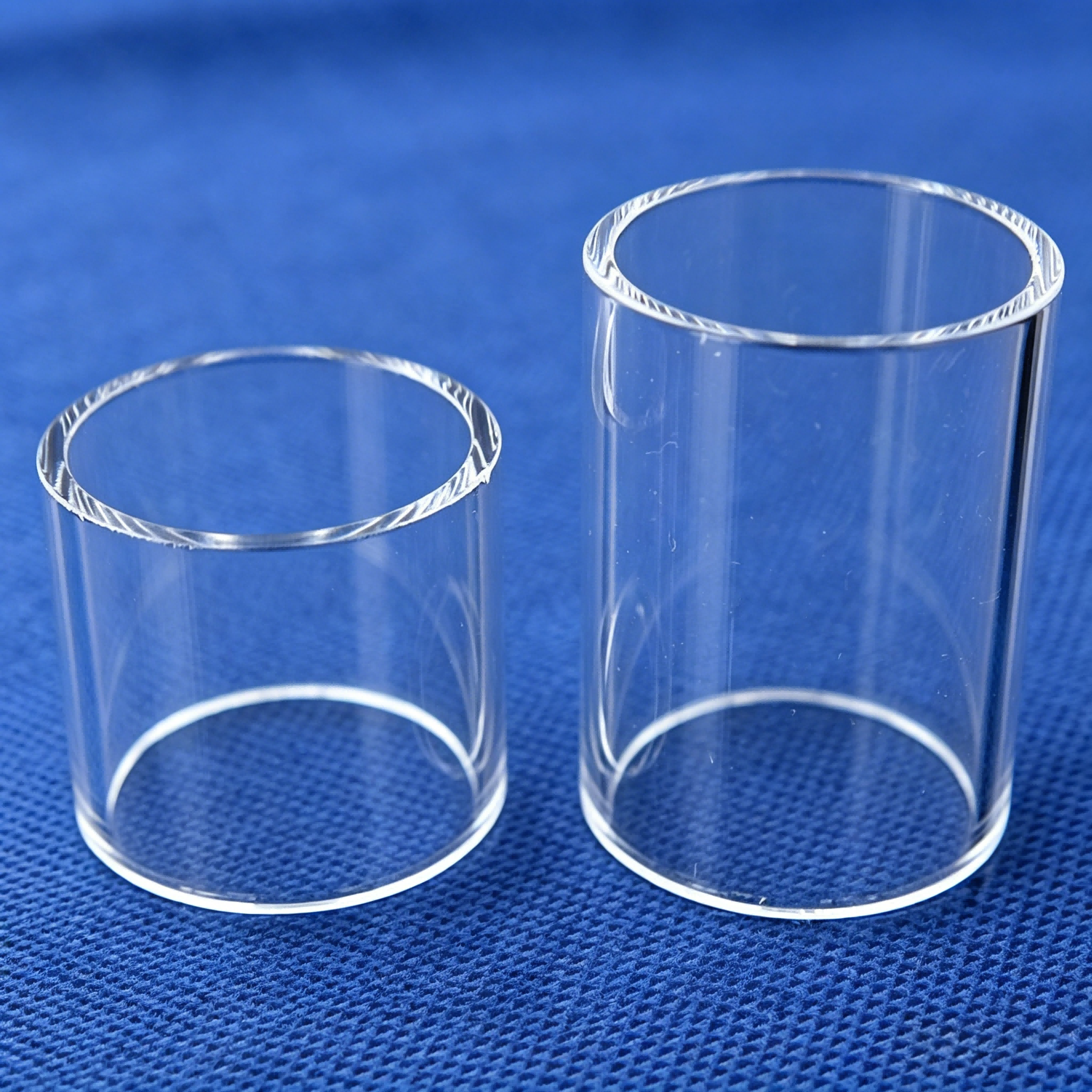
Custom High Temperature Corrosion Resistant Clear Quartz Glass Pipe | Twin Tube SJ 210
Engineered for extreme acid corrosion resistance, multi-channel flow monitoring, precision bending, and optical pyrometry tracking.
Explore precision-machined fused quartz viewports, furnace chambers, process tubes, and reaction cells configured to tight ASTM and SEMI standards for California process engineers.
Engineered for extreme acid corrosion resistance, multi-channel flow monitoring, precision bending, and optical pyrometry tracking.
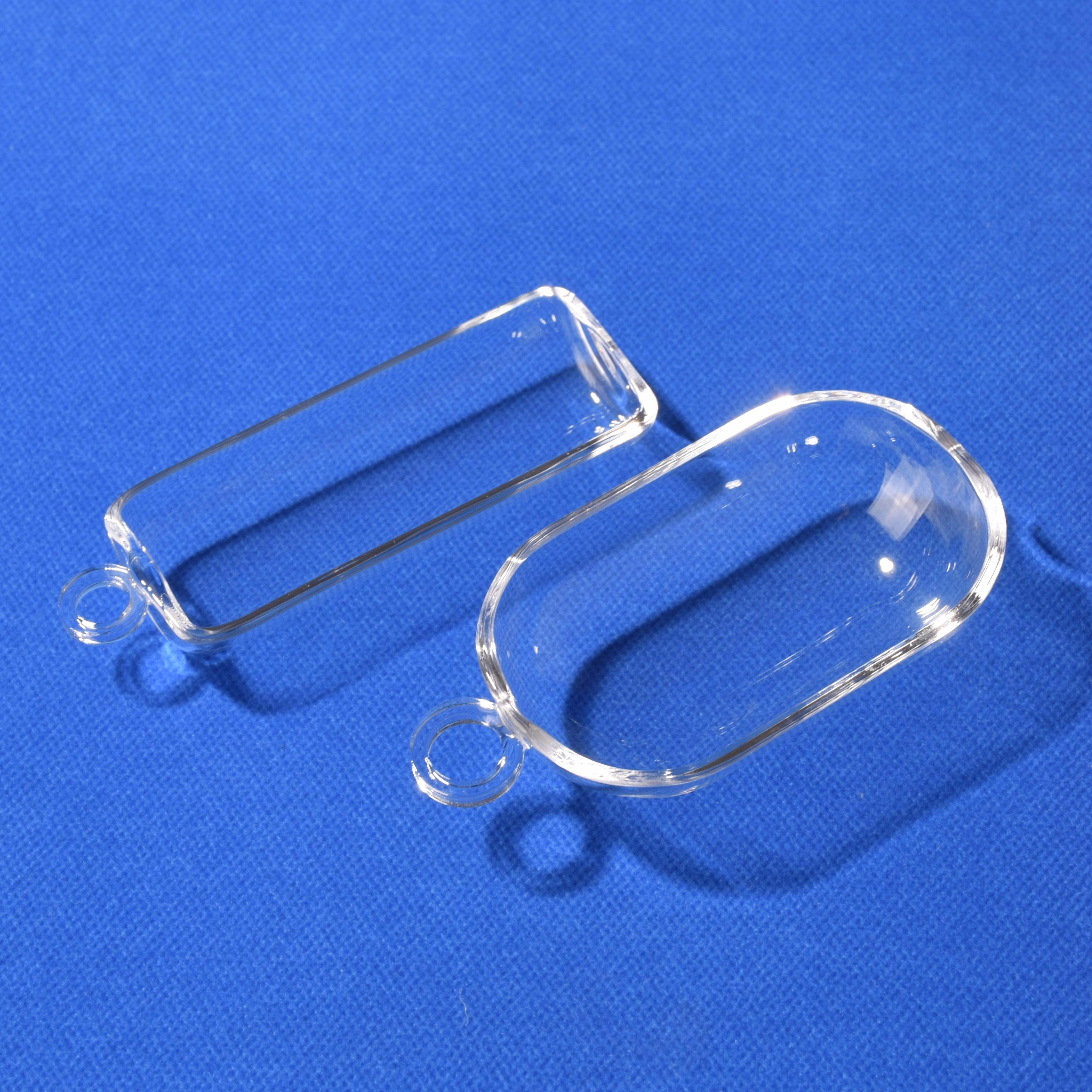
Ozone-free surface-polished geometry designed for horizontal tube furnace sight-inspection, thermal annealing, and CVD sample stability.
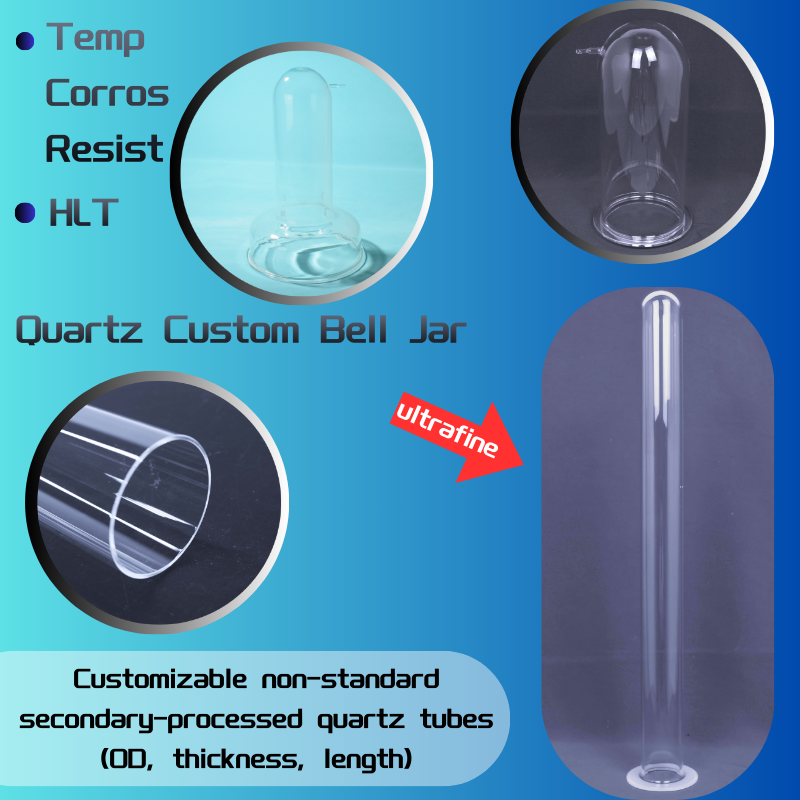
Fabricated from 99.99% SiO₂ matrix; zero outgassing, ultra-low bubble inclusion rate, ideal for UHV observation ports and etching reactors.
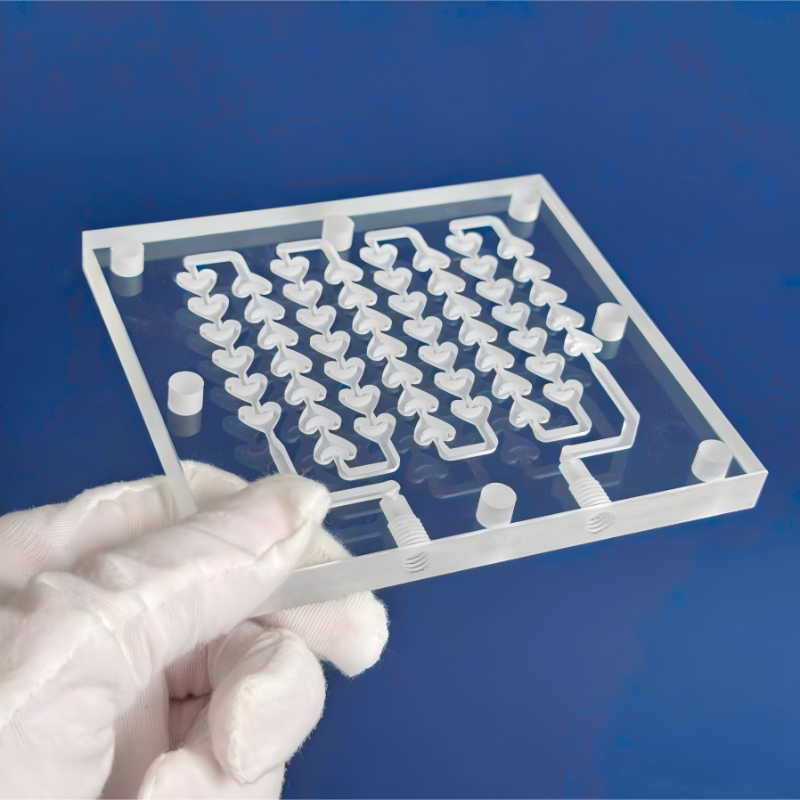
Parallel-polished quartz discs providing unyielding stability in aggressive heat-exchange, plasma observation windows, and laser debris shields.
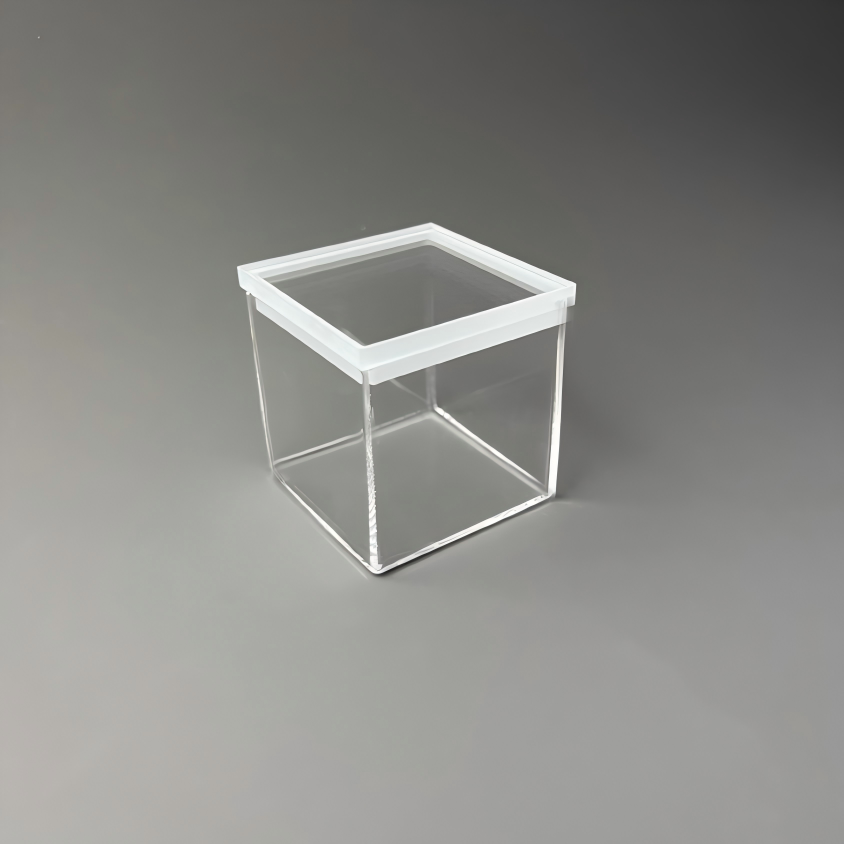
Direct transmission architecture for non-destructive in-situ photocatalysis visual tracking, electrochemical impedance monitoring, and UV radiation tests.
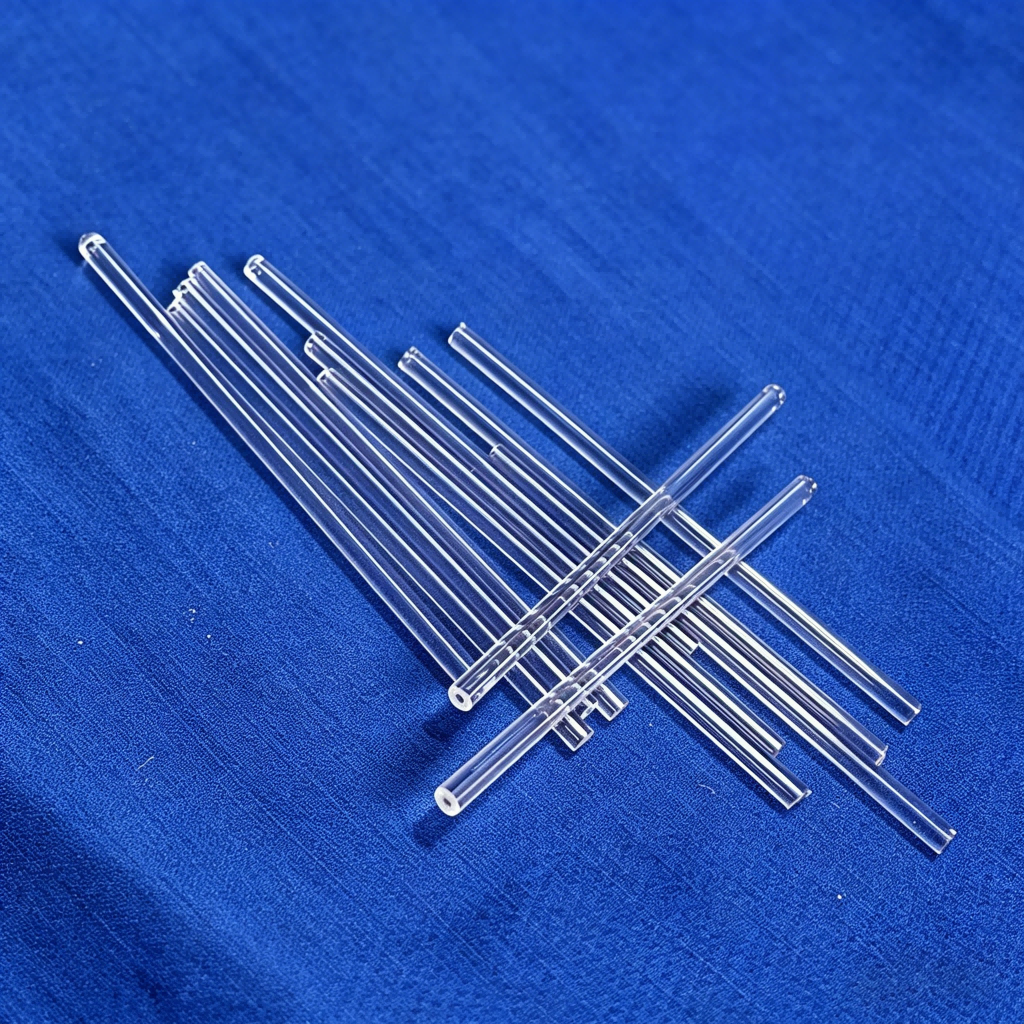
Thermal radiation-blocking micro-capillaries providing controlled sampling exhaust channels in high-yield RTP, CVD, and cleanroom spectroscopy systems.
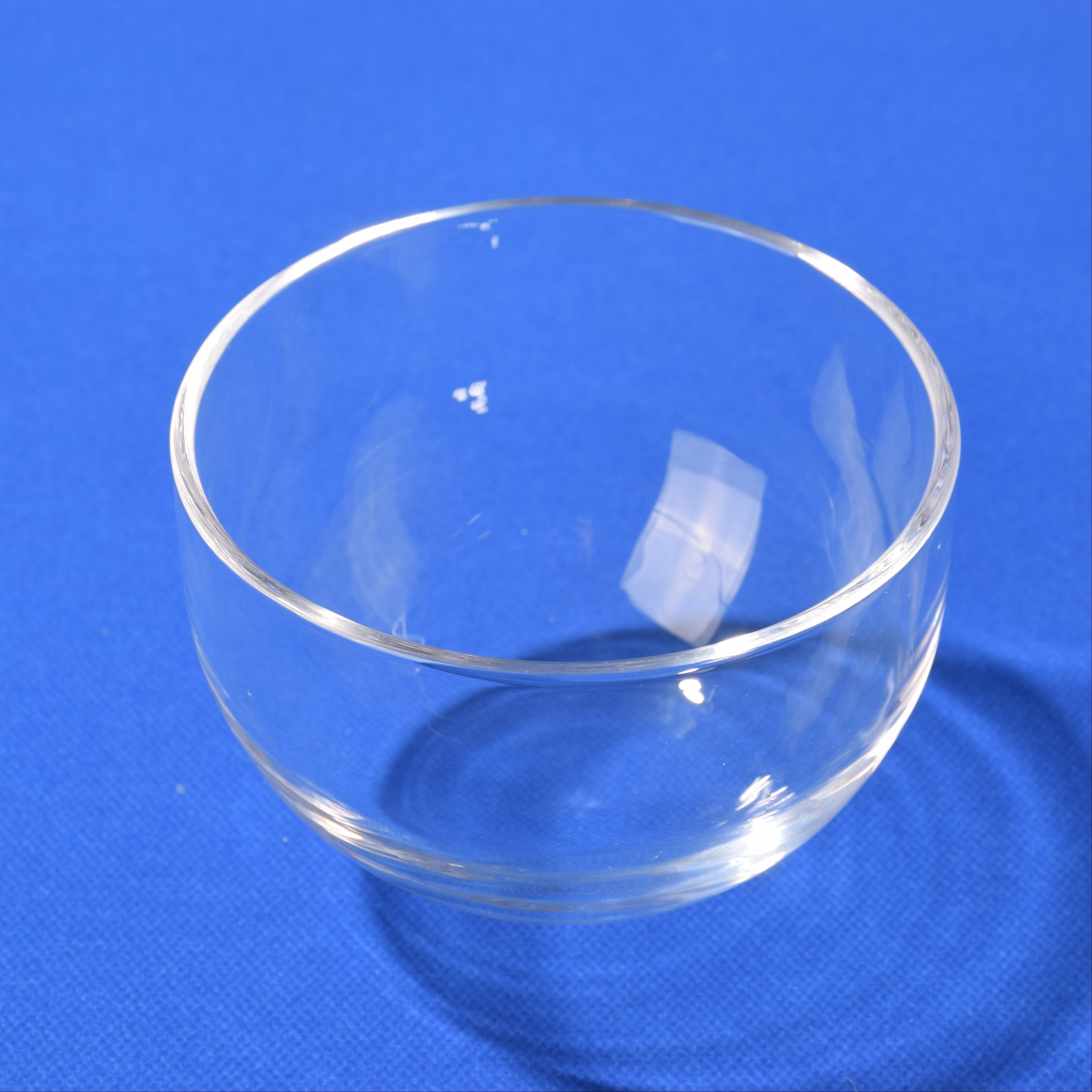
High tensile strength (48 N/mm²) fused quartz crucible supporting silicon ingot growth inspection, metallurgical melting, and high-temp alloy assessment.
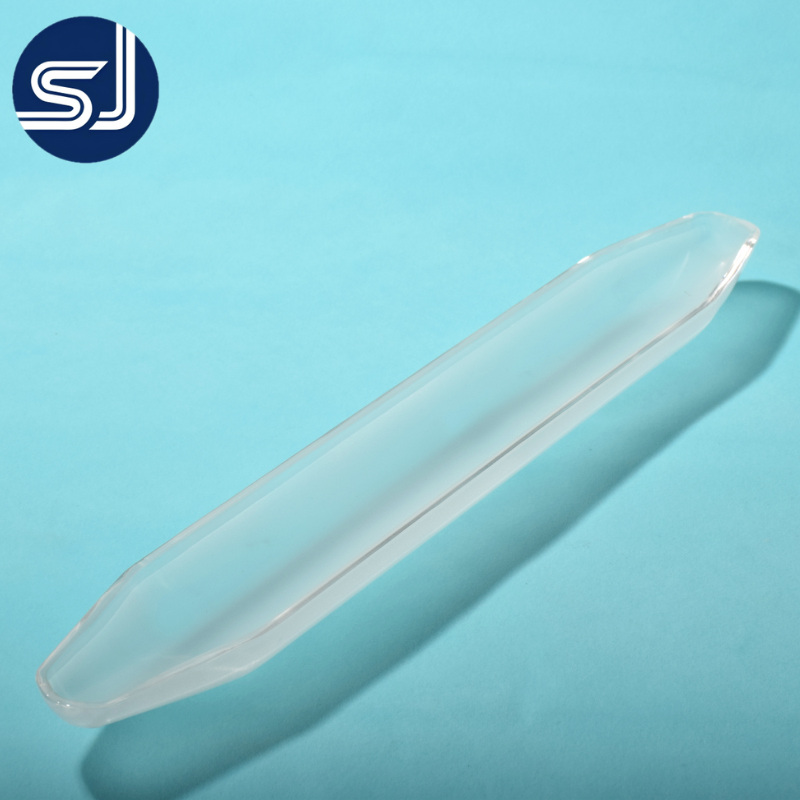
>85% deep transmission, machined wafer-slotting, and zero sagging up to 1100°C for wafer oxidation, diffusion arrays, and thermal batching.
In high-vacuum semiconductor fabrication and aerospace simulation chambers, optical observation windows (sight glasses) serve as critical boundaries. They must maintain absolute structural integrity across substantial pressure differentials (from UHV 10⁻⁸ Torr to multi-bar positive pressures) while allowing laser telemetry, emission spectroscopy, or direct visual tracking across deep ultraviolet (DUV), visible, and near-infrared (NIR) spectra.
Unlike standard borosilicate or soda-lime float glass, fused silica and high-purity natural fused quartz (SiO₂ ≥ 99.99%) display a near-zero thermal expansion coefficient (α ≈ 5.5 × 10⁻⁷ /°C). This allows observation windows to withstand acute thermal shock—such as instantaneous exposure to heated silicon wafers at 1000°C alongside cryogenic chamber perimeter flanges—without fracturing.
| Physical / Optical Parameter | Fused Natural Quartz (Grade JGS2) | Synthetic Fused Silica (Grade JGS1 / DUV) | Standard Borosilicate 3.3 |
|---|---|---|---|
| Silicon Dioxide (SiO₂) Purity | 99.99% – 99.999% | > 99.9999% (< 1 ppm trace metals) | ~ 81% SiO₂ (Contains B₂O₃, Na₂O, Al₂O₃) |
| Continuous Operating Temp | 1100°C (Short term: 1450°C) | 1150°C (Short term: 1500°C) | 450°C (Short term: 500°C) |
| Coefficient of Thermal Expansion | 5.5 × 10⁻⁷ /°C | 5.2 × 10⁻⁷ /°C | 32.5 × 10⁻⁷ /°C (High shock vulnerability) |
| Optical Transmission Range | 220 nm – 2500 nm | 185 nm – 2500 nm (Extreme UV grade) | 350 nm – 2000 nm (Cutoff at UV) |
| Dielectric Strength (20°C) | 25–40 kV/mm | 30–45 kV/mm | 15–20 kV/mm |
| Refractive Index (Nd @ 589.3nm) | 1.458 | 1.458 | 1.472 |
Window Thickness Calculation for Vacuum & Pressure Safety: When designing custom sight glass viewports for San Jose cleanrooms, mechanical engineers should utilize the clamped plate failure formula per ASTM C158 standards:
t = d · √((k · P · SF) / (4 · σ))
Where t is minimum window thickness, d is unsupported window clear aperture diameter, P is maximum differential operating pressure, SF is the required safety factor (typically set to 4 or 8 for safety-critical vacuum applications), k represents edge constraint (typically 0.75 for clamped gasket setups), and σ represents quartz rupture modulus (typically 48 N/mm²).
From North First Street semiconductor fabs to Santa Clara R&D facilities, our precision fused quartz observation windows directly enable next-generation physical engineering.
Critical in inductively coupled plasma (ICP) etchers, atomic layer deposition (ALD), and chemical vapor deposition (CVD) equipment across Santa Clara County. Provides optically pure, non-reactive sight windows for optical emission spectroscopy (OES) endpoint detection.
Silicon Valley's leading laser cutting, metal 3D printing, and additive manufacturing units utilize our ultra-flat quartz viewports (surface flatness λ/4 to λ/10) as high-damage-threshold protective beam windows that resist hot spatter and thermal distortion.
Extreme UV lithography source developers in South Bay test lines rely on synthetic silica and ozone-free quartz observation flanges resistant to intense plasma debris, high-temperature tin droplet ablation, and broad DUV radiation.
University spin-offs and national research facilities situated around San Jose require custom non-magnetic, low-expansion fused quartz viewport blanks capable of cycling from cryogenic cold traps to 1000°C vacuum bake-out routines without mechanical creep.
Supporting clean energy startups along the Fremont-San Jose corridor conducting in-situ optical microscopy of lithium dendrite proliferation in pressurized inert-gas test reactors operating at high temperatures.
Supplying optical observation windows with precise anti-reflective (AR) coating compatibility for ion trap and neutral-atom quantum processors under development in Silicon Valley quantum incubators.
Procurement practices in the San Francisco Bay Area are transitioning rapidly away from generic catalog sizes toward tightly specified, application-customized quartz viewports. Key industrial trends shaping San Jose’s fab suppliers include:
Silicon Valley hardware development cycles demand fast design iterations. Hardware teams no longer tolerate 50-piece minimum production commitments for experimental sight glass geometries. Vulra Quartz offers 1-piece custom prototyping directly from CAD step files within accelerated transit cycles.
As 3nm and 2nm gate architectures scale, alkali metal ions (Na, K, Li) in furnace components introduce dangerous lattice contamination. San Jose process engineers increasingly audit GDMS (Glow Discharge Mass Spectrometry) purity reports down to part-per-billion levels.
Buyers seek observation windows directly bonded or mechanically clamped with elastomer/metal seals to standard ConFlat (CF), ISO-KF, and ISO-K stainless steel flanges (304L/316L) to simplify vacuum chamber integration.
Combining world-class raw quartz reserves from the world's crystal capital with advanced CNC optical polishing, flame lathe welding, and rigorous certified testing.
Situated in Donghai County—the international nexus of high-purity quartz crystal sand. Direct supply lines ensure consistent 99.99%–99.999% SiO₂ content with near-zero bubble density and optimal structural homogeneity.
State-of-the-art multi-axis CNC diamond wire slicing, double-sided optical planar polishing, ultrasonic hole core drilling, waterjet contouring, and oxy-hydrogen flame annealing all performed under one quality umbrella.
On-site audited and verified by TÜV Rheinland. Products comply with comprehensive CE safety criteria, RoHS directives, and international vacuum equipment manufacturing standards.
All finished sight glasses undergo long-duration programmable electric furnace annealing to completely relieve internal thermal and mechanical stress, followed by hydrofluoric/nitric acid pickling and deionized water ultrasound flushing.
Direct technical answers addressing purity, vacuum sealing, optical transmittance, and logistics to Northern California.
JGS1 (Synthetic Fused Silica): Produced by gas-phase oxidation of synthetic silicons. Free of bubbles and inclusions, with exceptional transmittance (>90%) in the deep ultraviolet range (185 nm–2500 nm). Ideal for laser observation, photolithography, and DUV spectroscopy.
JGS2 (Fused Natural Quartz): Melts high-purity natural quartz sand. Offers excellent transmission in the visible and near-infrared spectra (220 nm–2500 nm). This is the industry benchmark for vacuum chamber sight glasses, furnace viewports, and plasma windows.
JGS3 (Infrared Fused Quartz): Contains very low hydroxyl (-OH < 5 ppm) content, extending optical transparency into the mid-infrared region (260 nm–3500 nm). Common in thermal imaging and infrared gas analysis ports.
Yes. Our quartz observation windows feature helium leak test rates of less than 1 × 10⁻¹⁰ mbar·L/s when mounted on properly designed CF (ConFlat) knife-edge copper gaskets or high-performance fluoroelastomer seals (e.g., Viton, Kalrez). The negligible outgassing profile of 99.999% SiO₂ makes it suited for 10⁻⁸ Torr and below.
Devitrification (crystallization of amorphous silica into cristobalite) occurs above 1150°C and is drastically accelerated by alkaline contamination (fingerprint oils, airborne sodium). We subject our observation windows to rigorous deionized acid washing and clean packaging. When running above 1000°C, cleanroom handling and grease-free mounting gaskets are strongly recommended.
For demanding laser and optical diagnostics, we achieve surface figures up to λ/10 per inch @ 632.8 nm, scratch-dig ratings of 40/20 or 20/10 per MIL-PRF-13830B, parallelism < 10 arcseconds, and surface roughness (Ra) < 0.5 nm through precision pitch polishing.
Custom prototype windows (1–10 pieces) typically complete production in 7 to 10 business days. Priority air-express courier shipping to the San Jose International Airport (SJC) or San Francisco (SFO) freight hubs takes approximately 3 to 5 business days, fully encased in suspended shock-proof engineered foam and reinforced export wood crates.
Absolutely. We regularly machine custom stepped discs, O-ring groove bevels, recessed counterbore holes, custom mounting notches, and dual-axis angled sight prisms. Simply provide a 2D PDF or 3D STEP drawing when requesting a quote.
Whether replacing OEM sight glasses on Applied Materials / Lam etch tools, building bespoke university cryostats, or procuring batch fused silica plates for laser equipment in San Jose—Vulra Quartz delivers verified quality directly from the crystal manufacturing source.
Get a Quote