High-Purity Quartz Vessels & Custom Engineering Showcase
Verified dimensional tolerances, fire-polished ground flanges, and optical transmission tailored for physical vapor deposition, tube annealing, and severe corrosive atmospheres.
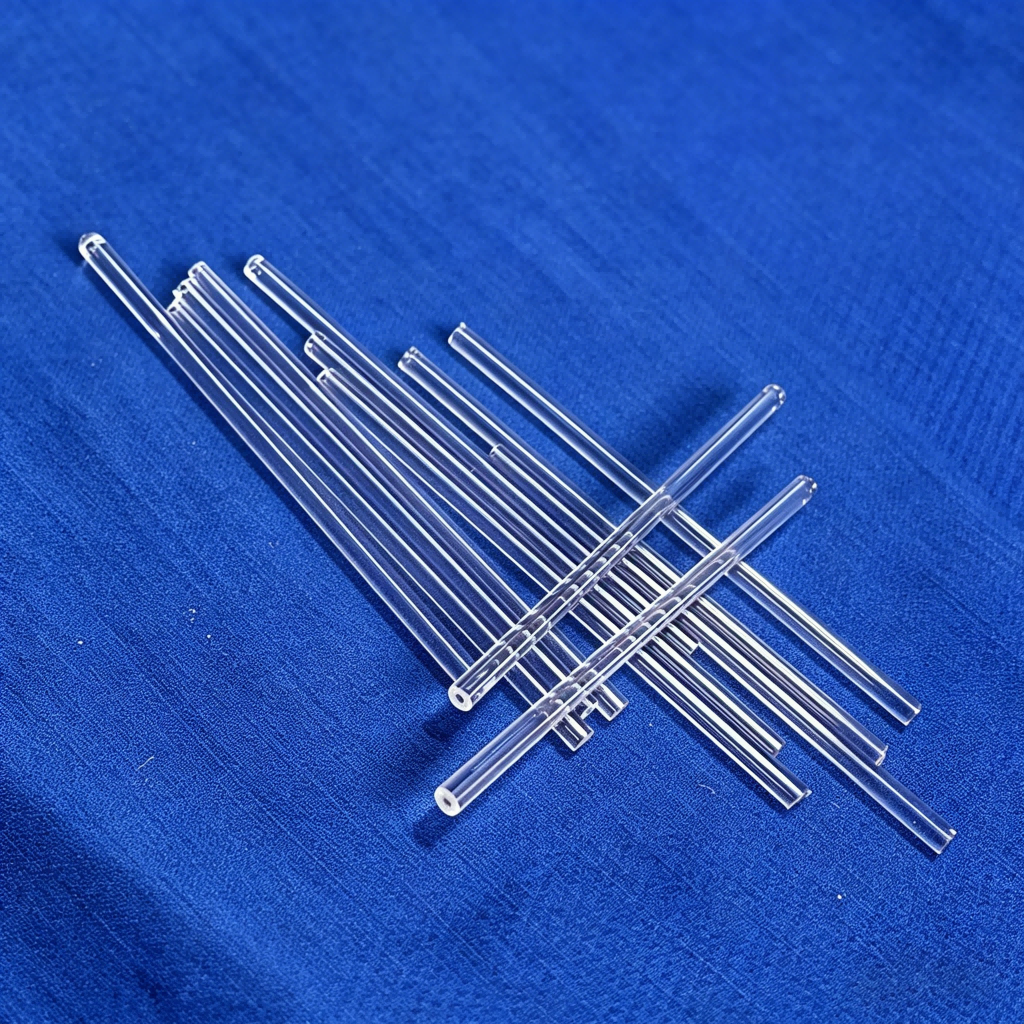
High Purity Opaque Micro Capillary Quartz Glass Tube | Laboratory Exhaust Capillary Tube 99.9%-99.999% SiO₂
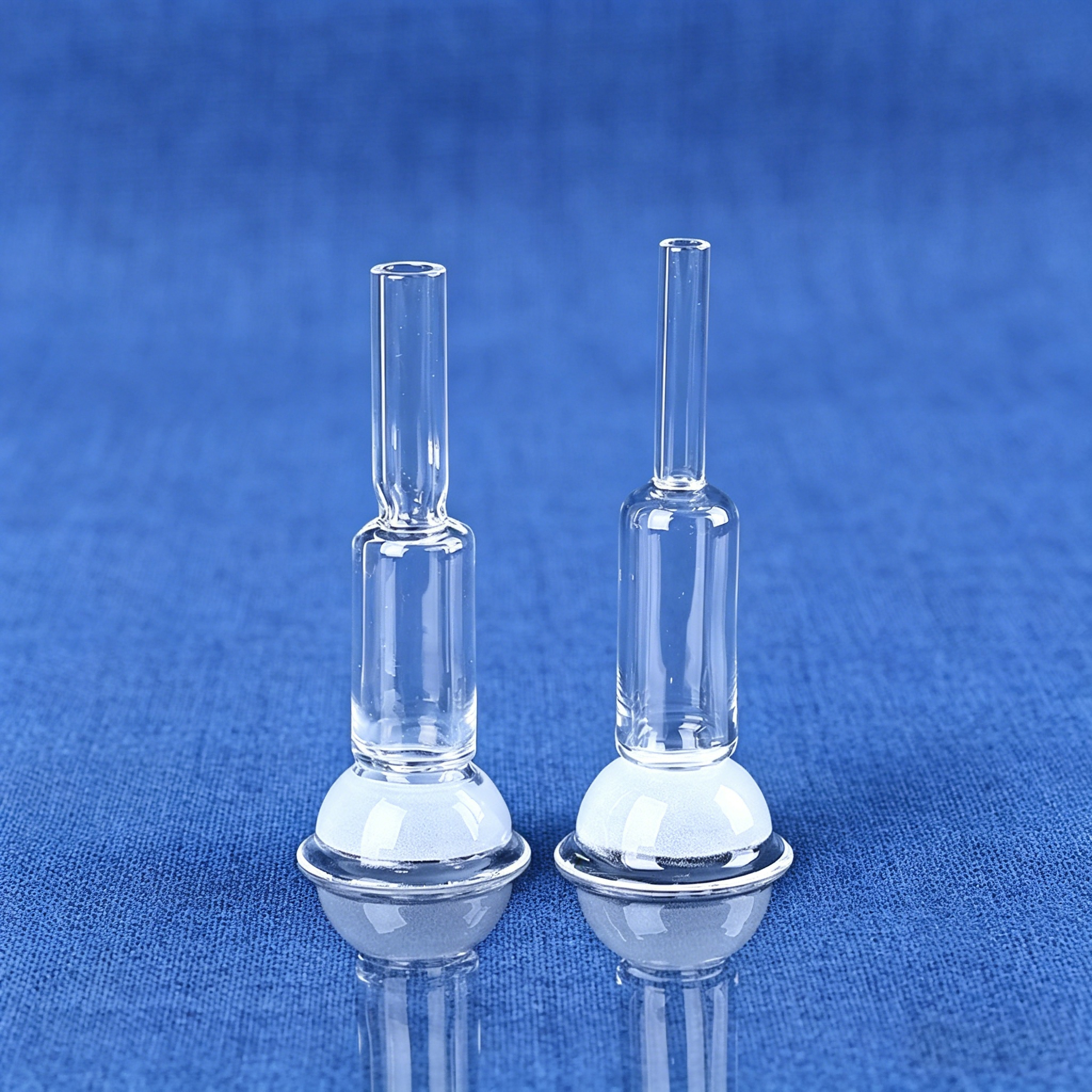
Custom High Purity Quartz C-shaped Small-sized BET Tube Welding Bending Cutting Polished Surface Semiconductor High Temp 1100
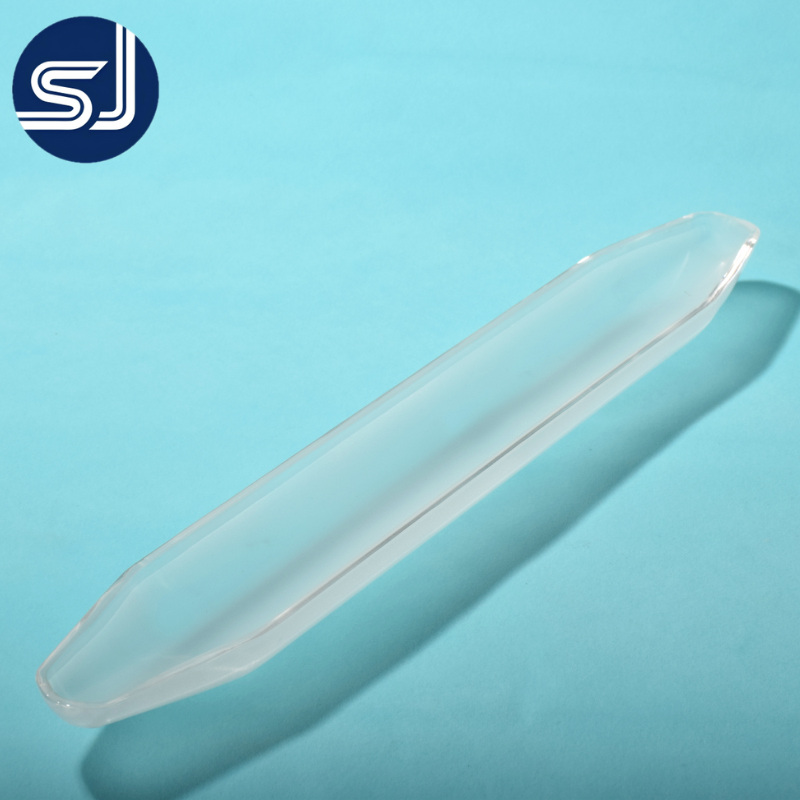
SJ 140 QUARTZ Customizable Transparent High Purity 99.9-99.999% Precision Polished Quartz Boat >85% Transmittance 1100 Lab
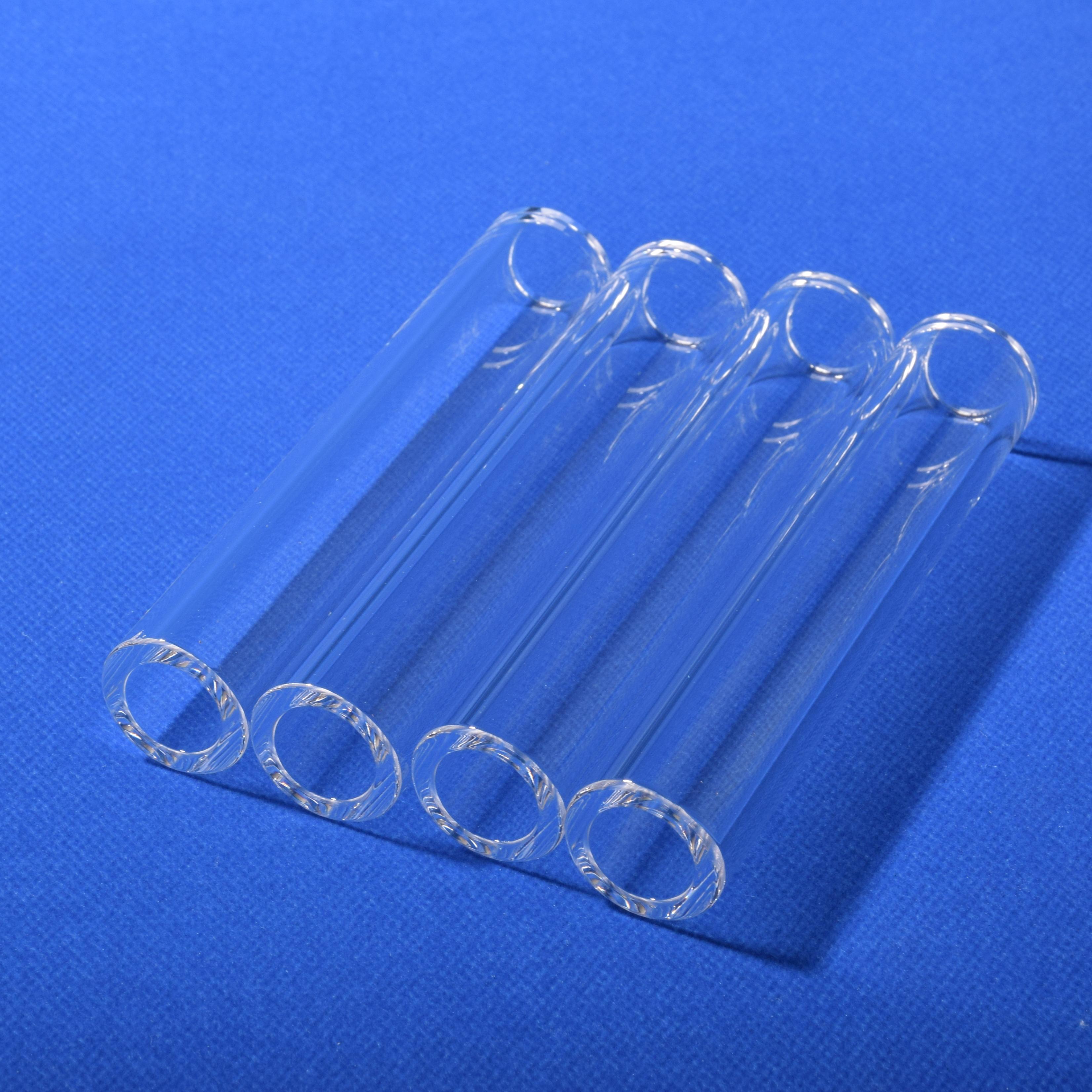
SJ 150 Translucent Oversized Thick Wall Polished Quartz Tube Heat Resistant 1100 Corrosion Resistant Ozone Free Welding
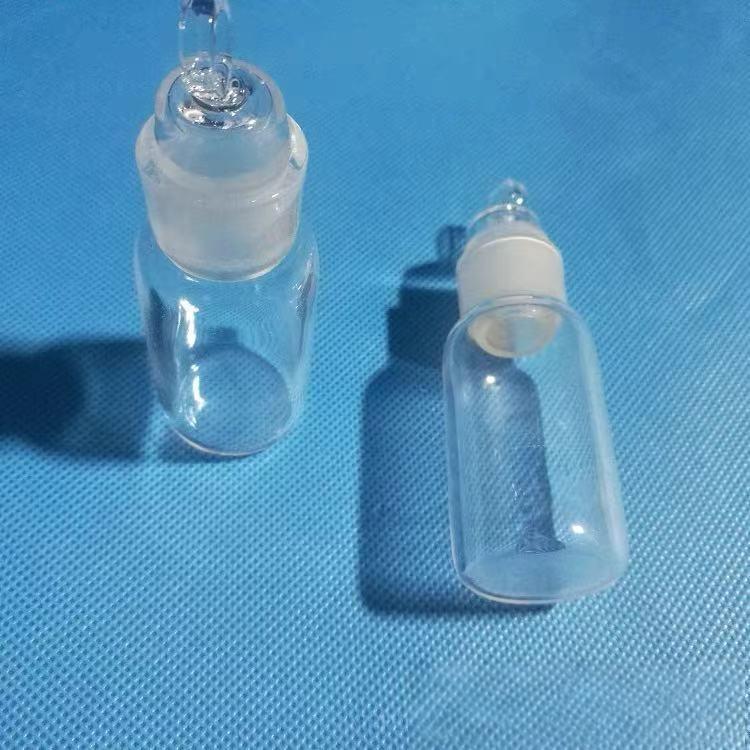
High-Corrosion Resistant High-Temperature Resistant High-Transparency Long-Lifespan Semiconductor 400 Mesh Laboratory Quartz
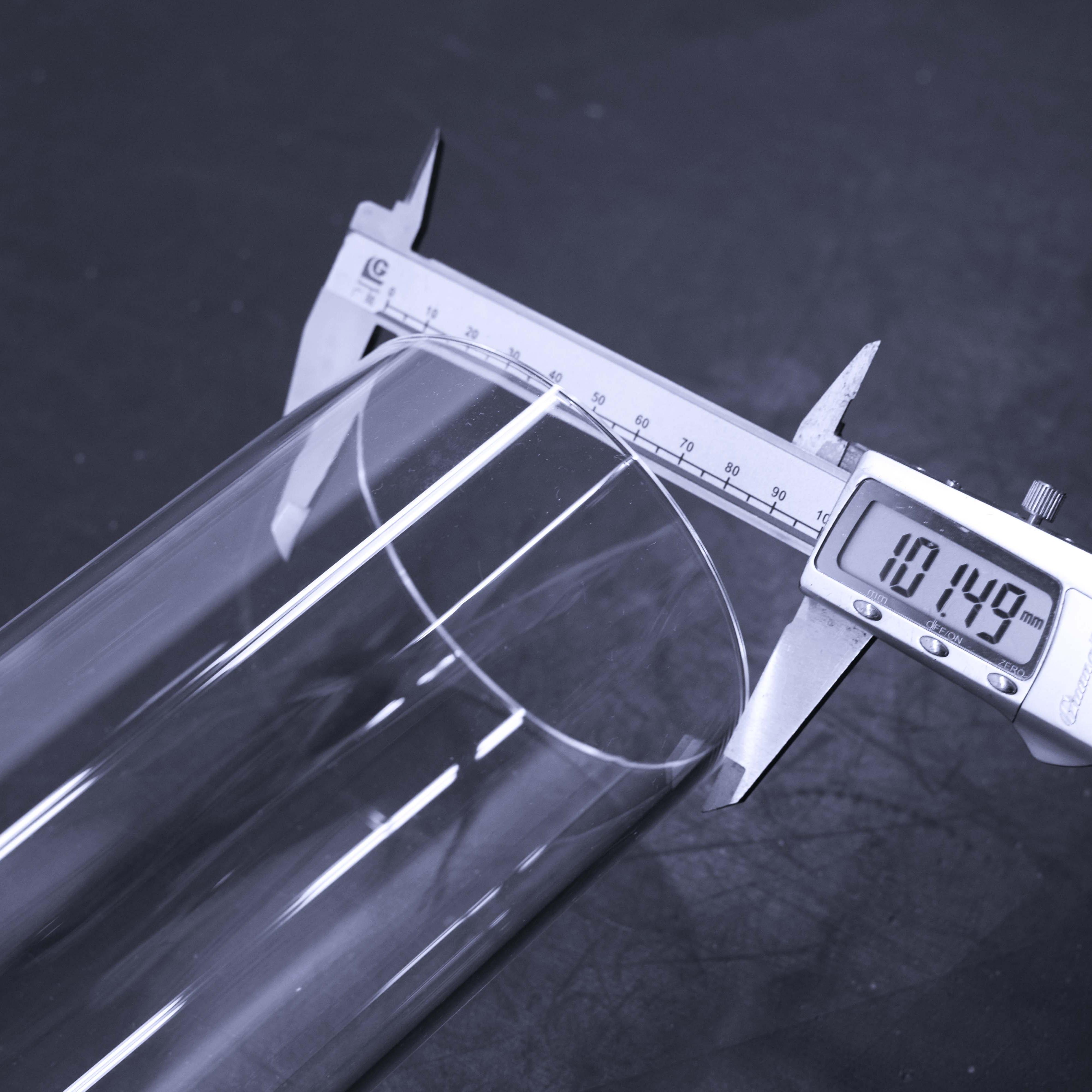
High Purity Quartz Transparent Polished Glass Tube Hollow High Temperature Resistance Clear Quartz Tube Bending Customizable
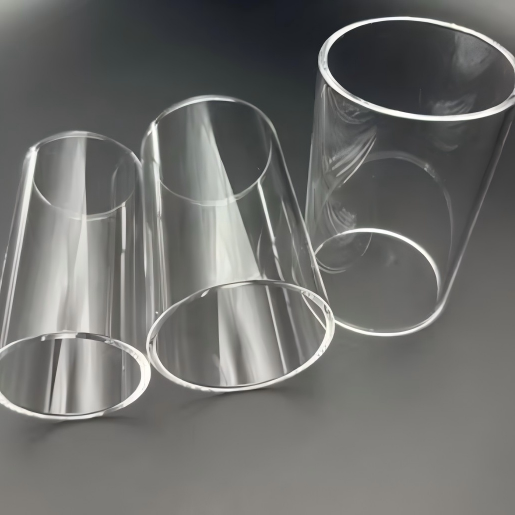
High Temperature Transparent Polished Ozone Free One End Closed Quartz Tube 5-800mm Diameter Bending Welding Cutting
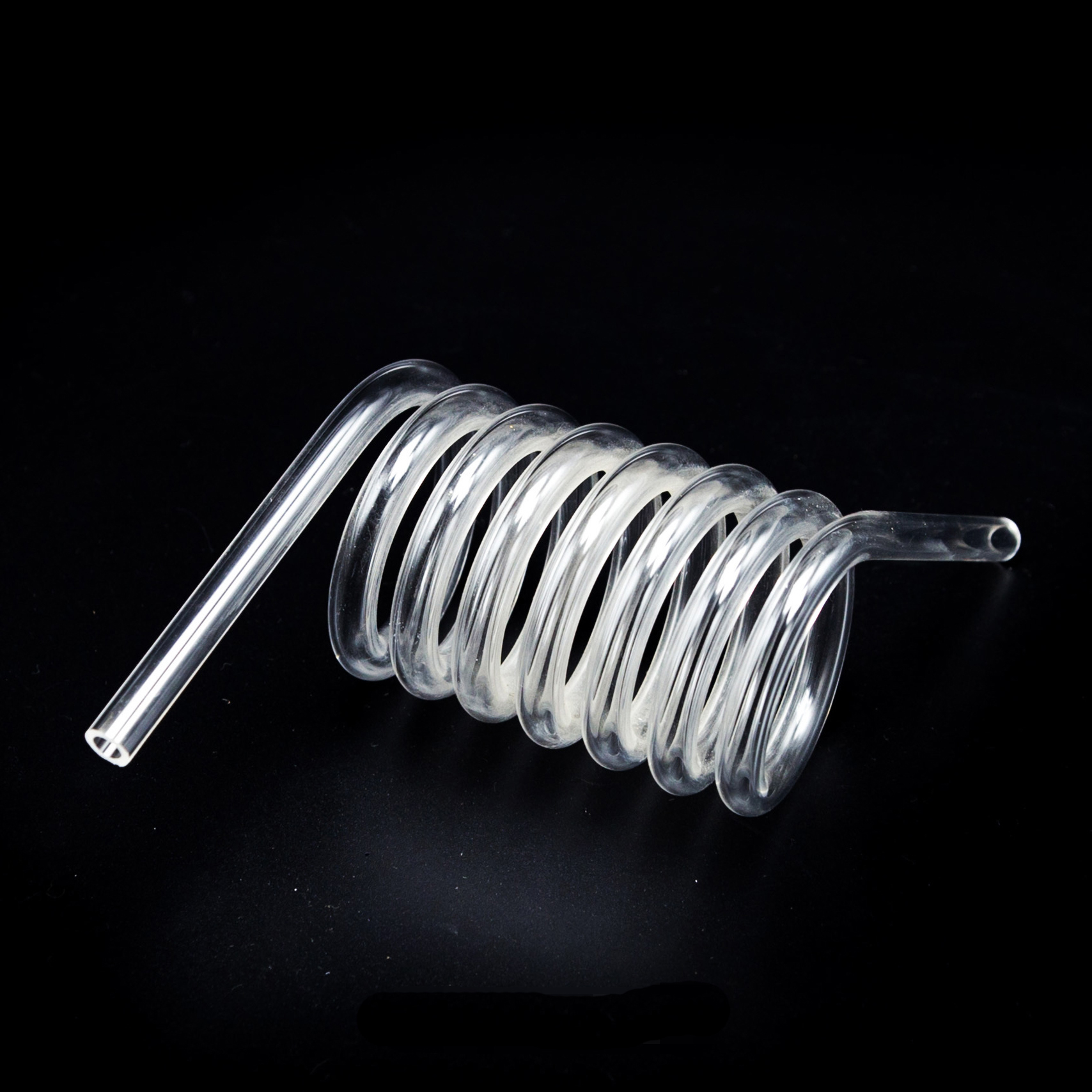
Factory Hot Sale High Purity Polished Clear Quartz C Shape Spiral/Bent/Custom Tubes Small Diameter Cutting/Welding Bending
Engineering High-Purity Fused Quartz Bell Jars for Lille’s Advanced Manufacturing Corridors
In modern vacuum metallurgy, microelectronics fabrication, and thin-film physics, the quartz bell jar functions not merely as an inert protective envelope, but as a critical reactor boundary subjected to high mechanical differentials, intense radiative flux, and aggressive chemical plasmas. For research institutes, equipment builders, and semiconductor pilots operating across the Lille European Metropolis (MEL), Hauts-de-France, procuring quartz bell jars demands strict adherence to thermal dynamics, stoichiometry, and structural geometry.
Unlike borosilicate or standard technical glasses that soften at temperatures below 550°C and contain alkali modifiers that outgas under vacuum, industrial-grade fused quartz bell jars feature an amorphous silicon dioxide (SiO₂) lattice with near-zero thermal expansion coefficient ($5.5 \times 10^{-7}\text{/K}$). This characteristic grants the component unmatched thermal shock resistance, allowing chambers to be rapidly cycled between ambient room temperature and extreme sustained operating plateaus of 1100°C without mechanical failure or loss of optical transmittance.
Material Thermodynamics & Purity Stratification
The longevity and safety of an industrial bell jar in a high-vacuum thermal evaporator or sputtering platform depend directly on the trace elemental composition of the raw quartz sand and the consolidation method utilized during the hot-working phase. We categorize our bell jars and fused quartz vessels into distinct purity profiles based on process risks:
- Standard Electric-Arc Fused Quartz (99.99% SiO₂): Ideal for general thermal evaporation, induction heating crucibles, and protective furnace sleeves where metallic impurities such as aluminum, iron, and calcium are managed within sub-20 ppm cumulative ceilings.
- Oxy-Hydrogen Flame Refined Quartz (99.995%+ SiO₂): Engineered for semiconductor-grade epitaxy and chemical vapor deposition (CVD). Hydroxyl ([OH⁻]) content is tightly controlled to balance viscosity at peak temperatures, preventing viscous deformation or circumferential bell jar "sagging" under continuous 1 atm external pressure.
- Synthetic Fused Silica (Zero Bubble / Optical Grade): Fabricated via vapor phase hydrolysis of silicon tetrachloride, eliminating granular boundary lines, bubbles, and particulate inclusions. Provides total UV-C transparency for laser-assisted deposition and photochemical experiments within Lille’s academic cluster.
| Material Property | High Purity Fused Quartz (Vulra) | Synthetic Fused Silica | Borosilicate Glass 3.3 |
|---|---|---|---|
| SiO₂ Content | > 99.99% – 99.999% | > 99.9999% | ~ 81% |
| Continuous Operating Temp | 1100°C | 1200°C | 450°C |
| Maximum Short-Term Peak | 1450°C | 1500°C | 500°C |
| Softening Point | 1683°C | 1730°C | 820°C |
| Thermal Expansion (0–300°C) | 5.5 × 10⁻⁷ / K | 5.2 × 10⁻⁷ / K | 3.3 × 10⁻⁶ / K |
| Dielectric Strength (20°C) | 25–40 kV/mm | > 40 kV/mm | 10 kV/mm |
| Vacuum Outgassing Rate | Extremely Low (< 10⁻¹⁰ Torr·L/s·cm²) | Negligible | Moderate (Alkali drift) |
High-Purity Vacuum Quartz Applications Across the Lille Ecosystem
From university microelectronics cleanrooms in Villeneuve-d'Ascq to battery gigafactories along the Dunkirk-Douai-Lens corridor, our quartz components power Northern France's industrial renaissance.
IEMN Cleanrooms & Nanotechnology R&D
The Institute of Electronics, Microelectronics and Nanotechnology (IEMN - CNRS UMR 8520) at Villeneuve-d'Ascq relies on high-transmittance, ultra-clean quartz bell jars for physical vapor deposition (PVD), e-beam evaporation, and lift-off processing. Our bell jars provide optical inspection visibility while maintaining tight vacuum seals down to 10⁻⁷ mbar without hydrocarbon or metallic contamination.
Battery Valley: Solid-State Electrolyte Synthesis
With the rapid deployment of gigafactories throughout Hauts-de-France (ACC in Billy-Berclau, Envision AESC in Douai, Verkor in Dunkirk), our thick-wall fused quartz tubes and annealing bell jars serve pilot lines synthesizing next-generation cathode materials, solid-state separators, and silicon-doped battery chemistries requiring controlled argon or vacuum thermal regimes at 900–1150°C.
Specialty Chemical & Catalysis Research
Lille’s chemical and materials engineering centers utilize custom C-shaped BET tubes, quartz boats, and reaction tubes for gas sorption surface area determination, syngas catalyst testing, and high-temperature cracking. The inertness of fused quartz prevents spurious catalytic reactions between the vessel walls and aggressive halides or volatile vapors.
Emerging Trends in Lille's Technical Glass & Vacuum Equipment Market
Procurement specialists and lab directors across Northern France are transitioning away from standardized, catalog-only glassware toward drawing-based, customized quartz components. Several distinct macro trends shape this demand:
Supply Chain Decoupling & Direct Factory Sourcing
European procurement teams are bypassing secondary distributors to eliminate markups and reduce lead times. Direct collaboration with specialized primary manufacturers in crystal sand hubs ensures technical drawings are evaluated directly by glassblowers rather than sales agents.
Zero-Stress Annealing Protocols
With the rise of large-aperture bell jars (diameters exceeding 300mm to 600mm), internal residual stresses from flame-working present severe catastrophic implosion risks under deep vacuum. Lille engineers now mandate polariscope validation and programmed electric annealing cycles to ensure zero birefringence.
Integrated Flange Precision
Modern PVD chambers require bell jars equipped with precision-ground flat flanges or O-ring grooved lips. Flatness tolerances under $\pm 0.05\text{ mm}$ eliminate micro-gaps, permitting Viton or metallic elastomer seals to seat without requiring excessive mechanical clamping pressure that induces shear fractures.
Direct Factory Capabilities: Lianyungang Vulra Quartz Products Co., Ltd.
Located in Donghai County—the globally recognized epicenter of high-purity quartz reserves—Vulra Quartz operates end-to-end processing lines verified on-site by TÜV Rheinland. We bridge geological resource superiority with micrometer-level cold machining to deliver turnkey solutions to international exporters and European laboratories.
Custom Prototyping from 1 PC
We do not enforce prohibitive MOQs. Whether you require a single bespoke bell jar for an experimental reactor or 200 batch-run furnace boats, we fabricate directly from your STEP, DWG, or PDF specifications.
Integrated Hot & Cold Machining
Our workshop houses precision oxy-hydrogen glass-blowing lathes, CNC diamond-core drilling, ultrasonic flat grinding, and computer-controlled annealing lehrs under one roof, keeping cycle times rapid and quality traceable.
Severe Inspection Standards
Every vacuum vessel undergoes strict three-stage inspection: dimensional optical checking, polariscope residual stress examination, and hydrofluoric acid surface etching to eliminate all micro-cracks before dispatch.
Air- & Ocean-Safe Packaging
Fragile quartz requires specialized logistics handling. All products destined for the French market are individually encapsulated in molded polyethylene foam, sealed in shock-absorbing cartons, and crated in fumigated export-grade plywood.
Frequently Asked Questions for Lille & European Buyers
Essential guidance addressing customs, technical specifications, dimensional tolerances, and logistics when importing high-purity quartzware into France.
What are the primary structural differences between a thermal evaporation bell jar and a standard closed-end quartz tube?
How does Vulra Quartz handle customs clearance, import VAT, and delivery to facilities in Lille or Nord-Pas-de-Calais?
What certifications and quality compliance reports are provided with custom quartz components?
Can you fabricate replacement bell jars and chambers for legacy European equipment brands?
How is devitrification prevented when operating quartz bell jars above 1000°C?
What is the typical production and transit lead time for a custom quartz order bound for Lille?
Request an Engineering Review for Your Quartz Bell Jar Project
Collaborate directly with Vulra Quartz engineers. Submit your dimensional drawings, operating temperature parameters, and vacuum thresholds for a comprehensive feasibility evaluation and competitive direct-factory quotation.