High-Precision Quartz Plates & Thermal Components Serving Querétaro
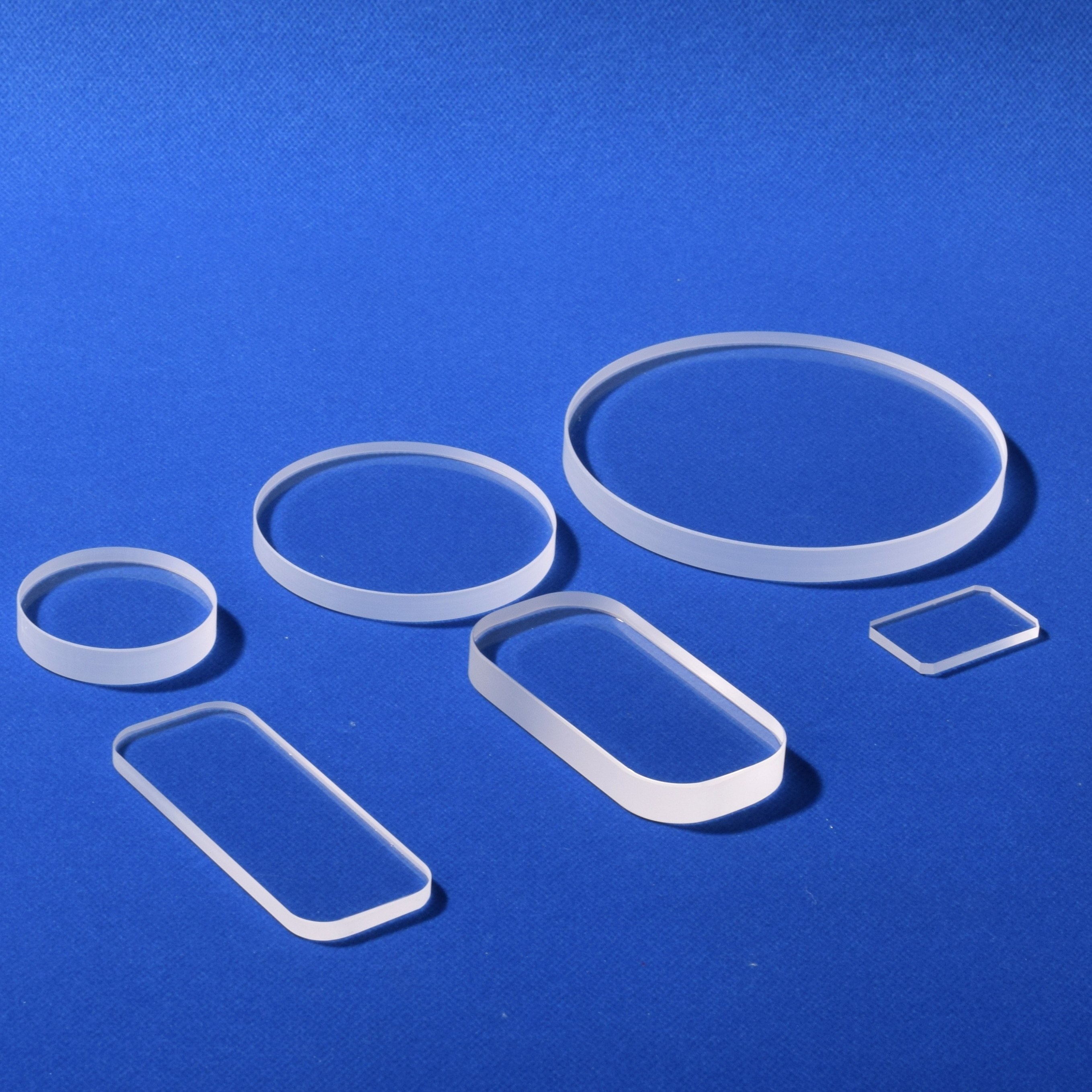
Manufactured to drawing specifications from 99.99% to 99.999% high-purity fused silica. Available with surface flatness to λ/10, scratch-dig 20/10, and customized beveling for industrial cleanrooms.
Engineering Optical Grade Quartz Plates for Querétaro's Advanced Manufacturing Corridor
Querétaro has consolidated its standing as the epicenter of advanced manufacturing, aeronautical engineering, and high-tier automotive systems within Mexico's Bajío territory. From the precision aerospace research laboratories clustered around Colón and the Querétaro Intercontinental Airport (AIQ) to the high-throughput production lines in Parque Industrial Querétaro (PIQ) and El Marqués, industrial tooling operates under uncompromising physical and optical constraints. Optical grade quartz plates serve as critical architectural elements across UV lithography, vision-guided laser cutting, pyrometric inspection windows, and vacuum thermal reactors.
Unlike standard borosilicate or soda-lime float glass, optical grade quartz plates (synthesized via silicon tetrachloride oxidation or fused from natural crystal sand of 99.99%+ purity) present a coefficient of thermal expansion (CTE) of approximately 5.5 × 10⁻⁷ /°C—nearly twenty times lower than standard industrial substrates. This thermal stability guarantees zero wavefront deformation, negligible focal drift, and resilient structural integrity when subject to instantaneous thermal gradients from ambient room temperature up to 1100°C.
Optical Classification Matrix: JGS1 vs. JGS2 vs. JGS3
Selecting the correct fused silica material is critical for system reliability in Querétaro's photonics and thermal processing applications. The table below delineates the optical performance, synthetic genesis, and application thresholds for each standard plate category:
| Optical Grade | Material Origin | Transmission Bandwidth | Typical OH Content | Primary Industrial Applications in Querétaro |
|---|---|---|---|---|
| JGS1 (Synthetic Fused Silica) | Chemical synthesis via SiCl₄ oxidation | 185 nm – 2500 nm (Deep UV to VIS) | < 5 ppm to 1200 ppm (Grade dependent) | Excimer laser windows, UV sterilizers, aerospace UV sensors, semiconductor mask blanks. |
| JGS2 (Optical Fused Quartz) | Fused natural crystal quartz sand | 220 nm – 2500 nm (Standard UV to VIS) | < 30 ppm | Automotive optical sight windows, inspection viewports, furnace observation plates, spectrometry. |
| JGS3 (Infrared Fused Silica) | Electric vacuum fused quartz sand | 260 nm – 3500 nm (Full VIS to Mid-IR) | < 5 ppm (Water-free) | CO₂ laser protection shields, pyrometer viewports, thermal imaging apertures, IR drying arrays. |
Our ISO-monitored manufacturing process in Donghai County—the crystal processing nucleus—ensures that every polished square, circular, or custom-contoured plate undergoes rigorous polarimetric stress testing, laser interferometric wavefront analysis, and ultrasonic cleaning before international vacuum-sealed export to Mexico.
Localized Application Scenarios Across Querétaro's High-Tech Parks
The manufacturing ecosystem in Querétaro does not consume generic glassware; engineers demand precision-machined quartz geometries capable of drop-in integration into European, Japanese, and American manufacturing platforms. Below are the distinct regional operational workflows supported by our factory shipments:
Aerospace Component Heat-Treatment & Hot-Section NDT
Within the Aerotech Industrial Park and facilities adjacent to UNAQ, aerospace turbine components undergo vacuum heat treatment, hot isostatic pressing, and non-destructive optical inspection. Our optical quartz plates serve as high-temperature observation windows rated up to 1200°C, enabling high-definition optical pyrometry and thermal stress monitoring without breaking chamber vacuum seals.
Automotive Sensor Calibration & Vision Metrology
Tier-1 automotive suppliers in Parque Industrial Benito Juárez and El Marqués produce advanced LiDAR arrays, head-up displays (HUD), and engine ECU electronics. Our JGS1 ultra-flat quartz plates act as laser transmitter windows, optical calibration target mounts, and protective lenses that deliver zero chromatic aberration and high laser-induced damage thresholds (LIDT > 10 J/cm² at 1064 nm).
Advanced Materials R&D at CINVESTAV & UNAM Juriquilla
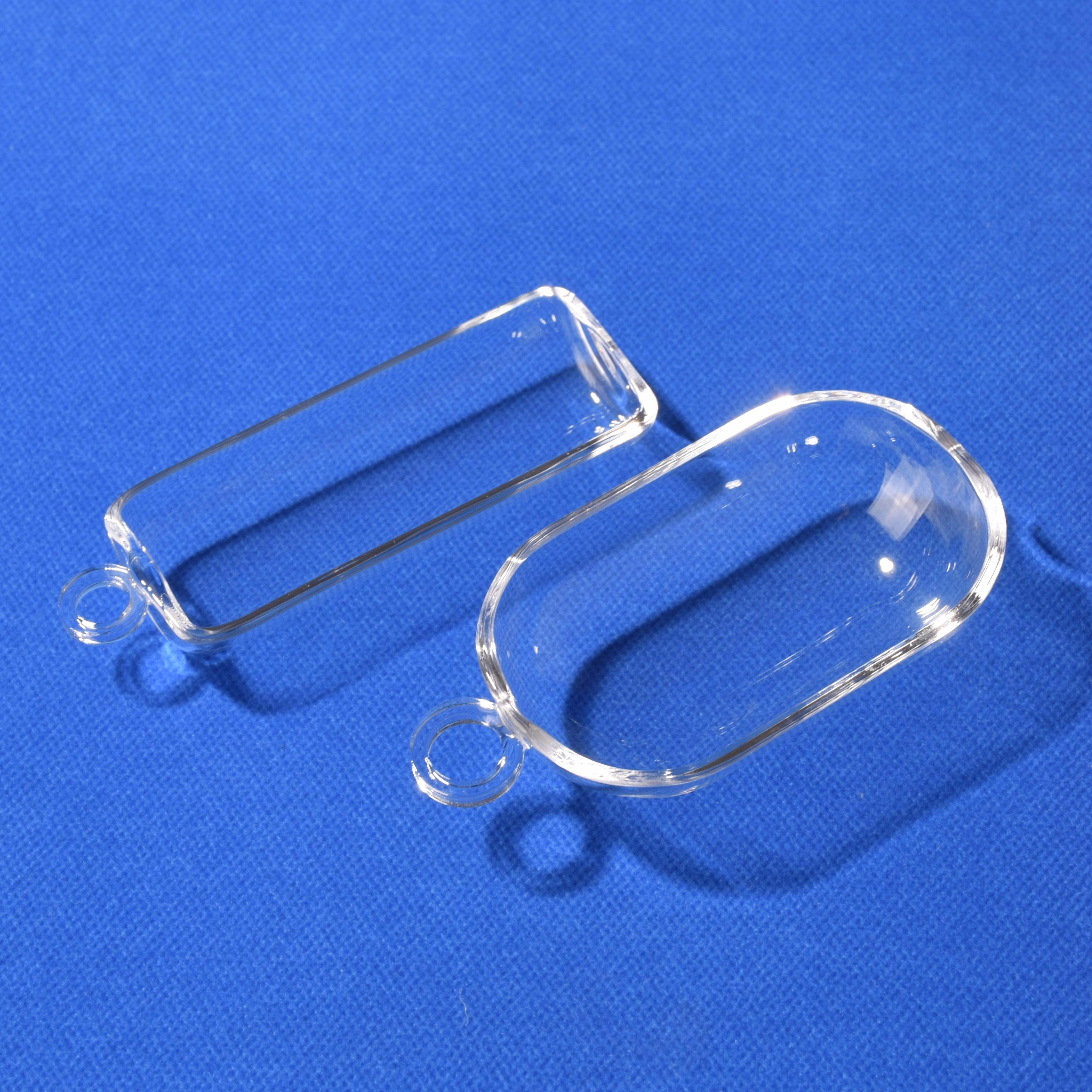
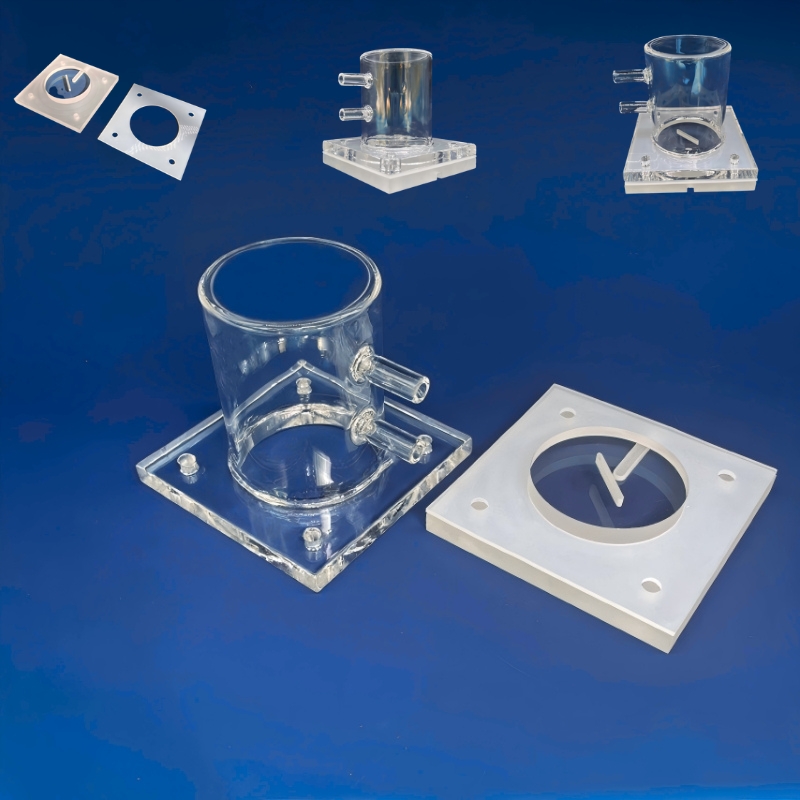
Academic and applied research entities in Juriquilla focus on photocatalysis, thin-film deposition, and electrochemical energy storage. Our optical grade quartz plates and sealed reaction cells (such as our Photoelectrochemical Dome Cells) enable uninterrupted UV radiation delivery into active electrolytes without ionic contamination or chemical leaching under aggressive acidic environments.
Macro Industrial Trends Shaping Quartz Procurement in El Bajío
Understanding the procurement trajectory of Querétaro requires an analysis of Mexico's ongoing industrial restructuring. Over the past 36 months, three structural shifts have significantly intensified demand for specialized fused silica substrates across local facilities:
- The Nearshoring Surge & High-Mix Semiconductor Packaging: While wafer fabrication remains concentrated overseas, advanced backend packaging, testing, and microelectronic assembly operations are moving aggressively into Querétaro. High-purity quartz carriers, precision wafer transport boats, and optical inspection plates must satisfy zero-particle shedding and strict alkali-metal limits (Na, K, Li < 0.5 ppm).
- Fiber Laser and Automated Welding Transition: Querétaro's automotive tooling shops have transitioned from mechanical stamping to multi-axis fiber and disk laser welding. High-power laser optics demand cover slide quartz plates with ultra-low bulk absorption (internal transmission > 99.9% at 1064 nm) to prevent thermal lensing, focal shift, and catastrophic optic blowout during 24/7 assembly line cycles.
- Clean Energy & Green Hydrogen Catalysis Research: Supported by state-level green initiatives in Querétaro, local innovation centers are piloting photochemical water-splitting reactors. These systems require UV-transparent quartz pressure plates capable of handling hydraulic pressures exceeding 15 bar while passing solar UV spectrum (down to 200 nm) to trigger catalytic degradation.
Request Detailed Optical Quartz Engineering Catalog
Download our complete manufacturing catalog covering JGS1/JGS2/JGS3 standard discs, rectangular optical plates, custom hole-drilling tolerances, and chemical purity certificates.
Why International Procurement Teams Partner With Vulra Quartz
Lianyungang Vulra Quartz Products Co., Ltd. operates in the Jiangsu Donghai Economic Development Zone—the internationally acknowledged crystal capital. We integrate natural quartz refining, thermal fusion, precision CNC cold machining, and high-precision optical polishing into one contiguous facility. Our verified advantages include:
TÜV Rheinland Verified
On-site audited production facilities, physical machinery verification, and ISO-aligned quality assurance processes confirmed by independent international assessors.
From 1-Piece Prototype
Direct drawing-to-part engineering support. Whether your team requires one bespoke sight plate for an R&D autoclave or 5,000 production windows, MOQ begins at 1 PC.
Sub-Nanometer Optical Polishing
Double-sided planetary polishing yields surface roughness Ra < 0.5 nm, scratch-dig 40/20 or 20/10, parallelism < 10 arcsec, and flatness up to λ/10 per inch.
Engineered Export Crating
Multi-layered vacuum sealing, shock-absorbent nitrogen-purged cushioning, and custom reinforced plywood boxing engineered to endure long-distance air/sea freight to Mexico.
Integrated Processing Capabilities Under One Roof
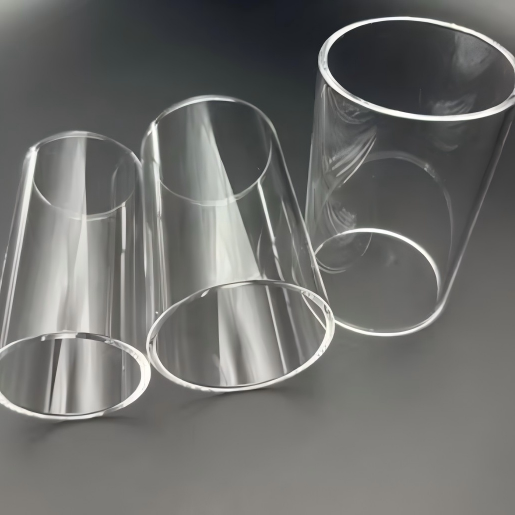
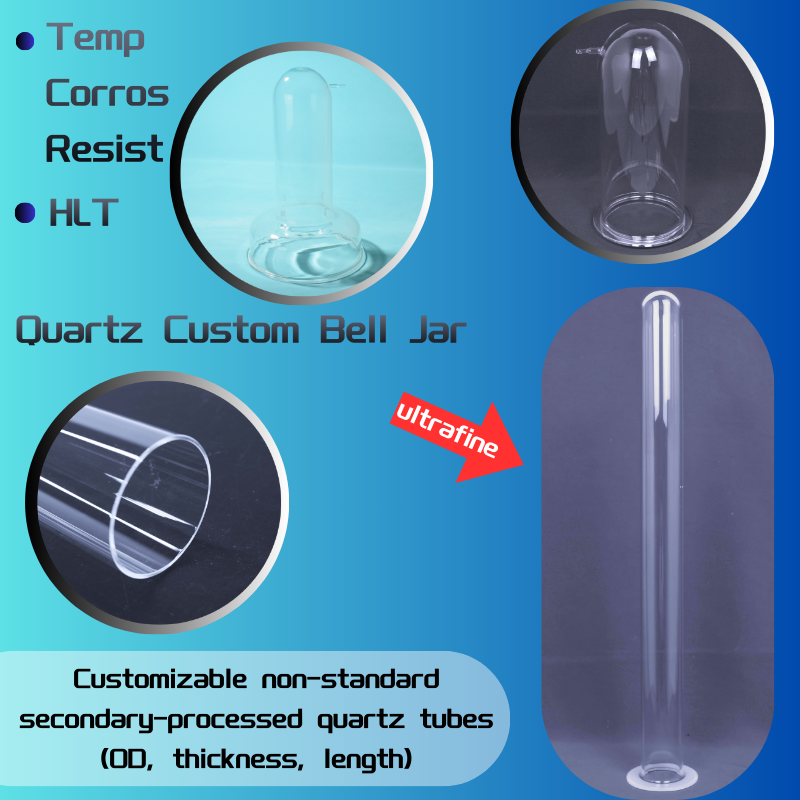
Our workshop integrates specialized thermal flame benches capable of working quartz tubing from 5 mm up to 800 mm in diameter alongside diamond-tooled CNC mills. Every plate undergoes strict pre-annealing at 1150°C followed by controlled cooling to relieve internal stress birefringence. This guarantees that when parts are cut, water-jet profiled, or drilled with countersunk holes, they exhibit zero structural micro-cracks or delayed mechanical failure.
Querétaro Buyer Procurement FAQ: Logistics, Compliance & Specifications
Frequently evaluated technical, import, and quality questions submitted by engineering and sourcing teams across Querétaro, San Juan del Río, and the greater Bajío region:
What tariff codes (HS Codes) and Mexican import documents apply to quartz plates?
How do you prevent fragile quartz plates from fracturing during transit to Querétaro?
What is the difference between fire-polished, commercially ground, and optical polished plates?
Can our engineering team submit 2D/3D CAD drawings (DXF, DWG, STEP) for custom quartz plates?
What maximum operating temperature can Vulra optical quartz plates endure without devitrification?
How do you verify optical purity, transmittance, and absence of internal bubbles?
Accelerate Your Quartz Sourcing for Querétaro Operations
Connect directly with our engineering department. Share your part specifications, tolerances, and required quantities to receive a direct factory quotation and comprehensive optical catalog within 24 hours.