Precision Quartz Glass Products & Components
Direct factory production adhering to DIN and ISO standards. We deliver drawing-based prototypes and recurring volume batches to industrial parks and research hubs throughout Cologne, Leverkusen, and the wider Rhine-Ruhr cluster.
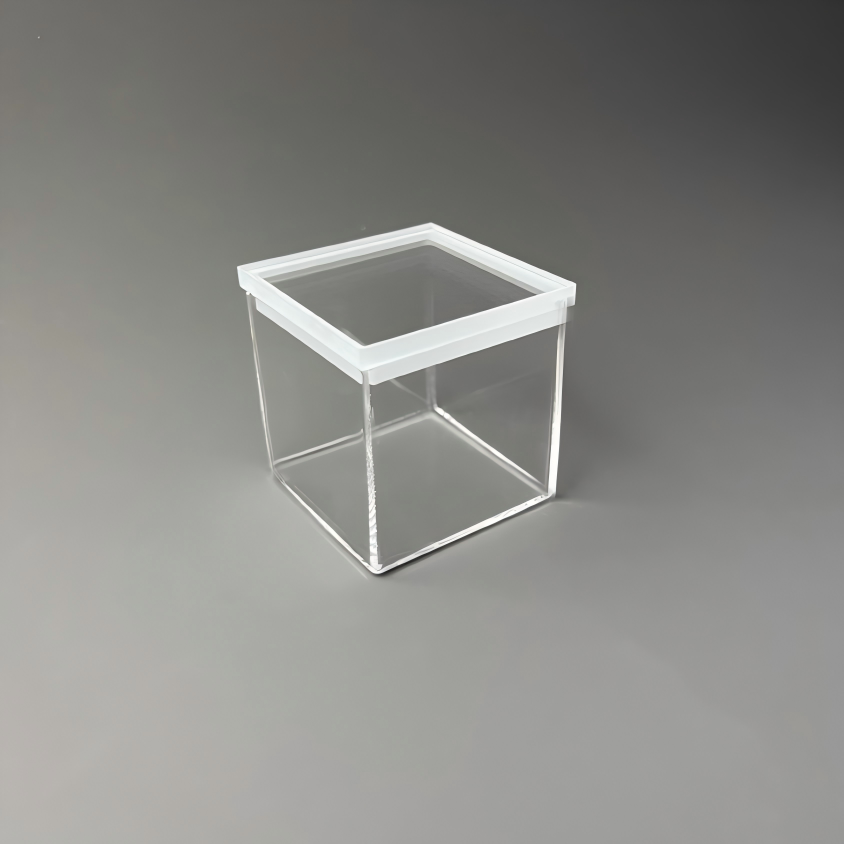
Quartz Glass Sealed Electrolytic Cell Dome Closed End
Photocatalytic & photoelectrochemical cell with optical dome end. Ozone-free fusion and polished surface for precise spectroscopic measurements.
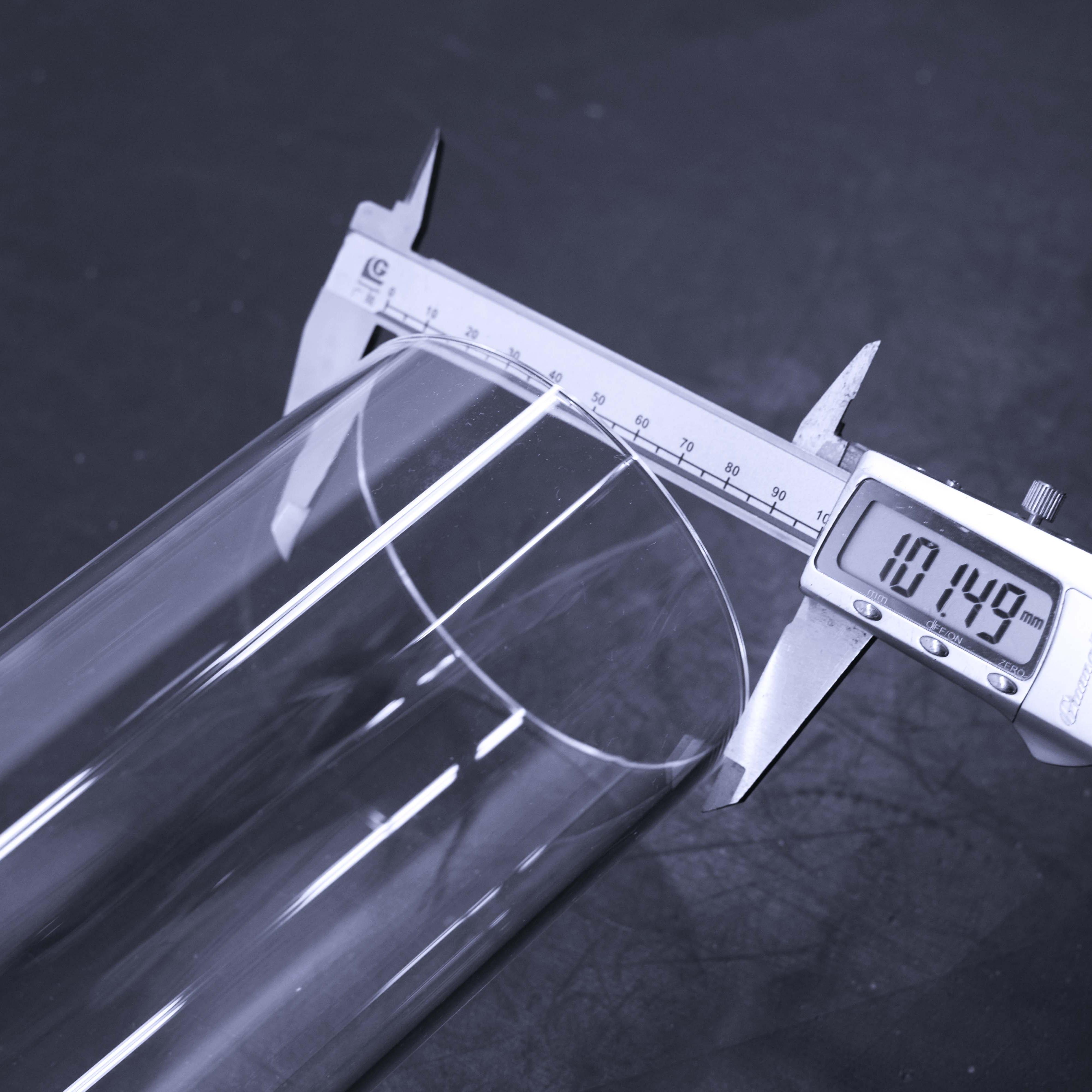
High Purity Quartz Transparent Polished Glass Tube
Hollow clear quartz tube with 1100°C continuous thermal tolerance and 1683°C softening point. Custom CNC bending, cutting, and laser flanging available.
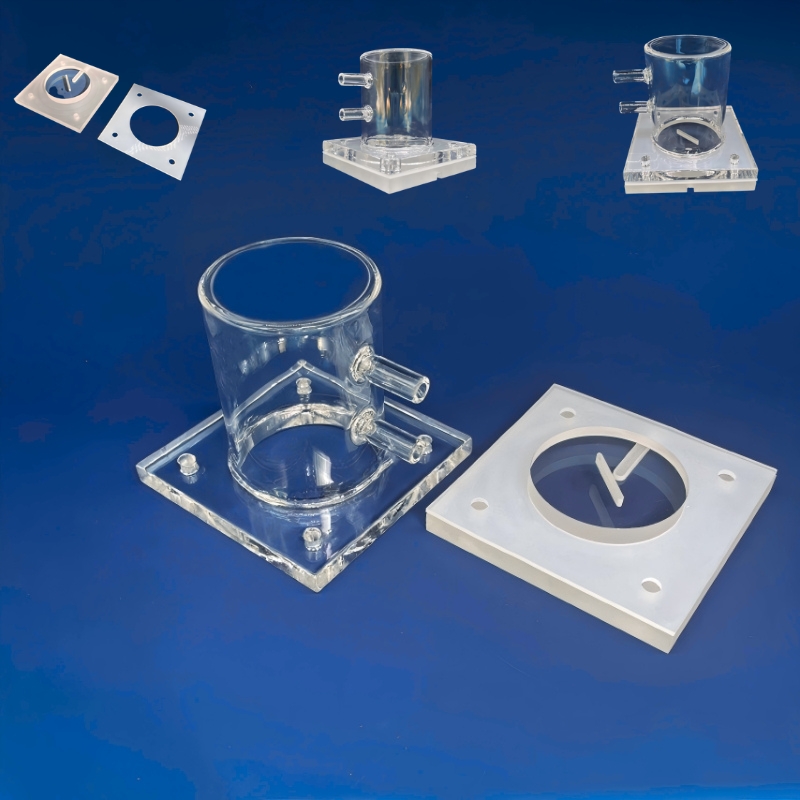
Quartz Photocatalytic Reactor for H₂/O₂ Production
Precision UV photodegradation reactor engineered for laboratory green hydrogen synthesis, photochemical splitting, and ozone-free catalytic cracking.
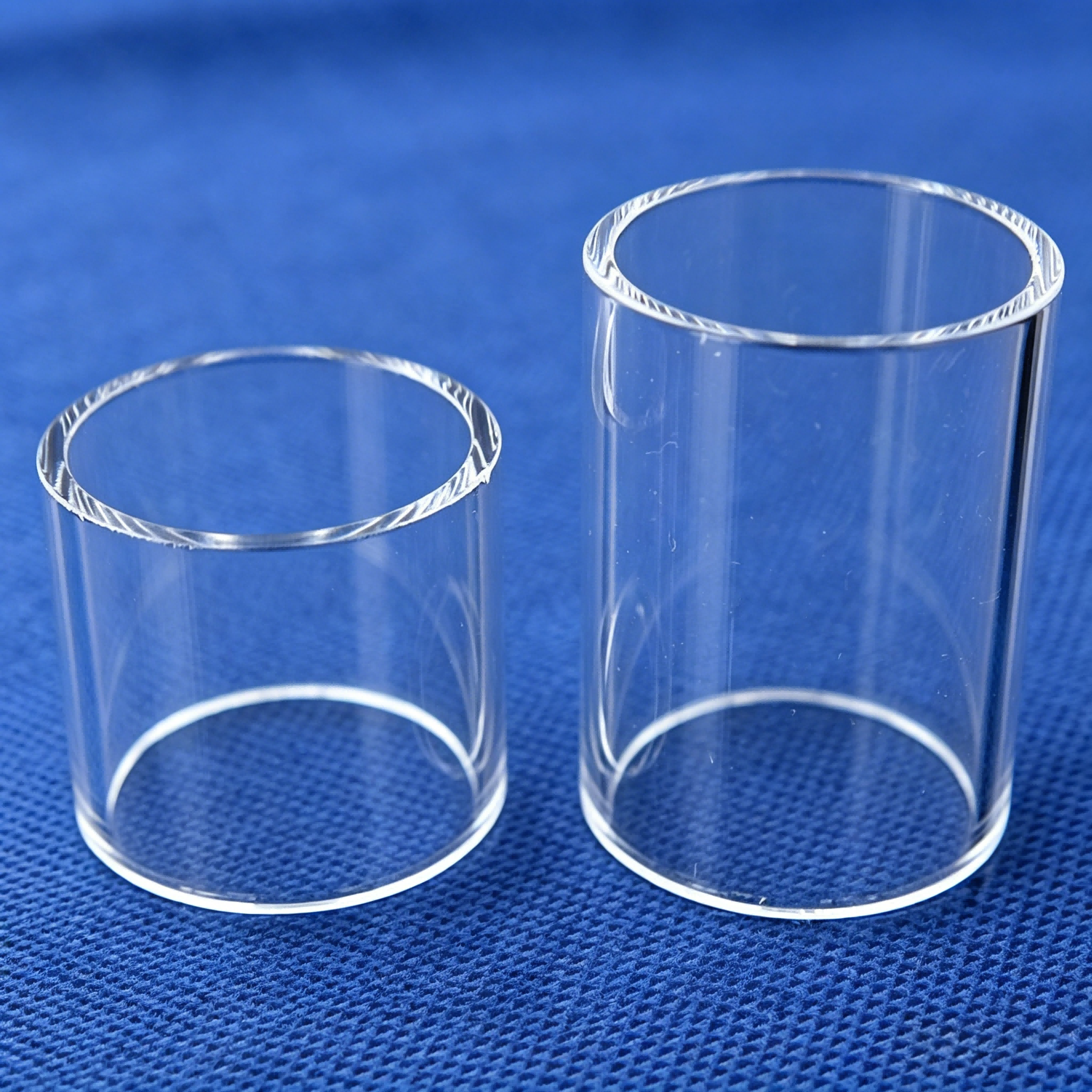
Custom High Temp Corrosion Resistant Quartz Pipe
Twin-tube configurations and heavy-wall industrial quartz pipes. Resists aggressive halogens, acids, and thermal cycling up to 1200°C.
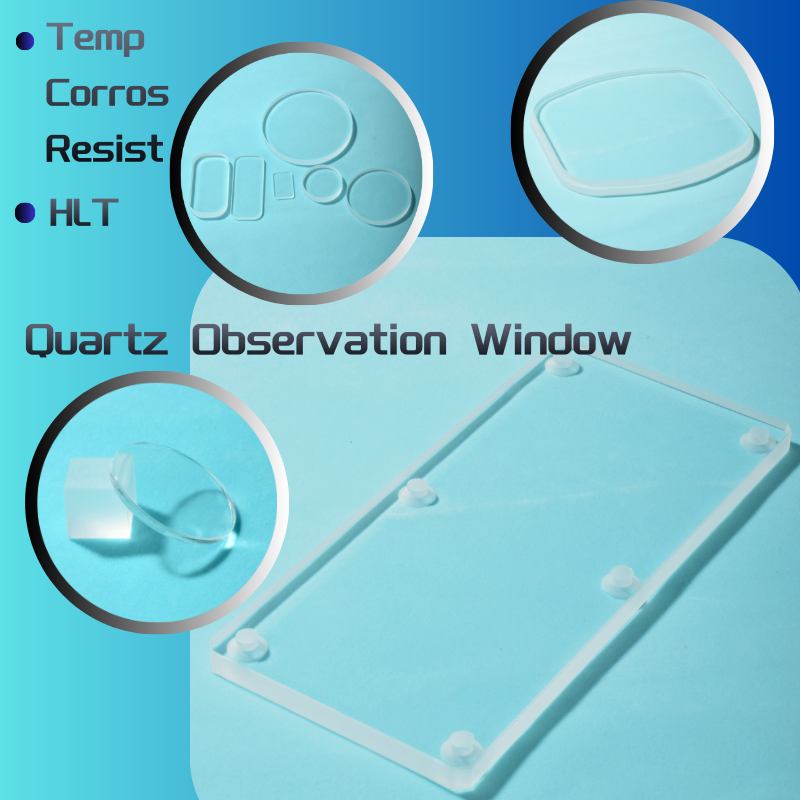
Natural Fused Quartz Polished Plate Optical Clear
Parallel optical plates with Mohs hardness 5.5-6.5, minimal wavefront distortion, laser-grade surface polish, and broad UV-VIS-NIR spectral transmission.
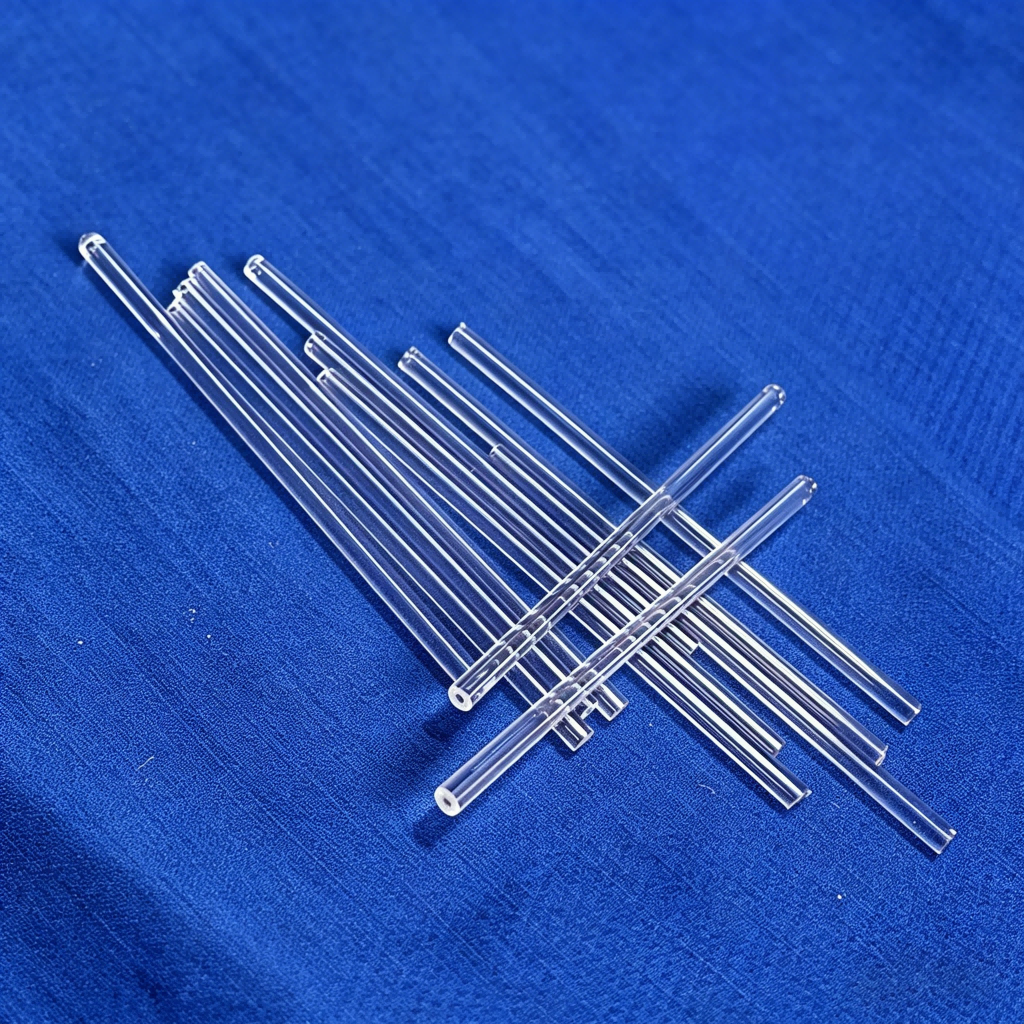
High Purity Opaque Micro Capillary Quartz Tube
Micro-porous opaque quartz capillary structure designed for laboratory exhaust, thermal gas throttling, and radiant energy attenuation (2-10mm OD).
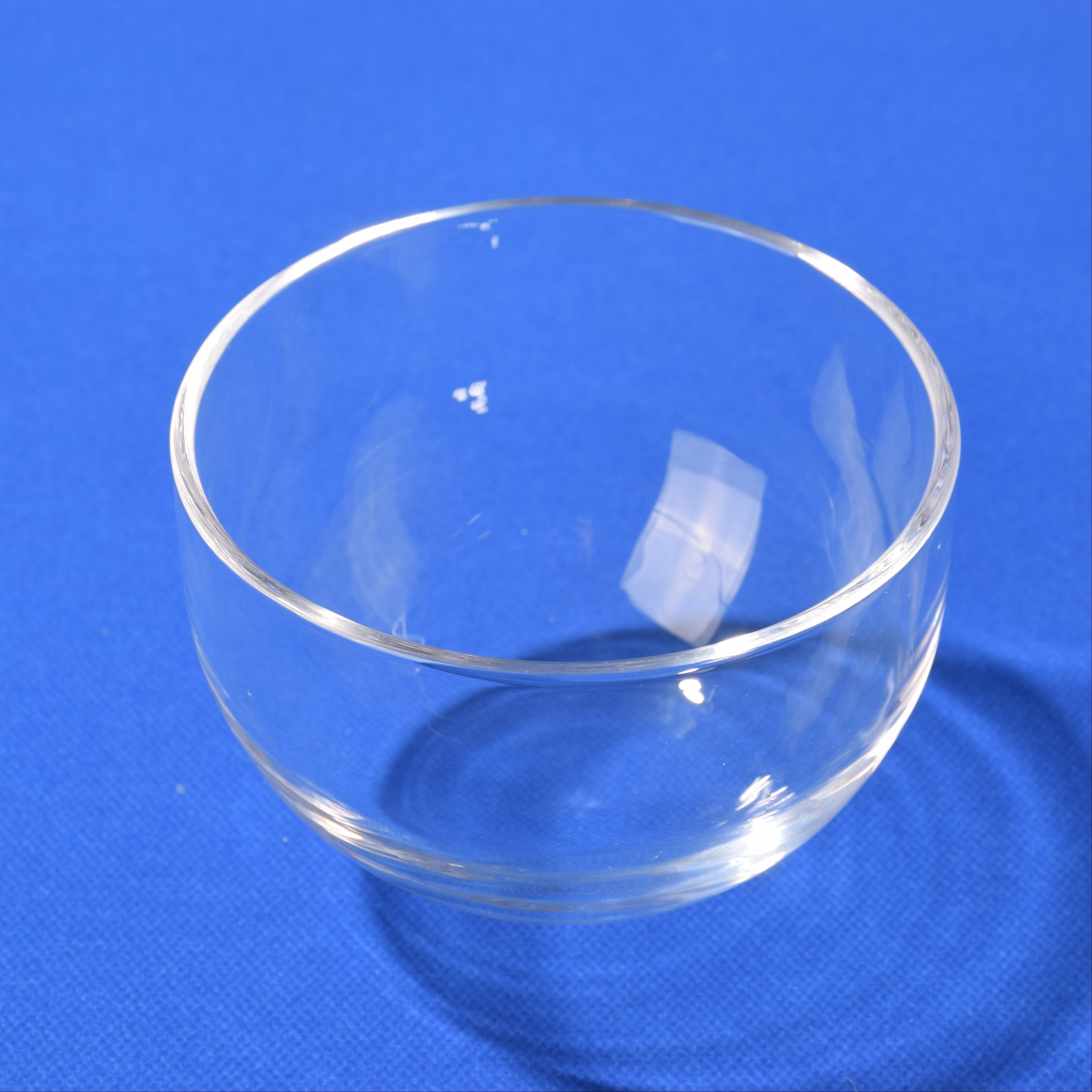
Refractory Fused Quartz Crucible Bowl (SJ Brand)
Semiconductor melt crucibles featuring high tensile strength (48 N/mm²), excellent devitrification resistance, and thermal shock endurance up to 1450°C.
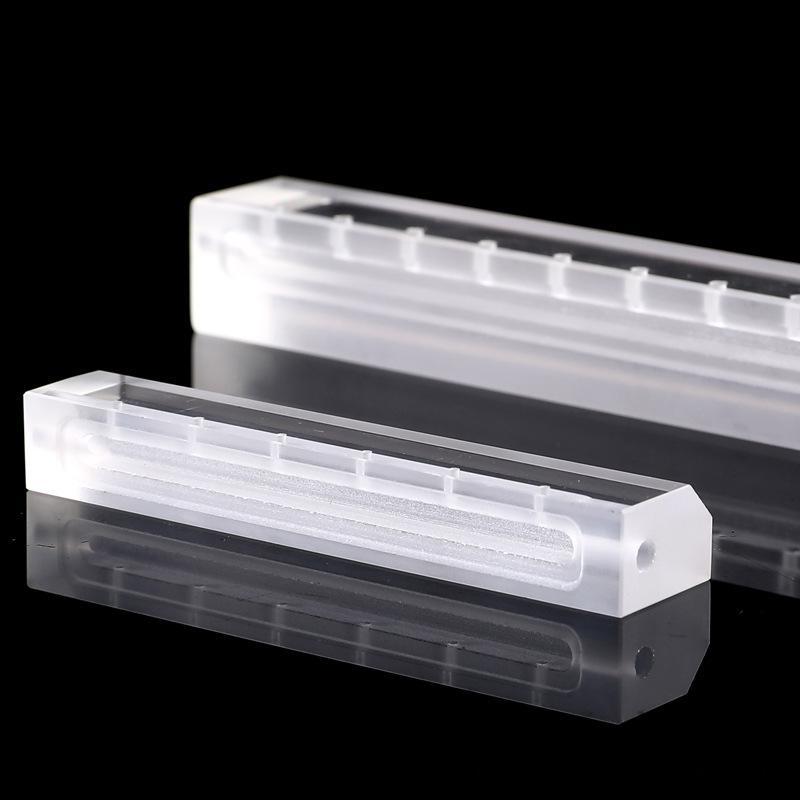
Ultra-Thin Optical Grade Quartz Testing Sheet
Model SJ 077 circular quartz disc with low thermal expansion and high surface parallelism. Ideal for analytical spectroscopy, sensor windows, and wafer covers.
The Physics of Opaque Fused Quartz Rods: Diffuse Scattering & Thermal Barrier Mechanisms
An authoritative metallurgical and thermodynamic evaluation of opaque (milky / translucent) fused silica rods versus transparent quartz, tailored for industrial thermal management in German advanced engineering sectors.
Microstructural Bubble Entrapment & Photon Attenuation
Unlike transparent clear quartz rods—which achieve complete optical transmission across the 190 nm to 2500 nm range through full vacuum bubble extraction—opaque quartz rods (often referred to as sintered translucent fused silica) are manufactured by purposefully suspending a uniform distribution of microscopic gaseous inclusions (10 µm to 50 µm closed pores) within a 99.99% – 99.999% amorphous silica (SiO₂) matrix.
These micro-bubbles act as omnidirectional Mie-scattering centers. When infrared radiant energy emitted from industrial furnace elements (such as molybdenum disilicide, SiC, or Kanthal filaments) strikes an opaque quartz rod, the photon paths undergo intense multiple refractive deflections. Instead of permitting radiant energy transmission into sensitive process zones, the opaque quartz rod acts as a diffuse optical and thermal reflector, diffusing over 85% of near-to-mid infrared radiation.
This makes opaque quartz rods the benchmark material choice for thermal insulation barriers, radiant baffle supports, pyrometer sight glass shields, and thermocouple thermowells where radiant direct-heating hot spots must be eliminated.
| Physical / Thermal Parameter | Opaque Quartz Rod | Clear Transparent Rod |
|---|---|---|
| Chemical Purity (SiO₂) | ≥ 99.99% | ≥ 99.999% |
| Microstructure | Closed micro-pore diffuse matrix | Homogeneous bubble-free glass |
| Thermal Conductivity (20°C) | 0.8 – 1.0 W/(m·K) | 1.38 W/(m·K) |
| Coefficient of Thermal Expansion (CTE) | 5.4 × 10⁻⁷ / K | 5.5 × 10⁻⁷ / K |
| Continuous Working Temp | 1100 °C | 1150 °C |
| Softening Point | ≈ 1675 °C | ≈ 1683 °C |
| Thermal Shock Resistance (ΔT) | > 1100 °C (water quench) | > 1000 °C (water quench) |
Devitrification Resistance & High-Temperature Integrity
In prolonged thermal holding environments above 1050°C, ordinary borosilicate or alumina-silicate ceramics suffer severe structural slumping, micro-cracking, or rapid devitrification into high-temperature cristobalite. Vulra Quartz opaque rods undergo stringent chemical refining to keep alkaline contaminants (Na, K, Li) below 5 ppm total. This ultra-low alkali profile retards phase-transformation nucleation, guaranteeing dimensional stability, zero sagging under load, and outstanding mechanical endurance throughout repeated thermal cycles across chemical reactors and cleanroom vacuum furnaces.
Engineered Quartz Applications Across Greater Cologne & North Rhine-Westphalia
Supplying precision thermal baffles, process carriers, and opaque quartz hardware directly to the engineering centers, research institutes, and chemical clusters of the Rhineland.
Chempark Leverkusen, Dormagen & Krefeld-Uerdingen
The Cologne chemical belt represents Europe’s dense epicenter for specialty polymers, agrochemicals, and active pharmaceutical ingredient (API) synthesis. Our opaque quartz rods serve as corrosion-immune agitation rods, sensor immersion sleeves, and halogen heat exchangers. In environments loaded with boiling nitric, hydrochloric, or sulfuric acids where metallic alloys like Hastelloy or Inconel fail due to pitting, pure fused silica remains completely inert.
Semiconductor & Optoelectronic Wafer Baffles
Serving cleanrooms and thin-film pilot plants in Cologne-Porz, Aachen, and the Bonn high-technology corridor. Custom opaque quartz rods are ground into thermal end-baffle arrays and wafer carrier standoffs for horizontal diffusion tubes, rapid thermal processing (RTP), and LPCVD furnaces. The diffuse light scattering mitigates thermal gradient shock, ensuring uniform temperature distribution across 150mm to 300mm silicon wafers.
Industrial High-Temperature Furnaces & Kilns
Cologne’s advanced metallurgical, mechanical, and glass-refractory manufacturing plants rely on our opaque rods as heating element mandrels, roller supports, and radiation shields. Exhibiting exceptional compressive strength and virtually zero thermal expansion, our rods resist structural bending during extreme ramp-up rates from ambient to 1100°C within induction, vacuum, and hydrogen-reduction furnaces.
Photocatalytic & Green Hydrogen Research (RWTH & Jülich)
Partnering with universities and scientific labs across NRW investigating solar-to-chemical energy conversion. Our opaque quartz rods are configured as light-directing guides, insulating structural rods, and reaction cell spacers within photoelectrochemical reactors, completely resistant to intense UV solar simulators and alkaline water splitting media.
Optical Sensor Thermowells & Pyrometer Bores
In high-velocity combustion chambers and petrochemical cracker furnaces around Wesseling and Godorf, optical thermal sensors require shielding against soot, aggressive sulfurous gases, and errant IR scatter. Custom hollowed opaque quartz rods act as collimating optical sight tubes, attenuating off-axis background radiation and delivering precise pyrometric feedback.
Custom Prototype CNC Machining & Repair Works
Cologne’s precision machine shops and prototype makers can commission small-batch, tight-tolerance rod assemblies. We perform centerless diamond grinding, end-face polishing, slotted milling, transverse drilling, and flame sealing, delivering ready-to-mount components straight to your maintenance or R&D engineering departments with complete material inspection sheets.
Aligning with North Rhine-Westphalia’s Industrial Transformation & Green Transition
How high-purity opaque fused quartz supports the region's aggressive decarbonization roadmap, hydrogen infrastructure expansion, and energy-efficient thermal processing.
Electrification of Industrial Thermal Processes
Under the European Green Deal and German Federal Climate Change Act, Rhineland manufacturing plants are replacing natural-gas-fired burners with high-efficiency electrical resistance and inductive heating systems. Opaque quartz rods provide the superior dielectric insulation and thermal barrier properties required to insulate element supports at voltages exceeding 600V and temperatures above 1000°C without risk of electrical arcing or dielectric breakdown.
The Rhine Hydrogen Corridor (Wasserstoff-Hub NRW)
The Rhine-Ruhr metropolitan region is becoming Europe's premier industrial hydrogen hub, converting chemical synthesis away from fossil feedstocks. Hydrogen annealing and steam-methane reforming (SMR) pilots require component materials immune to hydrogen embrittlement. Fused silica displays zero metallic phase degradation in pure H₂ atmospheres up to 1150°C, ensuring process reliability across trial plants in Cologne-Mülheim and surrounding industrial zones.
Circular Economy & Extended Service Cycles
Industrial procurement managers in Germany demand durable, long-lifecycle capital assets that reduce unscheduled furnace downtime. Vulra Quartz opaque rods feature exceptional chemical stabilization against alkaline slagging and acid condensate. Their micro-porous internal structure absorbs localized thermal stresses, mitigating brittle catastrophic failure and lowering replacement frequency in heavy-duty 24/7 production plants.
Why Engineering Sourcing Teams in Cologne Trust Vulra Quartz
Combining natural crystal resources from Donghai County with rigorous German quality benchmarks and seamless intercontinental supply chains.
TÜV Rheinland Verified Facility
While serving clients in Cologne, we take special pride in being verified on-site by TÜV Rheinland (headquartered at Am Grauen Stein, Cologne). Our premises, legal status, testing equipment, and production capacity are independently audited and certified.
Source-Direct Donghai Quartz Sand
Our manufacturing complex is located at No. 9, Dingxin Road in the Jiangsu Donghai Economic Development Zone—the world’s recognized crystal capital. We enjoy direct, uninterrupted access to ultra-pure quartz sand deposits, ensuring stable pricing and impurity control below 10 ppm.
Integrated Hot & Cold Machining
From initial electric arc fusion and oxy-hydrogen lathe working to CNC core drilling, diamond cutting, optical surface grinding, and computerized annealing ovens. Every processing stage is performed under one roof to guarantee stress-free quartzware.
Export-Ready Cologne Air & Rail Freight
All items are degreased, acid-washed, DI-water rinsed, and packed with customized multi-layer EPE foam inside reinforced shockproof plywood cases. We offer DDP delivery directly to Cologne-Bonn Airport (CGN) hub, local bonded warehouses, or your factory gate.
Frequently Asked Questions by German Sourcing Engineers
Practical, engineering-focused answers covering dimensional tolerances, chemical certification, compliance standards, and commercial terms for delivery into Germany.
What dimensional tolerances can you maintain for opaque quartz rods according to DIN standards?
For standard centerless ground opaque quartz rods, we routinely fabricate within ±0.10 mm on diameter. For high-precision applications—such as semiconductor carrier guides or furnace mandrels—we achieve precision tolerances conforming to DIN ISO 2768-m (fine/medium) down to ±0.05 mm on diameter and rod straightness better than 0.5 mm per linear meter.
How does opaque quartz differ from high-alumina (Al₂O₃) ceramic rods in chemical plants?
While alumina ceramics provide high hardness, they exhibit a significantly higher coefficient of thermal expansion (8.0 × 10⁻⁶/K vs. 5.4 × 10⁻⁷/K for opaque quartz) and are prone to severe thermal spalling when subjected to sudden temperature shifts. Furthermore, fused silica opaque rods provide vastly superior corrosion immunity against aggressive acids (hydrochloric, sulfuric, nitric) and gaseous halogens (chlorine, fluorine compounds at elevated temperatures) that readily degrade alumina binders.
Do your quartz products comply with European RoHS, REACH, and CE regulations?
Yes. All quartz tubes, opaque rods, plates, and machined quartzware manufactured by Vulra Quartz are 100% natural inorganic fused silica, fully compliant with RoHS Directive 2011/65/EU (and amendment 2015/863) and EU REACH regulations. Products are completely inert, halogen-free, and free from any Substances of Very High Concern (SVHC). Material certificates (EN 10204 3.1) and full RoHS declaration sheets are provided with every shipment.
Can we order custom-machined prototypes starting from 1 piece before placing series production?
Absolutely. We support engineering pilot runs and university research projects with a minimum order quantity (MOQ) of just 1 piece for custom-dimensioned opaque rods, modified boats, or domed cells. Our design team reviews your 2D (PDF/DWG) or 3D (STEP/IGES) CAD files, provides rapid DFM (Design for Manufacturability) feedback, and dispatches prototype units within 7 to 10 working days.
What is the typical transit duration and customs procedure for shipments arriving in Cologne?
Urgent prototype and replacement orders ship via express air freight (DHL Express / FedEx / air cargo) with an average door-to-door transit time of 4 to 7 business days to Cologne, Düsseldorf, or Frankfurt hubs. For batch production, sea freight to Rotterdam or Hamburg followed by Rhine inland barge or rail to Cologne takes approximately 28 to 35 days. We provide commercial invoices, packing lists with exact HS codes (e.g., HS 7002.31 / 7020.00), and certificates of origin for swift German customs clearance.
How do you guarantee zero breakage during transit for long, slender opaque quartz rods?
Quartz rods are high-rigidity but brittle components. Each rod is individually sleeved in dust-free film, cushioned within high-density expanded polyethylene (EPE) channeled foam inserts, and nestled inside heavy-duty shock-absorbing export cartons. Large-diameter rods or long bundles (up to 2000 mm in length) are encased in bespoke ISPM-15 compliant, heat-treated wooden crates with integrated shock indicators. Our recorded international transit damage rate remains strictly below 0.2%.
Request an Engineering Quote for Opaque Quartz Rods
Whether you require custom-ground opaque quartz support rods for high-temperature kilns, radiant thermal baffles for semiconductor tooling, or precision laboratory quartzware in Cologne, our engineering team is ready to analyze your drawings and technical specifications.