Precision Quartz & Silica Solutions Ready for Differdange
TÜV Rheinland assessed manufacturing protocols. From prototype 1-piece runs to volume recurring supply, our quartz components are built to endure vacuum, thermal shock, and aggressive chemical corrosion.
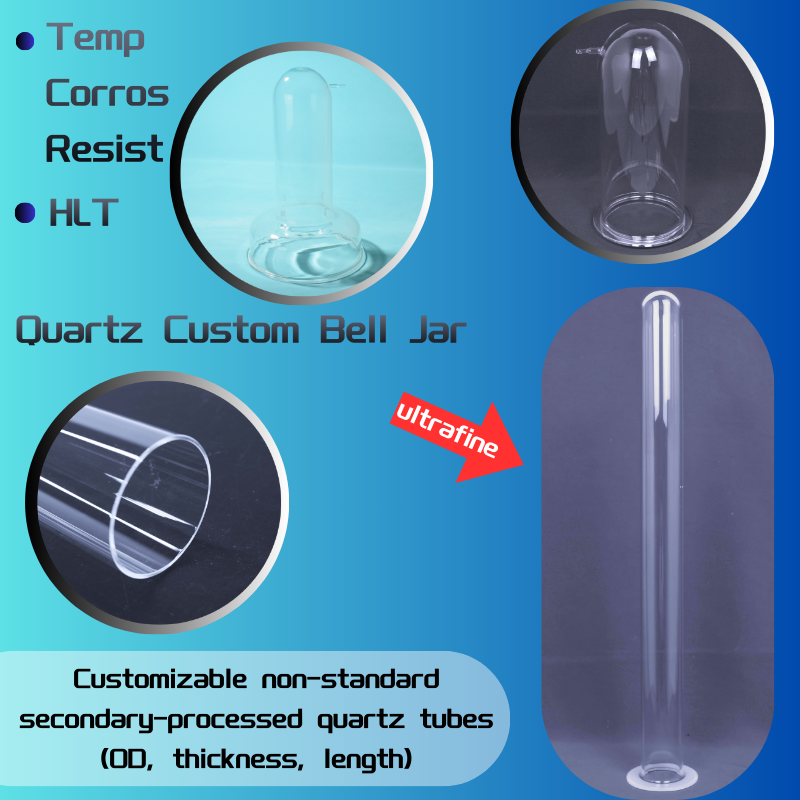
SJ 130 Quartz Negative Pressure Leak-Proof Vacuum Tube
Precision engineered for airtight vacuum degassing, molten alloy gas sampling, and negative pressure semiconductor furnaces.
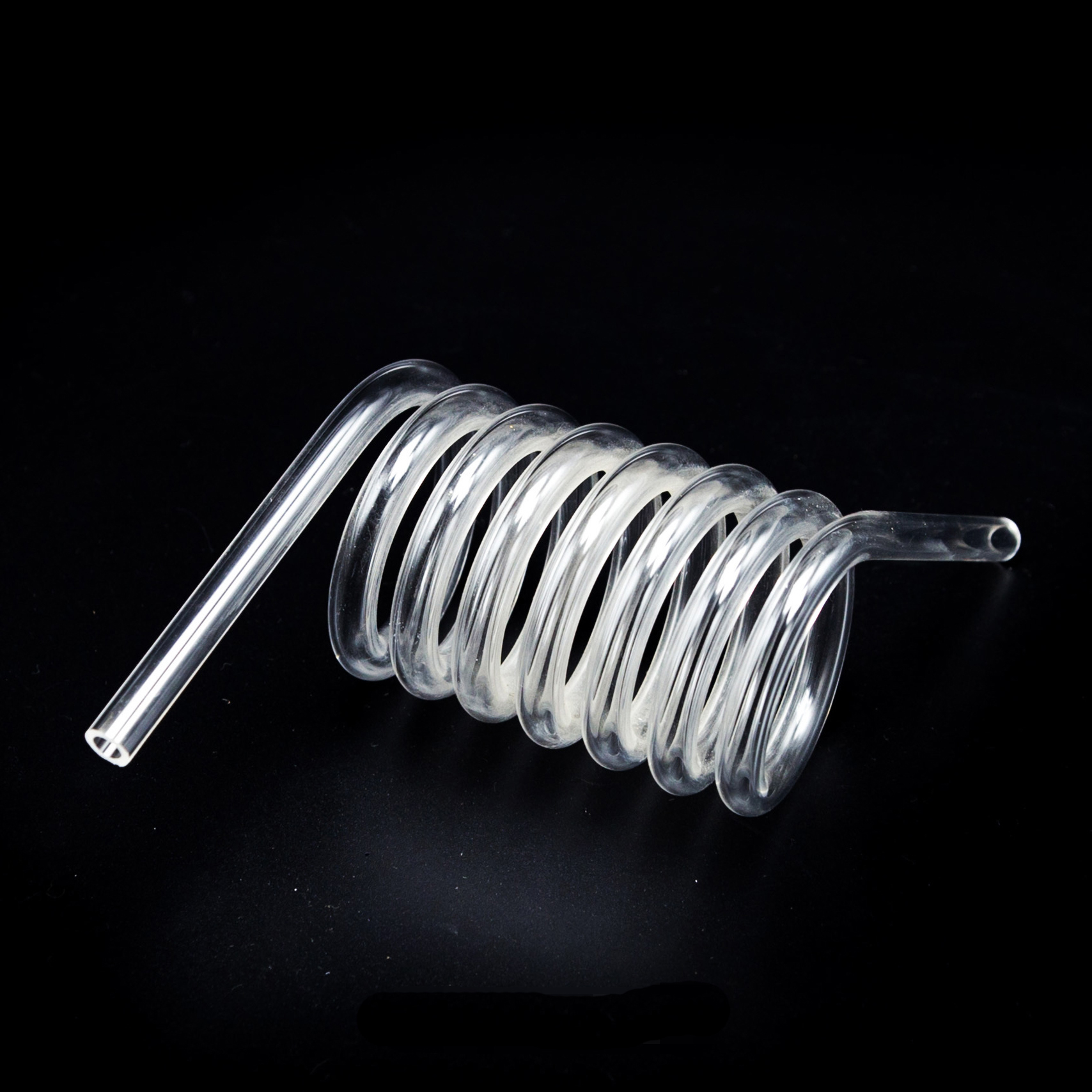
High Purity Polished Clear Quartz C-Shape Spiral & Bent Tubes
High-precision cold and hot flame bending for fluid routing, optical gas sensing coils, and thermal heat exchange manifolds.
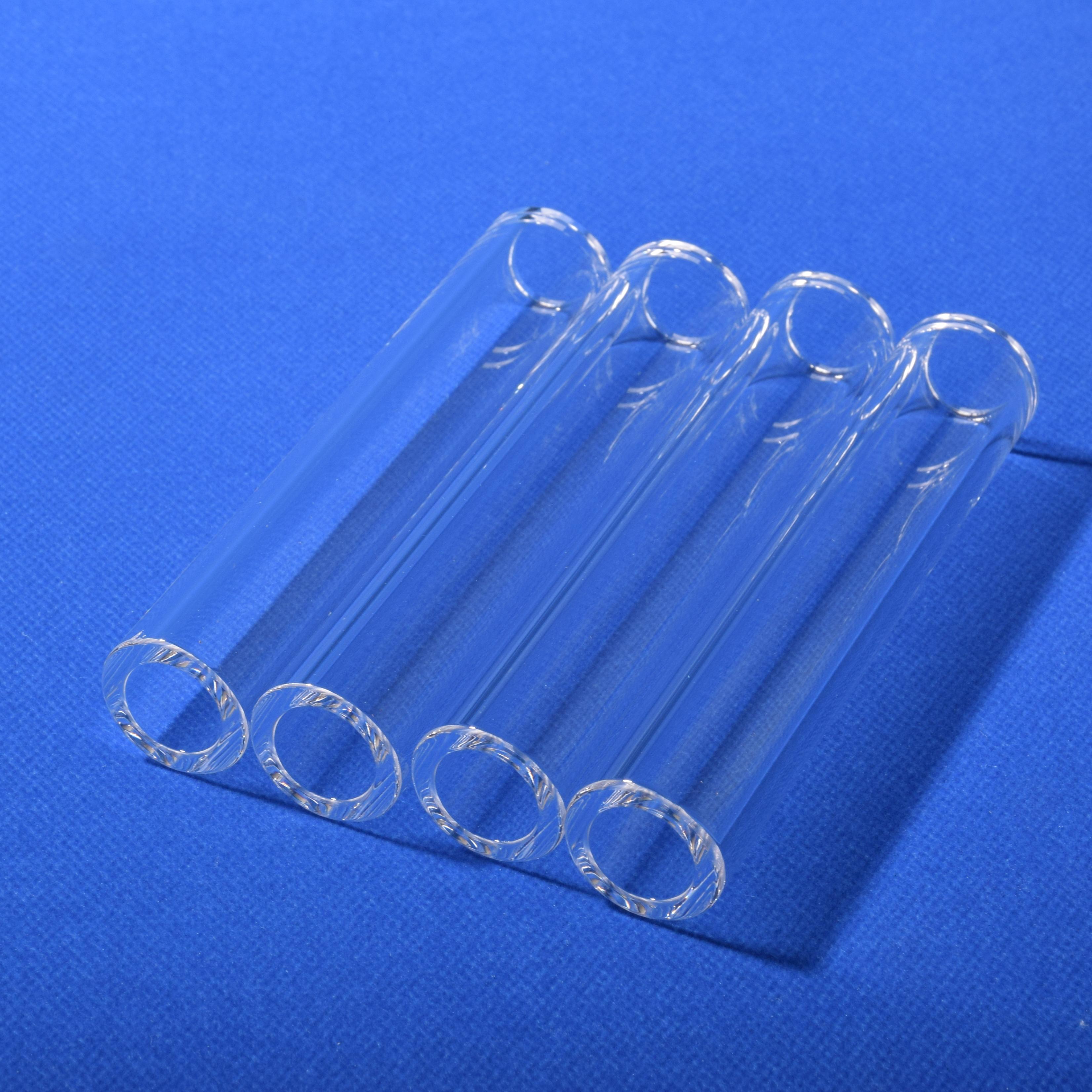
SJ 150 Oversized Thick-Wall Polished Quartz Tube
Heavy-duty wall thickness engineered for continuous 1100°C metallurgical furnace operation and extreme chemical vapor resistance.
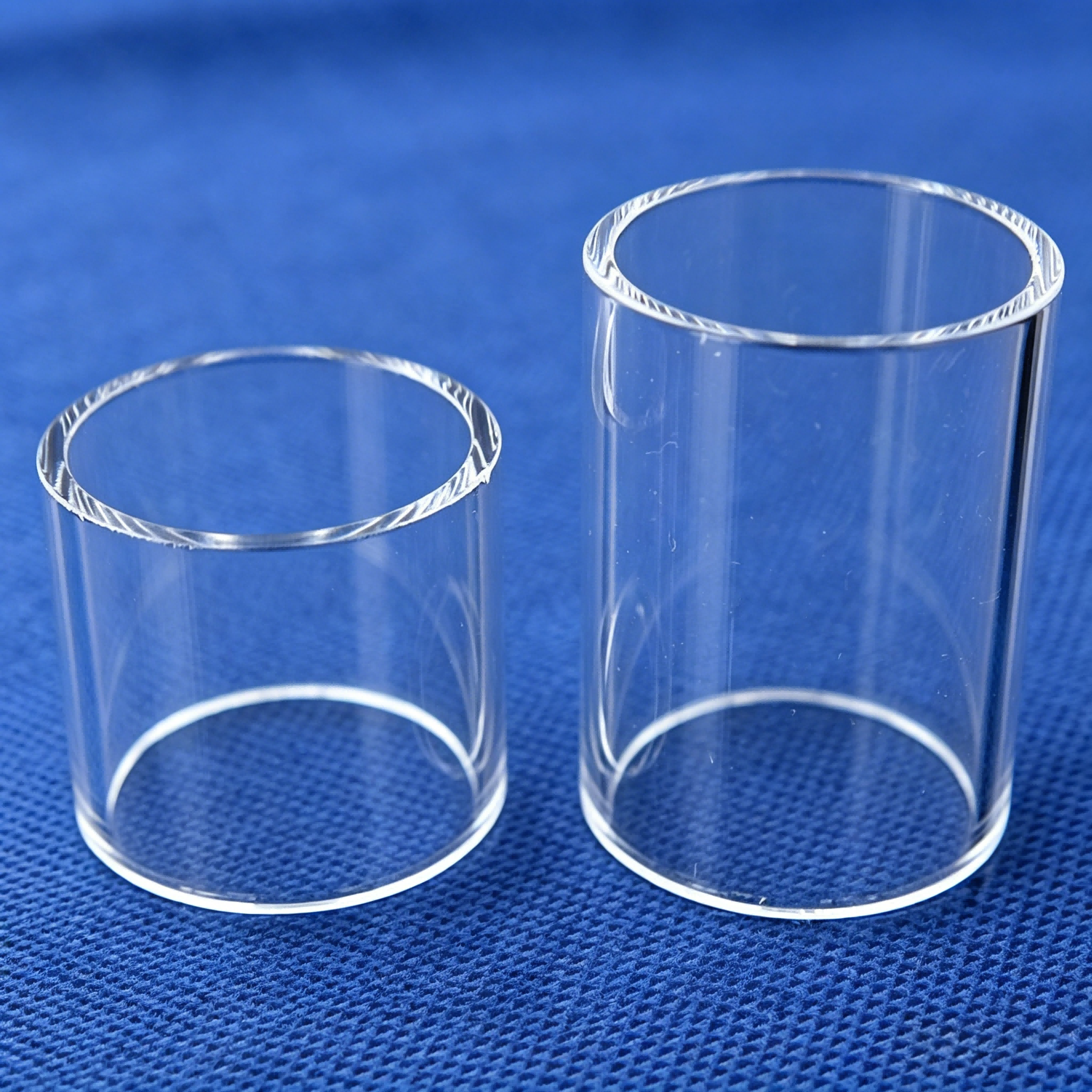
High Temperature Corrosion Resistant Twin Tube Quartz Pipe
Dual-bore quartz configuration designed for infrared emitter assemblies, fast preheating channels, and rapid annealing systems.
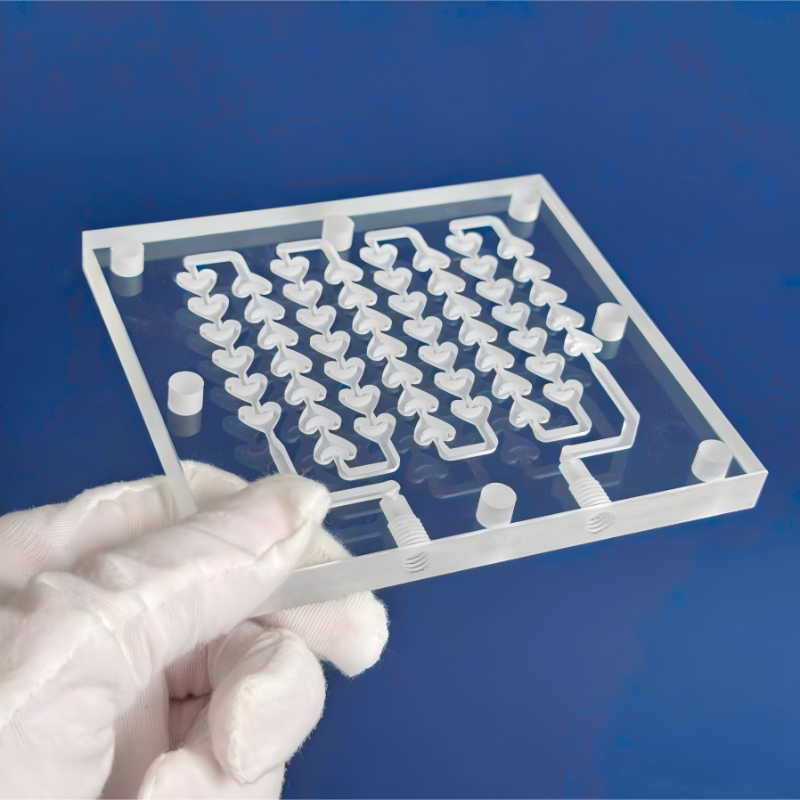
High Thermal Conductance Quartz Interlayer Glass Chips
Ultra-high softening point silica chips providing dielectric insulation, controlled heat dissipation, and mechanical backing under extreme heat.
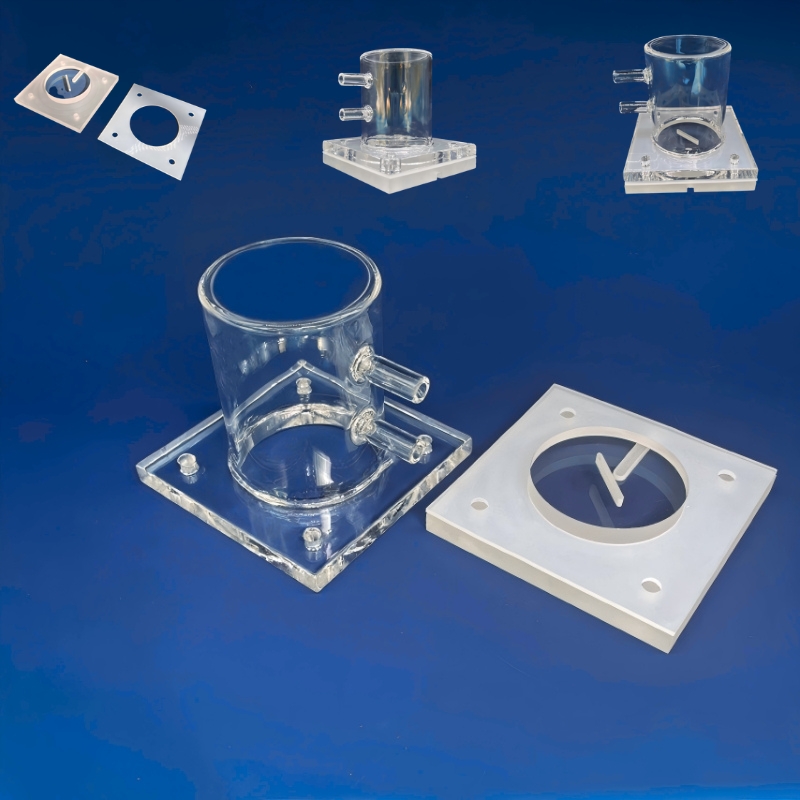
Quartz Photocatalytic Reactor for Hydrogen & Oxygen Generation
High UV-transmission quartz reaction vessel designed for photodegradation, water splitting, and carbon-neutral green fuel pilot reactors.
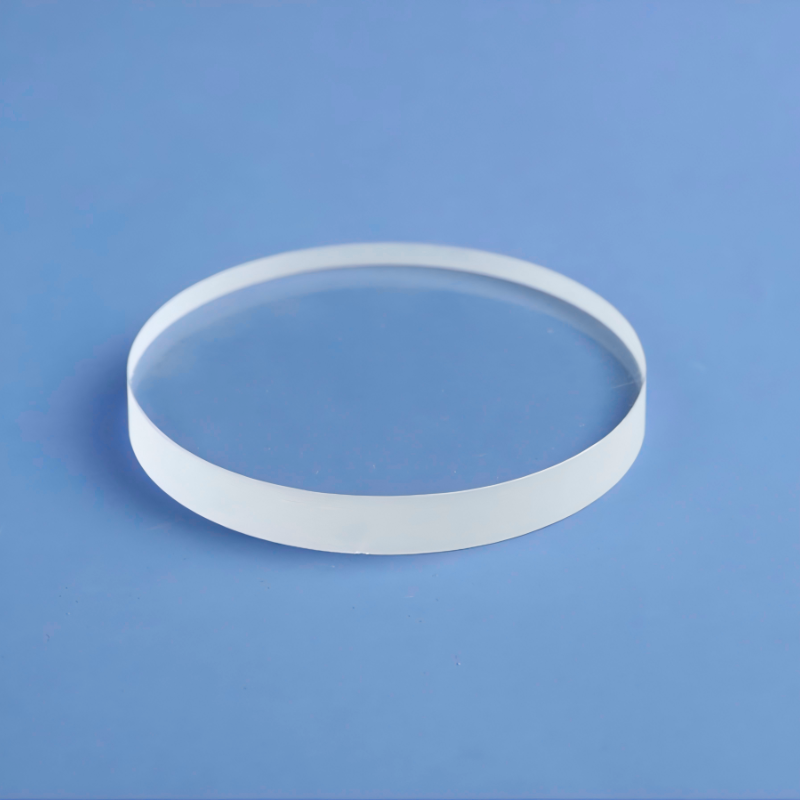
High Temperature Fused Silica Glass Sheets & Tablets
Precision-lapped quartz observation viewports, protective blast furnace sight windows, and high-purity planar substrates.
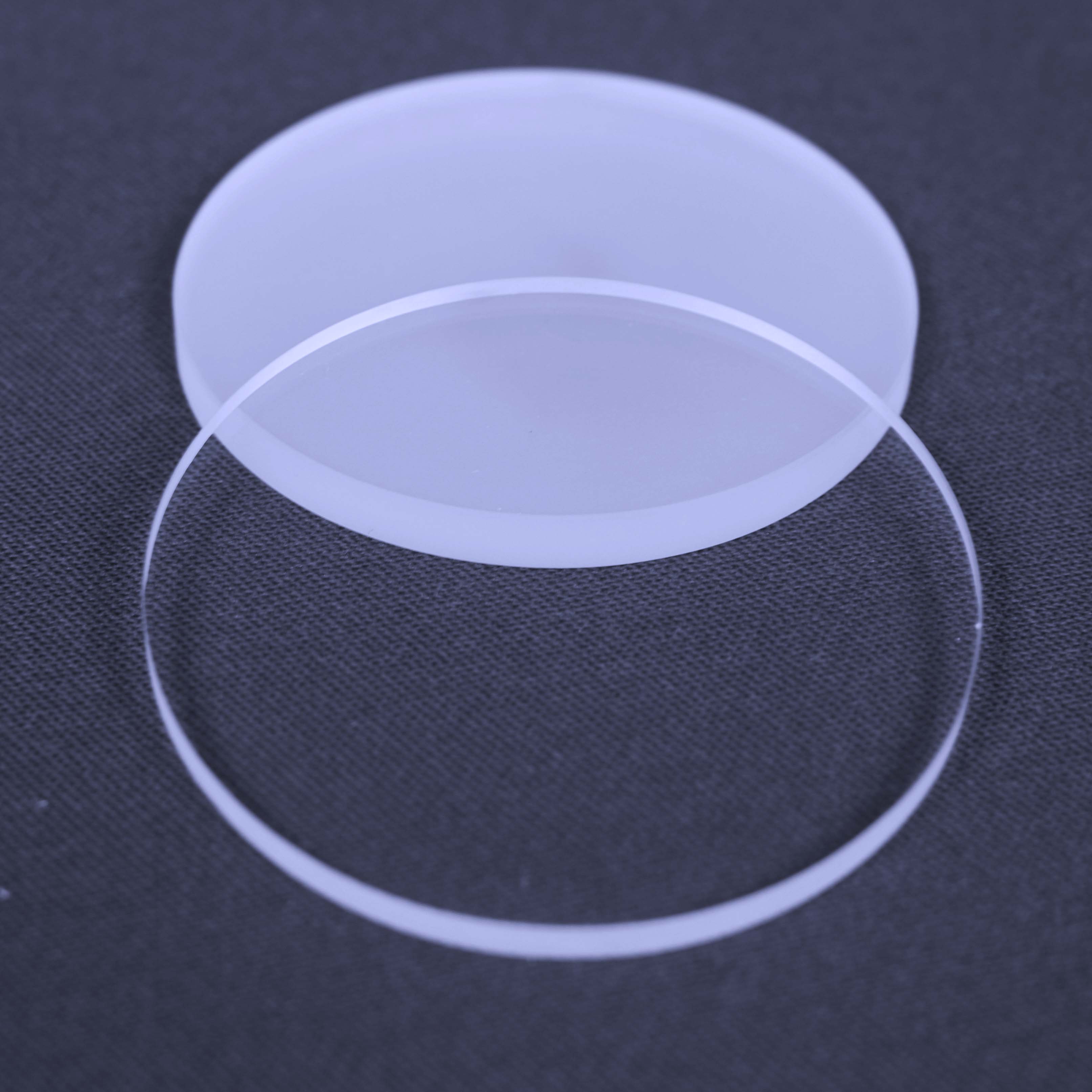
XRD Quartz Holder for High-Transmittance Analytical Testing
Optical-grade zero-background sample plates optimized for X-ray diffraction, metallurgy slag phase identification, and crystal assay.
High-Purity Fused Silica in the Differdange Industrial Landscape
Analyzing thermal stability, metallurgical slag resilience, and analytical accuracy across the Canton of Esch-sur-Alzette.
Differdange, recognized historically as the pulsating core of the southern Luxembourg "Terres Rouges" mining and ironworking corridor, is undergoing one of the most sophisticated industrial metamorphoses in Western Europe. Famed globally for pioneering heavy metallurgical achievements—such as the high-yield rolling of monumental structural steel sections (Grey beams) at ArcelorMittal Differdange—the municipality has actively pivoted toward lower-carbon footprint steelmaking, high-efficiency electric arc furnaces (EAF), and rigorous materials-testing analytics supported by nearby technical research institutions such as the Luxembourg Institute of Science and Technology (LIST) and the University of Luxembourg's Belval campus.
In this demanding ecosystem, standard technical glasses (such as borosilicate 3.3 or soda-lime formulations) fail rapidly under continuous thermal loading above 500°C and succumb catastrophically to rapid thermal cycling, devitrification, or basic slag etching. High-purity fused silica (silicon dioxide, SiO₂ content ranging from 99.99% to 99.999%), manufactured by Lianyungang Vulra Quartz Products Co., Ltd., offers the irreplaceable physical-chemical foundation required by modern Differdange operators:
EAF & Ladle Metallurgy Sampling
Differdange steel plants rely on negative-pressure quartz tubes and dip-sampling vacuum vessels to extract precise molten steel samples without introducing trace interstitial contaminants (Al, Fe, Cu, Ti) into spectroscopic assay streams.
X-Ray Diffraction & Slag Analysis
Analytical laboratories serving the South Luxembourg region utilize zero-background XRD Quartz Sample Holders for continuous mineralogical phase determination of cooling slags and new metallurgical alloys.
Hydrogen & Decarbonization Pilots
As Luxembourg pushes forward with green hydrogen direct reduced iron (DRI) processes, specialized Quartz Photocatalytic Reactors provide high UV transparency and zero ozone outgassing for clean energy fuel synthesis.
Thermodynamic & Purity Matrix: Fused Quartz vs. Competing Media
A comprehensive physical property comparison for thermal design engineers and procurement specifiers in Differdange.
| Property Parameter | High Purity Fused Quartz (Vulra) | Synthetic Fused Silica | Borosilicate Glass 3.3 | High Alumina Ceramic (99.5%) |
|---|---|---|---|---|
| SiO₂ Purity Grade | 99.99% – 99.999% | ≥ 99.9999% | ~ 81% | N/A (Al₂O₃ base) |
| Continuous Max Working Temp. | 1100 °C | 1200 °C | 450 °C | 1600 °C |
| Short-Term Softening Point | 1683 °C | 1730 °C | 820 °C | 2050 °C (Melting) |
| Coeff. of Thermal Expansion (CTE) | 5.5 × 10⁻⁷ / K | 5.2 × 10⁻⁷ / K | 33 × 10⁻⁷ / K | 80 × 10⁻⁷ / K |
| Thermal Shock Tolerance | 1100°C → 20°C (Quench Safe) | 1200°C → 20°C Safe | ΔT = 100°C (Fractures) | Susceptible to Rapid Quench |
| Dielectric Breakdown Strength | 25 – 40 kV/mm (at 20°C) | 35 – 45 kV/mm | 15 – 20 kV/mm | 15 – 25 kV/mm |
| UV Transmission Bandwidth | 220 nm – 3500 nm | 185 nm – 2500 nm | 320 nm – 2500 nm | Opaque / Non-optical |
| Hydroxyl (OH⁻) Impurity Level | < 15 – 30 ppm | < 1 – 5 ppm (or high OH) | High aqueous flux | N/A |
For Differdange high-temperature facilities, the thermal resistance profile of Vulra's fused quartz ensures complete structural integrity well beyond the failure thresholds of conventional borosilicates. Furthermore, our tight control over trace hydroxyl radicals (OH⁻ below 30 ppm in standard furnace tubes) prevents the premature onset of cristobalite crystallization (devitrification) when exposed to cycling temperatures in the critical 1000°C–1250°C corridor.
Decarbonization, DRI, and Strategic Sourcing in Differdange (2025–2030)
How the South Luxembourg steel and high-tech sector is transforming its raw materials and quartz consumption requirements.
1. Hydrogen-Enriched Blast & EAF Operations
Traditional blast furnace gas atmospheres are giving way to hydrogen injection and syngas atmospheres. At high temperatures, hydrogen molecules accelerate reduction reactions with trace impurities. Our 99.999% ultra-low impurity quartz ensures no parasitic leaching occurs during in-situ process monitoring.
2. In-Line Optical Thermography & Pyrometry
Automated casting lines in Differdange rely on non-contact infrared thermography. This demands custom Fused Silica Glass Sheets with superior optical parallelism and near-zero bubble counts (DIN ISO 10110 Class 0) to maintain radiometric pyrometer calibration.
3. Zero-Carbon Supply Auditing & Traceability
Differdange purchasing managers are legally mandated under European supply chain accountability laws to verify raw material sources. Vulra Quartz offers transparent, verified mineral origins from Donghai, accompanied by certified TÜV Rheinland inspection documentation.
Why Differdange Engineering Teams Direct-Source from Vulra Quartz
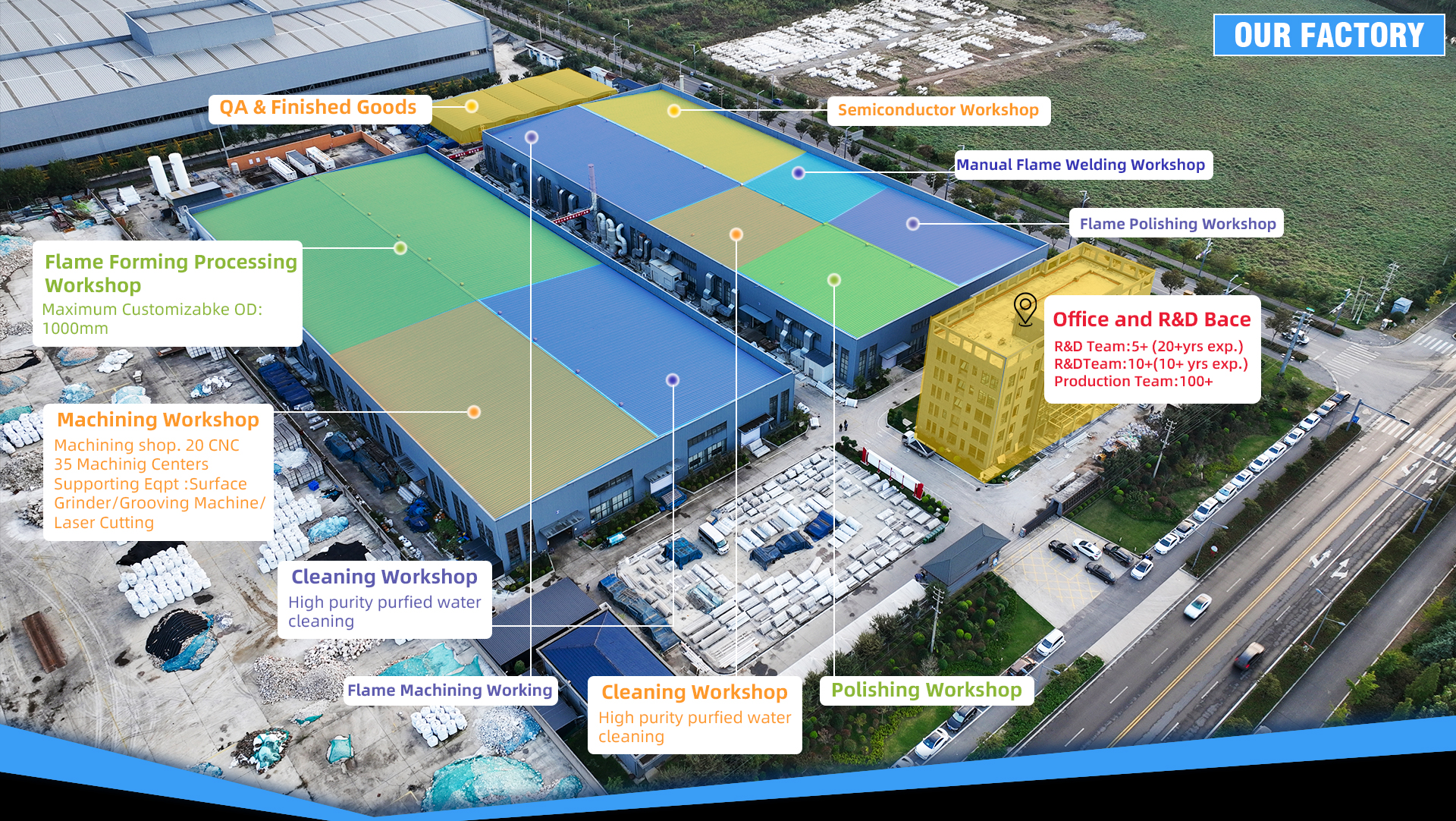
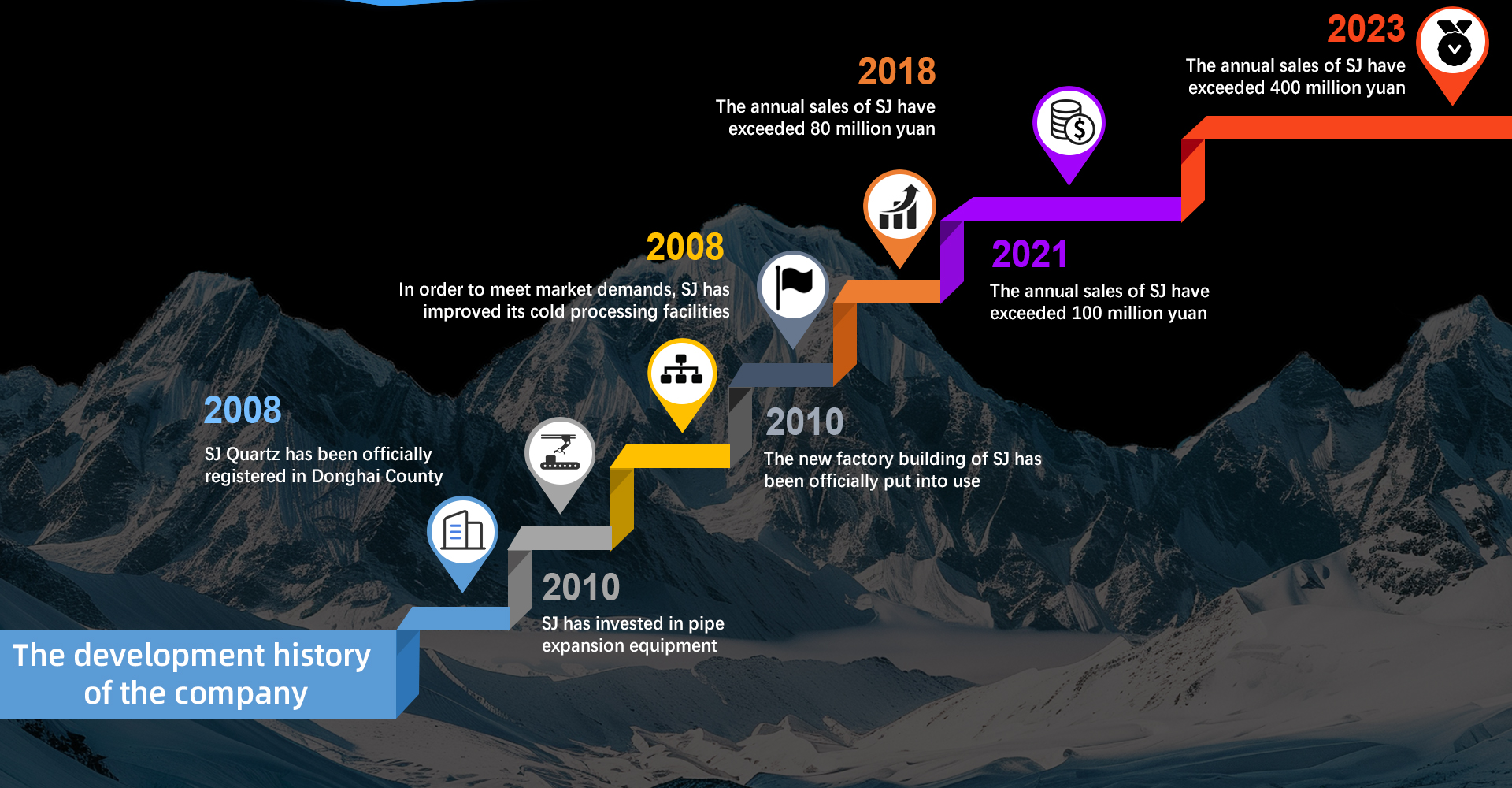
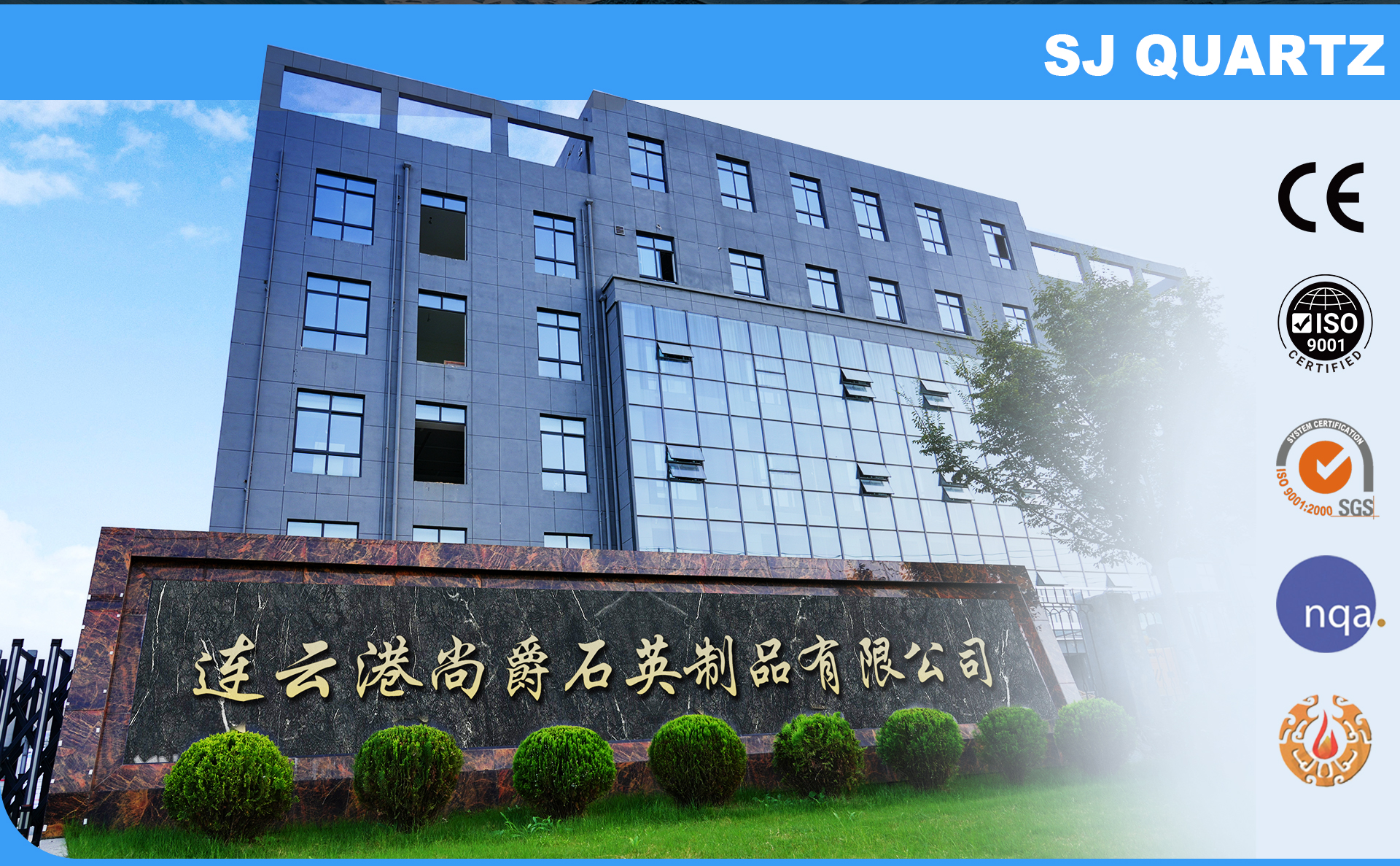
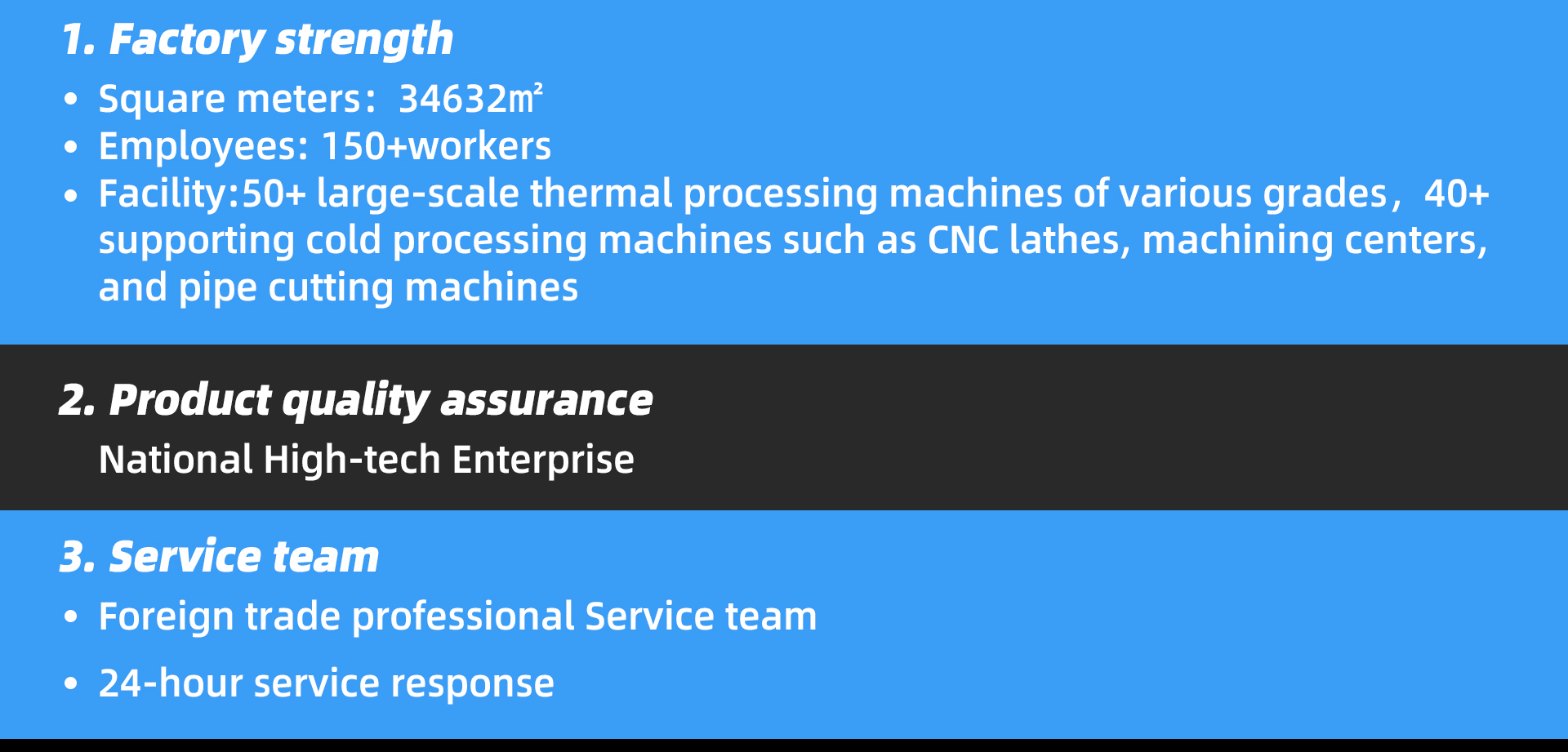
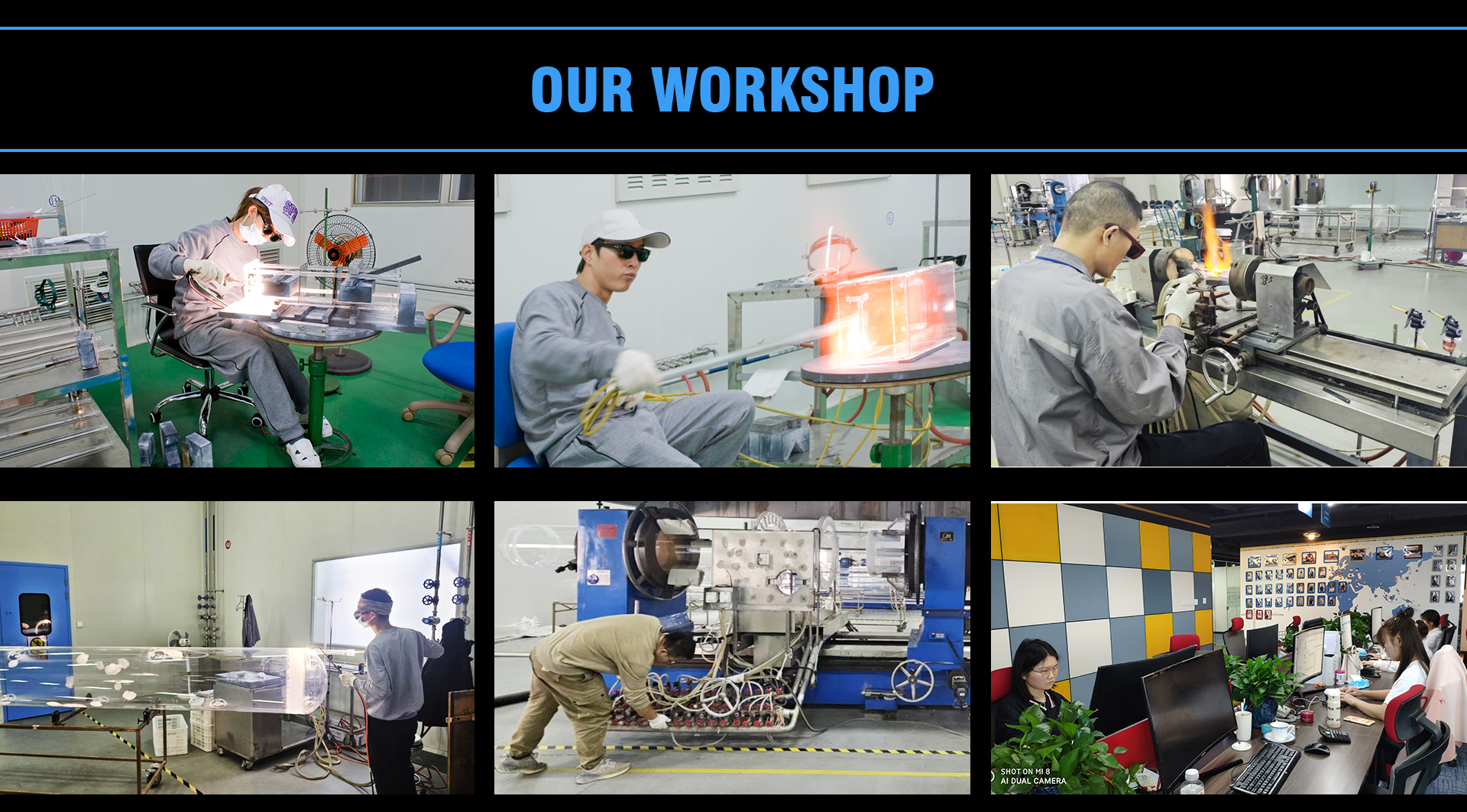
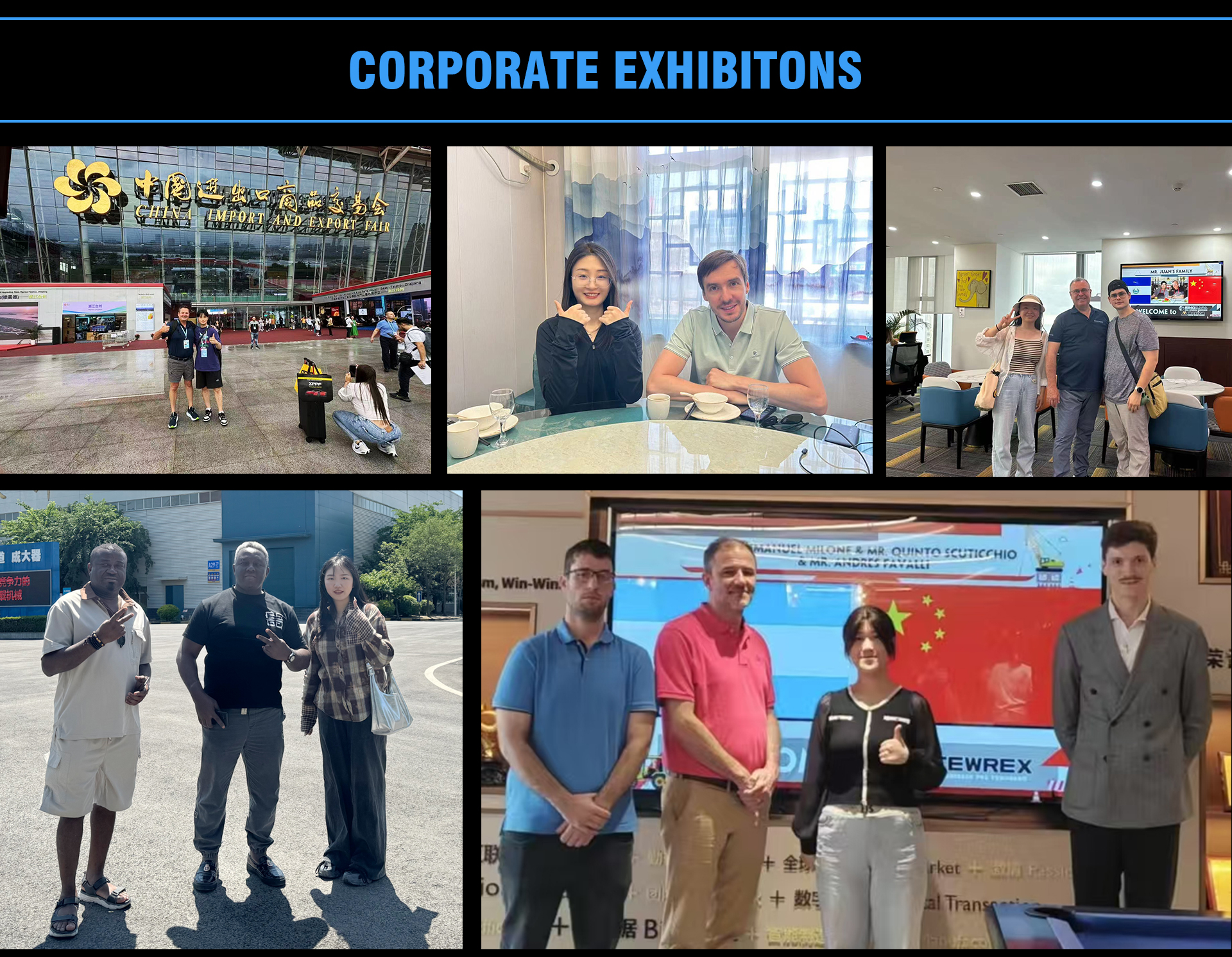
Rooted in Donghai County—the crystal and quartz capital—we unify precision hot-working, optical cold-machining, and rigorous third-party auditing.


Frequently Asked Questions: Differdange Procurement Guide
Direct answers from our senior export engineers regarding logistics, EU compliance, tolerances, and custom OEM manufacturing.
How does Vulra Quartz handle customs clearance and delivery into Differdange, Luxembourg?
We routinely supply engineering clients across the Benelux and Grand Duchy of Luxembourg using Incoterms such as DAP (Delivered at Place) Differdange or DDP (Delivered Duty Paid). Goods arrive seamlessly via Luxembourg Findel Airport (CargoCenter) for air shipments (typically 5–8 business days transit) or via European sea-rail hubs such as the Port of Antwerp or Rotterdam followed by bonded road freight directly to your industrial gate in Differdange. We provide complete EU commercial invoices, packing lists with Harmonized System (HS) Codes (e.g., 7002.31 for quartz tubes, 7017.10 for lab quartzware), and Certificates of Origin.
Can our engineering team order a single 1-piece prototype before placing recurring batch orders?
Yes. As a verified custom manufacturer with dedicated prototype lathe cells, we support an MOQ of 1 piece for custom quartz plates, observation windows, crucibles, and specialized vacuum pipes like our SJ 210 Twin Tube. This enables research engineers in Differdange to validate thermal profile compatibility, flange fitment, and gas seal hermeticity under live conditions prior to capital expenditure commitment.
What is the structural difference between natural fused quartz and synthetic fused silica for furnace viewports?
Natural fused quartz is synthesized by electric or flame melting of high-purity natural silica sand (99.99%+ SiO₂). It exhibits outstanding mechanical strength, high softening points (~1683°C), and low cost, making it the premier choice for furnace process tubes, pyrometry sight glasses, and metallurgical crucibles. Synthetic fused silica is created through chemical vapor deposition (gas-phase SiCl₄ synthesis) yielding 99.9999% purity with virtually zero heavy metal content and extended deep-UV transmission down to 185 nm. If your Differdange operation involves high UV optical diagnostics or semiconductor wafer processing, synthetic silica is recommended; for standard 1100°C furnace observation, natural fused quartz is technically optimal and cost-effective.
How do you guarantee that fragile, oversized quartz tubes arrive without transit damage?
Export packaging of precision glassware is an engineered science at Vulra. Each tube or plate is individually cleaned, sealed in dust-proof polyethylene, surrounded by custom-cut high-density EPE (expanded polyethylene) foam molds, suspended inside dual-wall fluted corrugated master cartons, and finally secured within heat-treated, fumigated plywood export crates (ISPM 15 compliant). Crates feature external shock and tilt indicators. Our historical international breakage rate remains below 0.2% across European routes.
What tolerance standards apply to drawing-based custom quartz fabrications?
Our standard manufacturing tolerances adhere to ISO 2768-m (medium) for cold-machined parts. For precision ground and polished optical flats, diameter tolerances of ±0.05 mm and thickness tolerances of ±0.02 mm are readily achieved. For hot-worked tubular products (bending, flame-formed domes, flared necks), outer diameter tolerances typically maintain ±0.5% of nominal diameter, with wall thickness variations held within ±8%. Tight custom tolerance constraints can be evaluated directly from your STEP, DWG, or PDF engineering drawings.
Are certificates of chemical analysis (COA) provided with high-temperature furnace orders?
Yes. Every industrial batch dispatched to Luxembourg is supplied with a comprehensive Certificate of Analysis (COA) detailing ICP-OES/ICP-MS trace element concentrations (PPM levels for Fe, Al, Ca, Mg, Ti, Cu, Na, K, Li), physical dimensional inspection reports, and CE/RoHS compliance verification. Batch-traceable lot numbers are etched or labeled per customer QA requirements.
Ready to Engineer Your Quartz Solution for Differdange?
Submit your CAD files, technical sketches, or operating parameters. Our senior thermal glass engineers will perform an immediate feasibility audit, material purity recommendation, and deliver a comprehensive quotation within 24 hours.