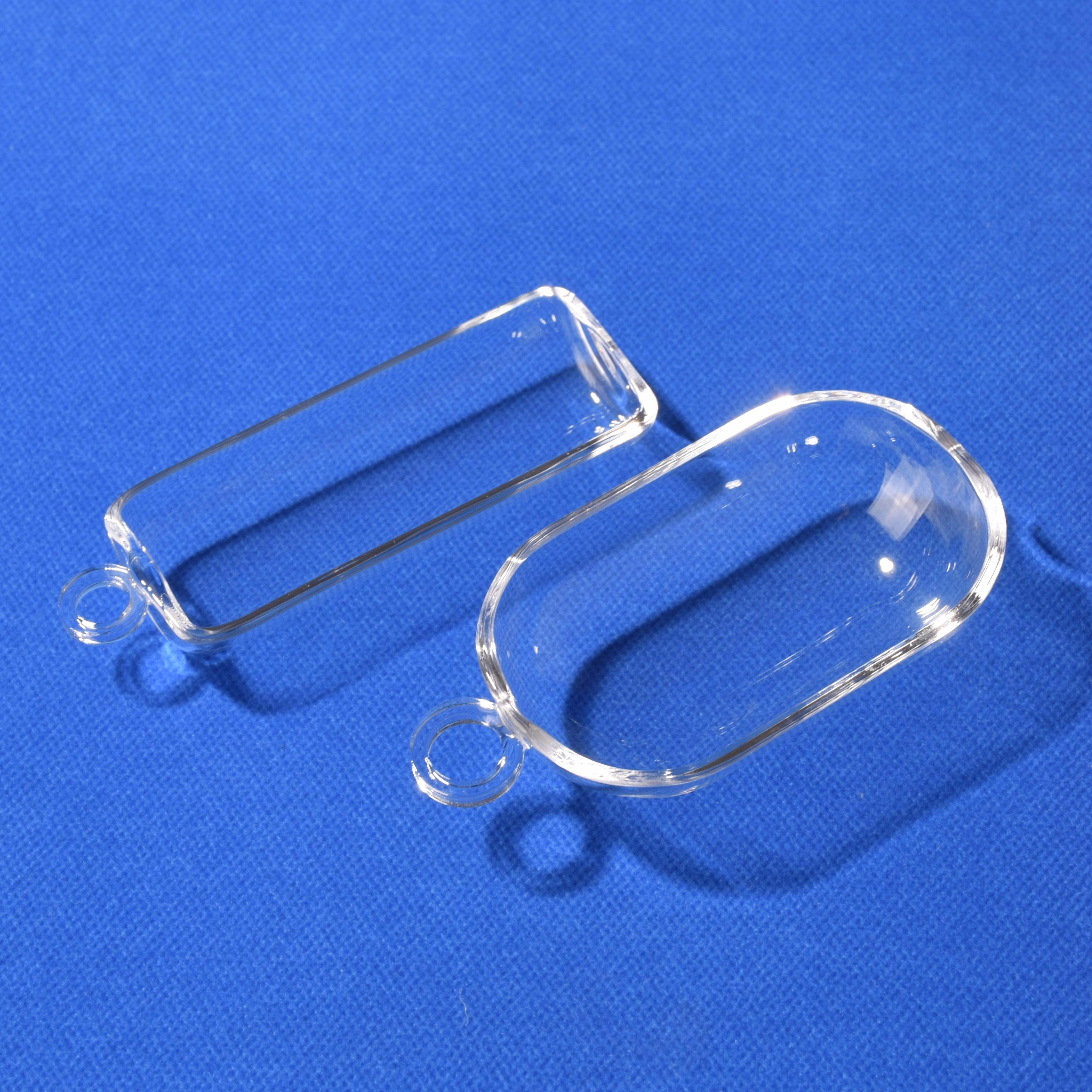
1100°C Rated
Semi-Circular Flat Bottom Tube Furnace Vessel
Ozone-free polished quartz engineered for high-temperature tube furnaces, horizontal solid-state calcination, and CVD synthesis.
Technical Data & SpecsEngineered to withstand extreme continuous thermal conditions up to 1100°C and peak surges of 1450°C. Verified material consistency, zero-bubble visual clarity, and micron-level dimensional tolerances.
Ozone-free polished quartz engineered for high-temperature tube furnaces, horizontal solid-state calcination, and CVD synthesis.
Technical Data & Specs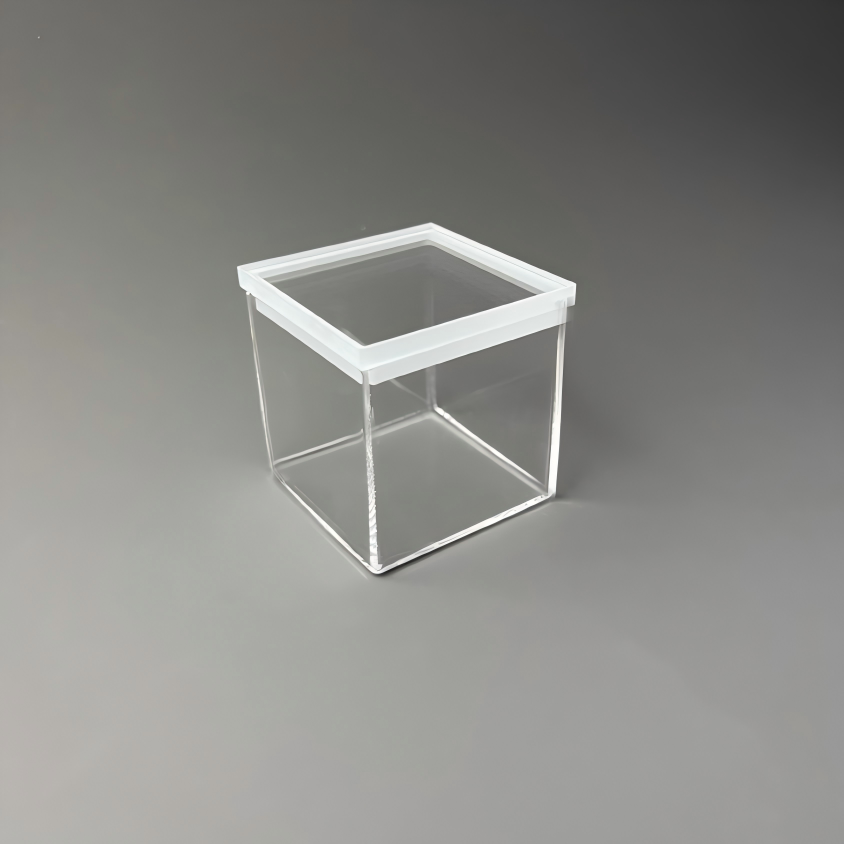
Closed-end electrolytic reaction chamber featuring deep-UV transmission for clean energy, hydrogen evolution, and photocatalysis research.
Technical Data & Specs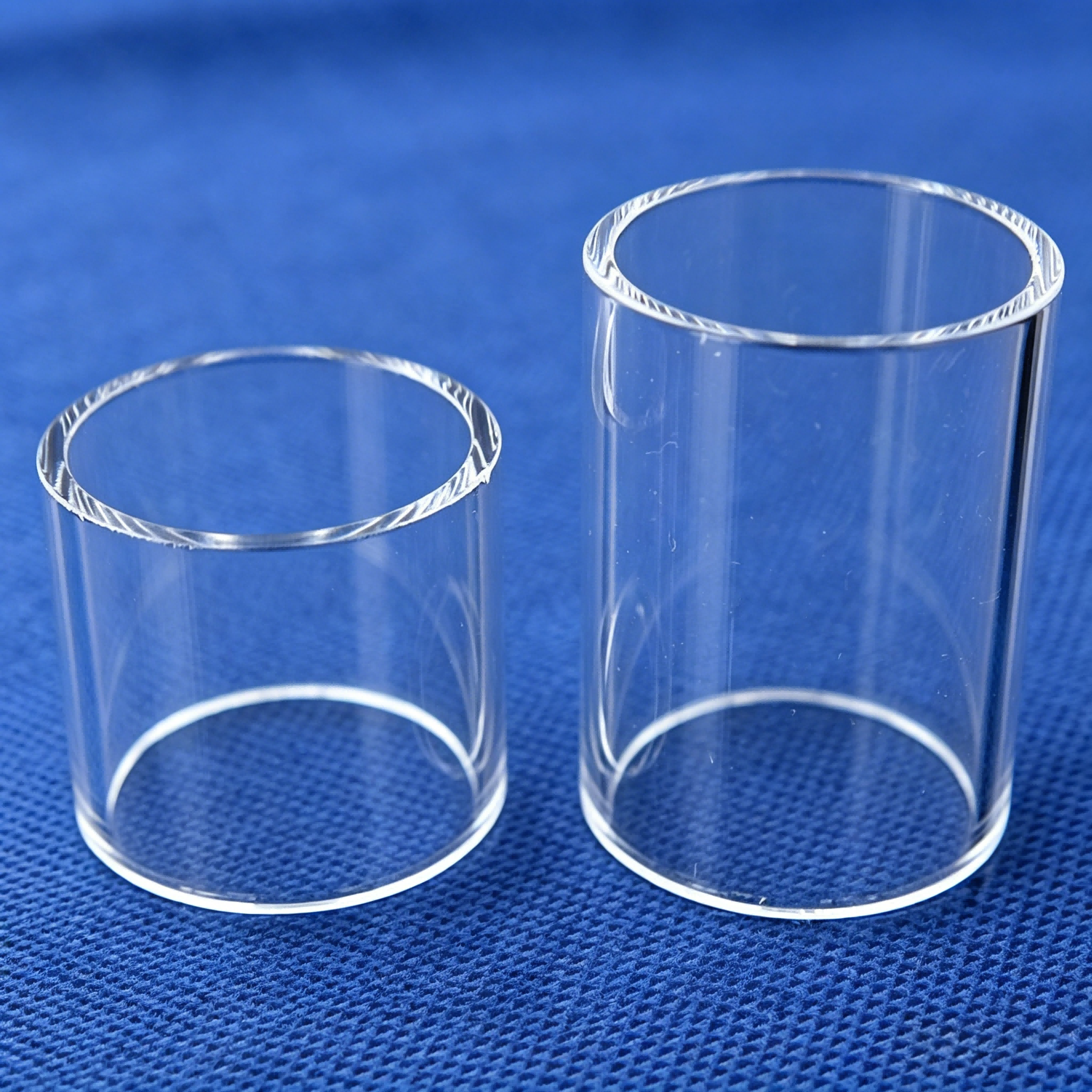
Acid-corrosion resistant multi-bore tube with fire-polished joints, precision flame bending, and dual-zone thermal path engineering.
Technical Data & Specs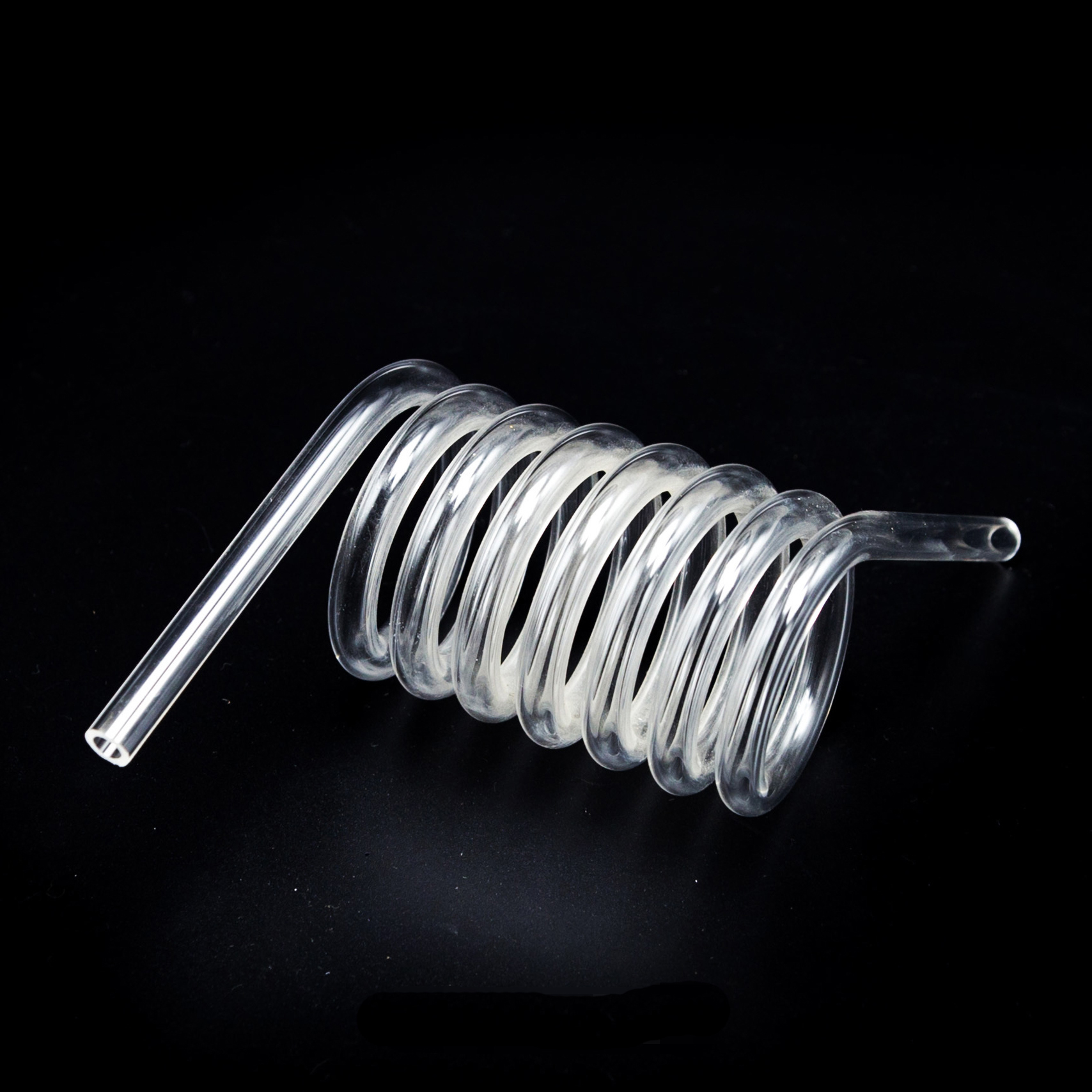
Intricate gas cooling loops and heating coils fabricated with micro-torch flame welding, maintaining strict inside diameter concentricity.
Technical Data & Specs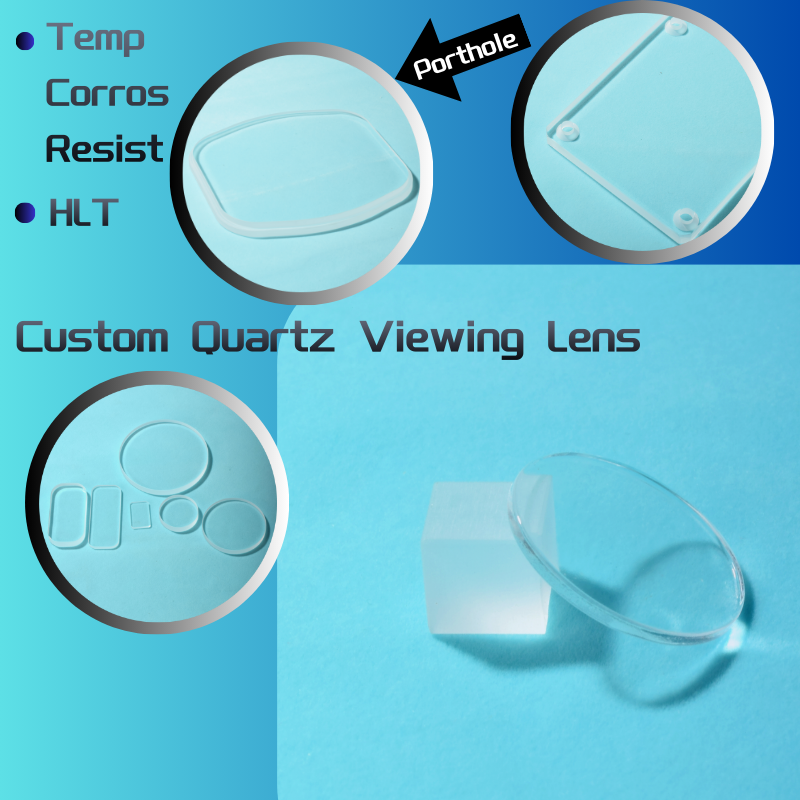
SJ-126 ultra-flat square slide crafted for spectroscopy, X-ray diffraction (XRD), and high-resolution optical microscopy substrate platforms.
Technical Data & Specs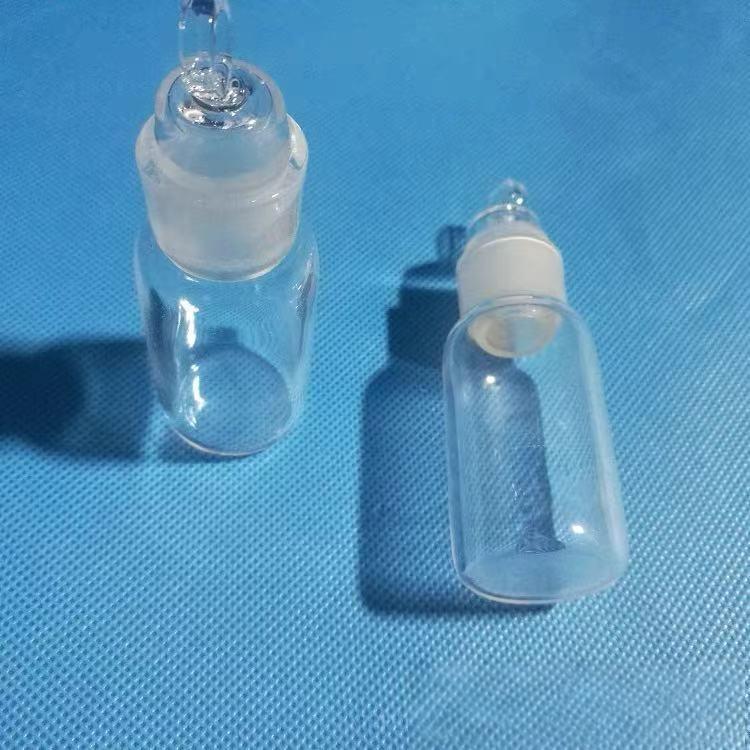
Sintered porous quartz disc and diffusion tubes offering trace-element stability (Al, Fe, Ti < 15 ppm) for ultra-clean vapor processing.
Technical Data & Specs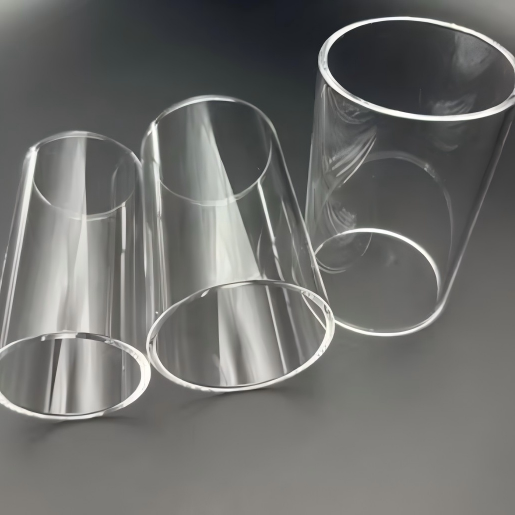
Heavy-wall closed test well and thermocouple protective sheath designed for vacuum degasification and molten salt immersion.
Technical Data & Specs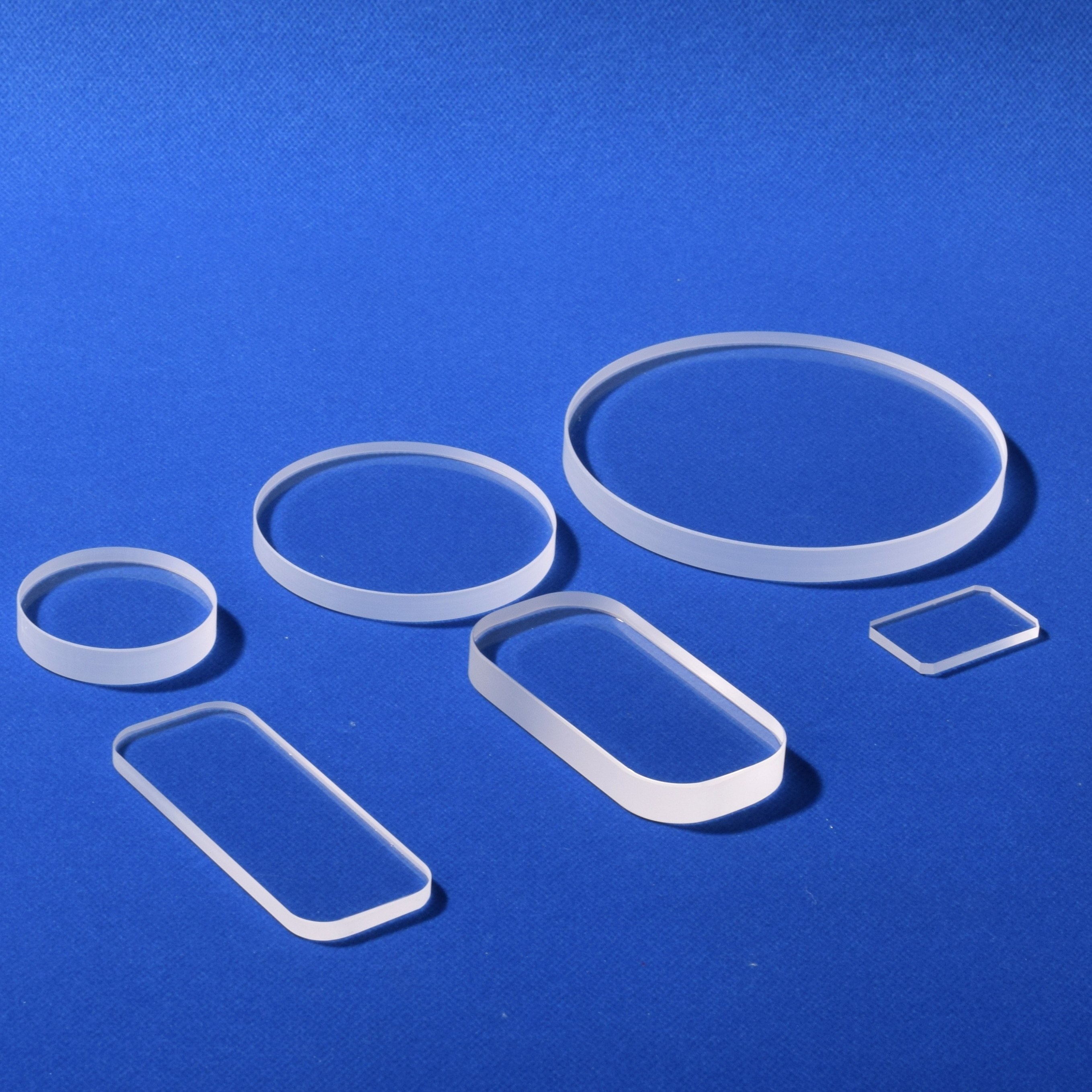
Precision-ground circular sight glass delivering >92% optical transmittance across UV-Vis-NIR spectra under extreme chamber pressures.
Technical Data & SpecsA comprehensive examination of crystallographic purity, thermal shock resilience, devitrification kinetics, and chemical passivation for Baltic manufacturing ecosystems.
Fused silica (vitreous silica) stands out as an irreplaceable engineering material in modern high-temperature industrial chemistry and optoelectronic manufacturing due to its completely amorphous cross-linked three-dimensional network of silicon-oxygen tetrahedra ([SiO₄]⁴⁻). Unlike ordinary borosilicate or aluminosilicate glasses containing alkali flux modifiers (such as Na₂O, K₂O, and CaO), high-purity natural fused quartz exhibits negligible network-terminating non-bridging oxygens. This chemical integrity results in an exceptionally low linear coefficient of thermal expansion ($\alpha \approx 5.5 \times 10^{-7} \text{ K}^{-1}$ across the 20°C to 1000°C window), offering virtually unmatched resistance to severe thermal shock.
For industrial processing installations in Daugavpils and the wider Latgale region—ranging from specialized metallurgical heat-treatment furnaces to precision optical coating reactors—thermal shock resistance dictates whether a processing envelope survives rapid quenching or furnace cycling. A red-hot fused quartz tube heated to 1100°C can be repeatedly plunged directly into ambient water without structural micro-cracking or catastrophic failure. This property is governed by the material's elastic modulus ($E \approx 72 \text{ GPa}$) combined with its extraordinarily low thermal expansion.
When operating continuously above 1150°C, structural relaxation occurs near the annealing point ($T_a \approx 1180^\circ\text{C}$). If trace alkali metallic impurities exceed 20 parts per million (ppm), the rate of cristobalite crystallization scales exponentially according to Arrhenius kinetics. Because cristobalite undergoes a destructive volumetric contraction of 2.8% to 4.5% during cooling past its β-to-α inversion temperature (~220°C–270°C), contaminated tubes experience micro-spalling and premature fracture. Our direct factory control over raw silica sand sorting, hot-chlorination purification, and dehydroxylation ensures that our hydroxyl content ([OH⁻]) can be suppressed below 5–15 ppm for vacuum-thermal applications, preventing premature structural sagging.
Engineers and material specifiers in Daugavpils frequently balance trade-offs between standard borosilicate 3.3 glass, natural fused quartz, and synthetic chemical vapor deposition (CVD) fused silica. The table below outlines empirical benchmarks critical for equipment design, pressure vessel calculations, and optical window installations.
| Physical / Thermal Parameter | Standard Borosilicate 3.3 | Vulra Natural Fused Quartz | Synthetic Fused Silica (High UV) |
|---|---|---|---|
| Chemical Composition | 81% SiO₂, 13% B₂O₃, 4% Na₂O | 99.99% – 99.999% Pure SiO₂ | > 99.9999% Synthetic SiO₂ |
| Density ($\rho$) | 2.23 g/cm³ | 2.20 g/cm³ | 2.20 g/cm³ |
| Max Continuous Temperature | 450°C – 500°C | 1100°C | 1150°C |
| Short-Term Peak Temperature | 550°C | 1450°C | 1500°C |
| Softening Point | 820°C | 1683°C | 1710°C |
| Thermal Expansion (0–300°C) | $3.3 \times 10^{-6} \text{ K}^{-1}$ | $5.5 \times 10^{-7} \text{ K}^{-1}$ | $5.2 \times 10^{-7} \text{ K}^{-1}$ |
| Refractive Index ($n_d$ @ 589 nm) | 1.473 | 1.458 | 1.458 |
| Dielectric Strength (20°C, 1 MHz) | ~15 kV/mm | 25 – 40 kV/mm | > 40 kV/mm |
| UV Cut-Off Wavelength | ~310 nm | ~190 nm (Transparent Grade) | ~160 nm (Suprasil Grade) |
How high-purity quartz tubing drives competitiveness in Eastern Latvia's engineering clusters, research institutes, and export-oriented clean-tech facilities.
Daugavpils possesses a deep-rooted historical legacy in heavy machinery, rolling-stock maintenance, and precision metalworking. Our heavy-walled fused quartz reactor tubes serve as vacuum-tight liners for induction furnaces, bright-annealing atmospheres, and carburizing furnaces. Because quartz remains chemically inert against volatile sulfur and hydrocarbon gases at 1050°C, it prevents carbon diffusion contamination into high-alloy tool steels and aerospace fasteners produced in Latgale's modern machine-building enterprises.
Latvia is internationally acknowledged for high-precision photonics and specialty optical fiber manufacturing—stretching from the Līvāni fiber optic corridor to research institutes in Riga and academic teams in Daugavpils. We export synthetic and high-purity natural silica substrate tubes utilized as cladding tubes, furnace muffles for fiber drawing towers, and chemical vapor deposition (MCVD/PCVD) preform substrates with strictly controlled concentricity and wall-thickness uniformity ($< \pm 0.05 \text{ mm}$).
The G. Liberts' Innovative Microscopy Centre and the Department of Physics at Daugavpils University require top-tier scientific quartzware for solid-state spectroscopy, advanced nanomaterials research, and thin-film deposition. Our sealed quartz electrolytic dome cells, high-transmittance optical cuvettes, and XRD sample holders allow undisturbed photon transmission from deep-ultraviolet wavelengths (190 nm) through to the near-infrared, maximizing analytical repeatability.
As the Baltic States expand regional semiconductor supply chain resilience under the European Chips Act, local electronics manufacturing in Latgale increasingly relies on quartzware for wafer carrier boats, epitaxy process tubes, and wet chemical cleaning baths. Because fused quartz resists virtually all mineral acids (with the exception of hydrofluoric and boiling phosphoric acid), it guarantees zero metal leaching during critical wafer etching.
Daugavpils' strategic position along the Daugava River underscores municipal and industrial wastewater remediation priorities. Our ozone-free doped quartz sleeves block 185 nm radiation while permitting high-efficiency transmission of germicidal 253.7 nm UV rays, protecting operators while sterilizing fluid systems. Conversely, our high-transmittance synthetic quartz tubes maximize ozone-generation kinetics for advanced oxidation process (AOP) chemical plants.
Navigating EU decarbonization, high-spec thermal efficiency, and strategic raw material security from a verified global manufacturer.
Industrial operators in Latvia face rising electricity prices and strict European Green Deal carbon footprints. Traditional ceramic and alloy process tubes exhibit low thermal conductivity and slow heating-up ramps. By switching to high-transmittance clear fused quartz furnace tubes, thermal radiation from heating elements couples directly with the process payload without absorbing heat in the tube wall, resulting in up to 28% reductions in furnace cycle consumption.
Furthermore, supply chain diversification has become a boardroom priority. Relying solely on European middlemen often incurs lead times of 16 to 24 weeks for replacement quartz tubes. Vulra Quartz bridges this bottleneck by delivering custom-engineered, factory-direct fused silica tubing and laboratory apparatus directly to Daugavpils via expedited door-to-door air freight or cost-effective rail-to-Baltic sea routing, maintaining local inventory buffers from single-piece prototyping to scheduled bulk container drops.
Combining automated CNC cold working with master artisan flame lathe glassblowing under strict ISO 9001 certified manufacturing regimes.
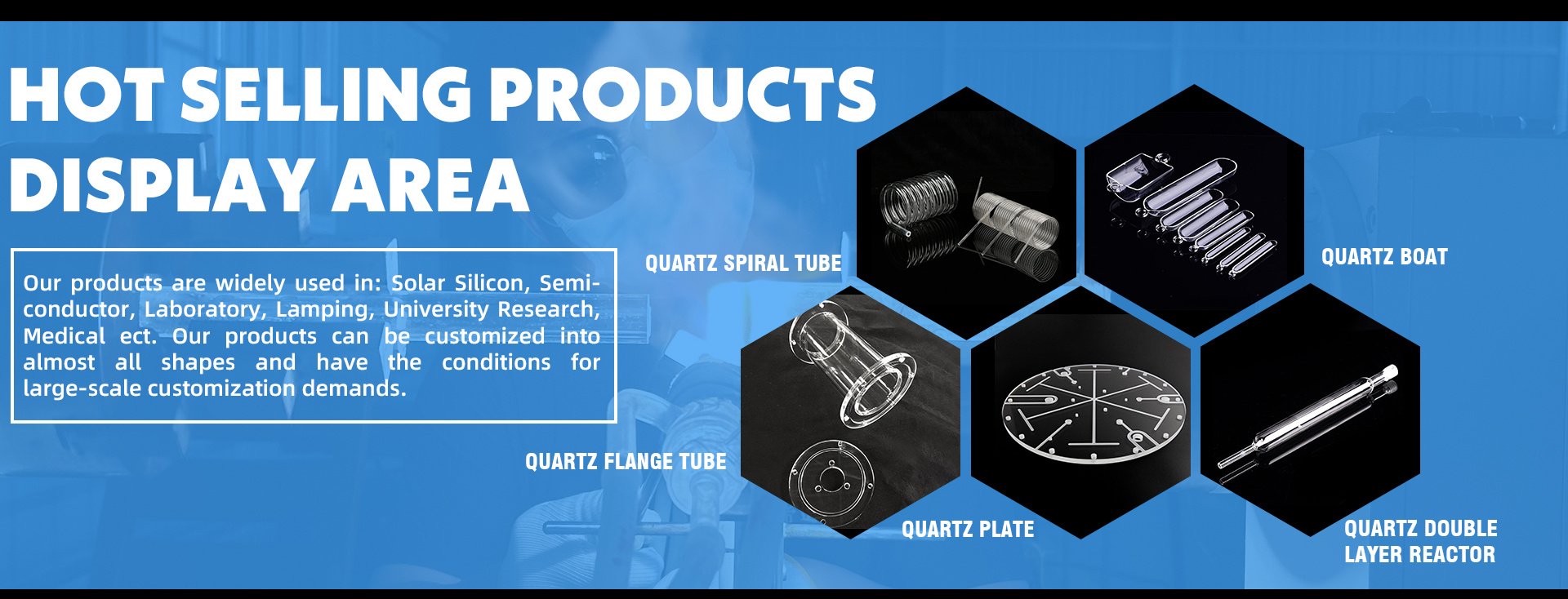
Lianyungang Vulra Quartz Products Co., Ltd. operates high-temperature continuous electric fusion furnaces and hydrogen-oxygen flame fusion lines situated in Donghai County. Our manufacturing campus covers every intermediate step: raw crystal sand acid purification, thermal tube drawing, precision diamond blade slicing, CNC ultrasonic drilling, and complex multiaxial lathe welding.
Every piece of quartzware bound for Daugavpils undergoes a complete post-forming annealing cycle in high-temperature computer-controlled electric kilns to eliminate internal mechanical and thermal hoop stresses. Afterwards, tubes and fabricated vessels are treated in multi-stage hydrofluoric and nitric acid pickling baths to strip trace metallic tooling contaminants, followed by multiple rinses in 18.2 MΩ·cm deionized water within a cleanroom environment before clean-packing.
Hydrogen-oxygen flame lathes capable of closing ends, fire-polishing cuts, and drawing tube diameters from 5 mm up to 800 mm.
Precision diamond edging, cylindrical surface grinding, flat optical polishing, and laser wafer drilling down to $\pm 0.02 \text{ mm}$.
Controlled thermal ramp-down from 1180°C eliminates residual stresses, preventing birefringence and catastrophic furnace shattering.
High-density multi-layer closed-cell polyethylene foam with shock-absorbing reinforced wooden crates engineered for Baltic freight.
Actionable answers addressing import compliance, customs procedures, dimensional tolerances, and logistics across Latvia.
We provide full export clearance support under Incoterms 2020 (EXW, FOB, CIF Riga, or DAP/DDP Daugavpils). Shipments generally arrive via Riga International Airport (RIX) for expedited air freight or via the Port of Riga for container loads, transferring by road/rail directly to your industrial site in Daugavpils. We supply commercial invoices, packing lists, CE declarations, certificates of analysis (COA), and HS Code classification (e.g., 7002.31.00 for tubes of fused quartz or other fused silica) to streamline EU customs clearance with the State Revenue Service (VID).
Standard extruded fused quartz tubes are governed by ISO 2768-c or specific glassmaker tolerances: outer diameter (OD) within $\pm 0.5\%$, wall thickness within $\pm 10\%$, and maximum out-of-roundness (ovality) $< 0.8\%$. For high-precision semiconductor reactors and sliding vacuum seals, we offer precision precision-ground and fire-polished tubes with outer diameter tolerances tightened down to $\pm 0.1 \text{ mm}$ and camber (straightness) $< 1.0 \text{ mm}$ per linear meter.
Yes. Our engineering department works directly with AutoCAD (.dwg, .dxf), SolidWorks (.step, .iges), and detailed PDF engineering drawings. We review every design for thermal shock stress zones, wall thickness ratios, and flame welding feasibility before issuing a formal production blueprint. Custom prototypes are produced from a minimum order quantity (MOQ) of just 1 piece.
With six years of international export experience across Europe, our breakage rate is maintained under 0.2%. Every tube is individually sealed with anti-static film, encased in fitted expanded polyethylene (EPE) foam sleeves, packed into rigid inner cartons, and suspended inside multi-ply export-grade plywood crates equipped with shock-drop indicators. In the unlikely event of transit damage, our cargo insurance policy triggers instant replacement manufacturing without bureaucratic delays.
Cost efficiency versus optical transmission requirements. Natural fused quartz is manufactured by melting high-purity natural quartz sand (99.99%+ SiO₂); it delivers phenomenal thermal endurance up to 1100°C continuous service at a fraction of the cost of synthetic silica. Synthetic silica (produced through SiCl₄ vapor hydrolysis) is recommended exclusively for deep ultraviolet applications below 200 nm or high-end photomask substrates requiring virtually zero metallic parts-per-billion impurity profiles.
Prior to furnace ramp-up, avoid skin contact; fingerprints deposit sodium salts that catalyze destructive cristobalite devitrification at high temperatures. Always handle tubes with clean cotton or lint-free gloves. If cleaning is necessary, swab with high-purity ethanol or submerge in a 5% to 10% hydrofluoric (HF) acid bath for no longer than 3–5 minutes, followed immediately by thorough cascading rinses with deionized water and oven drying.
Whether you require standard-dimension furnace process tubes, replacement observation windows, or complex bespoke quartz apparatus for scientific research in Daugavpils, our team provides technical drawing evaluations and formal quotations within 24 hours.
Send an Inquiry