High-Purity Fused Quartz & Silica Series
Precision-engineered quartz components and fused silica materials processed to rigorous international standards, direct from our certified Donghai manufacturing facility.
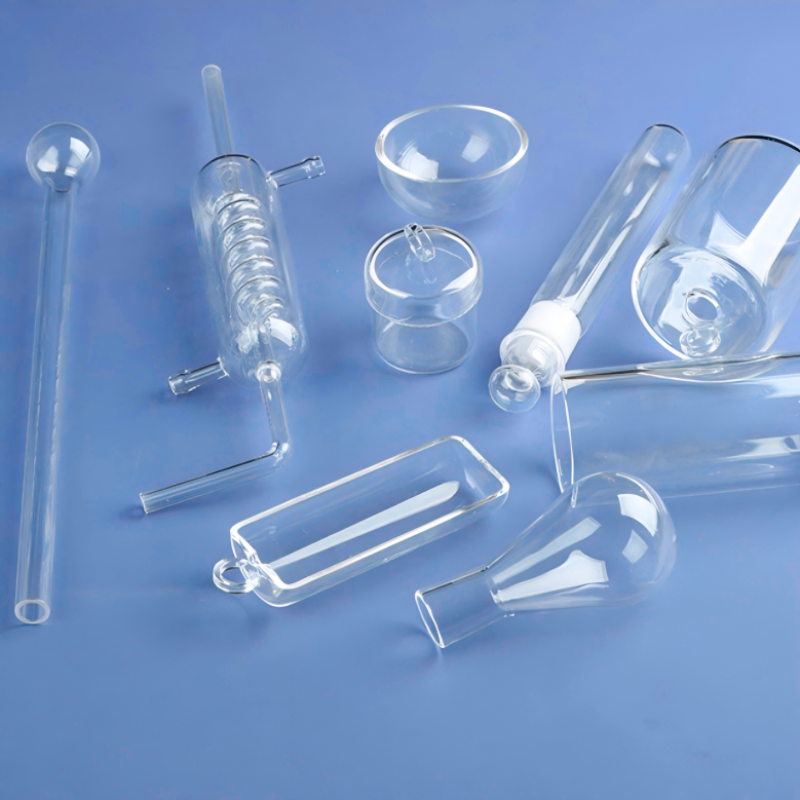
Quartz Glass Tube Plugging Rod Heating Test Tube Boat
View Details →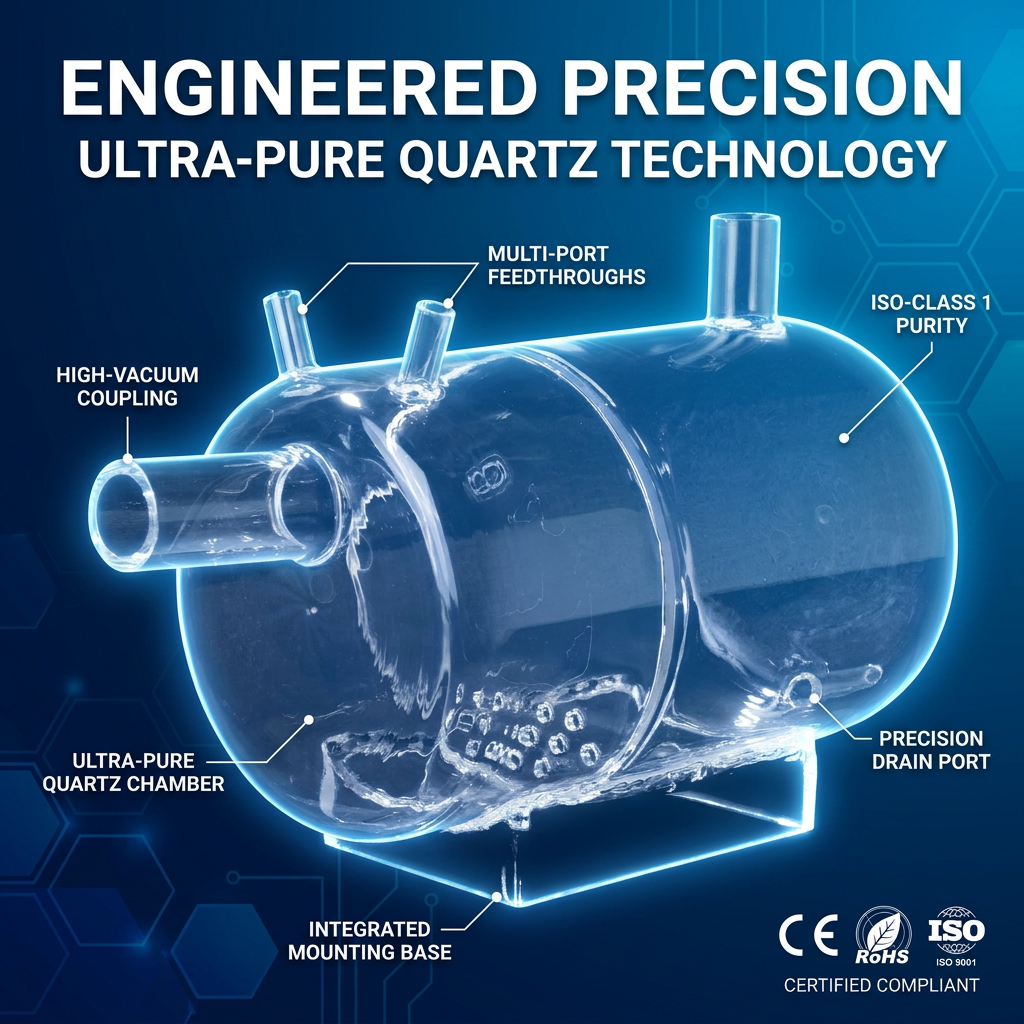
Customized Precision Quartz Separating Container Semiconductor Grade
View Details →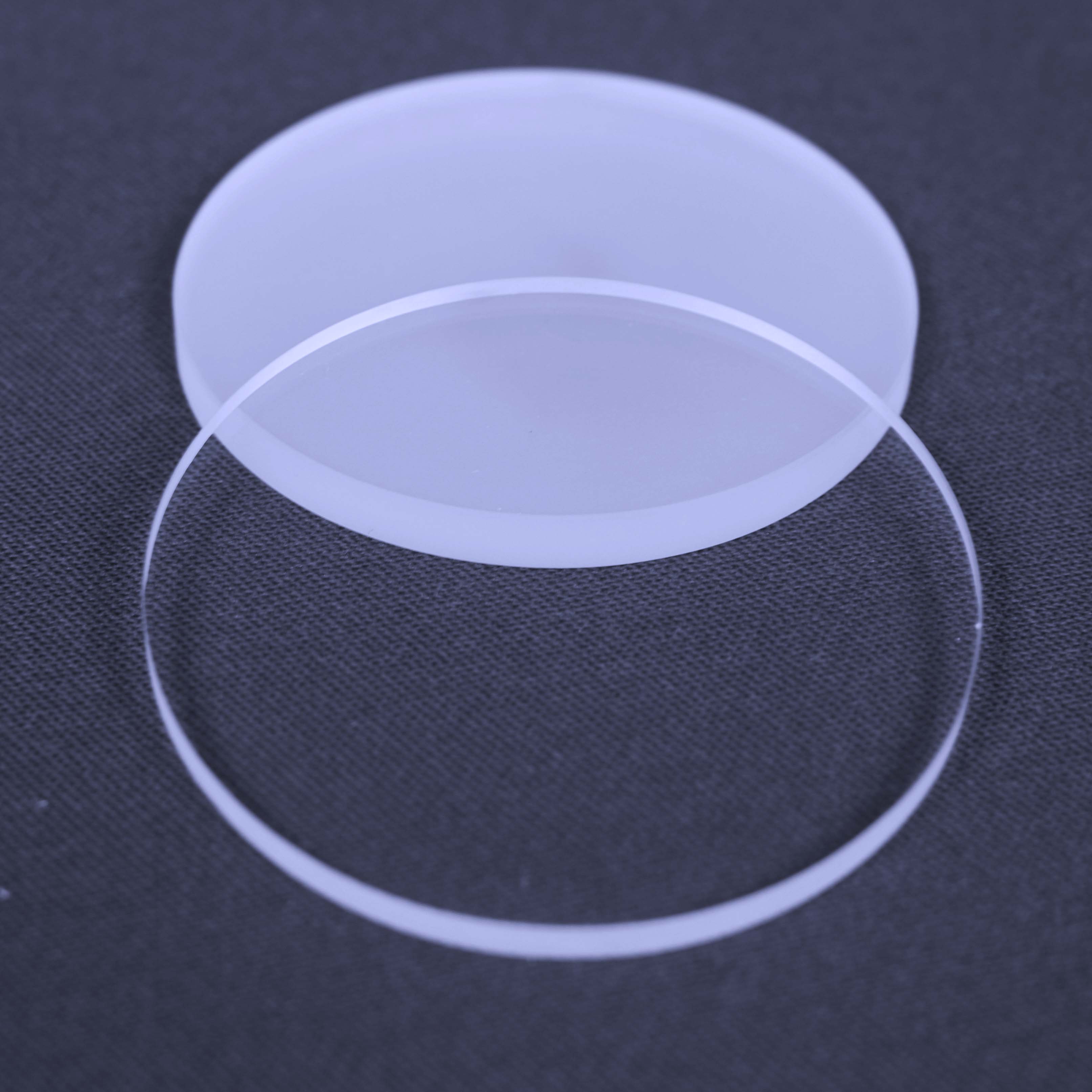
XRD Quartz Holder Test Samples High Transmittance Clear Plate
View Details →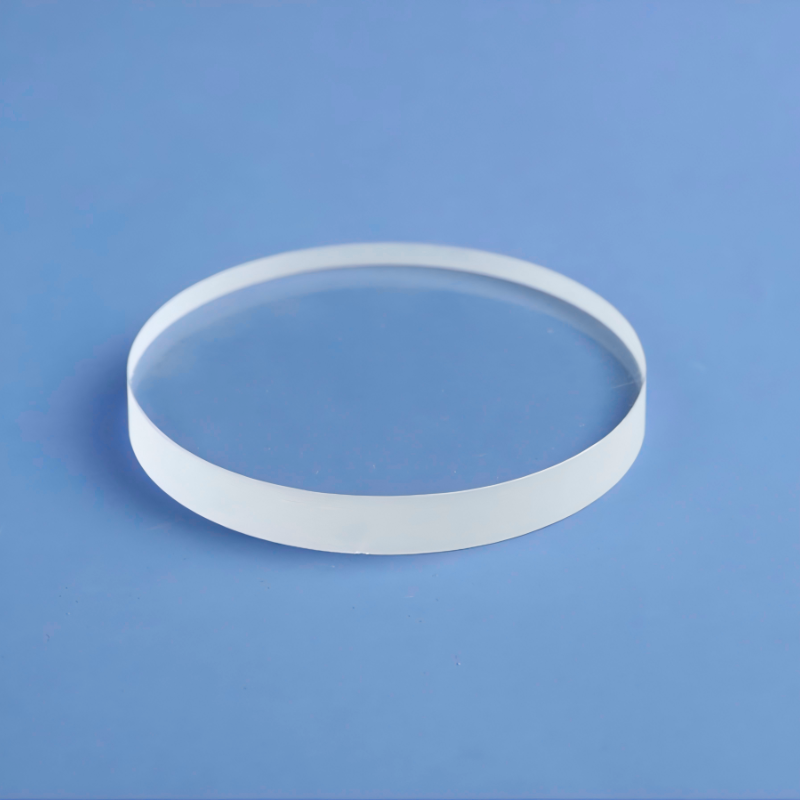
High Temperature Resistant Clear Sapphire Quartz Tablets Fused Silica Sheets
View Details →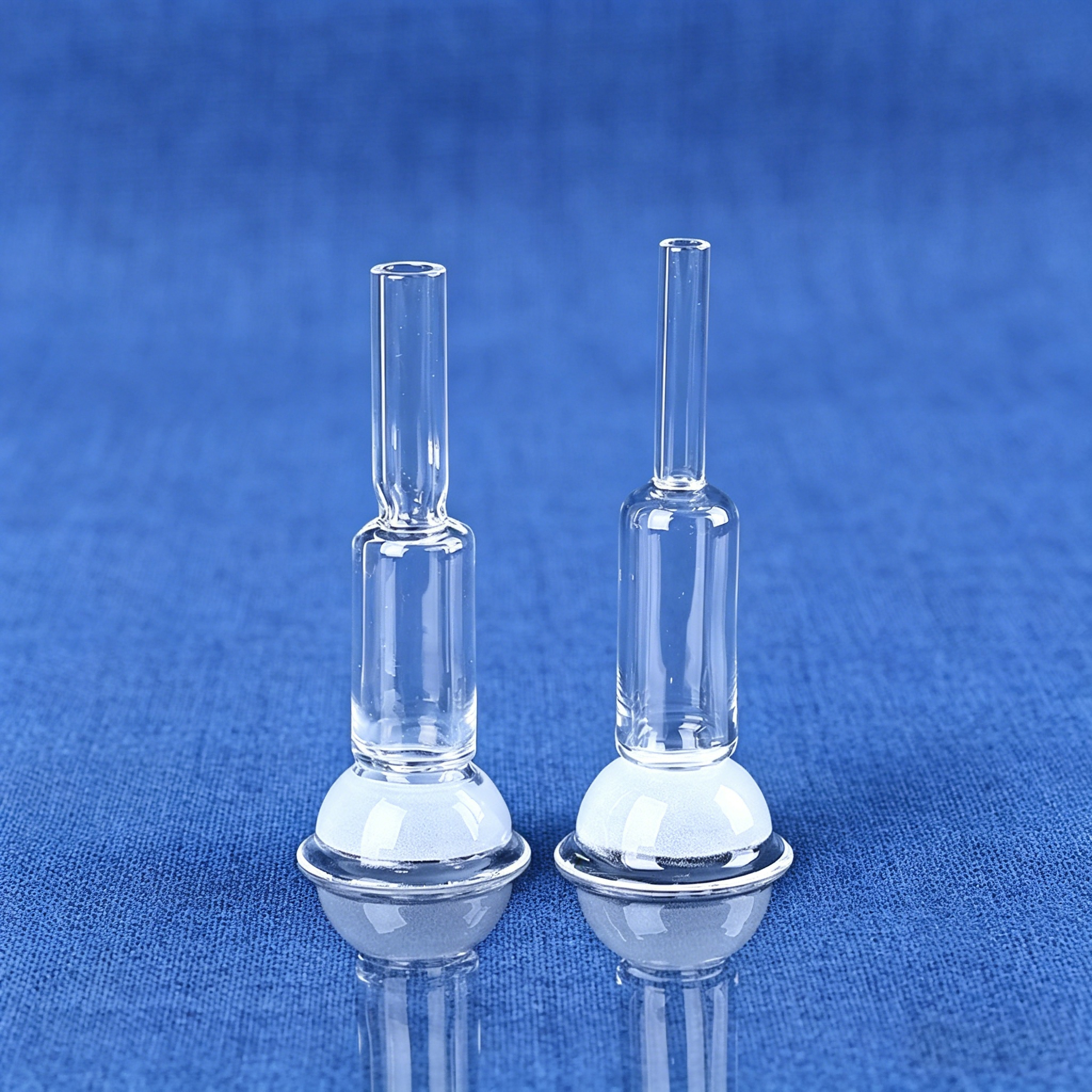
Custom High Purity Quartz C-shaped Small-sized BET Tube
View Details →
Custom Clear Fused Quartz Tube With/Without Handle Drinking Cup
View Details →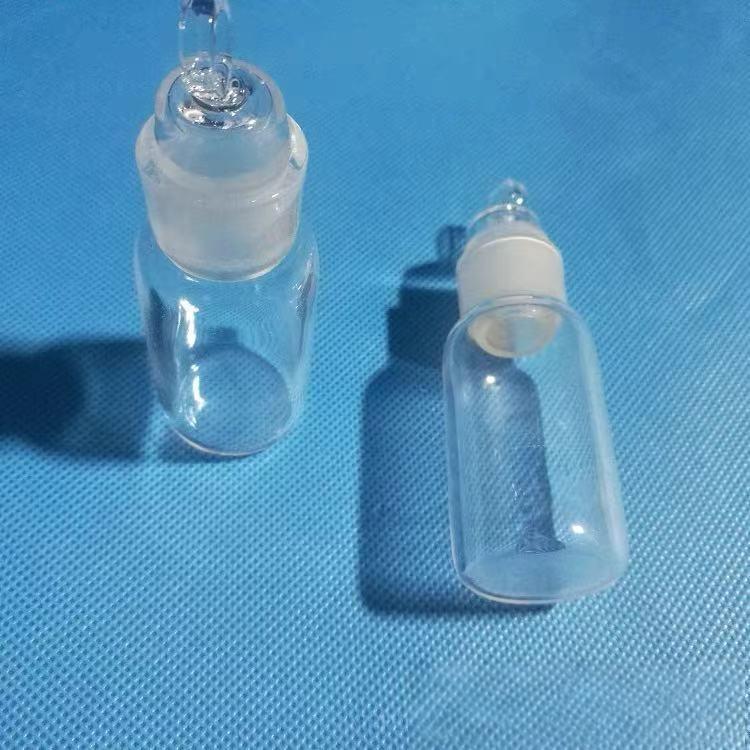
High-Corrosion Resistant Semiconductor 400 Mesh Laboratory Quartz
View Details →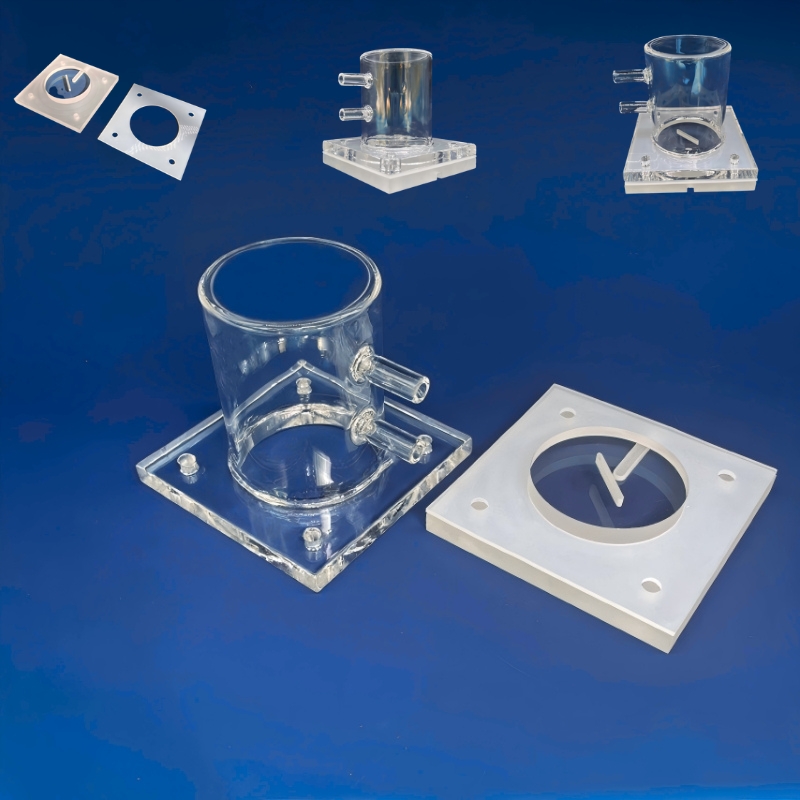
Quartz Photocatalytic Reactor Hydrogen Oxygen Production Via UV
View Details →Technical White Paper: Fused Silica Lump Sourcing & Material Specifications for Greater Poland
In modern industrial processing, Fused Silica (Quartz Glass) serves as a critical foundational material bridging chemistry, high-temperature metallurgy, precision optics, and semiconductor fabrication. Derived from high-purity natural silica sand melted at ultra-high temperatures exceeding 1750°C, fused silica transitions into an non-crystalline (amorphous) glass state. This unique atomic rearrangement endows fused silica lump and grain with an extremely low coefficient of thermal expansion, exceptional dielectric strength, superior optical transmittance, and remarkable resistance to thermal shock and chemical corrosion.
For industrial procurement directors, metallurgical engineers, and research institutions across the Poznań metropolitan area and the broader Greater Poland (Wielkopolska) region, selecting an audited manufacturer for high-purity fused silica lump is vital to operational success. Whether applied as an advanced filler in foundry investment casting, high-frequency induction furnace refractories, or melted into quartz glass tubing for solar cell manufacturing, material integrity dictates final process yield.
Key Chemical & Physical Dynamics of Premium Fused Silica
Our factory processes high-grade natural crystal sand sourced directly from Donghai—globally recognized as China's primary high-purity quartz hub. Through controlled electric arc fusion and high-temperature gas-refining processes, trace metallic impurities are stripped to parts-per-million (ppm) levels. Below is the certified technical profile of our high-purity fused silica lump and granular fraction range supplied to European markets:
| Property Parameter | Technical Standard / Specification Value | Industrial Advantage |
|---|---|---|
| Chemical Purity (SiO₂) | 99.90% to 99.999% (Grade Dependent) | Prevents catalytic devitrification and thermal failure |
| Fe₂O₃ Impurity Content | ≤ 5 ppm to ≤ 15 ppm (Ultra-Low Iron) | Eliminates structural discoloration & unwanted catalytic reactions |
| Alumina (Al₂O₃) Content | ≤ 15 ppm to ≤ 30 ppm | Maintains strict phase stability under cyclic heating |
| Alkali Metal (Na + K + Li) | ≤ 2.5 ppm Total | Essential for semiconductor & optical glass synthesis |
| Coefficient of Thermal Expansion | 5.5 × 10⁻⁷ / K (0°C to 300°C) | Extreme thermal shock resistance (ΔT > 1000°C quench) |
| Maximum Working Temperature | 1100°C (Continuous), 1450°C (Short-Term Peak) | Ideal for tube furnaces, induction melting & investment casting |
| Softening Point | 1683°C | Retains structural integrity under intense thermal loads |
| Density | 2.20 g/cm³ | Low specific weight with high mechanical density |
Granulometric Fractions & Customized Processing Capabilities
To support diverse industrial equipment across Poznań’s manufacturing zones (such as Tarnowo Podgórne, Swarzędz, and Poznań East), our factory offers custom jaw crushing, magnetic separation, and dust-free sieving. We deliver fused silica lump in standardized and engineered grain sizes:
- Raw Lump Range: 10 mm – 50 mm, 20 mm – 100 mm (Hand-selected, high-transparency lumps for melting furnaces).
- Coarse Granules: 1 – 3 mm, 3 – 5 mm, 0.5 – 1.5 mm (Designed for refractory brick production and induction furnace linings).
- Fine Powder / Flour: 120 mesh, 200 mesh, 325 mesh, 400 mesh (Engineered for investment casting slurries and electronic epoxy molding compounds).
Localized Application Scenarios in Poznań
How Wielkopolska's growing industrial and scientific ecosystems utilize our high-purity fused silica materials.
1. Precision Investment Casting Foundries
Poznań serves as a crucial hub for Poland’s automotive component casting and industrial pump fabrication. Fused silica flour (200-400 mesh) and grain (0.2-0.7mm) are widely used in primary shell building. The ultra-low expansion coefficient prevents ceramic shell cracking during thermal dewaxing and pouring of stainless steel or superalloys.
2. Photovoltaic & Semiconductor Components
With Poland expanding solar module production and tech parks around Poznań, demand for high-purity raw quartz lump (99.999% SiO₂) is at an all-time high. These lumps serve as the foundational raw material for drawing furnace tubes, crystal growth crucibles, and gas-diffusion quartzware essential in cleanroom silicon processing.
3. Advanced Refractories & Kiln Furniture
Producers of specialized ceramic insulation, glass furnace refractory blocks, and technical ceramics in the Greater Poland industrial corridor require high-bulk-density fused silica lumps. The material's resistance to slag attack and structural creep guarantees an extended service life in heavy-duty thermal systems operating up to 1400°C.
4. R&D Research Labs & University Hubs
Academic institutions such as Adam Mickiewicz University in Poznań and local material-science tech incubators demand custom optical-grade fused silica plates, XRD sample holders, and BET surface-area tubes. Our OEM capabilities allow scientists to commission prototype components starting from just 1 piece.
Market Trends Shaping Fused Silica Procurement in Poland (2025–2030)
The manufacturing landscape in Poznań and Western Poland is undergoing rapid technological upgrade. Driven by EU environmental standards and regional supply chain localization, industrial buyers are re-evaluating their raw material criteria:
1. Decarbonization & Energy Efficiency in Polish Foundries
As energy tariffs shift across Central Europe, foundries in Wielkopolska are transitioning toward high-frequency electric induction furnaces. Fused silica refractory linings deliver superior thermal insulation compared to traditional alumina, significantly lowering thermal dissipation per melting cycle and reducing energy consumption by up to 8–12%.
2. Stringent Trace-Impurity Limits for Export-Bound Castings
Polish aerospace and automotive suppliers exporting to Germany and Scandinavia face strict non-destructive quality audits. Contamination in casting shells caused by high-iron fused silica leads to costly shell spalling and surface inclusions. Consequently, Poznań buyers now demand certified ICP-MS impurity reports verifying Fe₂O₃ under 10 ppm for every batch.
3. Strategic Buffer Stocking & Direct Factory Exporter Relationships
To hedge against maritime supply chain delays, procurement teams in Poznań are establishing direct OEM contracts with verified Chinese producers. By bypassing intermediary trading agents, buyers secure batch-to-batch consistency, customized mesh sizing, and competitive containerized freight arrangements delivered via Gdansk/Gdynia ports or intermodal rail lines directly to Poznań logistics parks.
Why Poznań Buyers Partner With Us
Lianyungang Vulra Quartz Products Co., Ltd. combines geographic raw material dominance with third-party audited manufacturing control.
TÜV Rheinland Verified
Our plant in Donghai, Jiangsu is independently audited on-site by TÜV Rheinland. Legal identity, manufacturing floor area, equipment capacity, and export capability are 100% authenticated.
End-to-End Processing
From raw sand washing and arc fusion to diamond cutting, CNC edge grinding, fire polishing, and ultrasonic acid washing, all operations occur under one roof for complete quality traceability.
Drawing-Based OEM/ODM
Engineers review your CAD/PDF drawings for wall ratios, tolerance stacks, and thermal stress risks. Rapid prototyping is supported from 1 piece, scaling up to full FCL shipments.
CE & RoHS Compliance
All manufactured quartz tubes, plates, crucibles, and silica powders comply with European RoHS directives and hold CE certification, facilitating smooth EU customs clearance.
Export Seaworthy Packaging
Heavy fused silica lump shipments are packaged in multi-wall, moisture-proof ton bags on heat-treated IPPC wooden pallets. Fragile quartzware is enclosed in custom-molded EPE foam boxes.
Fast Technical Response
Our export team provides engineering consultations, chemical purity certificates, and official FOB/CIF Gdynia/Poznań quotes within 24 hours of RFQ submission.
Frequently Asked Questions by Poznań Buyers
Common inquiries regarding technical specifications, customs compliance, and direct factory shipping to Poland.
1. What is the continuous working temperature limit for your fused silica lumps and quartzware?
Our standard natural fused silica products operate continuously at 1100°C without risk of structural deformation or devitrification. Short-term peak thermal exposure can reach up to 1450°C. The material's softening point is rated at 1683°C. For vacuum furnaces or high-stress mechanical loading, we recommend choosing thicker wall sections or upgrading to synthetic silica depending on your target application.
2. How do you guarantee low iron (Fe₂O₃) and trace impurity levels in bulk silica lump orders?
Every raw lump production batch undergoes high-intensity magnetic separation followed by acid leaching to strip surface iron contamination. Before shipment to Poznań or European logistics centers, samples from each batch are analyzed via ICP-MS (Inductively Coupled Plasma Mass Spectrometry) in our laboratory. An official Certificate of Analysis (CoA) detailing SiO₂, Fe, Al, Na, and K concentrations is attached to the shipping documents.
3. What is the typical transit lead time for sea or rail shipments to Poznań, Poland?
For custom manufactured fused quartz parts or custom-milled bulk lumps, standard factory production takes 10 to 15 business days. Transit time via ocean freight to Gdansk or Gdynia ports averages 28–35 days, followed by 2-3 days intermodal truck haulage to Poznań. For urgent orders, China-Europe Railway Express (Małaszewicze / Poznań-Franowo terminal) offers a reduced 14–18 day door-to-door transit time.
4. Can you process customized granulometric sieve fractions according to our foundry recipe?
Yes. Our crushing and screening plant can produce customized grain size distributions tailored exactly to your specification—whether you require strict mesh cutoffs (e.g., 0.1–0.5 mm, 1–3 mm, 3–5 mm) or specific logarithmic particle distribution curves for ceramic shell slurries and dense refractory ramming mixes.
5. What minimum order quantities (MOQ) apply for custom quartz parts vs. bulk fused silica lump?
For drawing-based custom fabricated quartz parts (such as furnace boats, XRD holders, ground tubes, or observation windows), our minimum order quantity starts at just 1 piece to facilitate research prototyping. For bulk fused silica lump and grain fractions, standard trial orders start at 1 metric ton (1000 kg), packaged in 25 kg bags inside big bags.
6. Do your products comply with European REACH and RoHS regulations?
Absolutely. Fused Silica (CAS No. 60676-86-0) produced by Lianyungang Vulra Quartz Products Co., Ltd. is a inorganic substance meeting EU REACH exemption and safety standards. All finished quartz glass components comply with RoHS directives prohibiting heavy metals, ensuring zero compliance issues when importing into Poland and the broader EU market.
Request a Custom Quote or Engineering Consultation
Have a drawing ready or need custom-sieved fused silica lump samples delivered to your facility in Greater Poland? Our technical team is ready to review your parameters.
Contact Us