Precision Quartz Crucible Bowls & Thermal Reactor Components
Direct factory supply for academic institutes, advanced semiconductor fabrications, photovoltaic research cells, and metallurgy laboratories in Coimbra and the Centro Region of Portugal.
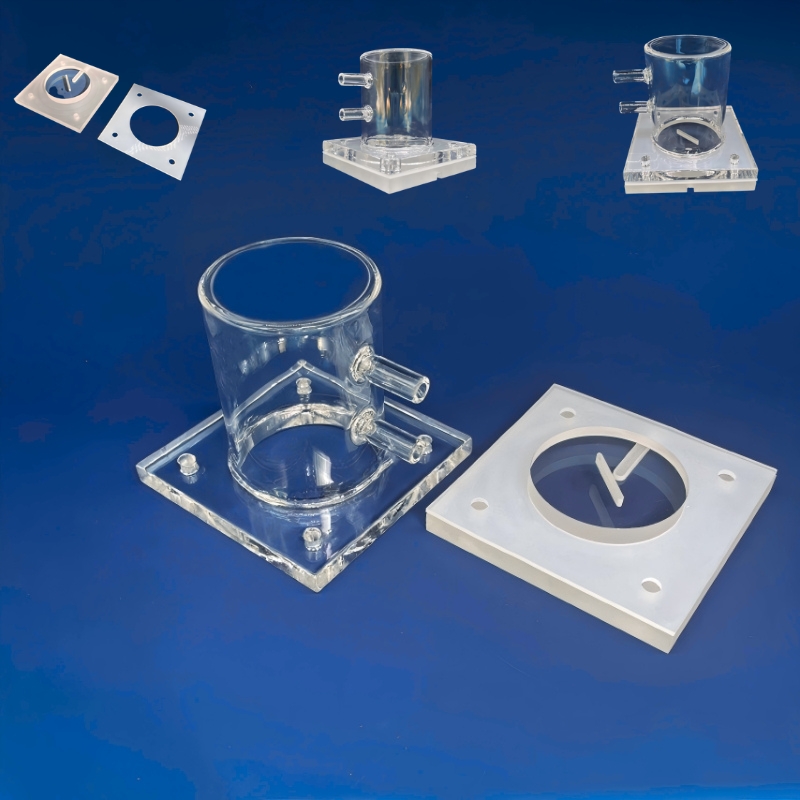
Quartz Photocatalytic Reactor Hydrogen Oxygen Production Via UV Photodegradation Ozone Free Translucent Quartz Moulding Cutting
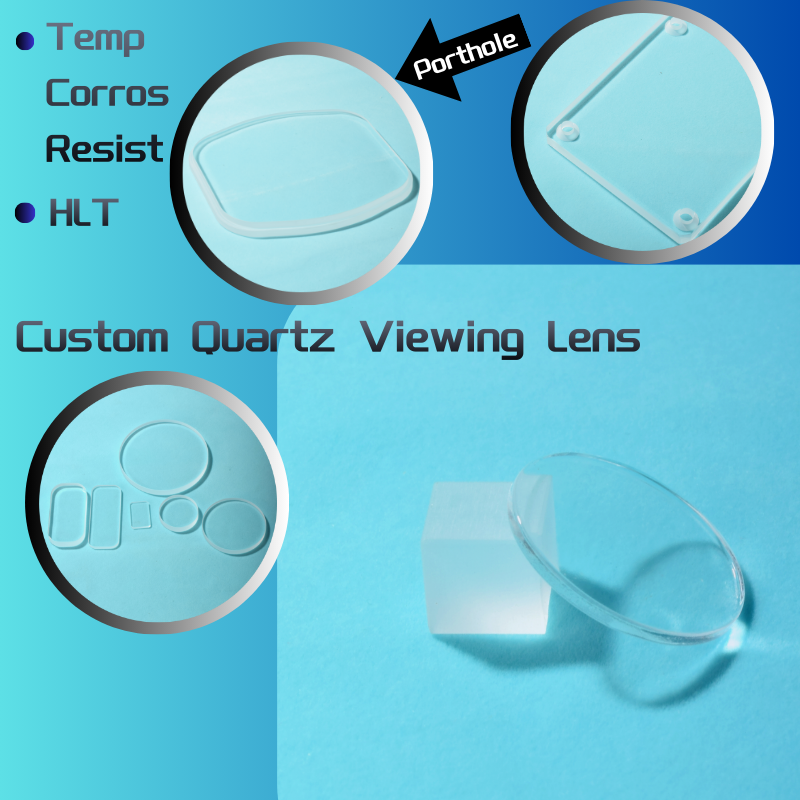
SJ SJ 126 Natural Fused Quartz Square Thin Glass Slide Optics-High Transparency Precision Laboratory Use High Purity Cutting
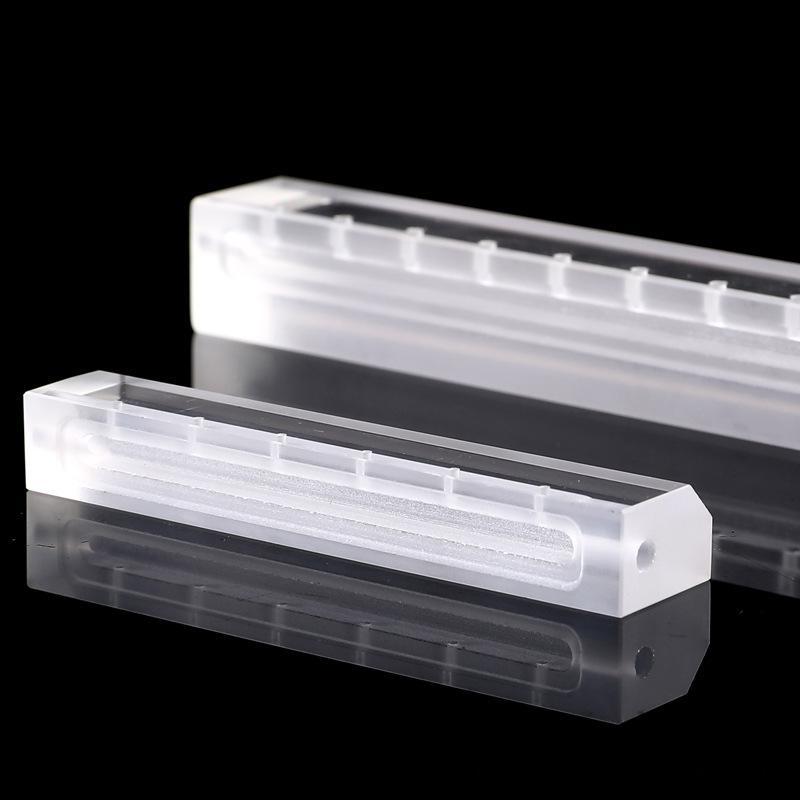
Clear Quartz Testing Sheet Ultra-thin Optical Grade Circular Shape SJ Brand Model SJ 077 High Thermal Conductance Welding
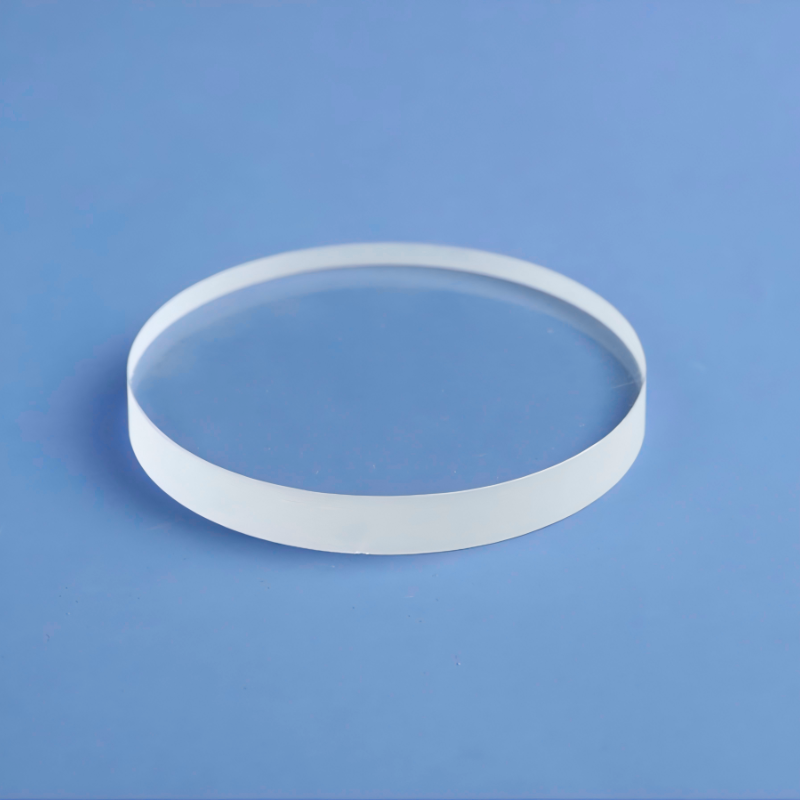
High Temperature Resistant Clear Sapphire Quartz Tablets Fused Silica Glass Sheets Customizable Sizes Polished Cutting Welding
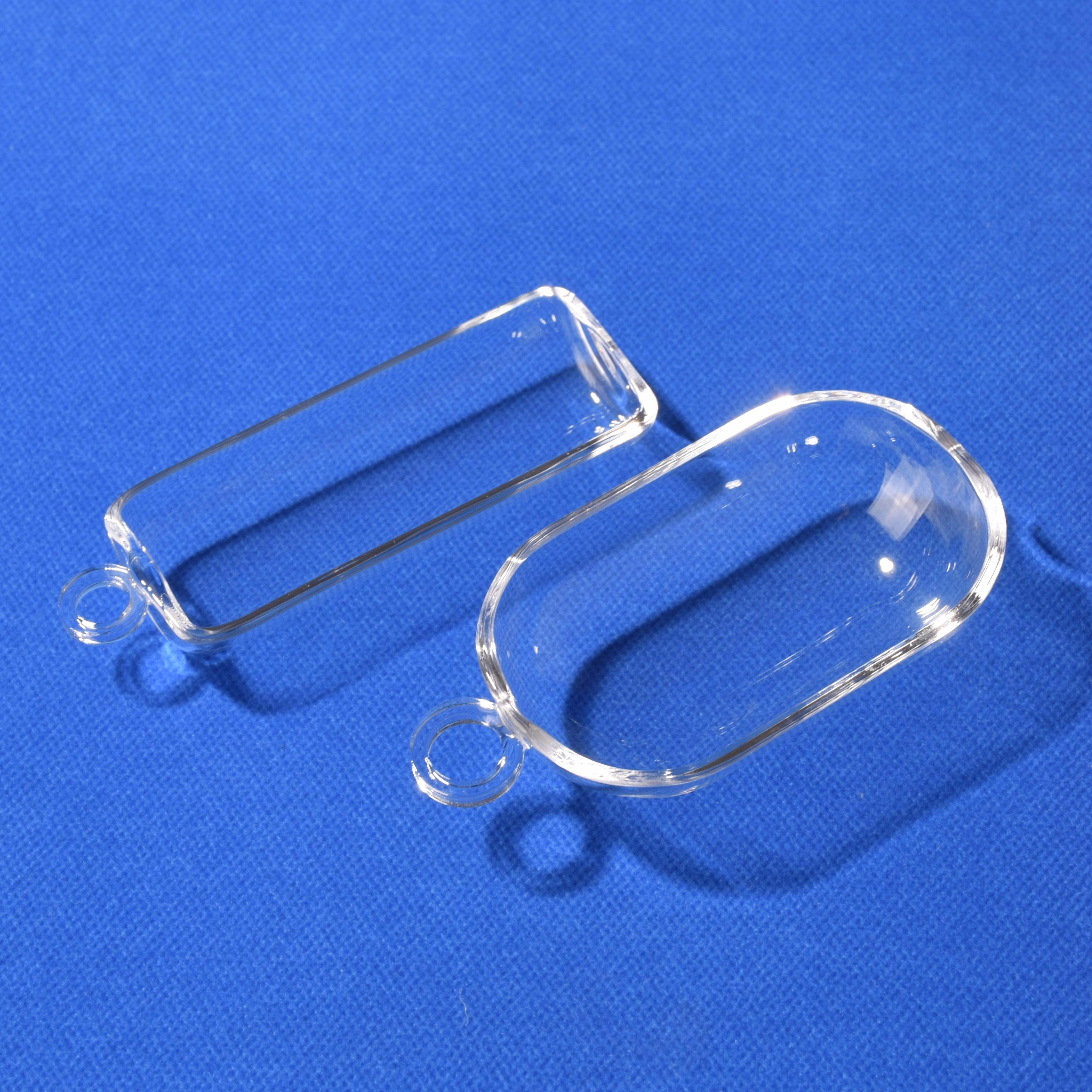
Semi-circular Flat Bottom High Temperature Resistant Transparent Ozone Free Polished Surface Tube Furnace High Bending Welding
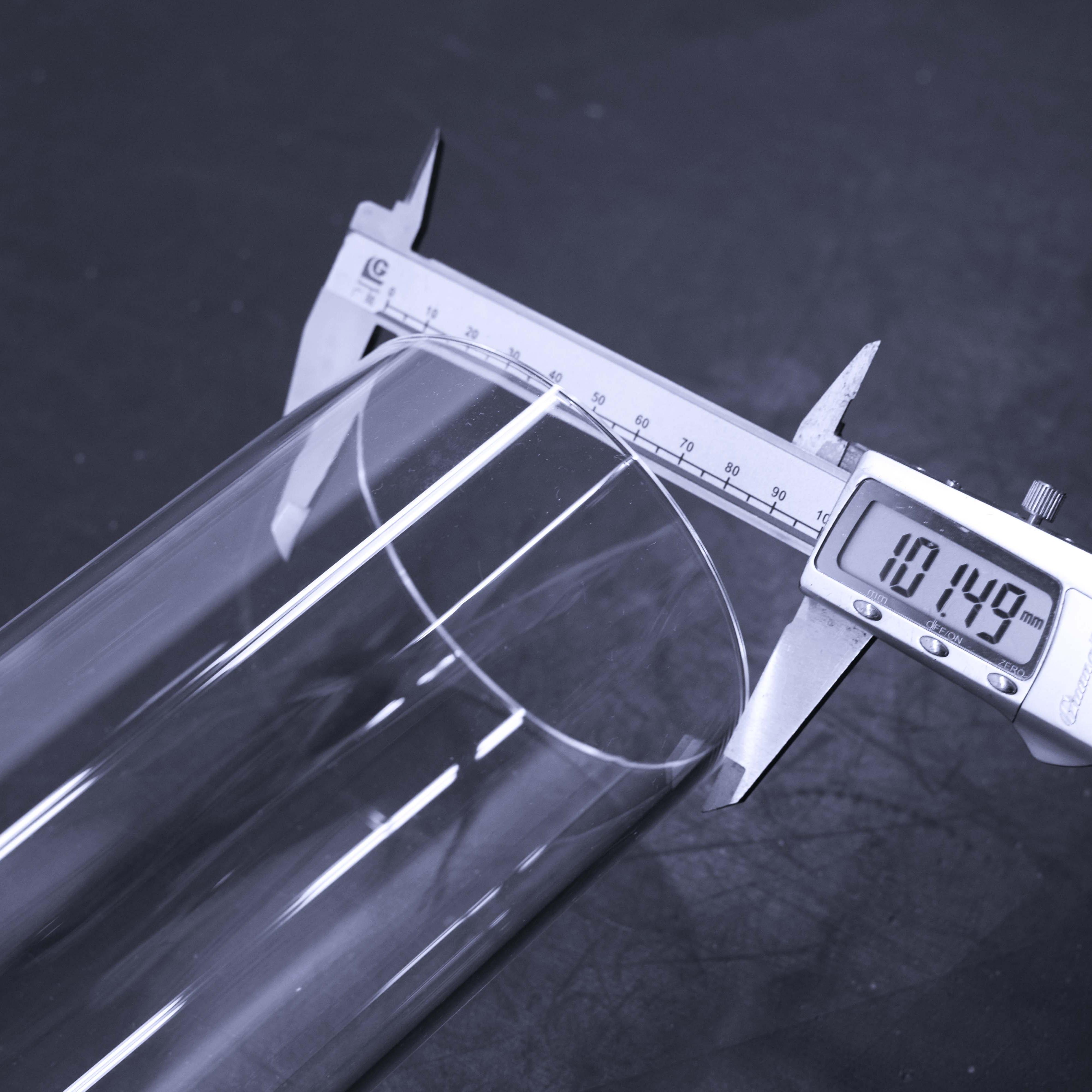
High Purity Quartz Transparent Polished Glass Tube Hollow High Temperature Resistance Clear Quartz Tube Bending Customizable
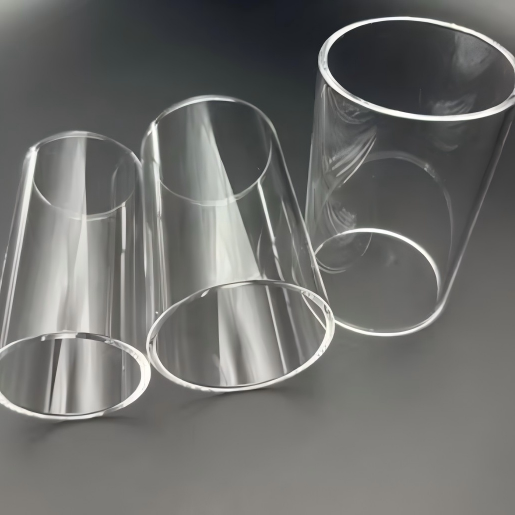
High Temperature Transparent Polished Ozone Free One End Closed Quartz Tube 5-800mm Diameter Bending Welding Cutting
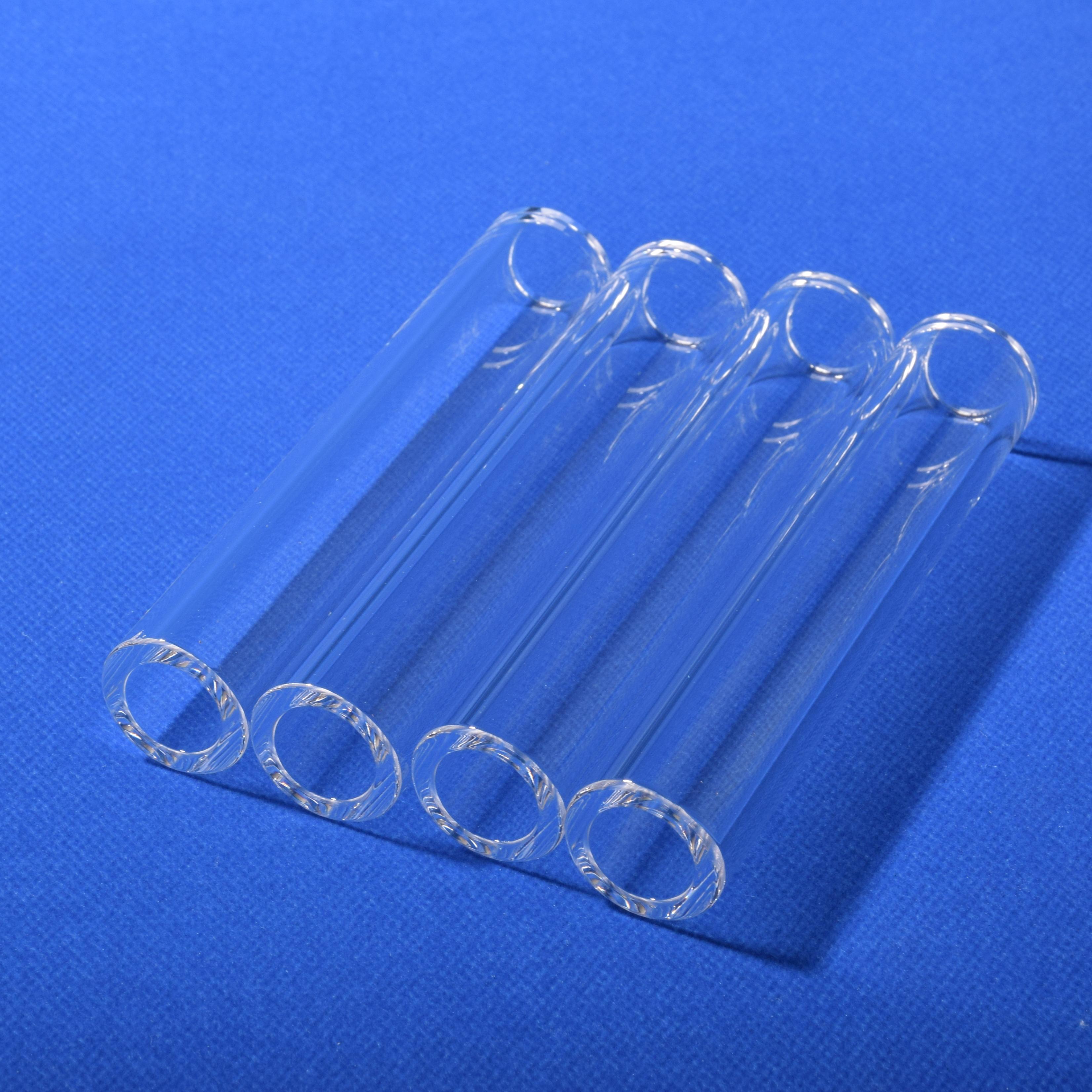
SJ 150 Translucent Oversized Thick Wall Polished Quartz Tube Heat Resistant 1100 Corrosion Resistant Ozone Free Welding
Thermodynamics & Devitrification Kinetics of High-Purity Fused Quartz Vessels
Fused quartz crucible bowls represent the pinnacle of high-temperature refractory glass architecture. Fabricated by melting natural ultra-pure quartz sand ($SiO_2 \ge 99.99\%$) under high-temperature electric arc or oxy-hydrogen gas fusion systems exceeding 2000°C, these crucibles possess an amorphous, non-crystalline network of silicon-oxygen tetrahedra ($SiO_4$). This specific molecular orientation imparts virtually zero thermal expansion, conferring extraordinary resistance to thermal shock.
For research faculties at the University of Coimbra and high-temperature metallurgical enterprises across the Centro Region of Portugal, selecting the proper crucible morphology is critical. Unlike sintered alumina or graphite, fused quartz exhibits an exceptionally low coefficient of thermal expansion ($5.5 \times 10^{-7}/^\circ\text{C}$ between 20°C and 320°C), enabling a red-hot quartz crucible at 1150°C to be plunged directly into cold water without mechanical fracturing or stress craze propagation.
Devitrification Defense: Continuous operation above 1150°C stimulates the metastable amorphous quartz structure to nucleate into crystalline β-cristobalite. Vulra Quartz crucibles maintain alkali impurity thresholds (Na, K, Li) below 1.5 ppm, effectively impeding crystal boundary growth and extending crucible thermal cyclic lifespan by up to 340% compared to standard commercial silica vessels.
Crucible bowls are engineered in both transparent (clear fused quartz) and translucent/opaque (micro-bubble stabilized) variations. Clear fused quartz bowls provide unobstructed optical observation and deep ultraviolet transmission for photo-assisted reactions, whereas opaque silica bowls offer uniform heat dispersion via radiant micro-void scattering, ideal for precious metal induction smelting and crystalline silicon casting.
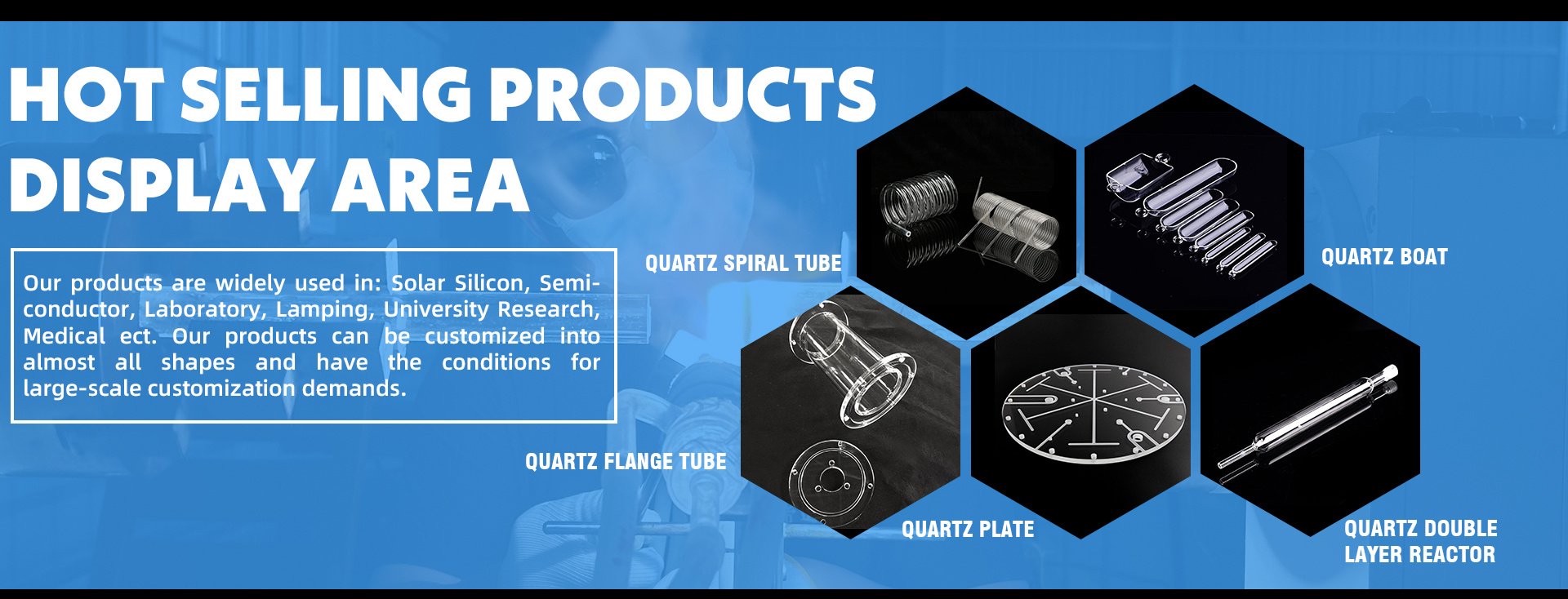
| Property / Material | Vulra Fused Quartz (Donghai) | Alumina ($Al_2O_3$ 99.7%) | Isostatic Graphite | Platinum ($Pt$) Metal |
|---|---|---|---|---|
| Operating Temp (Continuous) | 1100°C (Peak 1450°C) | 1600°C | 400°C (Air) / 2500°C (Inert) | 1200°C |
| Thermal Shock Resistance | Exceptional ($\Delta T > 1000^\circ\text{C}$) | Moderate ($\Delta T \approx 150^\circ\text{C}$) | High ($\Delta T > 800^\circ\text{C}$) | Extreme |
| Chemical Reactivity to Acids | Inert to all acids (Except $HF$ & hot $H_3PO_4$) | Resistant; etched by molten alkalis | Prone to rapid oxidation | Inert (Attacked by Aqua Regia) |
| Trace Impurity Contamination | Ultra-Low (< 10 ppm total metals) | Moderate ($Al, Si, Fe$ leaching) | Carbon diffusion into melts | Virtually zero (Capital cost prohibitive) |
| Thermal Expansion ($10^{-6}/K$) | 0.55 | 8.0 | 4.5 | 9.0 |
| RF & Microwave Susceptibility | Transparent (Zero inductive coupling) | Moderate loss tangent | High electrical conductor / Shield | Electrical conductor |
High-Temperature Quartzware Applications in the Coimbra Industrial Corridor
From the laboratories of Polo II to the high-tech clusters of Cantanhede, Figueira da Foz, and Marinha Grande, high-purity quartz crucible bowls fulfill exact thermal and chemical criteria.
Advanced Materials Research at Universidade de Coimbra
Within the Department of Mechanical Engineering and the CEMMPRE (Centre for Mechanical Engineering, Materials and Processes) research units, fused quartz crucible bowls serve as non-reactive thermal vessels for synthesizing nanostructured alloys, functional coatings, and battery cathode precursors. Their freedom from iron and alkali leachates guarantees zero sample contamination during prolonged 1000°C calcination cycles.
Crystalline Silicon & Photovoltaic Prototyping
Portugal’s Centro region leads national renewable initiatives. Photovoltaic pilot labs and equipment designers in the Coimbra-Leiria manufacturing belt utilize heavy-wall fused quartz crucible bowls for directional solidification, dopant melting, and wafer precursor casting. High chemical purity prevents transition metals ($Fe, Cu, Ni$) from entering the molten silicon, protecting minority carrier lifetimes.
High-Frequency Induction Smelting & Metallurgy
Foundries and precision mold manufacturing tooling facilities around Marinha Grande and Figueira da Foz depend on cylindrical and hemispherical quartz bowls for induction melting of high-purity gold, dental alloys, and specialty brasses. Because fused quartz is fully transparent to electromagnetic radio-frequency induction fields, thermal coupling occurs strictly within the metal charge, maximizing energy efficiency.
Emerging Trends Shaping Quartz Procurement Across Central Portugal
The transformation of Coimbra from an ancient academic capital to a forward-leaning technological hub demands next-generation engineered quartz consumables.
Green Hydrogen & Photocatalysis
National investments under Portugal's Recovery and Resilience Plan (PRR) are accelerating hydrogen generation research. Labs in Coimbra require quartz photocatalytic vessels and optical window bowls transparent to UV-A and UV-C wavelengths down to 190 nm, resisting intense photolytic erosion.
Transition to 1-Piece Custom Prototyping
Standard catalog sizes no longer satisfy niche experimental apparatus. University R&D groups now demand drawing-based OEM fabrication with 1-piece minimum order quantities (MOQ), allowing custom rim pour spouts, thermocouple wells, and specialized flange geometries.
Direct Factory Sourcing vs. Trading Markups
Local procurement departments at institutions like Instituto Pedro Nunes (IPN) are bypassing traditional middleman distributors in Northern Europe, establishing direct relationships with verified Asian manufacturers in Donghai to lower supply overhead by 40–60%.
Stringent Chemical Purity Audits
With Portuguese semiconductor and bio-analytic startups scaling operations, third-party verification (TÜV Rheinland, RoHS, CE) and documented trace impurity analyses (ICP-MS data sheets) have shifted from optional benefits to mandatory compliance requirements.
Why Portuguese Engineers Source from Vulra Quartz
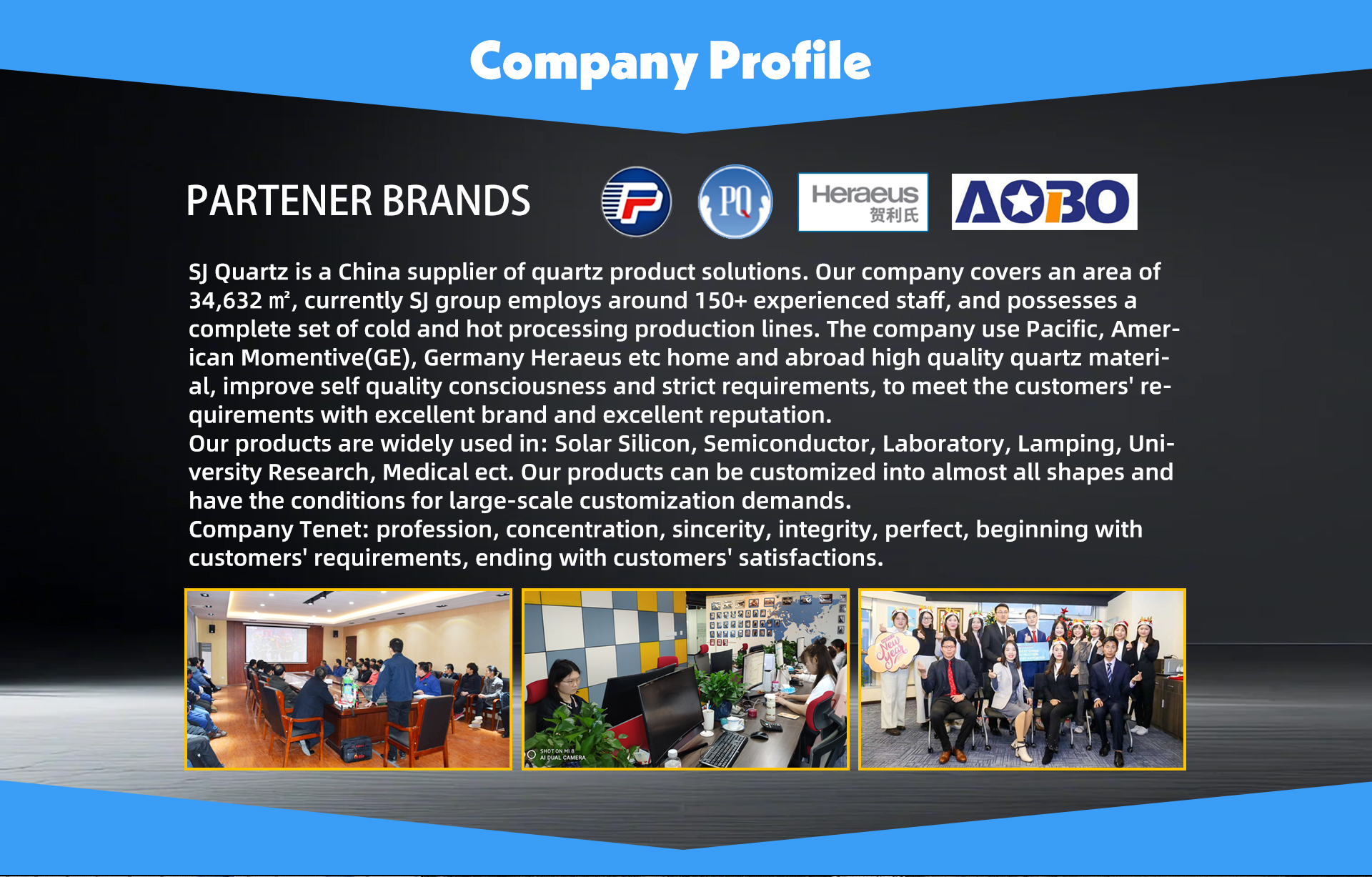
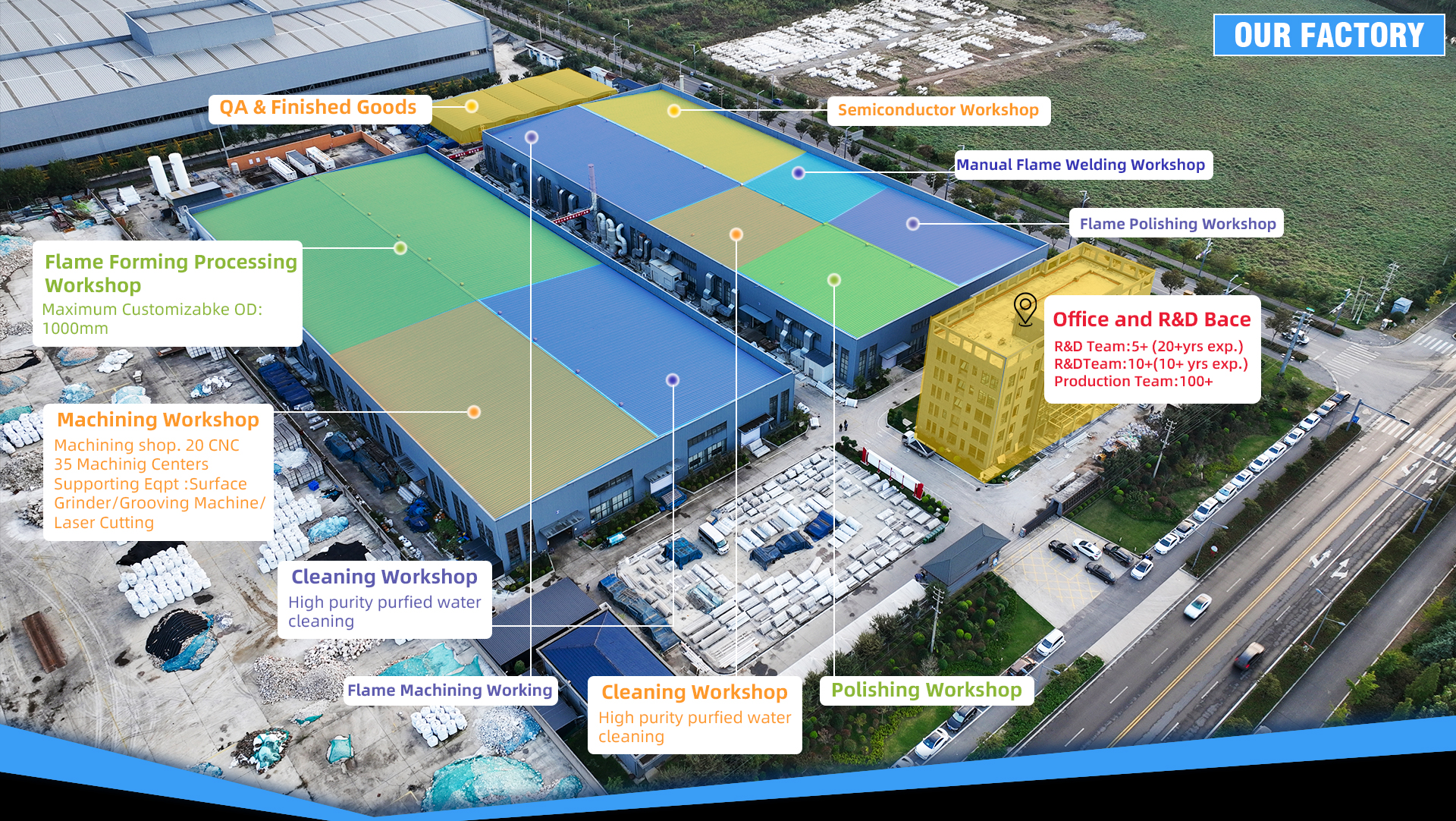
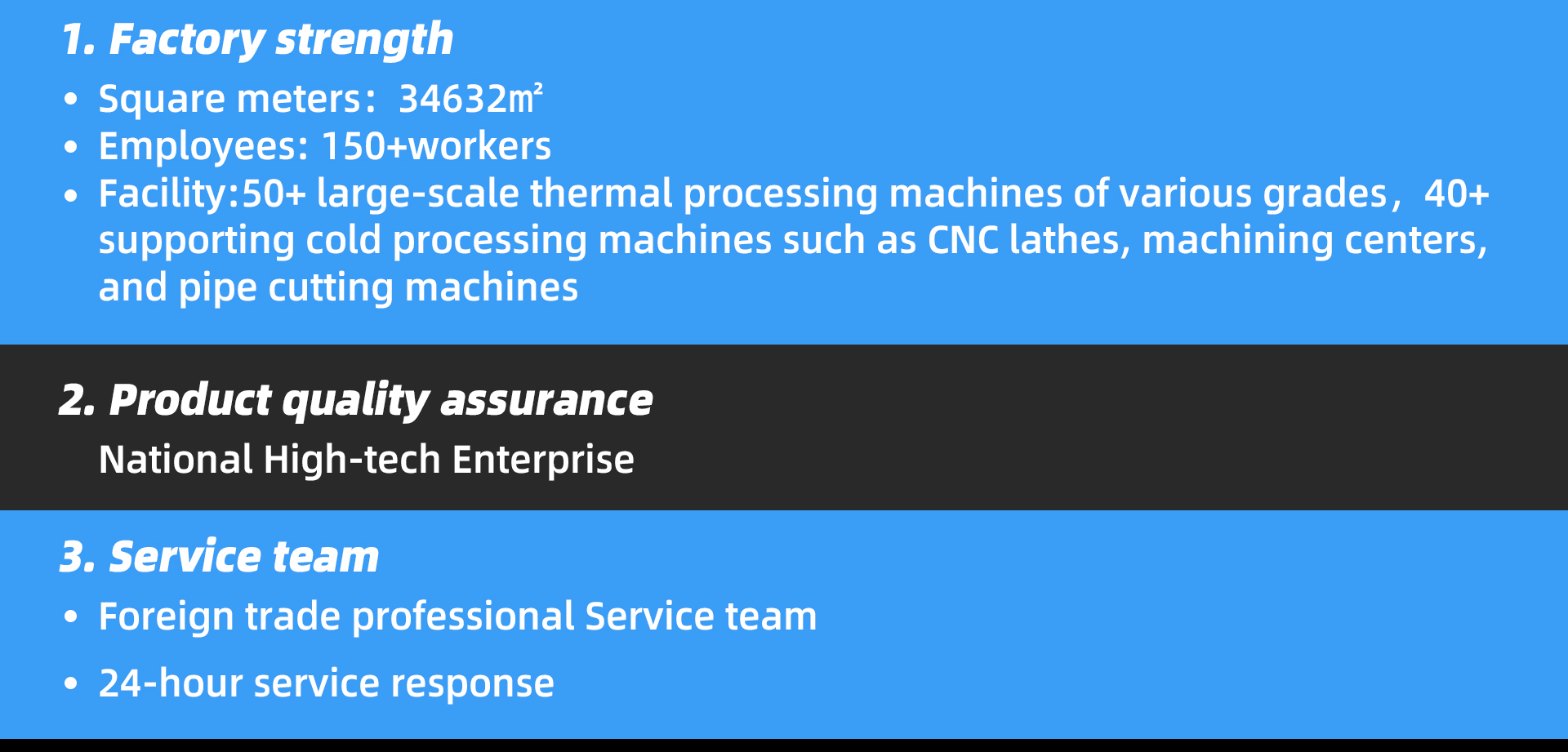
Headquartered at No. 9, Dingxin Road, Jiangsu Donghai Economic Development Zone—the world’s recognized crystal and fused silica capital—Vulra Quartz integrates raw sand purification, precision flame forming, and cleanroom machining under one accredited roof.
TÜV Rheinland Assessed & Drawing-Driven Precision
Lianyungang Vulra Quartz Products Co., Ltd. is not a generic brokerage house; we are an on-site verified Custom Manufacturer audited by TÜV Rheinland. Our direct raw-material proximity in Donghai affords us uninterrupted access to ultra-low iron silica deposits, guaranteeing batch-to-batch chemical homogeneity across every order destined for Coimbra.
Our technical teams evaluate every 2D/3D customer schematic (AutoCAD, SolidWorks, STEP, PDF) for thermal stress distribution, wall thickness uniformity, and optimal annealing protocols. Whether you require a single bespoke 500 ml flat-bottom crucible bowl or recurring batches of 200 mm semiconductor liners, our manufacturing tolerance standards uphold ISO 2768-m dimensional precision.
Oxy-Hydrogen Flame Fusion
Hot lathe turning, rim polishing, and seamless joint welding at temperatures exceeding 2100°C.
CNC Diamond Cold Machining
High-precision slicing, surface milling, micro-hole drilling, and edge chamfering.
Precision Stress Annealing
Computerized cycle annealing at 1215°C to eradicate thermal stress and prevent spontaneous cracking.
What is the maximum thermal operational limit for Vulra fused quartz crucible bowls?
How do you manage customs clearance, VAT (IVA), and shipping to Coimbra, Portugal?
What is the MOQ for custom-dimensioned fused quartz bowls based on technical drawings?
How does Vulra safeguard brittle quartz crucibles against breakage during international transit?
Can your quartz crucibles withstand aggressive chemical acids during metallurgical digestion?
What documentation and purity certifications are provided with our quartz shipments?
Ready to Engineer Your Custom Quartz Crucibles for Coimbra?
Submit your 2D/3D design schematics, dimensional parameters, or thermal application requirements. Our senior glass engineers review all Portuguese RFQs within 12 hours with complete pricing, DDP Coimbra shipping options, and material feasibility analyses.
Inquire Now