Precision Laboratory Quartzware & Extraction Assemblies
Engineered for high-temperature resistance up to 1200°C continuous service, exceptional thermal shock resilience (ΔT > 1000°C), and absolute chemical inertness against concentrated acid extractions.
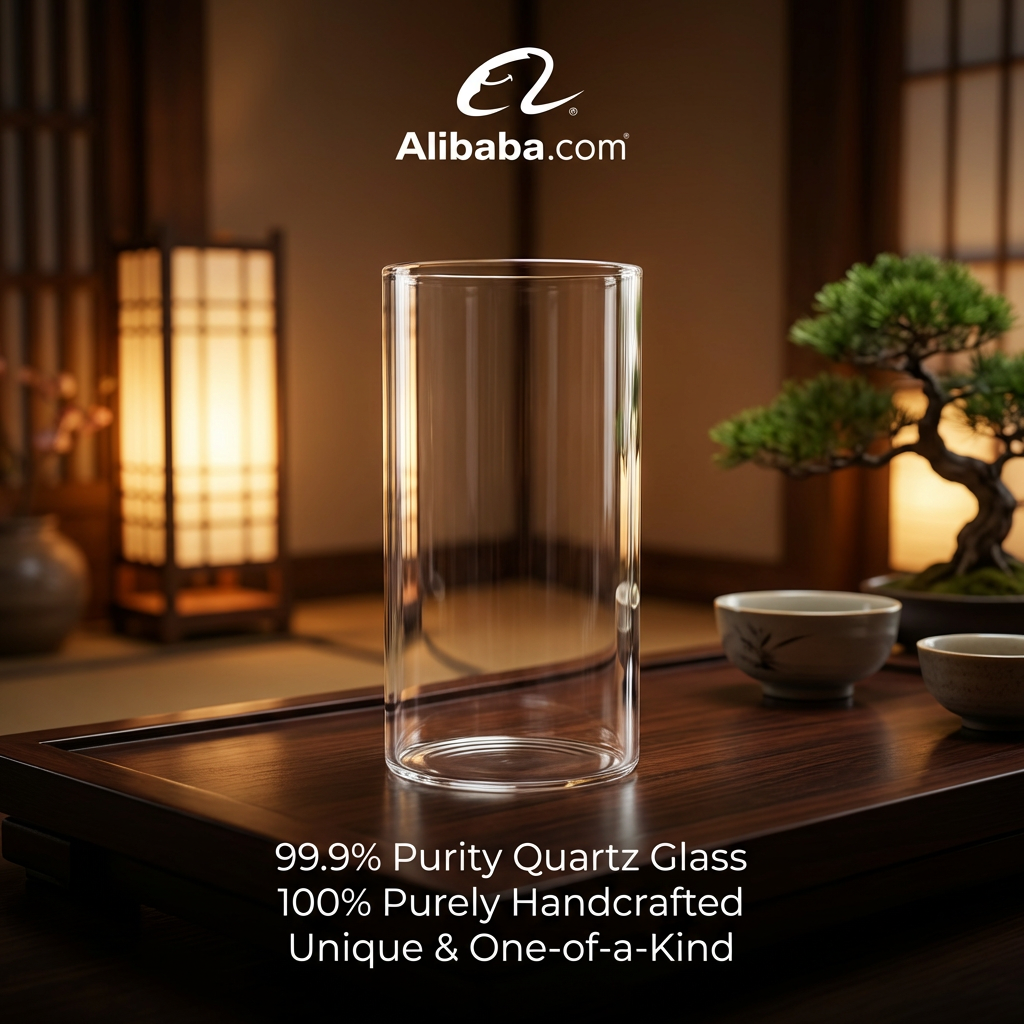
Custom Clear Fused Quartz Vessel & Analytical Beaker
Fire-polished fused silica vessels engineered with or without ergonomic handling stems. 99.999% purity grade for contamination-free sample handling.
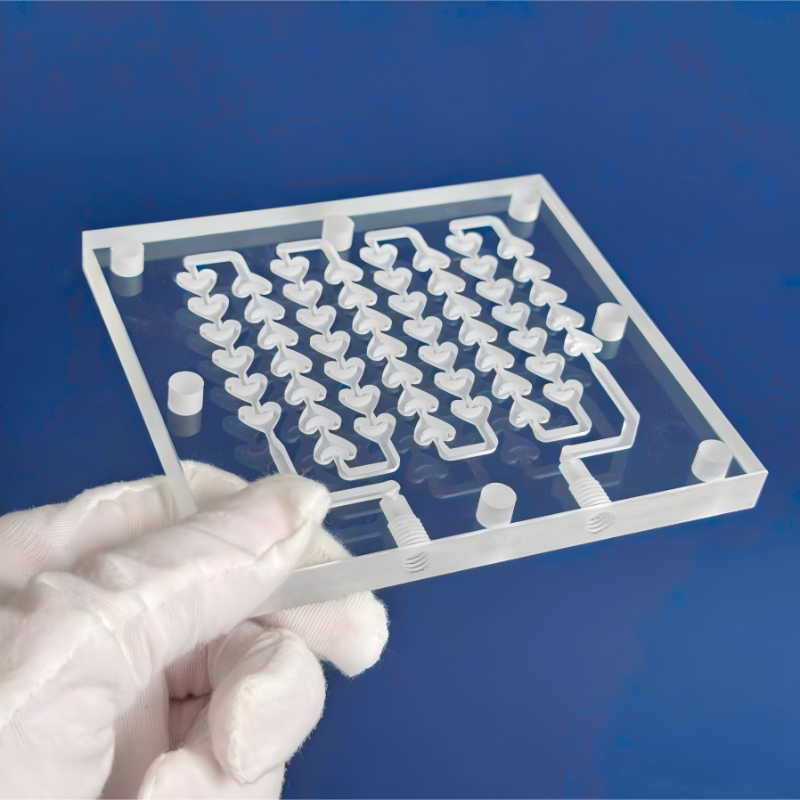
High Thermal Conductance Quartz Interlayer Discs
Circular precision-cut fused quartz wafers designed for aggressive heat-exchange columns, extraction baffles, and high-temperature thermal interfaces.
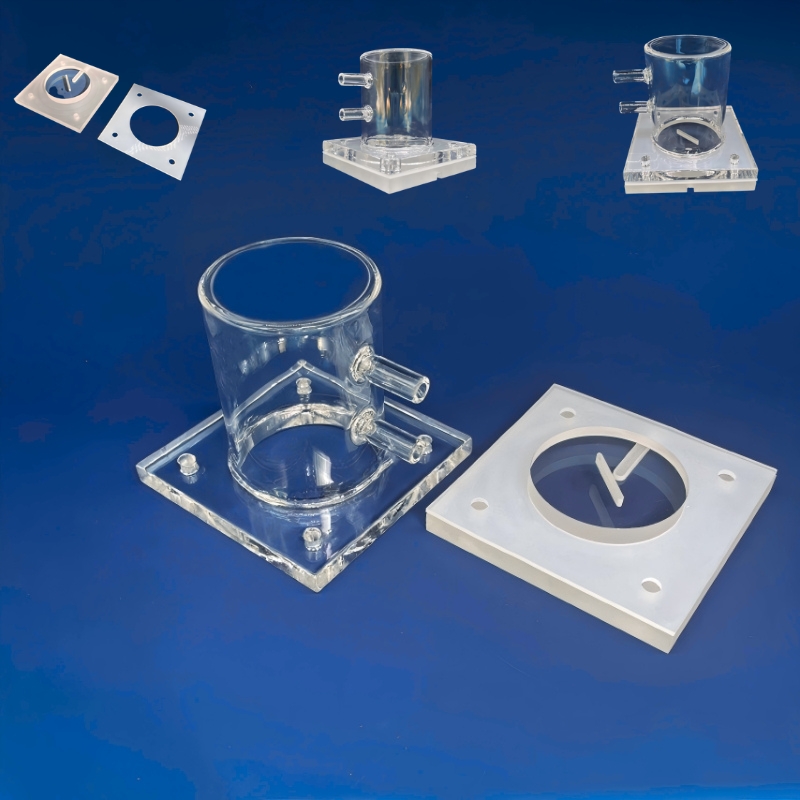
Quartz Photocatalytic Reactor & Photodegradation Cell
Engineered for clean photochemical splitting, advanced degradation assays, and ozone-free photochemical decomposition with unmatched optical transmission.
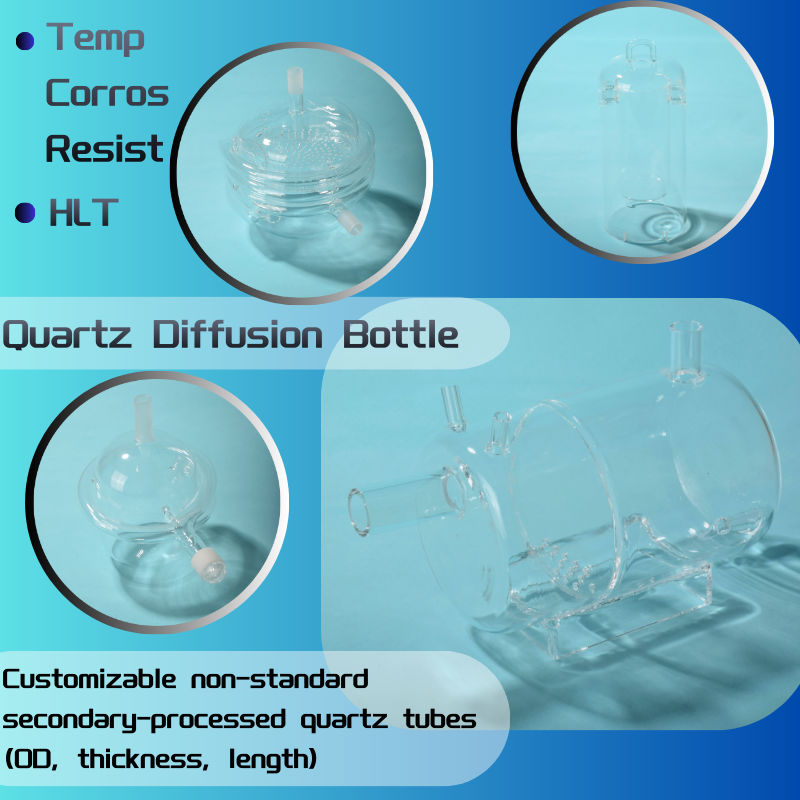
SJ 135 Custom Fused Quartz Separatory Funnel & Condenser
Semiconductor-grade clear quartz liquid-liquid extraction separatory funnels featuring precision PTFE or ground quartz stopcocks and vapor equalization stems.
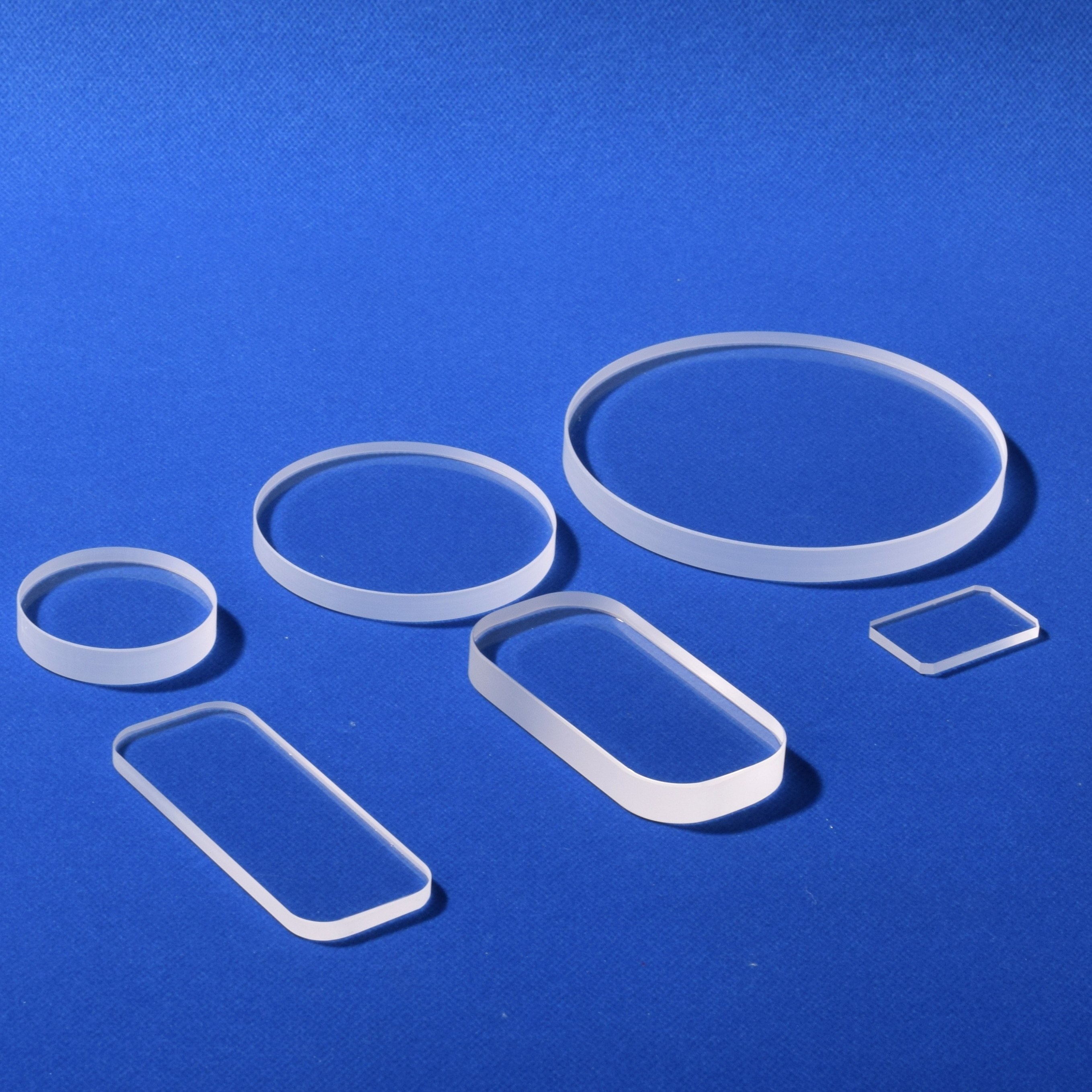
High-Transmittance Quartz Sight Glass & Watch Window
Heat-resistant, double-sided optical polished inspection discs for high-pressure separation columns, autoclave monitors, and furnace viewports.
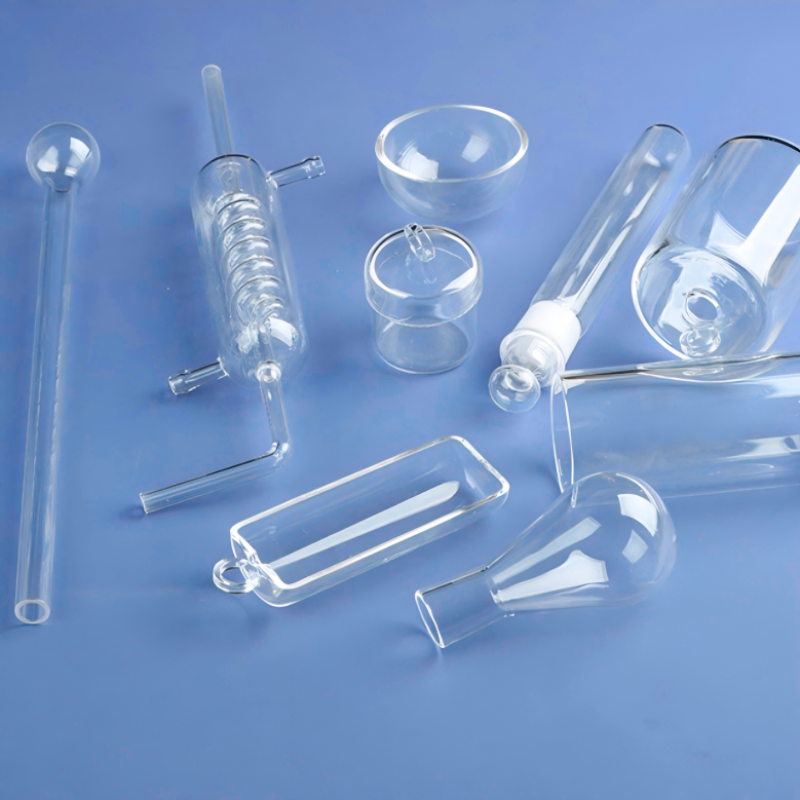
Quartz Glass Plugging Rod & Digestion Reaction Tube
High-frequency transparent polished quartz reaction boats and plugging rods designed for heavy-metal digestion testing and extreme heating cycles.
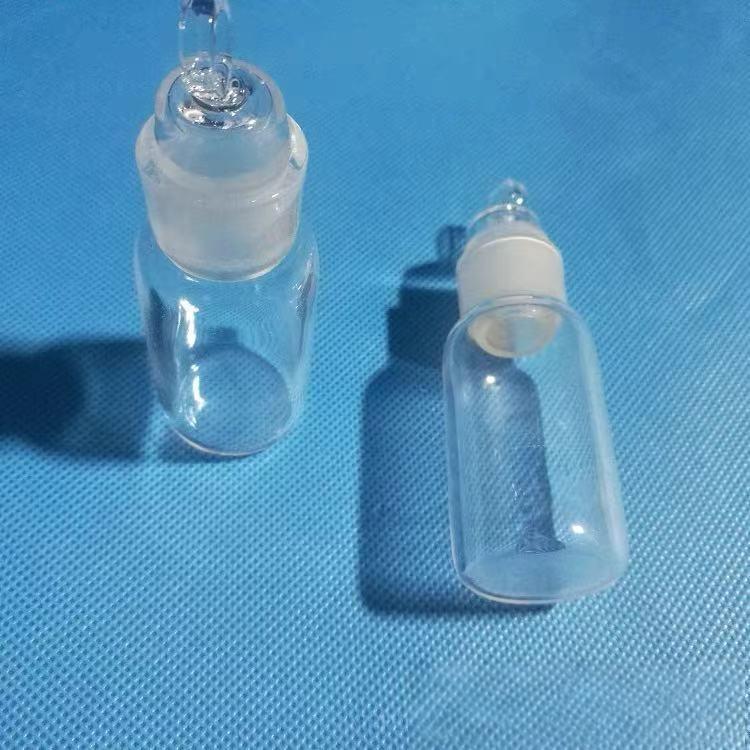
Corrosion-Resistant 400 Mesh Laboratory Quartz Filter
Semiconductor-grade sintered quartz frits and porous discs integrated into extraction funnels to filter precipitates from aggressive organic and acidic phases.
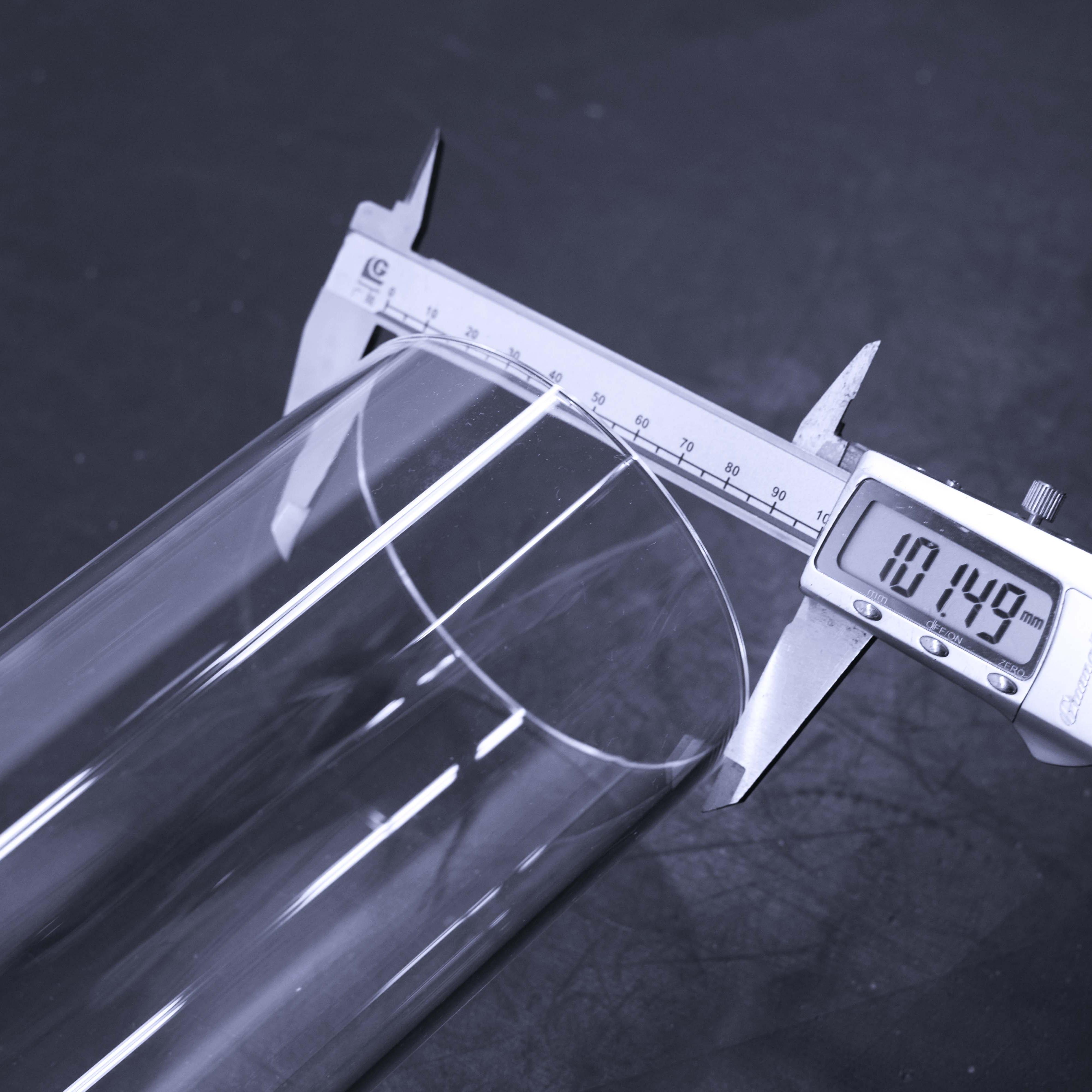
Customizable High-Purity Clear Quartz Transfer Tube
Hollow transparent bent tubes and manifold connectors designed to link separatory funnels directly with condenser arrays and inert atmosphere gas lines.
Engineering High-Purity Fused Quartz for Precision Separation
Why modern analytical protocols in metallurgy, petrochemistry, and hydrology demand the transition from ASTM E438 Type I Borosilicate Glass to 99.99%+ Fused Silica Apparatus.
Liquid-liquid extraction (LLE) represents a baseline separation technique across chemical synthesis, hydrometallurgical partition chromatography, and environmental residue purification. In analytical and pilot-scale processing, the separatory funnel (Squibb pear-shaped, conical, or cylindrical) undergoes extreme mechanical and chemical stresses: intense phase agitation, severe localized temperature differentials during warm acid wash cycles, and prolonged contact with aggressive organic solvents (such as diethyl ether, halogenated methanes, methyl isobutyl ketone) or concentrated mineral acids (HNO₃, HClO₄, aqua regia).
While standard Borosilicate 3.3 glassware has served academic laboratories for decades, it exhibits structural and chemical limitations that directly jeopardize high-sensitivity analytical testing (such as ICP-MS and ICP-OES trace-metal detection). Borosilicate glass incorporates approximately 12–13% boron trioxide (B₂O₃), 4% sodium oxide/potassium oxide (Na₂O/K₂O), and 2–3% alumina (Al₂O₃). Under boiling acid digestion, acidic extractions, or high-pH alkaline partitions, micro-leaching occurs continuously. This introduces ionic contamination into the aqueous phase at the parts-per-billion (ppb) to parts-per-million (ppm) threshold, destroying the integrity of quantitative baseline assays.
Our custom OEM quartz separatory funnels and purification units are synthesized from ultra-pure natural quartz crystal sand sourced from Donghai, the world-recognized capital of crystalline silica. With a silica purity exceeding 99.99% (and up to 99.999% in optical/semiconductor grades), these vessels eliminate the risk of sample contamination. Metal impurities such as Fe, Cu, Ni, Cr, and Na are kept below 0.1 ppm each, making them the gold standard for high-accuracy analytical chemistry.
| Physical / Chemical Metric | Borosilicate 3.3 (Pyrex Standard) | Vulra Fused Quartz (Natural) | Synthetic Fused Silica (Suprasil Grade) |
|---|---|---|---|
| Silica Purity (SiO₂ wt%) | ≈ 81.0% | ≥ 99.99% (Typical 99.995%) | ≥ 99.9999% |
| Coefficient of Thermal Expansion (0–300°C) | 3.3 × 10⁻⁶ K⁻¹ | 5.5 × 10⁻⁷ K⁻¹ (6x Higher Resilience) | 5.0 × 10⁻⁷ K⁻¹ |
| Maximum Working Temperature (Continuous) | ≈ 450°C - 500°C | 1100°C (Short Peaks to 1450°C) | 1150°C (Short Peaks to 1500°C) |
| Softening Point (Log η = 7.6) | 820°C | 1683°C | 1600°C - 1700°C |
| Thermal Shock Resistance (Quench into 20°C H₂O) | ΔT ≈ 150°C - 180°C | ΔT > 1000°C (Direct Flame to Cold Water) | ΔT > 1100°C |
| Chemical Leaching (Trace B, Na, Al) | Noticeable (5–20 ppm in acidic media) | Imperceptible (< 0.05 ppb baseline) | Zero Detection Limit |
| UV Optical Cut-Off (T ≥ 80%) | ≈ 320 nm (Opaque to UV-C) | ≈ 220 nm (260 nm Optical Window) | ≈ 160 nm (Deep UV Vacuum Window) |
Furthermore, standard stopcock barrels made of soft soda-lime or borosilicate glass are notorious for freezing, binding, or leaking under the combined action of solvent dissolution and mechanical friction. Vulra Quartz precision-engineers custom separatory funnels featuring solid-ground optical quartz stopcocks with micro-lapped seating surfaces or genuine inert PTFE plugs. These ensure a hermetic, grease-free seal that prevents organic phase contamination from vacuum greases, silicones, or fluorinated lubricants.
Localized Applications: Deploying Quartzware in Nikšić, Montenegro
Addressing the rigorous demands of metallurgical processing, bauxite refining, hydro-energy quality assurance, and commercial beverage purity control across Nikšić municipality.
Specialty Steel & Alloy Metallurgy (Željezara Nikšić)
Nikšić holds a storied history as Montenegro's center for ferrous metallurgy and specialty steel recycling. Characterizing high-strength alloy steels, tungsten inclusions, and residual molybdenum requires acid dissolution in boiling aqua regia or perchloric-nitric mixtures. Fused quartz separatory funnels enable liquid-liquid extraction of iron matrix elements away from trace alloying metals, operating at temperature thresholds where standard borosilicate funnels shatter from thermal fatigue.
Bauxite Mining & Rare Earth Partitioning (Rudnici Boksita)
The karst bauxite deposits around the Nikšić basin (including Zagrad, Đurakov Do, and Štitovo) are rich in aluminum hydroxide, gallium, titanium, and trace scandium. Quantifying these elements via solvent extraction using organophosphorus reagents (e.g., D2EHPA or Cyanex) requires extraction vessels with exceptional abrasion resistance and zero boron/silicon background noise, ensuring accurate recovery and assay yields for regional geological research.
Zeta River Basin & Lake Krupac Environmental Testing
Nikšić is the hydrological heart of the Upper Zeta watershed, surrounded by sensitive reservoirs including Lake Slano, Lake Krupac, and the Gornjepoljski Vir karst spring. Municipal and regional environmental monitoring teams utilize our 500ml and 1000ml pear-shaped Squibb quartz separatory funnels to perform trace organic contaminant partitioning (polycyclic aromatic hydrocarbons [PAHs], pesticide residues, and polychlorinated biphenyls [PCBs]) per strict EU environmental standards.
Pivara Trebjesa Quality Assurance & Brewing Chemistry
As home to the historic Trebjesa Brewery (founded in 1896), Nikšić maintains rigorous laboratory standards for beverage purity. Evaluating isomerized alpha-acids, volatile phenolic flavor compounds, and trace plasticizer contamination requires non-polar solvent extractions with isooctane. Fused quartz funnels ensure complete optical clarity for phase meniscus identification while maintaining total surface inertness, preserving volatile aromatic components during QA partitioning.
EPCG Hydro-Energy & Dielectric Oil Analysis
With Elektroprivreda Crne Gore (EPCG) headquartered in Nikšić managing the Perućica Hydroelectric Power Plant, testing dielectric mineral transformer oils for moisture, furanic compounds, and corrosive sulfur is essential. High-purity quartz separatory funnels withstand repeated cleaning cycles with aggressive polar/non-polar solvent flushes without glass clouding, micro-cracking, or cross-batch residue retention.
University & Applied Research Laboratory Collaboration
Collaborative research initiatives spanning Montenegro’s academic institutes rely on custom quartzware for synthetic chemistry, catalytic water splitting, and sol-gel synthesis. Vulra Quartz supplies bespoke reaction geometries, including jacketed separatory funnels with fused quartz circulation layers for low-temperature crystallizations, photosensitive light-shielded funnels, and integrated reflux condensers.
Montenegro's Green Transition & Technological Modernization
How the Balkan industrial corridor is transitioning toward high-precision automated analytical workflows, zero-pollution monitoring, and direct manufacturer procurement.
As Montenegro accelerates its accession negotiations with the European Union, national industrial practices are undergoing rigorous harmonization with EU environmental and industrial frameworks. Chapter 27 (Environment and Climate Change) establishes rigorous benchmarks for heavy metal discharge, industrial effluent monitoring, and environmental protection in industrial hubs like Nikšić, Podgorica, and Pljevlja. Laboratory operators face increasing pressure to eliminate false positives in analytical measurements, lower detection limits (LoD), and implement equipment that complies with ISO/IEC 17025 accreditation standards.
Historically, procurement managers in Montenegro purchased laboratory glassware through fragmented European distribution networks. This often resulted in 12-to-16-week lead times, marked-up pricing, and standard catalog restrictions that failed to accommodate non-standard custom specifications. Today, direct manufacturer procurement from specialized quartz manufacturing clusters represents a major strategic shift for purchasing directors in Nikšić.
1. Direct Engineering Collaboration (Bespoke OEM)
Standard off-the-shelf glassware catalogs provide generic 100ml, 250ml, or 500ml pear funnels. However, automated solvent extraction units or custom metallurgical acid reflux systems require specific stem lengths, spherical joint sizes (e.g., S35, S40), pressure-equalizing bypass lines, and specialized stopcock tapers. Vulra Quartz fabricates directly from your 2D CAD or 3D STEP drawings, manufacturing custom-tailored glassware starting from single-piece prototypes.
2. Zero-Stress Annealing & Micro-Lapping Quality
Rapid heating and cooling cycles in separatory funnels—such as hot acid washing followed by solvent flushing—can introduce catastrophic internal strain in lower-grade glass. Every piece of Vulra Quartz apparatus undergoes a precision thermal annealing cycle at 1150°C in our electric furnaces, verified via cross-polarization inspection to ensure near-zero internal optical retardation. Stopcocks are micro-lapped to achieve helium-tight vacuum seals.
3. Optimized Logistics & Direct Airfreight to Montenegro
Shipping fragile quartz apparatus across international borders requires specialized protective packaging. Vulra Quartz utilizes custom pre-molded high-density polyethylene (EPE) foam shells, reinforced multi-wall corrugated outer cartons, and export-grade plywood crates. Goods transit securely via international express airfreight directly to Podgorica Airport (TGD) or the Port of Bar, arriving safely in Nikšić within 5 to 8 business days post-dispatch.
Lianyungang Vulra Quartz: World-Class Manufacturing Infrastructure
Rooted in China's Silicon & Crystal Capital, certified by TÜV Rheinland, and trusted by global analytical equipment OEMs.
Lianyungang Vulra Quartz Products Co., Ltd. operates out of the Jiangsu Donghai Economic Development Zone. Donghai County hosts more than 70% of China's high-purity crystalline quartz supply chain, granting our production facilities direct, cost-efficient access to raw crystalline silica. Over our 6+ years of manufacturing experience, we have developed fully integrated hot-working and cold-machining processing lines designed to serve semiconductor, photovoltaic, optical, and high-purity laboratory applications worldwide.
Our comprehensive factory capabilities cover every phase of precision quartz apparatus manufacturing:
- Oxy-Hydrogen Flame Torch Working: Highly skilled quartz scientific glassblowers execute seamless transitions, hand-tooled funnels, Squibb pear profiles, and ground-joint fusions without wall-thinning or localized crystal devitrification.
- Precision Cold Machining: Diamond-blade cutting, multi-axis ultrasonic CNC milling, diamond-core drilling, and laser profiling allow us to achieve dimensional tolerances as fine as ±0.05 mm on critical joint surfaces.
- High-Temperature Stress Relief Annealing: Continuous electric ovens heat glassware past the transformation temperature (1150°C), steadily reducing thermal strain to eliminate residual stress points that lead to spontaneous cracking under thermal shock.
- Cleanroom Decontamination & Surface Acid Washing: Glassware is treated with concentrated hydrofluoric-nitric acid baths followed by 18.2 MΩ·cm deionized water rinses to strip surface particulate contamination prior to vacuum-sealed packaging.
Frequently Asked Questions by Nikšić Laboratory Buyers
Everything you need to know about material selection, technical drawings, customs clearance, chemical resistance, and logistics to Montenegro.
What advantages does a quartz separatory funnel have over Borosilicate 3.3 for steel and bauxite analysis in Nikšić?
Borosilicate 3.3 contains approximately 13% boron oxide and significant levels of sodium, aluminum, and calcium. During trace extraction assays (such as determining trace metals in Nikšić alloy steels or bauxite residues), acidic solutions leach these cations, creating high analytical blanks. Fused quartz is 99.99%+ pure SiO₂, ensuring zero detectable metallic leaching while withstanding working temperatures up to 1100°C without risk of thermal cracking.
What stopcock configurations are available for high-purity solvent extractions?
We offer two primary stopcock designs: (1) Ground optical quartz stopcocks, lapped to high-vacuum tolerances for grease-free applications where trace hydrocarbons must be avoided, and (2) High-purity virgin PTFE stopcock plugs with adjustable retaining nuts. PTFE offers universal chemical resistance against organic solvents and will not bind, seize, or require grease lubrication.
Can Vulra Quartz fabricate separatory funnels according to our custom laboratory drawings?
Yes. As a verified OEM manufacturer, we regularly produce custom glassware from customer-supplied CAD drawings, sketches, or 3D STEP models. We can customize overall volumetric capacities (10ml up to 10,000ml), body styles (Squibb pear-shaped, cylindrical, globe), joint tapers (Standard Taper 19/26, 24/29, 29/32, or spherical joints), vapor equalization bypass arms, and jacketed thermal cooling loops.
What is your Minimum Order Quantity (MOQ) for custom fabricated quartzware?
Our MOQ starts at just 1 piece for custom prototypes, bespoke extraction columns, boats, and specialized separatory funnels. This allows industrial laboratories, academic institutions, and quality control departments in Nikšić to validate the fit, finish, and performance of our glassware before committing to bulk inventory replenishment.
How is fragile quartzware packaged to prevent transit breakage when shipping to Montenegro?
We use export-grade suspension packaging. Each quartz funnel is wrapped in anti-static film, encased in a custom-molded high-density expanded polyethylene (EPE) foam cradle, and packed in heavy-duty triple-wall corrugated cartons. Multi-piece shipments are crated in heat-treated export plywood crates. In the rare event of transit damage, our guaranteed replacement policy ensures a replacement part is dispatched promptly.
What international quality certifications accompany Vulra Quartz apparatus?
Our factory has undergone comprehensive on-site facility and capability assessments by TÜV Rheinland. Our products comply fully with CE directives and RoHS compliance standards (restricting hazardous substances). On request, we provide Certificate of Analysis (CoA) documentation detailing trace metallic impurity analyses (ICP-MS) and dimensional inspection reports with each delivery batch.
What are the lead times and shipping routes for deliveries to Nikšić?
Standard fabrication time for custom quartz separatory funnels is typically 7 to 14 business days, depending on joint complexity and stopcock specifications. Express airfreight shipments (via DHL, FedEx, or UPS) to Podgorica Airport (TGD) or directly to business addresses in Nikšić generally require 5 to 7 days transit. For bulk volume shipments, combined sea freight via the Port of Bar is also available.
How should quartz separatory funnels be cleaned after contact with aggressive metallurgical acids?
Fused quartz is chemically inert to nearly all acids—including concentrated HNO₃, HCl, H₂SO₄, and aqua regia. It can be cleaned using boiling acid baths or standard laboratory detergents without etching. Note: Concentrated hydrofluoric acid (HF) and hot concentrated phosphoric acid (>150°C) will attack silica glass and must be avoided. For ultra-trace cleaning, soaking in a 5% high-purity nitric acid bath followed by deionized water rinsing is recommended.
Request a Custom Quartz Engineering Quote
Send your CAD drawing, technical specifications, or bespoke laboratory glassware requirements directly to our engineering team. We provide complete technical feasibility reviews, quotation pricing, and delivery schedules within 24 hours.
Contact Us