Core Precision Quartzware & Infrared Tube Portfolio
Designed and manufactured from Donghai crystal sand for high-operating-temperature stability up to 1450°C and resistance to corrosive lagoon atmospheres.
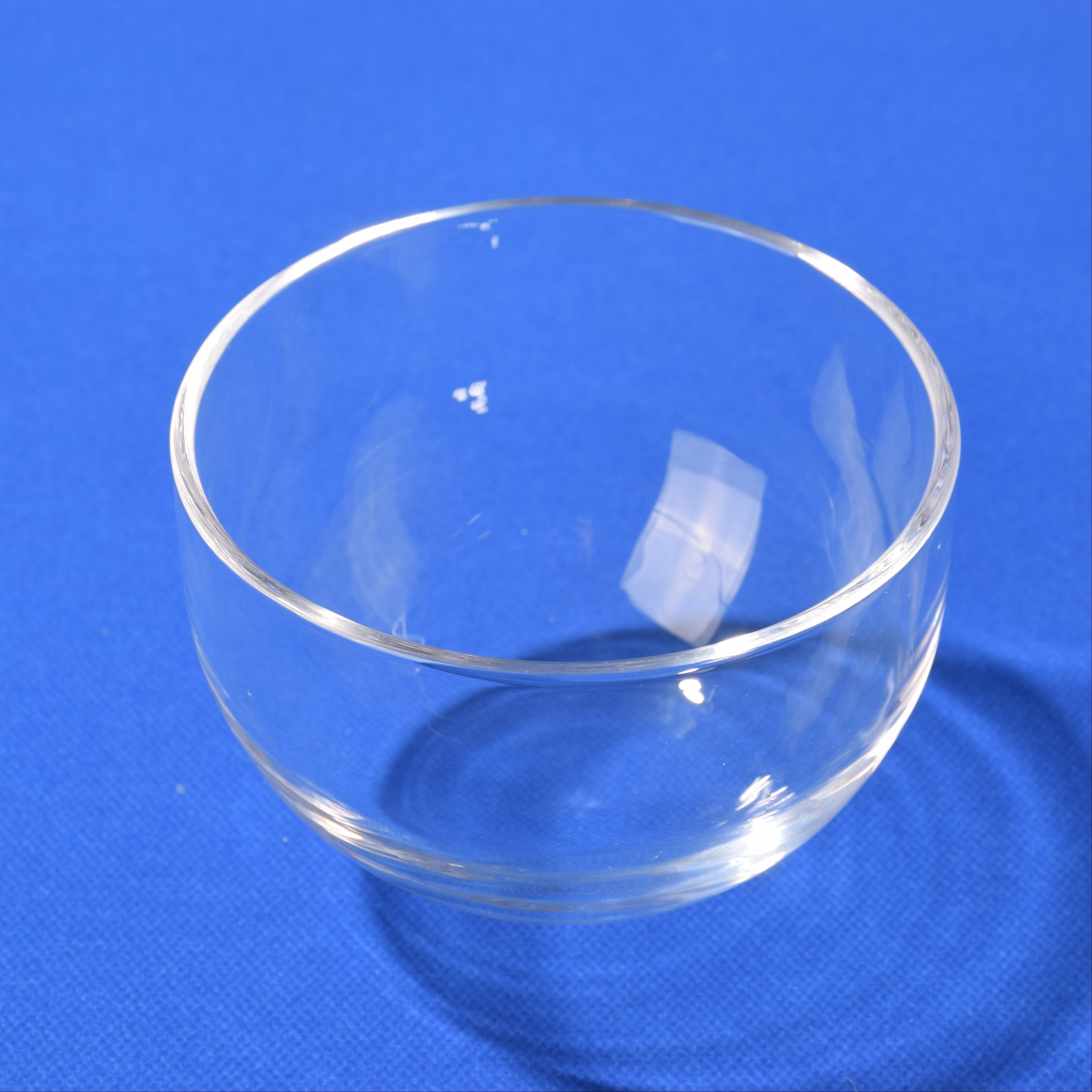
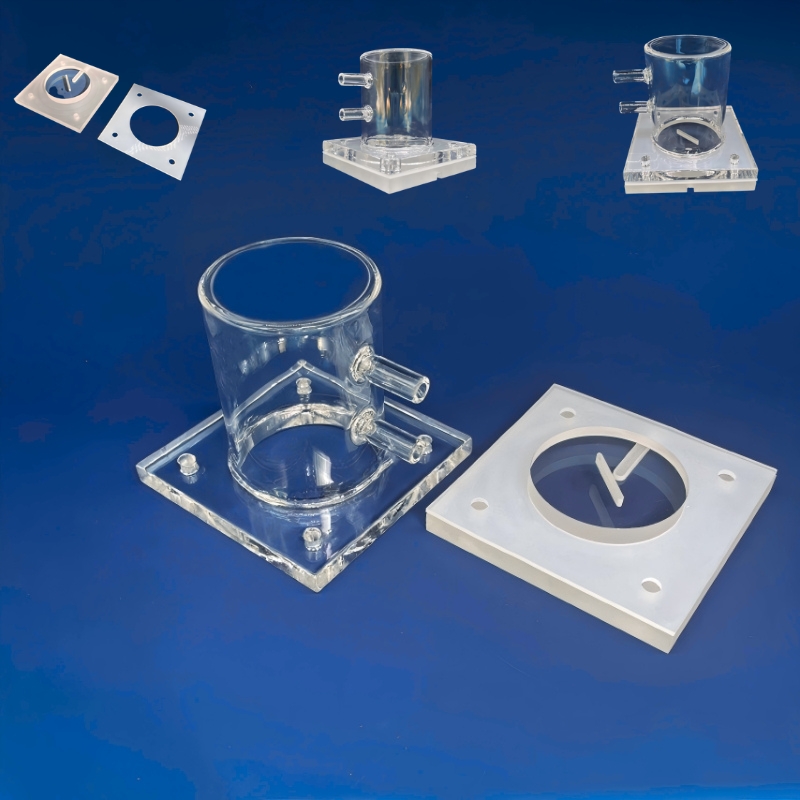
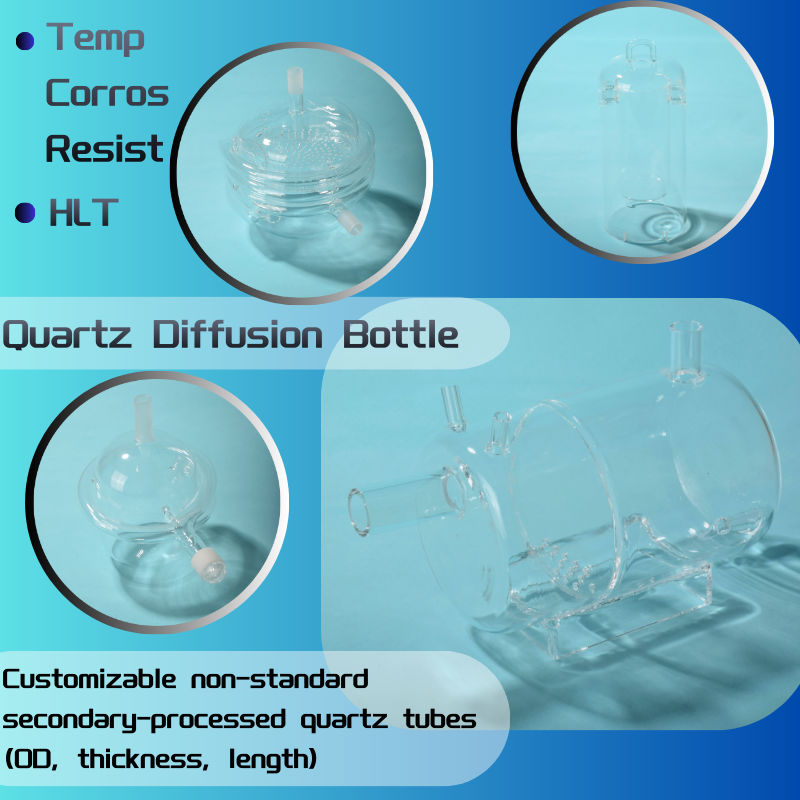
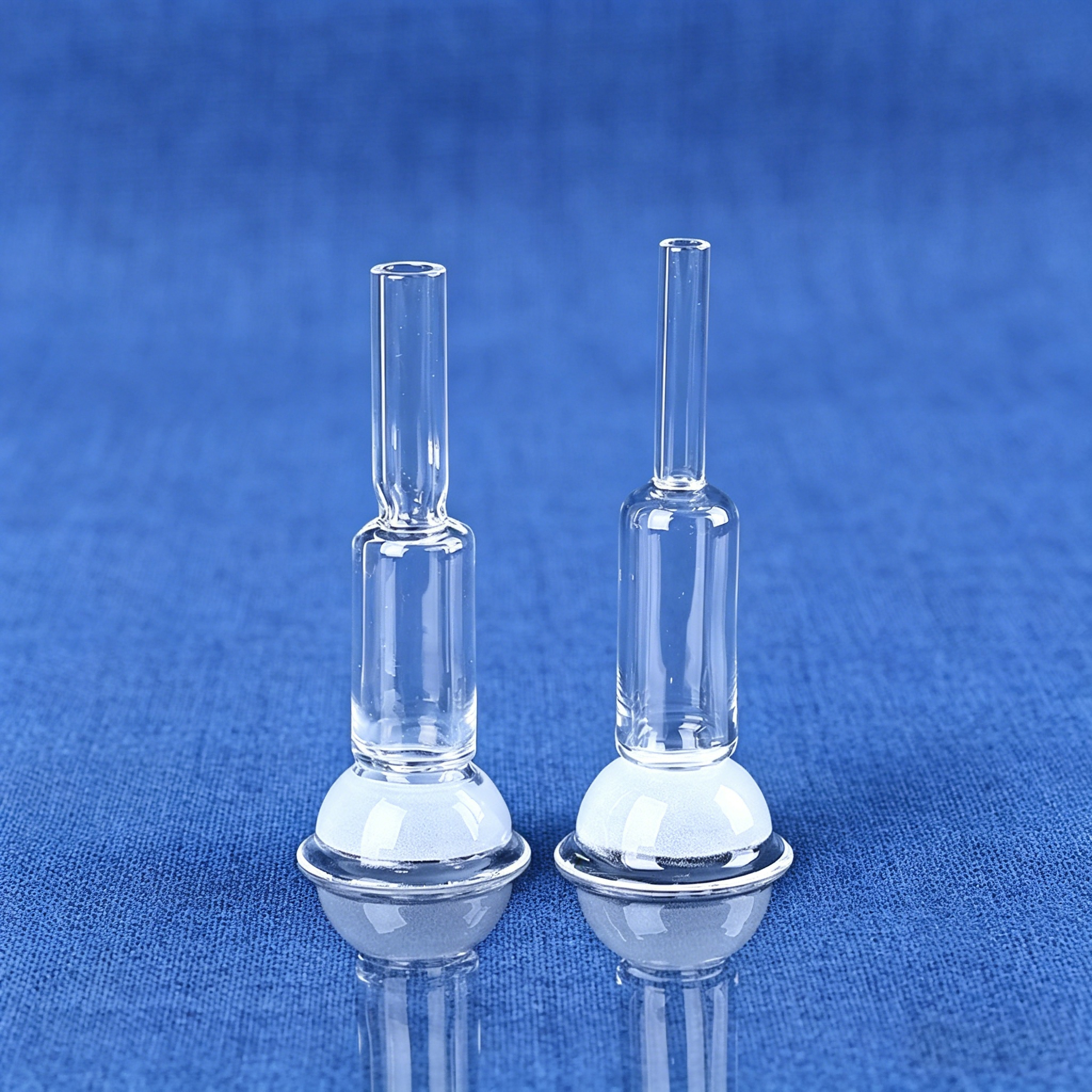
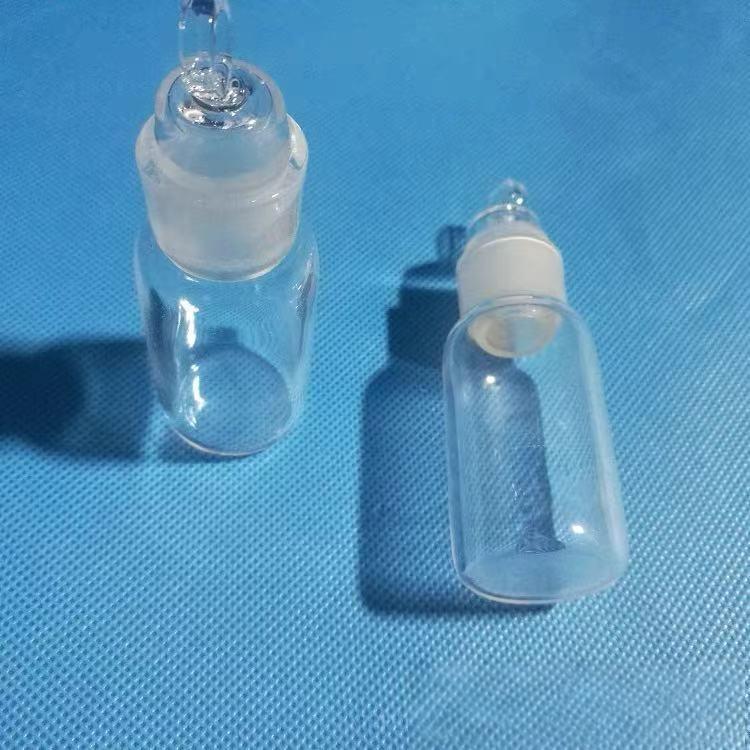

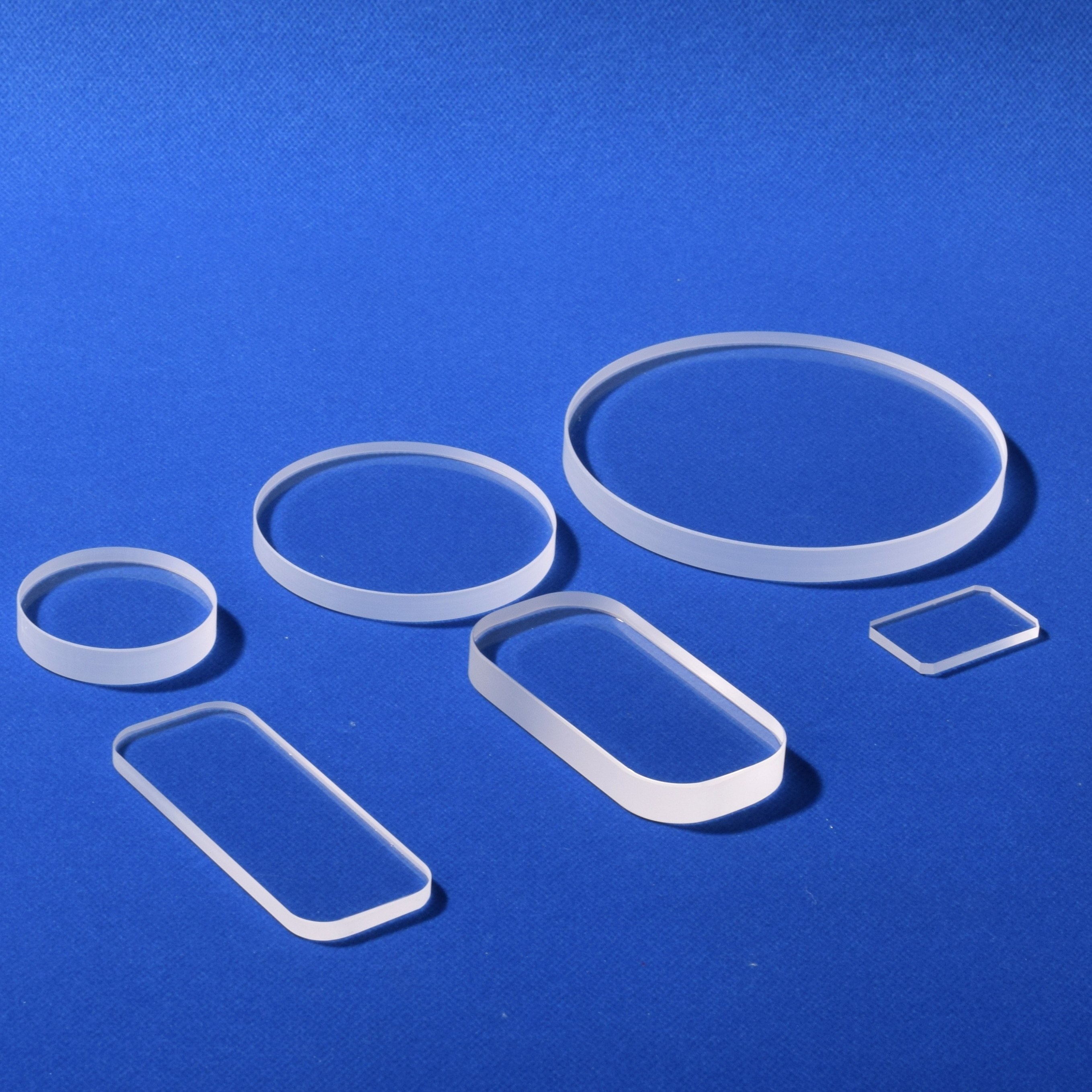
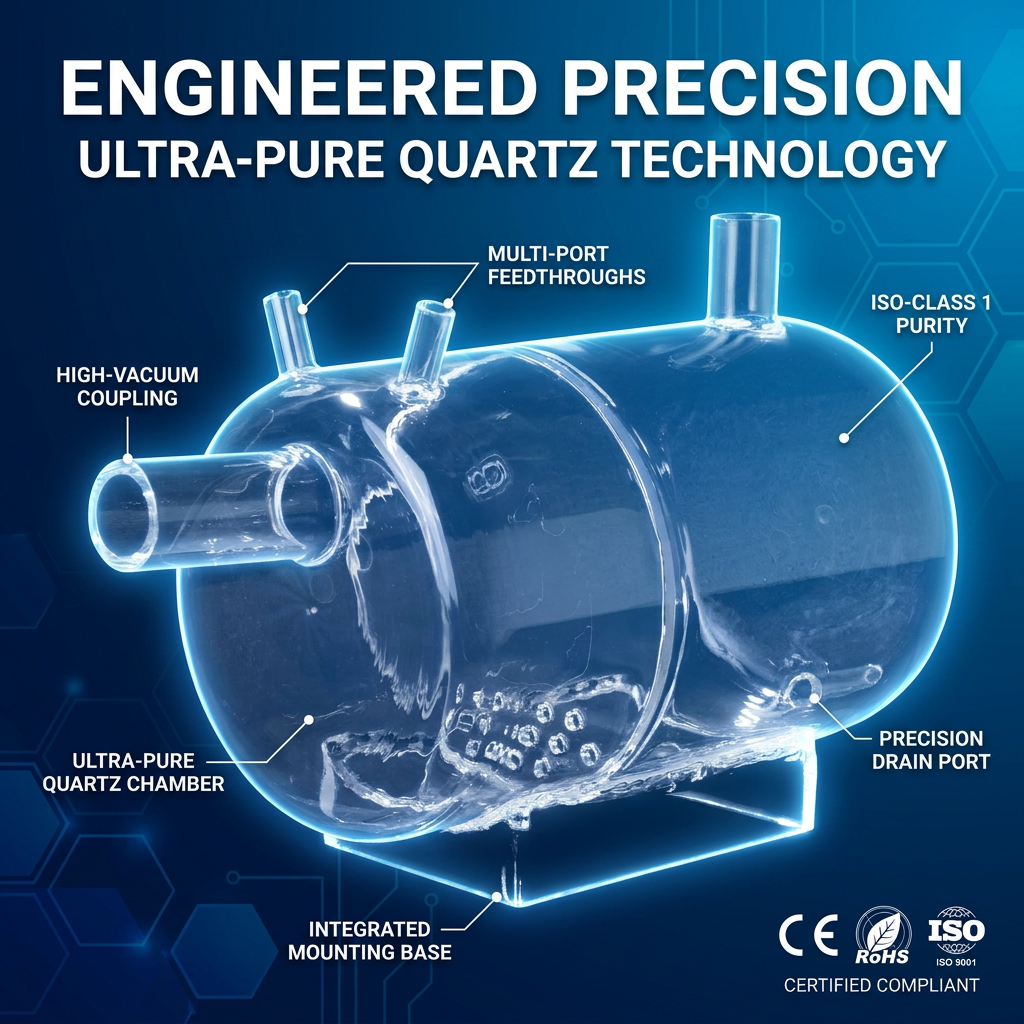
Material Physics of Fused Quartz Heating Tubes for High-Efficiency Venetian Thermal Applications
As Venetian industrial operations navigate the dual imperatives of rapid decarbonization and absolute thermal precision, the conversion from traditional natural-gas heating to high-emissivity electric infrared systems has become paramount. Standard borosilicate and metal-sheathed radiant elements are inherently incapable of sustaining the thermal demands, dielectric stresses, and corrosive saline dynamics typical of the Venetian Lagoon basin. Fused quartz heating tubes represent a pinnacle of thermodynamic efficiency, capitalizing on high-purity amorphous silicon dioxide (SiO₂) that offers an extremely low coefficient of thermal expansion (CTE) of 5.5 × 10⁻⁷ /°C from 20°C to 1000°C.
Manufactured by melting refined Donghai natural crystal sand at temperatures exceeding 2000°C in specialized vacuum and hydrogen-purged electric fusion systems, our quartz heating elements virtually eliminate micro-bubbles and heavy metal inclusions. When energized with iron-chromium-aluminium (FeCrAl) alloys, tungsten filaments, or carbon-fiber composite yarns, our tubes convert up to 94% of electrical input directly into directed infrared radiation. Short-wave (0.8–1.4 µm), medium-wave fast-response (1.4–2.0 µm), and standard medium-wave (2.0–4.0 µm) configurations allow Venetian engineers to align heating wavelengths exactly with the infrared absorption spectrum of specific substrates—from molten soda-lime artisan glass in Murano to carbon-fiber reinforced polyketones in Veneto aerospace manufacturing.
Technical Comparison: Quartz Radiant Emitters vs. Standard Industrial Heaters
| Performance Parameter | Vulra OEM Quartz Heating Tube | Borosilicate Glass Element | Metal Sheathed (Incoloy) Heater |
|---|---|---|---|
| Continuous Operating Temp | 1100°C (Short peaks to 1450°C) | Up to 450°C | Up to 750°C |
| Thermal Shock Resistance (ΔT) | > 1000°C (Water quench immune) | Approx. 120°C | Moderate (Risk of sheath bowing) |
| Infrared Radiation Efficiency | 90% – 94% Direct Radiant Flux | 60% – 70% | 40% – 55% (High convective loss) |
| Thermal Ramp-Up Response | 1 to 3 Seconds to full output | 30 to 90 Seconds | 3 to 8 Minutes |
| Saline / Chlorine Vapor Resistance | Impervious (No metal oxidation) | Prone to surface etching | Severe stress-corrosion cracking |
Localized Application Scenarios Across Venice & The Veneto Basin
The industrial and artisanal ecosystem of Venice and the broader Veneto metropolitan zone presents operational conditions rarely encountered in terrestrial industrial zones. From the historic artisan forges of the Murano archipelago to the chemical complexes of Porto Marghera and the advanced aerospace suppliers orbiting Venice Marco Polo Airport, thermal equipment must endure intense humidity, airborne oceanic electrolytes, and stringent EU environmental standards.
Murano Glass Lehr Electrification
Replacing antiquated gas-fired annealing lehrs and temper tunnels with customized medium-wave quartz heating tubes. Precise multi-zone PID wavelength regulation prevents cooling cracks in complex Venetian art glass without emitting carbon residues or altering delicate metallic colorings.
Porto Marghera Chemical Processing
Specialty quartz heating sleeves engineered for continuous petrochemical distillation, polymer synthesis, and acid recovery reactors. High quartz chemical inertness resists aggressive catalysts, nitric mixtures, and aggressive organic reagents.
Veneto Aerospace Composite Curing
Short-wave and fast-response carbon fiber quartz radiant emitters used in automated tape layup (ATL) and autoclave-free composite consolidation for aerostructures, maritime speedboats, and advanced racing hulls constructed in Veneto shipyards.
Architectural & Marble Restoration
Portable directional quartz thermal radiant arrays utilized by Venetian heritage conservators to uniformly desalt historical brickwork, flash-cure consolidation resins on Istrian stone facades, and eliminate damp without flame impingement.
Green Hydrogen Electrolyzer Heating
Providing high-temperature feed-gas preheating tubes and solid oxide electrolyzer cell (SOEC) startup heating in the emerging Venetian green hydrogen testing facilities along the Marghera waterfront.
Decarbonization Trends & Industrial Metamorphosis in the Veneto Region
The manufacturing landscape across Venice is undergoing its most profound structural shift since the Industrial Revolution. Pressured by European Union Emission Trading System (EU ETS) carbon tariffs, stringent municipal emissions rules protecting the lagoon biosphere, and the Italian National Recovery and Resilience Plan (PNRR), Venetian factories can no longer justify the thermal inefficiency and nitrogen oxide (NOx) footprints of gas-burners. The electrification of thermal processing via targeted infrared quartz arrays has emerged as the definitive engineering pathway.
Key evolutionary trends include:
- Shift to Targeted Infrared vs. Convection: Traditional convective ovens waste enormous amounts of energy heating ambient air, which quickly leaks into cold, drafty historical masonry buildings. Directional quartz infrared heaters emit energy absorbed directly by the product mass, yielding up to a 62% reduction in overall kilowatt-hour consumption.
- Selective Reflector Coatings: Venetian OEMs are increasingly demanding twin-tube and single-tube quartz elements configured with integral 24K gold or high-purity white ceramic back-reflectors. These coatings reflect over 95% of rearward infrared radiation forward toward the target workpiece, preventing heat loss into furnace structural frames.
- Industry 4.0 Sub-Second Modulation: Integrating low-thermal-mass carbon filament quartz tubes with solid-state relay (SSR) and thyristor controls allows heating modules to adjust their thermal output instantaneously based on optical pyrometer feedback, achieving thermal control within ±1°C across large annealing widths.
Lianyungang Vulra Quartz Products: The Donghai Direct Advantage
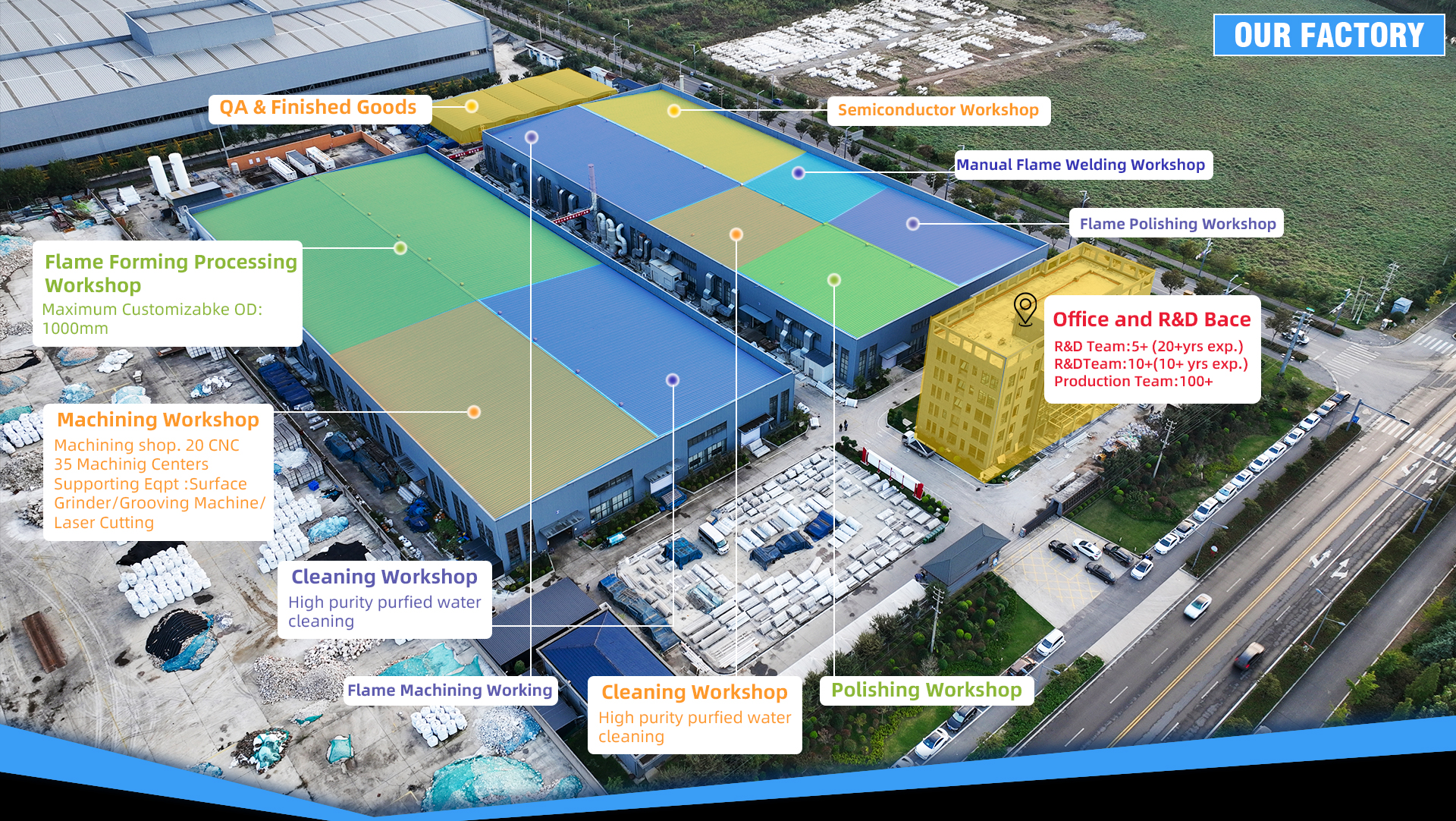
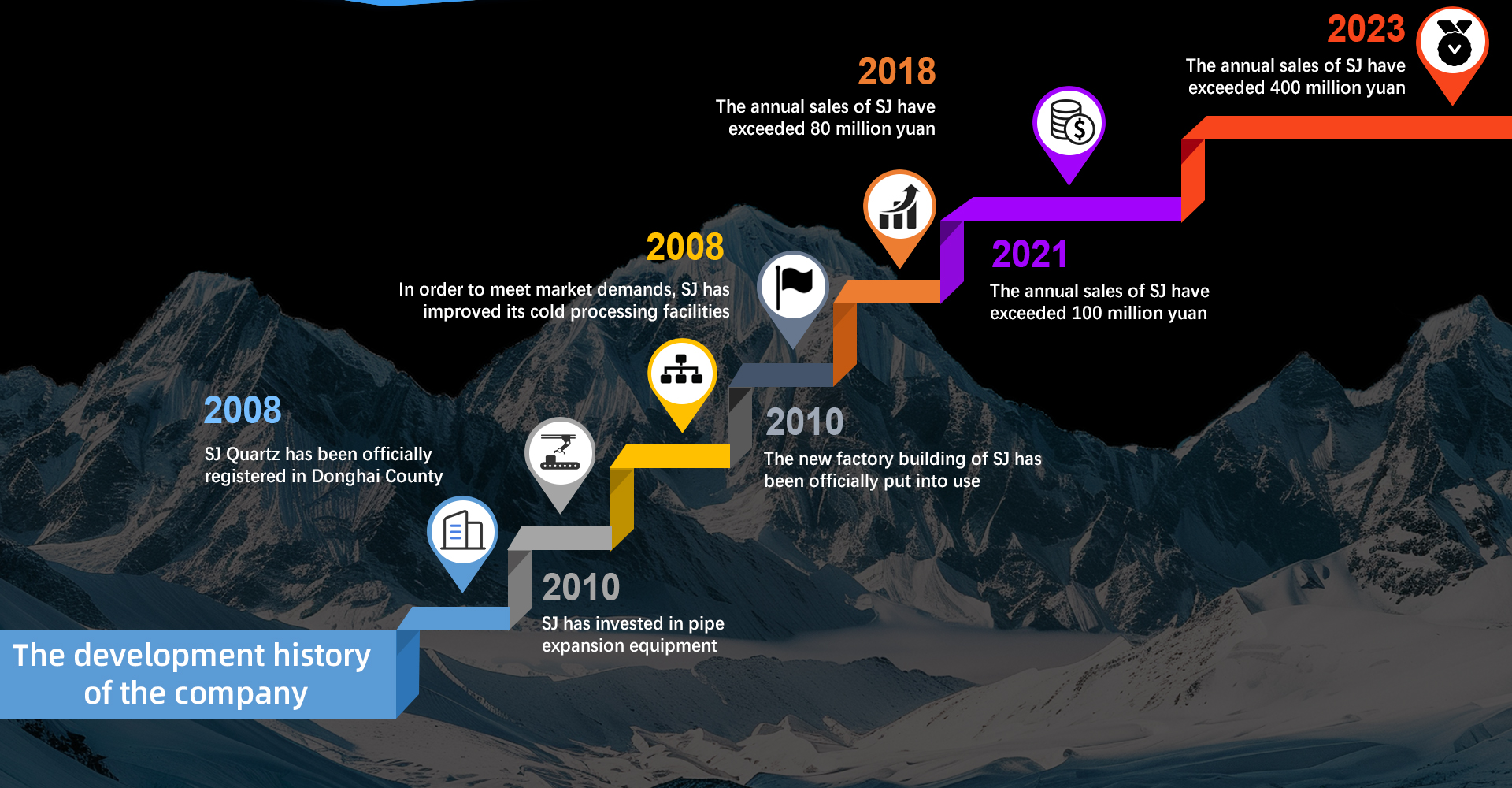
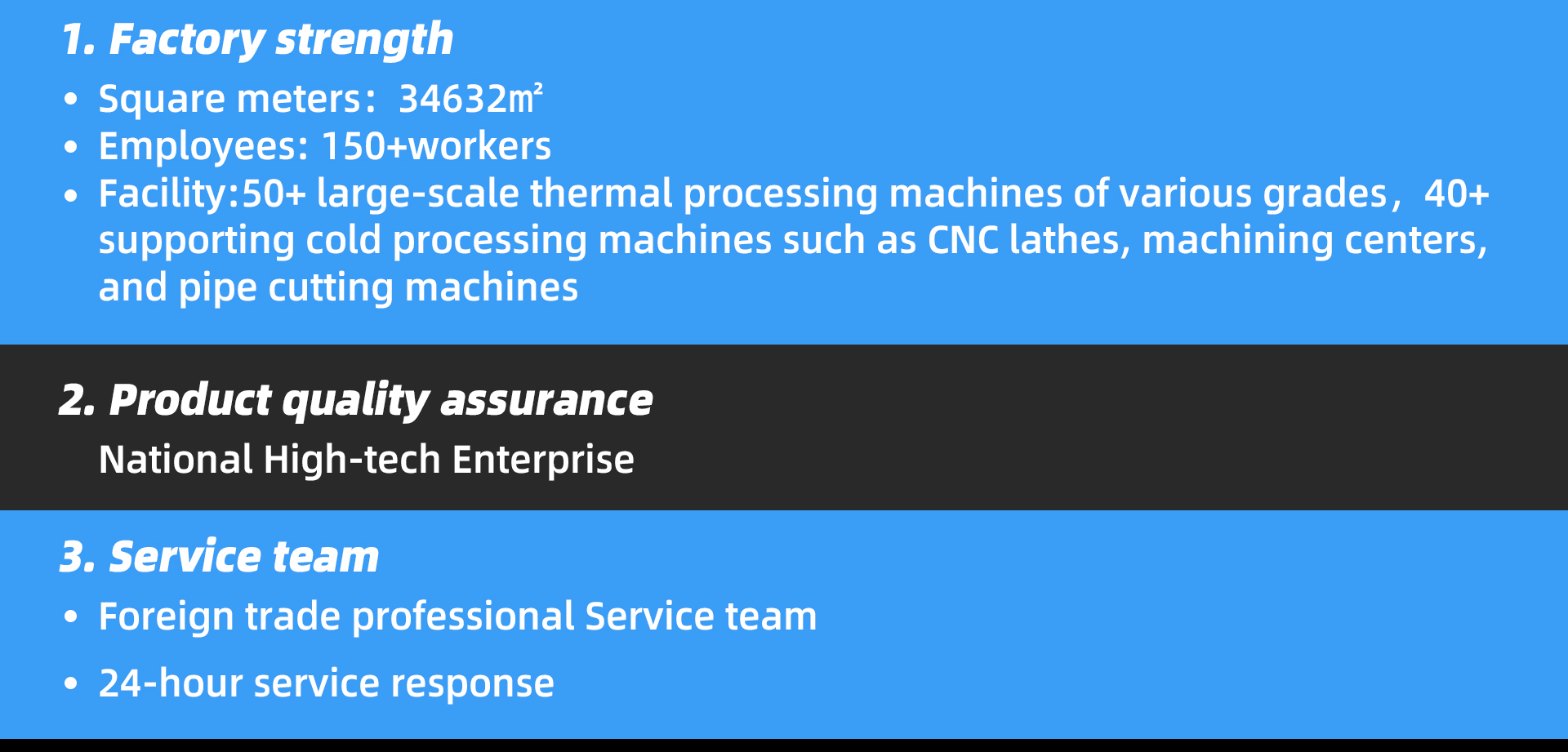
Situated in Donghai County—the crystal and quartz capital of China—Lianyungang Vulra Quartz Products Co., Ltd. controls raw quartz sand processing directly at the source. This ensures our Venetian partners obtain pure, stable, and certified quartz glass without intermediate supply-chain markups. Audited on-site by TÜV Rheinland, our production lines span cold diamond cutting, CNC ultrasonic drilling, high-precision flame lathe welding, and high-temperature stress-relieving annealing furnaces.
Frequently Asked Questions by Procurement Engineers in Venice & Italy
How do your quartz heating tubes resist the high salinity and humidity of the Venetian Lagoon?
Can Vulra match existing European furnace specifications (e.g., Heraeus, Toshiba, or Helios Quartz designs)?
What certifications accompany shipments bound for the Italian and European market?
What is the minimum order quantity (MOQ) and production turnaround for custom prototypes?
How do you ensure fragile quartz heating tubes survive transit to Venice?
Ready to Upgrade Your Venetian Thermal Infrastructure?
Submit your CAD blueprints, heating parameters, or furnace upgrade objectives. Our senior quartz processing engineers will review your technical specifications and return a comprehensive quotation within 24 hours.