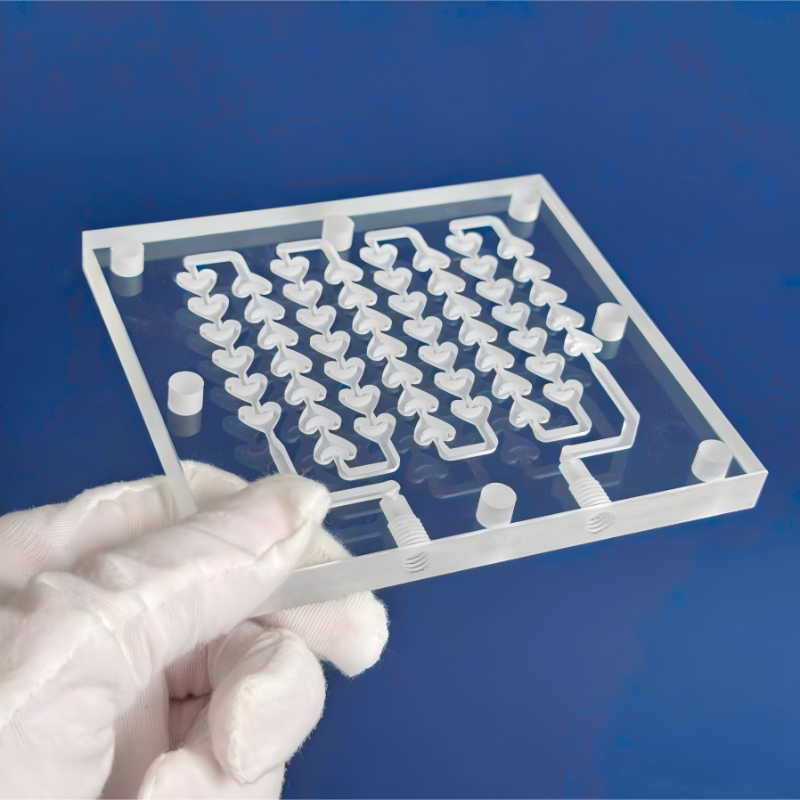
High Thermal Conductance Circular Quartz Chips
1750°C softening matrix engineered for severe heat-exchange interlayers and high-efficiency power assemblies.
Precision Fused Silica Glass • Ultra-High Thermal Shock Resistance • Custom OEM Fabrication
Engineered in Donghai to withstand operating regimes up to 1450°C. Sourced directly by assembly hubs, high-temperature test laboratories, and renewable infrastructure across the Greater Manila Area.
1750°C softening matrix engineered for severe heat-exchange interlayers and high-efficiency power assemblies.
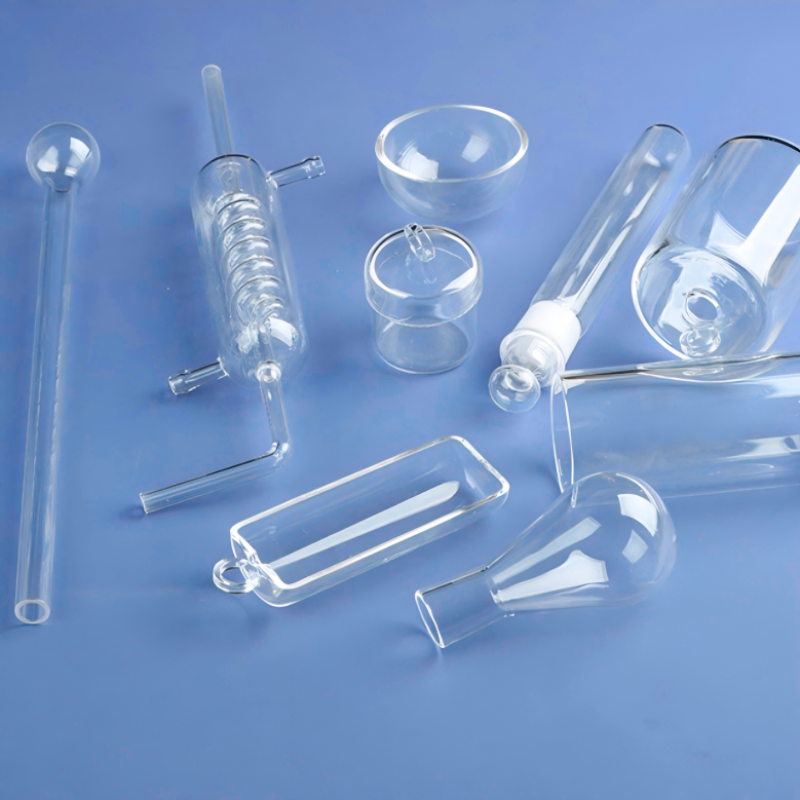
High-frequency transparent polished fused quartz rods and sample carriers for 1100°C horizontal tube furnaces.
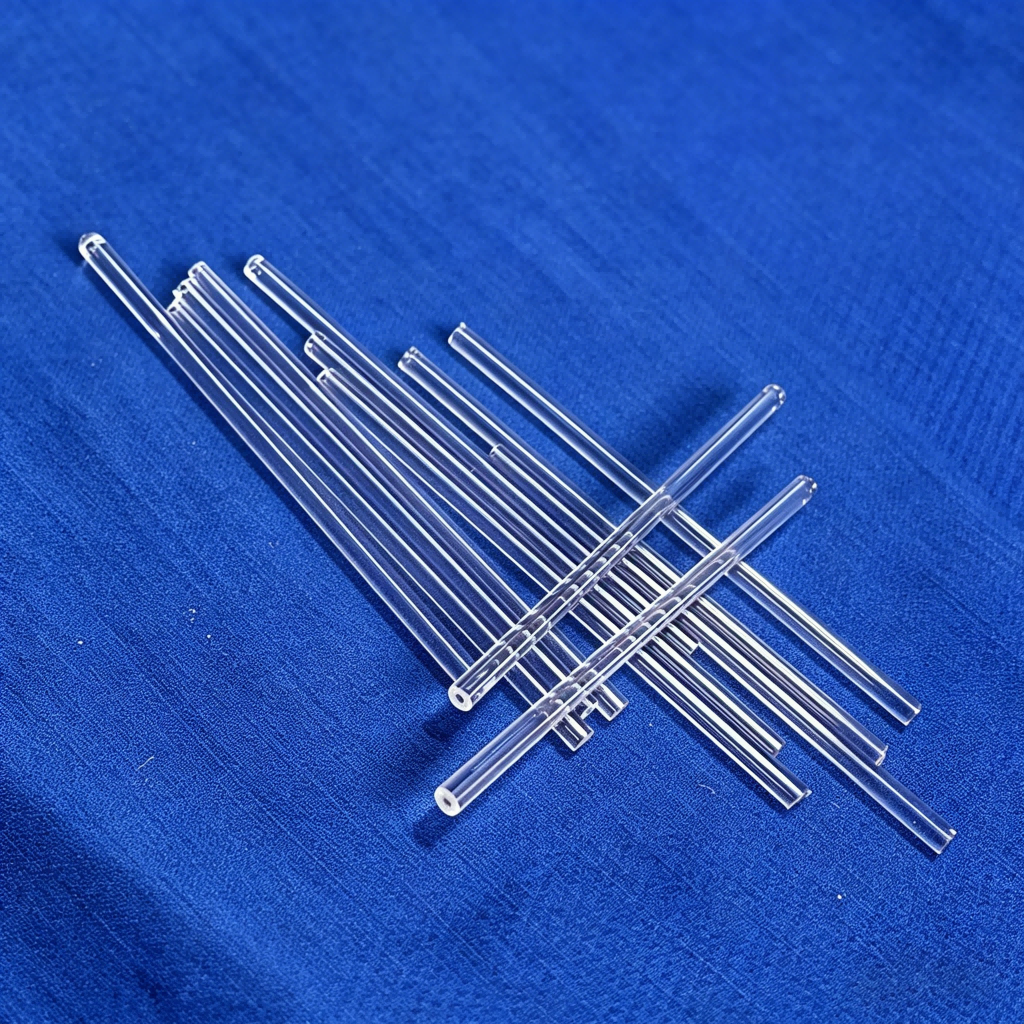
Precision drawn 99.99%-99.999% SiO2 tubing with 2-10mm outer diameters for analytical exhaust and dosing runs.
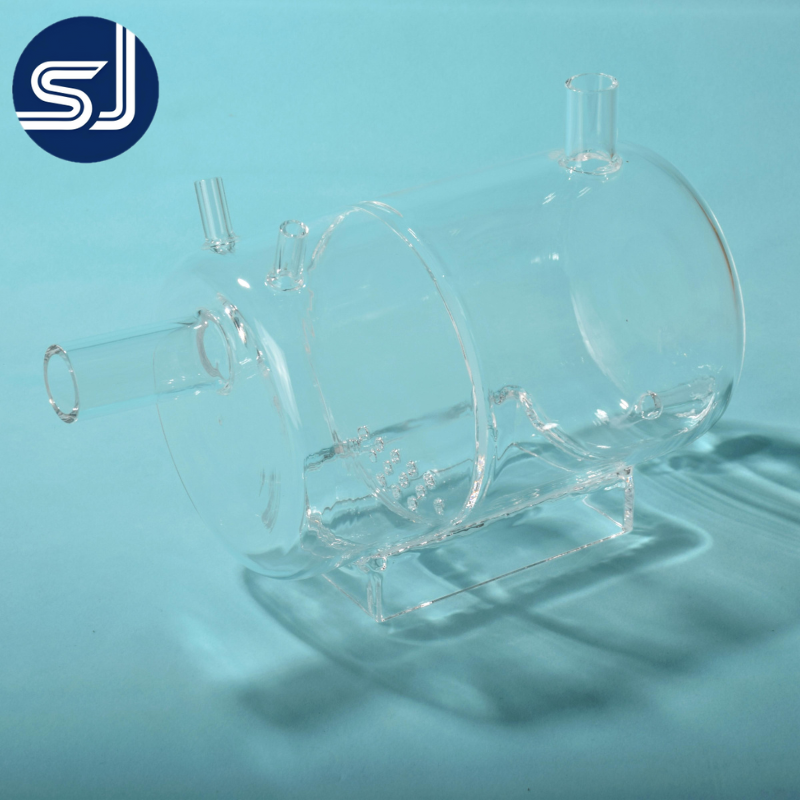
Corrosion-resistant custom split flasks rated up to 1100°C continuous service with optical transmittance >85%.
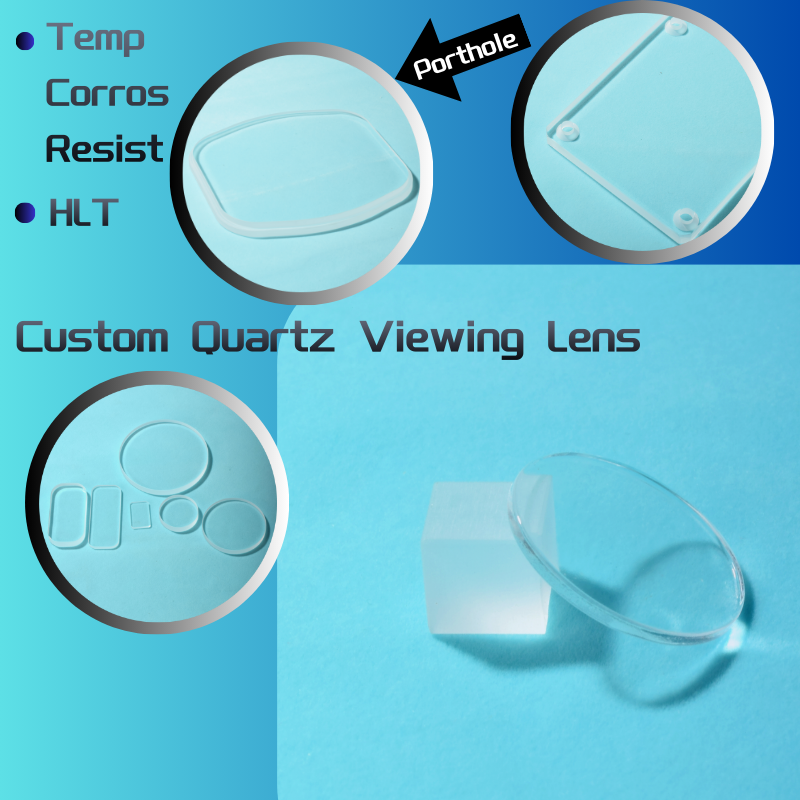
Micro-surface polished thin glass substrate for spectrophotometry, UV transmission stages, and semiconductor inspection.
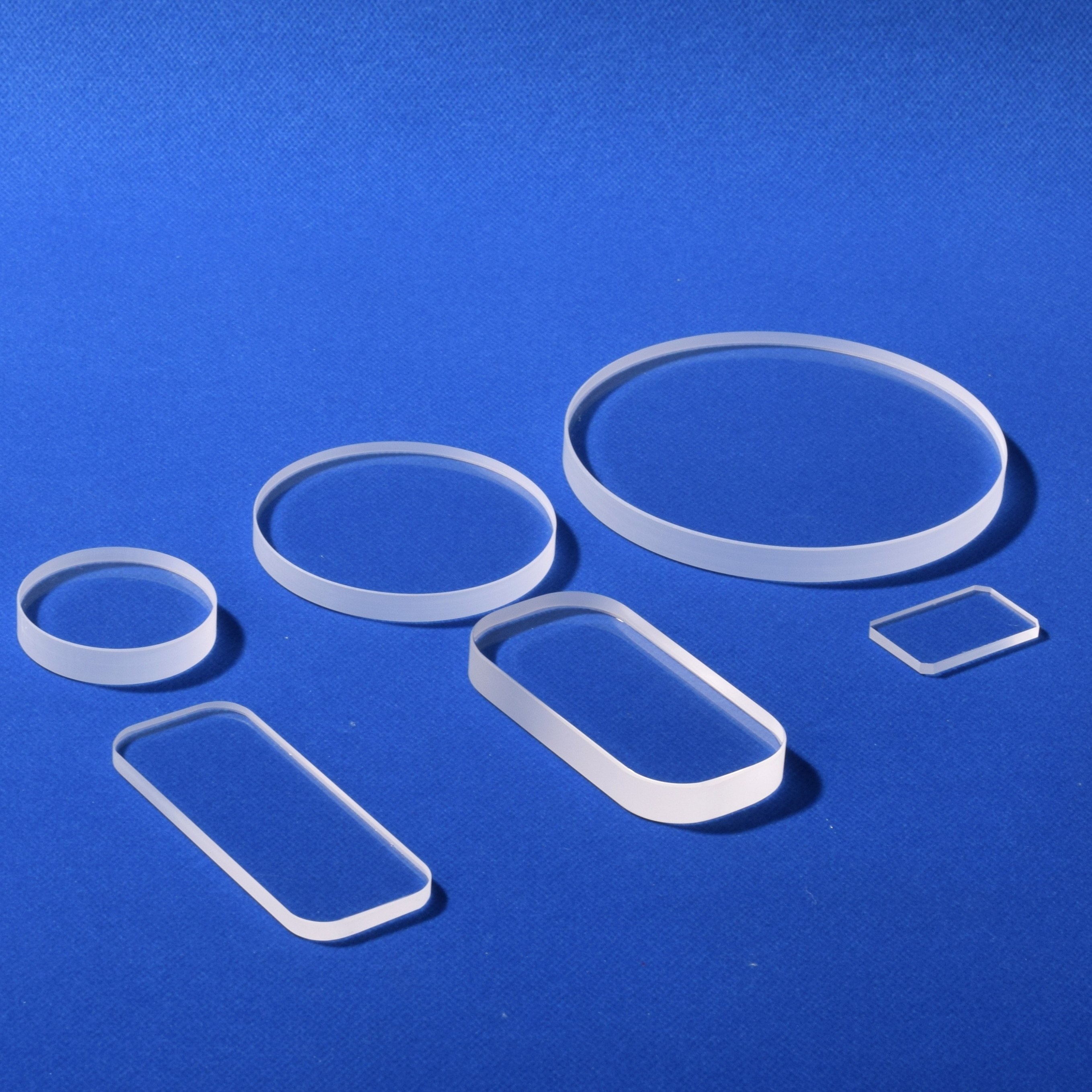
Optically parallel viewport for industrial autoclaves, vacuum systems, and thermal reactors in high-humidity climates.
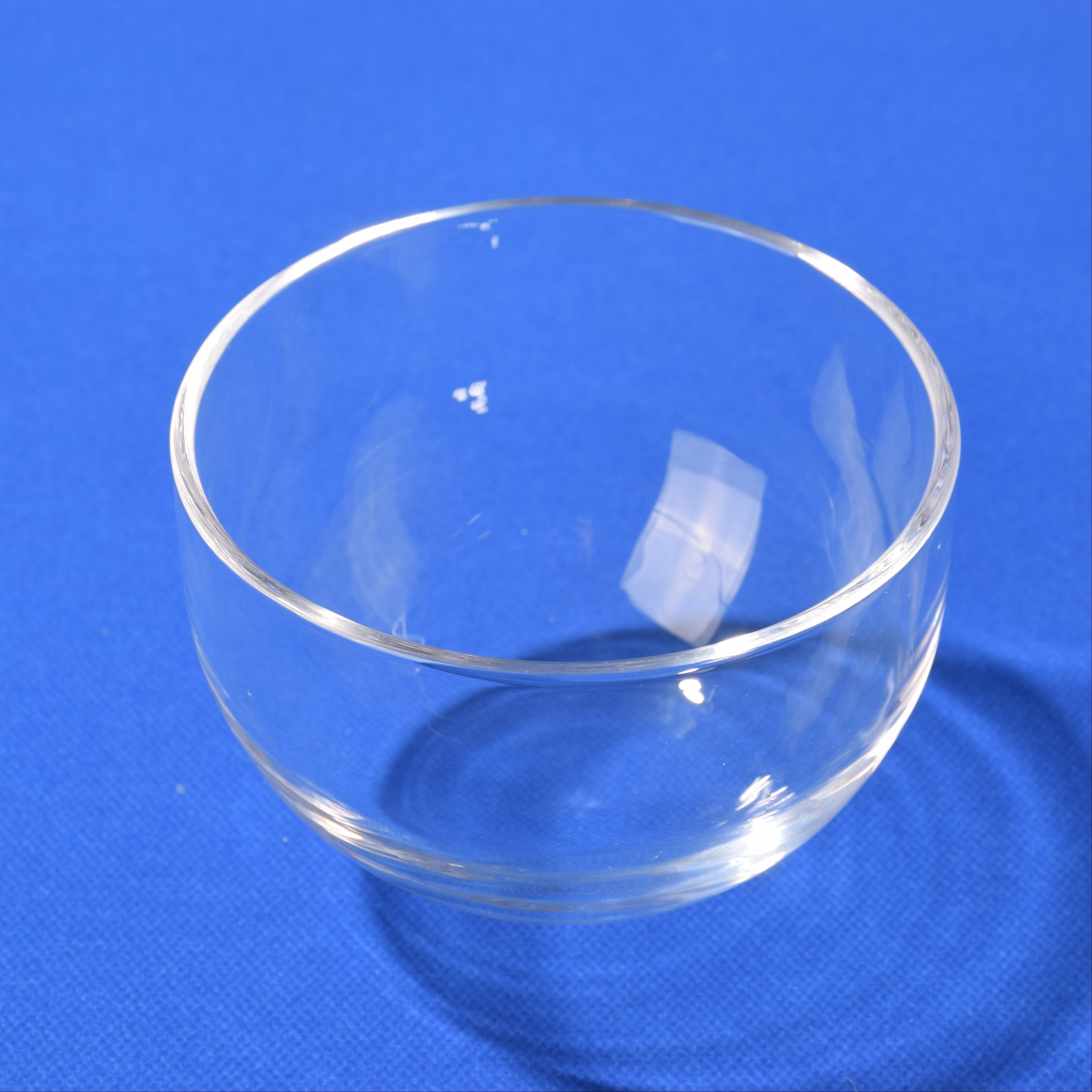
Tensile strength 48 N/mm² and softening threshold of 1683°C. Cleaned for precious metal refining and single-crystal growth.
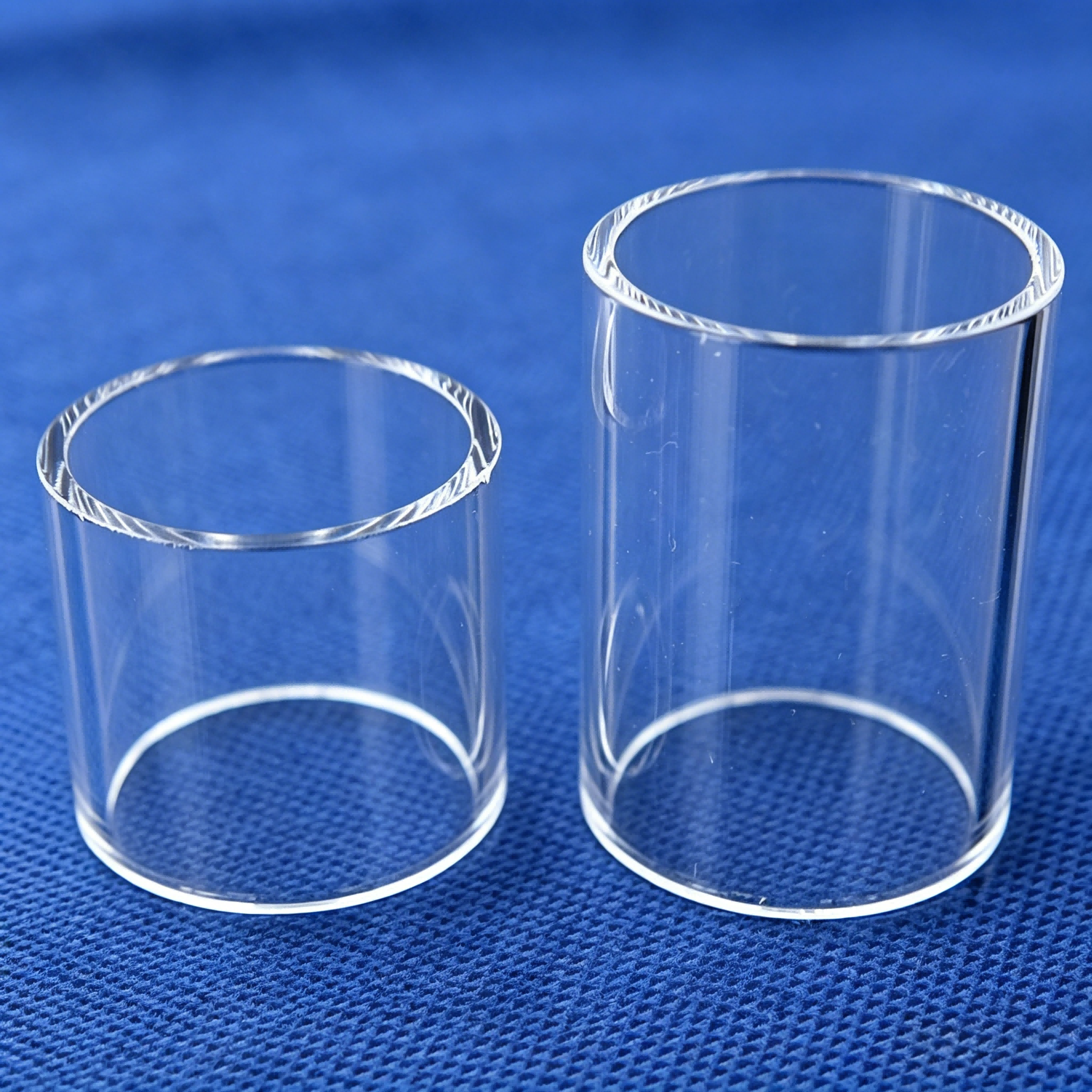
Flame-welded twin pipe configuration for dual-channel infrared heaters, continuous degassing manifolds, and chemical feed lines.
Industrial procurement for clear quartz rods, fused silica tubes, and machined sight glasses across the Manila metropolitan economic corridor has evolved significantly over the past decade. Traditionally regarded as niche consumables for university chemistry laboratories, fused quartz has transformed into a baseline critical component underpinning the rapid expansion of semiconductor testing, automotive wire-harness heating, photolithographic wafer processing, and industrial water sterilization within Calabarzon (Cavite, Laguna, Batangas) and Clark Freeport Zone.
Unlike standard borosilicate or aluminosilicate glasses, clear quartz rod manufactured by Vulra Quartz is composed of 99.99% to 99.999% pure synthetic and natural silicon dioxide (SiO₂). The complete elimination of fluxing alkalis (such as Na₂O, K₂O, and CaO) results in an exceptionally rigid three-dimensional tetrahedral lattice. This molecular structure yields a near-zero coefficient of thermal expansion (α = 5.5 × 10⁻⁷ /°C between 20°C and 320°C). For industrial plant engineers in the Philippines, this characteristic ensures absolute structural stability under catastrophic thermal cycling: a clear quartz rod heated to 1100°C can be immediately submerged in chilled water without risk of mechanical fracture, micro-cracking, or optical delamination.
| Physical & Chemical Parameter | Standard Clear Fused Quartz | Semiconductor-Grade Fused Silica | Standard Borosilicate (Pyrex type) |
|---|---|---|---|
| SiO₂ Purity Grade | 99.99% (Donghai Natural Crystal) | 99.999% (Synthetic Precursor) | ~ 80 - 81% (With B₂O₃ & Alkali) |
| Softening Point (°C) | 1683 °C | 1730 °C | 820 °C |
| Thermal Expansion (20-300°C) | 5.5 × 10⁻⁷ K⁻¹ | 5.2 × 10⁻⁷ K⁻¹ | 33 × 10⁻⁷ K⁻¹ |
| Continuous Max Service Temp | 1100 °C | 1200 °C | 450 °C |
| Spectral Transmittance Window | 260 nm - 2500 nm (Near UV - NIR) | 190 nm - 3500 nm (Deep UV - IR) | 350 nm - 2000 nm (Opaque to Deep UV) |
| Chemical Inertness to Acids | Unaffected by HNO₃, H₂SO₄, HCl | Complete Immunity (Except HF) | Slight Surface Leaching at Temp |
In high-frequency inductive testing and optical waveguiding, quartz rods operate not merely as mechanical supports, but as ultra-low-loss dielectric insulators. With a dielectric loss factor (tan δ) dropping below 0.0001 across gigahertz frequencies, these components prevent power leakage in precision induction coils, while simultaneously providing high transmission across ultraviolet, visible, and infrared spectra.
How industrial facilities across Laguna Technopark, First Philippine Industrial Park (FPIP), Cavite Economic Zone (CEZ), and Taguig operate Vulra Quartz infrastructure.
Electronics assembly and testing (OSAT) facilities in Biñan and Calamba utilize polished clear quartz rods as non-contaminating pusher rods, substrate lifters, and wafer-carrier structural supports. Because quartz produces zero heavy metal outgassing, it completely eliminates particulate yield loss inside Class 100 cleanroom environments.
Industrial effluent treatment projects near Manila Bay and Laguna de Bay use transparent quartz sleeves and reaction tubes to house intense 254 nm germicidal UV emitters. Unlike standard borosilicate, quartz provides over 90% internal transmittance for direct destruction of organic pollutants under high-salinity ambient moisture.
For printed circuit board (PCB) assembly and high-speed thermo-forming lines across Cavite and Batangas, clear quartz twin-tubes and rod heaters act as high-efficiency radiation cores. They deliver uniform infrared distribution with rapid thermal response, cutting operational power consumption by up to 28%.
Precious-metal assaying facilities, geothermal turbine service crews, and university metallurgy centers in Quezon City depend on high-softening crucibles and plugging rods to withstand aggressive flux melting without structural sagging or boron leaching.
The industrial landscape in Luzon is transitioning toward higher automation and tighter purity specifications. Three macro factors are reshaping factory requirements.
Philippine assembly plants are moving away from multi-tier trading brokers in favor of direct engagement with dedicated source manufacturers. By bypassing local middleman stockists, fabrication leads for customized quartz rods and observation windows drop from 10 weeks to less than 14 business days via expedited air express directly into Ninoy Aquino International Airport (NAIA) or sea freight through Port of Manila.
As automotive chips and edge computing modules undergo production testing in Southern Luzon, trace metal contamination (iron, aluminum, copper) at parts-per-billion (ppb) thresholds has become a decisive quality factor. Conventional flame-drawn glass is no longer viable; factories are enforcing mandatory spectroscopic batch testing and acid-pickled surface treatments.
Tropical climates like that of the Greater Manila Area subject optical viewing windows and infrared heater joints to rapid thermal-cycling condensation. Vulra Quartz utilizes specialized hydrogen-oxygen flame annealing routines to eliminate internal micro-strains, ensuring zero hazing, devitrification, or moisture-induced surface spalling.
Headquartered in Donghai County—the world’s recognized epicenter for quartz raw materials—we integrate raw crystal processing, precision glass blowing, CNC cold machining, and strict cleanroom packaging under one roof.
Our manufacturing base at No. 9 Dingxin Road, Jiangsu Donghai Economic Development Zone is rigorously assessed and certified on-site by TÜV Rheinland. We operate verified production lines holding CE and RoHS certifications for high-reliability components.
Whether you require a standard 6mm ground clear quartz rod or a complex, multi-port flow splitting bottle, our engineering team inspects every CAD drawing for wall ratio, heat balance, and thermal stress risks. Prototypes start from a single piece to validate fit before batch scaling.
We do not rely on third-party sub-contractors. Our facilities manage diamond-wheel edge cutting, core drilling, surface optical grinding, lathe fire-polishing, hydrogen-oxygen tube bending, and high-temperature stress-relief annealing furnaces in-house.
Quartz components require specialized export preservation. All shipments destined for Manila, Cebu, or Clark are protected by anti-scratch film, nested EPE shock-absorbing foam, vacuum wrapping, and reinforced plywood export cases with impact indicators.
Practical answers to technical, commercial, and logistics inquiries commonly raised by factory managers and purchasing officers across the Philippines.
Contact our senior technical sales team today. We deliver quotation estimates, thermal stress assessments, and production scheduling reviews within 24 hours.