Precision Quartz Glassware & Reaction Components
Manufactured from natural and synthetic fused silica in Donghai, China. Seamlessly integrated into fractional distillation setups, photovoltaic tube furnaces, and analytical electrochemistry cells throughout Davidson County and Middle Tennessee.
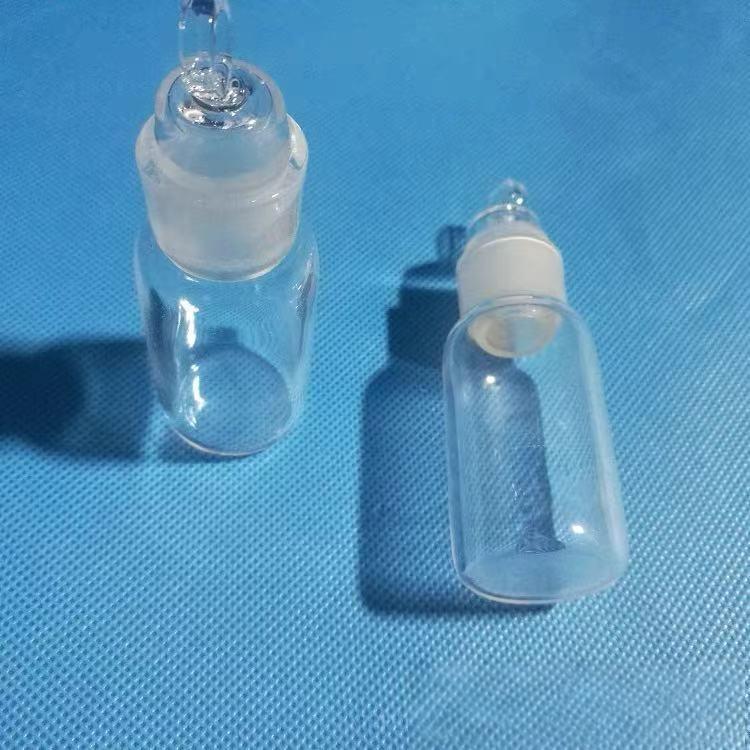
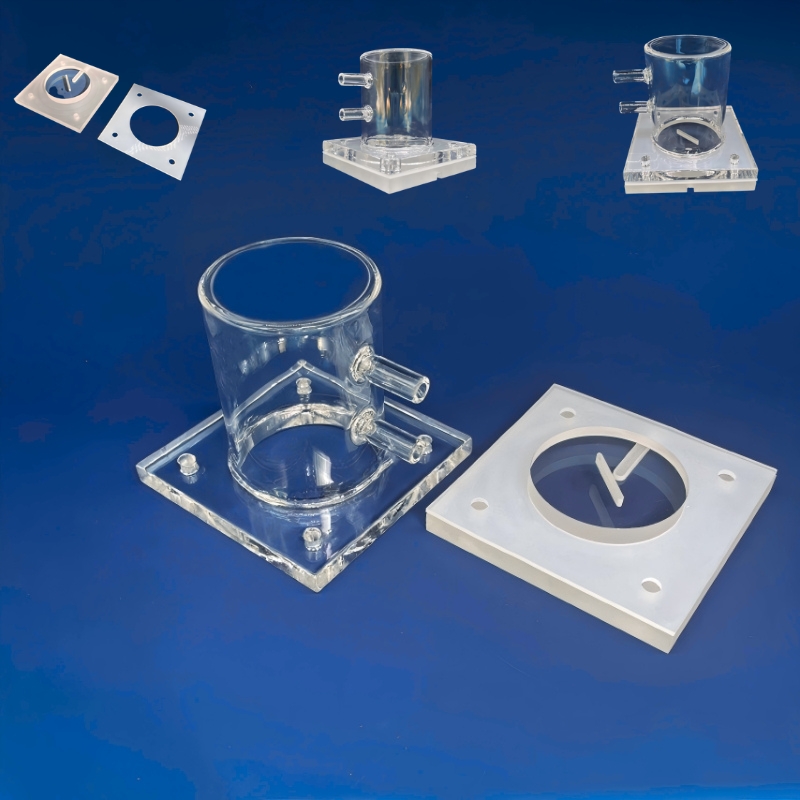
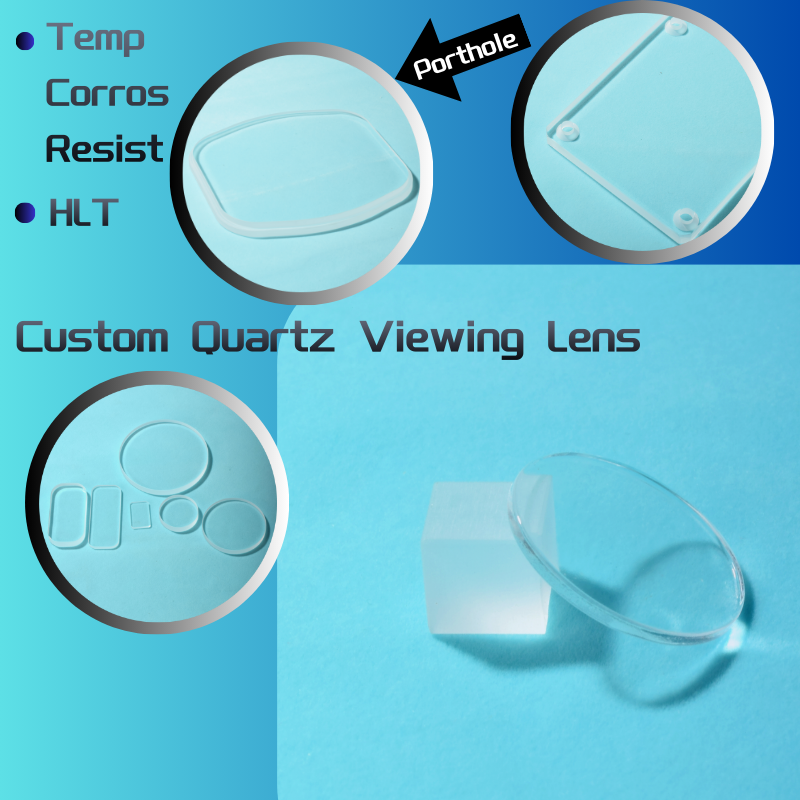
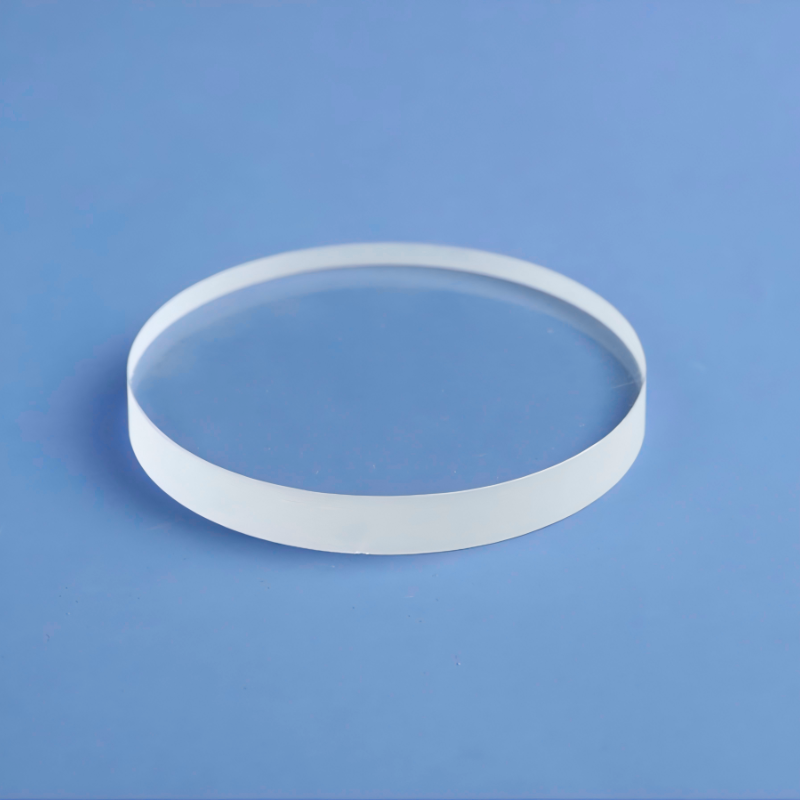
Thermodynamic Integrity of High-Purity Fused Quartz Distillation Flasks
Why Tier-1 analytical researchers and chemical synthesis engineers in Nashville choose vacuum-tight fused silica over standard borosilicate 3.3 for high-temperature and reactive processes.
Extreme Thermal Shock Immunity
Borosilicate glassware exhibits a coefficient of thermal expansion (CTE) of roughly 3.3 × 10⁻⁶ K-1, creating violent internal stresses under rapid thermal cycling. Vulra Quartz distillation vessels utilize electrosmelted natural silica crystal exhibiting an ultra-low CTE of 5.5 × 10⁻⁷ cm/cm·°C between 0°C and 1000°C. Flasks can be heated to 1150°C and instantly plunged into room-temperature water baths without structural fracturing, essential for emergency distillation halts or high-temperature reflux quenching.
Ultra-Low Trace Leaching
Trace alkaline and transition metal elution represents a major contamination risk in pharmaceutical active pharmaceutical ingredient (API) synthesis, trace-element cleanrooms, and botanical oil refinement. Our quartz flasks maintain heavy metal impurities (Fe, Cu, Ni, Cr) below 1.5 parts per million (ppm), and alkali metals (Na, K, Li) below 2.0 ppm. Compared to standard glass that leaches boron, sodium, and aluminum ions into boiling acids, fused silica provides an inert matrix even when boiling 98% sulfuric acid, aqua regia, and concentrated nitric acid.
High-Vacuum Integrity
Short-path and fractional vacuum distillation requires sustained negative pressure below 0.001 mbar (10-3 Torr) at heating mantel temperatures exceeding 350°C. Because Vulra Quartz flasks are engineered with precision hot-blown spherical radii and computer-controlled wall uniformity (tolerance within ±0.15 mm), the risk of atmospheric implosion caused by thermal softening or wall thinnings is eliminated. Ground quartz joint tapers (Standard Taper #24/40, #29/32, #45/50) provide vacuum sealing without stopcock grease contamination.
| Physical & Chemical Parameter | Vulra Fused Quartz (Donghai) | Synthetic Fused Silica (High UV) | Standard Borosilicate 3.3 | Engineering Impact on Distillation |
|---|---|---|---|---|
| SiO₂ Purity Level | ≥ 99.99% – 99.999% | ≥ 99.9999% | ~ 80.5% (with B₂O₃, Na₂O) | Eliminates analyte cross-contamination & alkali leaching |
| Continuous Service Temp. | 1100 °C | 1150 °C | 450 °C | Allows fractional cracking of heavy hydrocarbons & silanes |
| Short-Term Max Temp. | 1450 °C | 1500 °C | 500 °C | Tolerates open gas flames and high-wattage infrared heating |
| Softening Point (η = 107.6 dPa·s) | 1683 °C | 1730 °C | 820 °C | Prevents flask sagging or neck collapse under deep vacuum |
| Thermal Expansion (CTE 20–320°C) | 5.5 × 10⁻⁷ K-1 | 5.0 × 10⁻⁷ K-1 | 33 × 10-7 K-1 | Immunity to thermal shock during sudden cooling cycles |
| Chemical Resistance | Inert to all acids except HF/H₃PO₄ | Absolute chemical inertia | Sensitive to alkaline etching | Prolonged lifespan across aggressive acid-wash protocols |
Serving Nashville’s Biomedical, Battery Tech & Specialty Chemical Corridor
The Metropolitan Nashville area, anchoring Middle Tennessee’s vibrant research landscape alongside institutions such as Vanderbilt University Medical Center (VUMC), Oak Ridge collaborative initiatives, and the emerging automotive battery supply chain, demands scientific glassware meeting stringent metrological standards.
Vulra Quartz supplies research facilities, medical diagnostic startups, and analytical contract labs across Nashville with custom-designed quartz distillation flasks, multi-neck reaction vessels, and condensing towers. Whether synthesizing active organic reagents, purifying ultra-dry solvents for lithium-ion electrolyte testing, or conducting botanical super-critical fluid fractionations, our quartzware ensures zero background ion noise and extreme mechanical resilience.
Our direct export pipeline from Jiangsu Province to Nashville-Davidson logistics hubs guarantees fast air cargo turnaround, customs compliance with US FDA/ASTM laboratory guidelines, and drop-tested shockproof wood crate packing.
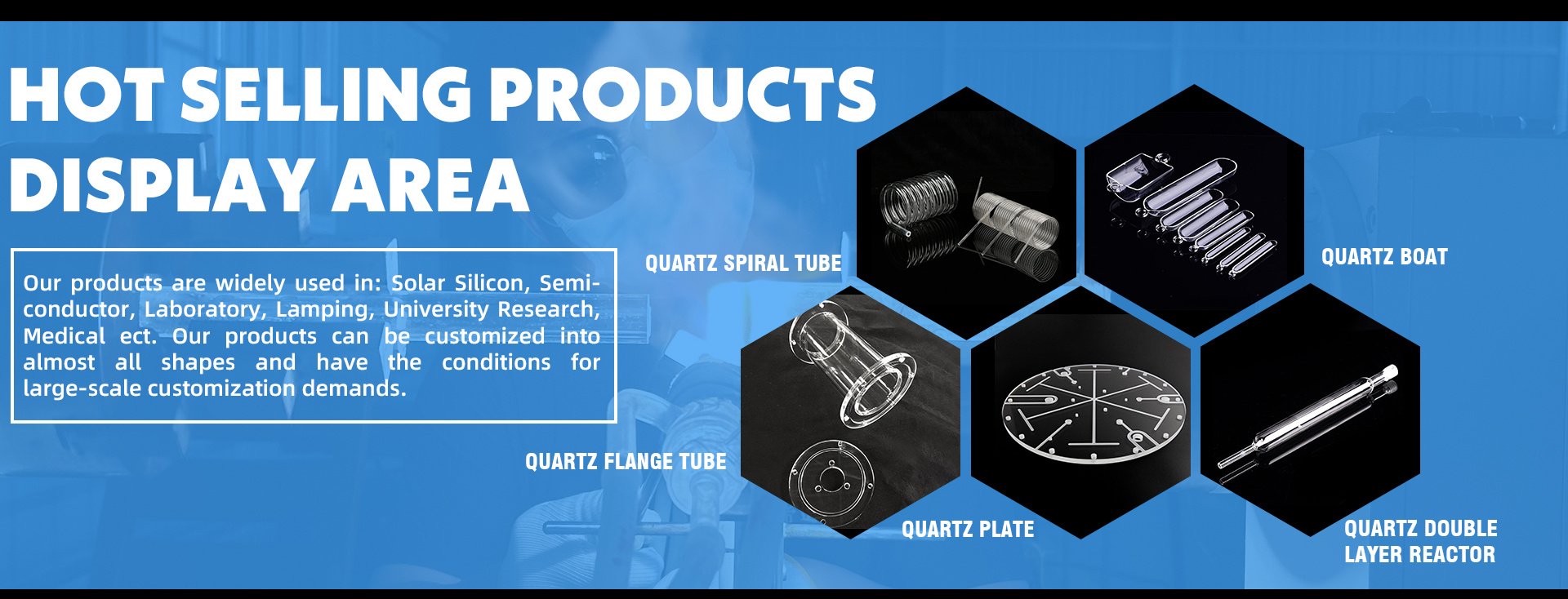
Specialized Distillation Applications Across Middle Tennessee
Configured for rigorous thermal and chemical environments in educational, biomedical, and advanced industrial hubs.
High-Purity Solvents & Battery Electrolytes
Tennessee’s rapidly accelerating electric mobility and battery research requires solvents (e.g., ethylene carbonate, dimethyl carbonate) with moisture content below 5 ppm and near-zero lithium ion contamination. Our quartz distillation setups withstand vigorous dehydration agents and high reflux temperatures, outperforming standard borosilicate that releases metal traces into sensitive electrolyte formulations.
Biomedical & Peptide Synthesis
Within Nashville's biotechnology laboratories, fractional separation of peptide-cleavage cocktails containing trifluoroacetic acid (TFA) and hydrofluoric acid traces degrades borosilicate glass surfaces. High-density fused silica flasks ensure smooth, un-etched internal walls, eliminating nucleating sites that cause uncontrolled boiling, foaming, and loss of expensive bio-conjugates.
Botanical Extraction & Molecular Distillation
Regional botanical processing labs in Middle Tennessee utilize our 2-liter to 20-liter spherical round bottom and distillation flasks for wiped-film and short-path winterization and terpene isolation. The elevated optical clarity (transmittance >92% in visible light) permits operators to monitor distillation color bands and boiling transitions in real-time under intense vacuum.
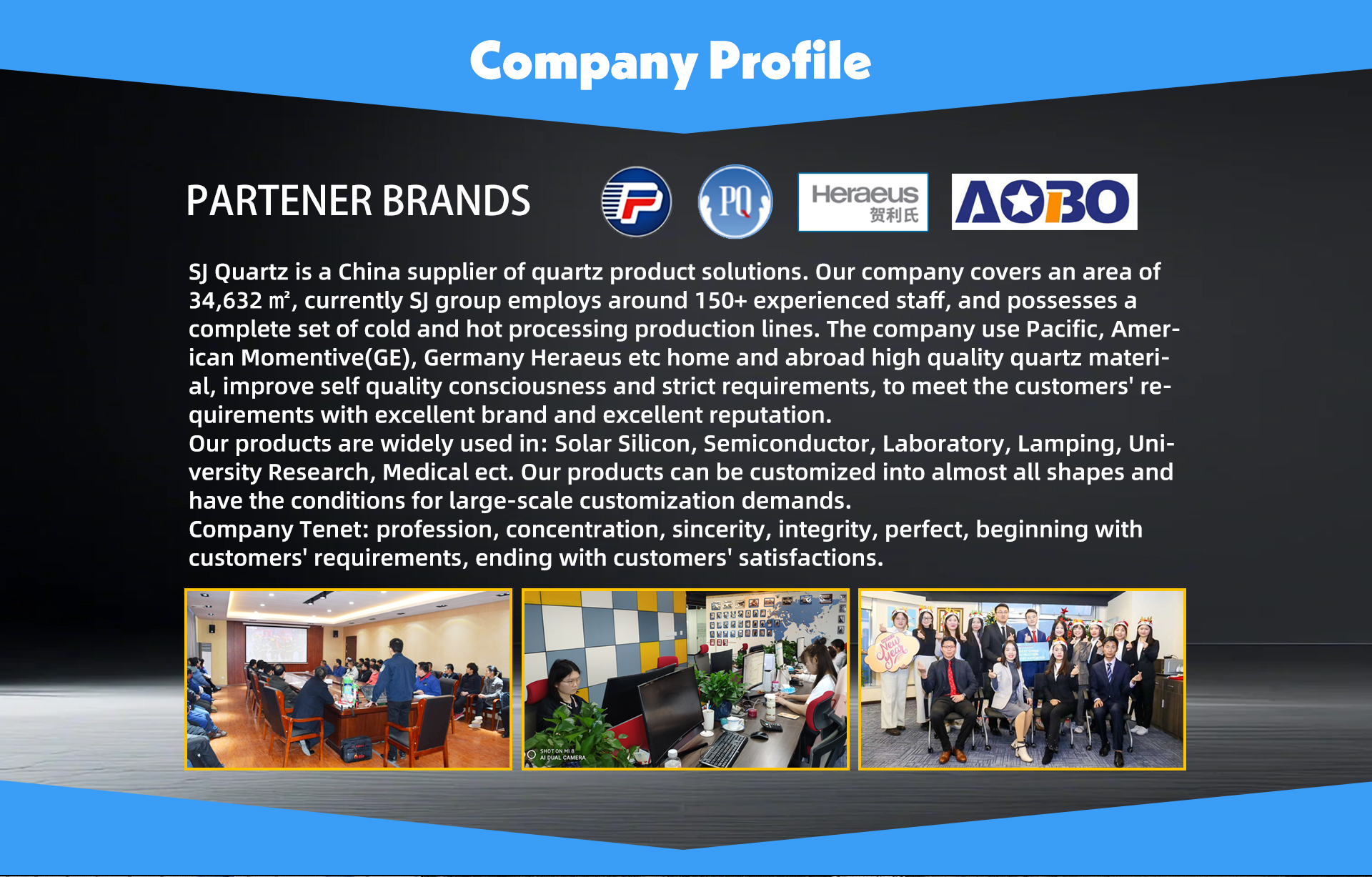
Lianyungang Vulra Quartz: Direct from Donghai, the Crystal Capital
Lianyungang Vulra Quartz Products Co., Ltd. operates at No. 9, Dingxin Road within the Jiangsu Donghai Economic Development Zone. Donghai County supplies over 70% of China's natural high-purity quartz reserves, giving us an unmatched geographic advantage in securing premium feedstock without middleman markups.
As a TÜV Rheinland on-site assessed manufacturer, our modern 12,000 m² facility features integrated hot flame lathes, oxy-hydrogen torches, CNC diamond edge grinders, double-sided optical polishers, and high-capacity electrical annealing lehrs. We control the complete process chain: from quartz crystal melting to precision taper grinding, ultrasound acid washing, and metrology verification.
- TÜV Rheinland Verified: Factory premises, legal status, and cleanroom production verified on-site.
- CE & RoHS Certified: Full regulatory compliance for analytical instruments and export markets.
- Custom Drawings from 1 Piece: Rapid prototyping from CAD/PDF drawings within 3 to 7 working days.
- Total Stress Relief Annealing: Polarimeter-inspected to guarantee residual birefringence below 5 nm/cm.
From High-Purity Raw Sand to Nashville Delivery
Every quartz distillation flask undergoes a multi-stage validation sequence ensuring mechanical stability under high vacuum and heat.
1. Precision Hot Lathe Blowing
Fused silica tube blanks are clamped on synchronized lathes and heated by automated oxy-hydrogen burners exceeding 2000°C. Controlled pneumatic shaping ensures consistent wall thickness across hemispherical bottoms and side-arm takeoffs.
2. Diamond Joint Grinding
Neck joints (single, two-neck, three-neck angled, and Vigreux column indentations) are ground using diamond-impregnated abrasives to standard 1:10 tapers, guaranteeing interchangeable compatibility with standard American lab clamps.
3. Furnace Annealing
Every welded flask undergoes a precise annealing schedule at 1150°C in programmable electric furnaces to eliminate micro-stresses introduced during flame forming, followed by slow cooling through the strain point (1075°C).
4. Export Vacuum Crating
Parts are hydrofluoric-acid etched to strip surface micro-contaminants, rinsed with 18.2 MΩ·cm DI water, wrapped in dust-free PE film, and packed into custom high-density EPE foam slots inside IPPC-certified plywood export crates.
Frequently Asked Questions by Nashville Lab Managers
Direct technical and logistical insights for procurement officers, lab principal investigators, and chemical engineering teams.
How do shipping lead times from Donghai, China to Nashville, TN operate for custom quartz flasks?
Can you customize neck angles, Vigreux indentations, and thermowell depths to match existing Nashville setups?
How do your quartz flasks resist devitrification during continuous high-temperature distillations?
What measures guarantee that fragile quartz glassware arrives unbroken in Tennessee?
How does your quote and payment structure work for US institutional and university purchase orders?
Request a Custom Quartz Distillation Flask Quotation
Whether you require standard 250ml to 5000ml round bottom distillation flasks or complex multi-port vacuum reactors, our engineering group in Donghai will review your CAD drawings and provide a competitive quote within 12 hours.