High-Performance Quartz Thermal & Laboratory Components
Direct factory supply for St. Catherine and Greater Kingston industrial operations. Standardized models with custom drawing support from 1 piece.
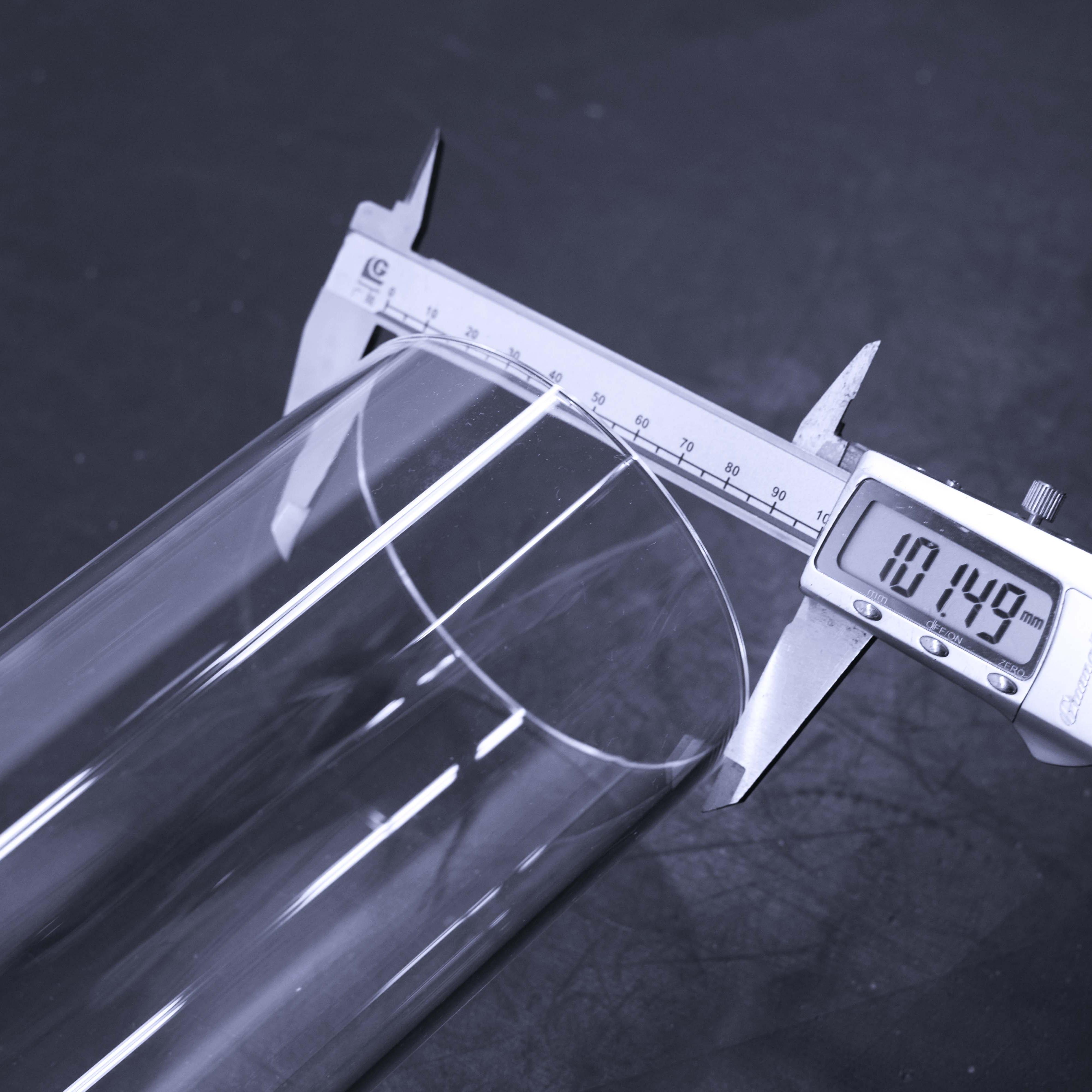 1100°C Rated
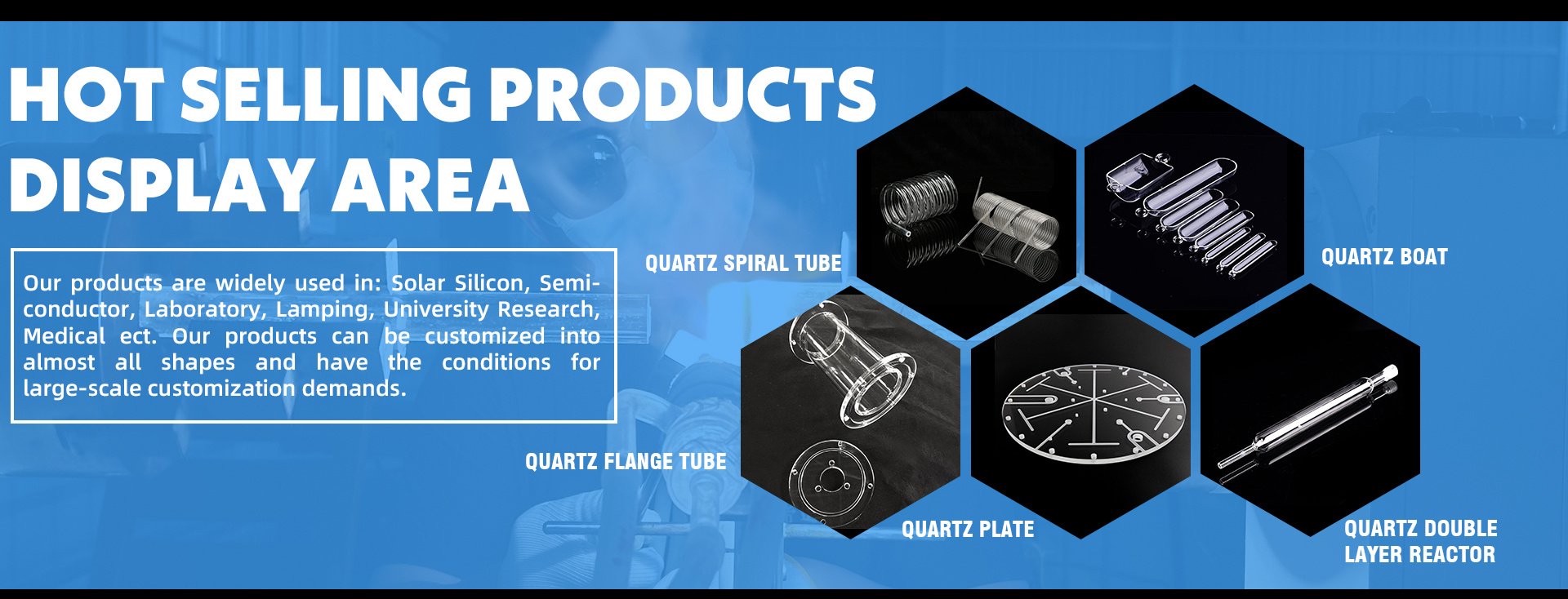
High Purity Quartz Transparent Polished Glass Tube
- SiO2 Purity ≥ 99.99%
- High Temperature & Shock Proof
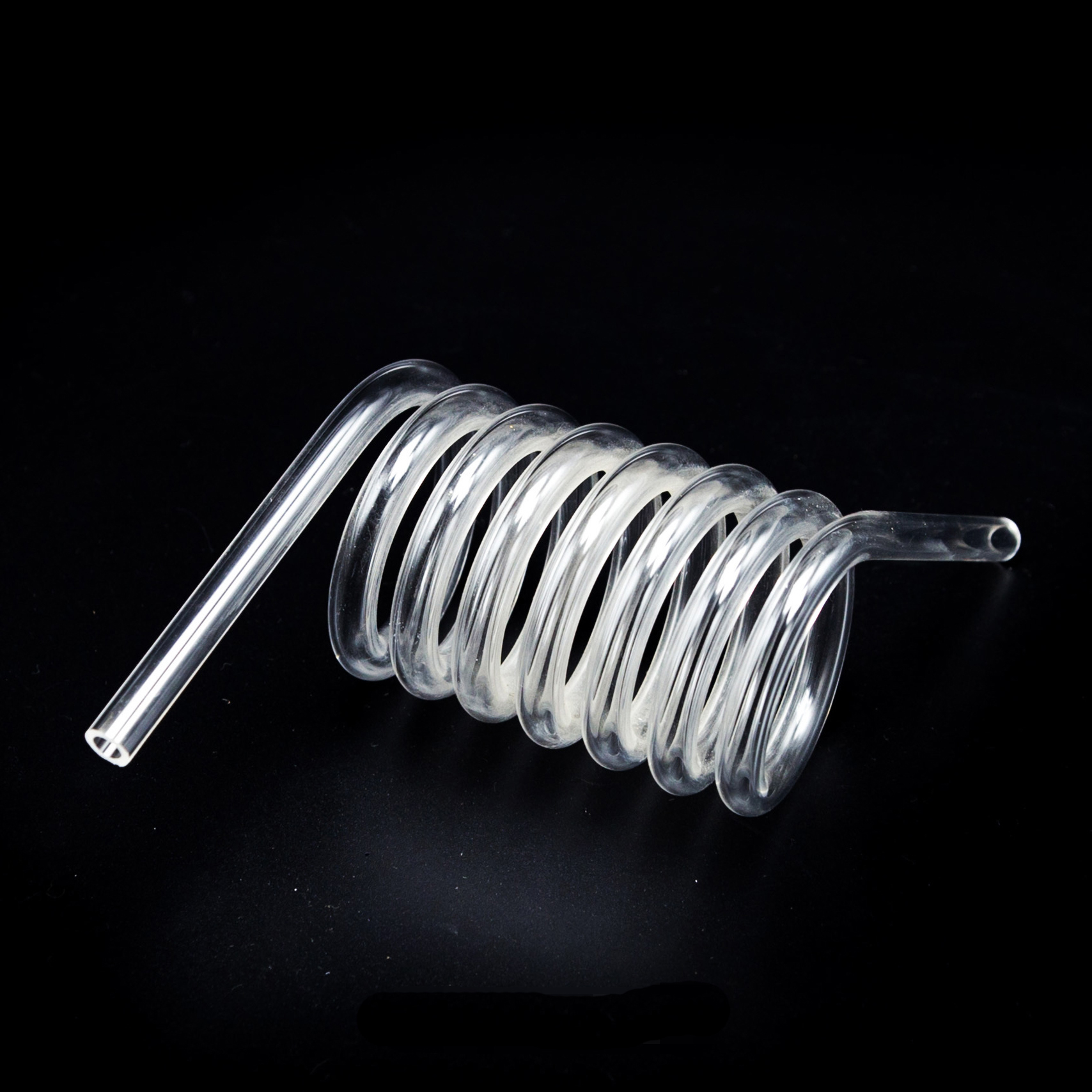 Custom Form
Spiral & Bent Custom Polished Clear Quartz Tubes
- Flame Precision Lathe Bending
- Micro & Small Diameter Cutting
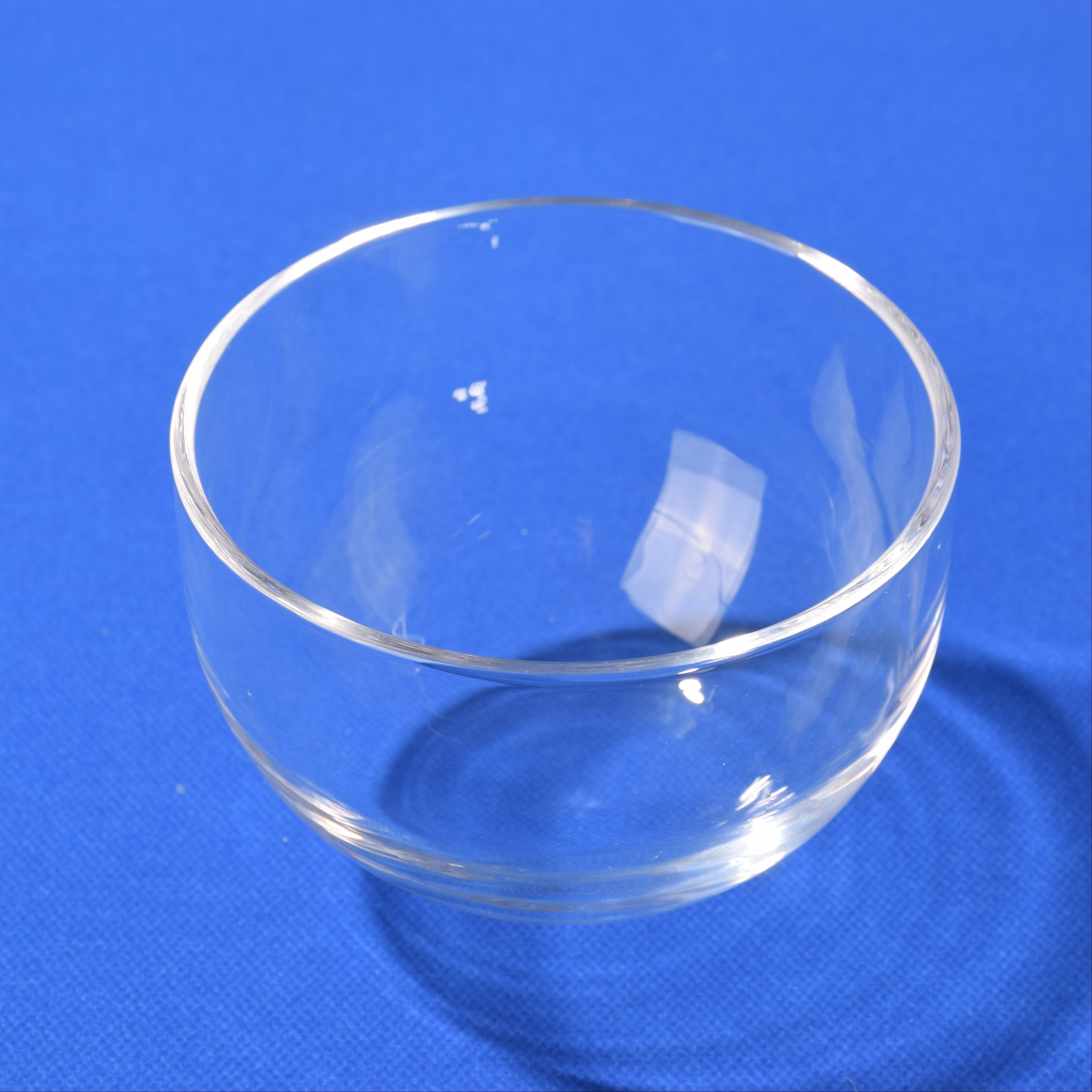 1683°C Softening
Clear Refractory Fused Quartz Crucible Bowl SJ
- High Tension Strength 48 N/mm²
- Semiconductor Grade Metallurgy
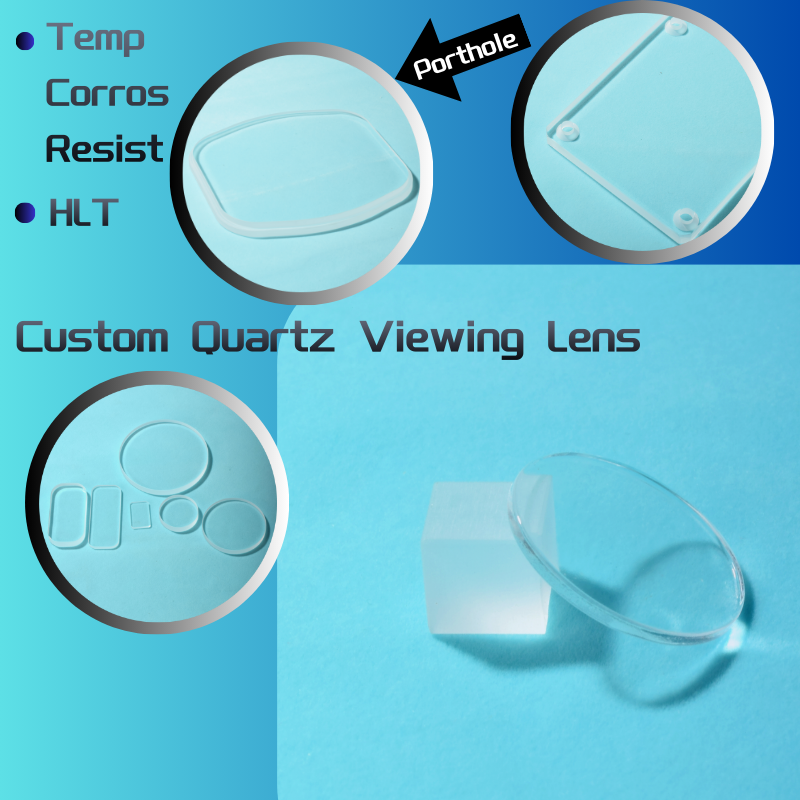 Optics Grade
Natural Fused Quartz Square Thin Optical Slide
- High UV-Vis-IR Transmittance
- Precision CNC Grinding & Edge Cut
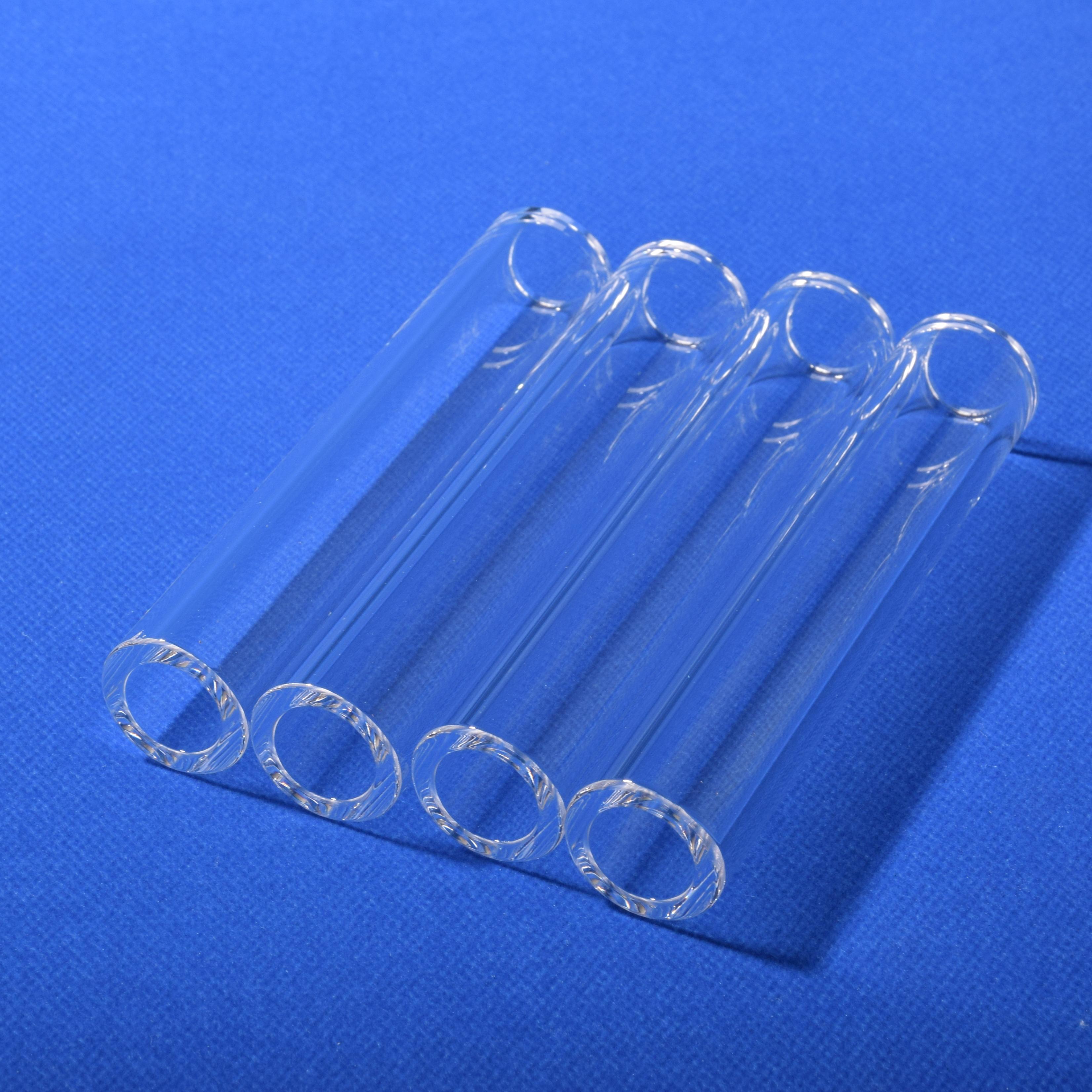 Heavy Duty Wall
SJ 150 Oversized Thick Wall Polished Quartz Tube
- Corrosion Resistant to Marine Air
- Ozone Free Heavy Duty Envelope
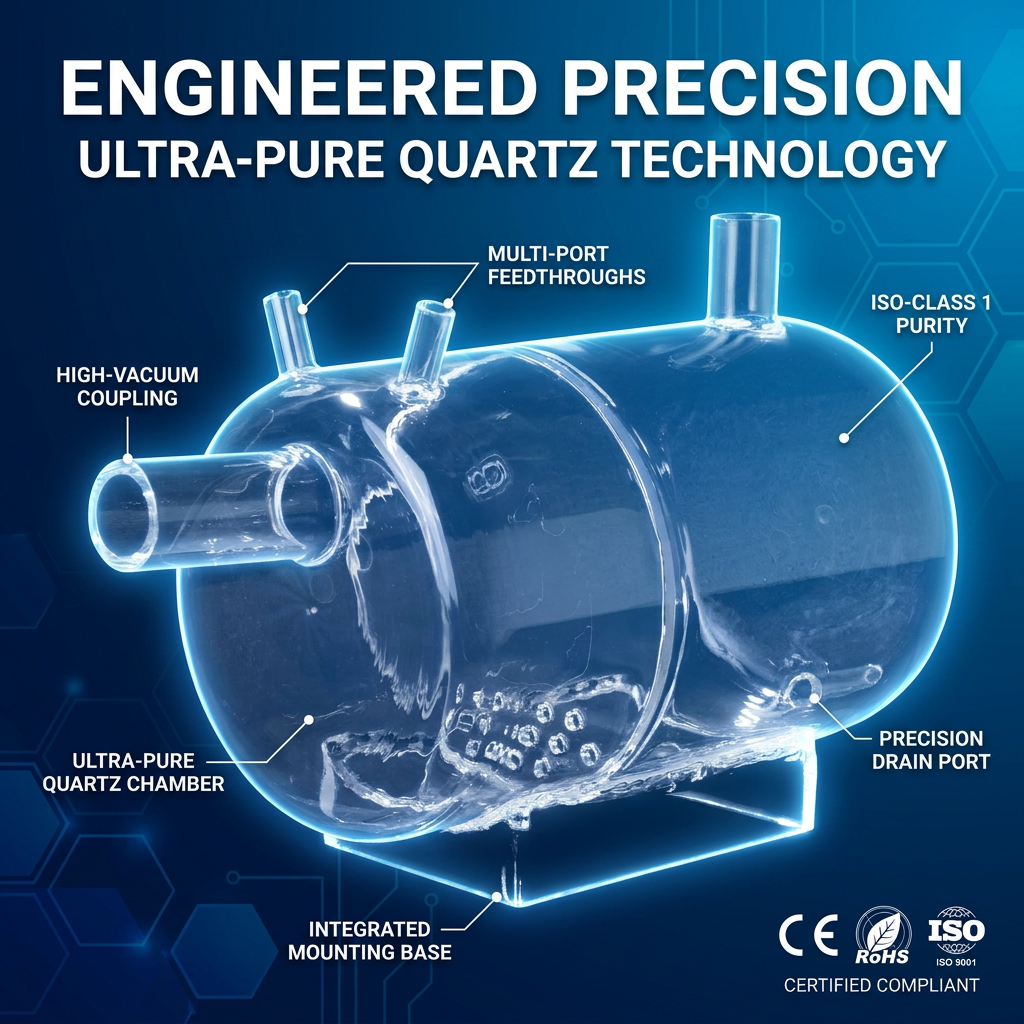 99.999% Purity
Precision Quartz Separating Glassware Container
- Pure Chemical Insoluble Matrix
- Acid, Halogen & Alkaline Proof
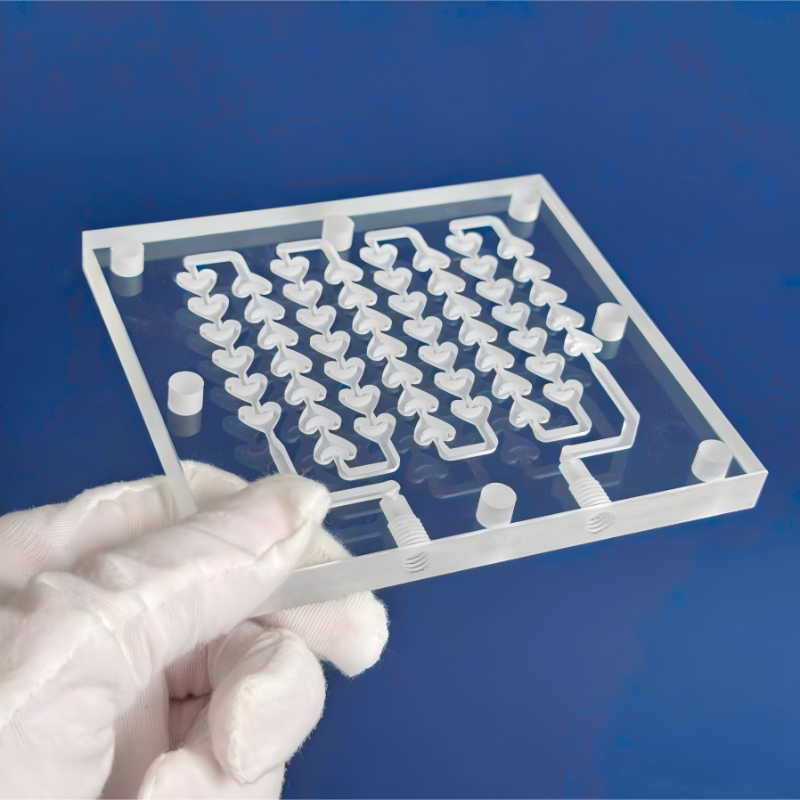 1750°C Melting
High Thermal Conductance Quartz Interlayer Discs
- Rapid Conductive Thermal Transfer
- Low Dielectric Dissipation Loss
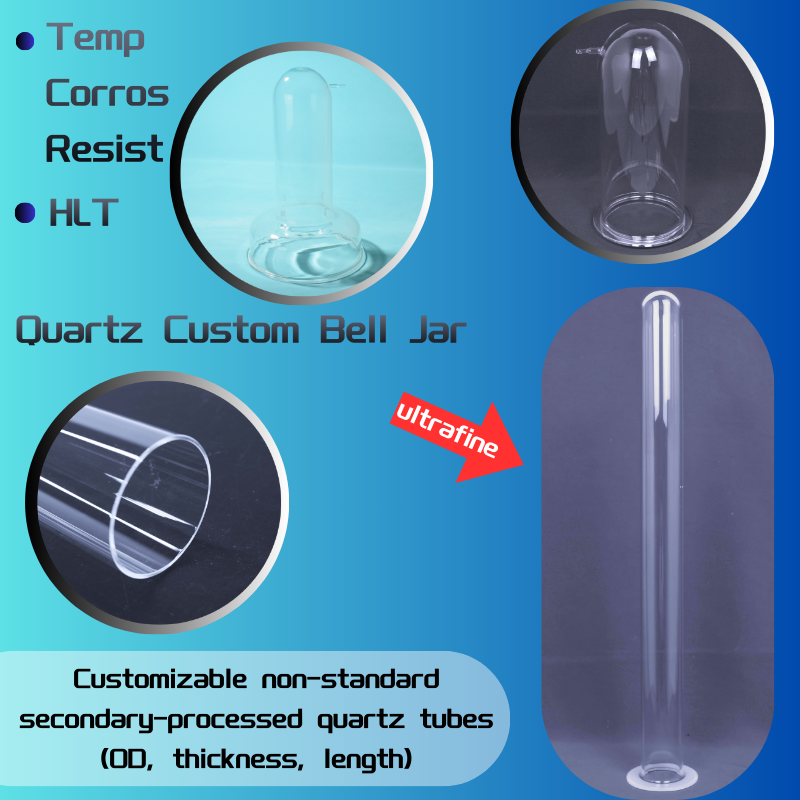 Vacuum Leak-Proof
SJ 130 High-Precision Negative Pressure Vacuum Tube
- Hermetic Seal for Halogen & Carbon
- Extreme Wall Uniformity (±0.05mm)
The Physics of Quartz Heating: Why Portmore Industry Relies on Fused Silica
A rigorous examination of infrared radiation mechanics, thermodynamic endurance, and why quartz glass envelopes outperform traditional ceramic and metal sheathed elements in the Jamaican climate.
Infrared Spectral Matching
Thermal radiation transfer efficiency is dictated by Planck’s Law and Wien's Displacement Law. Vulra Quartz tubes transmit between 0.2 µm and 4.5 µm with greater than 92% optical efficiency. Whether your process demands short-wave infrared (SWIR, 0.8–1.4 µm) for deep core penetration or medium-wave (MWIR, 1.4–3.0 µm) for water and solvent vaporization, our pure silica matrix eliminates atmospheric absorption losses.
Zero Thermal Shock Risk
Boasting an exceptionally low coefficient of thermal expansion (CTE of approximately 5.5 × 10⁻⁷ /°C from 0 to 1000°C), our fused quartz tubes survive instantaneous temperature deltas of over 1000°C. In Portmore’s humid coastal manufacturing environment, where condensation and accidental liquid splashing cause catastrophic fracture in borosilicate or ceramic elements, quartz operates safely without failure.
Marine Atmospheric Immunity
Situated directly along the Kingston Harbour and Caribbean Sea, Portmore facilities battle severe airborne sodium chloride (NaCl) and sulfur dioxide deposition. Vulra Quartz utilizes 99.99%–99.999% amorphous silicon dioxide, completely non-porous and chemically inert against halogens and acid condensates, eliminating the oxidative devitrification common in inferior imported quartz.
| Heating Emitter Attribute | Vulra Pure Quartz Heating Tube | Standard Borosilicate Tube | Ceramic / Metal Sheathed Emitter | Portmore Industrial Impact |
|---|---|---|---|---|
| Continuous Operating Temp | 1100°C (Peaks to 1450°C) | 450°C – 500°C | 700°C – 800°C | Enables rapid thermal processing & high flux |
| Thermal Expansion (CTE) | 5.5 × 10⁻⁷ /°C | 33 × 10⁻⁷ /°C | 120 × 10⁻⁷ /°C | Zero cracking from water splash or thermal cycle |
| IR Radiation Efficiency | > 92% Direct Radiant Flux | 65% – 72% (High Convective Loss) | 40% – 55% (Primarily Convective) | 35% electricity reduction on JPS grid rates |
| Response Time (0 to 100%) | 1 to 2 Seconds (Tungsten/Halogen) | 15 to 30 Seconds | 5 to 15 Minutes (Thermal lag) | Precise PID heat cycling; prevents burnt batches |
| Marine Airborne Salt Resistance | Absolute Imperviousness | Surface etching over 6 months | Severe galvanic pitting & sheath corrosion | Extends field life from 3,000 hrs to 8,000+ hrs |
Engineering Solutions for Portmore & St. Catherine Industry
As the largest dormitory city in the English-speaking Caribbean transitions into an independent municipal commercial hub, our quartz heating systems power key regional production sectors.
Agro-Processing & Food Dehydration
Portmore acts as a strategic distribution corridor for St. Catherine, Clarendon, and Manchester agricultural goods. Our medium-wave twin-bore quartz emitters provide the precise 2.5 µm to 3.0 µm infrared wavebands necessary for rapid moisture removal in Jamaican Scotch Bonnet pepper mash, blue mountain coffee roasting, cassava flour processing, and tropical fruit drying without surface case-hardening or aromatic degradation.
PET Bottle Blow Molding & Packaging
Jamaica's thriving beverage, rum, and purified water bottling operations rely heavily on quartz radiant tunnels for preform heating. Vulra clear and ruby quartz halogen heating tubes ensure even axial and circumferential temperature distribution within PET preforms, preventing bottle sidewall thinning and blowouts during stretch-blow processes under variable local ambient humidity.
Automotive Body Curing & Surface Finishing
With hundreds of body shops and fleet service centers across Portmore, Braeton, and Greater Portmore, fast automotive clear-coat and epoxy primer curing is critical. Our gold-reflector backed short-wave quartz tubes reflect over 95% of back-directed IR forward, curing multi-panel polyurethane automotive paints from the inside out in 8 to 12 minutes—impervious to humid sea air.
Textile Printing & Plastisol Gelation
Commercial screen-printing and apparel manufacturing workshops in St. Catherine demand rapid, repeatable flash-cure units. Vulra carbon fiber and tungsten quartz heating tubes offer near-instant on/off cycling (under 2 seconds), eliminating the fire hazards and heat buildup associated with continuous-on ceramic elements in non-air-conditioned tropical workshops.
Portmore Market Trends: Efficiency, Grid Realities & Decarbonization
Understanding the intersection between Jamaican electric power tariffs, industrial modernization, and high-efficiency quartz infrared conversion.
Mitigating High Commercial Electricity Rates (JPS Tariff Analysis)
Electricity tariffs in Jamaica, managed through the Jamaica Public Service (JPS), consistently rank among the highest in the Caribbean region—frequently averaging between USD $0.28 and $0.38 per kilowatt-hour, subject to volatile fuel charge adjustments (IPP and IPG indices). For manufacturers in Portmore and Kingston industrial belts, legacy resistive heating methods (such as open-coil nichrome or cast-iron hotplates) waste upwards of 40% of input electrical energy heating ambient air.
By transitioning to directional quartz infrared heating tubes equipped with sputtered ceramic or pure gold reflectors, radiant heat is focused exclusively on the target product substrate. This eliminates convective warmup delays, yielding measured energy reductions of 30% to 52%, directly boosting industrial net profit margins in Portmore.
- Single-Phase & Three-Phase Alignment: Tailored voltage engineering compatible with Portmore’s 110V/220V 50Hz and 415V three-phase commercial distribution.
- Ozone-Free Clean Room Compliance: Absorptive glass formulations blocking shortwave UV below 220nm prevent ambient ozone creation in food/beverage clean packaging lines.
- Rapid Retrofitting of European & North American Machinery: OEM replacement tubes matching Heidelberg, Krones, Sidel, and custom drying tunnels without rewiring.
Why International Engineers Choose Vulra Quartz
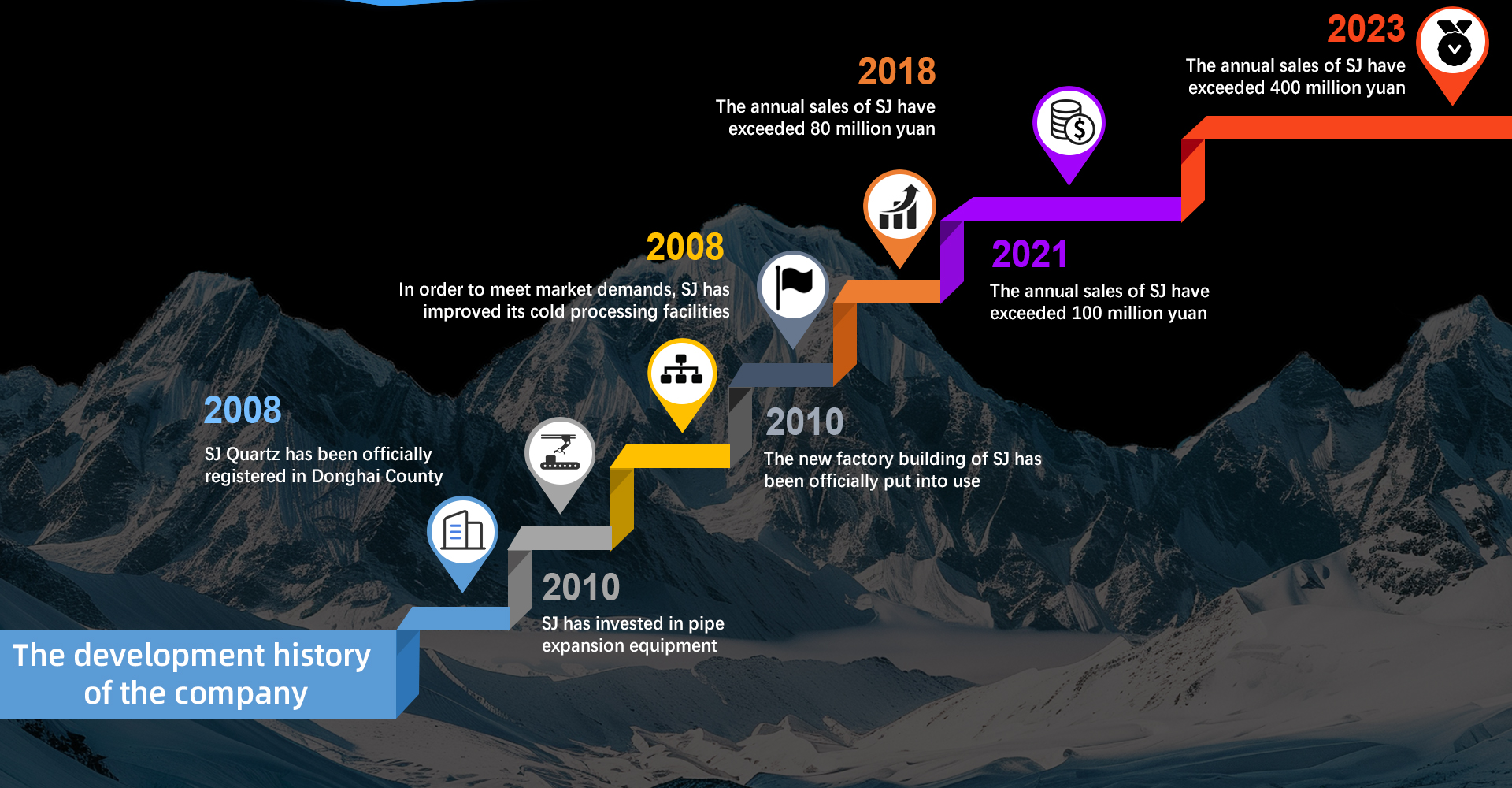
Rooted in Donghai County—the crystal capital of the world—Lianyungang Vulra Quartz Products Co., Ltd. combines premier silica raw materials with strict German TÜV Rheinland verified manufacturing standards.
Donghai Mineral Wealth
Our geographic location in Donghai, Jiangsu Province grants us direct access to high-purity natural silica sand formations. We control the raw sand purification chain, guaranteeing iron content < 0.2 ppm, titanium < 1.0 ppm, and hydroxyl content (OH⁻) customizable below 5 ppm for deep infrared applications.
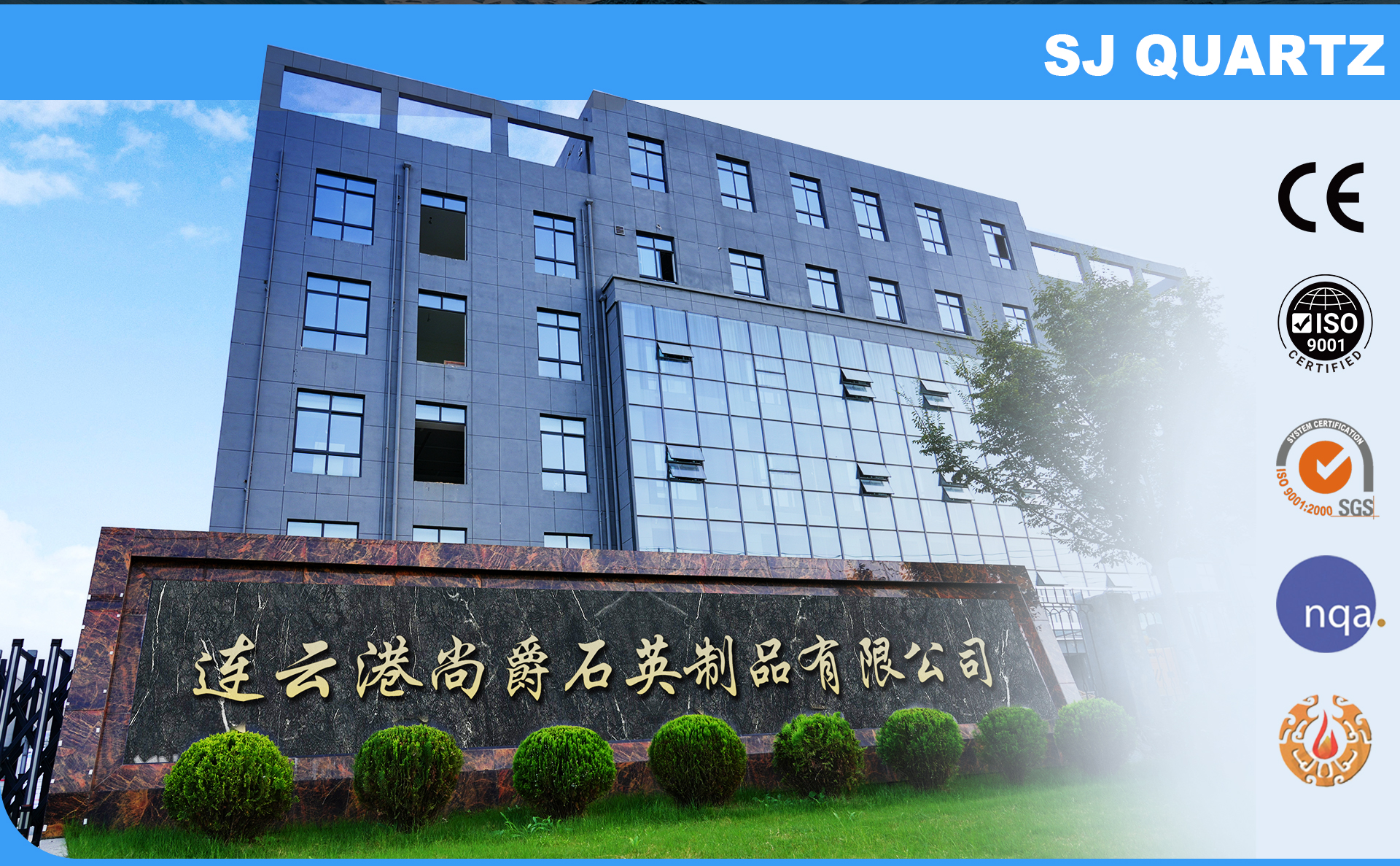
TÜV Rheinland Inspected
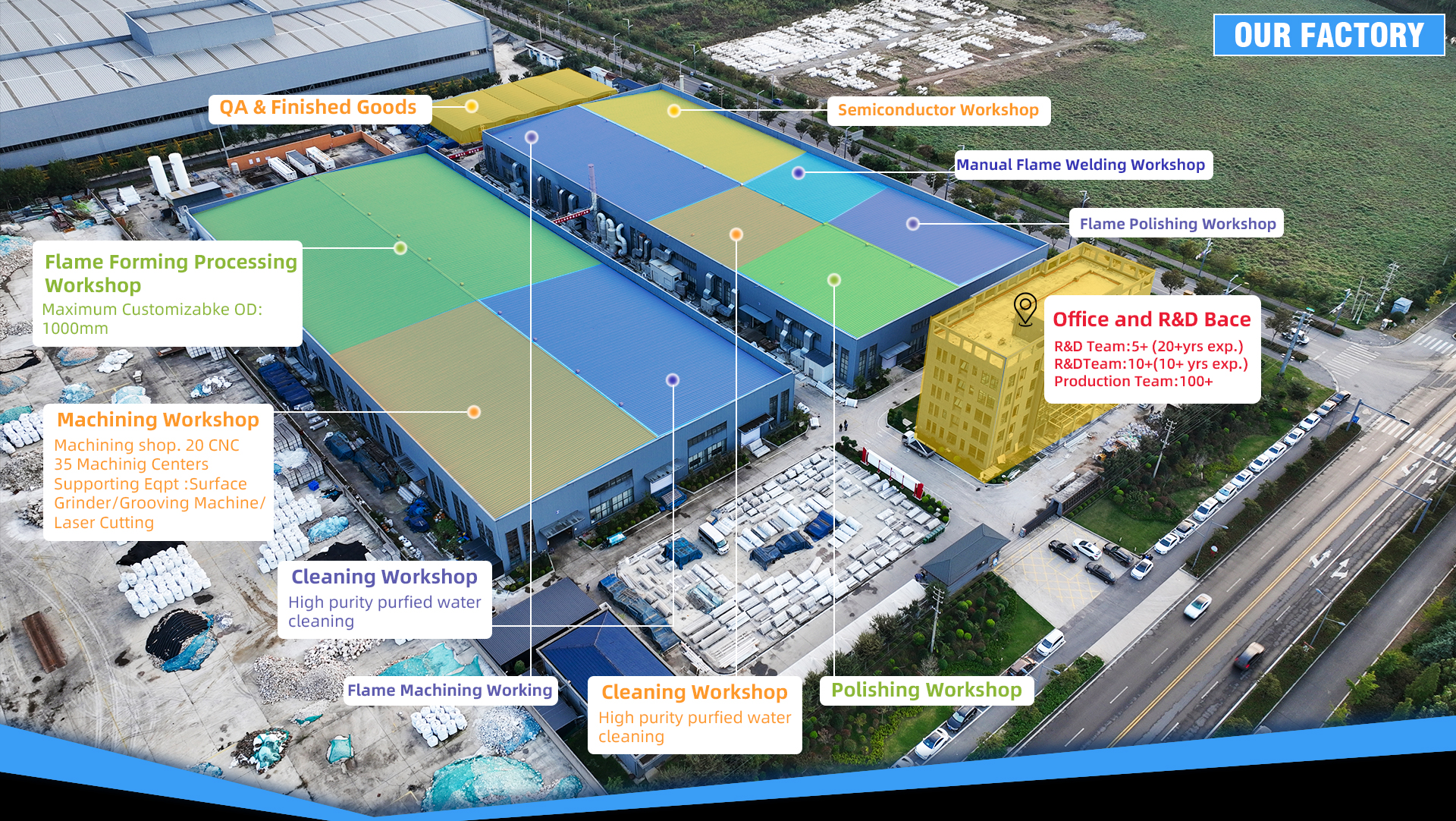
Unlike trading intermediaries, Vulra Quartz is an on-site verified manufacturer audited by TÜV Rheinland. Our fully integrated facility features dedicated hot-working oxy-hydrogen glass lathes, computer-controlled cold CNC cutting benches, optical flat-polishing machinery, and automated acid wash lines.
Full Drawing Customization (From 1 PC)
We eliminate high barrier-to-entry tooling costs. Whether you need a singular experimental bent quartz tube, an oversized furnace crucible with 48 N/mm² tension strength, or 5,000 standardized replacement infrared heating tubes, our engineering group builds directly from your CAD/PDF drawings.
Precision Oxy-Hydrogen Flame Working
Seamless quartz welding, hermetic seal pinching, and end-cap configuration under 2000°C flame manipulation.
Diamond Edge Cold Cutting
High-precision laser and diamond blade sizing achieving micro-tolerances within ±0.05 mm without micro-fracturing.
Annealing & Stress-Relief Furnaces
Thermal cycle de-stressing at 1150°C prevents internal stress fractures during high-cycle Jamaican industrial operations.
Frequently Asked Questions for Portmore Buyers
Crucial commercial, technical, electrical, and shipping guidance addressed by our senior thermal applications engineering team.
How do you guarantee the electrical compatibility with Jamaica’s 50Hz grid?
While the United States operates on 60Hz, Jamaica’s public electrical network operates at 50Hz with varying standard voltages: 110V/220V residential and commercial, as well as 415V three-phase industrial. Pure resistive and halogen quartz heating elements are frequency-independent (50Hz vs 60Hz does not alter thermal output). However, we precisely balance the tungsten or iron-chromium resistance wire gauge (swg/awg) and filament pitch against your exact terminal line voltage to guarantee that rated kilowatt output is strictly delivered without over-current tripping.
How does Vulra Quartz pack fragile long quartz tubes to survive transit to Kingston Wharves?
Transporting fragile glass over long ocean routes (typically via Kingston Container Terminal or Norman Manley International Airport) requires specialized packing. Every quartz tube is wrapped in anti-static PE foam, encased in high-density polyethylene shock sleeves, packed into partitioned inner honeycomb cartons, and finally placed into fumigated, steel-banded marine plywood crates lined with 20mm expanded polystyrene. Our historic ocean freight break rate to the Caribbean is below 0.15%.
What is the practical difference between Clear, Ruby, and Gold-Coated Quartz Tubes?
Clear quartz provides full-spectrum transmission (UV through mid-IR) ideal for general industrial processing. Ruby quartz tubes filter out glaring visible light (under 600nm) while maintaining infrared transmission, reducing glare in factory workspaces. Gold-coated tubes have a microscopically thin 24K gold film permanently fired onto the rear hemisphere; gold reflects over 95% of rear infrared radiation toward the working zone, eliminating rear ceramic reflectors and boosting forward heat intensity by up to 35%.
Can you replicate obsolete or discontinued quartz tubes from old European equipment?
Yes. Many Portmore manufacturing lines operate reliable printing presses, thermoformers, and coating machines from German, Italian, or American manufacturers whose original replacement parts are prohibitively expensive or completely discontinued. You can send us a physical sample, technical drawing, or simply the critical measurements (total length, heated length, outer diameter, terminal type, voltage, and wattage). Our engineers reverse-engineer and ship fully compliant OEM replacements.
How do terminal seals withstand Portmore’s extreme humidity and sea-salt atmosphere?
Standard quartz elements with exposed brass or low-grade steel screw terminals experience rapid galvanic corrosion in coastal Caribbean locations. Vulra Quartz equips all maritime-bound heating units with steatite ceramic insulator blocks, nickel-plated copper lead wires, and hermetically sealed fluoroelastomer or high-temperature silicone lead egress seals rated to 350°C. This prevents air infiltration into halogen chambers and stops electrical arcing caused by salt-crust bridging.
What is the standard production and shipping lead time to Jamaica?
Standard quartz heating tube prototypes and customized small runs (1 to 20 pieces) are manufactured and tested within 7 to 10 working days. Production runs of 100 to 1,000 pieces take 15 to 20 days. For urgent plant breakdown situations in Portmore, express air freight (DHL, FedEx, or air cargo directly into Kingston KIN) delivers within 5 to 7 transit days. Consolidated ocean container shipments to Kingston Wharves typically take 28 to 35 days.