Featured Industrial Quartzware for Grodno Industrialists
Manufactured under strict ISO 9001 quality supervision from our dedicated production lines in Donghai, each quartz component below delivers unmatched thermal stability, chemical inertness, and deep optical clarity tailored for Western Belarus's industrial and analytical enterprises.
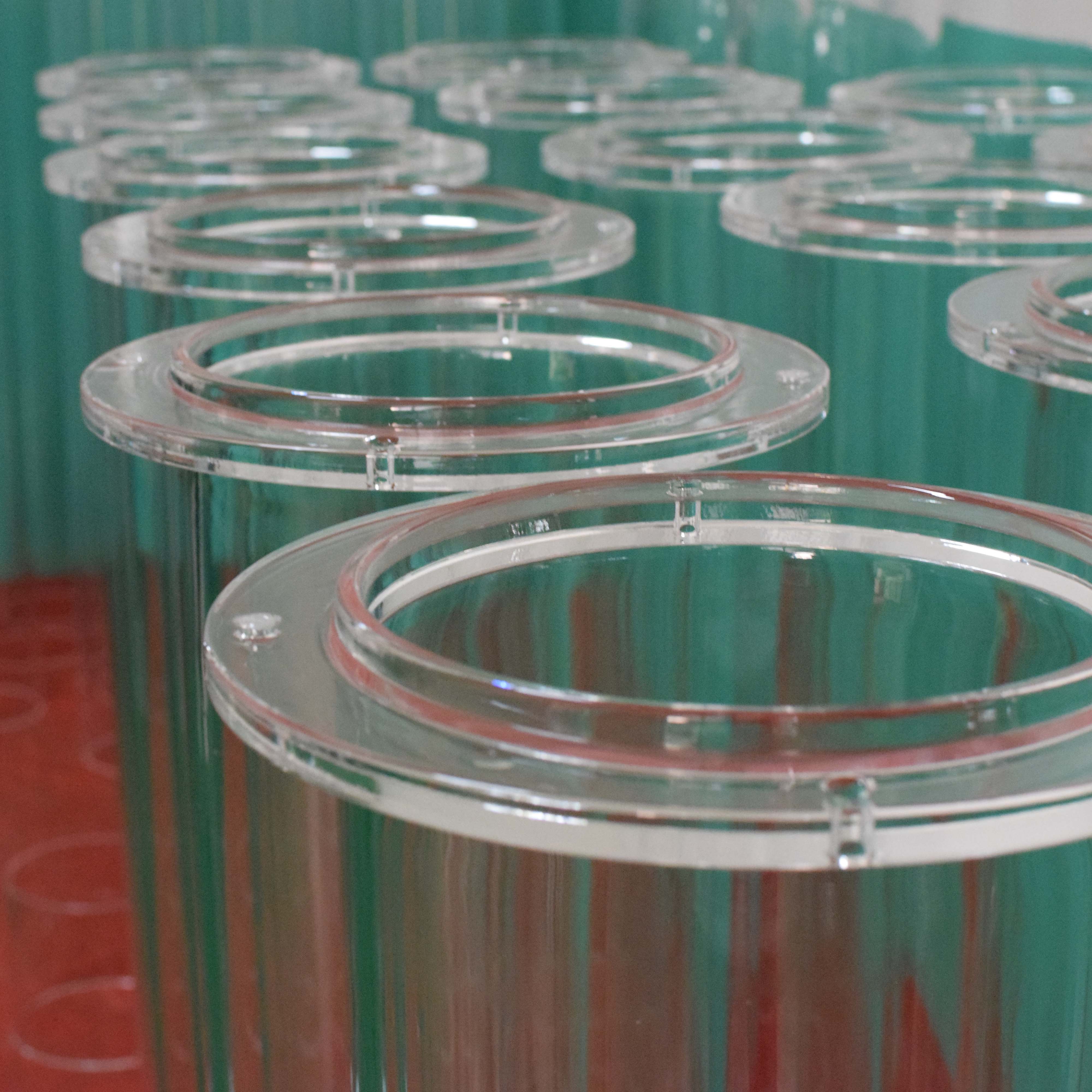
Single Crystal Quartz Glass Tube Flange Container
Precision welded and bent re-feeder tube flange container with flame-polished edges. Zero hydroxyl bubbling, ozone-free operation, and maximum mechanical stability under cyclic high temperatures.
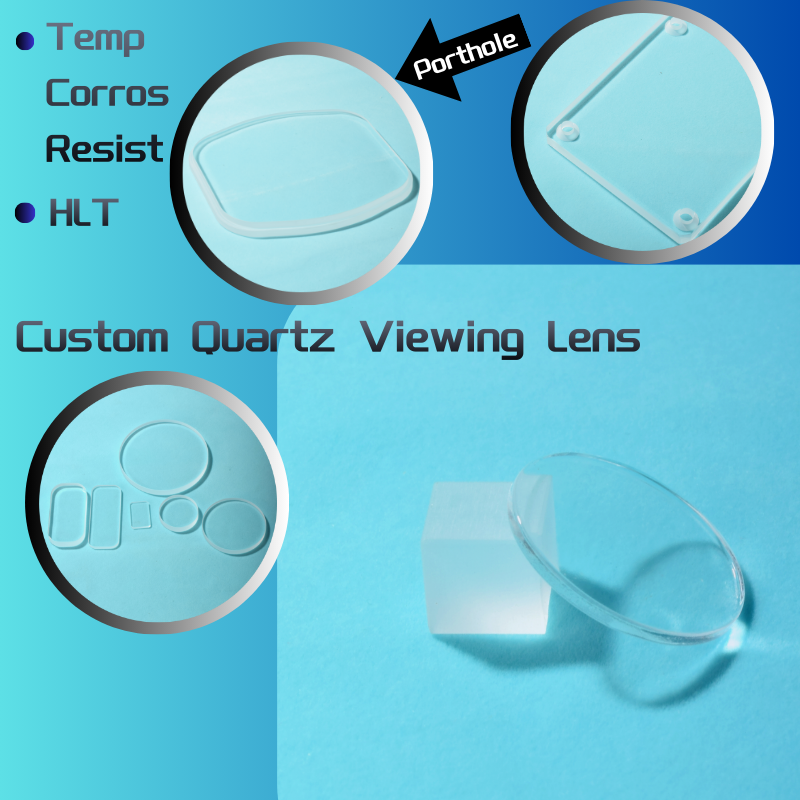
SJ SJ 126 Natural Fused Quartz Optical Glass Slide
Square ultra-thin quartz substrate engineered for laboratory spectroscopy and laser beam pathways. Superior surface flatness (λ/4) with >92% transmission in both UV and visible wavebands.
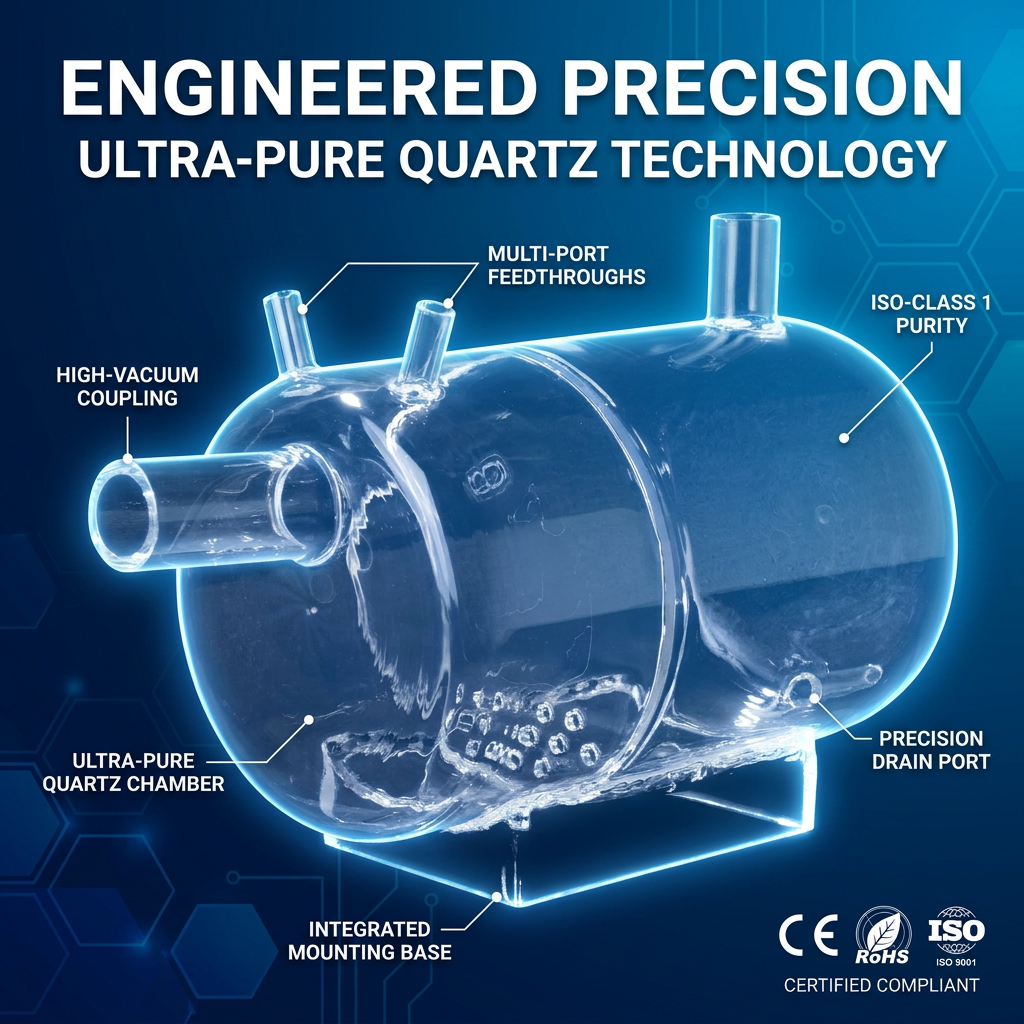
Semiconductor Precision Quartz Separating Container
Engineered for chemical separation and ultra-clean reagent purification. Corrosion-proof against all mineral acids except HF, providing contamination-free crystallization and fluid distillation.
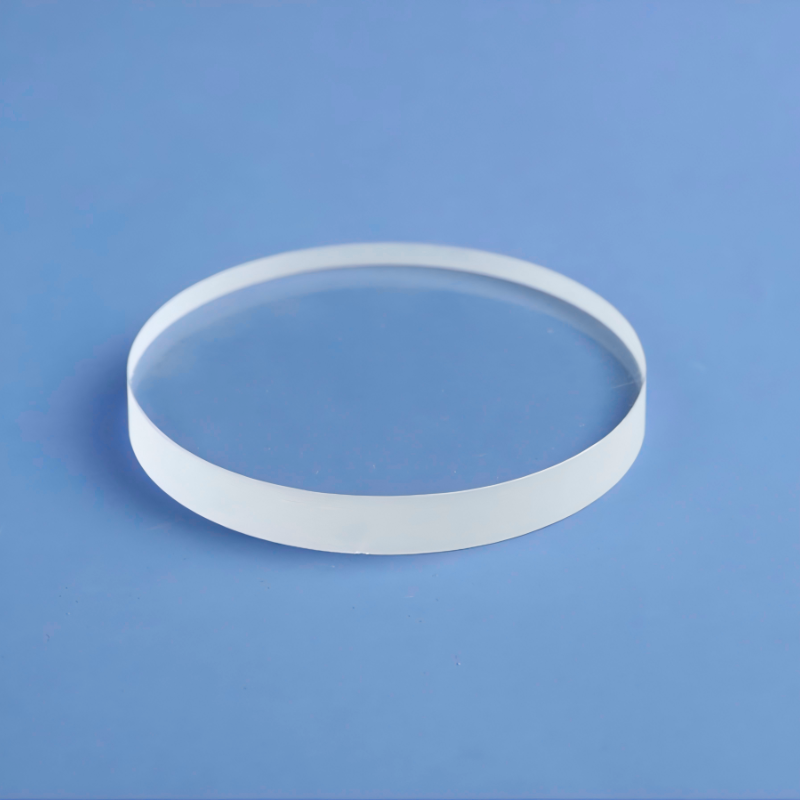
High-Temp Clear Quartz Tablets & Glass Sheets
Double-side lapped and polished fused silica sight discs with bevelled safety arrises. Custom-cut to precision tolerances for high-pressure observation ports in chemical reactors and calcination kilns.
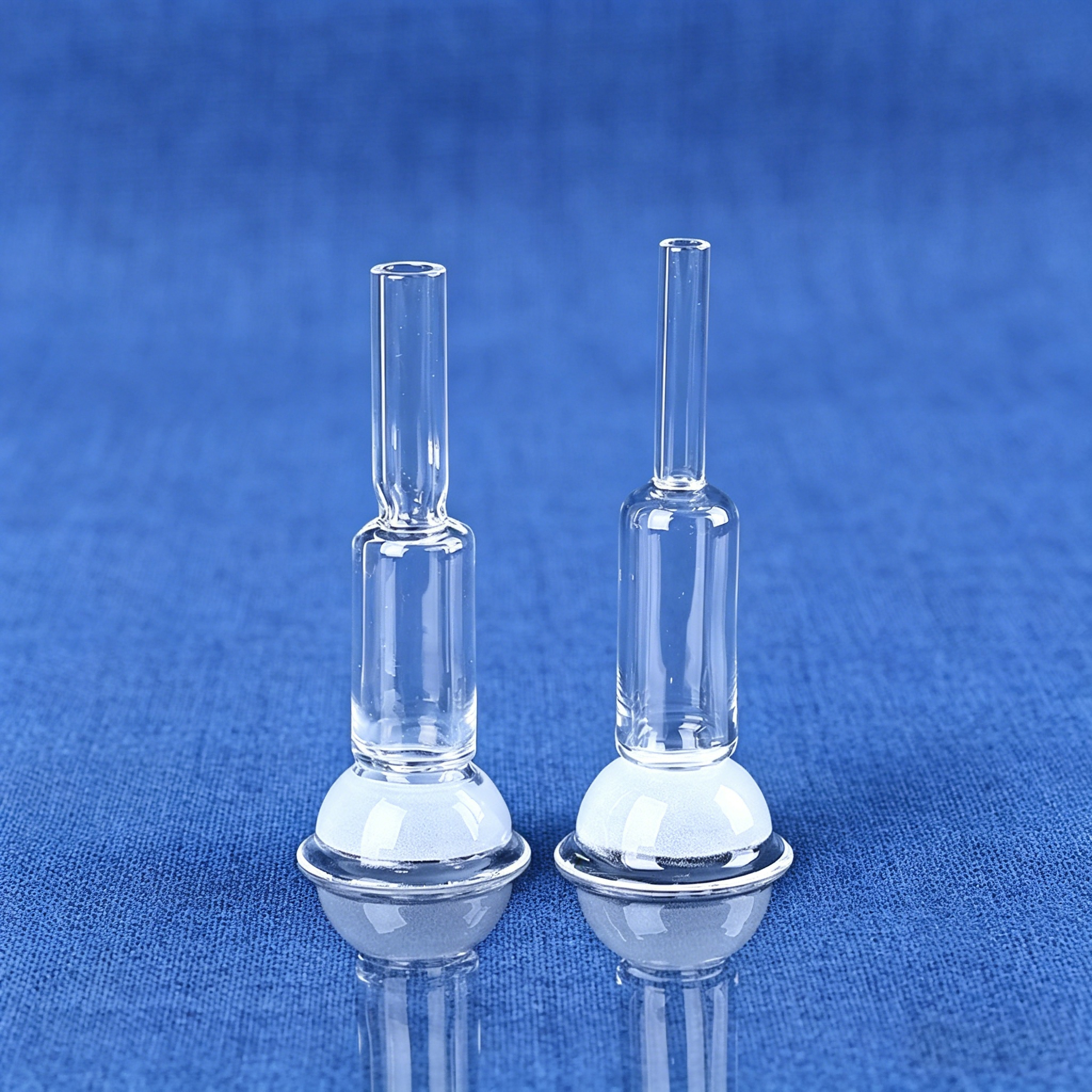
Custom High Purity Quartz C-Shaped BET Tube
Micro-bore quartz analysis tube built for BET gas physisorption and chemisorption equipment. Calibrated internal volume, vacuum-sealed flame bends, and resilience against aggressive degassing cycles.
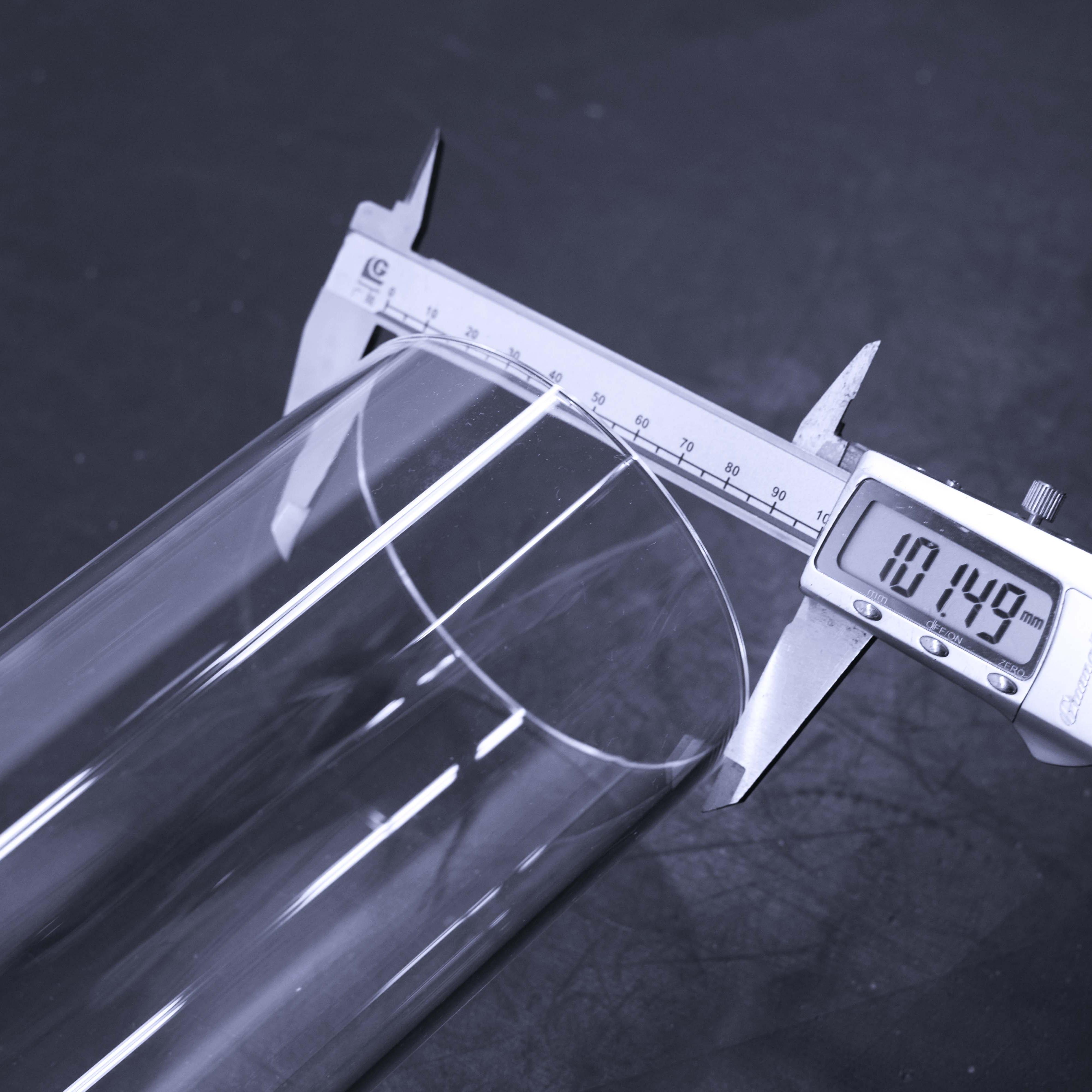
Customizable High-Purity Clear Quartz Process Tube
Continuous-drawn hollow quartz tubes with tight concentricity and uniform wall thickness. Ideal for horizontal tube furnaces, UV disinfection sleeves, CVD process chambers, and pyrolytic reaction jackets.
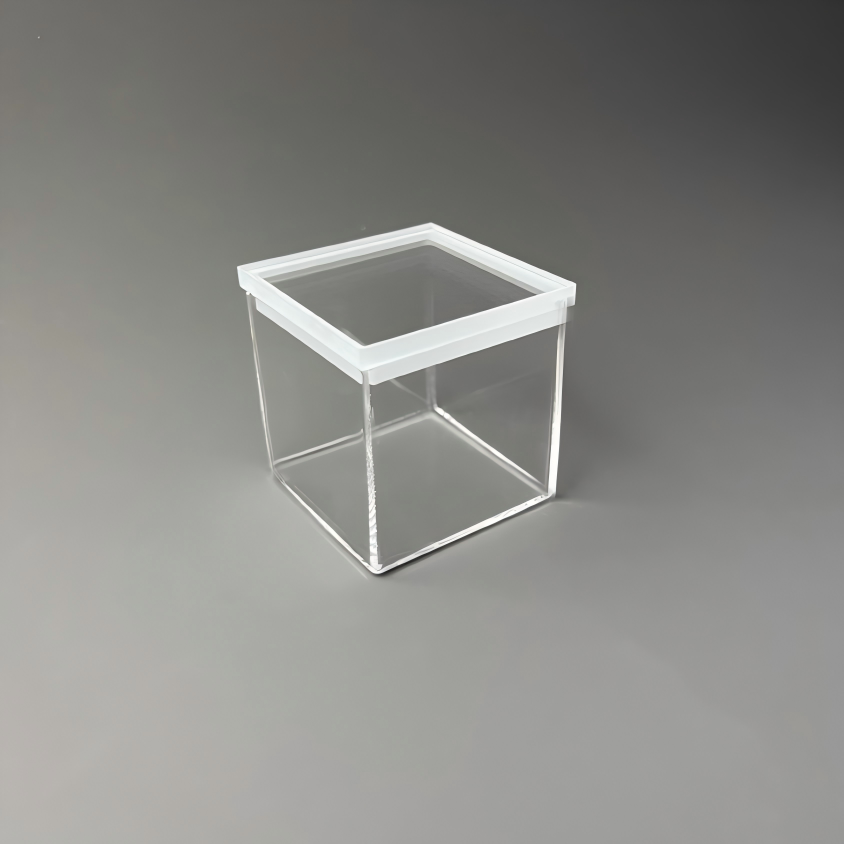
Sealed Photoelectrochemical Quartz Dome Cell
Hermetically sealed electrochemical reactor dome with polished optical transmission window. Designed for hydrogen evolution research, photocatalytic kinetic tests, and ozone-free photochemical decomposition.
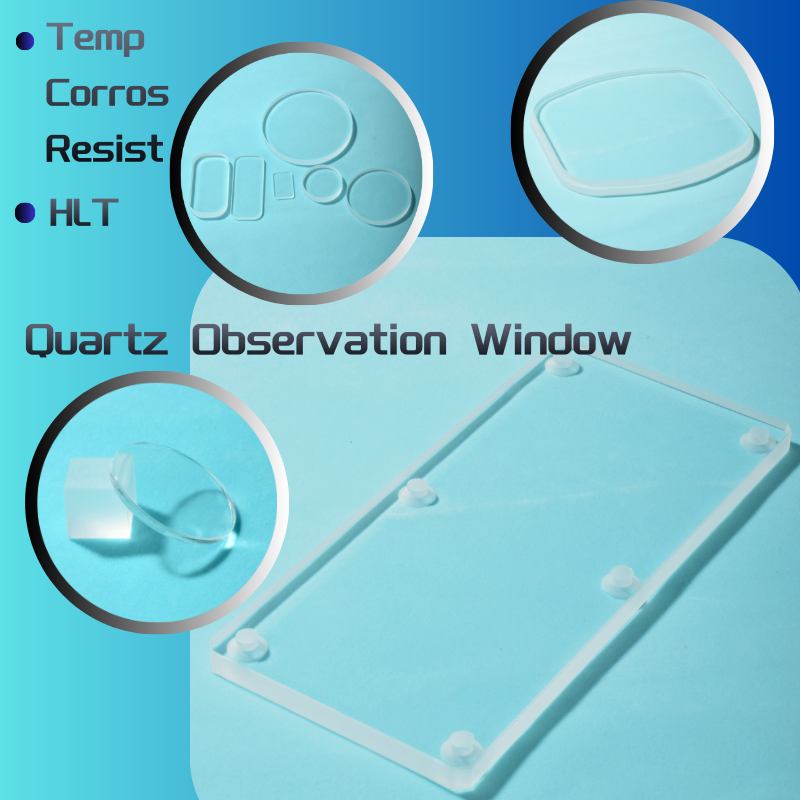
SJ Optically Clear Polished Quartz Plate
Heat and chemical resistant quartz plate exhibiting exceptional Mohs hardness (5.5–6.5), ultra-low thermal expansion coefficient (5.5×10⁻⁷ /K), and high damage thresholds for industrial laser cutting heads.
Synthetic Quartz (Synthetic Fused Silica) vs. Natural Fused Quartz
A comprehensive engineering guide for Belarusian procurement directors, process chemists, and instrument designers evaluating structural quartzware for high-temperature and extreme-corrosion processes.
Synthetic Quartz Glass (JGS1 Grade)
Synthetic quartz glass, manufactured through the flame hydrolysis of high-purity silicon tetrachloride (SiCl₄), represents the apex of amorphous silica refinement. Unlike natural fused quartz derived from crushed pegmatite crystals, synthetic quartz exhibits virtually undetectable metallic impurities (< 0.1 ppm total metals), eliminating the structural nucleation sites that cause premature devitrification under repeated thermal shock.
For applications in Grodno's specialized laboratories and photonics ventures, synthetic silica provides flawless transmittance deep into the vacuum ultraviolet spectrum (down to 172 nm). It completely eliminates the 240 nm B₂ absorption band, ensuring zero solarization or discoloration when exposed to intensive excimer laser radiation, pulsed UV curing, or photochemical reactor flux.
Electrically Fused Natural Quartz (JGS2/JGS3)
Natural fused quartz is produced via continuous electrical vacuum fusion or oxy-hydrogen gas fusion of ultra-pure natural quartz crystal sand. While maintaining an exceptional SiO₂ baseline of 99.99% to 99.999%, it carries low hydroxyl (OH⁻) concentrations, which gives it higher mechanical viscosity at elevated temperatures compared to standard synthetic silica.
Natural fused quartz exhibits a higher annealing point (1215°C) and higher strain point (1120°C), making it the more structurally rigid and cost-efficient substrate for horizontal tube furnace process tubes, large-diameter diffusion liners, and industrial sight glasses in heavy nitrogen and fertilizer manufacturing plants where deep-UV optical transmission is secondary to thermal creep resistance.
| Physical / Chemical Property | Synthetic Quartz (JGS1) | Natural Fused Quartz (JGS2) | Infrared Optical Quartz (JGS3) |
|---|---|---|---|
| Primary Raw Material Source | Chemical Precursor (SiCl₄ / Silane) | Purified Natural Donghai Quartz Sand | Vacuum Electric Arc Melted Quartz |
| Purity Level (SiO₂ Mass Fraction) | > 99.9999% (Metals < 0.5 ppm) | > 99.995% (Metals < 15 ppm) | > 99.99% (Metals < 20 ppm) |
| Deep UV Transmittance (185 – 260 nm) | ≥ 90% at 200 nm (Zero Solarization) | ≥ 70% at 200 nm (Moderate Drop) | Opaque / Strong Attenuation in DUV |
| Hydroxyl (OH⁻) Concentration | High (600 – 1200 ppm) or Low (<5 ppm Doped) | Moderate (30 – 150 ppm) | Ultra-Low (< 5 ppm, No 2.73µm Band) |
| Softening Point (°C) | ≈ 1600 °C | ≈ 1683 °C | ≈ 1710 °C |
| Coefficient of Thermal Expansion (CTE) | 5.5 × 10⁻⁷ / K (0 – 300°C) | 5.4 × 10⁻⁷ / K (0 – 300°C) | 5.5 × 10⁻⁷ / K (0 – 300°C) |
| Dielectric Strength (at 20°C, 1 MHz) | 25 – 30 kV/mm | 25 – 30 kV/mm | 25 – 30 kV/mm |
*All raw materials and processed quartzware are inspected and certified according to ISO 12123, DIN 58927 bubble grade standards, and CE/RoHS compliance.
Localized Application Scenarios Across Grodno's Industrial Clusters
From the Free Economic Zone (FEZ Grodnoinvest) to specialized nitrogen synthesis conglomerates and academic materials research centers, high-purity quartzware plays an indispensable role in maintaining process integrity across Western Belarus.
Agrochemical & Nitrogen Synthesis
In Grodno's heavy chemical belt, anchored by major fertilizer manufacturing complexes such as the JSC Grodno Azot ecosystem, operations involve boiling nitric acid, corrosive ammonia derivatives, and high-pressure catalytic syntheses. Our CE-certified heavy-wall quartz tubes, sight glass tablets, and reflux re-boilers replace standard borosilicate glass to eliminate alkali-leaching contamination and withstand aggressive chemical erosion at up to 1100°C continuous service.
Glass Metallurgy & Crystal Refining
The Grodno region boasts a storied glassblowing and crystal-making lineage, connected to the wider Neman glassworks tradition. Modernizing glass melting and ceramic sintering facilities utilize our high-purity natural fused quartz crucibles, stirrers, and thermocouple protective sheaths. Because quartz demonstrates a softening point of 1683°C, it prevents molten melt contamination and maintains mechanical geometry without warping.
Analytical Research & Photoelectrochemistry
Academic institutions and materials laboratories, including research labs affiliated with Yanka Kupala State University of Grodno, require precise instrumental glassware. Our sealed photoelectrochemical dome cells, C-shaped BET gas physisorption tubes, and XRD sample holders guarantee zero background interference, pristine UV-VIS spectral clarity, and absolute hermetic isolation for kinetic studies and catalysts testing.
Municipal Water & Industrial UV-C Sterilization
Western Belarus's strict wastewater treatment protocols and food-beverage processing plants across FEZ Grodnoinvest demand high-efficiency ultraviolet disinfection. We supply titanium-doped ozone-free and high-transmittance quartz sleeves designed to house low- and medium-pressure amalgam UV lamps. These deliver over 90% transmission at 253.7 nm while preventing unwanted ambient ozone accumulation in enclosed facility spaces.
Procurement & Technology Trends in Western Belarus
Industrial supply chain realities across the Grodno Region are undergoing a structural shift. Plant modernization and supply-chain sovereignty are driving demand toward high-performance direct-manufacturer partnerships.
Transition from Borosilicate to Synthetic Silica
Industrial processors in Grodno are actively retrofitting older borosilicate-based visual inspection tubes and digestion vessels. As chemical reaction temperatures and corrosive reagent concentrations increase in agrochemical plants, standard borosilicate fails due to thermal shock and caustic etching. The shift to synthetic and natural fused quartz provides an operating temperature ceiling increase of over 600°C and a near-zero thermal expansion coefficient.
Direct Factory Sourcing for FEZ Grodnoinvest Enterprises
Historically, Belarusian procurement departments acquired technical quartz glassware through intermediaries in Central and Eastern Europe. Supply chain disruptions have made this indirect model cost-prohibitive. Today, procurement officers in FEZ Grodnoinvest contract directly with verified Chinese manufacturing bases in Donghai, securing factory-direct pricing, custom drawing modifications, and accelerated air/rail transit.
Rigorous CE and EAC Harmonized Standards
Purchasing teams across Western Belarus require verifiable dual-compliance frameworks. Quartz process hardware must not only comply with domestic industrial health and technical safety norms, but also hold formal CE markings, RoHS certificates, and complete chemical composition declarations. This ensures full compatibility with both modernized European production lines and domestic safety regulations.
 CE Directive
Certified Quality
 RoHS Green
Eco Compliance
Why Grodno Engineers Partner With Vulra Quartz
Located in the heart of Donghai County—recognized globally as the crystal capital—Lianyungang Vulra Quartz Products Co., Ltd. combines raw crystalline supply superiority with world-class hot and cold processing facilities. We are an independently verified TÜV Rheinland assessed custom manufacturer, delivering uncompromised quartz components that meet the exact engineering specifications of Western Belarus's industrial fabric.
Every drawing received from Grodno is vetted by senior glass engineers for thermal strain, wall uniformity, and edge stress before precision fabrication begins. From individual 1-piece prototypes to ongoing monthly replenishment contracts, our process control ensures dimensional fidelity and zero defect shipments.
Frequently Asked Questions by Grodno Procurement Specialists
Key technical, regulatory, and logistics answers compiled by our international trade and glass engineering team to facilitate smooth ordering for Belarusian enterprises.