Semiconductor Grade
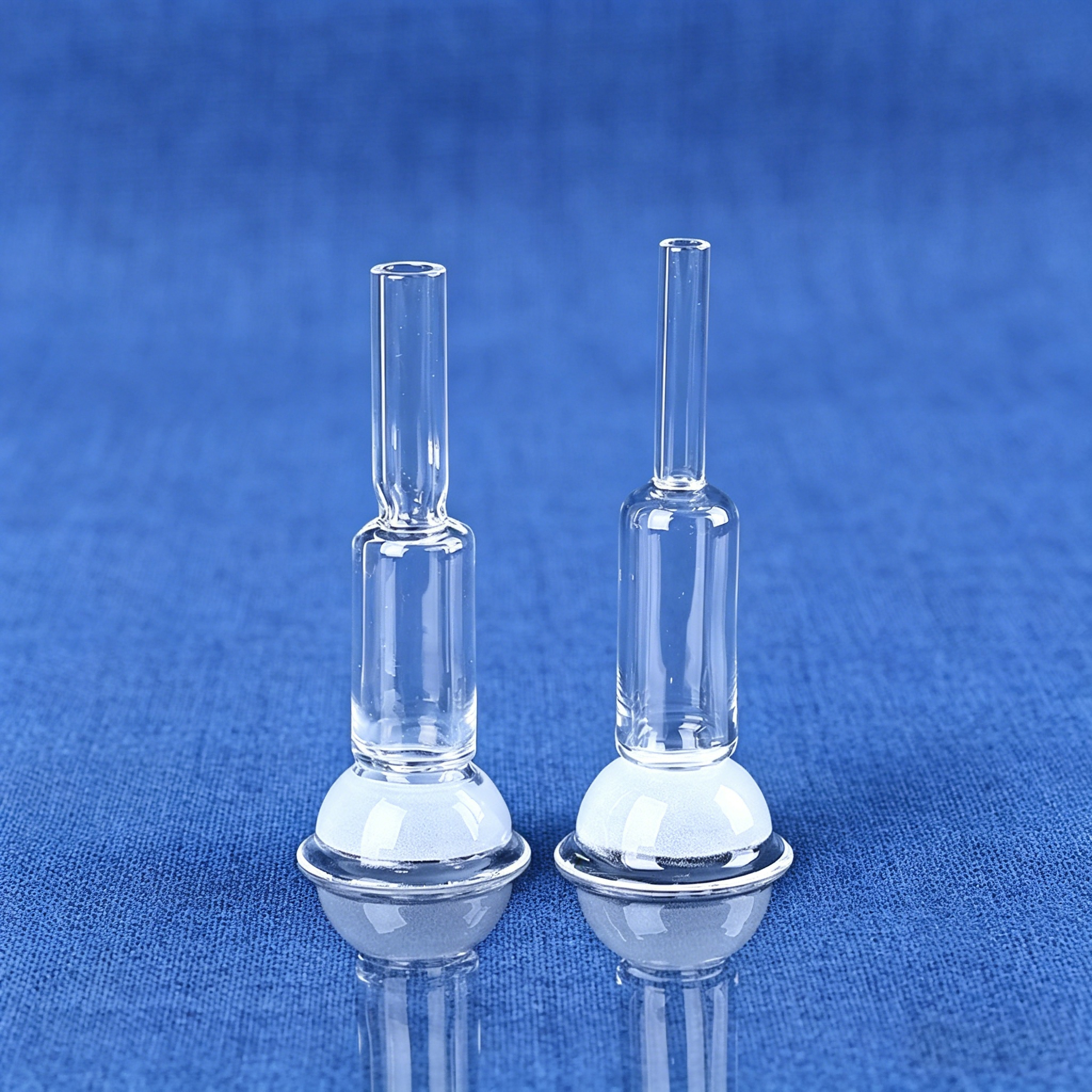
Delivering 190–2500 nm UV-Vis-NIR analytical performance, certified transmission tolerances (ΔT < 0.3%), and thermal stability up to 1100°C directly to Aichi Prefecture’s premier advanced materials, battery chemistry, and biopharmaceutical clusters.
Precision-fused, high-purity (99.999% SiO₂) quartz solutions engineered for deep ultraviolet spectrophotometry, high-temperature fluidic reactors, and inert industrial separation.
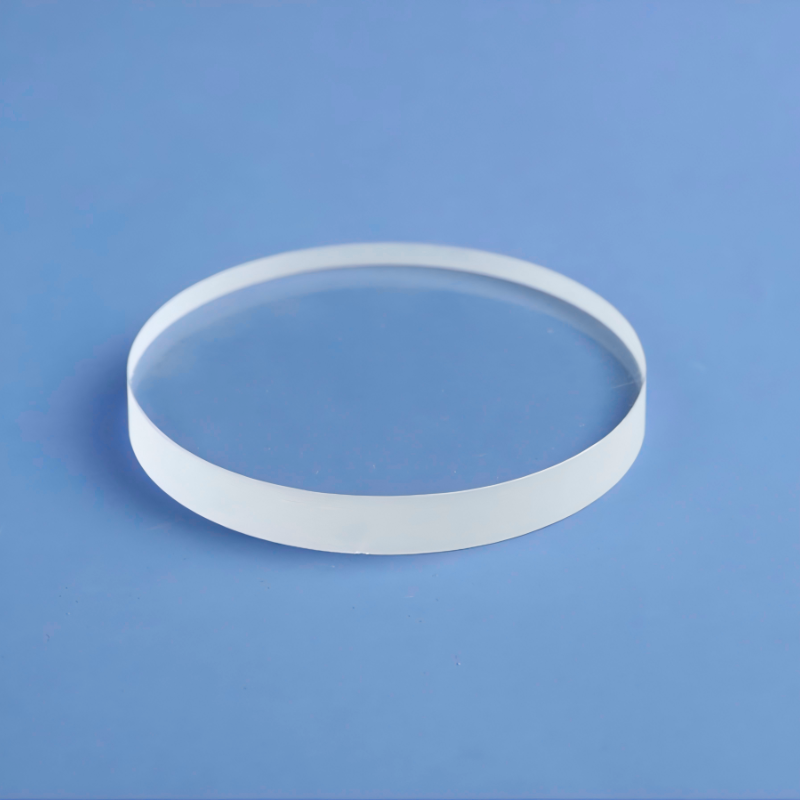
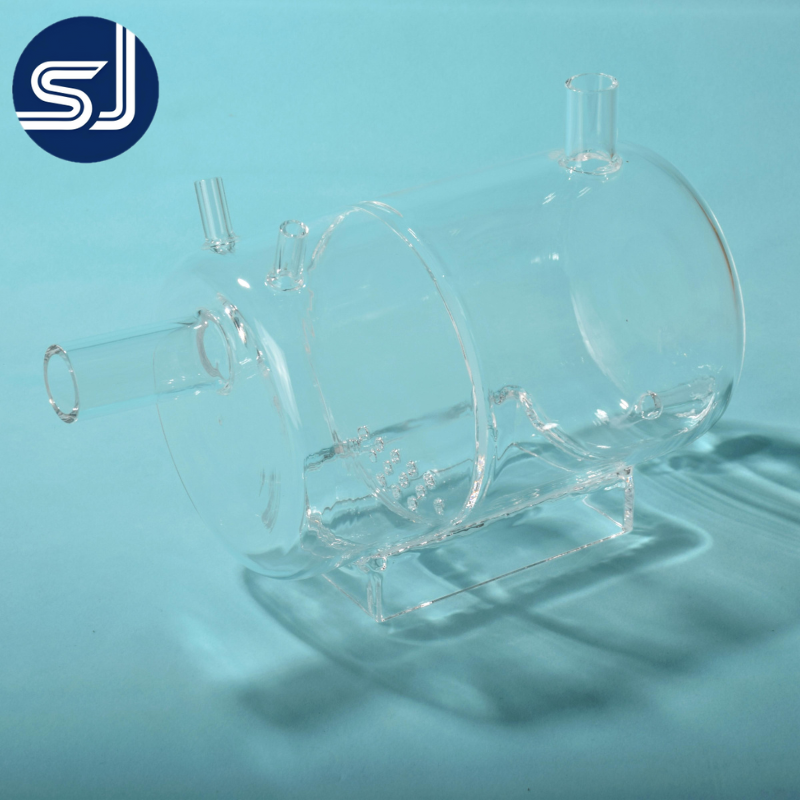
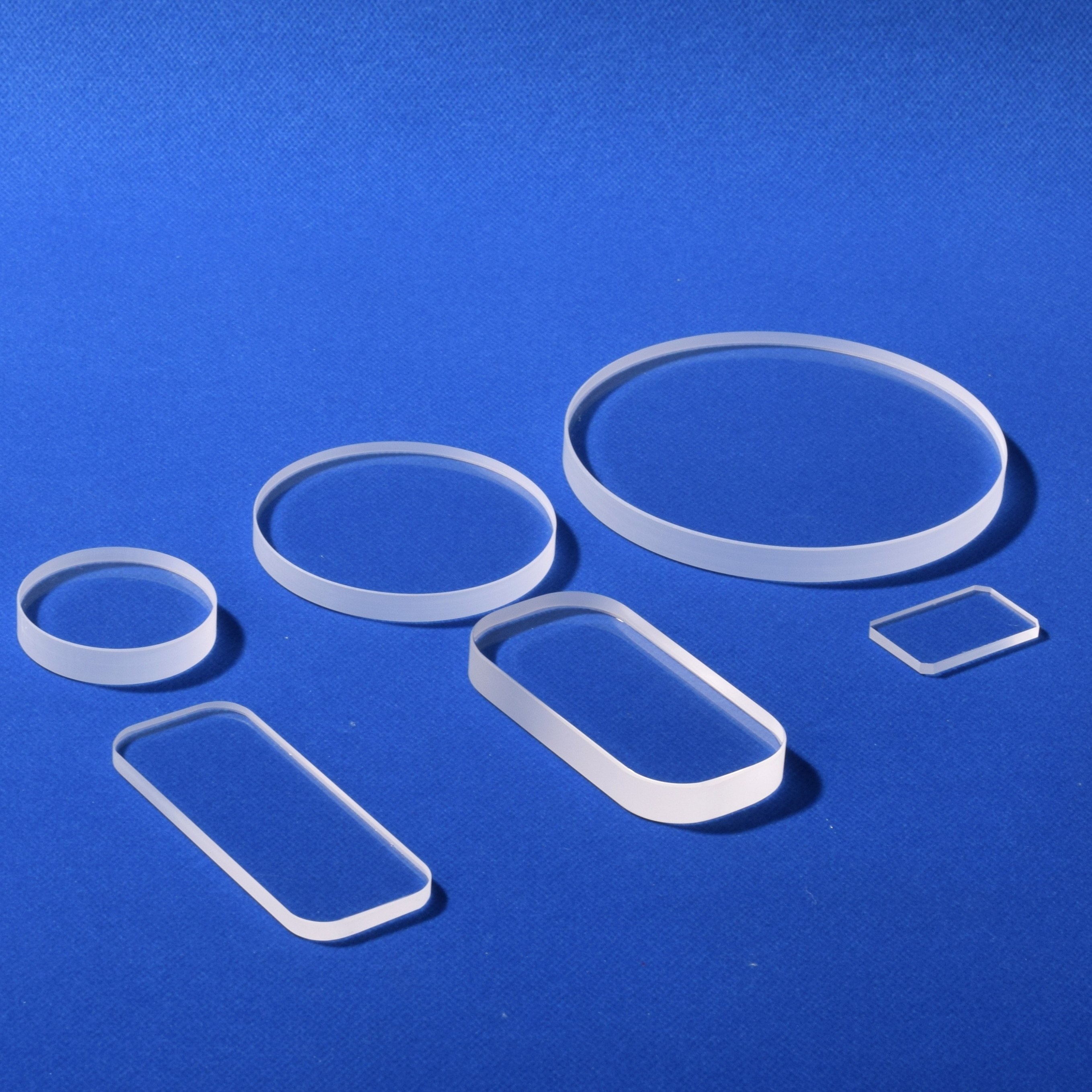
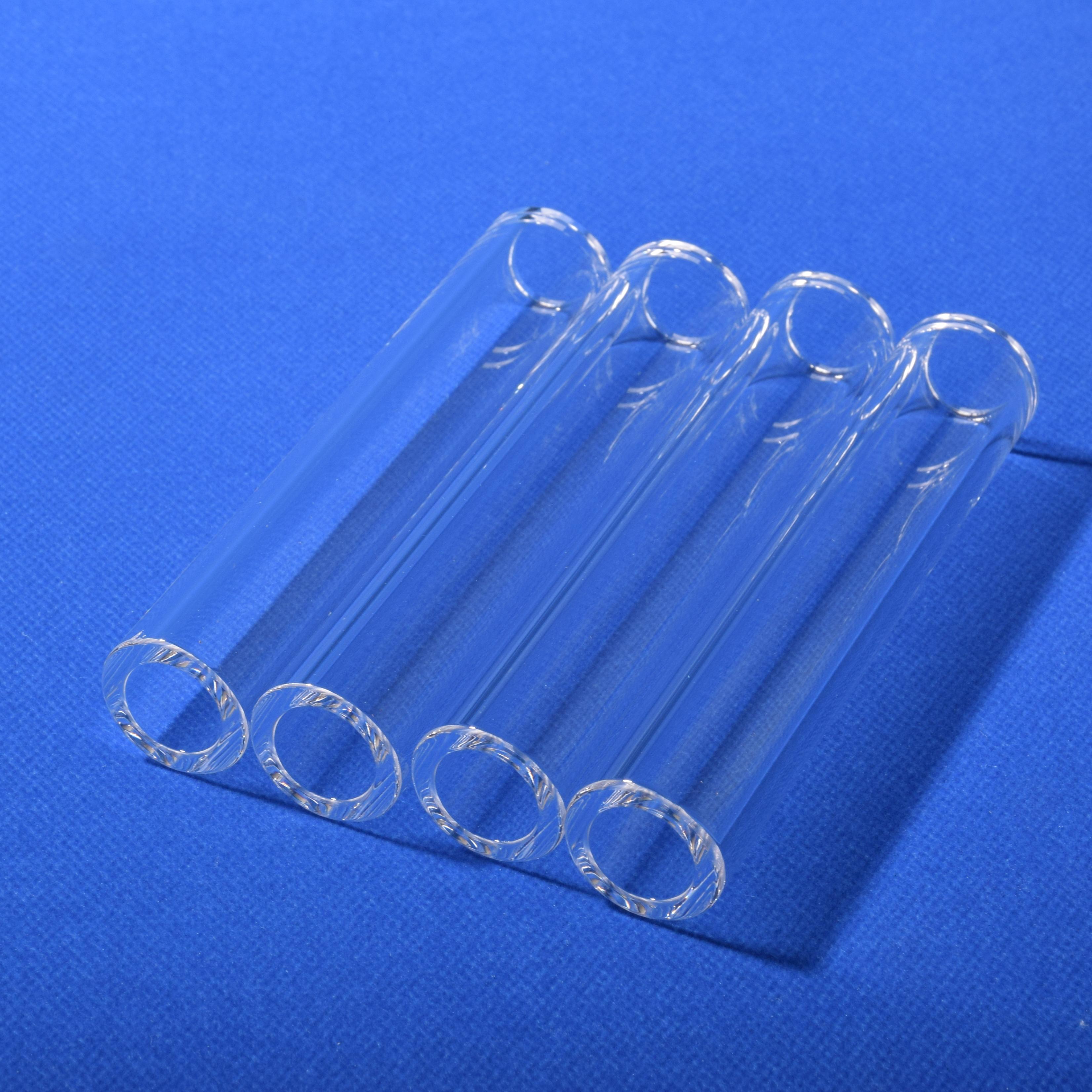
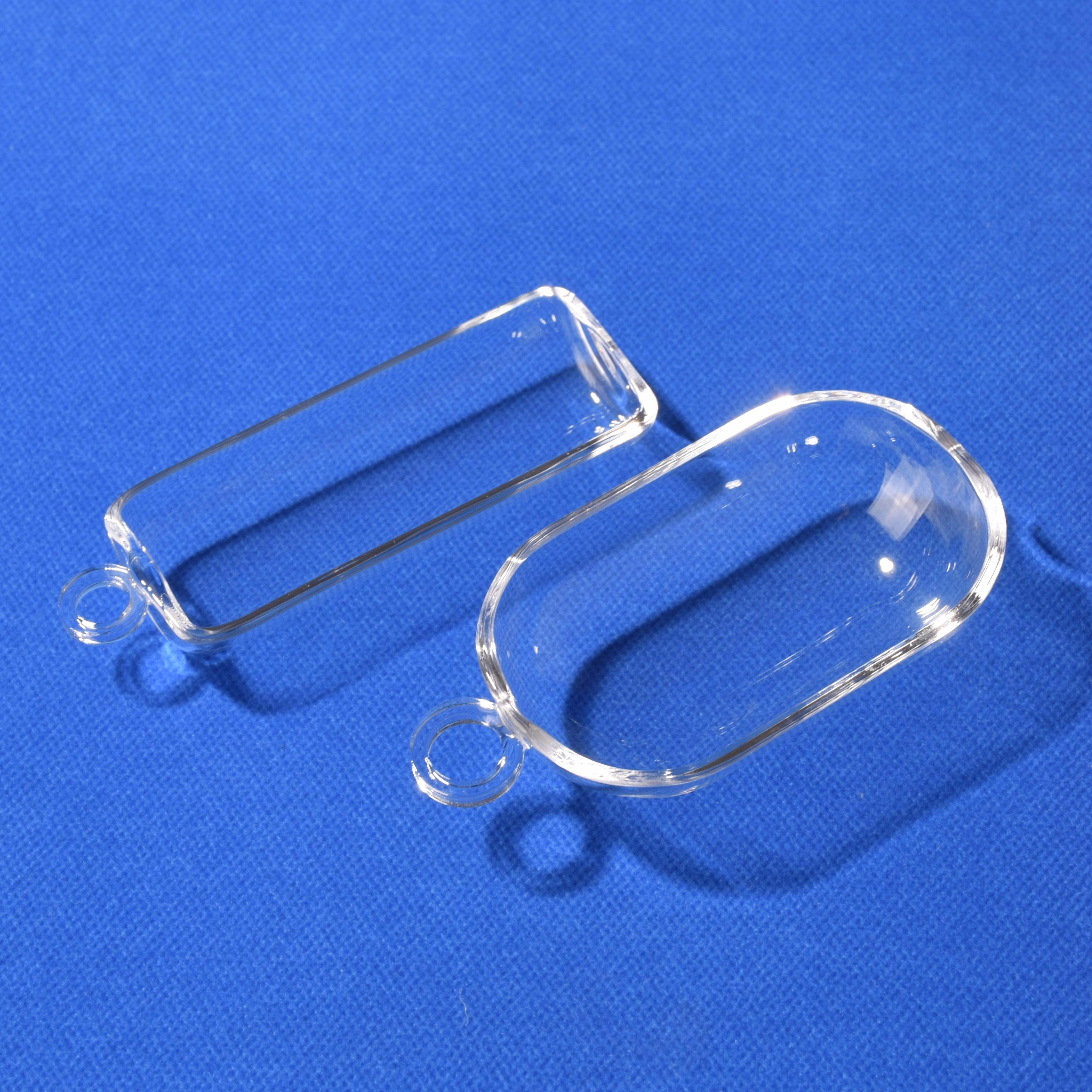
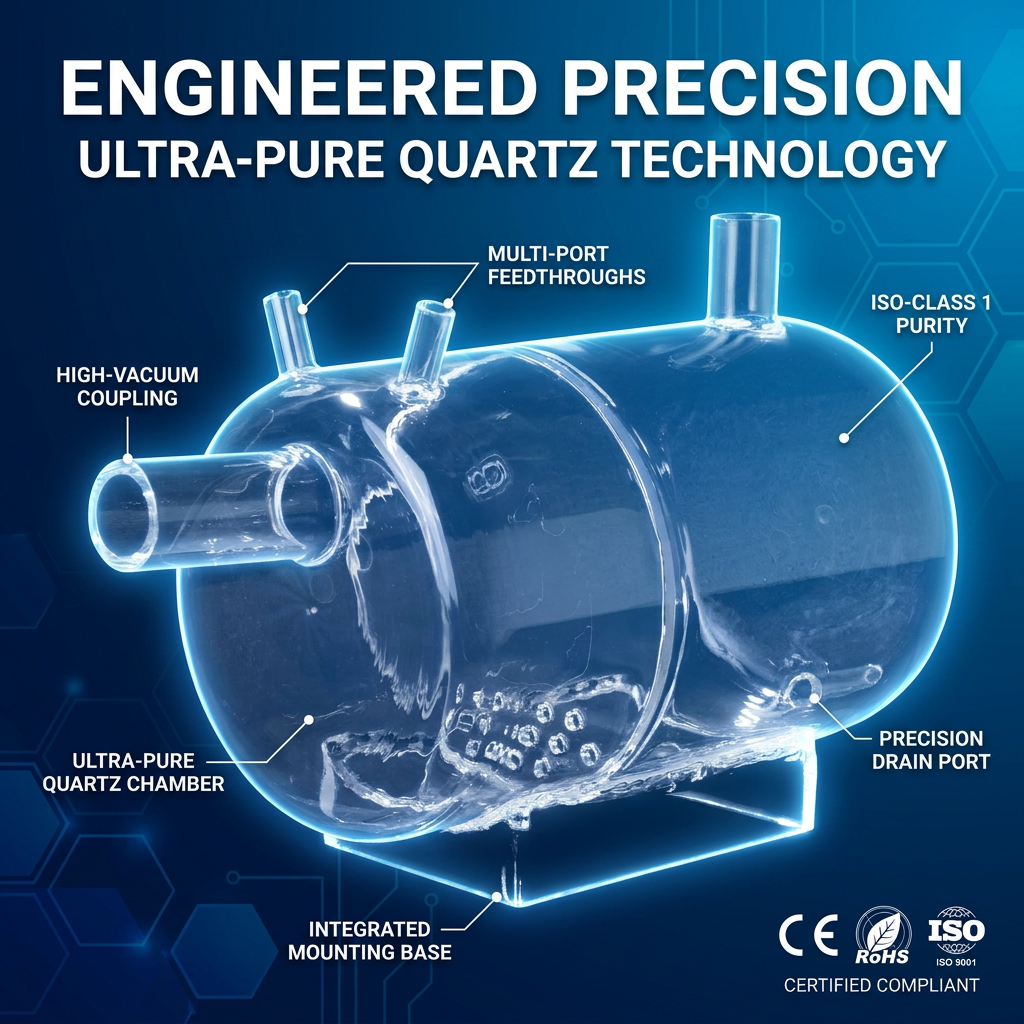
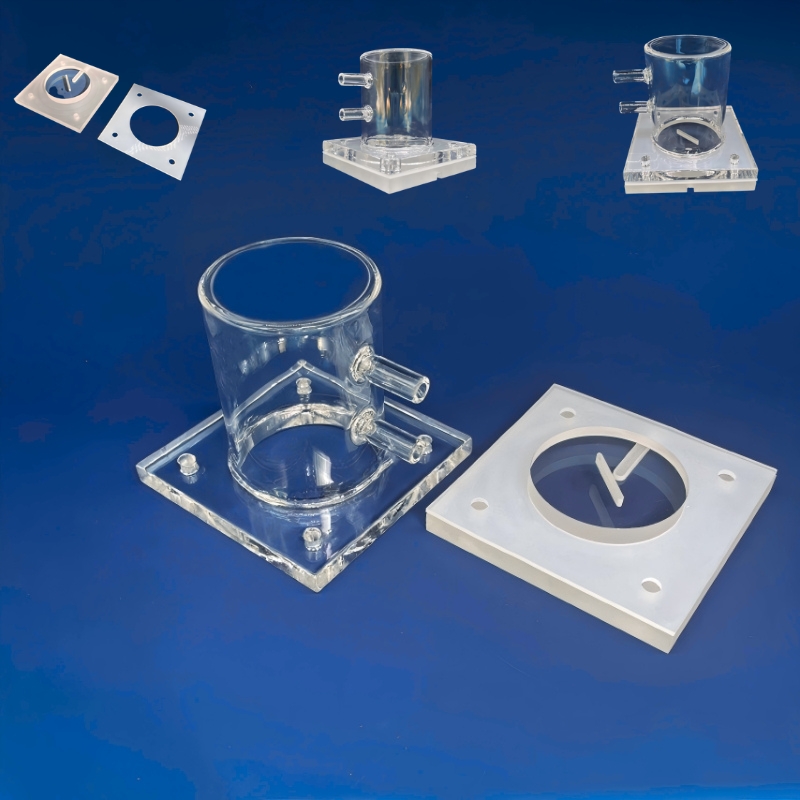
Precision spectrophotometry is an empirical cornerstone of contemporary industrial quality control, academic research, and chemical manufacturing. At the core of every quantitative photometric assay is the optical cuvette—a passivated, dimensionally invariant fluid containment cell designed to maintain a perfectly defined optical pathlength ($b$). In quantitative absorption spectroscopy defined by the Bouguer-Lambert-Beer law ($A = \varepsilon \cdot c \cdot b$), any mechanical instability, pathlength error, or window heterogeneity translates directly into systemic measurement errors, compromising the veracity of analytical findings.
For research labs, pharmaceutical testing centers, and cleanroom facilities across the Greater Nagoya industrial basin (Chūkyō Industrial Area), standard optical glass or commercial borosilicate falls short of current analytical baselines. Typical optical glass exhibits severe internal absorption cutoffs below 340 nm due to intrinsic transition metal impurities (Fe³⁺, Ti⁴⁺) and structural lattice scattering. Vulra Quartz manufactures CE-certified spectrophotometer cuvettes, macro cells, flow cells, and micro-volume fluidic vessels using high-purity natural fused quartz (type JGS2) and synthetic fused silica (type JGS1 / Suprasil equivalent). This ensures linear optical transmittance exceeding 82% across the deep ultraviolet spectrum (190 nm to 400 nm), visible range (400 nm to 780 nm), and near-infrared band up to 2500 nm.
Every spectrophotometer cuvette shipped to institutional and enterprise facilities in Japan complies with rigorous physical dimensioning governed by DIN ISO standards and JIS requirements. Cuvette structural parallelism, internal window planarity, and transmission balance between matched sets directly govern signal-to-noise ratios (SNR) in high-resolution analytical instruments, such as double-beam spectrophotometers and HPLC diode array detectors (DAD).
| Metrological Parameter | Standard Laboratory Fused Quartz | High-Purity Synthetic Fused Silica (UV) | Verification / Standard Metrology |
|---|---|---|---|
| Usable Wavelength Range | 220 nm – 2500 nm | 190 nm – 2500 nm (Deep-UV Grade) | Dual-beam double monochromator UV-Vis |
| Internal Pathlength Tolerance | ±0.01 mm (Standard) | ±0.005 mm (Precision Ultra-Trace) | Laser interferometric measurement |
| Transmission Match (ΔT%) | ≤ 0.5% at 200 nm – 250 nm | ≤ 0.3% across 190 nm – 800 nm | Paired-cell comparative spectrophotometry |
| Surface Quality / Polish | MIL-PRF-13830B 60/40 | MIL-PRF-13830B 40/20 Optical Standard | Laser surface scattering & phase contrast |
| Coefficient of Thermal Expansion | 5.5 × 10⁻⁷ / °C (0–300 °C) | 5.2 × 10⁻⁷ / °C (0–300 °C) | Thermal dilatometry (ASTM E228) |
| Hydrolytic Class (Chemical Inertness) | Class 1 (DIN 12111 / ISO 719) | Class 1 (DIN 12111 / ISO 719) | Acid dissolution & alkali titration analysis |
The Nagoya metropolitan zone, anchoring the Chūkyō industrial core, represents one of the world's most sophisticated manufacturing and materials clusters. Within this high-density industrial ecosystem, optical quartz cuvettes are critical components across high-specification deployment nodes:
Next-Generation Automotive & Lithium-Ion/Solid-State Battery R&D: Anchored around Toyota City, Kariya, and the Southern Aichi industrial parks, extensive investments are accelerating all-solid-state batteries, fluorinated electrolyte systems, and cathode active materials. Analytical chemists evaluate electrolyte solvation, chemical degradation products, and transition-metal dissolution (manganese, cobalt, nickel) via UV-Vis photometric titrations. Chemical resistance to organic carbonates (ethylene carbonate, dimethyl carbonate) and corrosive fluorinated additives (FEC) requires inert thermally fused quartz cuvettes that never produce spurious peak interference.
Fine Chemical Syntheses and Advanced Polymer Engineering: Chemical facilities around Nagoya Port, Yokkaichi, and Tokai rely on custom quartz flow-through cells for continuous inline tracking of polymerization kinetics. Using micro-aperture quartz flow channels, chemical engineers quantify reaction endpoints, monomer conversion efficiencies, and radical scavenger consumption at high pressures and process temperatures exceeding 300°C without risk of thermal-shock fractures.
Biomedical Sciences, Proteomics & Pharmaceutical Discovery: Research clusters around Nagoya University, Nagoya City University, and associated biopharmaceutical incubators conduct continuous spectrophotometric quantification of nucleic acids (DNA/RNA purity via A260/A280 ratios) and protein concentrations using Bradford and BCA colorimetric assays. In micro-volume determinations where sample availability is limited to sub-microliter volumes, our ultra-micro masked quartz cuvettes isolate optical apertures, preventing stray light interference and maximizing baseline signal linearity.
Japan's high-tech manufacturing landscape is experiencing distinct technological transitions that dictate evolving criteria for quartz cell design:
Miniaturization and Continuous Microfluidic Flow Synthesis: Traditional static 10 mm pathlength macro cuvettes are increasingly supplemented by custom microfluidic flow cells with integrated quartz capillaries. Automated chemical synthesis platforms require optical measuring windows directly integrated with inline reactors, minimizing reagent consumption and optimizing automated screening processes.
Expansion of Deep-UV Photocatalytic and Green Hydrogen Research: Under Japan's national Green Growth Strategy, institutions across Aichi Prefecture are pioneering water-splitting photochemical catalysts and CO₂-to-hydrocarbon conversion frameworks. These setups require custom quartz reaction cells with maximum spectral transmittance at the 185 nm and 254 nm mercury lines. Ozone-free doped quartz and ultra-pure synthetic fused silica prevent parasitic solarization during long-duration UV laser irradiation tests.
Integration of In-Situ Spectroelectrochemistry: The boundary between electrochemistry and optics has converged. Research teams require custom-slotted quartz cuvettes designed to hold working, reference, and counter electrodes concurrently while maintaining precise light passage through active diffusion layers. Vulra Quartz offers custom-engineered drawing-based manufacturing for electrochemical cell geometries, complete with optical-grade polishing across atypical port arrangements.
Direct supply from Donghai County—the crystal center of the world—coupled with TÜV Rheinland-inspected facilities and documented quality protocols.
Direct technical feedback addressing tolerances, material selection, customs integration, and cleaning regimens.
Whether you require standard 10 mm pathlength quartz spectrophotometer cuvettes, high-pressure flow cells, or bespoke quartz labware for semiconductor research in Nagoya, our engineering team is ready to review your specifications.
Inquire Now