CE Certified Quartz Glass Beaker Manufacturer & Suppliers in the Maliana Market
Engineered Fused Quartz Labware (99.99%–99.999% SiO₂ Purity) Delivering 1100°C Thermal Shock Resistance, Zero Metal Leaching, and Precision Trace-Analysis Integrity for Timor-Leste Industrial & Research Infrastructure
99.999%
Max SiO₂ Purity
1683°C
Softening Point
1100°C
Continuous Service
CE / RoHS
Direct Compliance
1 PC
Custom Prototype MOQ
Precision Manufacturing
Featured CE Certified Quartz Glass & Labware Series
Direct OEM & ODM supply from Donghai's crystal cluster to Maliana, Bobonaro Municipality, and the broader ASEAN-Pacific scientific corridor. All items feature dimensional tolerances down to ±0.05 mm and verified raw material certification.
CE Certified
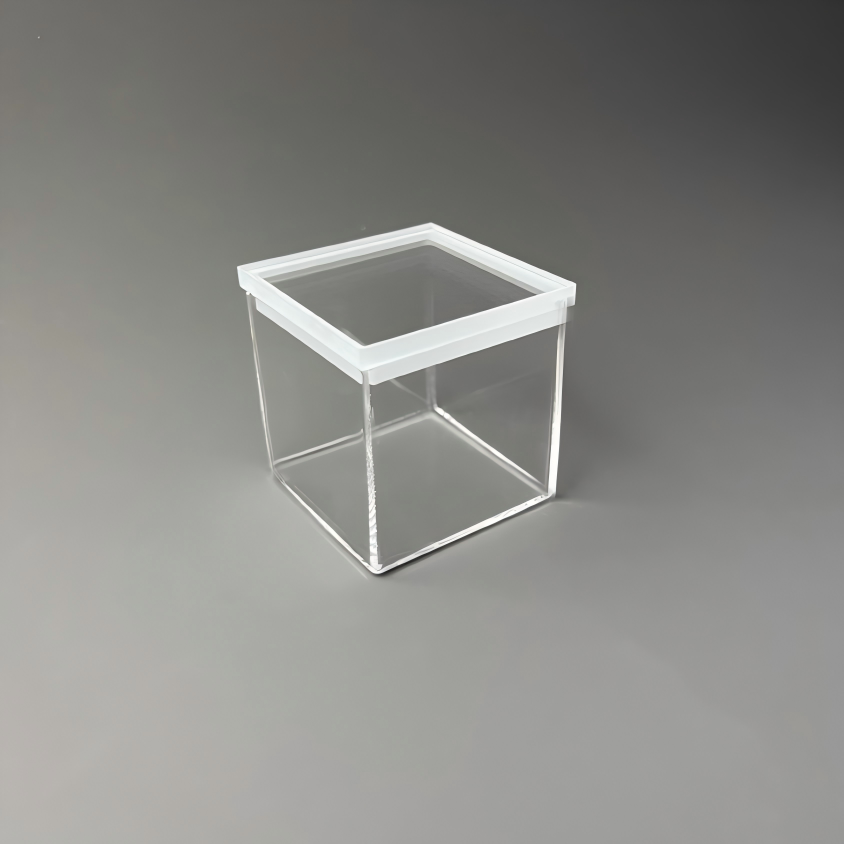
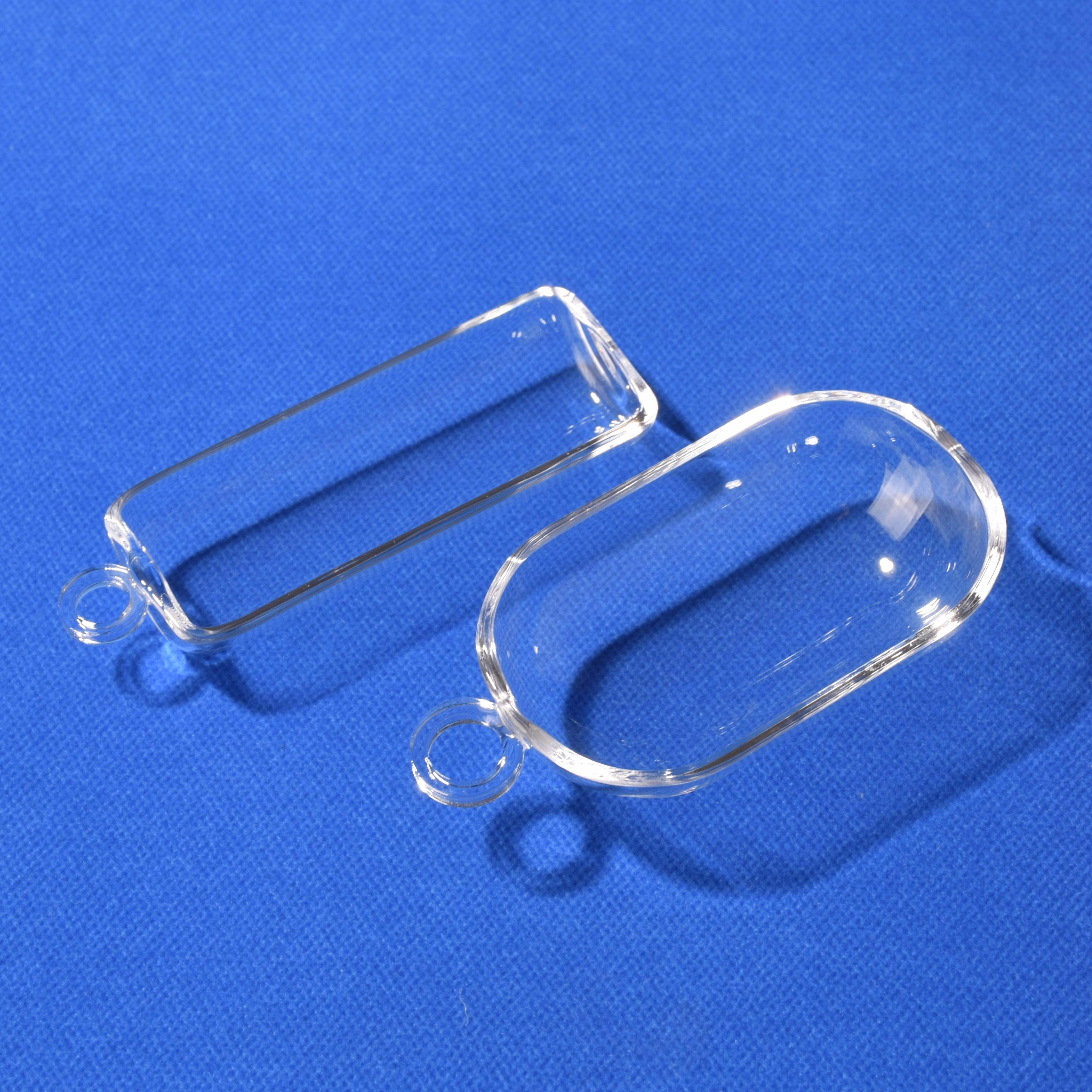
Quartz Glass Sealed Electrolytic Cell Dome Closed End
Custom dimensions photocatalytic & photoelectrochemical reaction dome. Ozone-free flame polished finish with extreme optical clarity for solar-chemical conversion research.
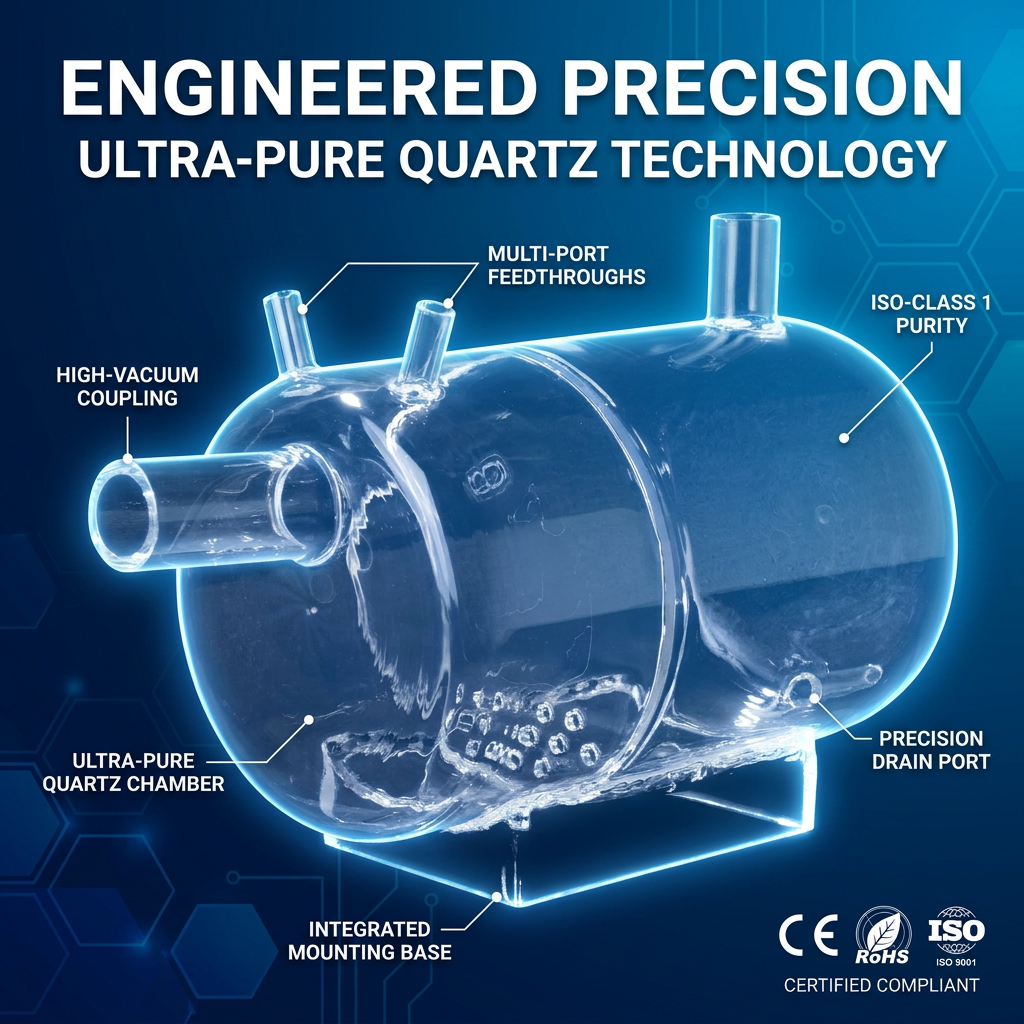
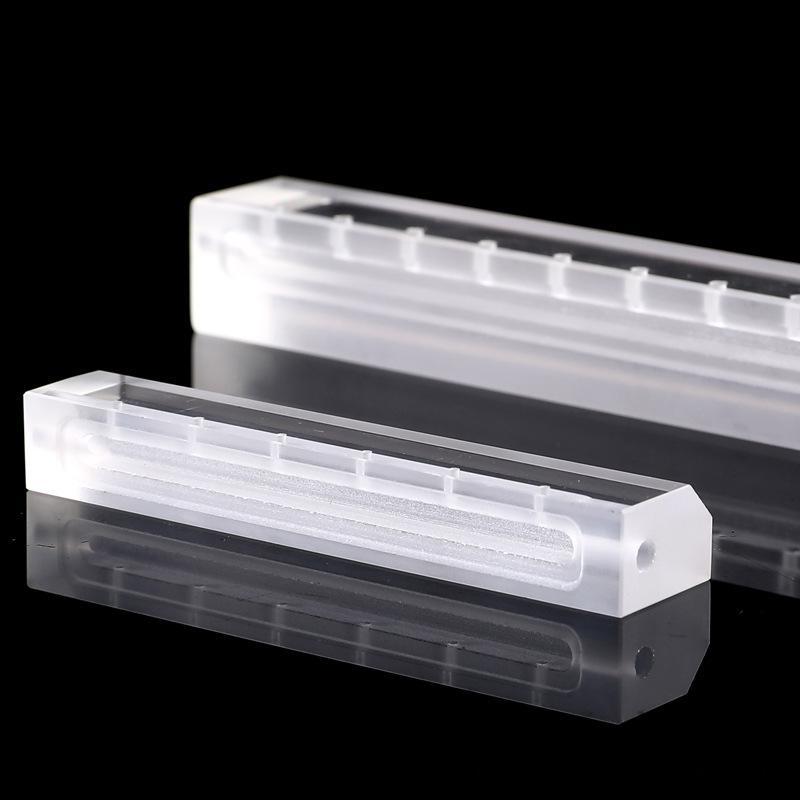
Semiconductor grade 99.9%–99.999% purity vessel tailored for high-purity chemical distillation, acid washing, and ultra-trace mineral phase extraction without surface leaching.
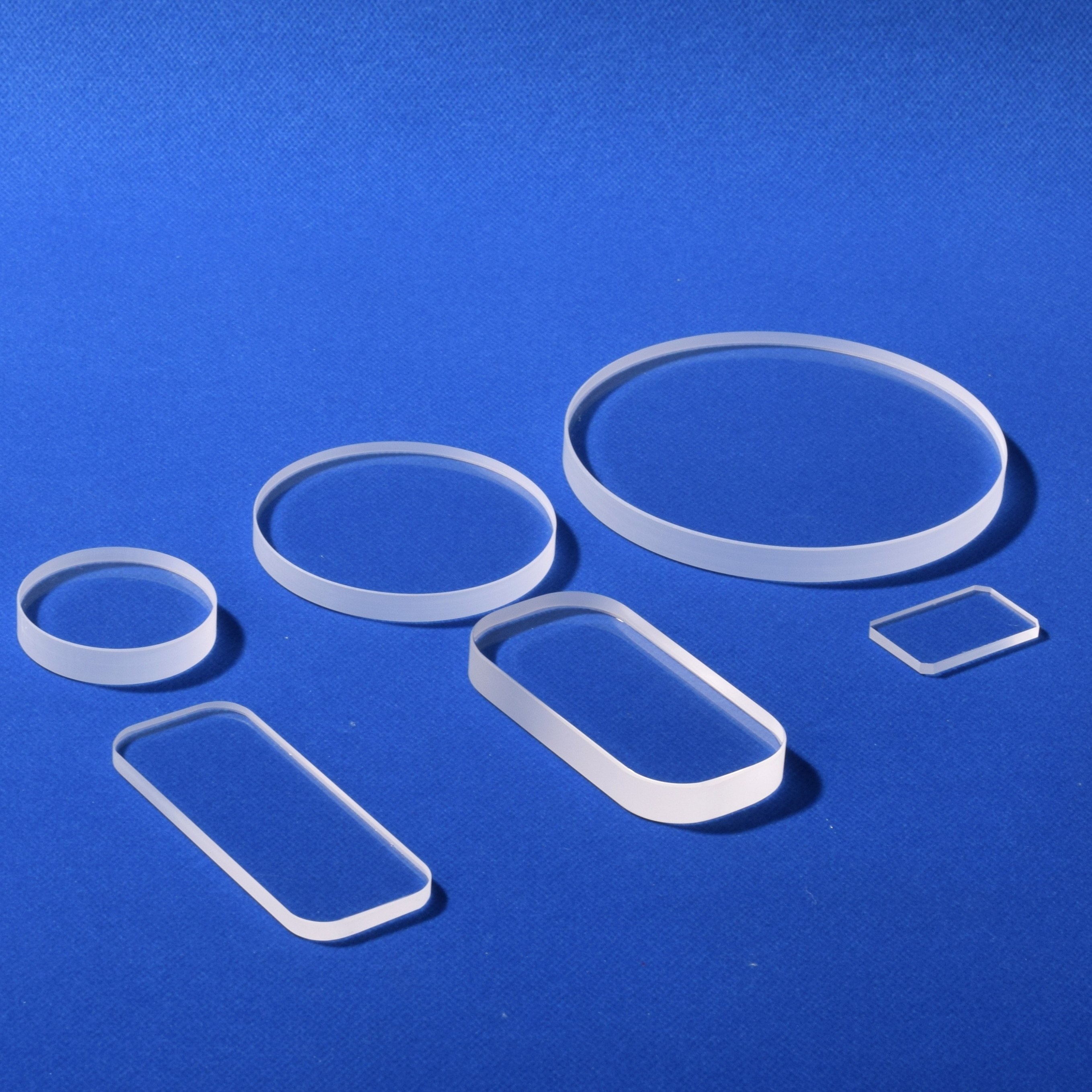
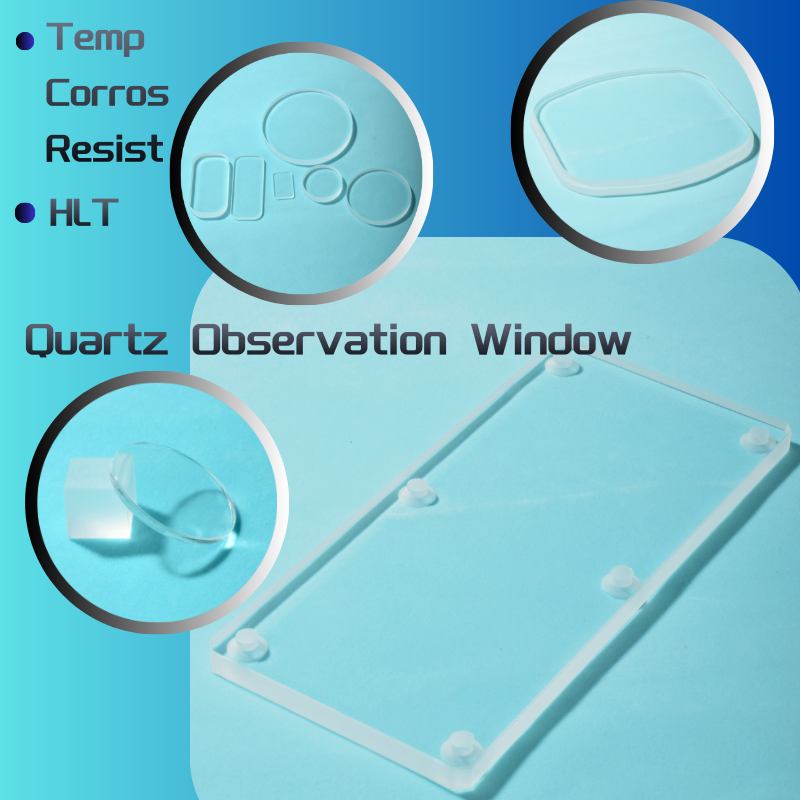
High Transmittance Heat Resistant Quartz Watch Window
Sophisticated thermal observation disc featuring >92% spectral transmittance in UV-Vis ranges. High electrical insulation and continuous thermal endurance under 1100°C.
SJ Brand Model SJ 077 circular micro-substrate for spectrometry, XRD sample mounting, and photothermal dissipation tests. Thickness controlled from 0.15mm to 1.5mm.
Chemical and heat-resistant natural fused quartz glass substrate. Mohs hardness 5.5–6.5, precision edge grinding, and zero internal striations for laser and sensor baseplates.
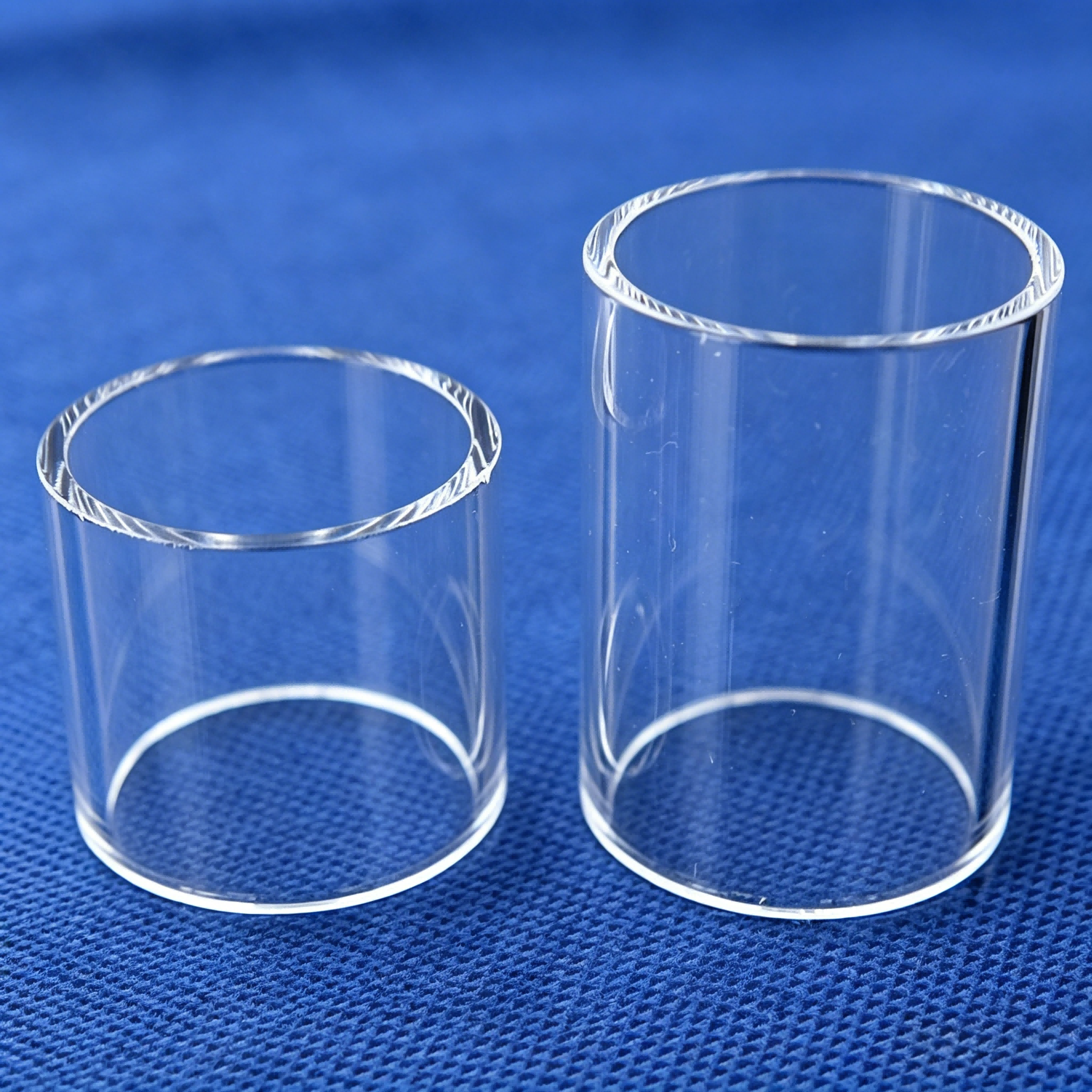
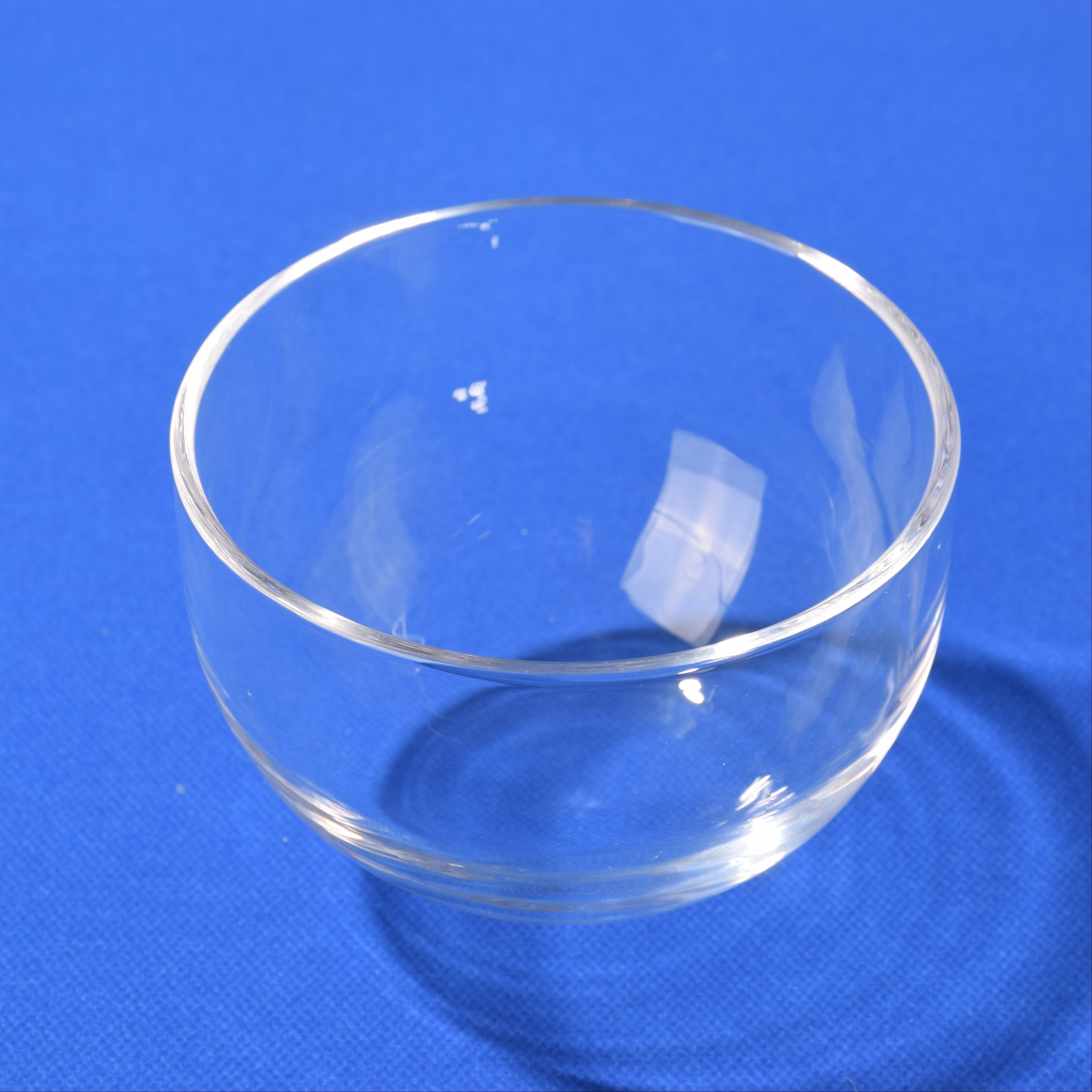
Heavy-duty fused silica crucible featuring 48 N/mm² tensile strength and 1683°C softening point. Ideal for precious metal assaying, silicon melting, and chemical fusion in Bobonaro labs.
Thermodynamic Rigor: The Engineering Mandate for Quartz Beakers
Evaluating silica network integrity, ISO 3819 dimensional compliance, and European CE directives in frontier analytical testing environments.
In analytical chemistry, metallurgical assaying, and environmental monitoring, the laboratory beaker serves as the primary containment vessel for aggressive acid digestion, thermal evaporative preconcentration, and continuous boiling. While standard borosilicate 3.3 glassware (commonly specified under ISO 3819 / DIN 12331) provides adequate stability for general university titration and ambient-temperature reagents, it fails catastrophically when subjected to prolonged thermal plate exposure above 500°C or sudden thermal shock quenching. For laboratory operations in the Maliana market (Bobonaro Municipality, Timor-Leste), where decentralized testing facilities require absolute apparatus reliability without the luxury of instant glass replacement logistics, CE Certified fused quartz glass beakers engineered by Lianyungang Vulra Quartz Products Co., Ltd. represent the gold standard of scientific vessel engineering.
The decisive structural distinction between standard borosilicate glassware and Vulra Quartz fused silica glassware originates at the molecular lattice level. Fused quartz consists of an amorphous, three-dimensional network composed strictly of high-purity silicon-oxygen tetrahedra ($SiO_4$) linked continuously by bridging oxygen atoms, without the addition of fluxing agents such as boron trioxide ($B_2O_3$), sodium oxide ($Na_2O$), or aluminum oxide ($Al_2O_3$). Borosilicate formulations contain up to 12% to 15% alkali oxides to depress raw material melting temperatures down to manageable furnace ranges (~1500°C). However, these network-modifying cations break the bridging oxygen bonds, creating vulnerable non-bridging oxygen sites. Under aggressive chemical exposure—such as boiling aqua regia, hot concentrated perchloric acid ($HClO_4$), nitric-sulfuric digestions, or hydrothermal mineral reactions—these alkali ions rapidly leach out into the analytical solution, producing micro-cracks and elevating background ionic noise in sensitive trace-metal quantification (ICP-MS, AAS, and ICP-OES).
Conversely, Vulra Quartz synthesizes beakers using natural quartz crystals refined within Donghai County—the international crystal and silica capital. With continuous SiO₂ purities ranging from 99.99% (4N) to 99.999% (5N), metallic impurities (Fe, Al, Ti, Ca, Mg, Na, K) are suppressed below single-digit parts per million (ppm) or sub-ppb thresholds. This ultra-dense covalent lattice bestows an extraordinary coefficient of thermal expansion ($\alpha = 5.5 \times 10^{-7} \text{ K}^{-1}$ across the 20°C to 1000°C spectrum), approximately one-sixth that of borosilicate glass ($3.3 \times 10^{-6} \text{ K}^{-1}$). Consequently, an analytical operator in a Maliana mining assay lab or soil testing facility can heat a Vulra quartz beaker to an incandescent red 1100°C on an open burner or muffle platform and plunge it immediately into ice water (0°C) without experiencing mechanical crazing, micro-fracturing, or catastrophic vessel burst.
Property / Specification Metric
Vulra Fused Quartz Beaker (CE Certified)
Standard Borosilicate 3.3 Glassware
Operational Impact for Maliana Field Labs
Continuous Operating Temp
1100°C (Short peak to 1450°C)
450°C (Short peak to 500°C)
Enables direct open-flame evaporative digestion & crucible fusions.
Softening Point (ASTM C338)
1683°C
820°C
Zero vessel sagging or deformation during high-heat calcinations.
Thermal Expansion Coeff. (20–300°C)
5.5 × 10⁻⁷ K⁻¹
3.3 × 10⁻⁶ K⁻¹
Immunity to rapid thermal quenching; zero thermal shock breakage.
Trace Alkali Leaching (Na, K, B)
< 0.1 ppm (Near Zero Leaching)
15 – 80 ppm Contamination
Preserves baseline accuracy for environmental soil trace ICP-MS testing.
Spectral Transmittance (UV 260nm)
> 90% (Optical Clarity)
< 20% (Cut-off below 310nm)
Permits direct photolytic degradation & photochemical tracking.
Chemical Attack Resistance
Resistant to all acids except HF / hot H₃PO₄
Vulnerable to boiling concentrated alkalis/acids
Extended vessel operational lifespan exceeding 5 to 7 operational years.
The CE mark carried on our quartz glassware is not a decorative marketing emblem; it signifies rigorous verification against European harmonized standards, notably EN 61010-1 (Safety requirements for electrical and laboratory equipment), chemical vessel safety guidelines, and RoHS Directive 2011/65/EU. Under European conformity assessment frameworks, laboratory beakers destined for industrial deployment must demonstrate uniform wall thickness distribution to eliminate mechanical stress risers, verify that graduations and calibration markings do not degrade under concentrated solvent washes, and prove zero heavy-metal dissolution (Lead, Cadmium, Hexavalent Chromium). For regional distributors, public health ministries, and educational procurement boards across Timor-Leste, sourcing CE-marked quartz labware from a verified manufacturer guarantees technical parity with OECD analytical protocols.
Field Integration
Localized Application Scenarios in Maliana & Bobonaro District
Bridging advanced silica glassware manufacturing with local agricultural development, environmental conservation, border-trade logistics, and educational capacity building.
Agro-Chemical Soil Testing
Maliana's extensive agricultural plain—vital for national rice, coffee, and maize production—relies increasingly on trace mineral and nitrogen-phosphorus-potassium (NPK) profiling. Vulra quartz beakers allow acid digestions with high-temperature sulfuric and perchloric acid mixtures without container boron-ion leaching that compromises spectrometer baseline calibrations.
River Basin Water Quality
Monitoring seasonal run-off from the Nunura River basin demands heavy-metal surveillance (Arsenic, Lead, Mercury) resulting from artisanal gravel extraction and fertilizer runoffs. Fused silica beakers prevent cross-sample chemical memory, enabling ultra-trace pre-concentration boiling without container wall absorption.
Mining & Geological Assay
Western Timor-Leste's geological surveys require rigorous fire-assay and high-temperature mineral dissolution. Our quartz beakers withstand direct crucible placement, high-temperature furnace sand baths up to 900°C, and rapid thermal cycling during geochemical carbonate and silicate digestion protocols.
Polytechnic Chemistry Labs
Vocational training institutes and secondary regional polytechnics in Maliana benefit from quartzware's near-indestructible thermal tolerance. Student thermal handling errors—such as placing cold vessels onto high-wattage electric heating mantles—result in zero shattering, safeguarding student safety and institutional capital.
In addition to municipal and educational infrastructure, Maliana occupies a strategic geographic node as the commercial capital of the Bobonaro District, adjacent to the Indonesian border at Batugade/Motaain. Regional cross-border trade checkpoints and phytosanitary quarantine laboratories rely on rapid-turnaround chemical verification of imported livestock feed, chemical pesticides, and packaged foodstuffs. Utilizing certified fused silica glassware guarantees that laboratory test certificates comply with international sanitary and phytosanitary (SPS) criteria, preventing cross-border contamination disputes and ensuring domestic health security.
Strategic Horizon
Laboratory Modernization Trends in the Maliana & Timor-Leste Market
Anticipating infrastructure shifts, decentralized analytical requirements, and long-term procurement economics across the western municipal territory.
Decentralization of Diagnostic Labs
Historically, complex chemical analysis required shipping sample specimens to the national capital in Dili, incurring weeks of transit delays. Maliana is experiencing systematic modernization through municipal laboratory investments in water, agricultural, and clinical diagnostics, demanding robust, high-durability apparatus that withstand frequent autoclave and furnace cycles without micro-fissuring.
Strict Total Cost of Ownership (TCO)
Budget administrators in Timor-Leste increasingly prioritize Total Cost of Ownership over initial unit purchase price. Standard borosilicate beakers exhibit an average replacement cycle of 4 to 8 months under intensive industrial heating and student handling. Fused quartz beakers extend service life past 5 years, reducing international freight tariffs, clearing expenses, and lab downtime.
Alignment with ASEAN Standards
As Timor-Leste advances toward full ASEAN integration, national testing laboratories are harmonizing calibration procedures with ISO/IEC 17025 standards. The adoption of CE-certified, traceable fused quartz apparatus guarantees compliance with regional laboratory peer audits and multinational industrial joint-venture quality protocols.
This structural modernization trend also reflects shifting logistics strategies. Procurement managers in Bobonaro are moving away from multi-tiered third-party trading agencies in regional transit hubs like Surabaya or Darwin, opting instead for direct engineering engagement with verified custom manufacturers like Vulra Quartz in Donghai, China. Direct factory-to-laboratory supply chains eliminate 30% to 45% in intermediary markups, ensure authentic Mill Test Reports (MTR) with raw material spectroscopic purity data, and allow customized dimensional fabrication—including modified pouring spouts, ultra-low profile bases for hotplate stability, and custom-calibrated volumetric graduations.
TÜV Rheinland Assessed
CE & RoHS Certified
OEM / ODM From 1 PC
Direct Manufacturing Authority: Lianyungang Vulra Quartz
Situated in the heart of China's world-renowned crystal capital—Donghai Economic Development Zone, Jiangsu Province—Lianyungang Vulra Quartz Products Co., Ltd. integrates raw silica purification, automated glass lathe blow-molding, CNC ultrasonic drilling, and high-temperature stress-relief annealing under one quality-managed roof.
Raw Material Supply Chain Dominance: Direct access to premium Donghai silica mines ensuring verified 99.99%–99.999% SiO₂ matrix purity without volatile batch fluctuations.
Precision Oxy-Hydrogen Flame Annealing: Heated past 1150°C and uniformly cooled in computer-controlled lehrs to eliminate internal shear stress and birefringence distortion.
Export Armor Packaging Protocol: Multilayer foam separation, custom vacuum-sealed air bags, and impact-isolated plywood maritime/air freight crates designed for zero breakage during transit through the Port of Dili to Maliana.
Engineering Consultation
Have Custom Drawing Specs?
Our engineering team conducts CAD drawing reviews, tolerance feasibility checks, and thermal calculation validations within 24 hours.
Frequently Asked Questions by Maliana & Regional Buyers
Comprehensive technical, commercial, and logistical clarifications for procurement specialists, laboratory directors, and institutional contractors.
What is the maximum operating temperature of Vulra quartz beakers compared to borosilicate 3.3?
Vulra CE Certified fused quartz beakers are engineered for continuous thermal operation at 1100°C and can withstand short-duration thermal excursions up to approximately 1450°C. The material softening point is 1683°C. In contrast, standard borosilicate 3.3 glassware softens at 820°C and cannot be operated continuously above 450°C to 500°C without risk of plastic deformation, structural sagging, or catastrophic stress cracking. This enables Vulra quartz beakers to be used directly on open muffle burners, high-temperature sand baths, and direct flame applications.
How does Vulra Quartz prevent breakage during international freight to remote districts like Maliana?
Shipping fragile laboratory silica to remote inland municipalities in Timor-Leste requires industrial-grade export crating protocols. Every quartz beaker is individually wrapped in dust-free electrostatic polyethylene, encased in high-density pre-formed expanded polyethylene (EPE) shock-absorbing foam molds, and housed in heavy-duty 5-ply corrugated interior cartons. For multi-unit shipments routed through Dili Port (or Presidente Nicolau Lobato International Airport) and onward along the Maliana overland route, goods are consolidated into fumigated, drop-tested plywood cases strapped with high-tensile steel bands. We maintain a verified shipping damage rate of less than 0.1% worldwide.
Can Vulra produce customized volumetric beakers according to specific client drawings or capacities?
Yes. As a verified Custom Manufacturer certified by TÜV Rheinland, Vulra Quartz supports drawing-based OEM and ODM production starting from a minimum order quantity (MOQ) of just 1 piece. We routinely fabricate low-form (Griffin), tall-form (Berzelius), heavy-wall digestion, and flat-flange reaction beakers with custom spouts, calibrated graduation lines, reinforced rim beads, or integrated quartz heating jackets. Clients can submit 2D PDF blueprints, 3D STEP/IGES CAD files, or physical reference parameters.
Are quartz beakers resistant to all acids, or are there operational chemical limitations?
Fused quartz exhibits near-universal chemical inertness to water, neutral salts, and almost all organic and mineral acids—including concentrated hydrochloric acid ($HCl$), boiling aqua regia, nitric acid ($HNO_3$), sulfuric acid ($H_2SO_4$), and perchloric acid ($HClO_4$). However, two critical chemical exceptions exist: hydrofluoric acid ($HF$) rapidly dissolves the silicon-oxygen framework ($SiO_2 + 4HF \to SiF_4 + 2H_2O$) at all temperatures, and concentrated phosphoric acid ($H_3PO_4$) attacks quartz surfaces at temperatures exceeding 150°C. Additionally, strong alkaline solutions (such as concentrated NaOH or KOH) will gradually etch the quartz surface at elevated temperatures above 60°C.
What verification documentation accompanies a commercial shipment to Maliana?
Each dispatched shipment includes a comprehensive technical quality dossier comprising: a Certificate of Conformity (CoC) validating CE and RoHS compliance; an authentic Mill Test Report (MTR) detailing chemical purity (SiO₂ assay and ICP trace metal levels); a dimensional inspection report confirming wall thickness, height, and diameter tolerances; and a complete export packing list for streamlined clearance through Timor-Leste Customs (Alfândega de Timor-Leste).
How should laboratory staff in Maliana clean and maintain quartz beakers to maximize longevity?
To prevent devitrification (crystallization of amorphous silica into cristobalite above 1150°C), the quartz surface must remain free of alkali salts and fingerprint greases. Before heating to extreme temperatures, clean vessels in a 5% to 10% nitric acid bath or high-purity detergent wash, followed by copious rinsing with deionized (DI) water and dust-free drying. Never use abrasive metal scouring pads that scratch the optical flame-polished surface. Always handle high-temperature quartzware using lint-free cotton or silica-fiber gloves.
Equip Your Maliana Laboratory with World-Class Fused Quartz
Connect directly with Lianyungang Vulra Quartz engineers for formal quotations, technical feasibility evaluations, volume pricing schedules, and door-to-door delivery estimates to Bobonaro Municipality.