High-Purity Quartz Products & Test Tubes
Specialized quartzware engineered for thermal endurance up to 1100°C continuous service, chemical resistance to active sorbates, and dimensional precision for international physisorption analyzers.
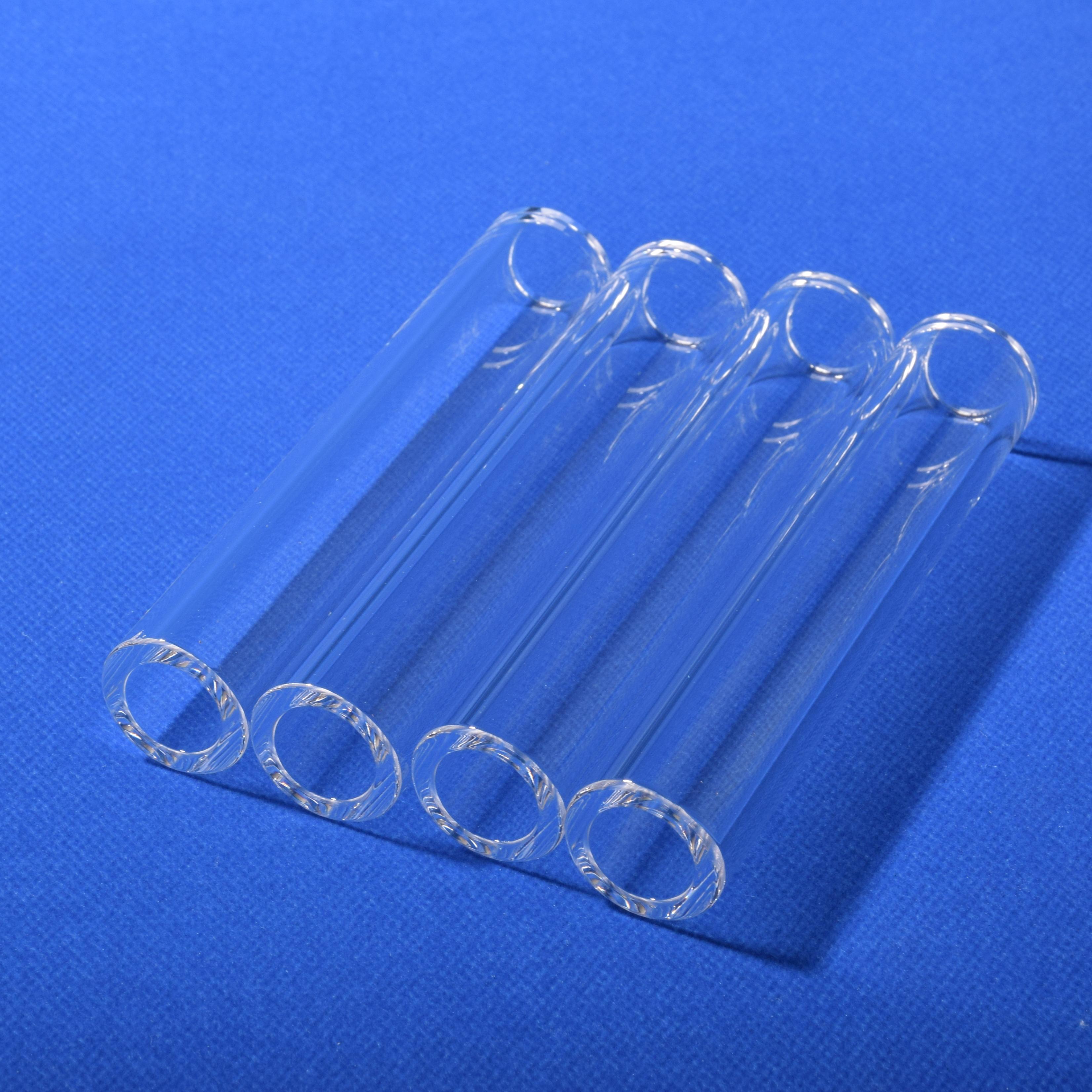
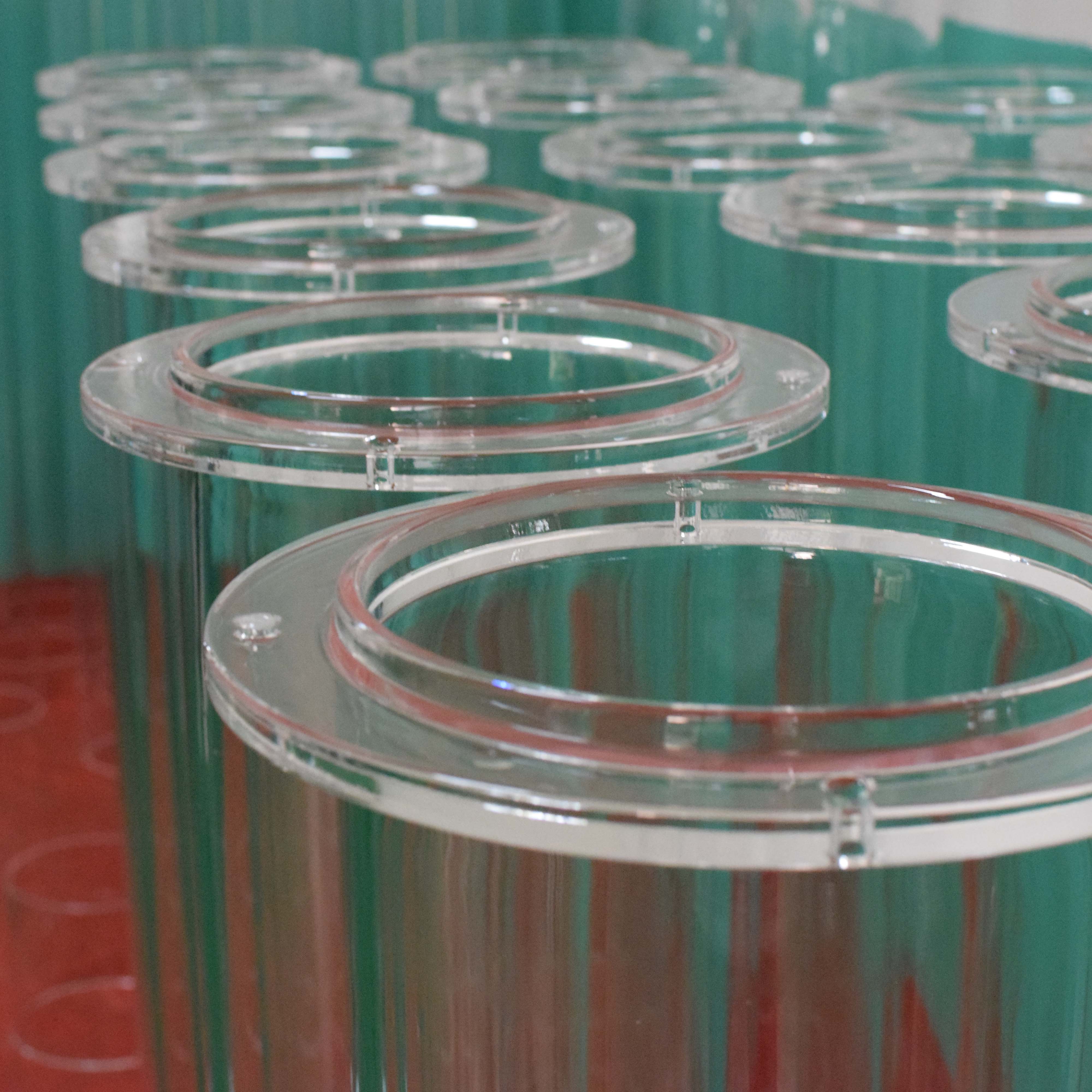
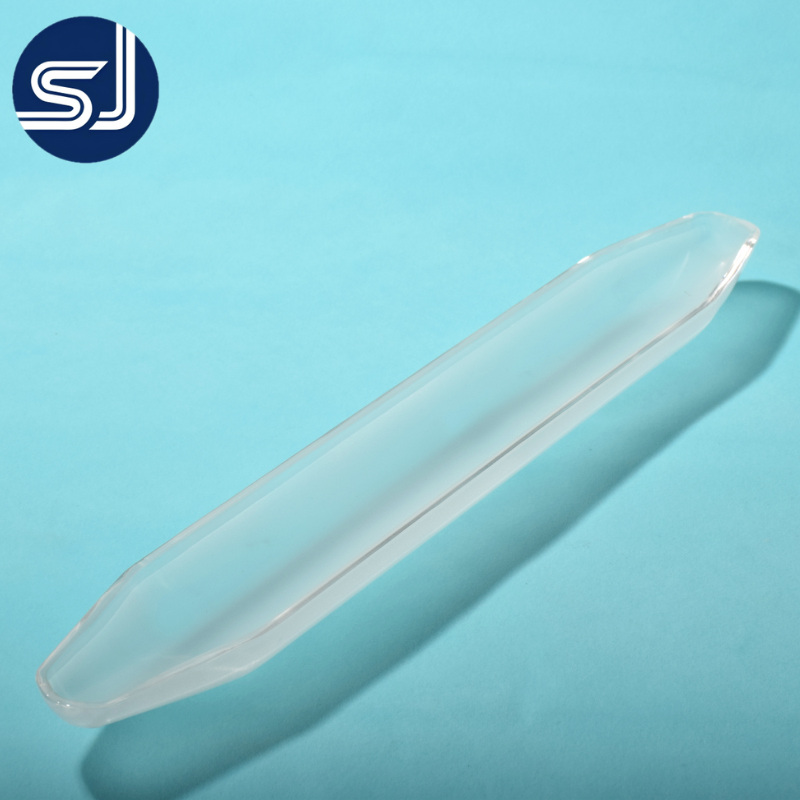
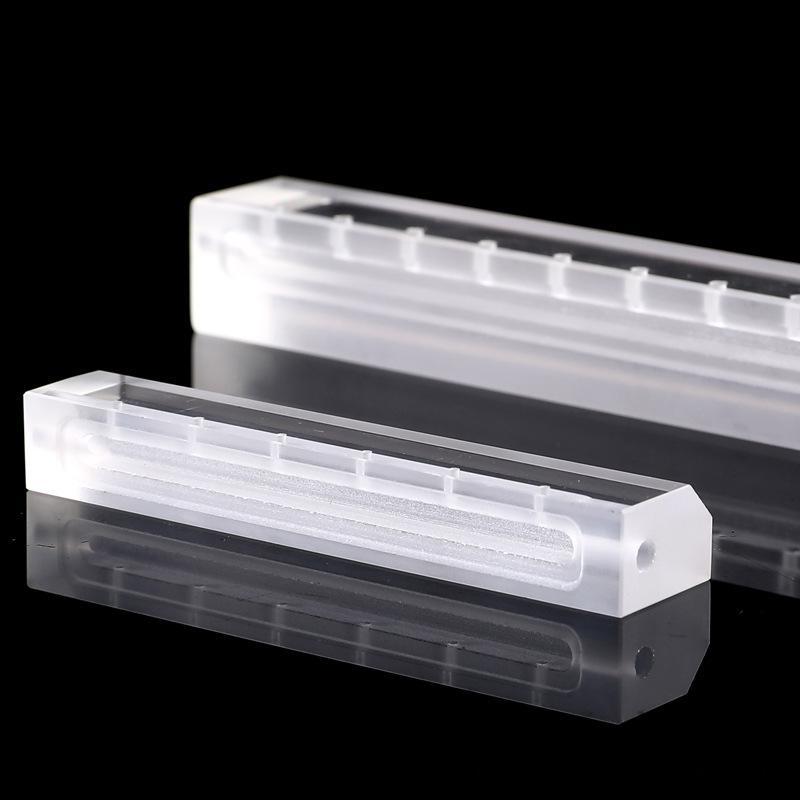

Thermodynamics & Structural Metrology of BET Quartz Sample Cells
A rigorous examination of outgassing kinetics, thermal transpiration corrections, and mechanical tolerances required for reliable Brunauer-Emmett-Teller physisorption analysis.
In precision surface metrology, BET (Brunauer-Emmett-Teller) specific surface area analysis and BJH (Barrett-Joyner-Halenda) mesopore characterization depend entirely on the integrity of the sample container. When materials scientists and analytical chemists assess nanoporous carbon, metal-organic frameworks (MOFs), zeolites, or active battery materials, the physical interface between the sample cell and the vacuum manifold dictates measurement accuracy. Standard borosilicate glassware frequently suffers from structural softening, helium permeability, and persistent surface dehydroxylation when subjected to degas cycles above 350°C. In contrast, fused quartz (amorphous silicon dioxide, SiO₂) delivers structural stability, virtually zero chemical outgassing, and remarkable thermal endurance.
As an established manufacturing authority based in China's quartz capital (Donghai) and supplying advanced analytical laboratories across the West End industrial and academic corridors, Lianyungang Vulra Quartz Products Co., Ltd. fabricates BET test tubes that satisfy rigorous instrumentation standards. Whether configuring 6 mm, 9 mm, or 12 mm stem diameters with bulb volumes from 1.5 cm³ to 15 cm³, our hot-forming flame benches achieve seamless transitions that prevent localized stress concentration during deep cryogenic quenching.
| Material Property / Parameter | Vulra Semiconductor Fused Quartz | Standard Laboratory Fused Quartz | Laboratory Borosilicate Glass 3.3 |
|---|---|---|---|
| SiO₂ Chemical Purity | ≥ 99.999% (<10 ppm metallic impurities) | ≥ 99.99% (<50 ppm metallic impurities) | ~ 81% (Contains B₂O₃, Na₂O, Al₂O₃) |
| Continuous Operating Temp | 1100°C (1200°C under inert gas) | 1050°C | 450°C – 500°C Max |
| Softening Point (Log η = 7.6) | 1683°C | 1665°C | 820°C |
| Thermal Shock Resistance | ΔT > 1100°C (Quench from 1100°C into water) | ΔT > 1000°C | ΔT ≈ 150°C – 180°C |
| Coefficient of Thermal Expansion (CTE) | 5.5 × 10⁻⁷ /°C (20°C to 320°C) | 5.5 × 10⁻⁷ /°C | 33 × 10⁻⁷ /°C (6x higher dead-space variance) |
| Helium Permeability at 25°C | Extremely low (Negligible free-space drift) | Very low | Moderate (Interferes with He void calibration) |
| Vacuum Integrity under Ultra-High Vacuum | Hermetic to < 10⁻⁹ mbar·L/s leak rate | Hermetic to < 10⁻⁸ mbar·L/s | Vulnerable to micro-fissuring at neck seals |
Accurate specific surface area determinations via nitrogen (N₂ at 77.3 K), argon (Ar at 87.3 K), or carbon dioxide (CO₂ at 273.15 K) require calculating the exact non-adsorbing gas void volume, commonly known as "free space" or "dead space." Fused quartz test tubes prevent wall sorption phenomena. Because natural borosilicate glass contains sodium, potassium, and boron cations, mobile ions migrate to the inner surface under high-temperature outgassing (300°C–450°C), introducing active sorption centers that falsely inflate calculated surface areas in low-surface-area thin films or pharmaceutical powders. Vulra's 99.999% pure fused silica eliminates alkaline background interference entirely.
Serving the West End Innovation & R&D Hub
From advanced catalytic test-beds to clinical nanomedicine laboratories, discover how specialized fused quartz sample tubes power key regional characterization workflows.
Porous MOF & COF Nanomaterial Synthesis
West End advanced chemistry departments and synthetic biology labs synthesize custom Metal-Organic Frameworks and Covalent Organic Frameworks for targeted carbon capture and volatile organic compound (VOC) trapping. Vulra's bulb and cylindrical quartz cells withstand overnight high-vacuum degas profiles up to 450°C without devitrification, allowing complete moisture and solvent evacuation from delicate 0.5 nm sub-nanopores.
Next-Gen Battery Cathode & Anode Characterization
Clean energy development facilities situated within regional industrial technology corridors analyze synthetic graphite, silicon-graphene composites, and hard carbon architectures for lithium-ion and sodium-ion cells. Our quartz test tubes enable exact micro- and meso-pore sizing via krypton and nitrogen isotherms, helping battery electrochemists correlate real active surface area with initial solid-electrolyte interphase (SEI) capacity losses.
Heterogeneous Chemisorption & Metal Dispersion
In pilot petrochemical conversion, green hydrogen, and carbon-monoxide methanation research centers across West End, catalytic metal dispersion (Pt, Pd, Ru on alumina/titania supports) requires active chemisorption at elevated temperatures. Vulra's customized quartz reactor U-tubes withstand pulse chemisorption, dynamic temperature-programmed reduction (TPR), oxidation (TPO), and desorption (TPD) protocols up to 1100°C without mechanical sagging.
Pharmaceutical Active Ingredient (API) Micronization
Solid-state formulation labs in regional biopharma research clusters require validation of specific surface area (SSA) for crystalline APIs and excipient binders. Our low-surface-area krypton test bulbs feature uniform internal wall finishing, preventing erratic dead-space reading fluctuations and ensuring compliance with Pharmacopeia monograph standards (USP <846> and Ph. Eur. 2.9.26).
Semiconductor Chemical Mechanical Planarization (CMP)
Precision microelectronics fabs and advanced material suppliers rely on colloidal silica and ceria slurries for wafer planarization. Aggregate detection and primary particle surface sizing demand sample degassing without silica dissolution. Vulra's acid-etched, DI-water-cleaned fused quartz sample tubes eliminate trace particulate shedding, guaranteeing pristine analytical baselines.
Nuclear Graphite & Refractory Thermal Testing
Aerospace engineering testing hubs located in adjacent technology business parks assess thermal shock resistance and porous graphite ablation dynamics. Quartz sample holders and furnace liner tubes from Vulra operate reliably under severe temperature fluctuations, accommodating sudden insertion into cryo-dewars directly from hot degassing zones without micro-cracking.
Regional Sourcing Trends: Modernizing West End Supply Chains
How institutional procurement managers, university core facilities, and contract testing laboratories are re-evaluating precision quartz consumable sourcing.
Procurement heads within West End research districts have traditionally faced significant challenges when acquiring replacement test tubes for surface area analyzers manufactured by global instrument leaders (such as Micromeritics Instrument Corp, Anton Paar / Quantachrome, Microtrac MRB / BELSORP, and Thermo Fisher). Historically, original equipment manufacturer (OEM) replacement parts carried steep distribution markups, slow replenishment cycles, and inflexible standard geometries that failed to accommodate non-standard sample morphology or oversized monoliths.
Over the past three years, analytical facilities across West End have shifted definitively toward verified direct manufacturer partnerships. The modern sourcing model demands three non-negotiable criteria:
1. Rapid Drawing-to-Bench Customization
Research projects frequently evaluate aerogels, large ceramic cores, or fibrous membranes that cannot be crushed into standard 9 mm test tubes without compromising their natural hierarchical pore network. Direct access to flame-working engineers enables West End laboratories to submit 2D technical drawings for custom oversized bulb chambers, flared necks, or integral thermocouple thermowells, moving from blueprint to production within 72 hours.
2. Flawless Vacuum O-Ring Compatibility
Analytical equipment failure in sorption metrology typically occurs not at the sensor level, but at the manifold ferrule and O-ring sealing interface. Standard commercial glass tubing often exhibits outer-diameter (OD) ovality exceeding ±0.15 mm, causing ambient air leakage during overnight cryogenic runs. Vulra enforces tight dimensional tolerances of ±0.02 mm across stem sections, guaranteeing leak-tight seals with Viton and Kalrez elastomer fittings.
3. Zero Devitrification Lifecycle Longevity
Budget-conscious research institutes prioritize consumable lifespan. Low-grade quartz containing alkali impurities devitrifies rapidly above 800°C, transforming transparent silica into an opaque, brittle cristobalite crystalline phase prone to shattering. Vulra's stringent OH-radical reduction and high-purity natural crystal sand feedstock guarantee extended operational lifespans across hundreds of degas iterations.
Why Global Buyers Rely on Lianyungang Vulra Quartz
Combining the mineral resource advantages of China's crystal capital with certified European quality standards and drawing-based custom quartz engineering.
Origin Advantage: Donghai Crystal Capital
Our primary manufacturing base is strategically situated at No. 9, Dingxin Road, Jiangsu Donghai Economic Development Zone. Donghai County is globally recognized as the raw crystal epicenter, providing our thermal processing workshops with uncompromised access to premium natural quartz crystal sand.
Every raw sand batch undergoes multi-stage magnetic separation, acid de-ironing, and vacuum arc fusion, yielding raw quartz tubing with total metallic contamination kept under 10 ppm. With specialized hot-working glass lathes and diamond-tooled cold machining centers housed under one roof, we eliminate intermediate subcontracting delays and ensure seamless traceability.
1. Flame Micro-Lathe Forming
Oxy-hydrogen flame torches spin at synchronized angular velocities to ensure uniform glass redistribution, maintaining constant wall thickness at curved bulb bottoms.
2. Precision Thermal Annealing
Parts undergo controlled thermal soaking in clean electric annealing kilns at 1150°C, relieving residual cooling stresses that cause shattering under high-vacuum drawdowns.
3. Ultra-Sonic Acid Etching
Immersion in targeted hydrofluoric and nitric acid baths strips micro-scale surface tooling dust, followed by multi-stage 18.2 MΩ·cm deionized water rinses and hot nitrogen drying.
4. Laser Metrology & Vacuum QA
Laser micrometers verify outer diameters, inner concentricity, and wall thickness. Helium leak-detection systems certify hermetic sealing integrity before cleanroom boxing.
Frequently Asked Questions: BET Quartz Procurement
Comprehensive technical and logistical answers curated by Vulra's senior analytical glassware engineers for lab directors, researchers, and procurement specialists.
Why is fused quartz mandatory for high-temperature BET outgassing compared to borosilicate glass?
How does tube wall concentricity and diameter tolerance affect BET void-volume (dead space) calculations?
Can Vulra manufacture custom BET test tubes compatible with Micromeritics, Quantachrome/Anton Paar, and BELSORP instruments?
What is the risk of catastrophic implosion during liquid nitrogen immersion, and how is it prevented?
What is the difference between natural fused quartz and synthetic fused silica in surface area analysis?
How should laboratories clean and regenerate quartz BET test tubes after testing sticky or carbonaceous samples?
What packaging standards are implemented to eliminate breakage during international air freight to the West End?
Can Vulra incorporate porous quartz frits or fused thermowells directly inside BET sample tubes?
Request a Custom BET Quartz Tube Engineering Review
Consult with Vulra's scientific glassblowing engineers to finalize stem diameters, bulb configurations, vacuum ferrule compatibility, or volume batch supply. Experience drawing-based precision from 1 piece with verified TÜV Rheinland quality.
Inquire Now