Precision Quartz Components & Custom Bent Solutions
Engineered specifically for the demanding microelectronics, analytical instrumentation, and advanced research facilities operating in the Tokyo Metropolitan Area.
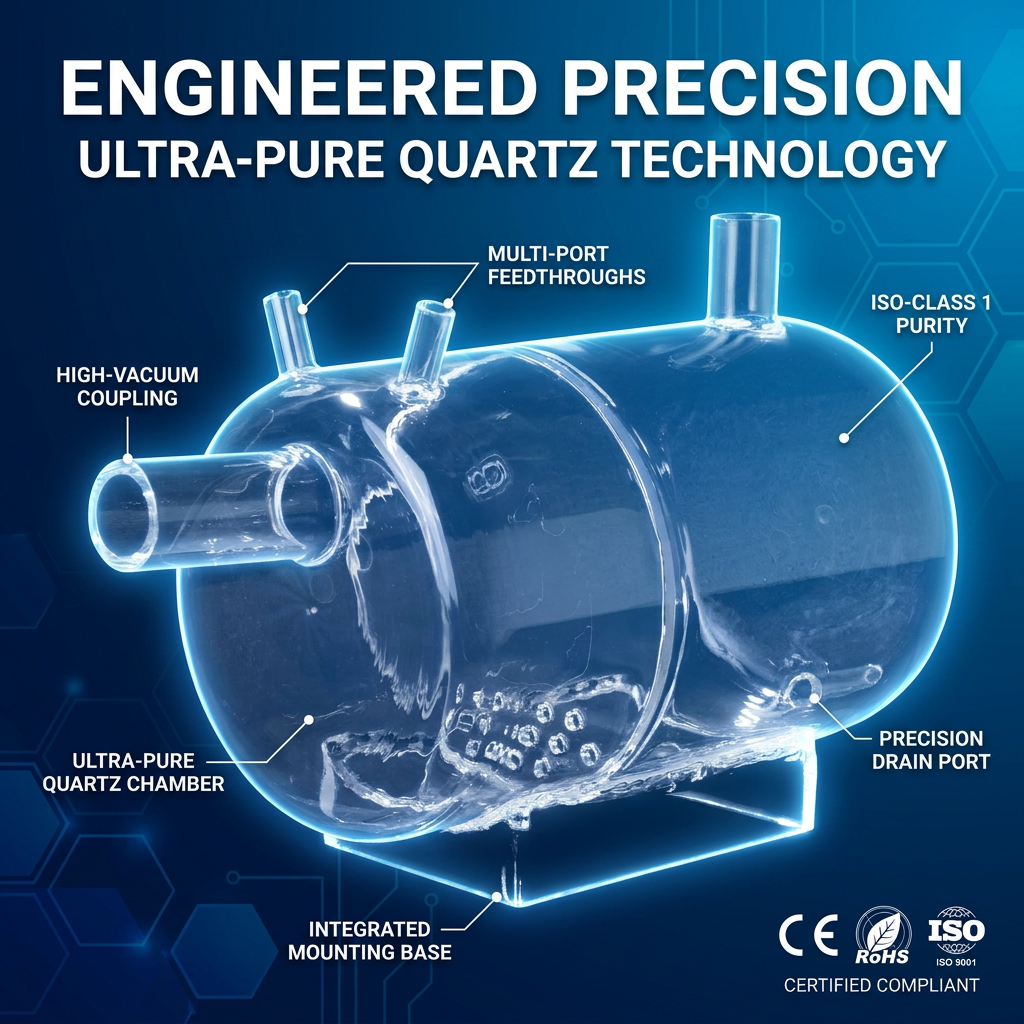
Customized Precision Quartz Separating Container Semiconductor Grade
Ultra-pure 99.999% SiO₂ separating vessel featuring flame-sealed ports and precision dimensional stability for high-purity chemical distillation.
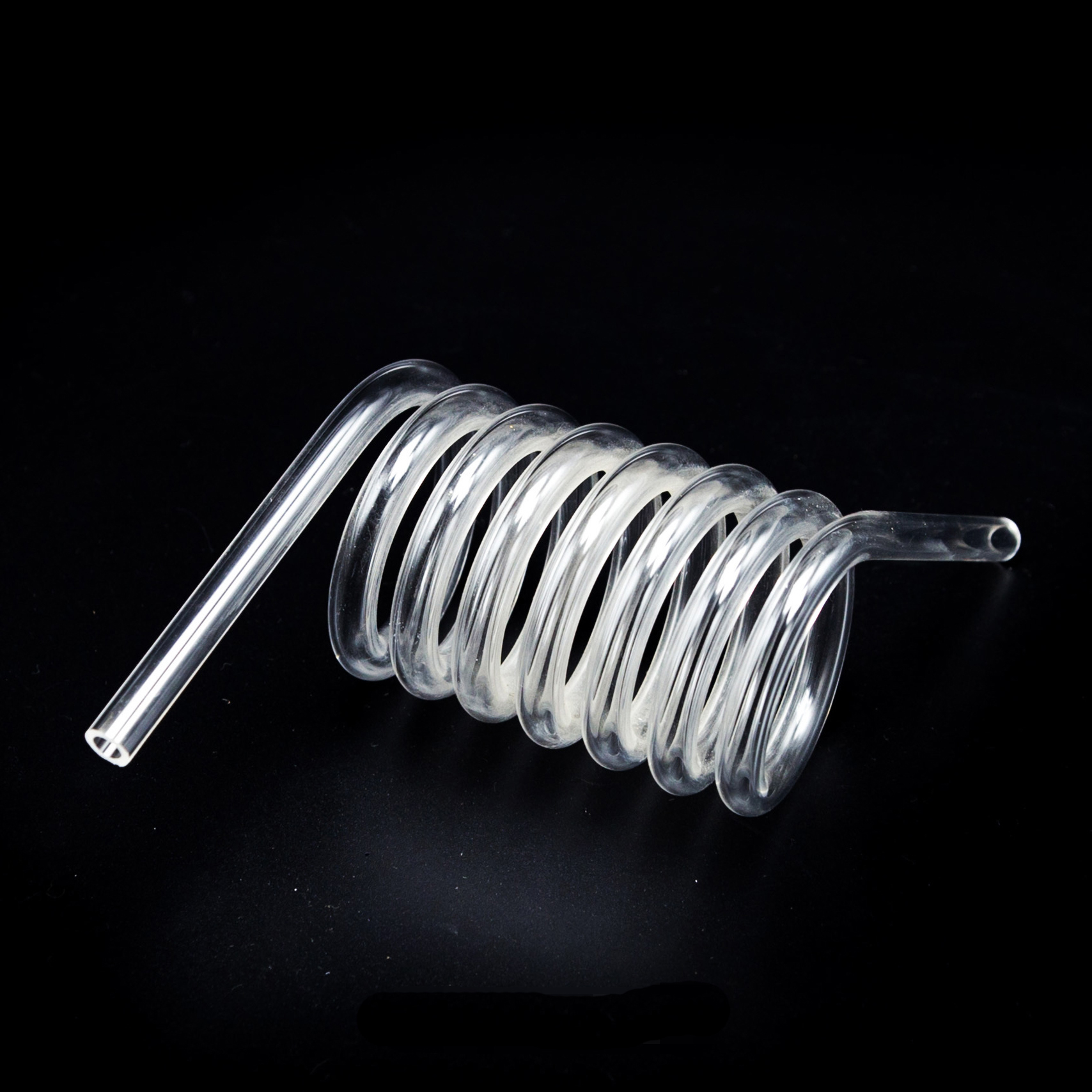
High Purity Clear Quartz C-Shape & Spiral Bent Tubes
Accurate radius hot-bent quartz glass tubes, spiral cooling coils, and U-tubes manufactured with low wall-thinning ratios and fire-polished edges.
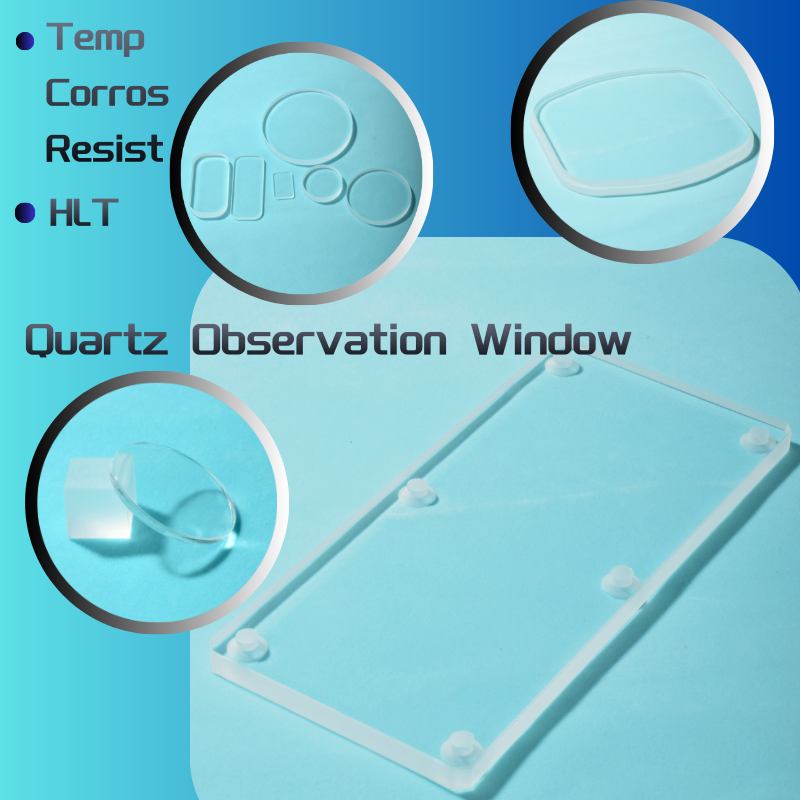
Natural Fused Quartz Polished Plate Optical Grade
Surface roughness Ra < 0.5 nm, double-sided optical polishing with ultra-low thermal expansion, engineered for laser transmission and lithography windows.
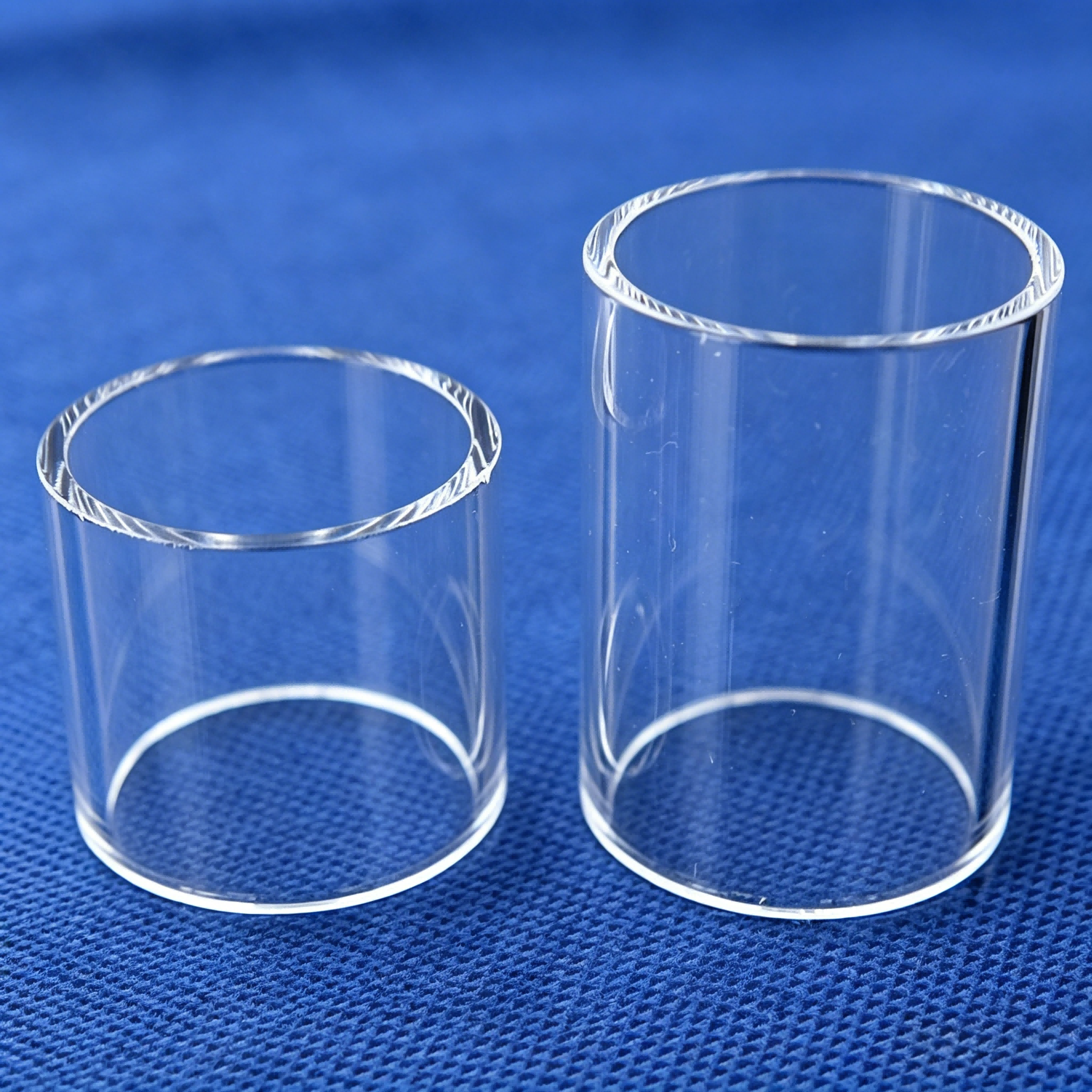
Custom High-Temp Twin Tube & Corrosion-Resistant Pipe
Twin-tube configurations and heavy-wall industrial quartz piping for infrared radiant emitters, epitaxy chambers, and acid gas transport.
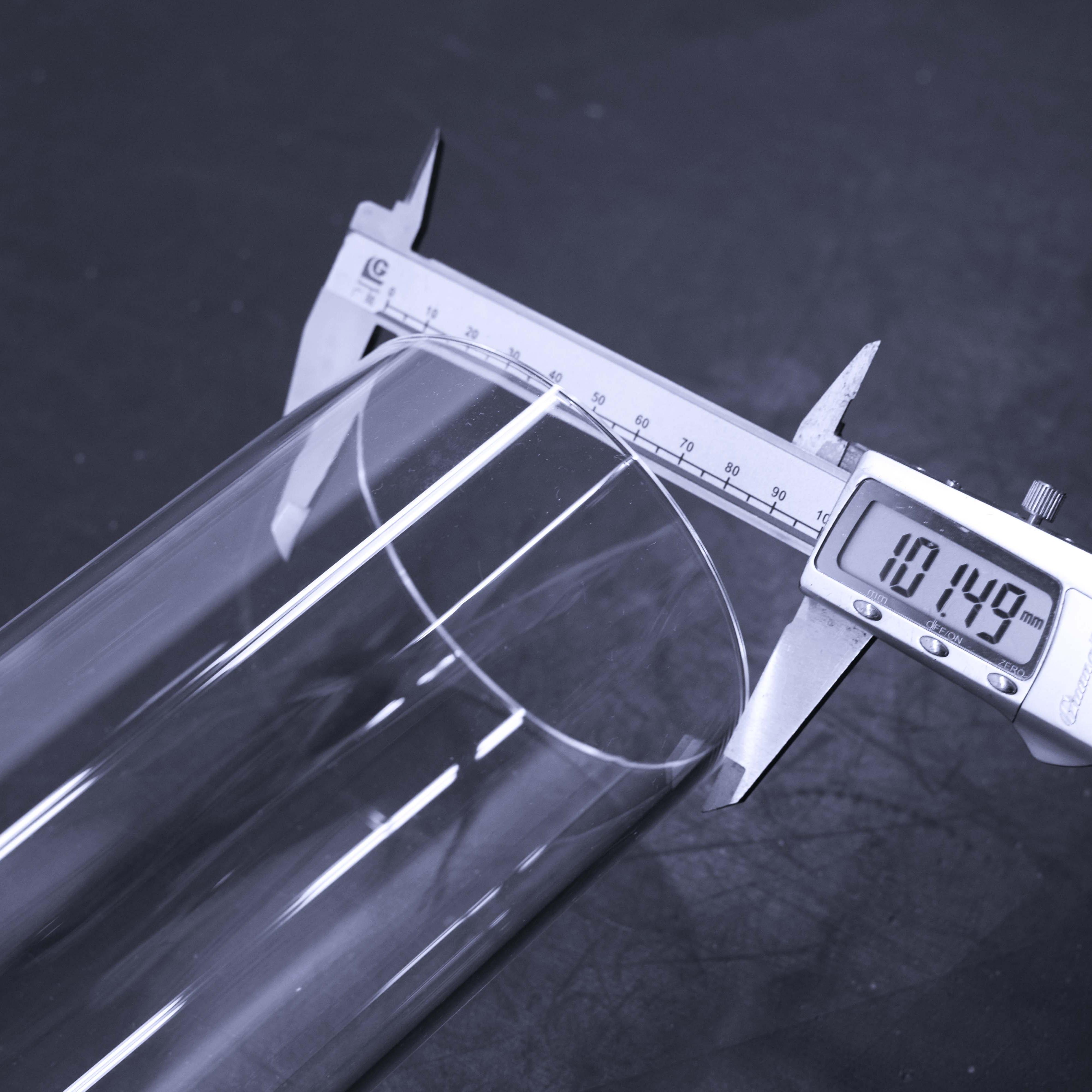
High Purity Clear Quartz Glass Tube Customizable
Continuous draw quartz tubes up to 800 mm OD with tight concentricity, vacuum flame polishing, and precision cut-to-length capabilities.
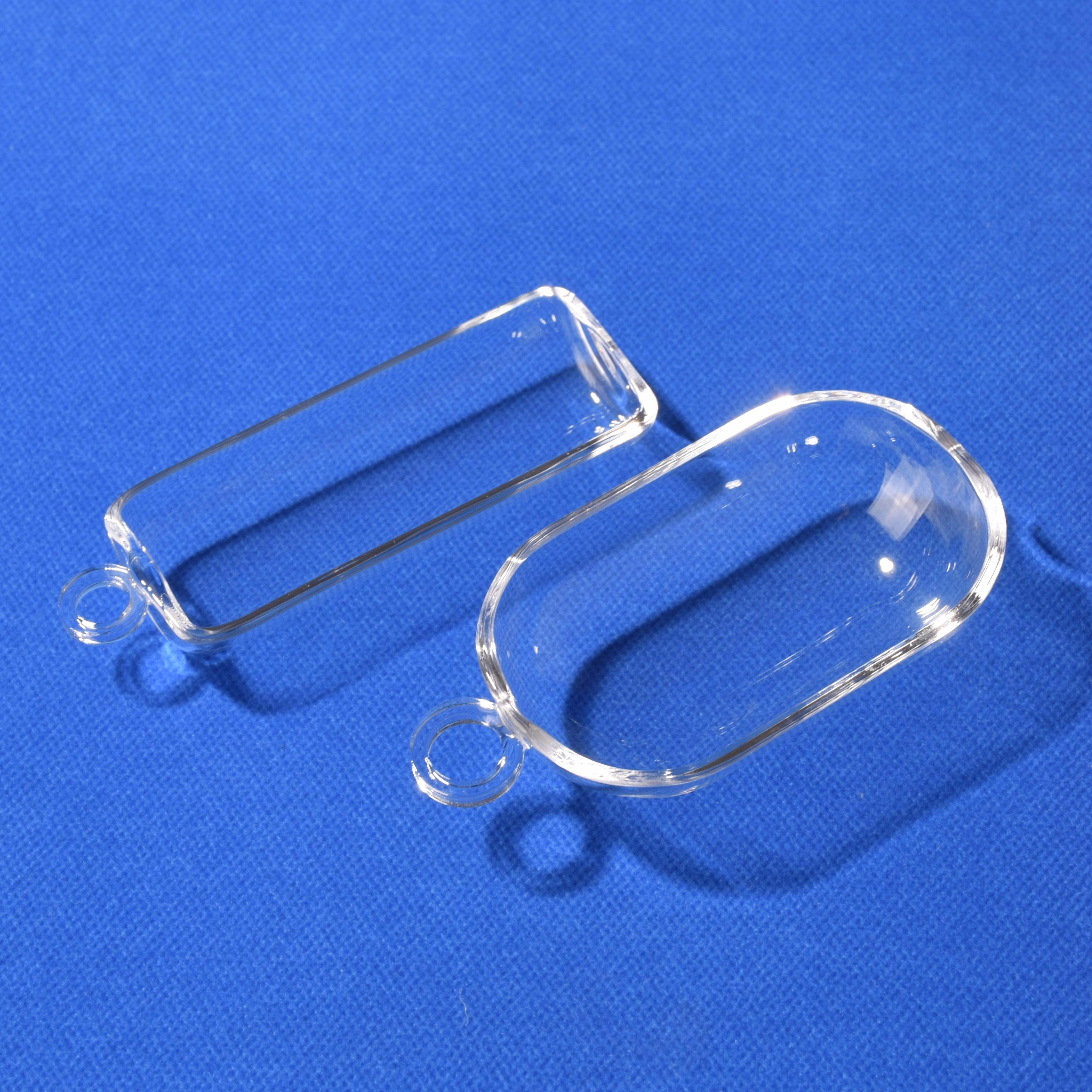
Semi-Circular Flat Bottom Tube Furnace Boat
Dehydroxylated quartz furnace boats engineered for uniform thermal gradients in diffusion furnaces, CVD reactors, and high-temp sintering.
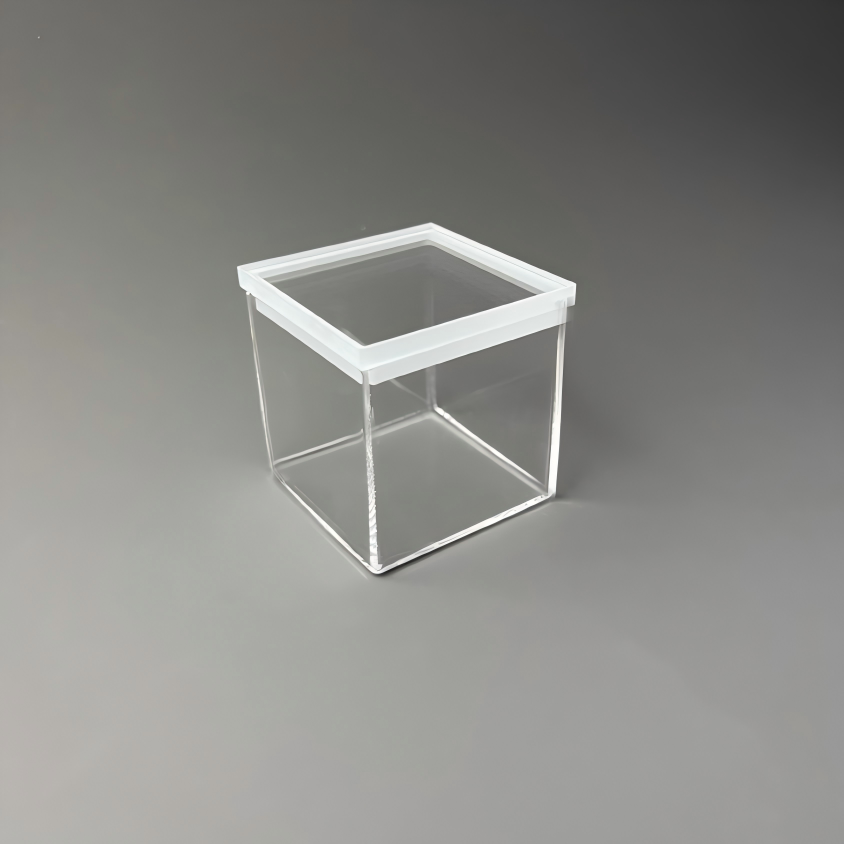
Sealed Photoelectrochemical Dome Electrolytic Cell
Hermetically sealed domed quartz cells offering high UV transmission, non-reactive chemical boundary conditions, and customized electrode ports.
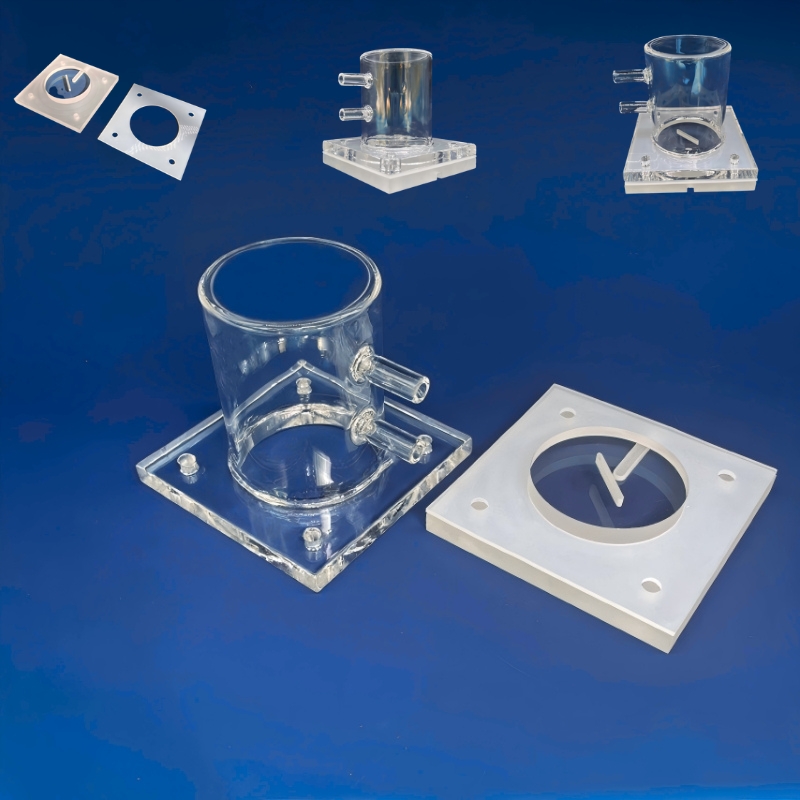
Quartz Photocatalytic Reactor for Hydrogen Production
Integrated double-jacketed photochemical flow reactors optimized for deep UV transmission down to 185 nm without ozone-induced crystallization.
1. Executive Engineering Overview: Precision Bent Quartz Tubes in the Tokyo Industrial Sphere
In high-precision manufacturing, microelectronics fabrication, and photonic research, fused quartz glass (fused silica) occupies an irreplaceable position due to its unique combination of ultra-low thermal expansion, high dielectric strength, broad optical transparency from deep ultraviolet (DUV) through near-infrared (NIR), and inertness against aggressive acids. While straight quartz tubing is widely standardized, bent quartz glass tubes—including U-bends, 90-degree gas distribution elbows, multi-turn spiral coils, coiled immersion heaters, and branched quartz manifolds—represent a significantly higher echelon of thermal-forming craftsmanship.
Across the Greater Tokyo industrial landscape (including the Keihin and Keiyo Industrial Zones, Tokyo's Ota and Shinagawa high-tech clusters, the Kanagawa science corridors in Kawasaki and Yokohama, and the Tsukuba R&D cluster in neighboring Ibaraki), precision engineering firms and laboratory equipment manufacturers require bent quartz tubes with strictly controlled tolerances. The challenge in hot-bending quartz lies in its narrow softening window around 1683°C and its high viscosity at working temperatures (exceeding 1750°C). Unlike conventional borosilicate or soda-lime glass, bending quartz requires oxy-hydrogen flames, carbon-graphite or ceramic tooling, and rapid, disciplined manipulation to avoid wall thinning, cross-sectional ovalization, surface vapor deposition (silica haze), and residual mechanical stress.
As a verified direct factory, Lianyungang Vulra Quartz Products Co., Ltd. bridges the gap between raw crystal synthesis and high-precision glassblowing. By sourcing directly from the Donghai mineral quartz belt and implementing stringent computer-controlled and torch-assisted flame lathes, we manufacture bent quartz glass tubes that conform strictly to Japanese Industrial Standards (JIS R 3216 / JIS C 7604) and client CAD specifications, ensuring flawless integration into Tokyo's most demanding cleanrooms and wafer fabs.
2. Material Science: High-Purity Natural Quartz vs. Synthetic Fused Silica for Bending
Procurement directors and vacuum engineers in Tokyo frequently evaluate the trade-offs between natural fused quartz and synthetic fused silica when commissioning bent assemblies. The choice heavily influences thermal creep, hydroxyl (OH⁻) absorption bands, bubble classes, and long-term devitrification rates under thermal cycling.
| Physical / Chemical Property | Standard Semiconductor Grade (SJ-Natural) | Low-OH Dehydroxylated Quartz | Synthetic Fused Silica (JGS1 Equivalent) |
|---|---|---|---|
| SiO₂ Purity Level | > 99.99% (4N) to 99.995% | > 99.995% to 99.999% (5N) | > 99.9999% (6N) |
| Hydroxyl [OH⁻] Content | 120 – 180 ppm | < 5 – 10 ppm (Electric Fused Vacuum) | < 1 ppm or up to 1000 ppm (application tailored) |
| Continuous Service Temp. | 1100 °C | 1150 °C – 1200 °C | 1050 °C |
| Max Peak Temp. (Short-term) | 1350 °C | 1450 °C | 1250 °C |
| Transformation Point (Tg) | 1075 °C | 1120 °C | 1050 °C |
| Thermal Expansion (0–300°C) | 5.5 × 10⁻⁷ K⁻¹ | 5.4 × 10⁻⁷ K⁻¹ | 5.2 × 10⁻⁷ K⁻¹ |
| Deep-UV (193–248 nm) Transmission | Moderate (Internal absorption) | Good for general UV curing | Exceptional (> 90% internal transmittance) |
For standard bent heating envelopes, fluid transport, and ozone-free UV sterilizers, natural fused quartz (sourced from pure pegmatite crystal sand) delivers optimum mechanical stiffness and economic scalability. However, for Tokyo-based semiconductor lithography tools, excimer laser beam deliver systems, or atomic layer deposition (ALD) precursor delivery lines, synthetic fused silica or low-OH treated quartz tubes are bent inside cleanroom conditions to prevent any hydroxyl leaching or metal cation contamination (specifically Iron, Sodium, Potassium, and Copper below < 0.1 ppm aggregate).
3. Localized Industrial Application Scenarios Across the Tokyo Megalopolis
The Tokyo metropolitan cluster hosts one of the world's most concentrated ecosystems of semiconductor equipment manufacturers, optics developers, analytical instrument builders, and clean energy innovators. Bent quartz glass tubes play critical, non-negotiable roles across several specific local sectors:
Semiconductor Fabs & Dry Etch Tools
Applied in Tokyo Electron (TEL), Canon, and Nikon equipment lines across Kanto. Custom U-shaped gas injection lances, bent quartz vacuum lines, and wafer thermocouple feedthrough sleeves prevent metallic contamination during plasma etching and chemical vapor deposition (CVD).
Analytical Instruments & Mass Spectrometry
Shimadzu, JEOL, and Hitachi High-Tech precision instrument lines in Tokyo rely on custom bent quartz torch injectors, ICP-OES sample transport manifolds, and nebulizer spray chambers with zero chemical retention and thermal shock immunity.
Green Hydrogen & Photocatalytic Reactors
Advanced R&D laboratories at the University of Tokyo (Hongo Campus), Tokyo Institute of Technology (Ookayama), and AIST Tsukuba implement our double-walled bent photochemical reactors and immersion wells for water splitting and synthetic fuel development.
Ozone-Free UV & IR Thermal Processing
Industrial curing plants in Ota Ward and Kanagawa use titanium-doped ozone-free bent quartz jackets. These allow transmission of 254 nm germicidal wavelengths while filtering out 185 nm ozone-generating radiation, safeguarding shop-floor operators.
Pharmaceutical & Pure Water Sterilization
Pharmaceutical facilities in Nihonbashi and Chiba use multi-loop spiral bent quartz tubes for continuous flow-through photochemical liquid disinfection, offering resistance against caustic CIP (Clean-in-Place) chemicals.
Rapid Thermal Processing (RTP) Reflector Assemblies
Bent dual-bore clear quartz guide pipes shield pyrometers and fiber optic sensor heads from high radiative flux in rapid anneal furnaces across Tokyo's advanced packaging labs.
4. Tokyo Procurement Trends: Stringent Quality Protocols & Supply Chain Resilience
Japanese manufacturing procurement is internationally celebrated for its uncompromising dedication to quality assurance (Monozukuri), tight tolerance expectations, and risk aversion regarding single-source dependency. Recent supply chain reorganizations in Tokyo have sparked significant evolutions in how technical buyers source fused quartzware:
A. Re-evaluating Domestic Japanese Foundry Lead Times vs. Direct Verified Overseas Foundries
Historically, Japanese OEMs relied almost exclusively on domestic optical glass processors located in Nagano, Yamagata, or Shizuoka. However, domestic lead times for custom-bent quartz configurations now frequently stretch beyond 12 to 20 weeks due to skilled glassblower retirements and capacity bottlenecks. Tokyo procurement managers are proactively qualifying verified overseas manufacturers who can provide equivalent dimensional accuracy (sub-millimeter bend radii, controlled wall thickness) with prototype turnarounds in under 10–14 days.
B. Shift Toward Comprehensive Cleanroom-Packaged, Particle-Certified Deliveries
Tokyo semiconductor and optical customers demand parts that do not introduce micro-particles or organic contamination into Class 100 or Class 1000 cleanrooms. Delivering quartz with simple bulk bubble wrapping is completely unacceptable in the Kanto region. Tubes must undergo ultrasonic multi-stage acid baths (HF/HNO₃ etching), 18.2 MΩ·cm deionized water rinses, hot nitrogen drying, and double-layer vacuum heat-sealed cleanroom packaging before dispatch.
C. Strict Adherence to Geometrical Tolerances and Ovality Control
During the thermal bending of quartz tubes, centrifugal force and thermal gravity naturally induce ovalization (flattening of the circular tube diameter at the apex of the bend) and wall thinning on the outer curvature. Japanese quality engineers establish rigorous criteria:
- Ovality (Out-of-Roundness): Controlled within < 5% to 8% of the nominal outer diameter through continuous internal nitrogen positive pressure during torch bending.
- Wall Thickness Thinning Ratio: Maintained under 12% across the tensile radius zone through strategic raw tube selection and feeding velocity.
- Angular Tolerance: Bend angles (45°, 90°, 180° U-bend) verified by optical coordinate measuring machines (CMM) to within ±0.25° to ±0.5°.
- Internal Stress Birefringence: Annealed inside computer-programmed electric ovens with polariscope inspection showing optical retardation < 10 nm/cm.
Why Tokyo Industry Leaders Partner with Vulra Quartz
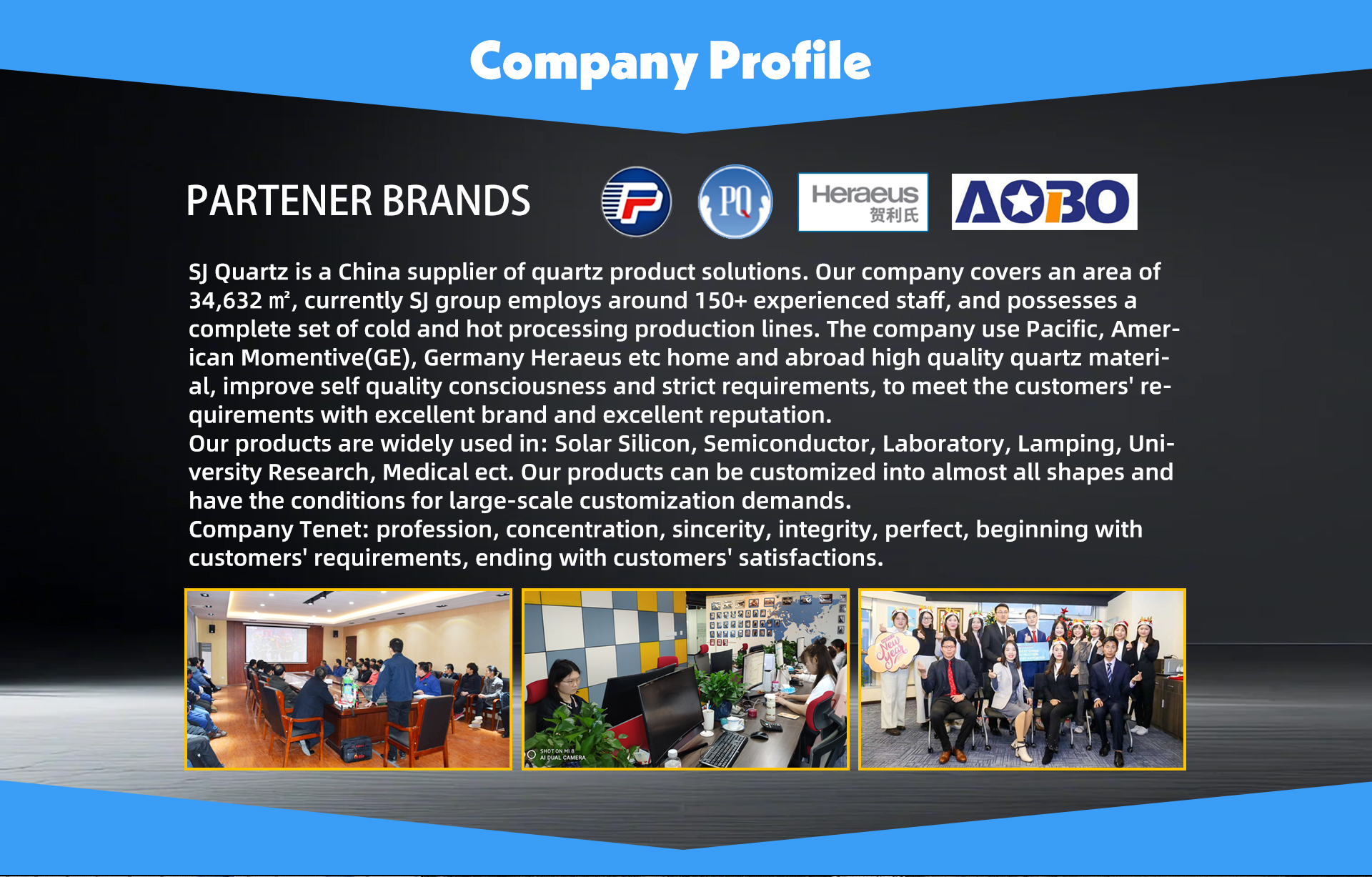
Lianyungang Vulra Quartz Products Co., Ltd. operates at the epicenter of China's quartz capital—Donghai County, Jiangsu Province. With over six years of dedicated export excellence and direct verification from TÜV Rheinland, we combine raw mineral cost dominance with world-class hot and cold glass fabrication.
Our master glassblowers operate specialized oxy-hydrogen flame lathes capable of shaping tubes from small capillary sizes (OD 2 mm) up to heavy industrial furnace diameters (OD 800 mm). Every bent quartz tube produced for the Tokyo market is subjected to controlled thermal annealing cycles (soaking at 1150°C and gradual ramp-down) to eliminate residual lattice strain, followed by acid etching and complete coordinate verification.
5. Frequently Asked Questions (FAQ) for Tokyo Quartz Buyers
Technical and procurement inquiries addressed by our senior production engineers for clients in Tokyo, Yokohama, and the wider Kanto region:
What logistics and customs procedures apply when shipping bent quartzware to Tokyo or Yokohama?
How do you prevent breakage of complex bent quartz shapes during international transit?
Can we order a single piece (1 PC) prototype before committing to batch volume?
How is annealing verified to ensure the bent tube will not shatter under high thermal cycling?
Do your quartz products comply with Japanese environmental and chemical regulations (RoHS/REACH)?
What are the standard tolerances for bent quartz elbows and multi-angle coils?
Submit Your CAD Drawings for Engineering Review
Whether you require a one-off prototype for an experimental setup at Tsukuba or monthly volume supply of bent quartz heater tubes for production lines in Kanagawa, our technical engineers provide comprehensive design verification, thermal evaluation, and competitive factory quotations within 24 hours.
Contact Us