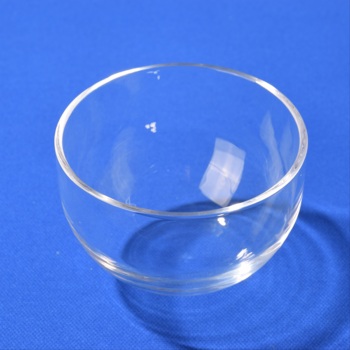
Inner-Layer Solar Crucible Sand
SiO₂ ≥ 99.998% (4N8). Ultra-low micro-bubble inclusions, zero color center defect, withstands 1500°C liquid silicon contact for > 350 hours.
View Crucible Sand
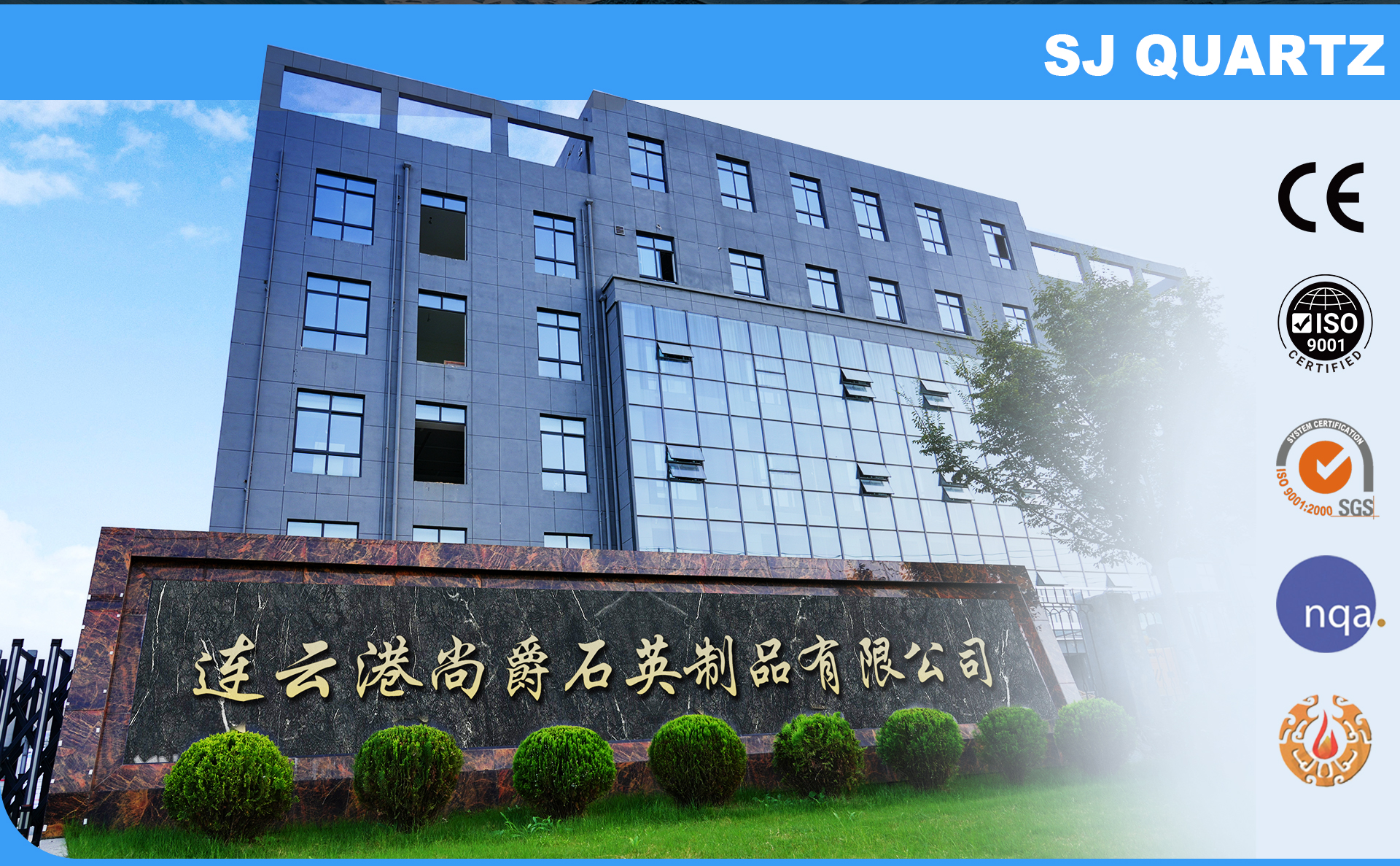
Lianyungang Vulra Quartz Products Co., Ltd. is a high-technology quartz refiner and precision quartzware manufacturer strategically located in the Jiangsu Donghai Economic Development Zone. Recognized internationally as the premier quartz processing hub of China, Donghai supplies the foundational mineral processing infrastructure, advanced flotation chemical matrices, and ultra-high-temperature chlorination roasting capabilities required to manufacture High Purity Quartz Sand (HPQ).
Industrial procurement of HPQ has evolved from generic commodity buying into rigorous crystallographic and chemical qualification. High Purity Quartz Sand represents mineral raw materials exhibiting an SiO2 content of 99.99% (4N) up to 99.999% (5N), with total non-silicon trace elements rigorously constrained below 15–20 ppm. Trace metal contaminants—including Fe, Al, Ca, Mg, Ti, along with mobile alkali ions Li, Na, K and boron/phosphorus dopants—dictate the thermal sag resistance, structural devitrification kinetics, and ultraviolet spectral transmittance of the final fused quartz glassware.
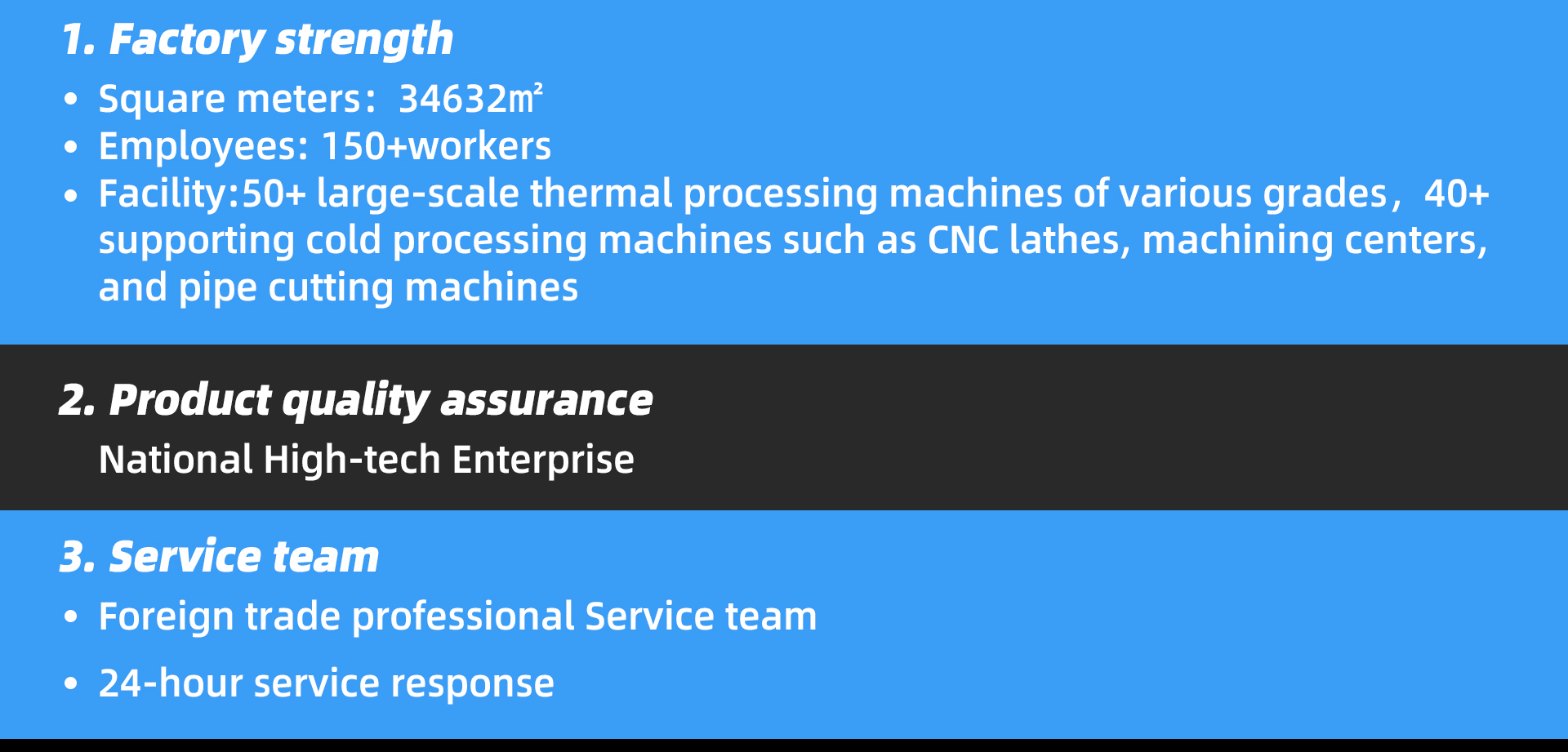
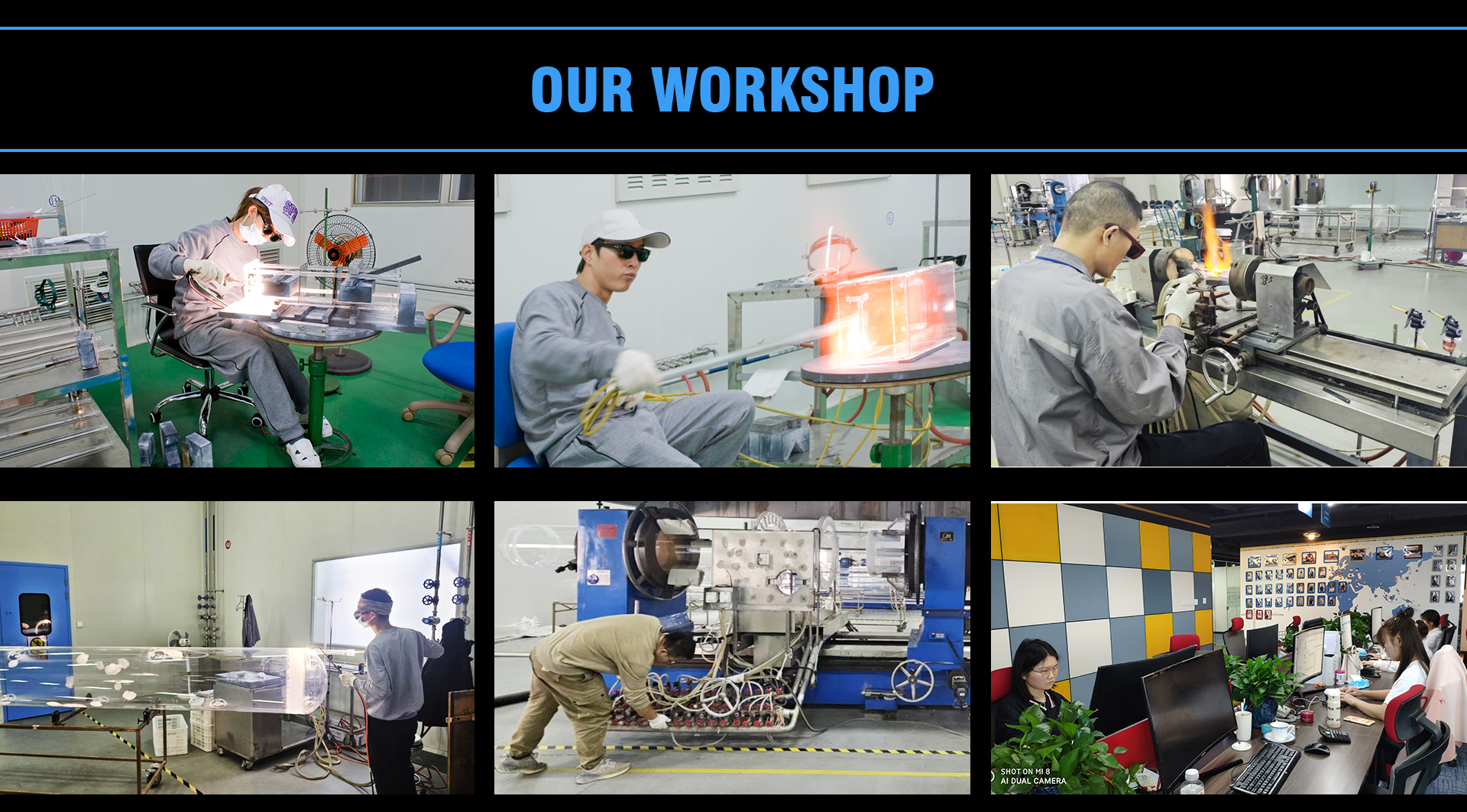
As an engineering partner verified on-site by TÜV Rheinland, Vulra controls both raw material mineral dressing and downstream hot/cold quartz glass synthesis. Whether you require customized particle size distributions for Czochralski inner-layer solar crucibles, micro-powder fillers for semiconductor epoxy molding compounds (EMC), or low-hydroxyl feedstocks for plasma etch rings, our production team provides verified chemical assay certificates and traceable batch consistency from 1 kg pilot trials to hundreds of metric tons per annum.
Proprietary hydrothermal acid pressure leaching and chlorination roast remove structural lattice impurities without compromising grain integrity.
Custom laser-graded PSD curves (40–80 mesh, 70–140 mesh, down to 5–20 μm) engineered for optimal bulk density and void-free melting kinetics.
Ultra-low alkali metal content (Li + Na + K < 1.2 ppm) ensures thermal stability at 1450°C during extended monocrystalline silicon crystal pulling.
Triple-sealed heavy-duty polyethylene and nitrogen-flushed conductive FIBC jumbo bags protect against ambient airborne moisture and dust contamination.

Every furnace load behaves according to its raw material chemistry. The following matrix illustrates the standard elemental impurity thresholds (in ppm by weight) for Vulra's High Purity Quartz Sand grades as verified by high-resolution Inductively Coupled Plasma Mass Spectrometry (ICP-MS).
| SiO₂ Purity Level | 4N5 (99.995%) to 5N (99.999%) |
|---|---|
| Aluminum (Al) | 7.0 – 15.0 ppm (Lattice Stabilizer) |
| Iron (Fe) | < 0.1 – 0.5 ppm |
| Alkali Metals (Li+Na+K) | < 0.8 – 1.8 ppm Total |
| Titanium (Ti) | < 0.8 – 1.5 ppm |
| Calcium + Magnesium | < 0.5 – 1.0 ppm |
| Boron + Phosphorus | < 0.15 ppm (CZ Silicon Grade) |
| Transition Metals (Cr,Cu,Ni) | < 0.05 ppm Individual |
| Loss on Ignition (LOI) | ≤ 0.01% wt |
| Melting Softening Point | 1683 °C (Crystalline to Vitreous) |
 Mineral Flotation · High-Temp Roasting · Cleanroom Sieving

Natural quartz contains fluid inclusions, mineral intergrowths, and lattice-bound substitutions. Lianyungang Vulra Quartz Products Co., Ltd. deploys an advanced multistage physical and chemical purification chain to convert raw pegmatite boulders into vitreous-melting High Purity Quartz Sand.
Each refining station targets a specific physical state of mineral impurity, eliminating sub-surface inclusions and gaseous bubbles before fusion.
Selected quartz ores are calcined at 900°C and quenched in deionized water to induce micro-fracturing along grain boundaries without contaminating bulk crystal matrices.
Specialized non-metallic ceramic ball mills and hydraulic cyclone classifiers shape particle geometry while preventing iron contamination, isolating target mesh profiles.
High-gradient magnetic separation eliminates paramagnetic heavy minerals, followed by selective froth flotation to strip out feldspar, mica, and superficial iron stains.
Fluidized bed reactors expose granular sand to dry HCl/Cl2 gas at 1000°C–1200°C. Gas molecules diffuse into surface micro-fissures, volatilizing alkali and transition metals into gaseous chlorides.
Automated optical inspection eliminates remaining dark spots. Final sand is triple-washed with 18.2 MΩ·cm DI-water, vacuum dried, and sealed in cleanroom barriers.
From electric-arc crucible manufacturing to continuous vacuum furnace tube melting, select the exact purity grade and particle size distribution engineered for your thermal application.
SiO₂ ≥ 99.998% (4N8). Ultra-low micro-bubble inclusions, zero color center defect, withstands 1500°C liquid silicon contact for > 350 hours.
View Crucible Sand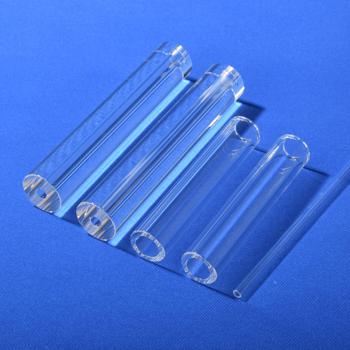
SiO₂ ≥ 99.995% (4N5). Engineered for continuous electric vacuum draw and flame fusion; high softening temperature prevents tube sagging.
Explore Tube Grade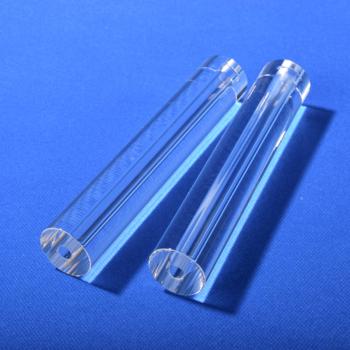
SiO₂ ≥ 99.999% (5N). Extreme transmission from 220 nm UV to 2500 nm NIR; virtually zero metallic contaminants, suitable for optical fiber core cladding.
Optical Feedstock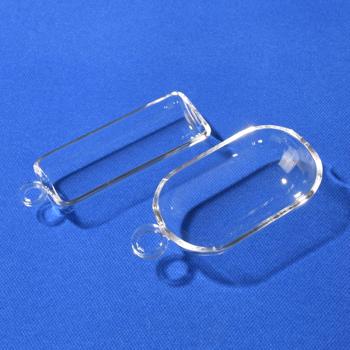
Controlled aluminum lattice doping enhances high-temperature creep strength, permitting repeatable 1150°C thermal cycling without micro-cracking.
Furnace Boat Sand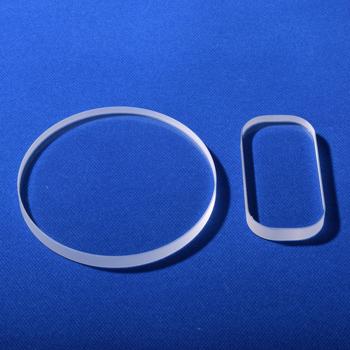
High packing density sand formulation for electro-magnetic induction batch melting of bubble-free semiconductor quartz blocks and windows.
Ingot Sand Spec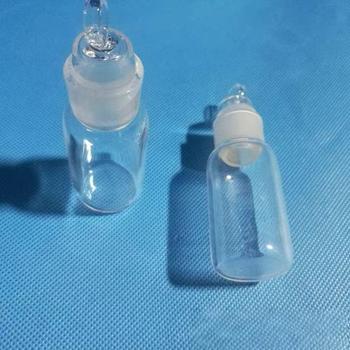
Ultrafine HPQ powder (≤ 20 μm) utilized in low-loss epoxy molding compounds (EMC), high-frequency substrate packaging, and thermal barriers.
Explore Micro-Powder
Custom premixed titanium-silica mineral feed specifically formulated to absorb 185 nm deep-UV bands while retaining > 90% transmission at 254 nm.
UV Cut SandSubmit your chemical limits (Al, Fe, Ti, Li, Na, K, B) and mesh curves to our Donghai engineering department.
Send an InquiryThe global High Purity Quartz Sand supply landscape is undergoing historic structural shifts. Buyers must navigate geopolitical supply constraints, surging demands in N-type solar wafer capacity, and rapid improvements in Chinese beneficiation science.
Historically, over 75% of global high-purity quartz feed originated from a single geological pegmatite deposit in Spruce Pine, North Carolina. Recent climate disturbances and supply-chain vulnerabilities have driven tier-1 ingot pullers and European quartz melters to qualify Chinese direct refiners like Vulra Quartz as primary and secondary strategic partners.
Continuous Czochralski (CCZ) and long-run N-type ingot pulling push crucible operating cycles from 200 hours to past 400 hours at 1450°C. Inner-layer sand now requires tighter total alkali limits (Na+K+Li < 1.0 ppm) to prevent phase transition into cristobalite, ensuring stable melt viscosities and avoiding catastrophic crucible wall collapse.
While synthetic silica is unmatched for sub-ppb purity, its high cost and tendency to form low-viscosity melts make structural crucible fabrication prohibitively expensive. Leading fabricators utilize a multi-layer strategy: natural high-viscosity HPQ sand for the outer/middle crucible body, and ultra-purified natural sand or synthetic veneer for the silicon-contact surface.
Maintaining ppb-level chemical consistency requires rigorous operational controls. Explore our Donghai facility operations, covering magnetic beneficiation, hydrofluoric-free ecological leaching, cleanroom drying, and clean vacuum packaging.
Gas chlorination at 1150°C volatilizes surface-bound alkali elements.
Multi-deck screeners isolate exact d10, d50, and d90 particle size curves.
Teflon-lined pressure autoclaves strip metallic iron and mica traces.
Nitrogen-flushed cleanroom sealing prevents airborne particulate contamination.
Multi-stage ultrasonic immersion cleans grain boundaries of all residual chlorides.
High-resolution ICP-MS and trial fusion tests confirm bubble-free melt behavior.
Our senior materials engineers address the most critical questions posed by solar crucible makers, semiconductor procurement managers, and materials researchers regarding High Purity Quartz Sand.
Send an Inquiry Contact Engineering TeamHigh Purity Quartz Sand (HPQ) is defined by an SiO2 purity exceeding 99.99% (4N) up to 99.999% (5N), with total non-silicon trace impurities constrained below 50 ppm, and below 15 ppm for semiconductor grades. Key critical limits include transition metals (Fe < 0.5-1 ppm, Cr/Cu/Ni in single-digit ppb levels), alkali metals (Li, Na, K totaling < 1-2 ppm), and lattice impurities (Al < 8-15 ppm, B < 0.1-0.2 ppm). Standard industrial silica sand typically contains 95% to 99.5% SiO2 with hundreds of ppm of iron and alumina, rendering it unsuitable for high-temperature semiconductor processing or photovoltaic monocrystalline ingot pulling.
In N-type silicon crystal growth (TOPCon and Heterojunction architectures), wafers possess extreme sensitivity to carrier lifetime degradation caused by trace transition metals and boron. Crucial CZ crucibles feature an inner layer that directly contacts liquid silicon at 1450°C-1500°C for up to 300-400 hours. If the inner quartz sand contains excessive alkali elements (Na, K, Li) or micro-bubble inclusions, devitrification (cristobalite crystal growth) accelerates, releasing particles that induce crystal dislocation and ingot termination.
Aluminum acts as an isomorphic substituent for silicon atoms within the tetrahedral [SiO4] lattice network. Controlled trace quantities of structural aluminum (typically 8 to 18 ppm) enhance high-temperature structural viscosity and suppress thermal sag at temperatures between 1100°C and 1350°C. However, aluminum concentrations exceeding 25-30 ppm promote rapid heterogeneous nucleated devitrification, elevating brittleness and reducing thermal fatigue life.
Electric-arc centrifugal casting of solar crucibles typically mandates a particle size distribution of 70 to 140 mesh (100–210 μm) or 60 to 120 mesh (125–250 μm). For oxy-hydrogen gas flame fusion (used in drawing clear tubes, rods, and optical ingots), fine-mesh fractions below 200 mesh cause volatilization loss and bubble entrainment, while particles above 50 mesh lead to unmelted crystalline inclusions. Vulra maintains a tight d50 balance tailored to each thermal melting route.
Natural HPQ sand delivers outstanding mechanical strength, low high-temperature creep, and cost efficiency for solar crucibles, diffusion tubes, CVD furnace chambers, and standard optical windows. However, for deep ultraviolet photolithography (193 nm ArF lasers) or advanced EUV photomask substrates where metal impurities must sit below 0.1 ppb and hydroxyl [OH] levels must be strictly modulated, synthetic fused silica made from chemical precursors (SiCl4 or siloxanes) remains mandatory.
Every bulk container of High Purity Quartz Sand supplied by Lianyungang Vulra Quartz is validated through Inductively Coupled Plasma Mass Spectrometry (ICP-MS) and Glow Discharge Mass Spectrometry (GDMS) covering 14-26 critical trace elements. We verify laser diffraction PSD (d10, d50, d90), optical transmission after trial vacuum-melt testing, and loss on ignition (LOI).
Direct from Donghai: 4N to 5N purity grades, tailored PSD curves, and verified batch consistency. Contact our technical team today.