TÜV Rheinland Verified Custom Quartz Manufacturer
[email protected] English
Direct From Donghai Crystal Capital · TÜV Rheinland Verified

Top China Transparent Quartz Tubing Factory & Exporters

Global Engineering Whitepaper: Precision High-Purity Fused Silica (SiO₂ ≥ 99.999%), Thermal Shock Kinetics, and Strategic B2B Sourcing Frameworks

Precision Fabricated Catalog

High-Purity Transparent & Specialized Quartz Tubing Series

Engineered for high-temperature semiconductor processing, XRD crystallographic analysis, excimer photochemical reactors, and ultra-high-vacuum CVD chambers.

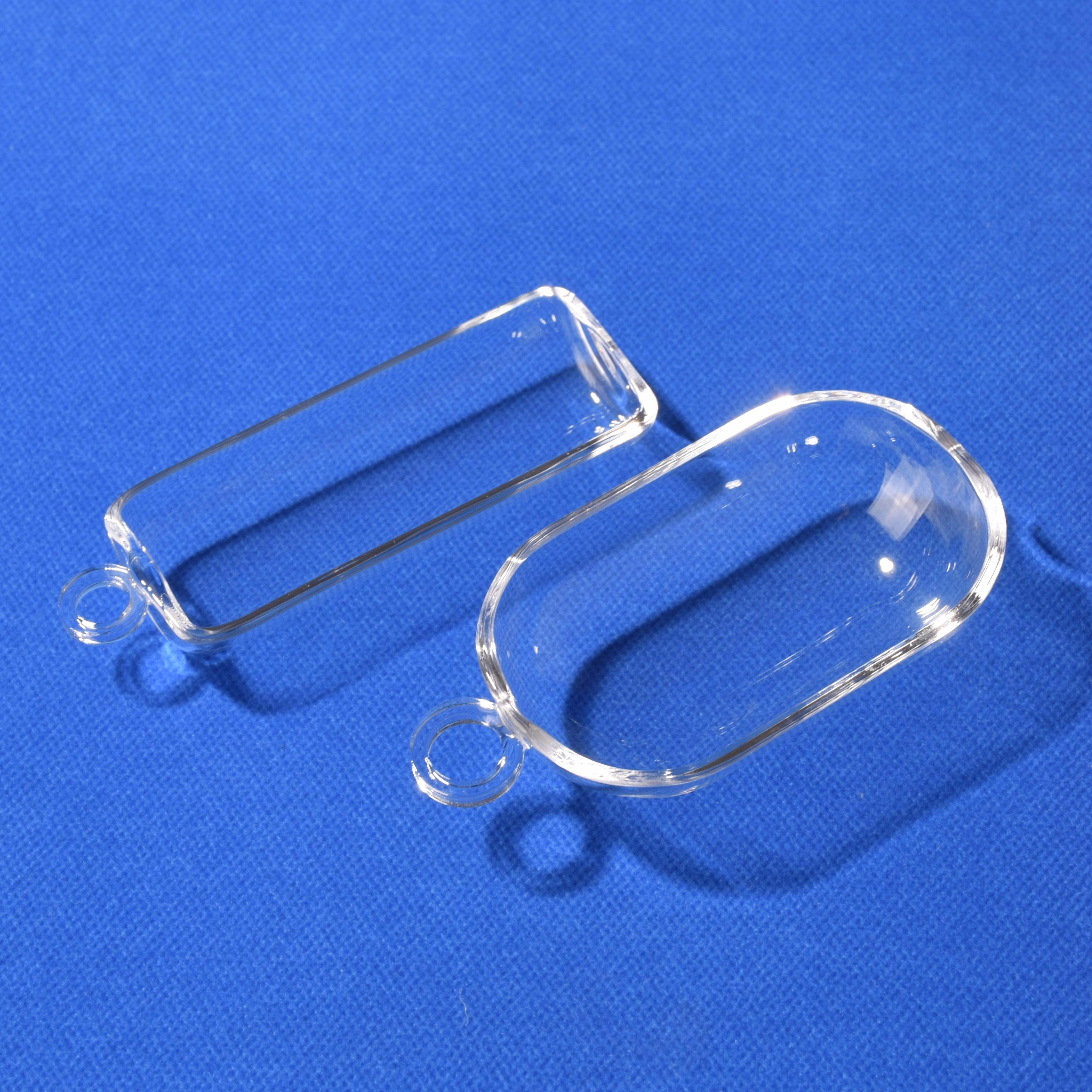
99.99% SiO₂ Semi-circular Flat Bottom High Temperature Resistant Transparent Ozone Free Polished Surface Tube Furnace

Semi-Circular Flat Bottom Tube Furnace Vessel

Design: Ozone-free polished planar bottom Thermal Max: 1100°C continuous / 1450°C peak Fabrication: Flame bent & stress-relieved
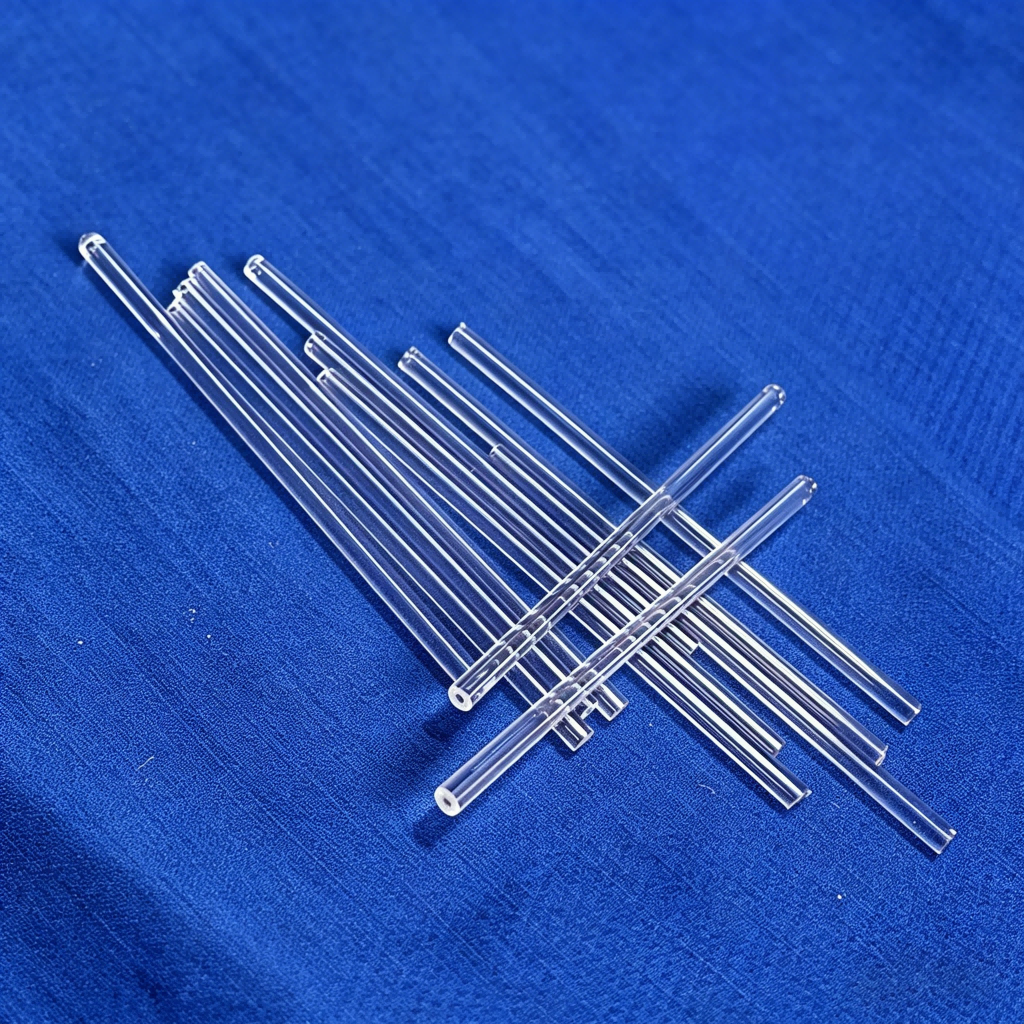
99.999% SiO₂ High Purity Opaque Micro Capillary Quartz Glass Tube

High-Purity Opaque Micro-Capillary Quartz Tubing

Outer Diameter: 2 mm – 10 mm OD micro-bore Feature: Controlled acoustic & thermal buffer Application: Lab exhaust & analytical sensors
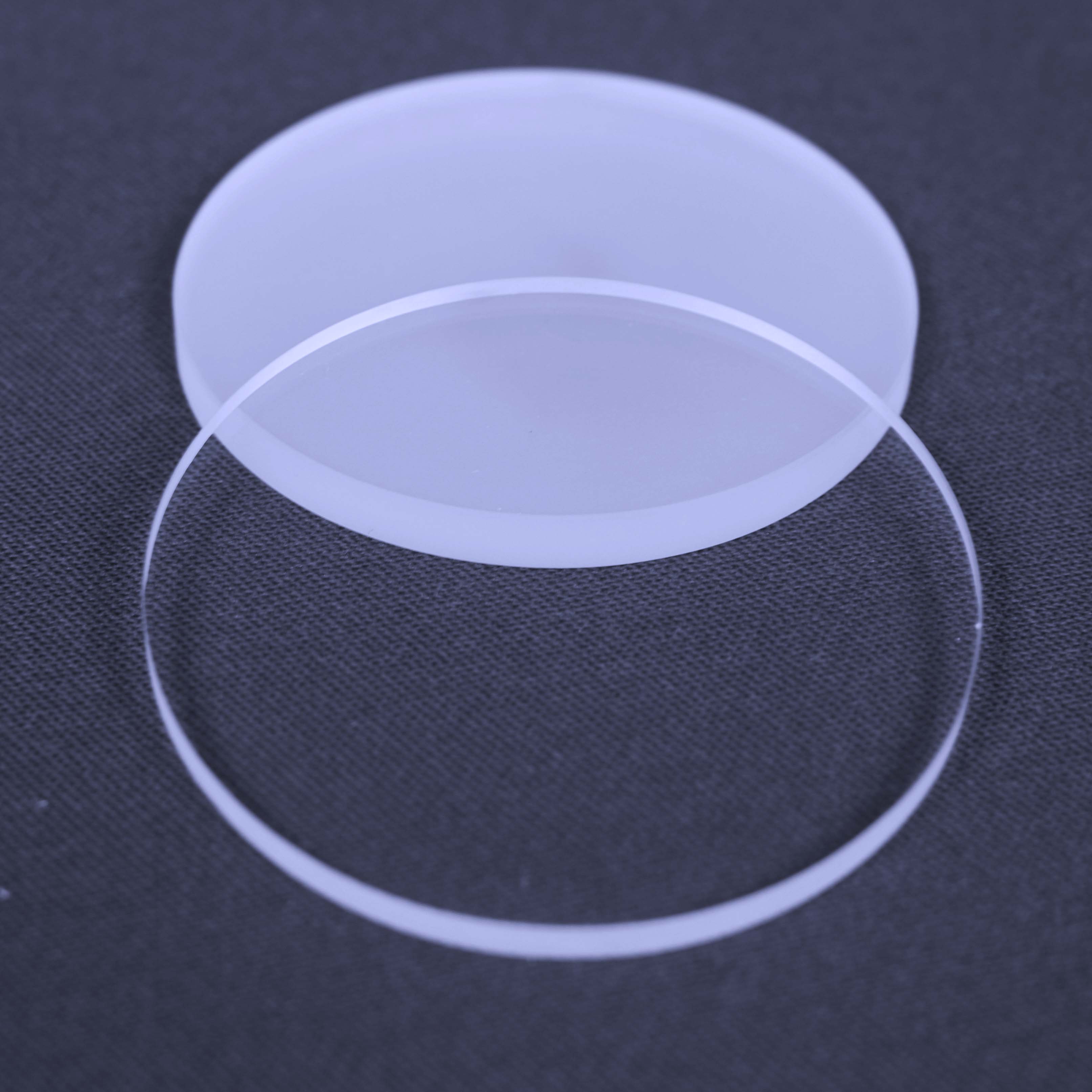
Optical Grade XRD Quartz Holder Test Samples High Transmittance Clear Plate Circular Shape

High-Transmittance Circular XRD Sample Holder

Transmission: >92% spectral flat response Flatness: Optical grade double-side polish Geometry: Low-background diffraction cut
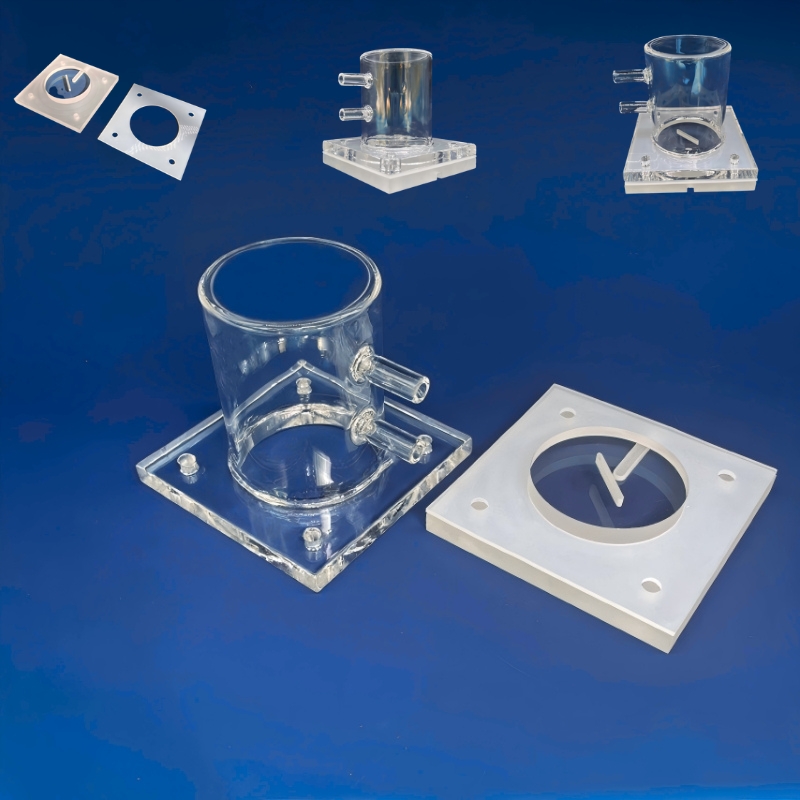
Photocatalytic Quartz Photocatalytic Reactor Hydrogen Oxygen Production Via UV Photodegradation

UV Photocatalytic H₂/O₂ Production Reactor

Optics: Deep UV transparent quartz body Design: Internal multi-channel jacketed flow Process: Seamless pressure-tight joints
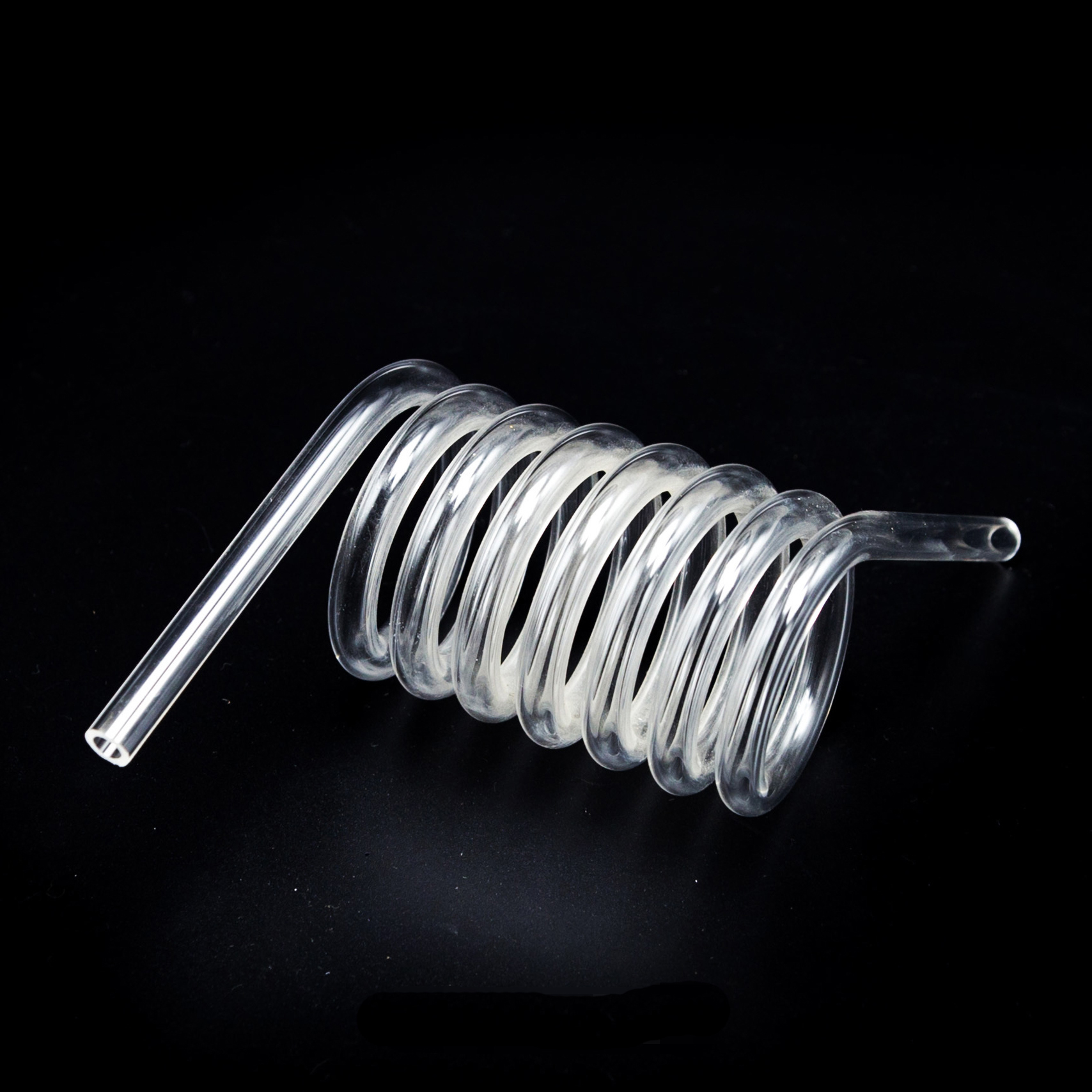
Custom Geometry High Purity Polished Clear Quartz C Shape Spiral Bent Custom Tubes

Custom Bent & Helical Spiral Quartz Tubing

Forming: C-shape, helical coils, U-tubes Tolerances: Tight dimensional control (±0.05mm) Thermal: 1683°C glass softening point
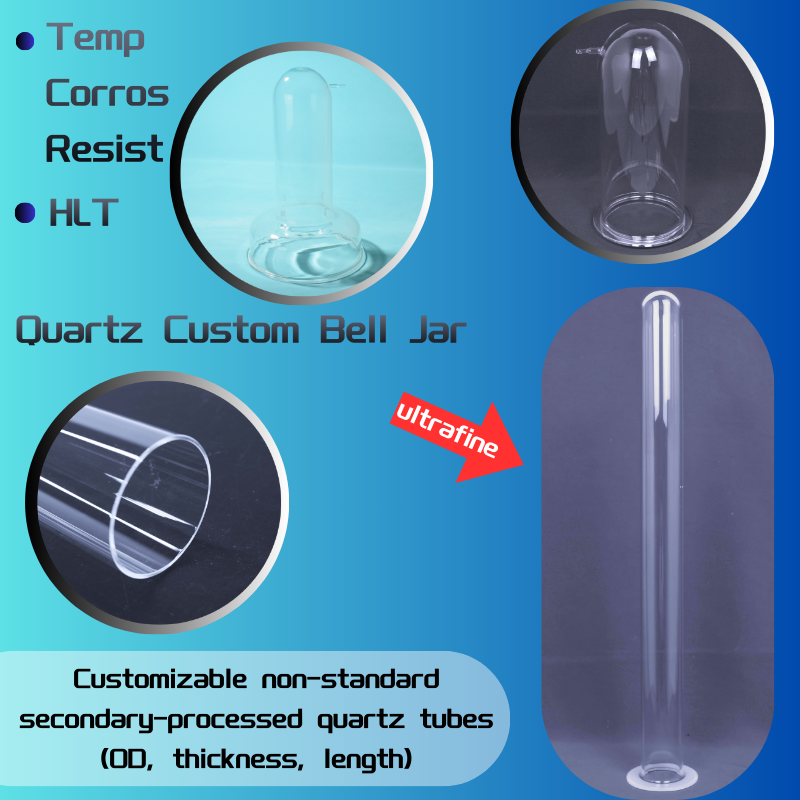
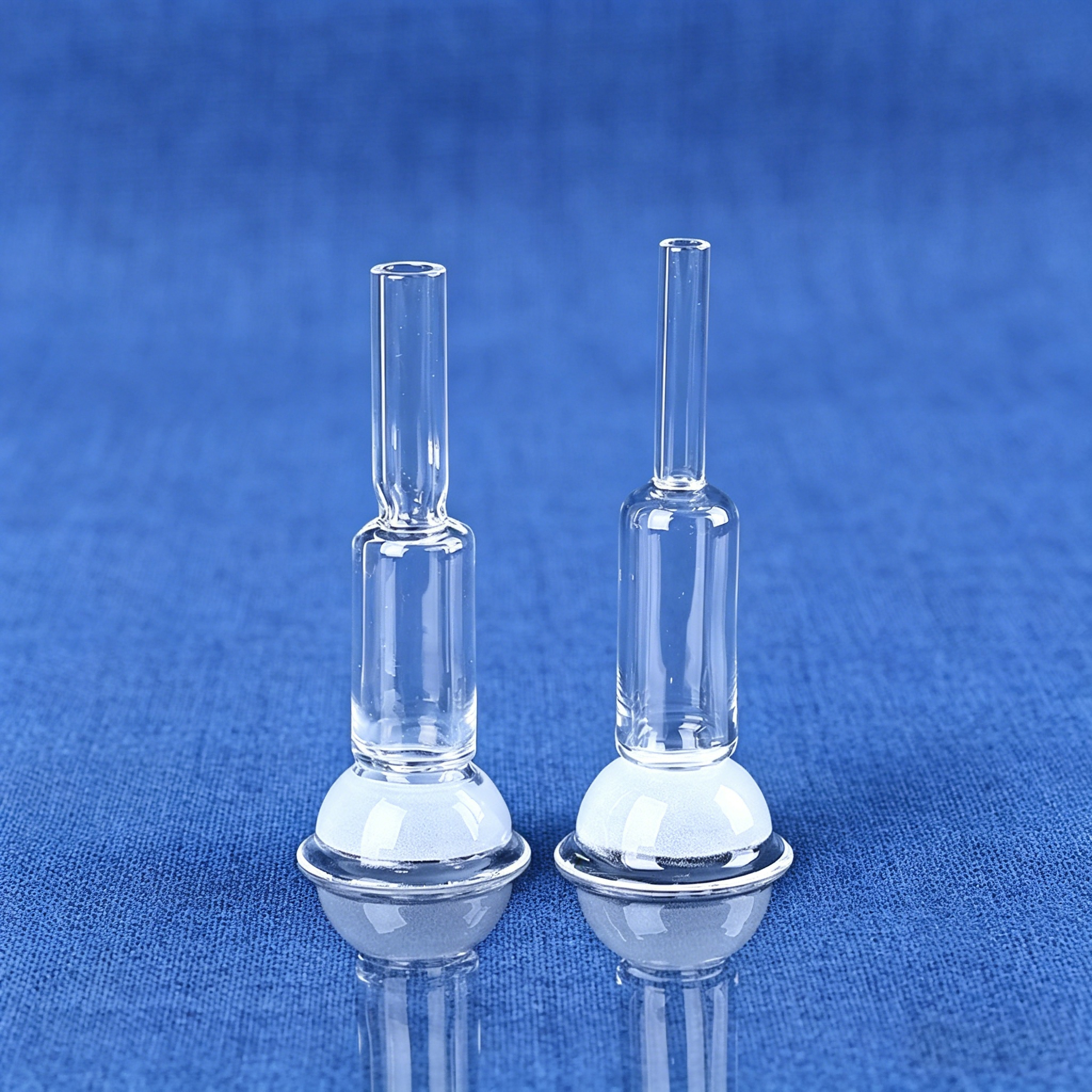
Semiconductor SJ 130 QUARTZ Clear Customizable High-Precision Quartz Vacuum Tube

SJ-130 Negative Pressure Leak-Proof Vacuum Tube

Standard: Helium leak-checked <1×10⁻⁹ mbar·l/s Integrity: Heavy-wall collapse-resistant build Target: Epitaxy & semiconductor furnaces
Surface Analysis Custom High Purity Quartz C-shaped Small-sized BET Tube

Micro-Sized C-Shaped Quartz BET Analyzer Tube

Compatibility: BELSORP, Micromeritics systems Processing: Fire-polished joint ends Finish: Acid decontaminated micro-cavity
Ultra-Pure SJ 135 Custom High Purity Clear Quartz Tube Condensers Separatory Funnels

SJ-135 Multi-Stage Quartz Distillation Condenser

Assembly: Integrated vapor traps & condenser coils Corrosion: Zero leaching for mineral acid digest Purity Grade: Trace metallic contaminants <15 ppm
Manufacturing Pedigree & E-E-A-T Benchmark

Donghai Industrial Cluster & Vertical Quartz Synthesis Prowess

Headquartered at No. 9, Dingxin Road within the Jiangsu Donghai Economic Development Zone, Lianyungang Vulra Quartz Products Co., Ltd. commands an advantageous geographic and geological position. Donghai County is globally recognized as the epicenter of natural silica extraction and synthetic quartz processing in Asia, hosting more than 70% of China's advanced silicon dioxide refining capacities. Operating from this technological hub, Vulra Quartz seamlessly bridges raw mineral benefaction with advanced downstream glass lathe blowing, precision CNC cold machining, and high-vacuum cleanroom packaging.

99.999%
Peak Chemical SiO₂ Purity
1683 °C
Glass Softening Point
Ø 2–800 mm
Continuous Caliber Range
TÜV / CE
On-Site Audited & Compliant

Unlike standard trading intermediaries, Vulra Quartz operates as a third-party verified Custom Manufacturer, verified on-site by TÜV Rheinland. Our specialized fabrication floors integrate computerized gas-ratio oxy-hydrogen continuous fusing towers, multi-axis automated glass lathes, diamond-edge cold slicing saws, high-temperature resistive stress-relief annealing furnaces, and ultrasonic hydrofluoric acid etching chambers. This vertical integration allows engineering clients to execute custom OEM/ODM drawing fabrications starting from single-piece (1 PC) prototypes to multi-container batch consignments with zero loss in dimensional repeatability or material homogeneity.

Key Engineering Differentiator: While commercial silica tubing often suffers from premature devitrification under repeated thermal cycling between 800°C and 1150°C, Vulra Quartz applies an engineered vacuum thermal annealing cycle. This process minimizes residual strain birefringence to below 15 nm/cm while controlling bulk Hydroxyl (OH⁻) content to client-specified thresholds, preventing cristobalite crystallization and extending mechanical lifespan by 2.4× in horizontal and vertical diffusion furnaces.

Thermal Stress Annealing

Every furnace diffusion liner, reactor tube, and heavy-walled vacuum envelope undergoes a 12-hour controlled descent annealing cycle past the annealing point (1120°C) down to the strain point (1025°C), systematically mitigating hoop stress.

Drawing Feasibility Audits

Prior to flame forming, our engineering office executes rapid DFM (Design for Manufacturability) calculations on custom 2D/3D step files, optimizing wall-thickness ratios to withstand operational negative pressure without sagging.

Cleanroom Decontamination

Semiconductor-grade tubes undergo hot multi-acid immersion (HNO₃/HF mixtures) and 18.2 MΩ·cm deionized water cascade cleaning inside Class 1,000 clean air modules, preventing mobile ion (Na⁺, K⁺, Fe³⁺) redeposition.
Materials Engineering Deep-Dive

Fused Natural Quartz vs. Synthetic Fused Silica: The Metallurgical Benchmark

In high-purity optical, chemical, and microelectronic equipment procurement, specifying "quartz glass" without identifying the structural silica grade can cause catastrophic process failures. Industrial silicon dioxide components fall into distinct functional classes based on feed material synthesis (refined natural pegmatite crystals vs. synthetic silicon tetrachloride SiCl₄ gas vapor deposition) and thermodynamic doping.

Natural electric-fused clear quartz features exceptional ultra-low Hydroxyl (OH) content (<5 to 30 ppm), giving it superior structural viscosity at temperatures above 1050°C and eliminating unwanted absorption bands in the near-infrared spectrum (notably around 2.73 µm). Conversely, synthetic fused silica provides atomic-level purity with total metallic contaminants below 0.1 ppm and exceptional vacuum-ultraviolet (VUV) transmission down to 185 nm, though its high OH content (~1000 ppm) reduces its softening threshold under load.

Physical / Thermal Parameter Standard Clear Natural Fused Quartz Ozone-Free Doped Quartz (Ti-doped) Synthetic Fused Silica (VUV Grade) Opaque Capillary Quartz
Chemical Purity (SiO₂ Mass Fraction) ≥ 99.99% – 99.995% ≥ 99.95% (Titanium stabilized) ≥ 99.9999% (<0.2 ppm total metals) ≥ 99.9% (Micro-bubble dispersed)
Hydroxyl (OH⁻) Concentration < 15 – 30 ppm (Low-OH grade) < 30 ppm 800 – 1200 ppm (or <1 ppm dry synthetic) < 40 ppm
Coefficient of Thermal Expansion (0–300°C) 5.5 × 10⁻⁷ / °C 5.6 × 10⁻⁷ / °C 5.2 × 10⁻⁷ / °C 5.4 × 10⁻⁷ / °C
Maximum Continuous Working Temp. 1100 °C (Short peak: 1300°C) 1050 °C 950 °C (Pure synthetic low-strain) 1050 °C
Strain Point / Softening Point 1025 °C / 1683 °C 1010 °C / 1660 °C 980 °C / 1585 °C 1015 °C / 1670 °C
Primary Spectral Transmittance Range 260 nm – 3500 nm (Broad UV-Vis-NIR) Cutoff at <220 nm (Blocks 185nm Ozone) 160 nm – 2200 nm (Deep VUV excimer) Scattered diffuse / Infinitesimal direct
Dielectric Strength (20°C, 1MHz) 2.5 – 3.0 × 10⁷ V/m 2.5 × 10⁷ V/m 3.5 × 10⁷ V/m 2.0 × 10⁷ V/m

When engineering high-output ultraviolet lamp sleeves or heating elements, Ozone-Free Quartz Tubing is chemically doped with controlled trace amounts of Titanium Dioxide (TiO₂). This precise formulation selectively cuts off ionizing radiation below 220 nm, preventing the photodissociation of atmospheric molecular oxygen (O₂) into toxic and corrosive ozone (O₃) gas while retaining maximum transmission for germicidal (253.7 nm) or infrared heating wavelengths.

Industry 4.0 & Strategic Sourcing

Procurement Forecasting: The Next 5 Years in Transparent Quartz Tubing

Macro transitions in clean energy, compound semiconductors, and deep-ultraviolet processing are shifting transparent quartz procurement from standardized commodity buying toward custom-engineered, tightly audited supply chains.

Photovoltaic Cell Architecture Shifts

The global shift from PERC to n-type TOPCon and Heterojunction (HJT) solar cell architectures has increased high-temperature boron and POCl₃ diffusion dwell times. This change requires quartz furnace liners with higher resistance to devitrification and precise outer diameter tolerances up to 650–800 mm to support large wafer carriers without bowing.

Green Hydrogen & Photochemistry

Multi-neck photochemical flow-reactors and quartz split-tubes are seeing growing demand in hydrogen fuel development and advanced oxidation processes. B2B buyers now evaluate not just dimensional drawings, but spectral internal transmittance logs to ensure clean photon transmission to internal catalyst surfaces.

Plasma Resistance in SiC & GaN Fab

Compound semiconductor fabrication using fluorine- and chlorine-based plasma etching degrades traditional fused silica components rapidly. Process engineers are increasingly adopting surface-densified and low-impurity quartz parts that minimize plasma particle spallation and avoid yield losses on wafer surfaces.

Strategic Vendor Consolidation & Risk Mitigation

Global procurement teams are shifting away from fragmented sub-tier glass shops toward vertically integrated Chinese manufacturers capable of supplying raw silica tubes alongside complex secondary glass-lathe assemblies (e.g., custom C-shaped joints, flat-bottom vessels, high-vacuum flanges, and BET analytical micro-tubes). Choosing direct manufacturers with in-house hot and cold fabrication reduces transit handling risks and simplifies commercial qualification through single-source technical ownership.

Zero-Breakage Delivery Framework

Logistics Engineering for Fragile Precision Quartz Export

Standard carton packaging is insufficient for international transport of precision quartz glass. Because fused silica has high hardness (Mohs 7) but low fracture toughness, shock loads during intermodal air or ocean freight can cause micro-fractures along flanged seams, ground joints, and capillary intersections. Vulra Quartz applies an engineered export crating protocol designed to preserve structural integrity through long-distance transit.

Multi-Tier Shock Isolation Architecture

Every tube is individually wrapped in anti-static micro-foam film, vacuum-heat sealed to block atmospheric dust and moisture, and secured inside a high-density, custom-cut EPE foam cradle. Clearance tolerances prevent point contact during transit, isolating the glass from vibration, drops, and load shifts.

Reinforced Export Plywood Packaging

Consolidated orders ship in heavy-duty plywood crates treated in compliance with ISPM-15 phytosanitary standards. Crates are reinforced with galvanized angle irons, impact-recording labels (ShockWatch), tilt indicators, and pallet bases compatible with forklift handling, enabling smooth international delivery via air or ocean cargo.

Engineering Resolves

Frequently Asked Technical & Sourcing Questions

Practical guidance from our factory engineers covering thermal dynamics, chemical tolerances, drawing specifications, and international trade verification.

What causes devitrification in fused quartz tubes, and how can engineers prevent it?
Devitrification is the phase transformation of metastable amorphous fused silica into crystalline cristobalite. It occurs predominantly at temperatures above 1150°C and is accelerated by surface contamination—particularly alkali and alkaline-earth metals (Na⁺, K⁺, Ca²⁺) found in fingerprints, airborne dust, and refractory furnace insulation. Once cristobalite forms, cooling through 200°C–275°C triggers an abrupt ~5% volumetric contraction that causes surface micro-cracking and eventual tube failure. To prevent this, operators should always handle quartz tubes with clean, lint-free gloves, wash the surfaces with a 5%–10% hydrofluoric acid dilution followed by deionized water before heating, and ensure heating chambers are free of refractory dust.
Why is wall-thickness uniformity critical for quartz negative-pressure vacuum tubes?
Under high vacuum and elevated temperatures (e.g., LPCVD or epitaxy at 1000°C), tube resistance to buckling is governed by its wall-thickness-to-diameter ratio (t/OD) and circularity. Any eccentricity or wall-thickness variation creates an asymmetric stress concentration. Under atmospheric pressure (1 bar external pressure against high vacuum inside), uneven wall thickness can cause oval deformation, hoop-stress failure, or catastrophic implosion. Vulra Quartz employs automated ultrasonic wall-thickness gauges and optical profilometers to ensure total runout and wall variation remain within tight tolerances (±0.05 mm to ±0.15 mm depending on diameter).
How does Hydroxyl (OH) concentration affect optical and thermal performance?
Hydroxyl radicals (OH⁻) bound within the silicon dioxide network act as network terminators, lowering the glass viscosity, strain point, and softening threshold. High-OH silica (typically synthetic grades containing 800–1200 ppm OH) exhibits lower sag resistance at temperatures above 1000°C compared to natural electric-fused quartz (<30 ppm OH). Optically, OH radicals create strong fundamental vibrational absorption bands at 2.73 µm along with overtones at 2.2 µm and 1.38 µm, which attenuates infrared transmission. For furnace process tubes and infrared heaters, low-OH natural fused quartz is typically preferred to maximize thermal stability and infrared efficiency.
Can Vulra Quartz execute parts directly from custom CAD/Step drawings with 1 PC MOQ?
Yes. As an authenticated Custom Manufacturer audited by TÜV Rheinland, we specialize in prototype-to-production runs. We accept 2D drawings (DWG, DXF, PDF with full dimensioning and tolerances) and 3D files (STEP, IGES). Custom fabrications—including specialized flanges, multi-bend spiral coils, ground socket joints, sintered porous filter plates, and thermocouple wells—carry a Minimum Order Quantity of just 1 piece for engineering evaluations, enabling rapid design verification before committing to serial batch orders.
What are the chemical resistance limits of transparent quartz tubing?
Fused silica is chemically inert to almost all organic compounds, halogens, and acids (including boiling hydrochloric, nitric, and sulfuric acids) across a broad temperature range. The key exceptions are Hydrofluoric Acid (HF), which dissolves silicon dioxide to form silicon tetrafluoride gas (SiF₄), and hot concentrated Phosphoric Acid (H₃PO₄) above 150°C. Basic solutions, alkaline hydroxides (NaOH, KOH), and basic slag will also etch the surface at elevated temperatures, which compromises optical clarity and initiates surface devitrification.
What third-party verifications and certifications validate Vulra Quartz export compliance?
Our facilities, manufacturing processes, and export credentials undergo regular on-site supplier assessments by TÜV Rheinland. Our transparent, opaque, and custom-fabricated quartz lines comply fully with European CE directives and RoHS environmental directives (2011/65/EU and amendment 2015/863), verifying that our materials remain free of lead, cadmium, mercury, hexavalent chromium, and restricted phthalate flame retardants. Verification certificates, material safety data sheets (MSDS), and ICP-MS trace metals analysis reports can be provided with shipment documentation.

Initiate Technical Drawing Review & Factory Quote

Send your CAD drawings, dimensional specifications, or custom process requirements directly to our Donghai engineering team. We provide rapid DFM audits, raw material traceability, and competitive direct-factory quotes for orders from 1-piece prototypes to volume production runs.

Contact Us