 1683°C Rated
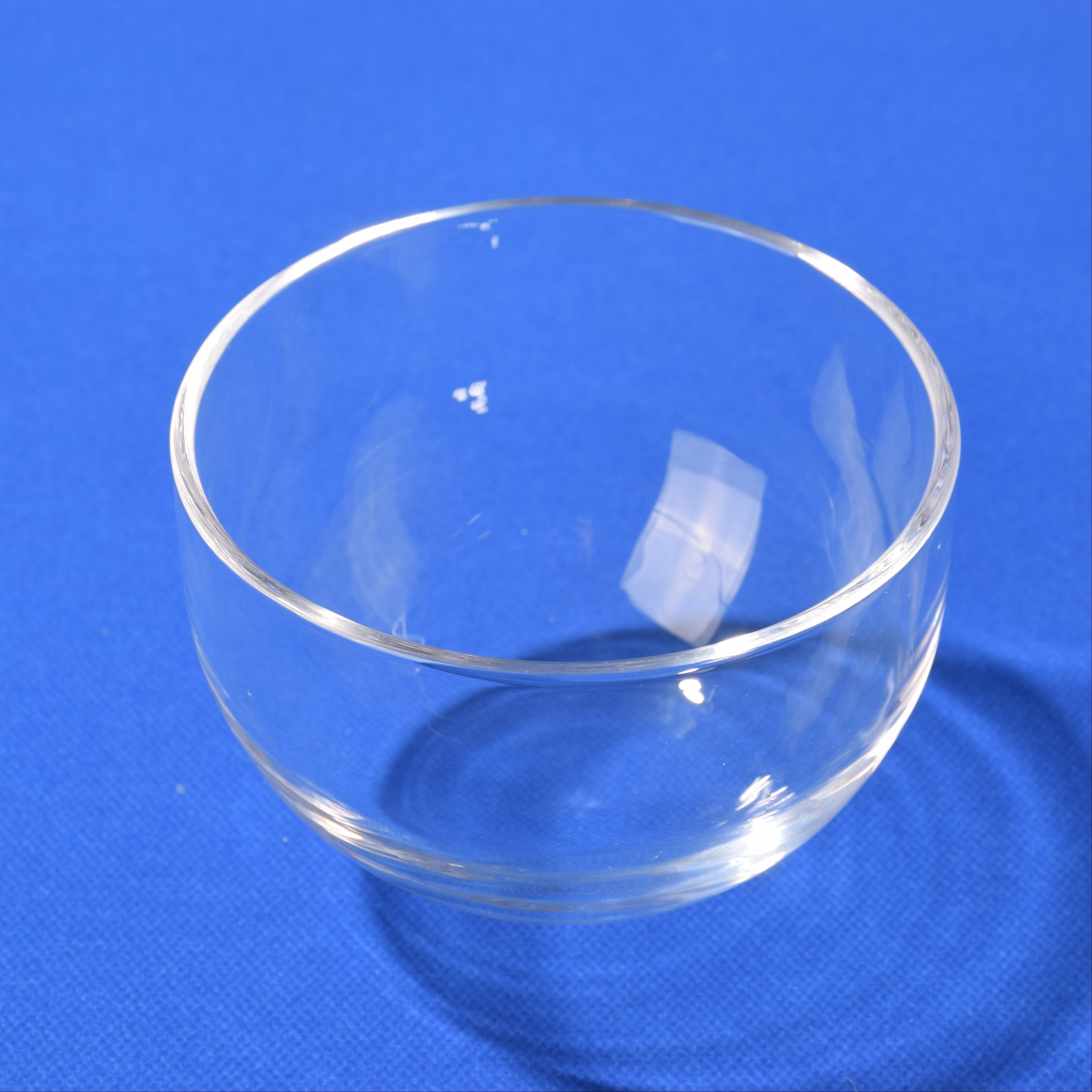
Clear Refractory Fused Quartz Crucible Bowl SJ Brand High Tension Strength 48 N/mm 1683 Softening Point Semiconductor
Semiconductor
48 N/mm² Tensile
High Refractory
Engineered for semiconductor diffusion furnaces, optical measurement fixtures, and severe laboratory corrosion conditions.
1683°C Rated
 99.999% Pure
 Zero-Background
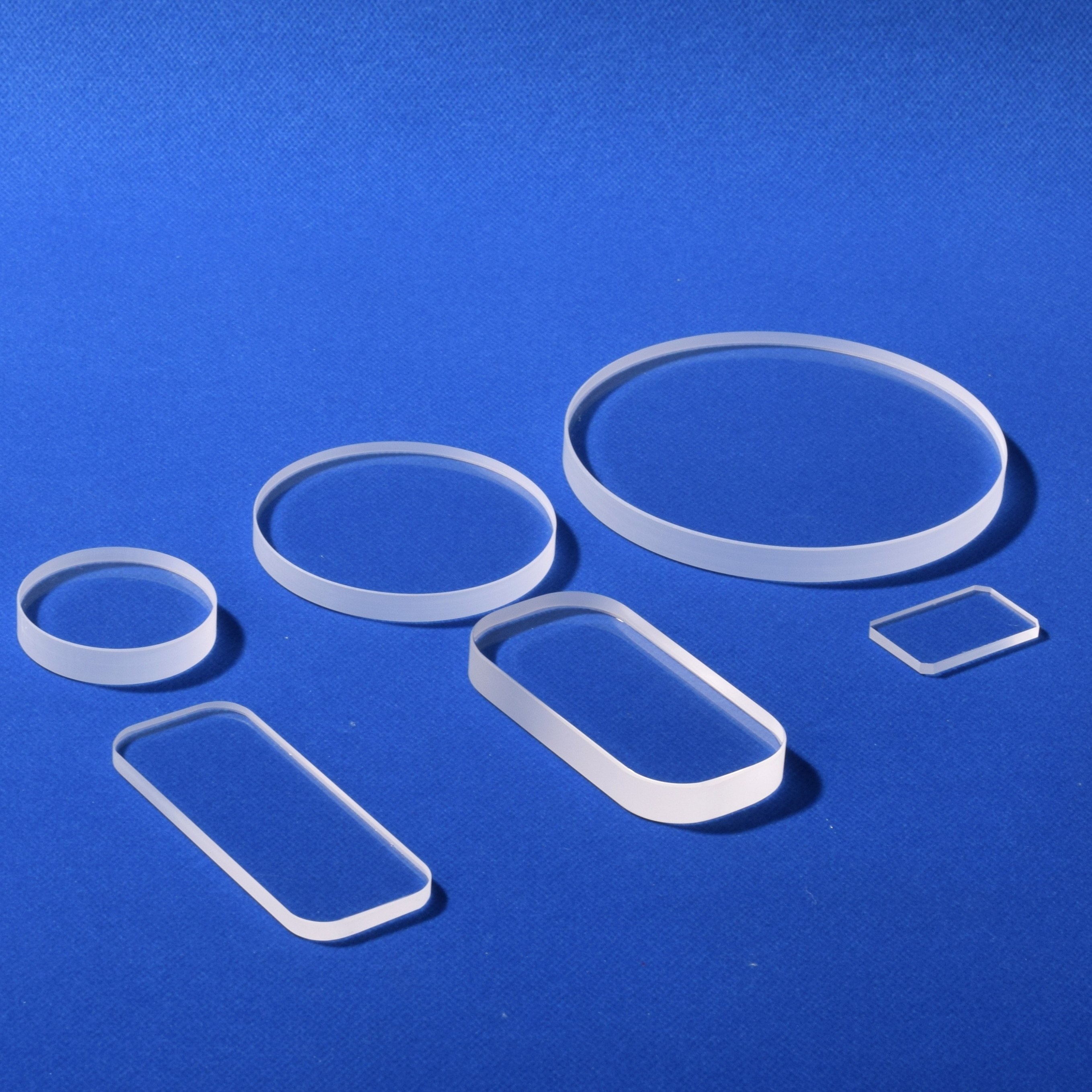
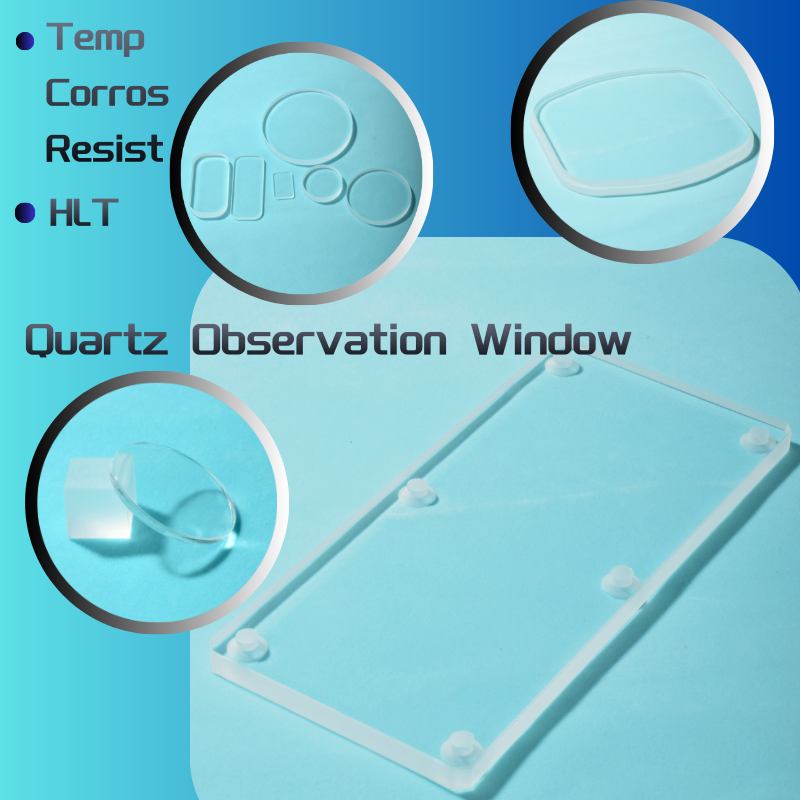 Laser Window
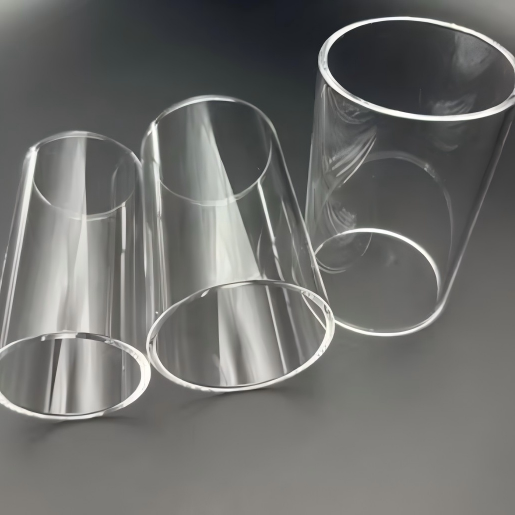 OD 5-800mm
 UV Transmission
 High Pressure
 Fire Polished
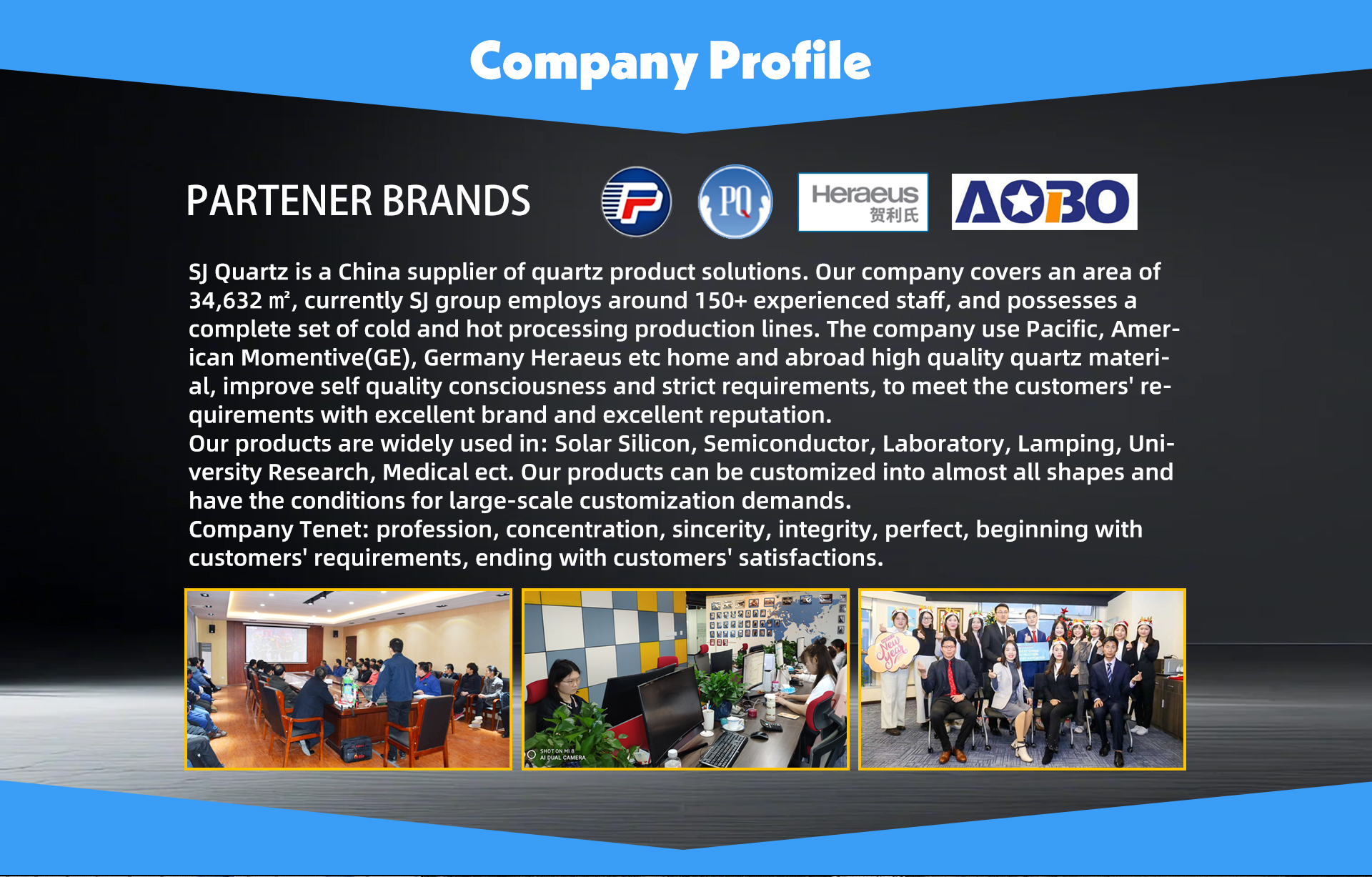
In global precision manufacturing, supply-chain resilience and raw precursor purity dictate component reliability. Donghai County in Jiangsu Province, widely recognized as China's "Crystal Capital," represents the densest industrial cluster for natural crystalline quartz and refined high-purity silicon dioxide (SiO₂) processing in the eastern hemisphere.
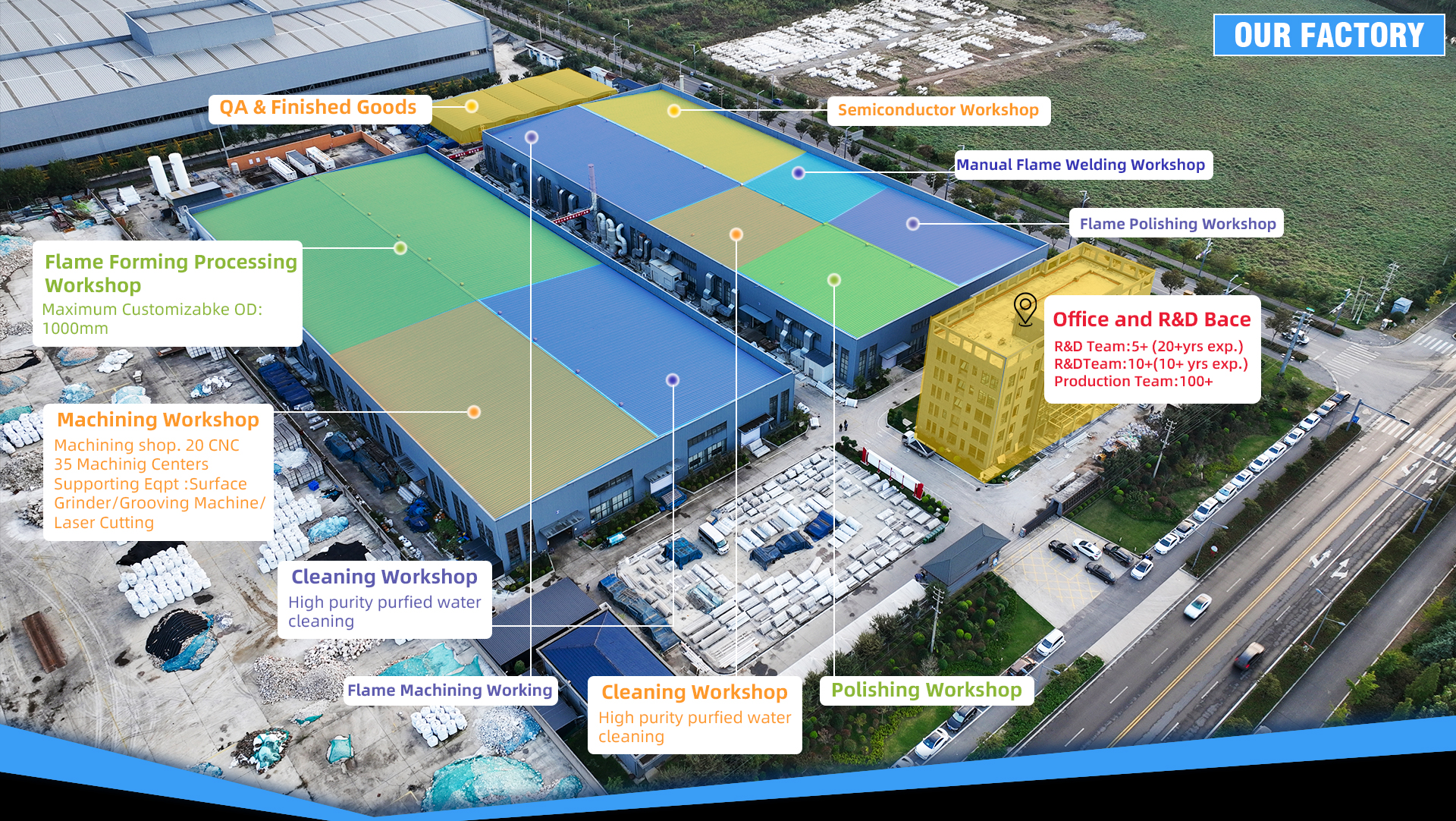
Operating from the Donghai Economic Development Zone, Lianyungang Vulra Quartz Products Co., Ltd. leverages direct territorial proximity to this high-purity mineral refining hub. By synthesizing continuous raw-mineral washing, chemical de-ironing, and thermal beneficiation directly into melting facilities, Vulra eliminates secondary contamination vectors inherent to long-distance bulk precursor transport.
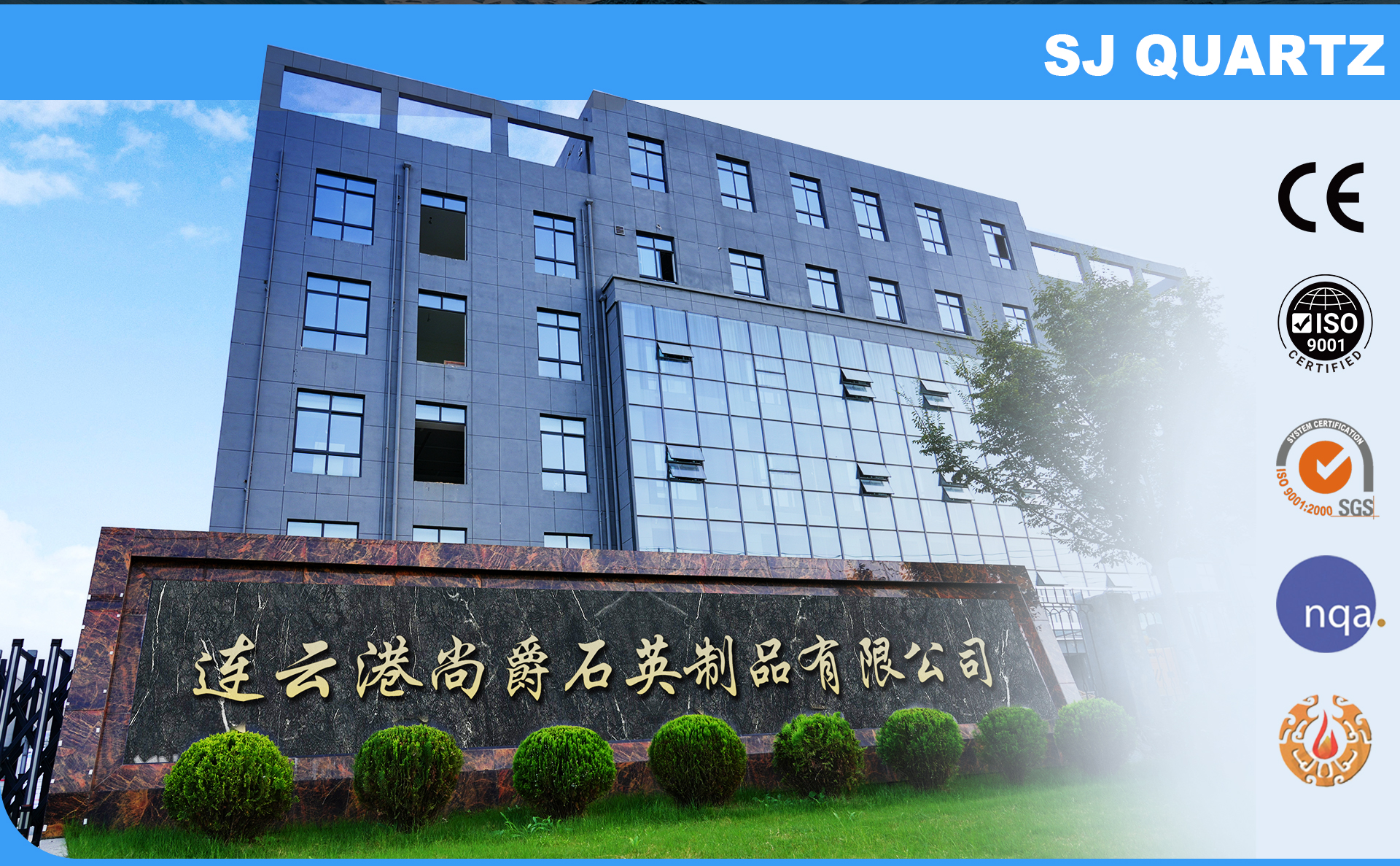
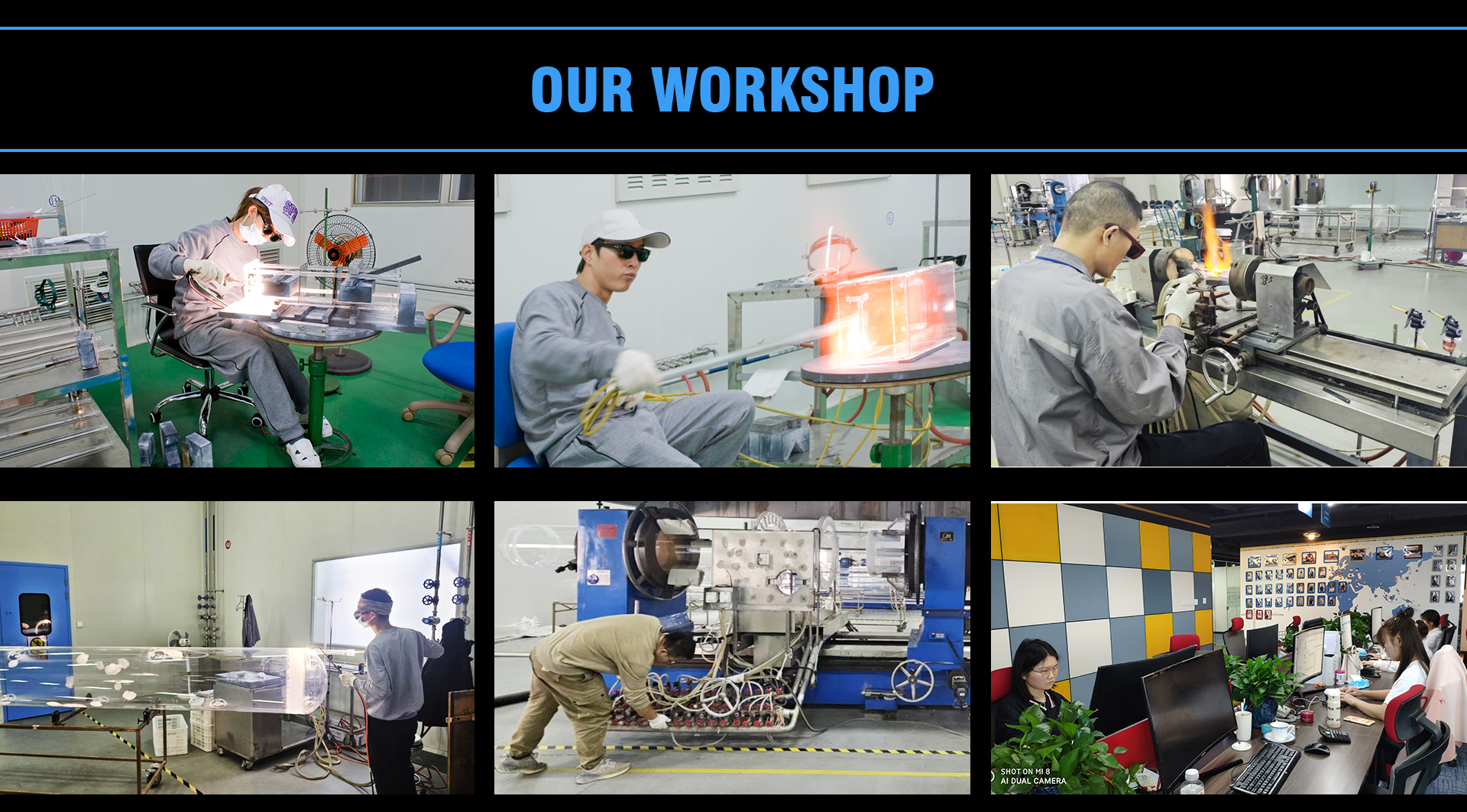
As a TÜV Rheinland verified manufacturer and exporter, our multi-tier production workflow seamlessly unites certified raw materials, proprietary oxy-hydrogen thermal synthesis, and diamond CNC sub-micron subtractive tooling under unified ISO 9001 and RoHS control frameworks.
Quantitative physicochemical thresholds for precision components operated under extreme thermal cyclics, corrosive plasma, and deep UV-NIR optical transmissions.
| Property / Characteristic | Natural Fused Quartz (Standard/Semiconductor) | Synthetic Fused Silica (Optical Grade) | Engineering Impact on Application |
|---|---|---|---|
| $SiO_2$ Purity Level | 99.99% – 99.999% (4N – 5N) | > 99.9999% (6N) | Prevents ionic drift during high-temperature semiconductor wafer annealing. |
| Softening Point | ≈ 1683 °C | ≈ 1600 °C | Higher structural integrity in horizontal LPCVD and diffusion furnace tubes. |
| Annealing Point | 1140 °C – 1210 °C | 1100 °C – 1120 °C | Governs the stress-relief firing ramp schedules after torch welding and hot shaping. |
| Strain Point | 1070 °C | 1000 °C – 1025 °C | Maximum limit for zero mechanical plastic creep over extended continuous holding. |
| Thermal Expansion (CTE) | $5.5 \times 10^{-7} / °C$ ($20-320 °C$) | $5.2 - 5.7 \times 10^{-7} / °C$ | Near-zero thermal shock expansion; withstands quenching from 1100°C into ice water. |
| Tensile Strength | 48 N/mm² (MPa) | 50 – 54 N/mm² (MPa) | Governs differential burst pressure limits for closed-end reactor vessels. |
| Compressive Strength | > 1100 N/mm² (MPa) | > 1150 N/mm² (MPa) | Provides superior resistance against atmospheric vacuum load collapse. |
| Hydroxyl ($OH^-$) Content | < 5 ppm to 30 ppm (standard electric melt) | < 1 ppm (low-OH) or > 1000 ppm (wet) | Controls infrared transmission cutoffs ($2.73 \mu m$) and solarization stability. |
| Optical Spectral Window | 260 nm – 2500 nm (Near-UV to Near-IR) | 185 nm – 2100 nm (Deep UV Excimer) | Crucial for UV-C photocatalysis, laser optics, and spectrometry windows. |
Integrating oxy-hydrogen thermal molding with diamond-tooled subtractive machining ensures exacting dimensional tolerances and zero micro-fissuring.
Navigating evolving technological, economic, and supply chain shifts driving international quartz glassware acquisitions over the next five years.
As semiconductor nodes compress into 3nm and below, fabs demand stringent trace metal caps ($Fe, Cu, Ni < 5\text{ ppb}$). Quartz furnaces, injectors, and pedestals must present certified zero-outgassing properties to prevent cross-contamination during low-pressure atomic layer deposition (ALD).
Photovoltaic N-type TOPCon and HJT cell manufacturing utilizes large-format rectangular M10/G12 silicon wafers. This requires quartz processing tubes spanning diameters up to 800mm with strictly controlled sagging coefficients under prolonged 1200°C thermal cycles.
Global labs and equipment builders increasingly abandon inflexible catalog SKUs. Purchasing managers prioritize manufacturers capable of direct 1-piece rapid prototyping from STEP/DXF CAD models with turnaround cycles within 5 to 10 working days.
Leading Western buyers enforce rigorous supply chain audits. Certified CE mark compliance, RoHS hazardous material elimination, and authenticated on-site inspections (such as TÜV Rheinland verification) have transformed into non-negotiable procurement qualifiers.
How material modifications are expanding the thermodynamic and optical envelopes of fused quartz components.
In advanced photocatalytic reactors designed for green hydrogen and oxygen evolution, conventional UV silica passes the 185nm spectral emission line, generating ambient ozone that oxidizes seals and corrodes metal framing. By incorporating targeted titanium oxide ($TiO_2$) trace doping during plasma fusion, Vulra’s ozone-free quartz tubes absorb shortwave radiation below 220nm while sustaining exceptional transmission at the 254nm bactericidal and photocatalytic activation bands.
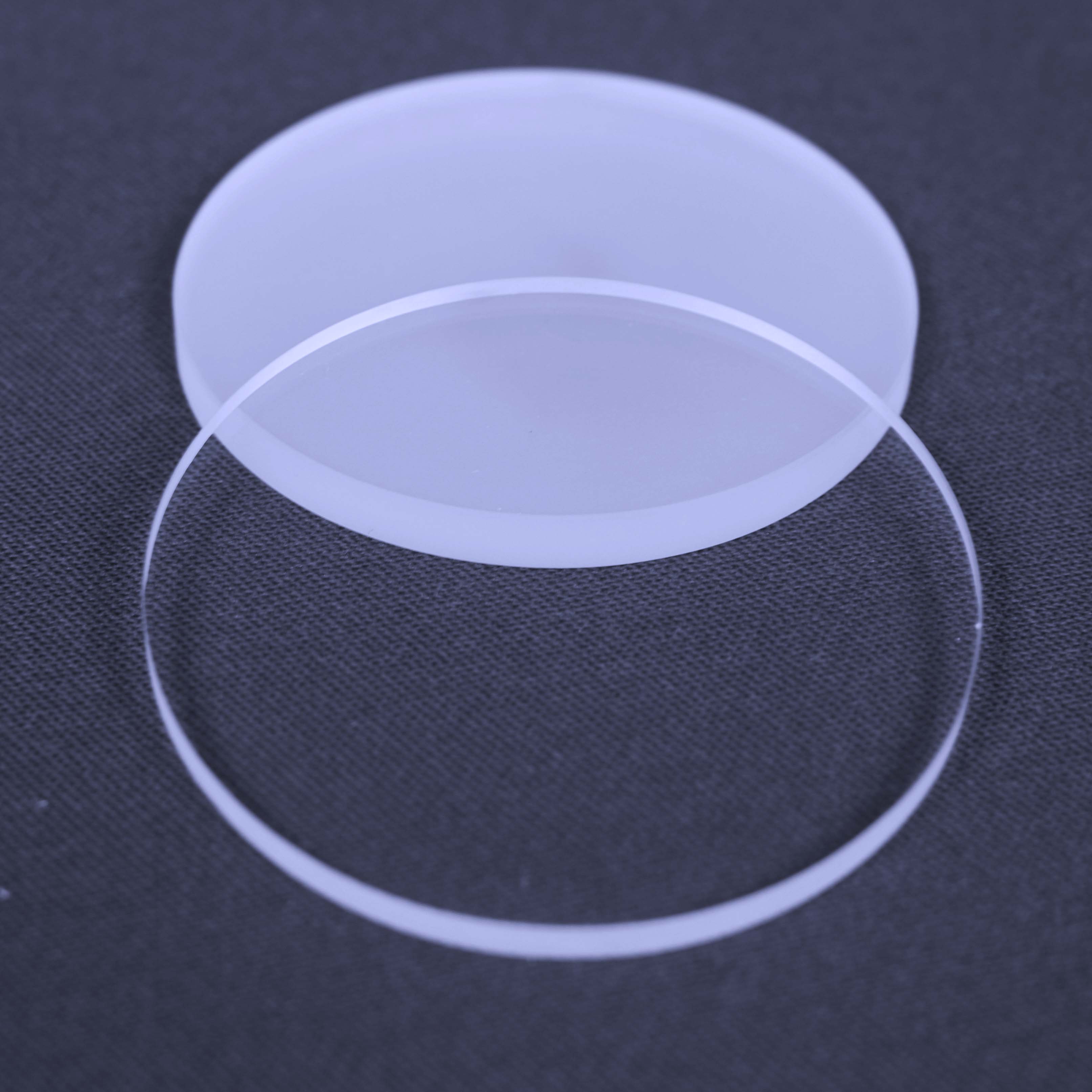
X-Ray Diffraction (XRD) analysis of low-volume or weakly diffracting crystalline thin-film powders requires sample substrate plates with virtually zero background halo. Our specialized single-crystal cut and polished zero-background quartz holders are cut along custom crystallographic off-axis planes (such as the (511) orientation), entirely suppressing characteristic diffraction peaks and maximizing detection signal-to-noise ratios.
Industrial sight glass watch windows installed on supercritical extraction reactors and visual autoclaves demand combined resistance against 100 bar internal pressures and rapid thermal shifts. By applying strict polariscopic optical retardation inspection (≤ 10 nm/cm residual path difference) and optical fire-polishing of chamfered edges, micro-crack initiation is thwarted under cyclic pressurization.
Direct Factory Custom Engineering
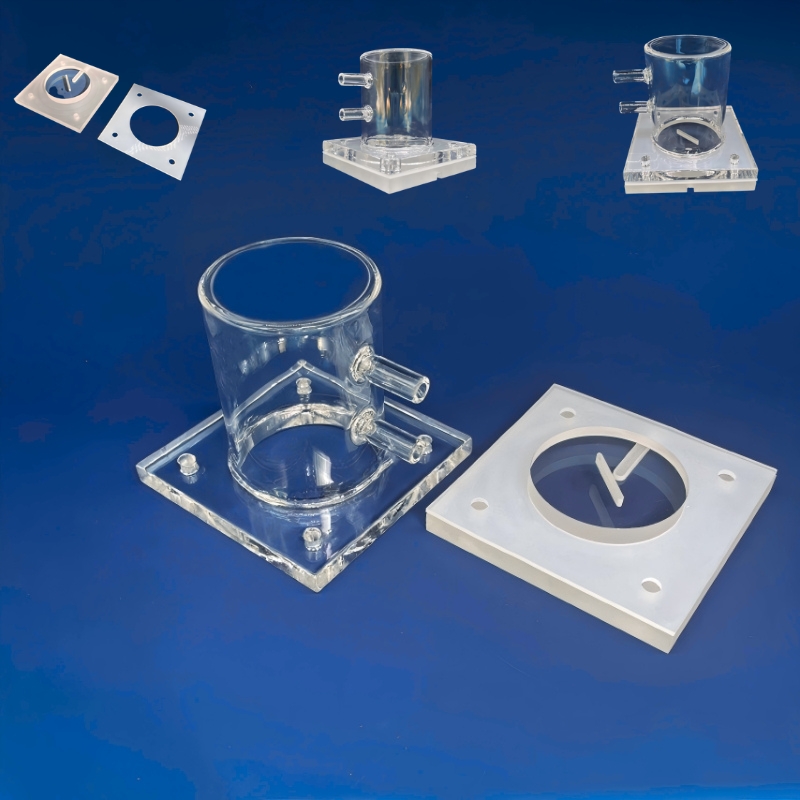
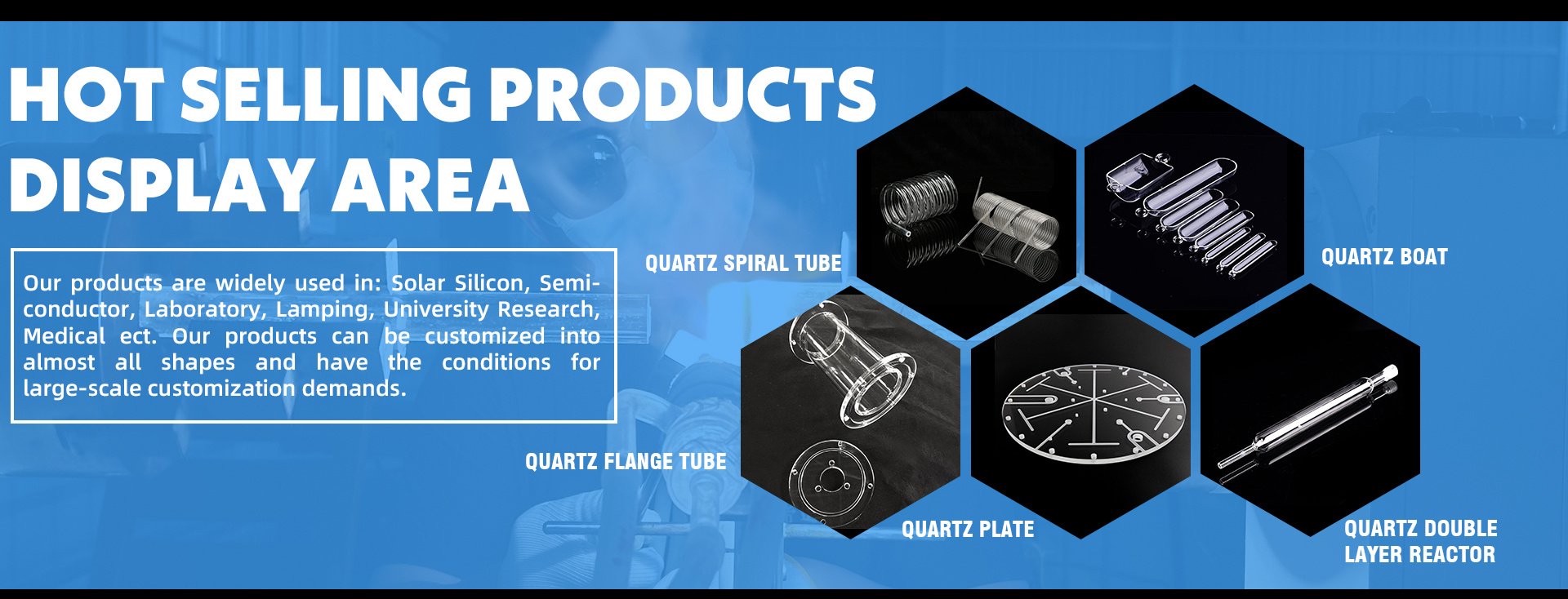
Whether your design involves miniature capillary chromatography tubes (OD 0.5mm), custom-drilled 96-well quartz titer microplates, or heavy-wall diffusion process liners, Vulra Quartz deploys turnkey engineering analysis spanning thermal stress simulations, wall thickness optimization, and metallurgical glass-to-metal sealing.
Authoritative insights from factory production directors to assist overseas procurement agents, quality engineers, and supply chain heads.
Our standard clear fused quartz is engineered for long-term continuous service up to approximately 1100°C – 1150°C, with intermittent short-term thermal excursions surviving up to 1450°C. The physical transformation softening threshold sits at 1683°C.
Under continuous vacuum operations or significant mechanical loads, structural sagging can initiate at temperatures starting from 1050°C. For these high-temperature furnace designs, our engineering department advises specifying thicker tube walls (e.g., 5mm–8mm rather than 3mm) or transitioning to synthetic low-OH quartz formulations to safeguard structural geometry.
Selection hinges on three critical parameters: spectral wavelength transmission, trace metallic contamination thresholds, and overall budget.
Natural Fused Quartz (99.99%+ SiO₂): Melted from natural crystal sand. Offers optimum mechanical strength, a high softening point (1683°C), and superb performance across visible to near-infrared light. Highly economical for furnace tubes, wafer boats, chemical glassware, and sight glasses.
Synthetic Fused Silica (>99.9999% SiO₂): Synthesized via chemical gas phase reactions ($SiCl_4$). Delivers near-zero bubble content, exceptional deep ultraviolet (UV) transmission down to 185nm, and virtually undetectable metallic impurities (<10 ppb). Mandatory for excimer laser optics, semiconductor photolithography masks, and extreme trace analytical chemistry.
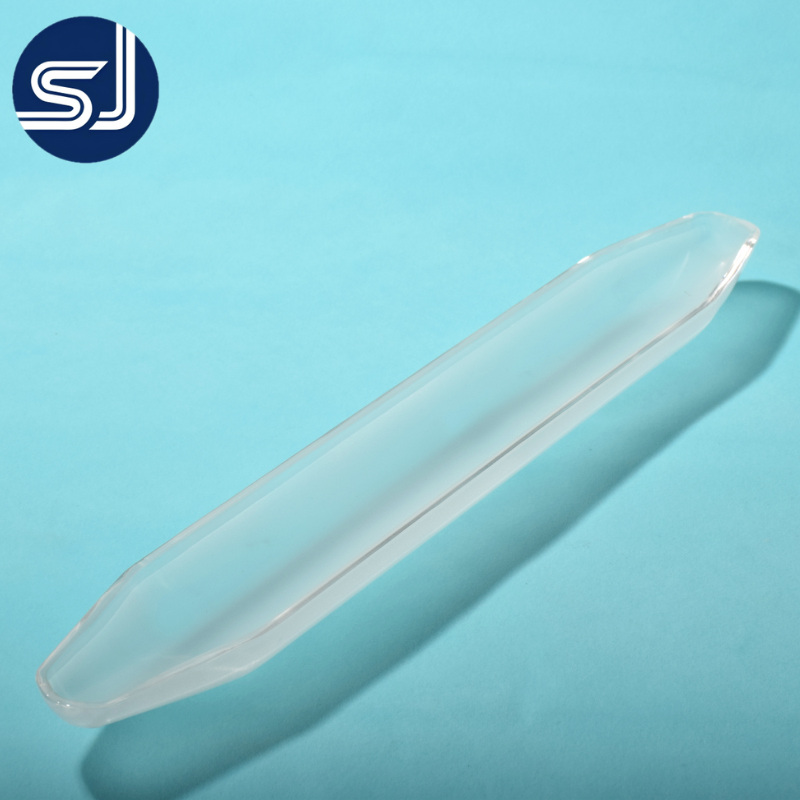
We maintain an agile 1-piece MOQ on virtually all custom-engineered quartz components—including precision boats, custom flanged tubes, specialized crucibles, and optical discs. This allows researchers and development engineers to validate fit and process parameters prior to high-volume procurement.
Prototype samples produced to 2D/3D CAD specifications typically ship within 5 to 7 business days. Standard volume production contracts for tubes, plates, and diffusionware ship within 15 to 20 working days via expedited air or maritime transport.
Our 5-axis CNC cold-machining and diamond-grinding line routinely executes linear dimensional tolerances to ±0.05 mm, with high-precision optical grinding holding ±0.005 mm. Bore hole diameters and micro-channels can be drilled down to 0.3 mm with laser core drilling.
For polished optical substrates, our chemical-mechanical polishing (CMP) shop delivers surface roughness of Ra ≤ 0.5 nm, scratch-dig cosmetic specifications conforming to MIL-PRF-13830B 20/10 or 40/20, and transmitted wavefront distortion of λ/4 per 25mm at 632.8nm.
Fragility risk during multimodal international transit is neutralized through our tested 5-stage packaging protocol: First, every part is cleanroom-bagged to eliminate surface scuffing; Second, parts are enveloped inside high-density shock-absorbing EPE (Expanded Polyethylene) custom cutout foam cells; Third, inner corrugated boxes are sealed with desiccant packs;
Fourth, heavy tubes and large crucibles are placed inside multi-wall export plywood crates supported by shock-dampening floating interior pallets; Fifth, packages carry visible drop indicators. We guarantee 100% replacement reimbursement or immediate expedited remake for any transit-damaged item.
During manual oxy-hydrogen flame welding, steep thermal gradients between the molten zone (>1700°C) and the adjacent cold glass create extreme localized hoop stress. If installed without stress relief, the component can spontaneously fracture when subjected to minimal mechanical vibration or subsequent thermal cycling.
Vulra subjects every welded assembly to programmed electric annealing at 1150°C followed by a controlled multi-hour cooldown to 950°C. Complete stress elimination is non-destructively verified on 100% of lots using optical polariscopic strain testers to ensure zero visible photoelastic fringe lines.