TÜV Rheinland Verified Custom Quartz Manufacturer
[email protected] English
TÜV Rheinland Audited · Drawing-Based OEM/ODM

Custom OEM Quartz Bell Jar Manufacturer & Supplier

Precision Fused Silica Vacuum Reaction Chambers, Epitaxial Bell Jars, and High-Purity Quartz Vessels Engineered for Semiconductor, MOCVD, PV & Thin-Film Deposition Systems.

Engineered Quartz Hardware Portfolio

Direct OEM manufacturing solutions manufactured with ultra-high purity natural quartz crystal (SiO₂ ≥ 99.99% – 99.999%), offering exceptional thermal shock resistance, minimal thermal expansion, and unmatched chemical inertness.
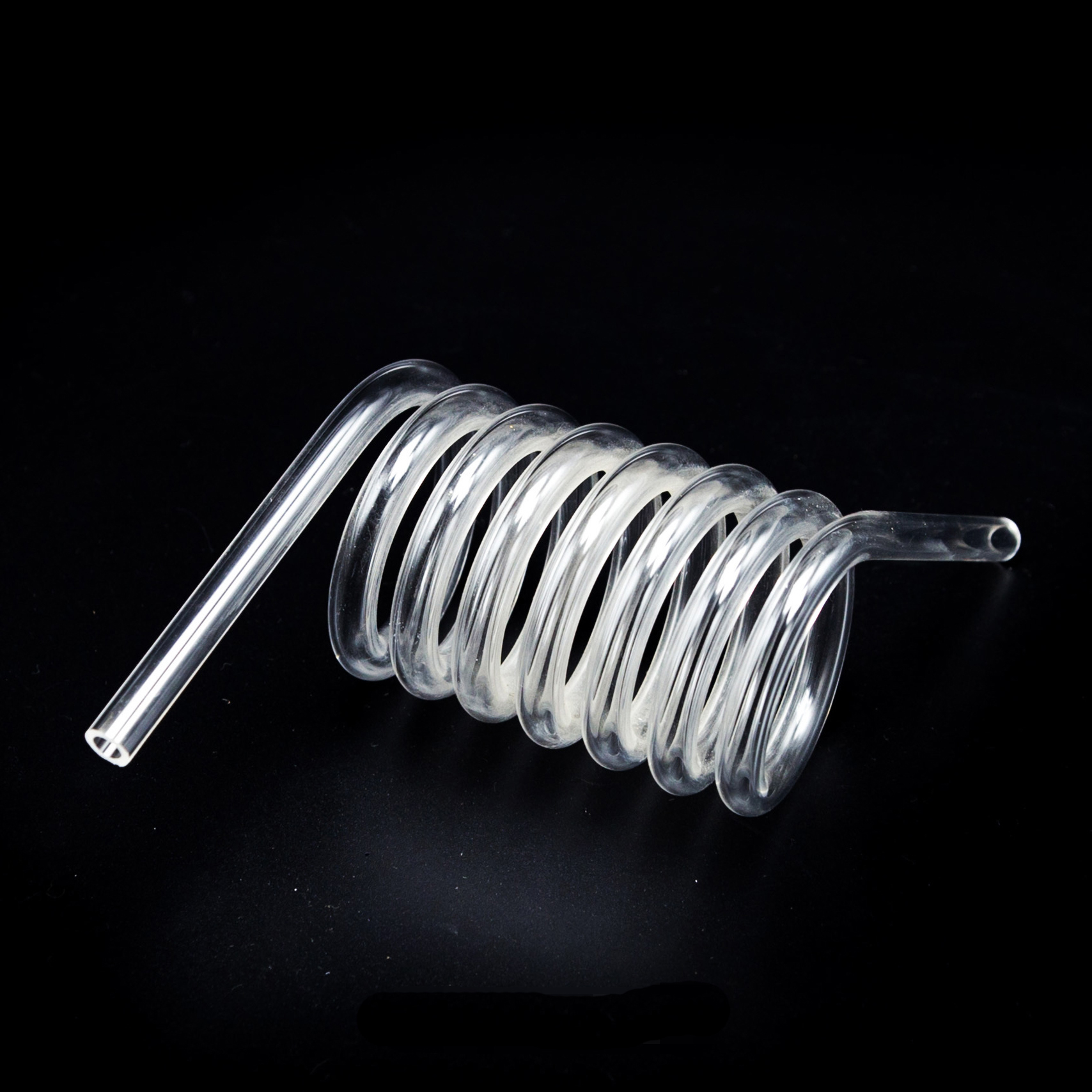
High Purity Polished Clear Quartz C Shape Spiral Tubes
Thermal & CVD

High Purity Polished Clear Quartz C Shape Spiral/Bent Custom Tubes
Working Temp: 1100°C Cont. / 1450°C Peak Machining: Flame Bending & Precision Cutting
Semiconductor Grade Quartz Purification Units
Semiconductor Fab

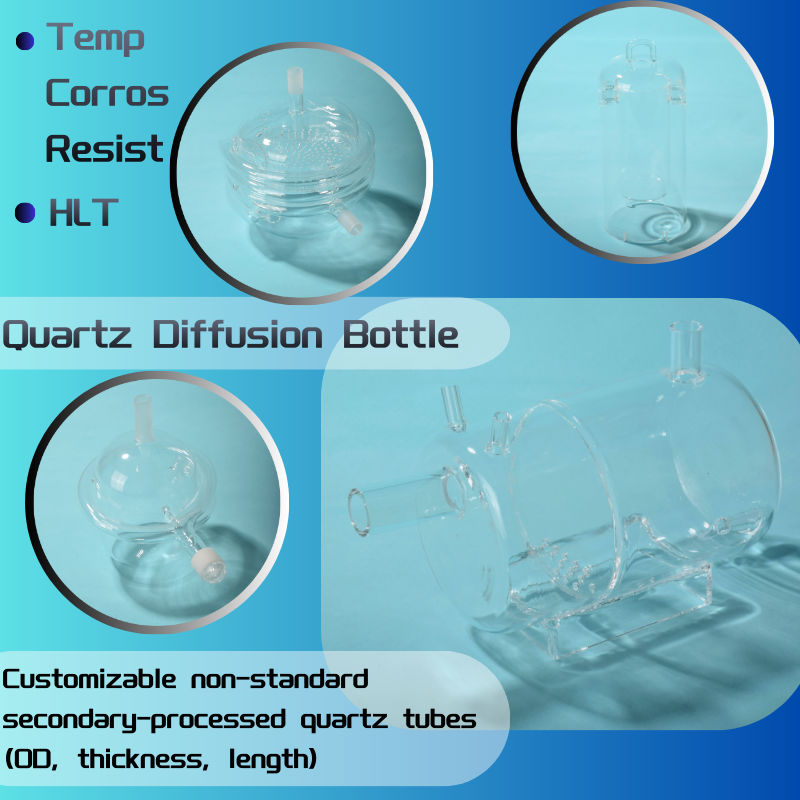
SJ 135 Clear Quartz Condensers, Separators & Purification Jars
Purity Grade: SiO₂ 99.999% Acid Resistant Fabrication: Ground Joint & Laser Polishing
Quartz Photocatalytic Reactor for Hydrogen Oxygen Production
Photochemical

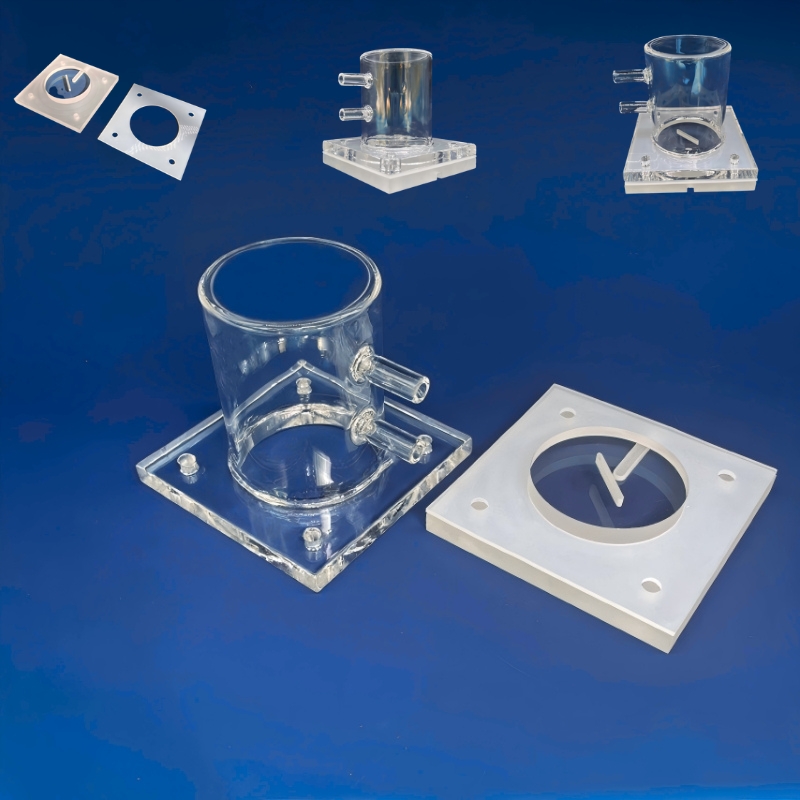
Quartz Photocatalytic Reactor for H₂/O₂ Production Via UV Photodegradation
Optical Transmission: DUV > 90% @ 254nm Features: Ozone-Free & Translucent Moulding
Clear Refractory Fused Quartz Crucible Bowl
Crystal Growth

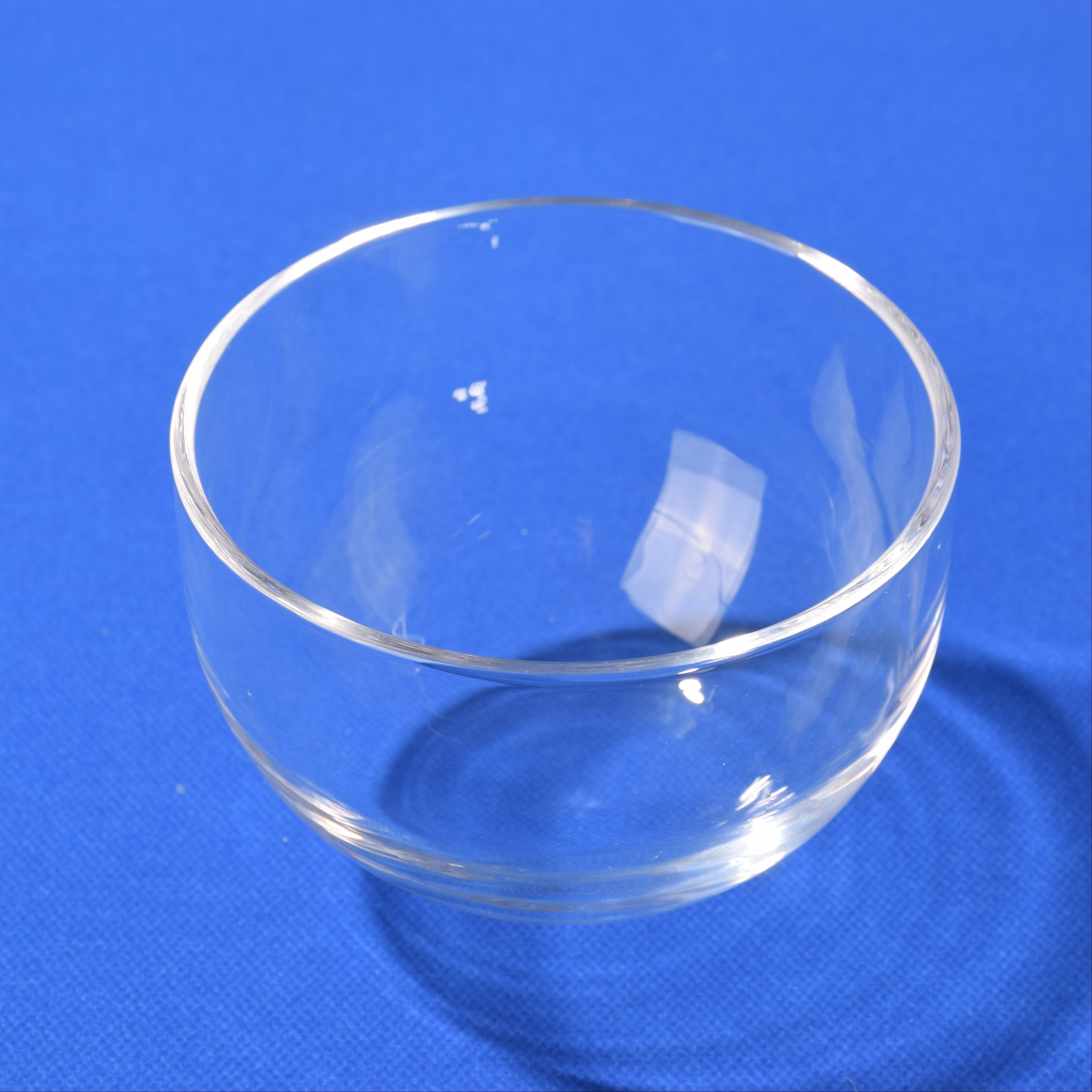
Clear Refractory Fused Quartz Crucible Bowl (48 N/mm² Tensile)
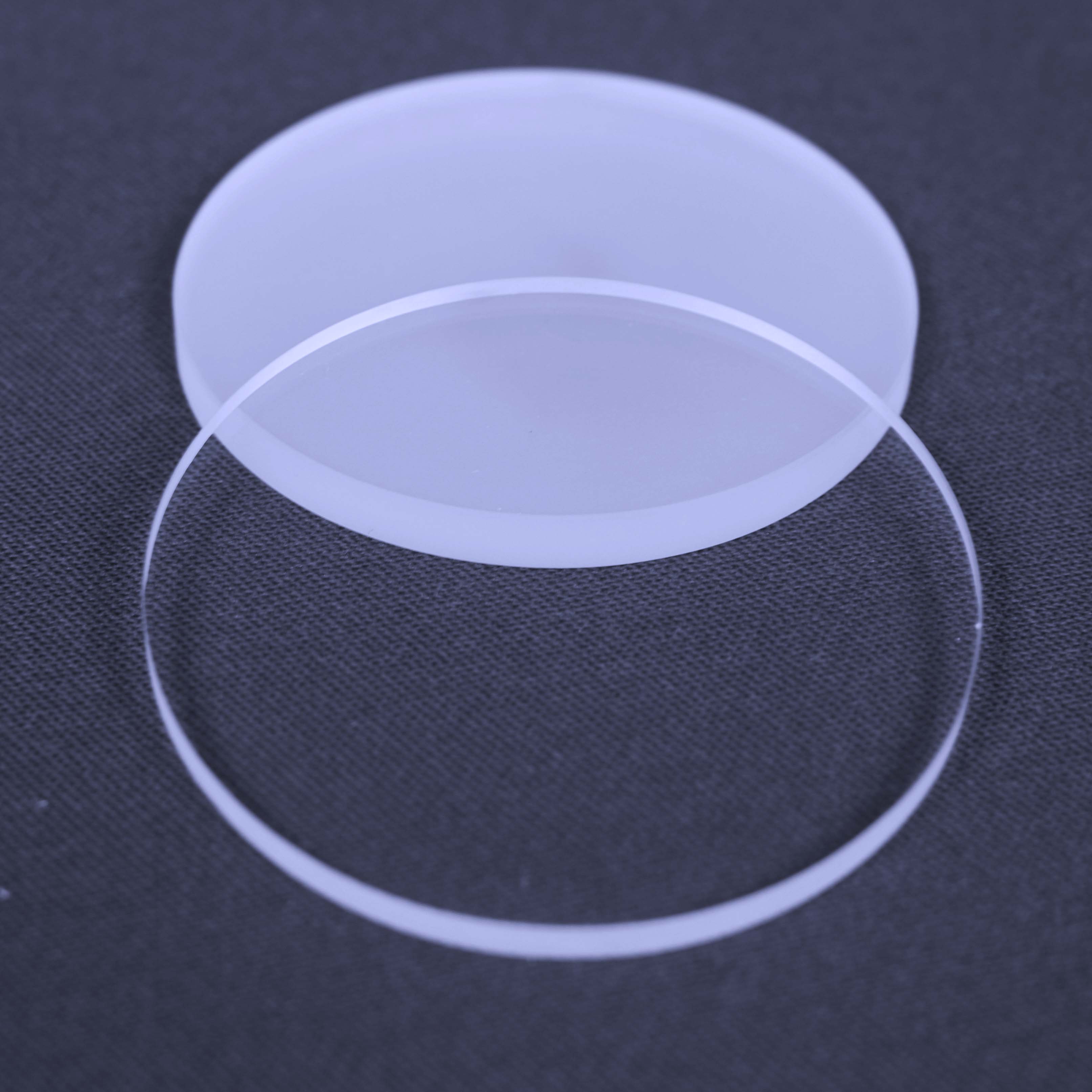
Softening Point: 1683°C High Temp Resistance Application: CZ Silicon & High-Purity Melting
XRD Quartz Sample Holder High Transmittance
Analytical Labs

High-Transmittance Optical Grade XRD Quartz Sample Holder
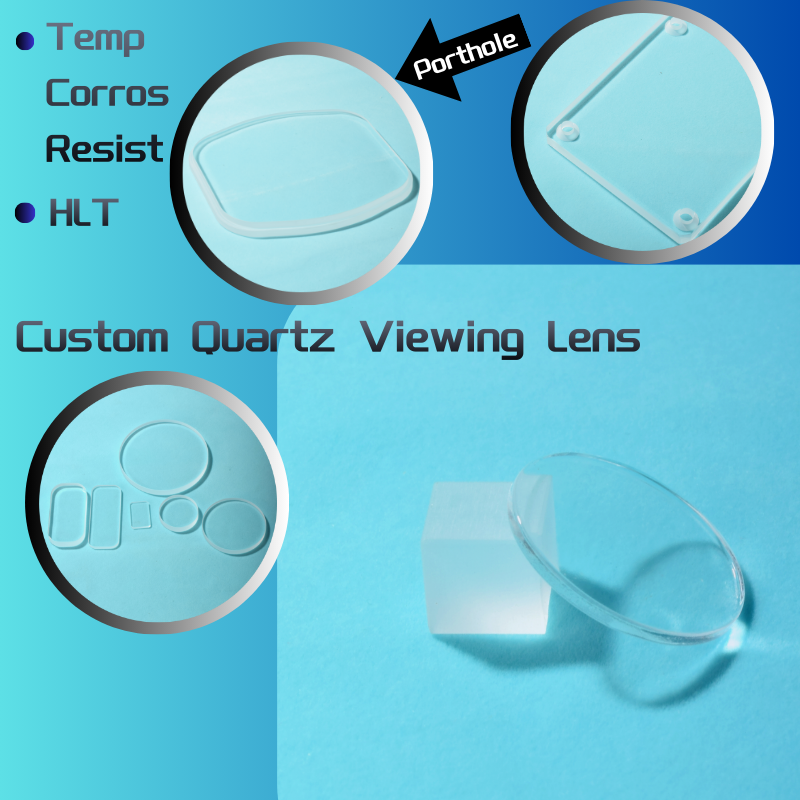
Parallelism: < 30 Arcsec / Optical Polish Background: Zero Background Diffraction
Precision Square Fused Quartz Optical Glass Slide
Precision Optics

SJ 126 Natural Fused Quartz Square Thin Glass Optical Slide
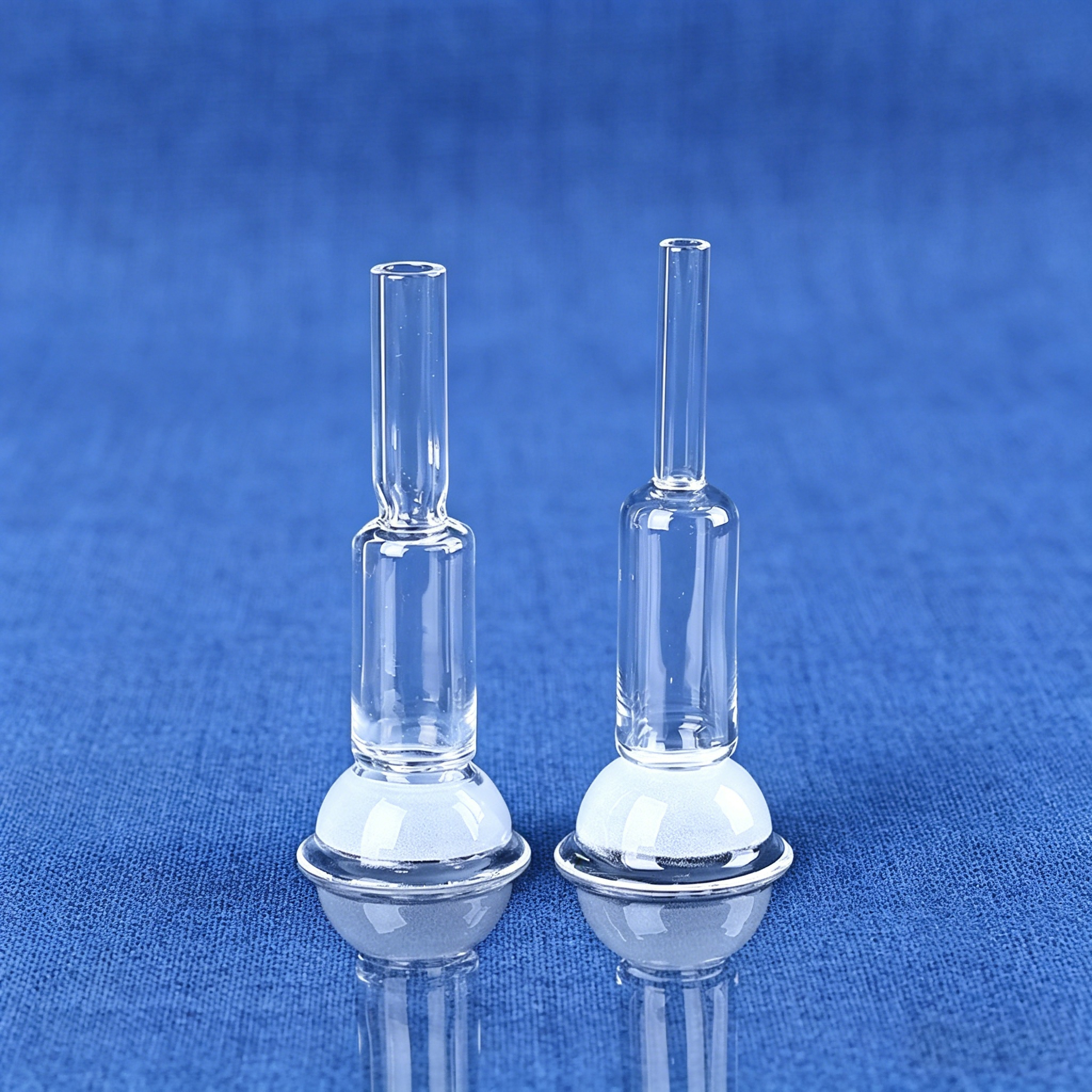
Surface Roughness: Ra < 0.5 nm Superflat Thickness: 0.5 mm – 20 mm Customizable
Custom High Purity Quartz C-shaped BET Tube
Surface Analysis

Custom High Purity Quartz C-Shaped BET Tube for Gas Sorption
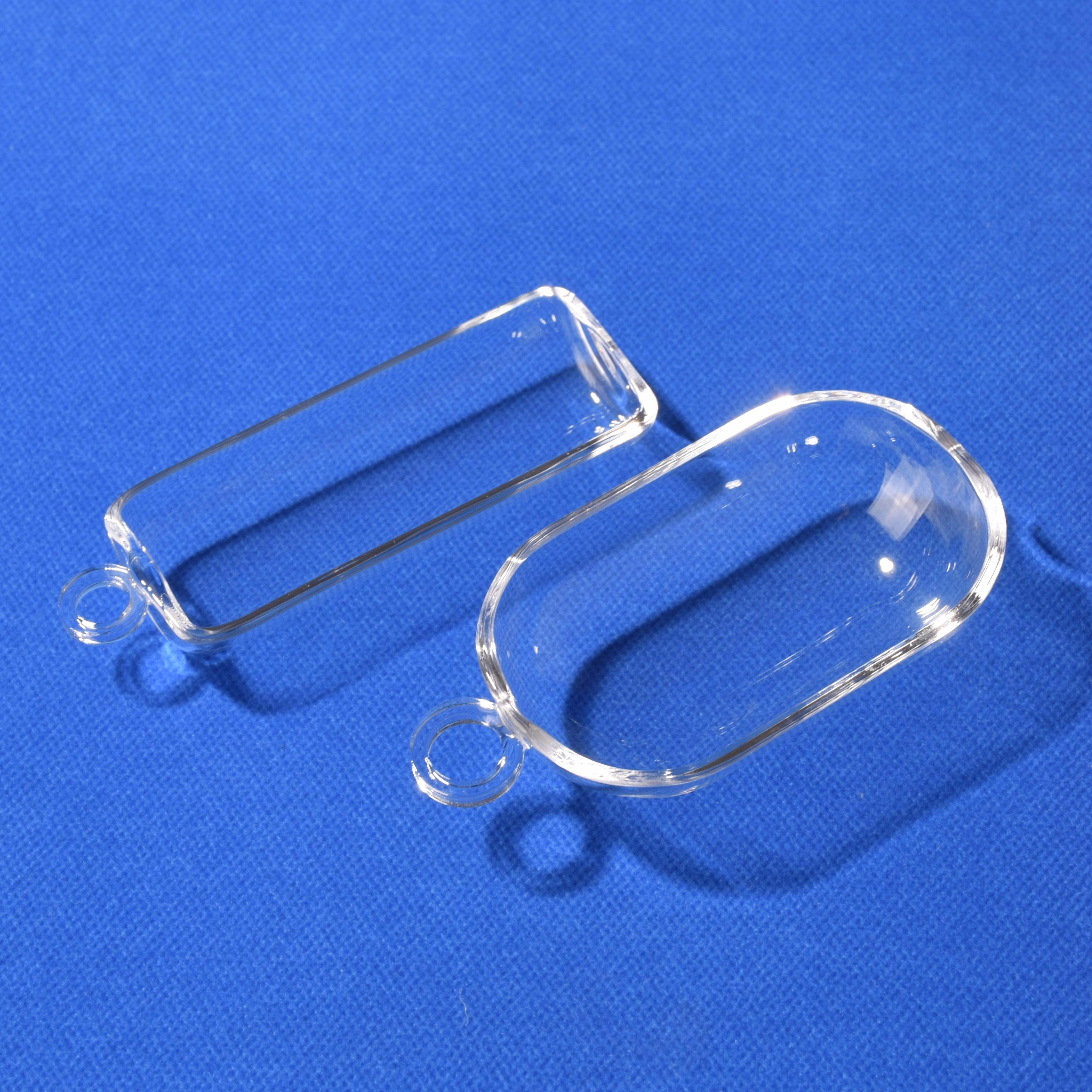
Stem Accuracy: ±0.05 mm Calibrated Bore Compatibility: BELSORP, Micromeritics Systems
Semi-circular Flat Bottom High Temperature Tube Furnace Boat
Diffusion & Anneal

Semi-Circular Flat Bottom High-Temp Tube Furnace Quartz Boat

Design: Non-sagging Flat Ground Base Atmosphere: Ozone-Free / Cl₂ / O₂ Compatible
99.999%
Max SiO₂ Purity
1683°C
Softening Point
800mm
Max Machined Diameter
1PC
Prototype OEM MOQ
100%
TÜV On-Site Verified
Technical Authority & Material Science

OEM Quartz Bell Jar: Engineering Design & Thermal Properties

A comprehensive technical analysis for semiconductor process engineers, thin-film researchers, and high-vacuum equipment procurement directors.

Anatomy of a Semiconductor Grade Quartz Bell Jar

In advanced semiconductor wafer processing, physical vapor deposition (PVD), chemical vapor deposition (CVD), and single-crystal pullers, the quartz bell jar serves as the critical primary reaction chamber. Operating as a vacuum-tight, thermally refractory barrier, custom OEM quartz bell jars isolate the substrate environment from ambient contamination while maintaining dimensional integrity under high-vacuum differential pressures ranging from 10⁻⁵ to 10⁻⁸ Torr. At elevated process temperatures reaching up to 1150°C, ordinary borosilicate glasses sag or devitrify. Custom fused quartz (amorphous silicon dioxide, SiO₂) exhibits a coefficient of thermal expansion (CTE) of approximately 5.5 × 10⁻⁷ /°C—less than one-twelfth that of standard industrial glass. This provides near-immunity to violent thermal shock when transitioning between high-temperature process states and rapid nitrogen purges.
Physical Property Metric Semiconductor Fused Quartz (Natural) Synthetic Fused Silica (CVD) Alumina Ceramic (Al₂O₃ 99.7%) Stainless Steel (316L Electro-polished)
Purity Level (Base Matrix) 99.99% – 99.999% SiO₂ > 99.9999% SiO₂ 99.7% Al₂O₃ Fe-Cr-Ni-Mo Alloy Matrix
Coefficient of Thermal Expansion (CTE) 5.5 × 10⁻⁷ /°C 5.1 × 10⁻⁷ /°C 8.0 × 10⁻⁶ /°C 16.0 × 10⁻⁶ /°C
Continuous Max Service Temp 1100°C (Short peak: 1450°C) 1150°C (Short peak: 1500°C) 1600°C 450°C (Process-limited)
Softening / Melting Point 1683°C 1730°C 2050°C 1375°C
Deep UV / IR Optical Transmission High (260nm to 3500nm) Superior (185nm to 2500nm) Opaque (Zero Transmission) Zero Transmission
Tensile Strength / Internal Pressure 48 N/mm² (Rigid Structure) 50 N/mm² 280 N/mm² 515 N/mm²
Heavy Metal Contamination Vector Near Zero (Fe < 0.2ppm, Cu < 0.05ppm) Sub-ppb Level Alkali & Transition Metal Leaching High Metallic Outgassing in Halogens
As illustrated above, natural high-purity fused quartz remains the gold standard substrate for bell jars. It balances thermal load endurance with mechanical stability and optical transparency. Optical diagnostics, pyrometry, and laser interferometry monitor reactions in real time through the transparent dome, impossible with opaque metallic or dense ceramic enclosures.

Enterprise Strengths: Lianyungang Vulra Quartz Products Co., Ltd.

Strategically situated in Donghai County—the globally recognized "Crystal Capital of China"—Vulra Quartz pairs raw material supply access with audited custom OEM glassblowing, grinding, and metrology.

1. TÜV Rheinland Verified On-Site Manufacturing

Our production facilities at No. 9, Dingxin Road, Donghai Economic Development Zone, Jiangsu, are fully verified through independent, on-site assessment by TÜV Rheinland. Legal manufacturing licenses, production lines, QA cleanrooms, and testing facilities are authenticated for risk-free international procurement.

2. Pure Upstream Donghai Crystal Feedstock

Direct integration into the world's most concentrated natural quartz sand refining belt yields exceptionally consistent silicon dioxide feedstock. Impurities of Na, K, Li, and Fe are stringently managed below parts-per-billion thresholds, preventing premature cristobalite devitrification during high-temperature cycles.

3. Dual Hot-Working & 5-Axis CNC Cold Machining

Under one roof, our facility combines heavy-duty glass lathes and precision oxy-hydrogen torches with 5-axis ultrasonic CNC grinding centers. We fabricate seamless fused domes, welded gas manifolds, ground sealing flanges, and O-ring grooves to tight tolerances within ±0.05 mm.

4. 1-Piece Prototype Feasibility to Mass Volume

We eliminate barriers for pilot projects and research institutions by providing 1-piece custom prototyping directly from CAD drawings (.STEP, .DWG, .DXF). Our application engineers evaluate thermal stresses, wall-thickness-to-diameter ratios, and O-ring sealing planes before cutting raw material.

5. Comprehensive Thermal Annealing & Stress Relief

Welded quartz assemblies develop dangerous residual hoop stresses. Every bell jar, flange, and welded port is heat-treated in computer-controlled electric annealing furnaces up to 1210°C, followed by gradual ramp-down cooling. Birefringence polariscopes certify zero internal stress before shipment.

6. Export-Grade Cleanliness & Crating Standards

All quartz assemblies undergo multi-stage HF/HNO₃ acid etching to remove surface metallic ions, followed by ultrasonic rinsing with 18.2 MΩ·cm deionized water. Finished vessels are double-bagged in cleanroom-grade antistatic film and suspended in heavy timber crates lined with shock-absorbing foam.

Future Procurement Trends for Industrial Quartz Bell Jars

Anticipate material requirements, supply-chain shifts, and quality thresholds driving global quartzware sourcing through 2025–2030.

1. Scaling to Large-Format Monolithic Enclosures

With silicon wafer diameters fixed at 300mm and transitioning toward larger batch sizes, alongside sapphire/SiC boule expansions, chamber diameters are scaling to 600mm–800mm. Buyers are prioritizing monolithic blown domes over segmented welded constructions to eliminate weak thermal stress joints prone to vacuum implosion.

2. Low-Hydroxyl (OH⁻ < 1 ppm) Demands

In high-temperature epitaxy and optical vapor phase synthesis, hydroxyl groups present in the quartz matrix outgas at temperatures above 900°C, reacting with moisture-sensitive precursors (such as SiH₄ or metalorganics). Procurement trends show a decisive shift toward vacuum-baked, ultra-low OH⁻ grades to prevent process drift.

3. Plasma-Resistant Micro-Textured Finishes

In reactive ion etching (RIE) and plasma-enhanced CVD, corrosive fluorine and chlorine radicals degrade smooth quartz surfaces. Modern specifications increasingly demand sandblasted, micro-textured internal surfaces (Ra 2.5–3.5 μm) that enhance film adhesion, preventing flaking and wafer particulate contamination.

4. Total Trace-Metal Impurity Accounting

Procurement teams are shifting away from general "99.99%" designations. Current contracts mandate ICP-MS testing across 14 elemental contaminants (Al, Ca, Cr, Cu, Fe, K, Li, Mg, Mn, Na, Ni, P, Ti, Zr), requiring total combined impurity thresholds below 20 ppm, with critical elements like Fe < 0.2 ppm.

5. Full Lifecycle Tracking & Recertification

To reduce capital expenditure, semiconductor OEMs are contracting suppliers capable of inspecting, etching, and flame-repolishing eroded bell jars. Providing full dimensional inspection (CMM) and stress analysis extends bell jar lifecycle across multiple operational campaigns.

6. Supply Chain Diversification & Direct Mill Access

Geopolitical risks and quartz sand export quotas make direct collaboration with factories located in primary crystal refining hubs essential. Sourcing from manufacturers like Vulra Quartz ensures uninterrupted delivery timelines and competitive baseline pricing without middleman markups.

Custom OEM Quartz Bell Jar Sourcing FAQ

Comprehensive technical and commercial guidance compiled by Vulra Quartz process engineers to streamline the RFQ, design validation, and procurement workflow.

Q1 How do you calculate wall thickness for a quartz bell jar under high vacuum?
Vacuum bell jars experience compressive atmospheric pressure externally. Calculating safe wall thickness requires evaluating structural buckling resistance rather than tensile yield. We utilize the classical elastic buckling formula for thin-walled cylinders and spherical caps:
Pcr = [2E / √(3(1 - ν²))] × (t / R)²
Where E is Young's Modulus (~72 GPa), ν is Poisson's ratio (0.17), t is wall thickness, and R is the radius. We apply a safety factor of ≥ 4.0 to account for thermal gradients and non-uniform wall geometry, ensuring absolute stability against vacuum implosion.
Q2 What is the difference between electrically fused and flame-fused quartz?
Electrically fused quartz is melted under vacuum in tungsten or graphite resistance furnaces. This produces ultra-low hydroxyl (OH⁻ < 1–5 ppm) material, giving it higher viscosity at temperatures exceeding 1000°C and resistance to sagging. Flame-fused quartz uses an oxy-hydrogen burner; while optically cleaner with minimal micro-bubbles, it contains higher hydroxyl levels (150–400 ppm), which slightly lowers the strain point. We recommend electrically fused material for high-temperature vacuum furnaces and flame-fused quartz for photochemical or visual observation chambers.
Q3 How does Vulra Quartz guarantee flange flatness and leak-free vacuum sealing?
The bottom flange is the most critical mechanical interface on any bell jar. Our process involves precision diamond-wheel surface grinding followed by lap-polishing on flat planetary tables. Flange flatness is held within 0.02 mm to 0.05 mm Total Indicator Reading (TIR) across diameters up to 600 mm. For elastomer sealing (Viton, Kalrez) or metal Helicoflex gaskets, we machine concentric O-ring grooves directly into the quartz flange face with surface roughness Ra ≤ 0.4 μm.
Q4 What inspection documentation and quality certificates accompany every delivery?
Every production batch is supplied with an exhaustive QA dossier, including:
  • CMM Dimensional Inspection Report (wall thickness, ovality, flange flatness).
  • Polariscope Photoelastic Stress Birefringence Certificate.
  • Raw Material Purity Spectral Analysis (ICP-MS / ICP-OES certifying SiO₂ ≥ 99.99%+).
  • Helium Mass Spectrometer Leak Test Report (vacuum integrity to < 1 × 10⁻⁹ mbar·L/s).
  • RoHS and CE Declaration of Conformity.
Q5 Can quartz bell jars handle positive internal pressure, or only vacuum?
Fused quartz has exceptional compressive strength (> 1100 MPa) but relatively modest tensile strength (~48 MPa). Consequently, quartz bell jars are optimized for external compression (high vacuum). If your application requires positive internal pressure (e.g., pressurized gas purging), the jar must be engineered with increased wall thickness and bolted clamping collars designed to distribute tensile loads. We typically limit positive pressure to < 0.5 bar (gauge) unless specifically tested and armored.
Q6 What causes quartz devitrification, and how do we prevent it during processing?
Devitrification is the phase transition from metastable amorphous silica to crystalline cristobalite. It generally initiates above 1150°C and accelerates in the presence of surface alkali contaminants (sodium, potassium, calcium) or fingerprints. Cristobalite undergoes a sharp 5% volumetric contraction upon cooling through 220°C–270°C, causing micro-cracking and catastrophic failure. To prevent this, Vulra Quartz employs high-purity natural quartz with total alkali < 1.5 ppm, followed by high-temperature acid passivation. Operators should clean quartzware using high-purity alcohol and handle it only with lint-free gloves.
Q7 What is your MOQ and lead time for custom engineered OEM bell jars?
We operate dedicated custom fabrication lines supporting an MOQ of 1 piece. Prototyping allows design engineers to test fit, thermal dynamics, and vacuum integrity before volume commitments. Standard custom prototypes typically ship within 2 to 3 weeks following formal CAD drawing sign-off. High-volume recurring batch runs ship within 3 to 5 weeks, with buffer-stock options available for verified long-term contracts.
Q8 How does Vulra Quartz pack large, fragile quartz vessels to prevent shipping damage?
We maintain a 99.8% zero-breakage export track record across 40+ countries. Every custom bell jar is cleanroom packaged, enveloped in customized high-density closed-cell polyethylene foam form-fitted to the jar geometry, and boxed in heavy corrugated inner cartons. The entire assembly is then suspended inside an engineered non-fumigation plywood shipping crate equipped with tip-and-tell indicators and impact shock sensors suitable for air, courier, and ocean transit.
Q9 Can you customize viewports, water jackets, and multi-port feedthroughs?
Yes. Full OEM customization is our core capability. We routinely integrate optical-grade flat viewports (UV-grade synthetic or high-purity natural), KF/NW vacuum flanges, CF metal-glass transitions, ground taper joints, quartz thermocouple thermowells, dual-wall water-cooling jackets, and tangential gas injection nozzles welded directly to the bell jar dome and perimeter walls.
Q10 How do I begin an engineering review for a custom quartz bell jar?
You can start by sharing your 2D engineering drawing (PDF/DWG with dimensions and tolerances) or 3D CAD model (.STEP/.IGES) via our global live chat or email. Please include your target continuous operating temperature, vacuum/pressure requirements, process chemical atmosphere (e.g., fluorine, chlorine, plasma, inert gases), and expected quantity. Our engineering team reviews all files and returns a DFM (Design for Manufacturability) feasibility report and formal quotation within 24 hours.

Ready to Engineer Your Custom Quartz Bell Jar?

Collaborate directly with our Donghai technical engineering team. Whether you need a 1-piece R&D vacuum chamber prototype or recurring batch supply for semiconductor equipment, Vulra Quartz delivers certified quality, rapid lead times, and comprehensive drawing-based customization.