Factory Portfolio & Direct Sourcing
Precision Quartzware & Specialized Tube Assemblies
Manufactured to drawing with tight geometric tolerances, thermal shock resistance up to 1100°C continuous service, and high-purity SiO₂ chemistry tailored for semiconductor, optical, and industrial heating sectors.
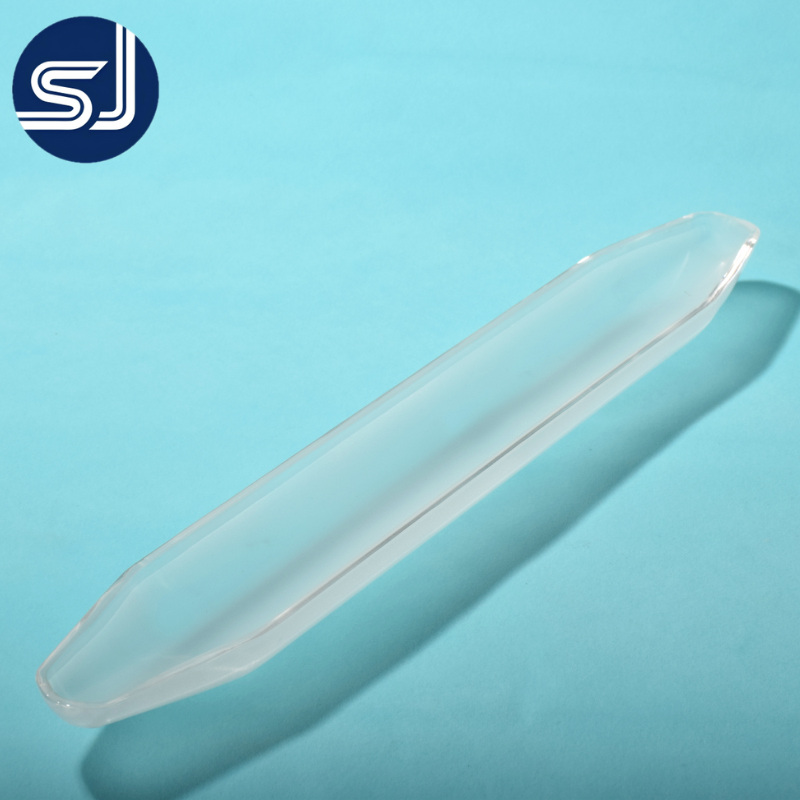
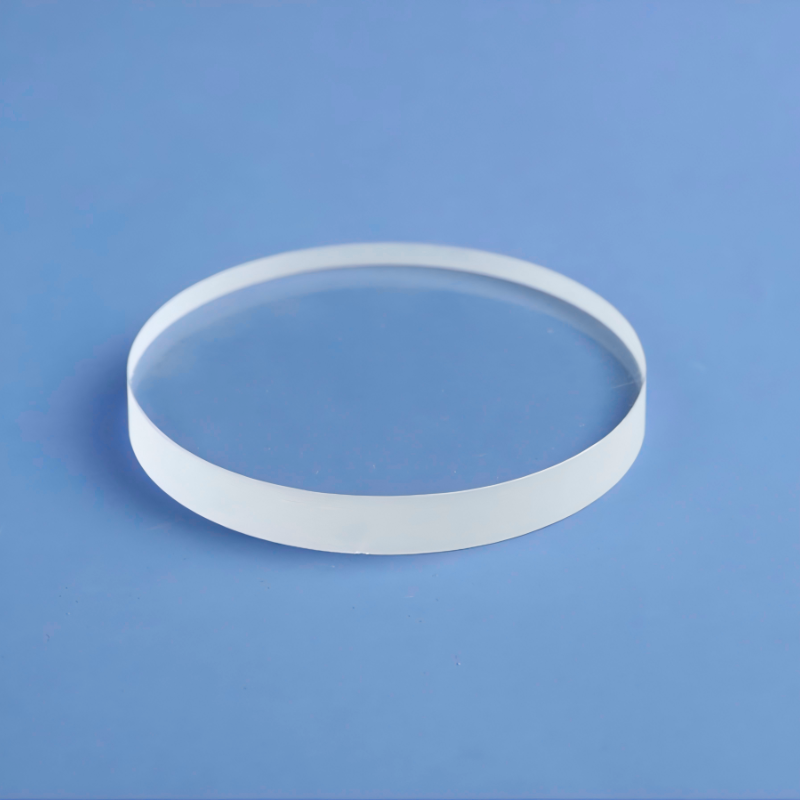
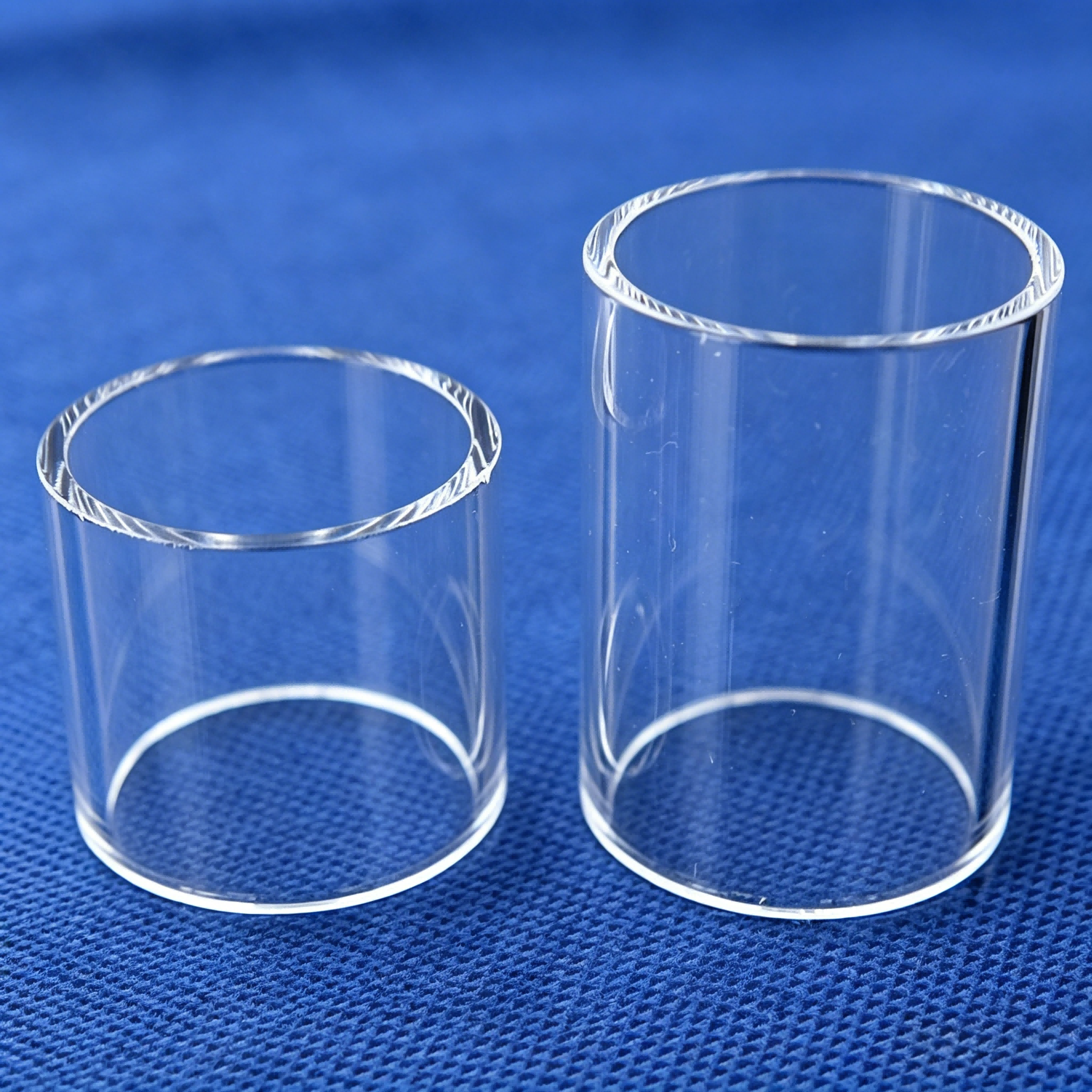
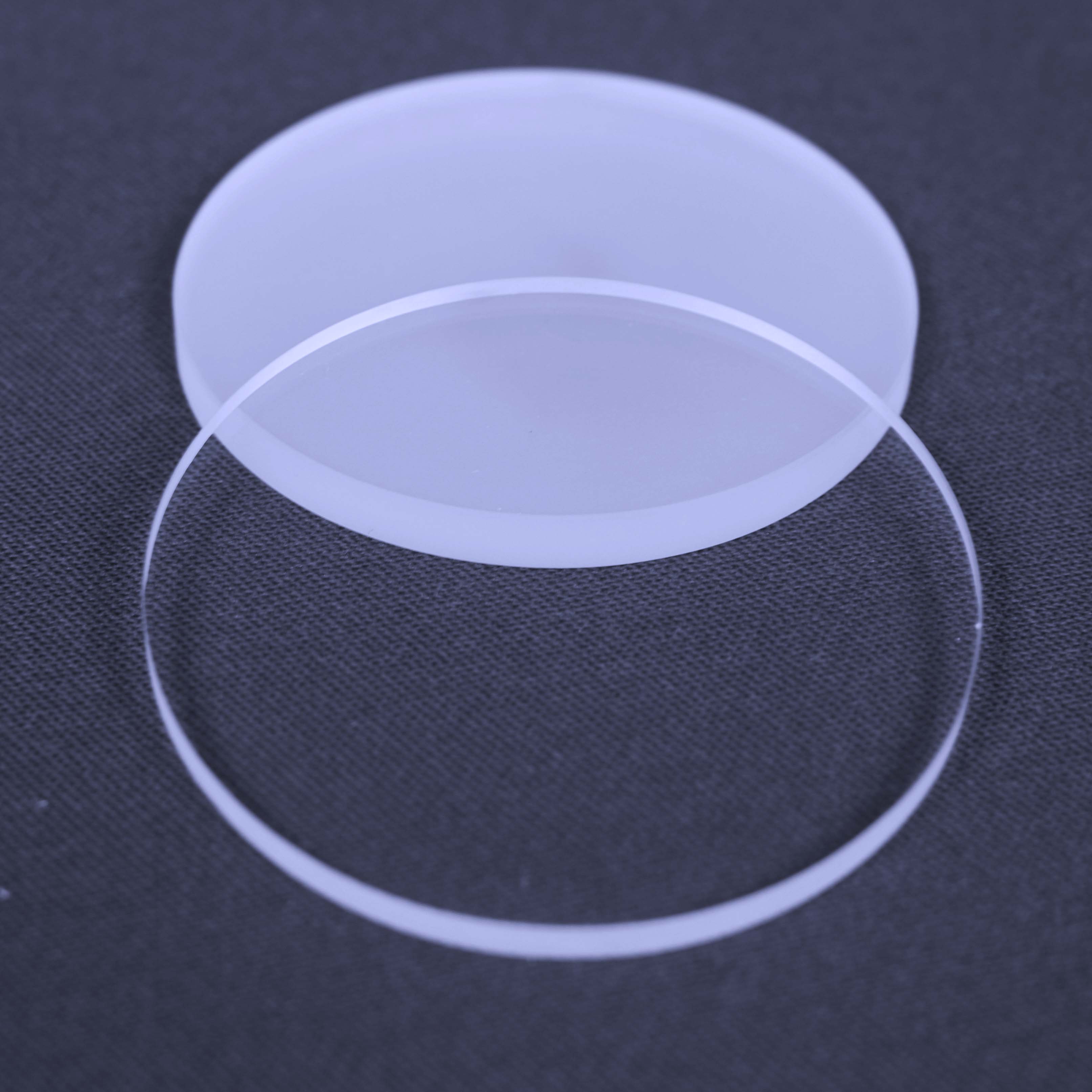
99.95%
Minimum SiO₂ Purity
1683°C
Softening Point
1100°C
Continuous Working Temp
±0.05mm
CNC Machining Precision
Engineering Whitepaper Analysis
Understanding Milky Quartz: Micro-Bubble Scattering and Infrared Thermal Shielding
Milky quartz tubing (also industrially referred to as opaque fused silica tubing or translucent silica glass) is an engineered refractory vitreous material characterized by microscopic, evenly dispersed gaseous micro-enclosures. Unlike clear fused quartz where high optical clarity permits direct transmission of broad-spectrum radiant energy, milky quartz fundamentally relies on Lambertian diffuse reflection.
During the thermal fusion of refined Donghai silica sand, precisely calibrated fusion cycles introduce microscopic gaseous voids (typically 10 to 50 μm in diameter). These micro-bubbles act as isotropic scattering centers. When incident infrared wavelengths (specifically in the near-infrared and medium-infrared bands from 1.0 μm to 4.5 μm) strike the tube wall, radiation undergoes multiple internal reflections rather than clean transmission. This delivers two primary industrial advantages:
- Optimized Infrared Heating Efficiency: Back-scattering directs radiant heat uniformly forward toward the processing zone while acting as an integral thermal insulator toward outer furnace housings.
- Thermal Gradient Damping: Elimination of direct hot-spot radiation paths prevents localized thermal runaway in chemical vapor deposition, epitaxial wafer heating, and continuous strip baking ovens.
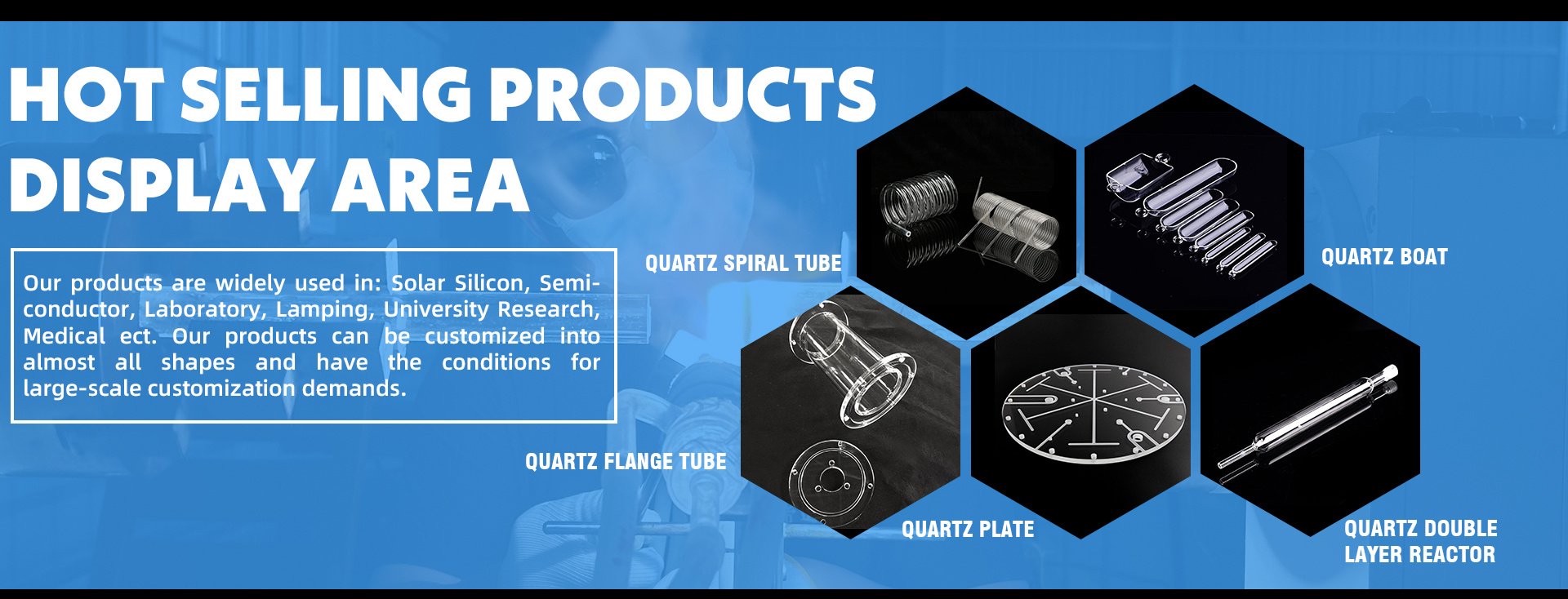
High Purity Thermal Tube Sintering
Material Selection Criteria
Engineering Comparison: Milky Quartz vs. Transparent Fused Quartz vs. Alumina Ceramic
Selecting the optimal tubular envelope demands balancing thermal expansion, dielectric strength, direct infrared emissivity, and mechanical machinability. Review technical benchmarks below:
| Property Parameter | Milky / Opaque Quartz (Vulra SJ-MQ) | Clear Fused Quartz (Standard) | High-Alumina Ceramic (99% Al₂O₃) |
|---|---|---|---|
| SiO₂ / Material Purity | ≥ 99.95% – 99.99% | ≥ 99.99% – 99.999% | ≤ 0.1% SiO₂ (99.2% Al₂O₃) |
| Continuous Service Temperature | 1100°C – 1150°C | 1100°C – 1150°C | 1500°C – 1650°C |
| Maximum Short-Term Peak Temp | 1300°C | 1350°C – 1450°C | 1750°C |
| Coefficient of Thermal Expansion (CTE) | 5.5 × 10⁻⁷ / °C (Virtually Zero) | 5.5 × 10⁻⁷ / °C | 8.0 × 10⁻⁶ / °C (High) |
| Thermal Shock Resistance (ΔT) | 1100°C to 20°C Rapid Water Quench | 1100°C to 20°C Water Quench | Poor (∼ 200°C ΔT Failure) |
| Infrared (IR) Optical Behavior | High Diffuse Back-Reflection (>90%) | Direct Transmission (>92% Visible/NIR) | Surface Opaque Absorption |
| Dielectric Strength (at 20°C) | 25 – 40 kV/mm | 25 – 40 kV/mm | 10 – 18 kV/mm |
| Cold Fabrication Workability | Diamond Blade Cutting, Grinding, Slotting | Full Optical Polishing, Fire Polishing | Diamond Grinding Only (Brittle) |
Bespoke Fabrication
End-to-End OEM / ODM Milky Quartz Customization Matrix
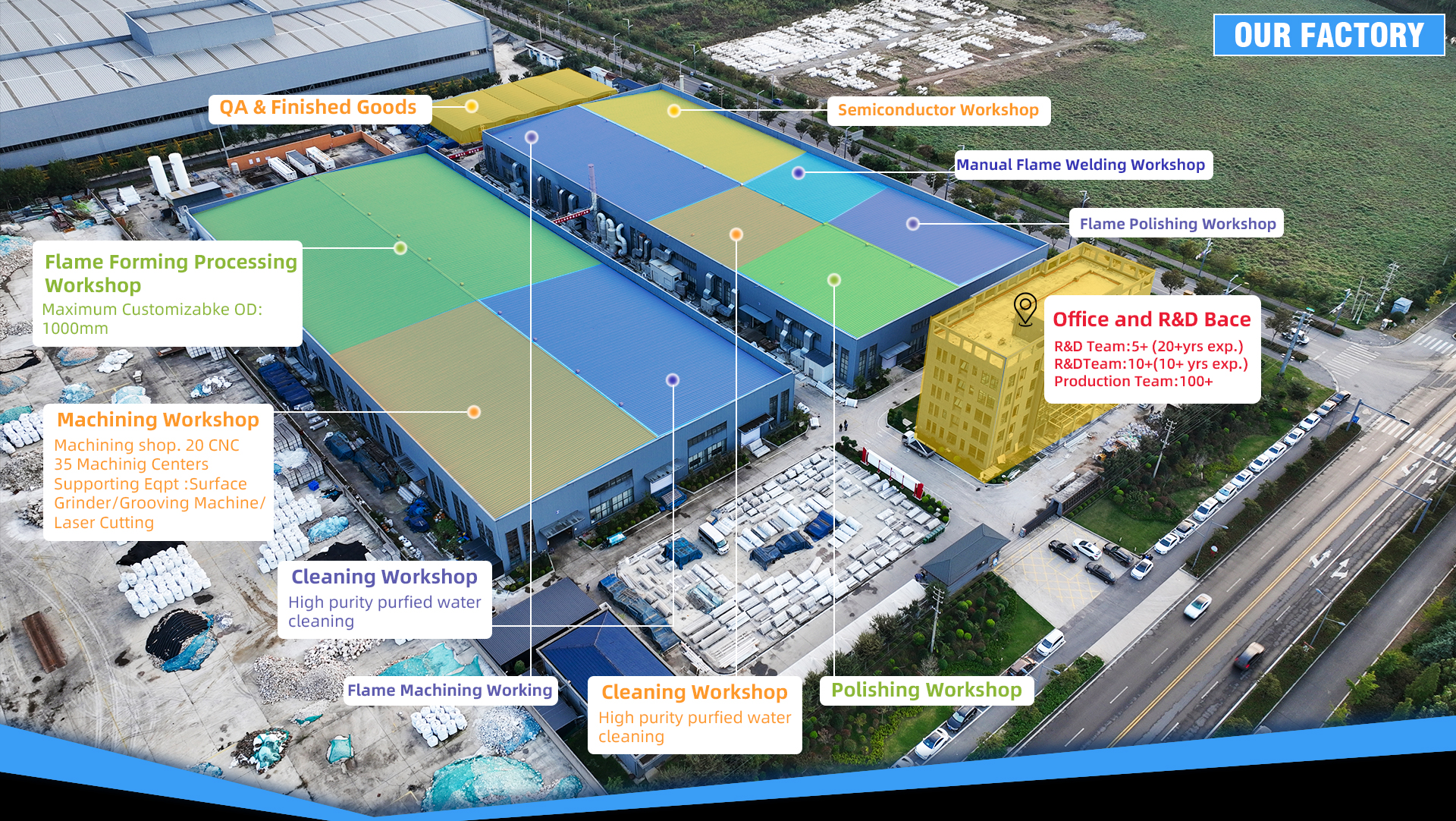
Lianyungang Vulra Quartz Products Co., Ltd. operates integrated glassblowing lathes, computerized annealing ovens, and CNC wet diamond machining bays to support custom drawings from single prototypes to full container runs.
Dimensional Range & Profiles
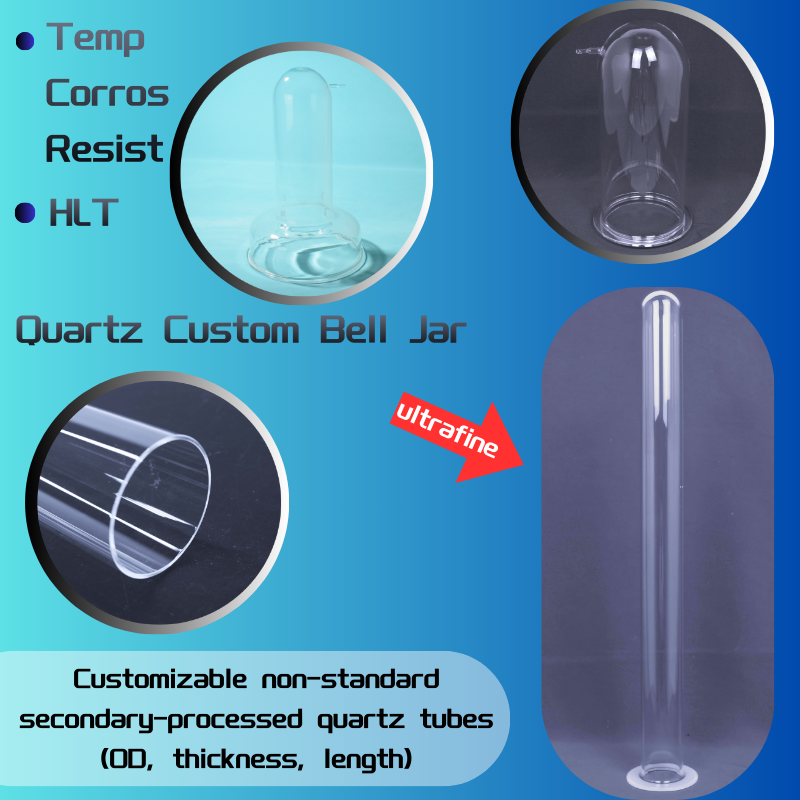
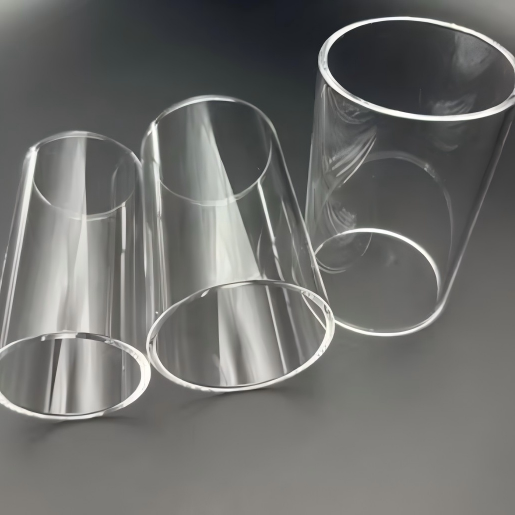
We manufacture custom milky quartz tubes spanning outer diameters from 3.0 mm micro-tubing up to 450 mm large-diameter furnace muffles.
- Outer Diameter (OD): 3.0 mm – 450 mm (±0.1 mm standard)
- Wall Thickness (WT): 0.8 mm – 15.0 mm (±0.08 mm precision)
- Standard Lengths up to 3000 mm without splicing
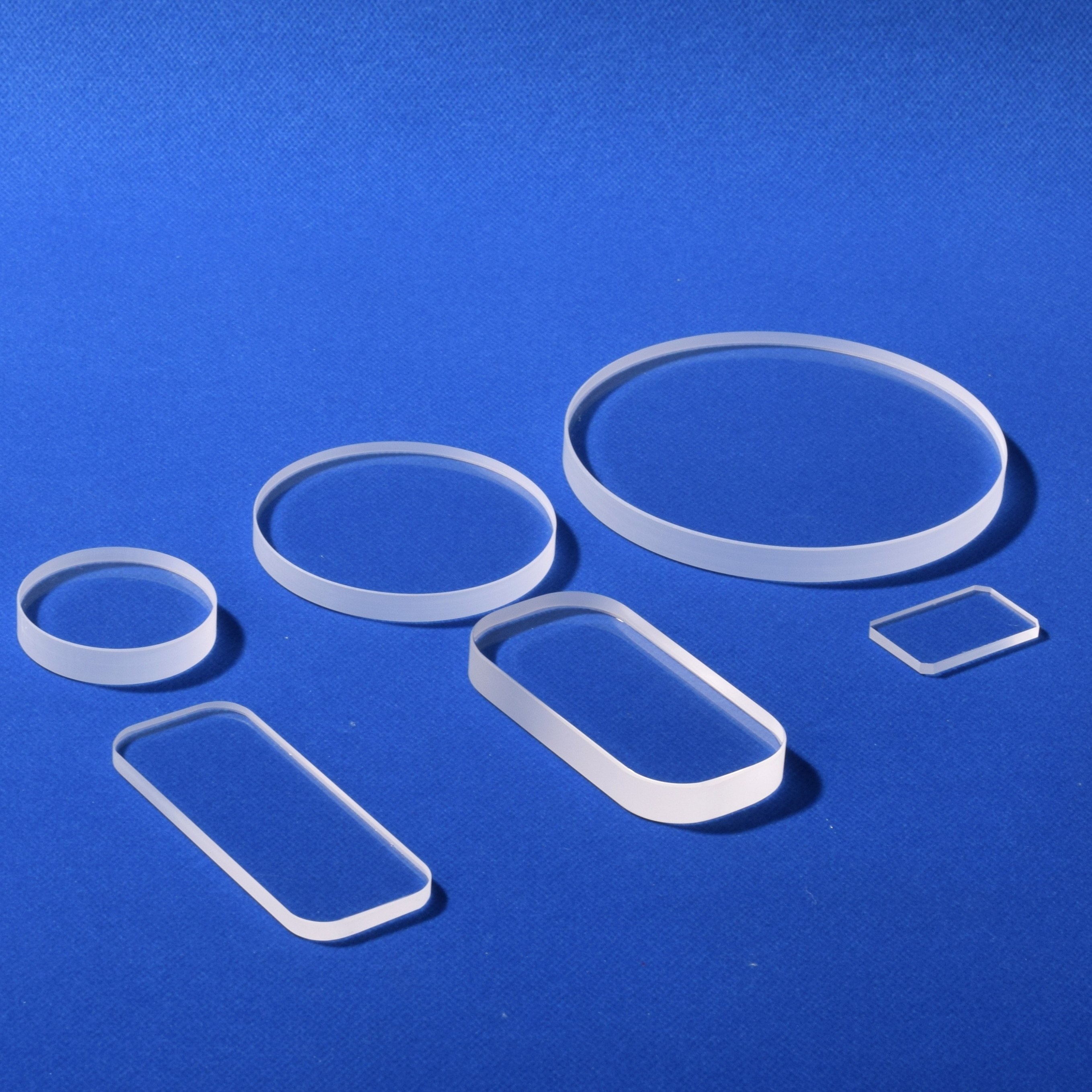
- Profile options: Round, Twin-Bore, D-shape, and Oval geometries
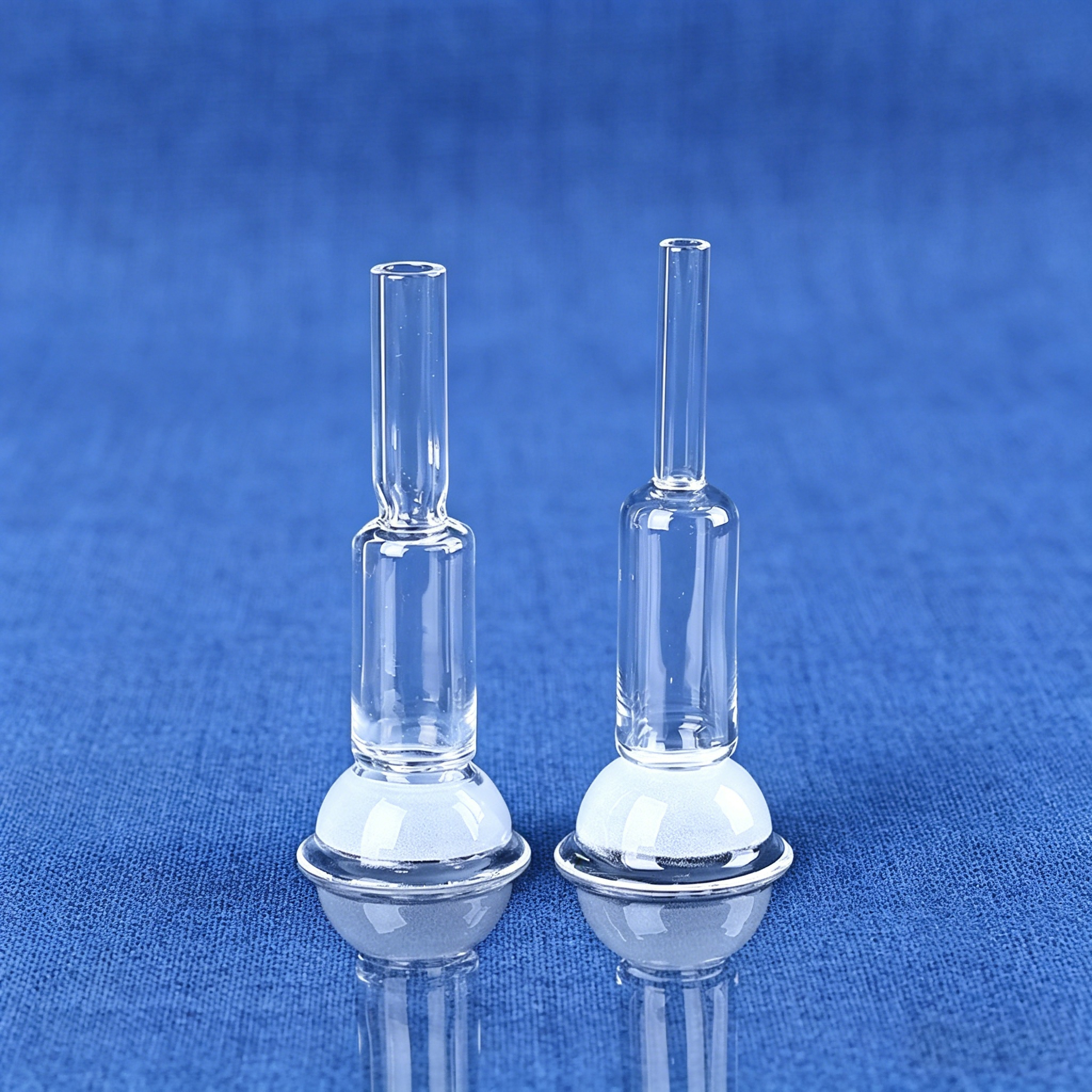
Hot Working & Glassblowing
Our veteran master glassblowers execute complex thermal shaping using ultra-clean oxy-hydrogen micro-torches and semi-automatic rotary lathes.
- Hemispherical, flat, and conical one-end closures
- Flanged terminations (KF, ISO, CF vacuum interface ready)
- Precision bending, serpentine coiling, and branch tube fusing
- Clear-to-milky seamless transition zone fusion welding
Cold Machining & Surface Finishes
Precise mechanical operations ensure tight assembly fit within high-speed heater equipment and automated wafer processing lines.
- High-precision diamond saw cutting with ground or fire-polished ends
- Ultrasonic drilling: locating holes, gas injection orifices, slots
- OD centerless grinding for extreme outer diameter tolerances (±0.03 mm)
- HF acid surface etching or ultrasonic de-ionized water cleansing
Application Guide
High-Performance Industrial Recommendations for Milky Quartz
Where standard borosilicate or transparent fused silica falls short in thermal insulation, glare reduction, or radiant diffusion, our OEM milky quartz tubes deliver targeted performance.
1. Electric Infrared (IR) Heating Envelopes
Widely utilized as the protective envelope for carbon fiber, Ni-Cr, and tungsten resistance elements in thermoforming, automotive paint curing, and textile drying. Milky quartz diffuses harsh glare into comfortable, highly absorbable medium-wave infrared radiation, protecting elements from oxidation and chemical fumes.
2. Thermocouple Protection Sheaths
In non-ferrous metal casting, furnace pyrometry, and thermal analysis, our closed-end milky quartz sheaths provide unyielding thermal shock resistance (ΔT > 1000°C) against molten aluminum, slag, and acidic atmospheres without structural devitrification or thermal crack failure.
3. Semiconductor & Solar Diffusion Muffles
High-purity opaque fused silica serves as outer thermal liners in horizontal and vertical diffusion furnaces. The micro-bubble structure reflects thermal radiation back onto silicon wafers while creating a resilient barrier against heavy metal ionic contaminants migrating from furnace heating coils.
4. Ozone Generator Dielectric Barriers
Corona discharge ozone generation demands materials with high dielectric breakdown voltage, absolute chemical inertia to pure O₃, and thermal dissipation stability. Our precision-ground milky quartz tubes prevent dielectric punch-through while maintaining stable electrical resonance.
5. Chemical Process Heat Exchangers & Condensers
For corrosive acid recovery (e.g., concentrated H₂SO₄, boiling HNO₃), milky quartz tubes resist acid corrosion at boiling points without leaching iron, sodium, or boron. They can be flanged or fitted with PTFE sealing ferrules for zero-leak continuous fluid transport.
6. Laboratory Pyrolysis & Combustion Tubes
Milky quartz combustion tubes provide opaque isolation during elemental analysis (CHNS analyzers) and high-temperature coal or biomass gasification, shielding optical detectors from internal furnace filament glow while containing pressures reliably.
Strategic Market Intelligence
Future Procurement Trends: Where Milky Quartz Sourcing Is Headed (2025–2030)
As advanced thermal processes demand higher throughput and automated assembly lines eliminate manual fitting, international procurement managers face evolving technical challenges. Procurement of milky quartz tubing is shifting from commoditized catalog purchases to tightly specified, drawing-driven OEM agreements:
- Automated Assembly Tolerances: Modern robotic heater winding demands tube outer diameter and camber tolerances tighter than ±0.1 mm to prevent automated coil jamming.
- Hydroxyl (OH⁻) Tailoring: Lower hydroxyl content (<20 ppm vs standard 150 ppm) is increasingly mandated for extreme operating regimes above 1050°C to inhibit premature cristobalite devitrification.
- Supply Chain Transparency & Direct Cluster Sourcing: Global OEM equipment builders are cutting through intermediaries to partner directly with Donghai manufacturers who control natural high-purity quartz reserves.
- Cleanroom Packaged Sub-Assemblies: Procurement contracts increasingly specify pre-cleaned, acid-washed, double vacuum-bagged packaging that moves directly into Class 1,000 cleanrooms without secondary customer prep.
High-Precision Quartz Lathe Fabrication
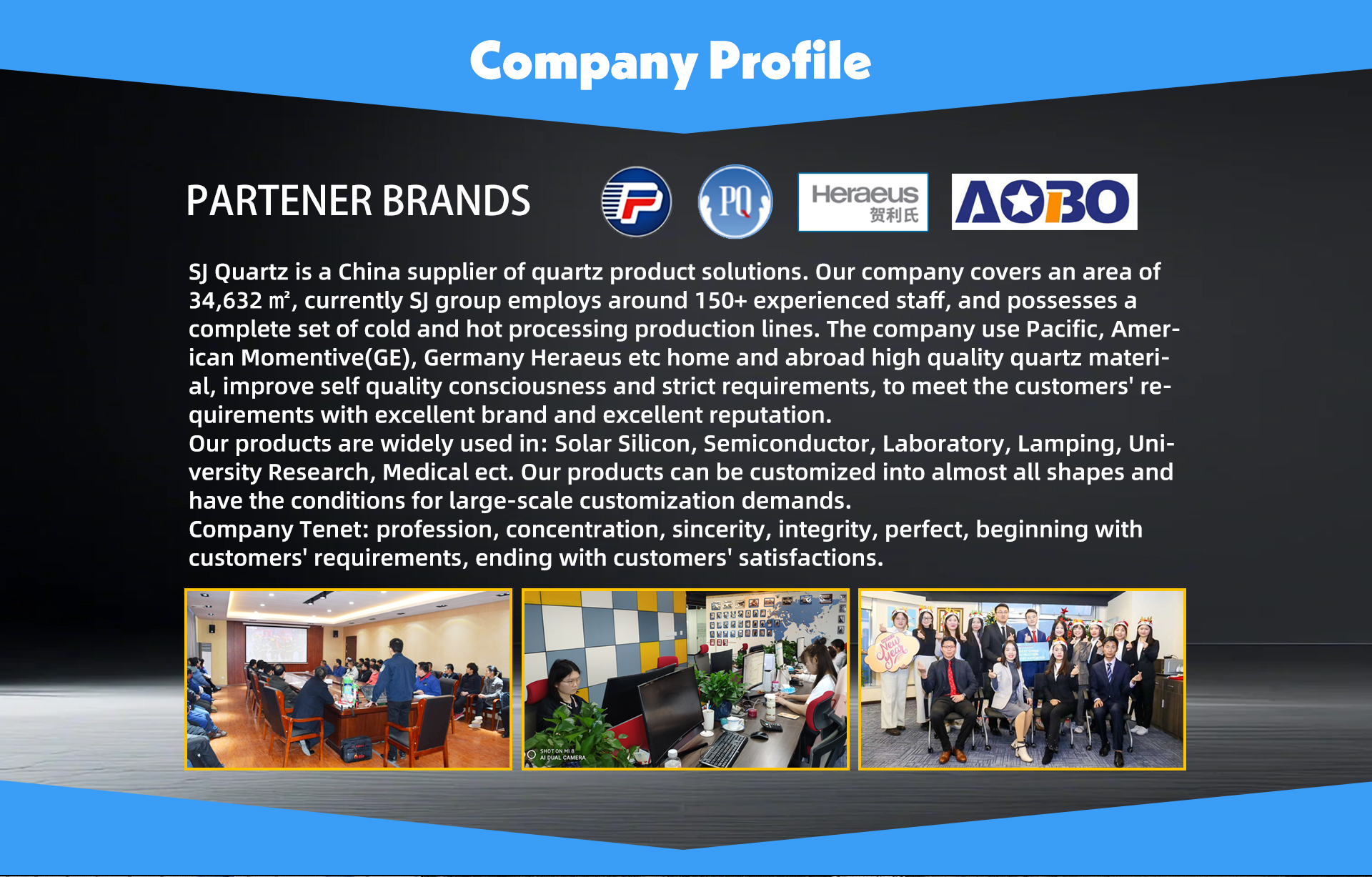
Donghai Industrial Production Base
Material Evolution
Technological Development Trends in Opaque Quartz Engineering
The manufacturing science behind opaque fused quartz is actively advancing beyond conventional electric melting techniques. Significant developmental shifts include:
1. Micro-Bubble Morphological Engineering: Modern acoustic-assisted fusing allows engineers to manipulate bubble diameter distribution, eliminating oversized pores (>100 μm) that cause micro-fissures during high-pressure thermal cycling.
2. Multi-Layer Co-Extruded Tubing: Integrating a transparent inner fused silica wall with a milky quartz outer layer. This composite structure protects sensitive internal reagents from bubble pore entrapment while preserving external diffuse heat reflection.
3. Anti-Devitrification Surface Doping: Next-generation milky tubes undergo specialized surface stabilization treatments to retard alkali-metal catalyzed crystallization, extending furnace tube lifespan from 6 months to over 24 months in continuous 1100°C runs.
Trust & Verified Authority
Why Tier-1 Industrial Buyers Partner with Vulra Quartz
Located in the heart of Donghai, China’s renowned crystal capital, Lianyungang Vulra Quartz Products Co., Ltd. combines geographic raw material dominance with audited international manufacturing credentials.
TÜV Rheinland Assessed & Certified
Our manufacturing plant, legal standing, production capacity, and export quality controls are independently audited on-site by TÜV Rheinland. Full product lines meet CE and RoHS compliance requirements for immediate EU and North American deployment.
Raw Material Security in Donghai
Direct integration into the world's most concentrated high-purity silica sand processing cluster guarantees consistent raw supply, low metallic impurity levels (<15 ppm total alkali metals), and competitive factory-direct pricing immune to speculative trader markups.
Agile Prototyping from 1 Piece
We believe high-precision engineering begins with functional validation. Most custom-dimensioned milky tubes, crucibles, and customized boats start at a minimum order quantity (MOQ) of just 1 piece, backed by fast DFM (Design for Manufacturability) engineering reviews.
Full Thermal Annealing Protocol
All welded joints, flared flanges, and closed ends undergo multi-hour computer-controlled electric lehr annealing at 1150°C. This completely relieves residual hoop stress, preventing spontaneous shatter under cyclic thermal load.
Zero-Damage Export Packaging
Fragile quartz requires specialized transport engineering. We utilize individualized EPE high-density foam suspension, moisture barrier sealing, shock-absorbing inner cartons, and reinforced non-fumigation plywood crates with tipping sensors for worldwide air and ocean freight.
Complete Quality Traceability
Every shipment is accompanied by dimensional inspection protocols, SiO₂ purity spectrographic documentation, and visual bubble uniformity verification, ensuring batch-to-batch consistency for critical OEM production lines.
Buyer Technical Knowledge Base
Frequently Asked Questions on Sourcing Milky Quartz Tubing
Direct answers from our engineering desk to guide procurement officers, furnace designers, and equipment integrators.
What is the maximum operating temperature of milky quartz tubes?
Under continuous operating conditions, our milky quartz tubes operate dependably at 1100°C to 1150°C. Short-term peak excursions can reach 1300°C without mechanical sagging. The softening point is approximately 1683°C. For continuous operation above 1050°C, we advise keeping the operating environment dry and free from alkali metal vapors (Na, K) to prevent premature cristobalite nucleation.
Why choose milky (opaque) quartz over clear transparent fused quartz?
Milky quartz is selected whenever radiant heat diffusion, glare suppression, or back-reflection is beneficial. The micro-bubble matrix scatters infrared rays via Lambertian diffuse reflection, preventing hot spots and channeling heat back toward the target element. Additionally, opaque quartz exhibits marginally higher thermal insulation across the tube wall compared to transparent quartz, protecting outer equipment structures.
Are the micro-bubbles in milky quartz open pores that compromise vacuum integrity?
No. The micro-bubbles in our high-grade opaque fused silica are completely sealed, closed-cell inclusions encapsulated inside the amorphous vitreous silica matrix. The inner and outer surfaces are smooth and impervious. When properly fitted with elastomeric O-rings or fused to standard flanges, milky quartz tubes comfortably maintain high vacuum levels down to 10⁻⁴ Pa.
Can milky quartz tubes be welded directly to transparent quartz tubes?
Yes. Because both milky quartz and clear fused quartz share the exact same vitreous amorphous SiO₂ backbone with an ultra-low thermal expansion coefficient of 5.5 × 10⁻⁷ / °C, our glassblowers can seamlessly fuse clear and opaque sections together on glass lathes without introducing expansion mismatches or thermal fracture planes.
What is your Minimum Order Quantity (MOQ) for custom-engineered drawings?
We support fast R&D cycles and low-volume OEM integrations by offering an MOQ starting from just 1 piece for custom prototypes. Standard production batch sizes typically range from 20 to 500 pieces depending on tube diameter and processing complexity.
What dimensional tolerances can Vulra Quartz maintain in production?
For as-drawn milky quartz tubes, outer diameter tolerances are normally held within ±0.2 mm to ±0.5 mm depending on size. However, with secondary cold machining, centerless grinding, and diamond cutting, we achieve precision tolerances of ±0.05 mm on outer diameter and ±0.5 mm on cut length.
How does Vulra guarantee safe delivery of fragile quartz tubes internationally?
We employ a specialized multi-tier protective packaging system: each tube is sealed in clean plastic, wrapped in thick foam padding, partitioned in heavy-duty double-wall inner corrugated boxes, and packed inside custom-built non-fumigation plywood crates lined with impact absorbers. We maintain a verified shipping damage rate below 0.3% across air, sea, and courier shipments.
How do I submit an RFQ for engineering review and quotation?
Simply provide your 2D PDF or 3D STEP engineering drawing detailing outer diameter (OD), inner diameter (ID) or wall thickness (WT), total length, tolerance limits, and any secondary operations (flanges, slots, closed ends). Our technical team reviews DFM feasibility and returns a formal quotation within 24 hours.