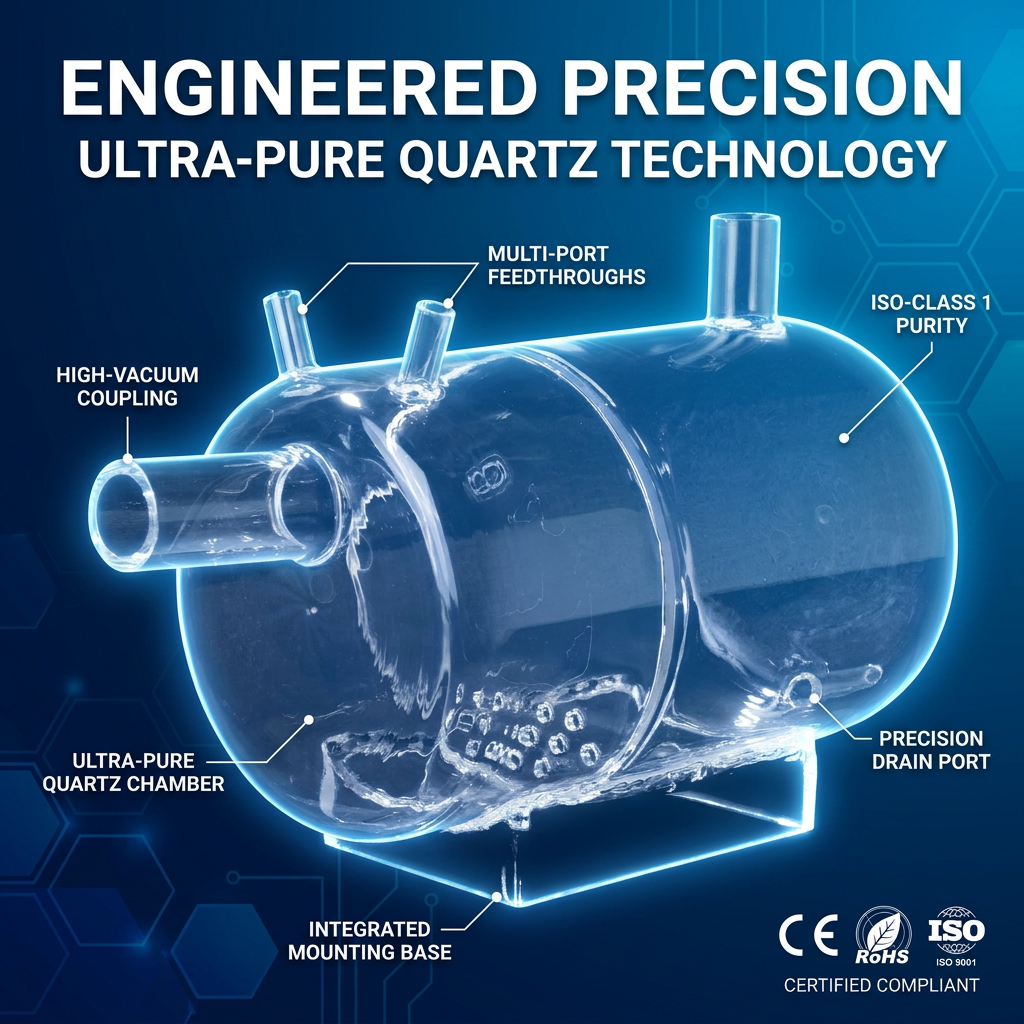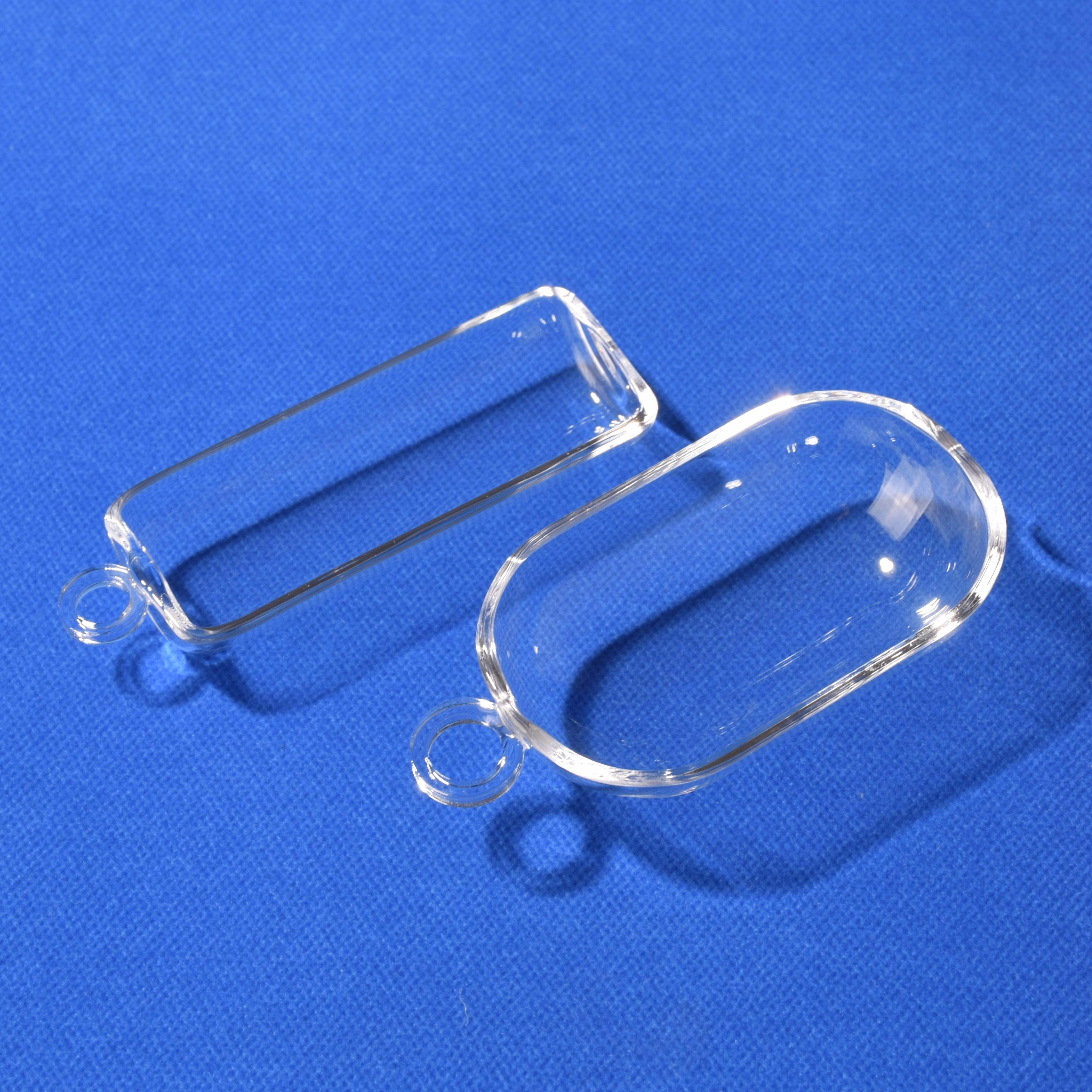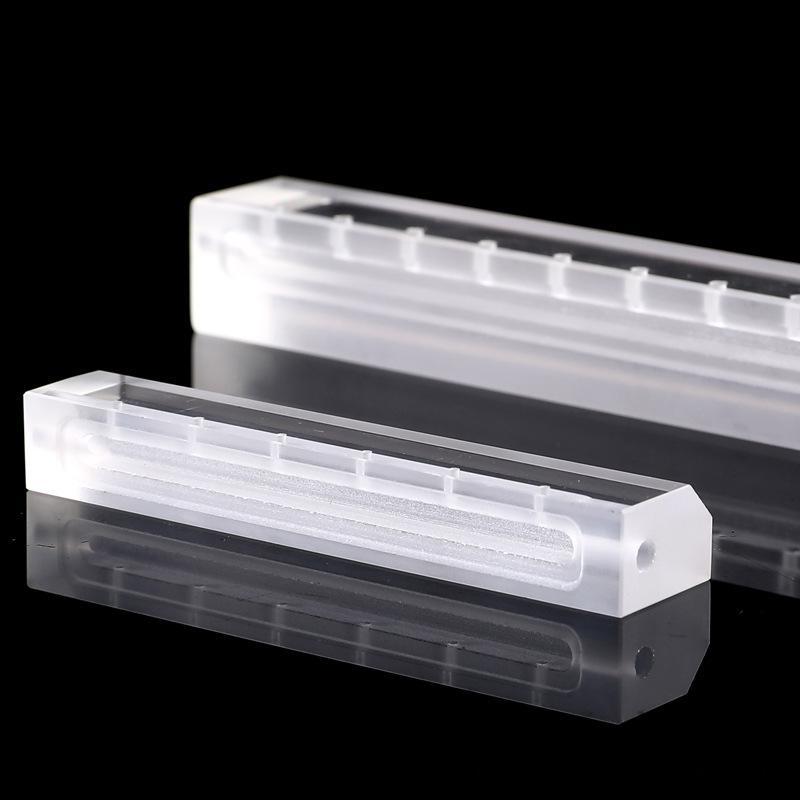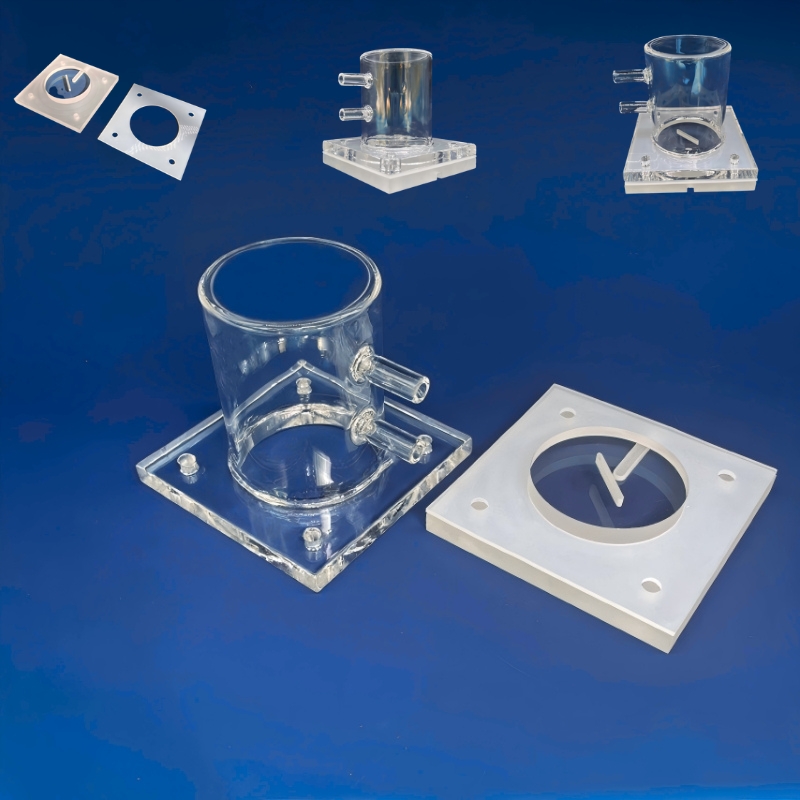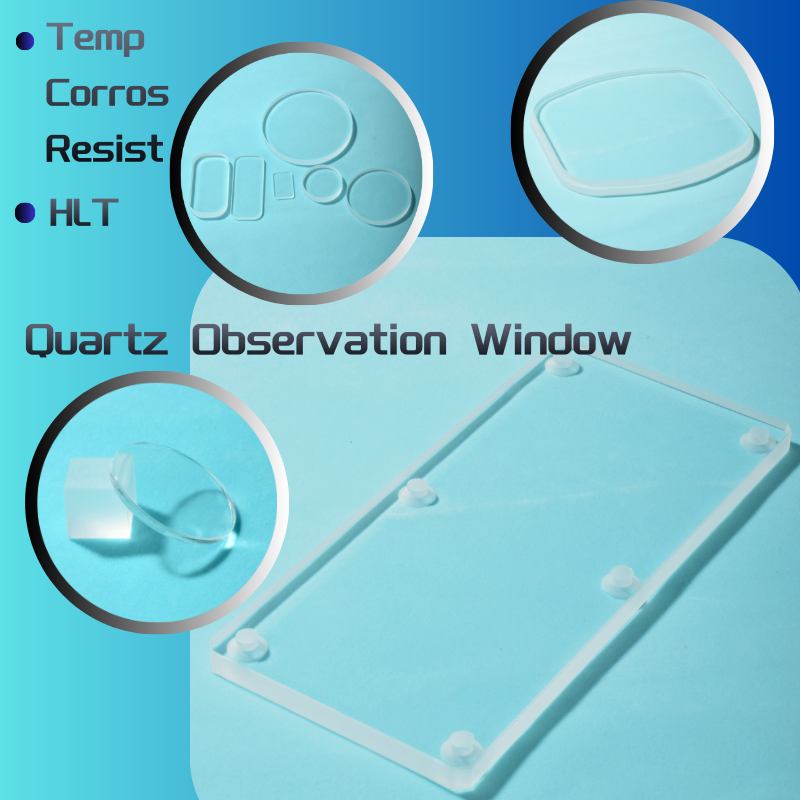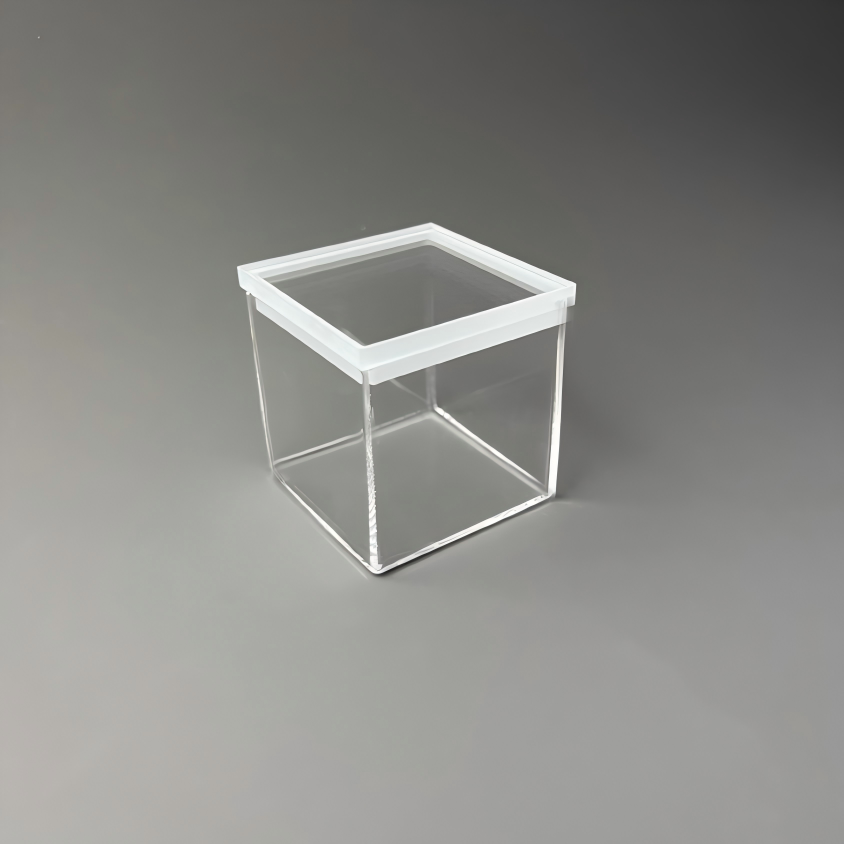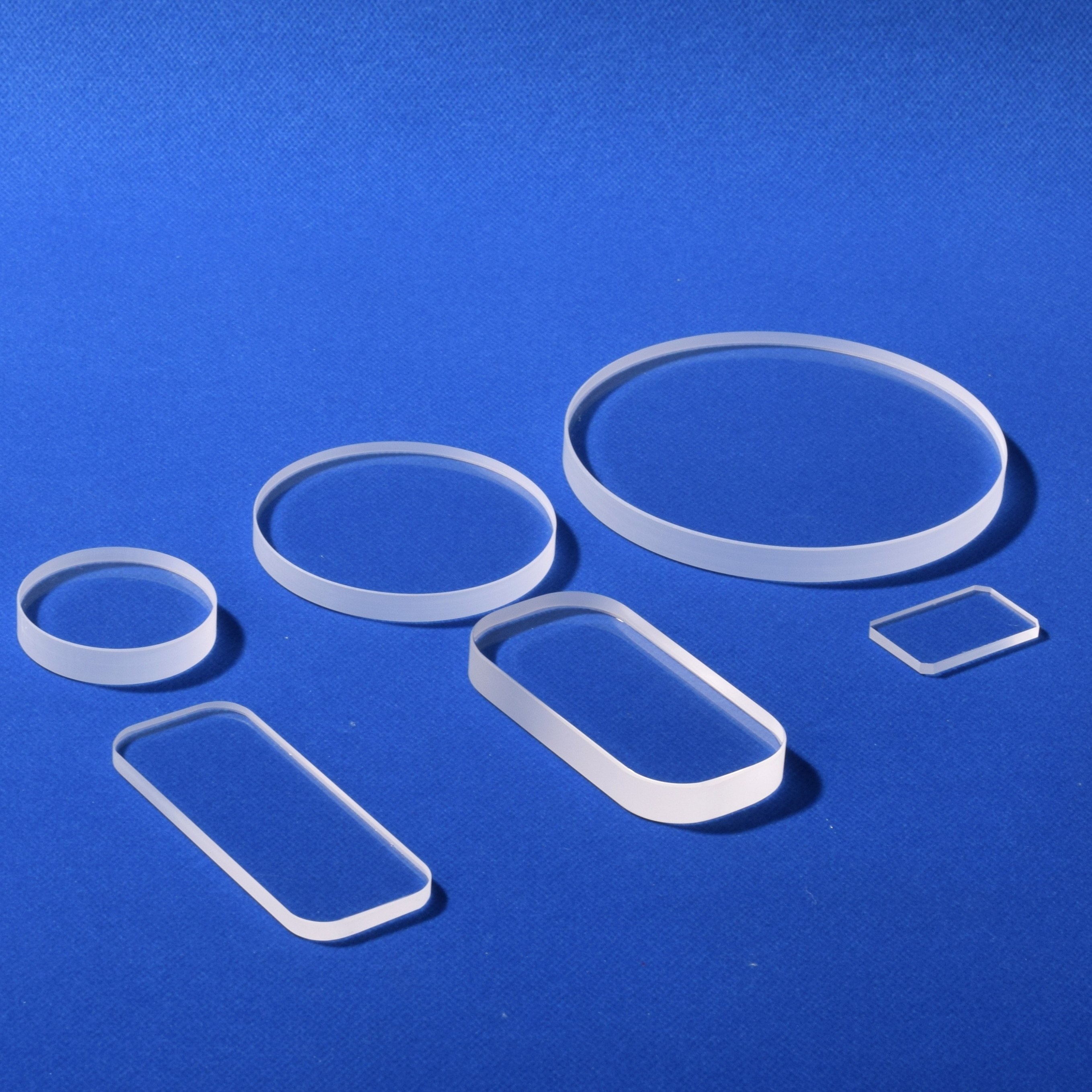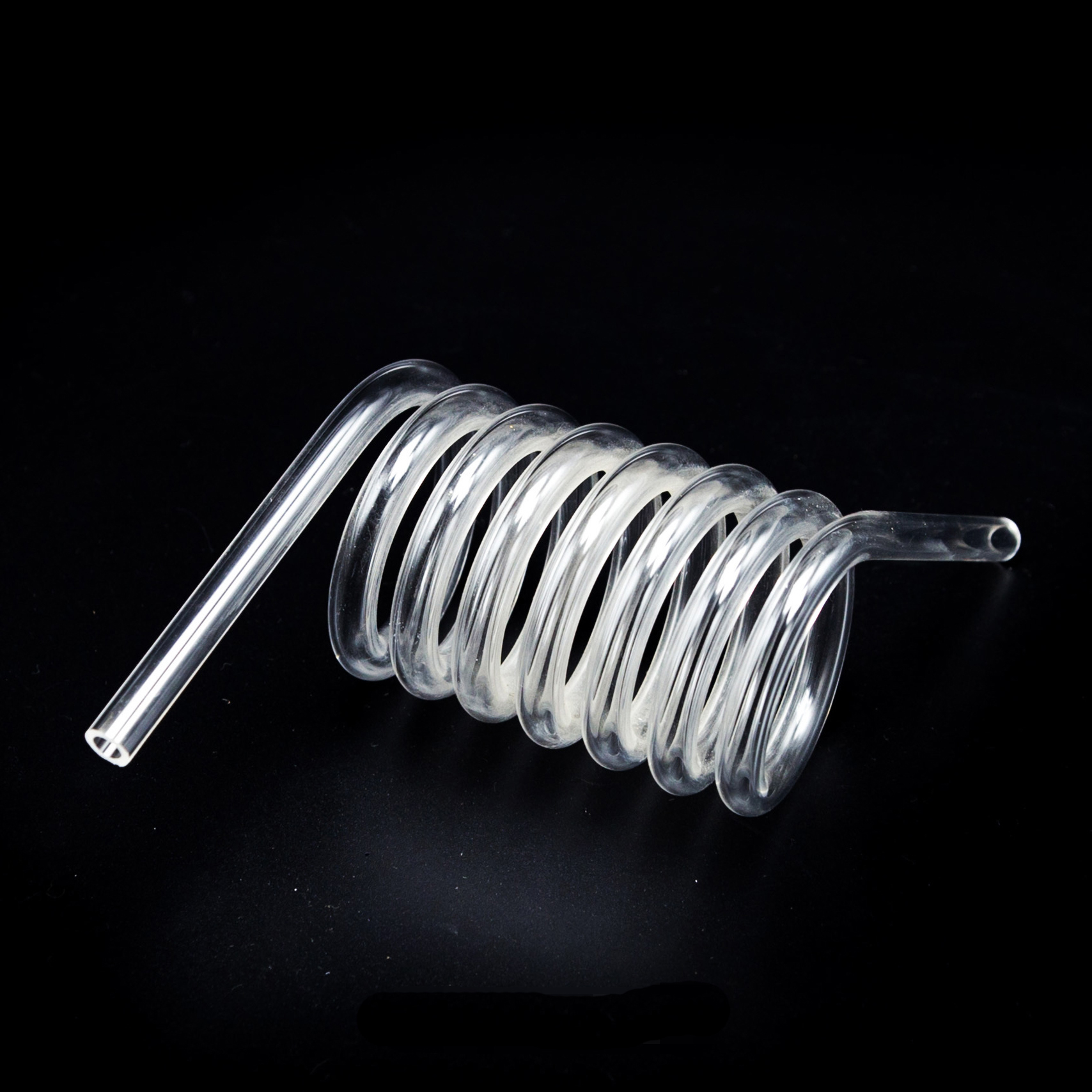
Select from our benchmark semiconductor-grade tubes, optical test windows, photochemical reactors, and thermal processing boats. All components undergo stringent ICP-MS elemental impurity screening and optical birefringence validation.
Headquartered in Donghai County—the globally recognized Crystal Capital of China—Lianyungang Vulra Quartz Products Co., Ltd. combines raw feedstock vertical integration with certified precision glass lathe craftsmanship.
Situated within China's primary high-purity quartz reserves, our direct mine-to-furnace integration delivers consistent raw batch purity, eliminating intermediate broker margins and securing predictable delivery lead times for large-scale industrial orders.
We are an authenticated on-site inspected manufacturer holding valid CE and RoHS compliance certifications. International buyers receive third-party audited documentation verifying workshop dimensions, machine tool capacity, and production integrity.
Our plant houses continuous oxy-hydrogen thermal processing lathes alongside sub-micron CNC cold cutting, slotting, ultrasonic drilling, surface grinding, and laser beveling cells. Components transition seamlessly from raw cylinder to finished sub-assembly.
Our application engineering team performs finite-element wall stress reviews on every client-submitted CAD drawing (STEP, DWG, DXF). We gladly accommodate 1-piece custom pilot orders to help R&D teams qualify prototypes prior to committing to volume production.
High-purity quartz requires museum-grade transit protection. We employ custom vacuum-sealed cleanroom bagging, form-fitting expanded polyethylene (EPE) shock dampeners, and heavy-duty ISPM-15 export wooden crates engineered for zero-breakage air and ocean transport.
Selecting the optimum high-purity silica substrate requires a thorough understanding of operating temperatures, radiation spectra, and ionic contaminant thresholds. Natural fused quartz is created by electro-thermal or flame fusion of ultra-pure natural quartz crystal sand (such as Donghai grade silica). Synthetic fused silica (FS), conversely, is manufactured via the chemical vapor deposition (CVD) or gas-phase hydrolysis of high-purity silicon tetrachloride (SiCl₄) precursors.
While natural quartz delivers unmatched structural resistance to high-temperature deformation and sagging at 1100°C–1200°C (due to lower structural OH hydroxyl content), synthetic silica provides extraordinary deep-UV transmission down to 193 nm and near-zero trace heavy metal content. Review the critical physical constants and purity specifications below:
| Physical / Chemical Property | Standard Semiconductor Fused Quartz | Ultra-Purity Optical Fused Silica | Ozone-Free Doped Silica |
|---|---|---|---|
| Chemical Purity (SiO₂ Content) | ≥ 99.995% to 99.999% | ≥ 99.9999% (Electronic Grade) | ≥ 99.99% (Titanium Doped) |
| Hydroxyl (OH⁻) Concentration | < 5 ppm to 30 ppm (Dry) | 100 ppm – 1200 ppm (Wet CVD) | < 20 ppm |
| Softening Point (°C) | 1683 °C | 1585 °C – 1620 °C | 1670 °C |
| Annealing Point (°C) | 1215 °C | 1140 °C | 1200 °C |
| Coefficient of Thermal Expansion (CTE) | 5.5 × 10⁻⁷ / °C (20°C–320°C) | 5.2 × 10⁻⁷ / °C | 5.6 × 10⁻⁷ / °C |
| Deep UV Transmittance (185 nm - 254 nm) | Moderate (Cutoff at ~220 nm) | > 90% at 193 nm (High Excimer Grade) | Zero (185 nm blocked to avoid O₃) |
| Dielectric Strength (kV/mm at 20°C) | 25 – 40 kV/mm | 45 – 50 kV/mm | 25 – 35 kV/mm |
Thermal Shock Dynamics: Fused silica's remarkably low coefficient of thermal expansion makes it virtually immune to thermal breakage. A standard Vulra quartz disc heated to 1100°C can be repeatedly immersed into ice-cold water (0°C) without micro-crack propagation or catastrophic structural failure, making it the premier choice for plasma-assisted deposition chambers and high-temperature furnace tubes.
As semiconductor fabrication geometries push below 3nm and high-efficiency solar architectures scale, procurement directors must adapt to these crucial industry supply chain movements.
Advanced dry etch and atomic layer deposition (ALD) chambers generate aggressive fluorine/chlorine plasma that erodes standard quartz, releasing trace metallic particulates. Sourcing specifications are shifting towards synthetic quartz rings with combined aluminum and iron thresholds under 0.1 ppm to protect wafer yields.
N-type TOPCon and heterojunction solar cell architectures require larger wafer dimensions (M10/G12), demanding low-sag horizontal diffusion tubes exceeding Ø500mm to Ø800mm. Buyers are prioritizing quartz formulations with lower hydroxyl content to prevent high-temperature sagging across 12-month furnace campaigns.
Accelerating investment in solar-to-hydrogen synthesis is sparking unprecedented demand for optical-grade double-walled quartz reactors. Sourcing managers are seeking suppliers capable of combining vacuum ground joints, high UV-C transmission, and extreme chemical corrosion resistance under elevated pressures.
Procurement teams are actively replacing non-manufacturing trading intermediaries with verified factories possessing verifiable on-site raw sand purification and computerized annealing logs. Traceability from mine source to verified packaging is becoming a mandatory requirement for Western aerospace and semiconductor vendors.
Direct technical answers from Vulra Quartz production engineers to address your chemical, thermal, tolerance, and logistics questions.
Speak directly with our Donghai factory technical team. Upload your custom tube, container, optical window, or furnace boat specifications for immediate engineering review, competitive pricing, and guaranteed prototype delivery from 1 piece.