Precision Quartz Capillary & Glassware Solutions
Engineered to withstand extreme operating conditions up to 1450°C. Fully compliant with CE and RoHS standards with micron-level dimensional tolerances.

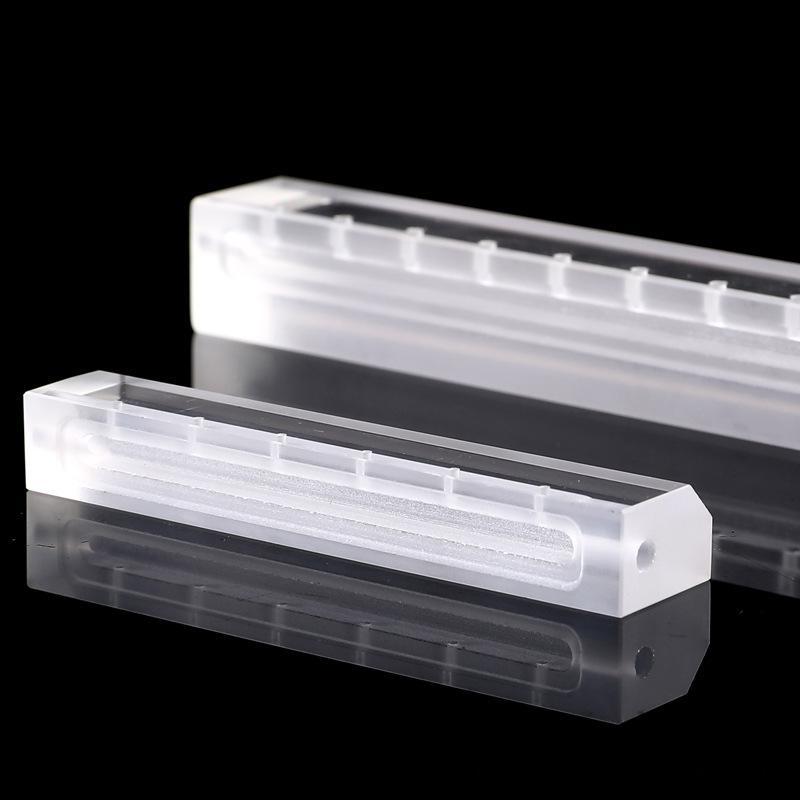
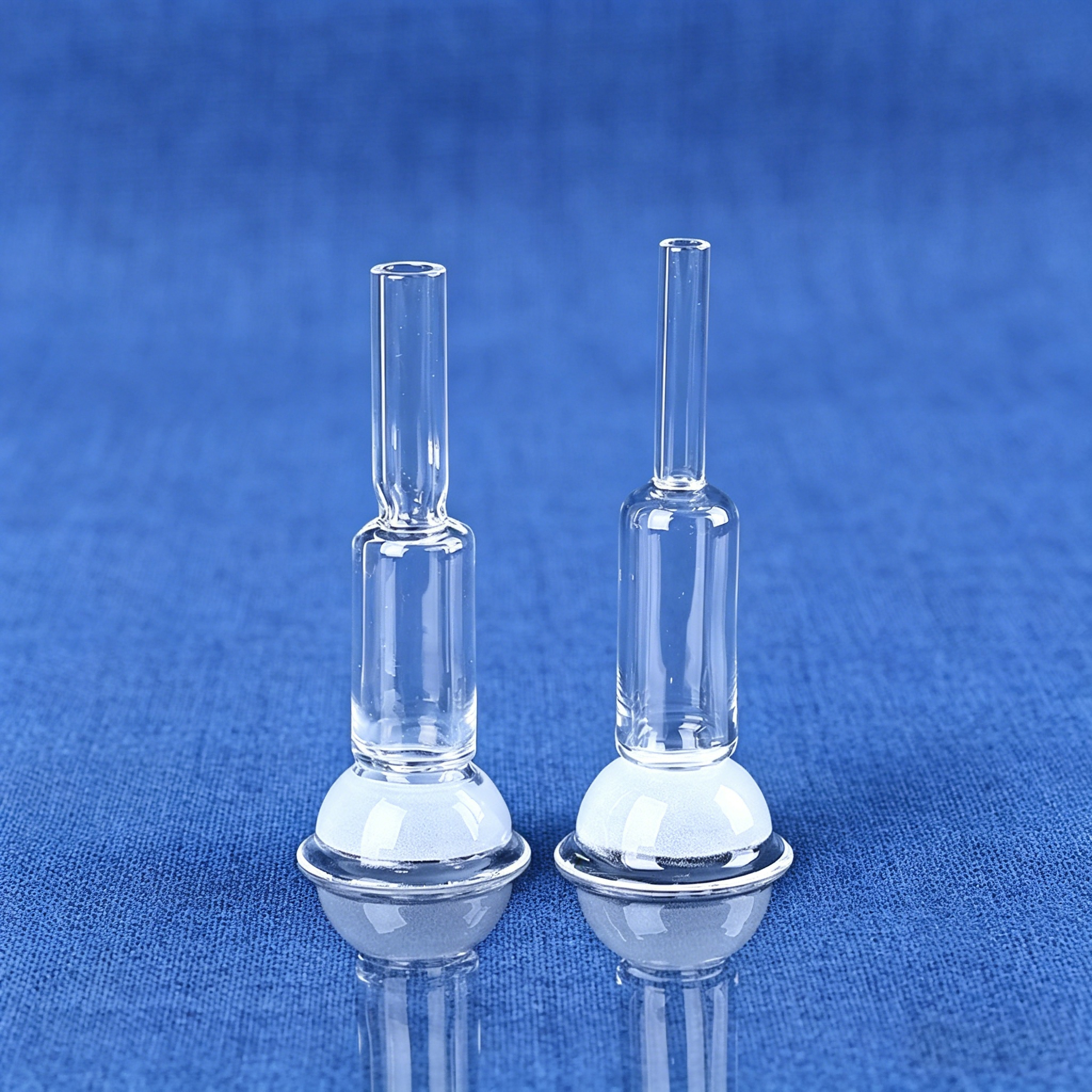
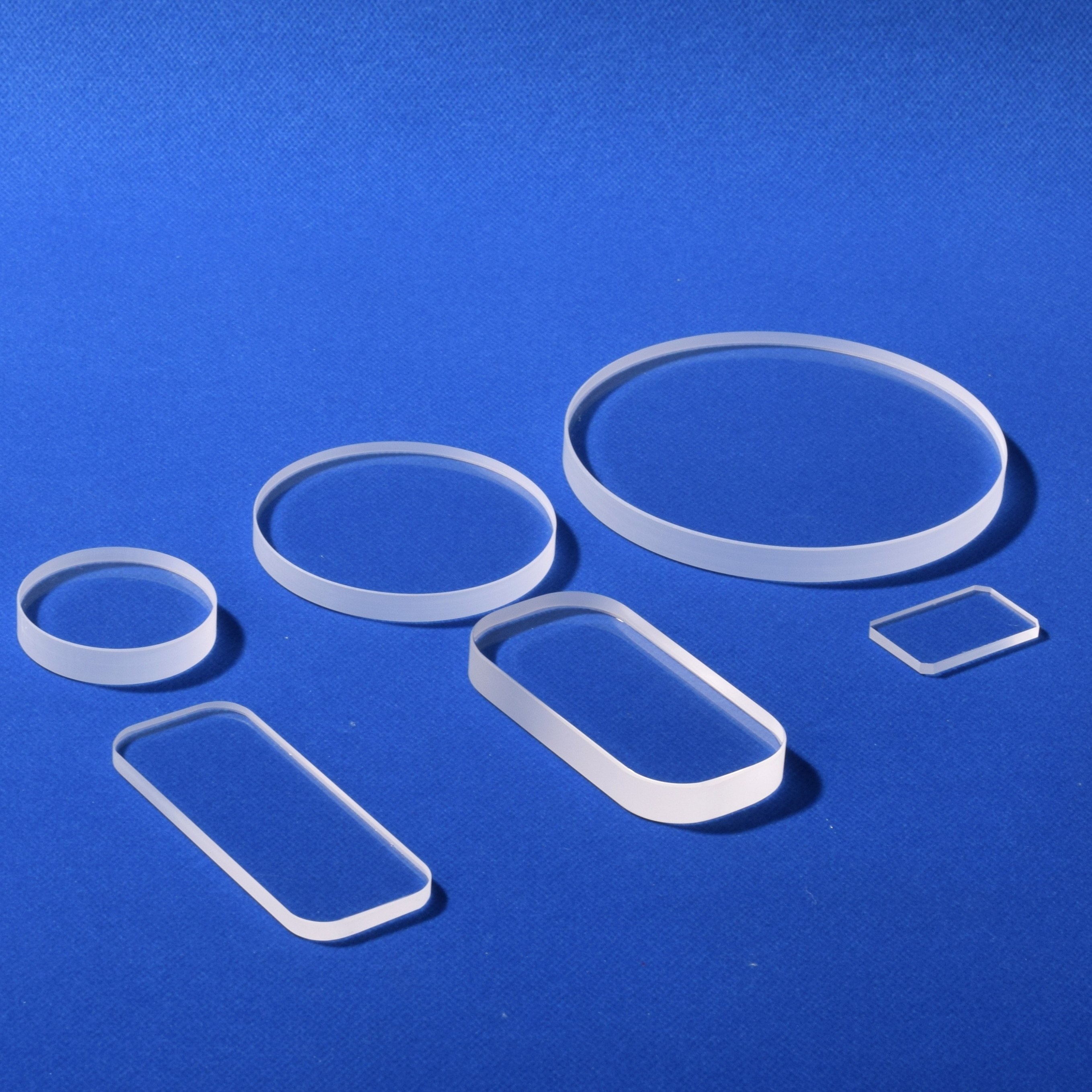
1. Technical Engineering Benchmark: Fused Quartz Micro-Capillary Tubing
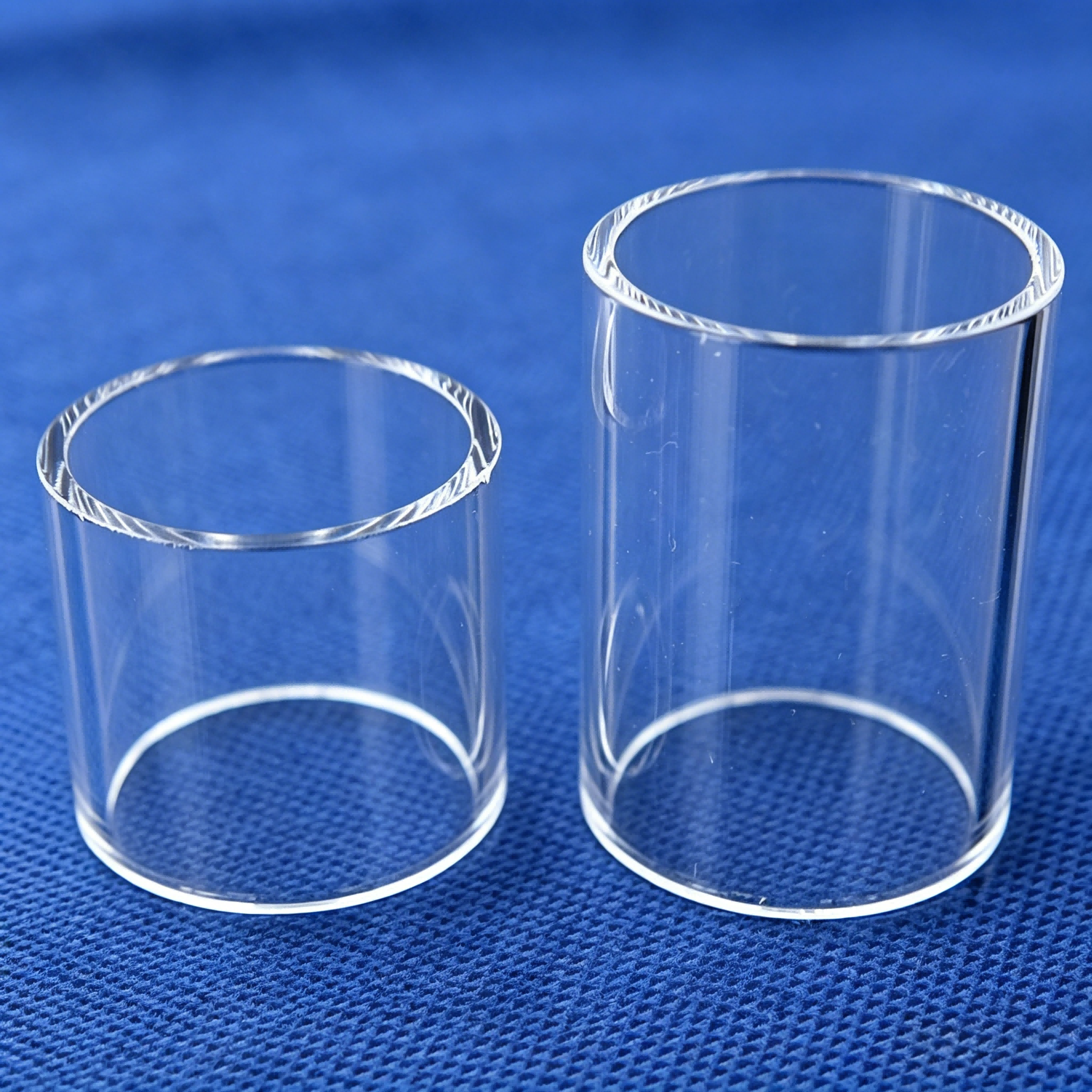
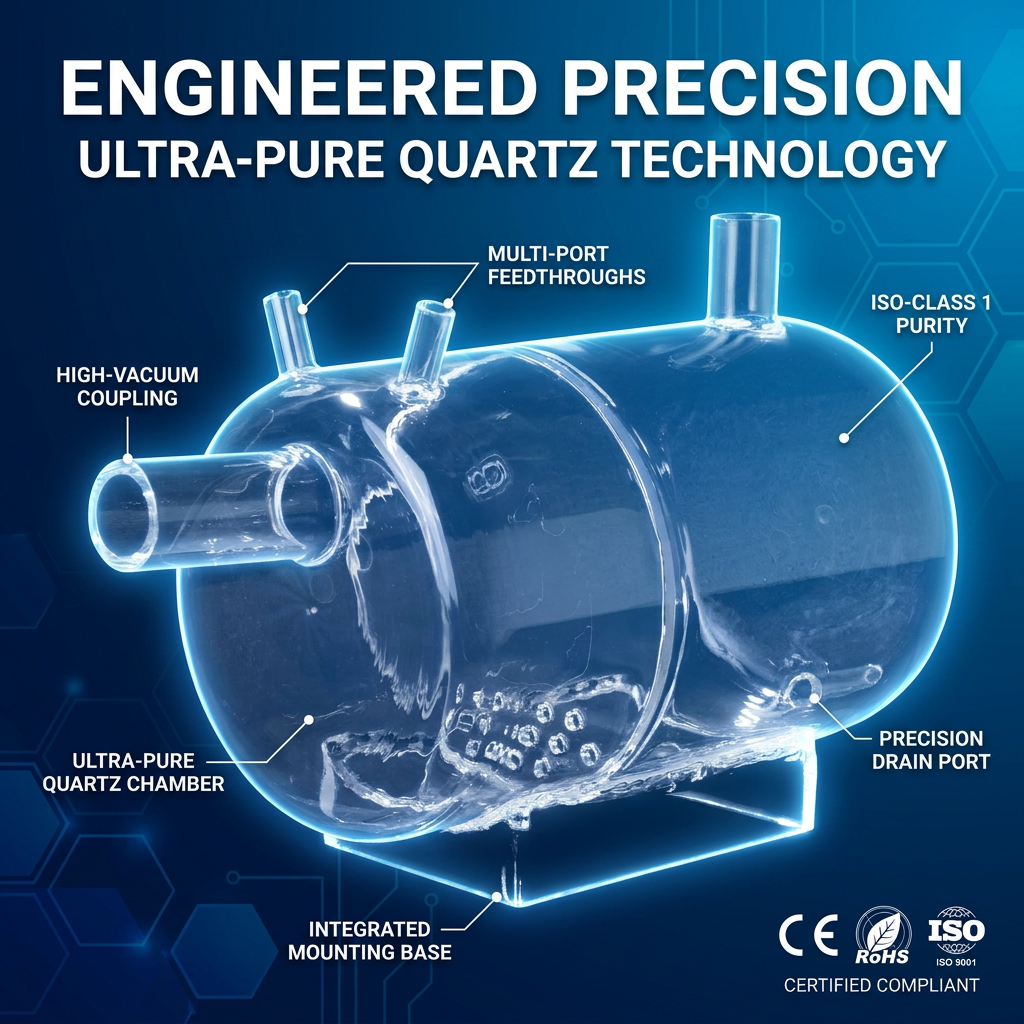
Precision quartz capillary tubes represent a vital category of ultra-pure silica glass components utilized across high-reliability industries. Manufactured primarily from high-purity natural quartz sand ($SiO_2 \ge 99.99\%$) or chemical synthetic precursors ($SiO_2 \ge 99.999\%$), these micro-bore tubes feature inner diameters (ID) ranging from sub-millimeter scales ($0.05\text{ mm}$) to customized multi-millimeter profiles. Engineered for demanding thermal, optical, and chemical environments, quartz capillaries act as non-reactive conduits in analytical chemistry, semiconductor wafer processing, optical fiber sleeving, and medical diagnostics.
From an engineering perspective, the structural stability of silica glass under thermal strain stems from its strong three-dimensional silicon-oxygen tetrahedral network. As certified suppliers, Lianyungang Vulra Quartz Products Co., Ltd. applies precise oxy-hydrogen flame drawing and precision cold-machining protocols to control bore concentricity and prevent micro-strains during production.
Material Spectrum & Chemical Performance Specifications
| Property Parameter | Natural Fused Quartz Capillaries | Synthetic Fused Silica Capillaries | Standard Borosilicate Glass (Baseline) |
|---|---|---|---|
| SiO₂ Content Purity | 99.99% – 99.994% | ≥ 99.999% (Type III/IV) | ~81% |
| Continuous Service Temperature | 1100°C | 1200°C | 450°C |
| Maximum Peak Strain Temp (Short-term) | 1450°C | 1550°C | 580°C |
| Softening Temperature Point | 1683°C | 1710°C | 820°C |
| Thermal Expansion Coefficient (20–300°C) | $5.5 \times 10^{-7} / \text{°C}$ | $5.2 \times 10^{-7} / \text{°C}$ | $33 \times 10^{-7} / \text{°C}$ |
| UV Transmittance Range (T%) | ≥ 85% at 220nm–2500nm | ≥ 90% at 185nm (Deep UV) | Opaque below 300nm |
| Hydroxyl (OH⁻) Trace Concentration | 5 ppm – 150 ppm (Grade Dependent) | < 5 ppm (Low-OH) / > 1000 ppm (High-OH) | N/A |
The absence of alkali metal ions (such as $Na^+$, $K^+$, $Ca^{2+}$) in our CE-certified quartz capillaries prevents ionic contamination in semiconductor plasma chambers and high-performance liquid chromatography (HPLC) columns. Furthermore, quartz demonstrates complete chemical immunity to almost all organic solvents, concentrated acids (including $HNO_3$, $H_2SO_4$, $HCl$), and aqua regia at elevated temperatures. Only Hydrofluoric Acid ($HF$) and Phosphoric Acid ($H_3PO_4$) above 150°C etch the silica backbone.
Enterprise Authority: Lianyungang Vulra Quartz Products Co., Ltd.
Located in Donghai County, Jiangsu Province—recognized globally as the primary crystal and quartz processing hub—Vulra Quartz operates a fully integrated manufacturing facility spanning raw material purification, thermal drawing, cold fabrication, and cleanroom acid cleaning.
TÜV Rheinland Verified
Independently audited and verified on-site by TÜV Rheinland. Production capacity, operational authenticity, and international OEM/ODM manufacturing workflows are fully accredited.
CE & RoHS Certification
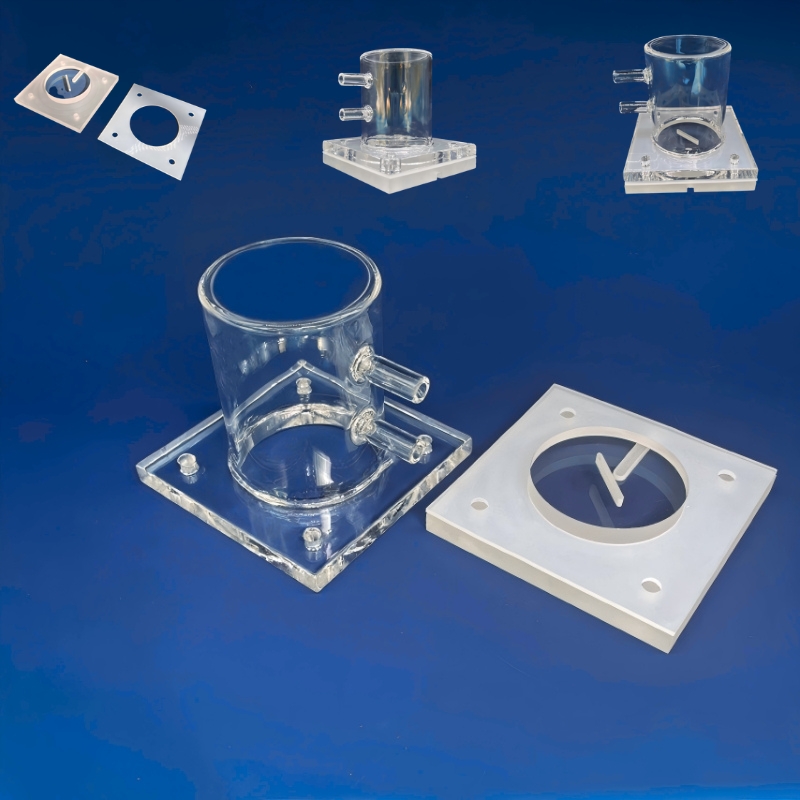
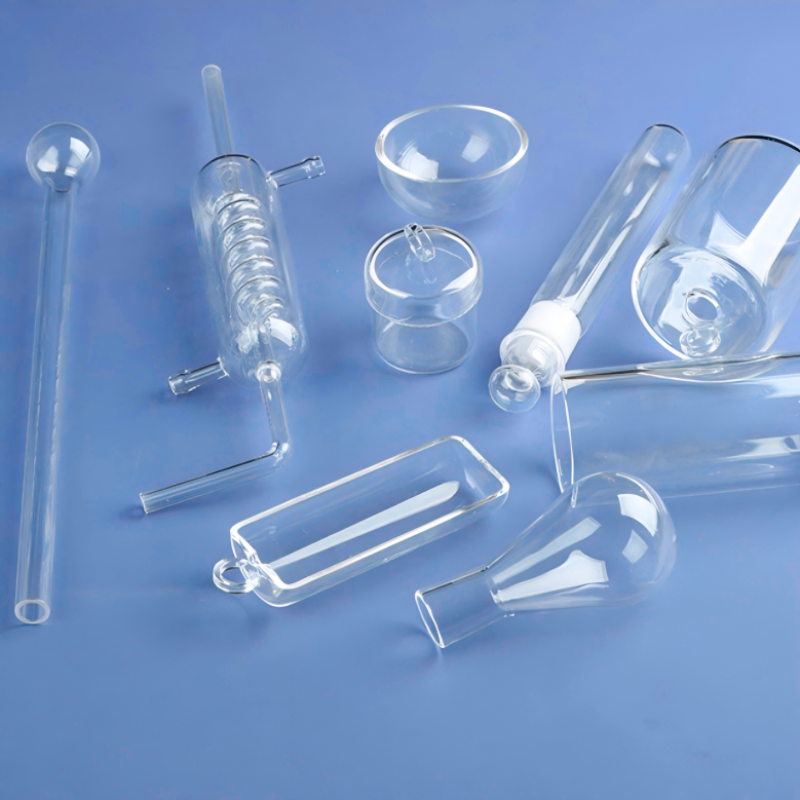
Our quartz capillary tubes, furnace boats, and custom lab glassware strictly comply with European Union directives (CE mark) and RoHS heavy metal restriction standards.
Drawing-to-Part Customization
From single-piece (1 pc MOQ) prototypes to high-volume manufacturing, our engineering team accepts standard CAD/PDF engineering drawings for precision micro-machining.
2. High-Precision Application Domains for Quartz Capillaries
Engineered quartz micro-tubing caters to diverse industrial and scientific sectors that demand uncompromising material purity, zero thermal distortion, and structural integrity. Below are the primary industrial intent profiles driving modern global procurement:
A. Analytical Chromatography & Electrophoresis
In Gas Chromatography (GC), High-Performance Liquid Chromatography (HPLC), and Capillary Electrophoresis (CE), quartz micro-capillaries serve as column shells and flow cells. The smooth inner surface finish reduces wall friction and sample adsorption, ensuring high resolution during pharmaceutical separation and gas purity testing.
B. Semiconductor & Photovoltaic Dosing Systems
During Chemical Vapor Deposition (CVD), Atomic Layer Deposition (ALD), and diffusion doping processes, quartz capillary tubes deliver dopant gases ($B_2H_6$, $PH_3$, $POCl_3$) directly into high-temperature reaction zones. Their thermal shock resistance eliminates the risk of tube rupture caused by localized thermal spikes.
C. Fiber Optics & Optoelectronic Component Packaging
Precision-bored fused silica capillaries act as pigtail ferrules, alignment sleeves, and splitters within optical communication networks. Micro-bore quartz sleeves protect optical fibers while maintaining matching coefficients of thermal expansion ($5.5 \times 10^{-7}/\text{°C}$), preventing micro-bending loss under wide temperature swings.
D. UV Photoreactors & Microfluidic Micro-Channels
Due to high UV transparency in the 185nm–254nm spectrum, ozone-free or synthetic quartz capillaries are widely applied in photolytic reactors for water purification, total organic carbon (TOC) analysis, and hydrogen production via UV photodegradation.
3. Future Procurement Trends & Technical Evolution (2025–2030)
As global industries transition toward sub-3nm semiconductor node manufacturing, ultra-sensitive biomedical microfluidics, and green hydrogen photocatalysis, the technical criteria for procuring quartz capillary tubes are evolving rapidly. Sourcing directors and precision optical engineers must evaluate the following four emerging trends:
1. Micro-Bore Dimensional Tightening & Geometric Customization
Traditional quartz capillary manufacturing permitted inner diameter tolerances of $\pm 0.05\text{ mm}$. Modern industrial automation requires sub-micron precision ($\pm 0.005\text{ mm}$ or tighter) for capillary bore diameter, wall thickness uniformity, and total indicator reading (TIR) concentricity. Sourcing teams are increasingly specifying multi-bore capillaries, non-circular geometries (rectangular, D-shaped, square bores), and tapered capillary nozzles produced through laser-assisted drawing benches.
2. Transition to Synthetic Silica for Deep-UV (DUV) and High-Laser Power Applications
While natural fused quartz remains cost-effective for general furnace and laboratory applications, the expansion of 193nm immersion photolithography and high-power UV laser delivery systems is driving demand for synthetic fused silica capillaries. Synthetic silica minimizes trace metallic impurities ($Fe, Al, Ti, Na$) to sub-ppm levels and eliminates bubble inclusions, preventing optical solarization and bubble-induced laser scattering over extended radiation cycles.
3. Integration of Advanced Cold-Machining & Stress-Relief Annealing
Procurement specifications now frequently mandate post-drawing secondary processing, such as precision diamond-wheel grinding, micro-drilling, mechanical edge polishing, and laser-fused end sealing. To guarantee that capillary tubes survive severe thermal shock without catastrophic cracking, Vulra Quartz employs automated thermal stress annealing furnaces to eliminate residual internal stresses before packaging.
4. Direct Factory Sourcing & Audited Supply Chain Resilience
Global disruptions have led engineering buyers to bypass intermediary traders in favor of verified manufacturers located directly in raw material production hubs. By working directly with factories in Donghai, buyers gain full material traceability, custom OEM/ODM drawing reviews, reduced lead times, and significant cost advantages without sacrificing quality assurance.
4. Technical Sourcing FAQ (Frequently Asked Questions)
Expert engineering insights regarding thermal limits, structural tolerances, hydrofluoric acid resistance, and custom manufacturing options.
What is the maximum working temperature and thermal shock limit of your quartz capillaries?
Our natural fused quartz capillary tubes operate continuously at temperatures up to 1100°C and can handle short-term peak thermal exposures up to 1450°C. The softening point occurs at approximately 1683°C. Due to their low coefficient of thermal expansion ($5.5 \times 10^{-7}/\text{°C}$), our capillary tubes can withstand abrupt thermal shocks—such as being dropped from 1000°C into room-temperature water—without shattering, provided the wall thickness is uniformly maintained.
What are the achievable dimensional tolerances for custom capillary inner/outer diameters?
For standard drawing profiles, outer diameter (OD) and inner diameter (ID) tolerances are maintained within $\pm 0.02\text{ mm}$ to $\pm 0.05\text{ mm}$. For ultra-precision applications (such as fiber optic sleeves or microfluidic nozzles), Vulra Quartz utilizes specialized precision drawing systems and laser gauging to achieve tight tolerances down to $\pm 0.005\text{ mm}$.
How do I select between Natural Fused Quartz and Synthetic Fused Silica capillaries?
Natural Fused Quartz is manufactured from purified natural quartz crystals ($SiO_2 \ge 99.99\%$). It offers excellent high-temperature resistance, thermal stability, and chemical purity at an economical cost—ideal for furnace tubes, semiconductor dopant lines, and standard lab quartzware. Synthetic Fused Silica ($SiO_2 \ge 99.999\%$) is synthesized chemically, resulting in near-zero trace metals and virtually no bubbles. Choose synthetic silica if your application involves Deep UV optics (below 220nm), high-power UV laser transmission, or sub-ppm semiconductor purity requirements.
What is an "Ozone-Free" quartz capillary tube and when should it be specified?
Standard quartz transmits short-wave ultraviolet light down to approximately 180nm, which converts ambient atmospheric oxygen ($O_2$) into ozone ($O_3$). An Ozone-Free quartz capillary is doped with trace elements (like Titanium) during melting to absorb UV wavelengths below 220nm. This eliminates 185nm UV radiation, preventing ozone creation in laboratory instruments, UV curing lamps, and heating equipment where ozone exposure poses health or equipment risks.
What is the minimum order quantity (MOQ) and sample lead time for custom drawn designs?
We support prototype development with a minimum order quantity starting from 1 piece for custom precision parts, furnace boats, and special capillary configurations. Standard sample lead times range from 3 to 7 working days following CAD drawing sign-off. Bulk orders are fulfilled through scalable production lines with customized export-grade packaging.
How does Lianyungang Vulra Quartz package fragile micro-tubes for long-distance export?
Export packaging is a key component of our quality control. Each capillary tube undergoes ultrasonic cleaning, acid bath preparation, and DI water rinsing before drying. Tubes are packed individually or in sealed bundles using anti-static shock-absorbing PE foam sleeves, placed in heavy-duty corrugated inner cartons, and secured inside custom-built wooden crates with reinforced corners to prevent damage during air or sea freight.
Request an Engineering Review & Quotation
Looking for a reliable CE-certified supplier for quartz capillary tubes, customized furnace boats, or semiconductor-grade glassware? Submit your 2D/3D CAD drawings or technical specifications directly to our engineering team.
- Direct factory-direct pricing from Donghai, China
- Drawing-to-sample turnaround in 3–7 business days
- Full traceability with TÜV Rheinland & CE compliance reports
- No rigid MOQs: prototype testing from 1 piece
Direct Inquiry Portal
Click below to activate our instant live consultation modal with our technical sales managers.
Inquire Now