Technical Whitepaper & Sourcing Digest Why Is Precision Quartz Crucial for BET Specific Surface Area Testing? The Technical Buyer's Complete Guide to BET Test Quartz Tube Selection, Trends, and OEM Sourcing
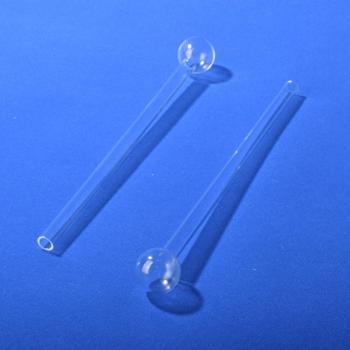
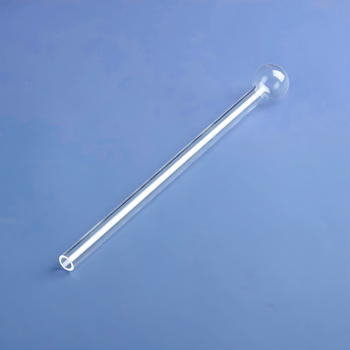
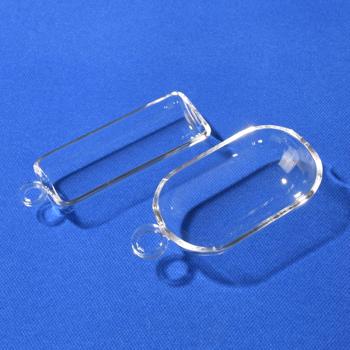
In physical chemistry, nanostructured engineering, and advanced porous material synthesis, the Brunauer-Emmett-Teller (BET) specific surface area test constitutes an indispensable analytical cornerstone. Whether characterizing high-capacity lithium iron phosphate (LFP) cathode powders, silicon-carbon composite battery anodes, activated carbon supercapacitors, metal-organic frameworks (MOFs), or fluid catalytic cracking (FCC) catalysts, analytical repeatability hinges upon one vital consumable: the BET Test Quartz Tube (commonly designated as a BET sample cell, degassing quartz bulb, or gas sorption sample cell).
Modern volumetric gas sorption analyzers quantify specific surface area, pore volume, and pore size distribution by calculating infinitesimal variations in gas adsorption (principally cryogenic nitrogen at 77.3 K, argon at 87.3 K, or carbon dioxide at 273 K). During this microbalance calculation, the mechanical integrity, thermal stability, volumetric consistency, and background cleanliness of the sample tube directly determine whether the isotherm reaches rigorous thermodynamic equilibrium or produces false hysteresis loops.
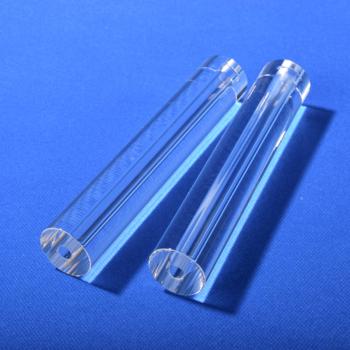
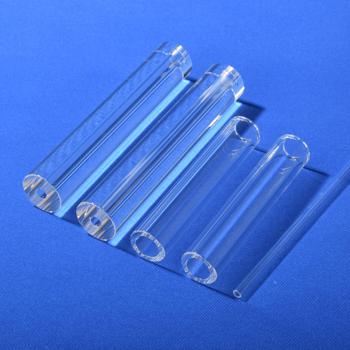
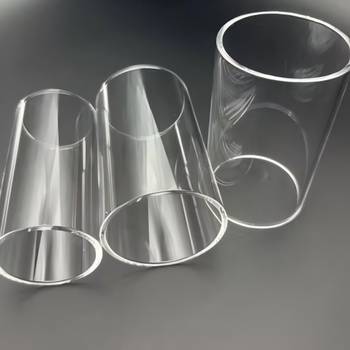
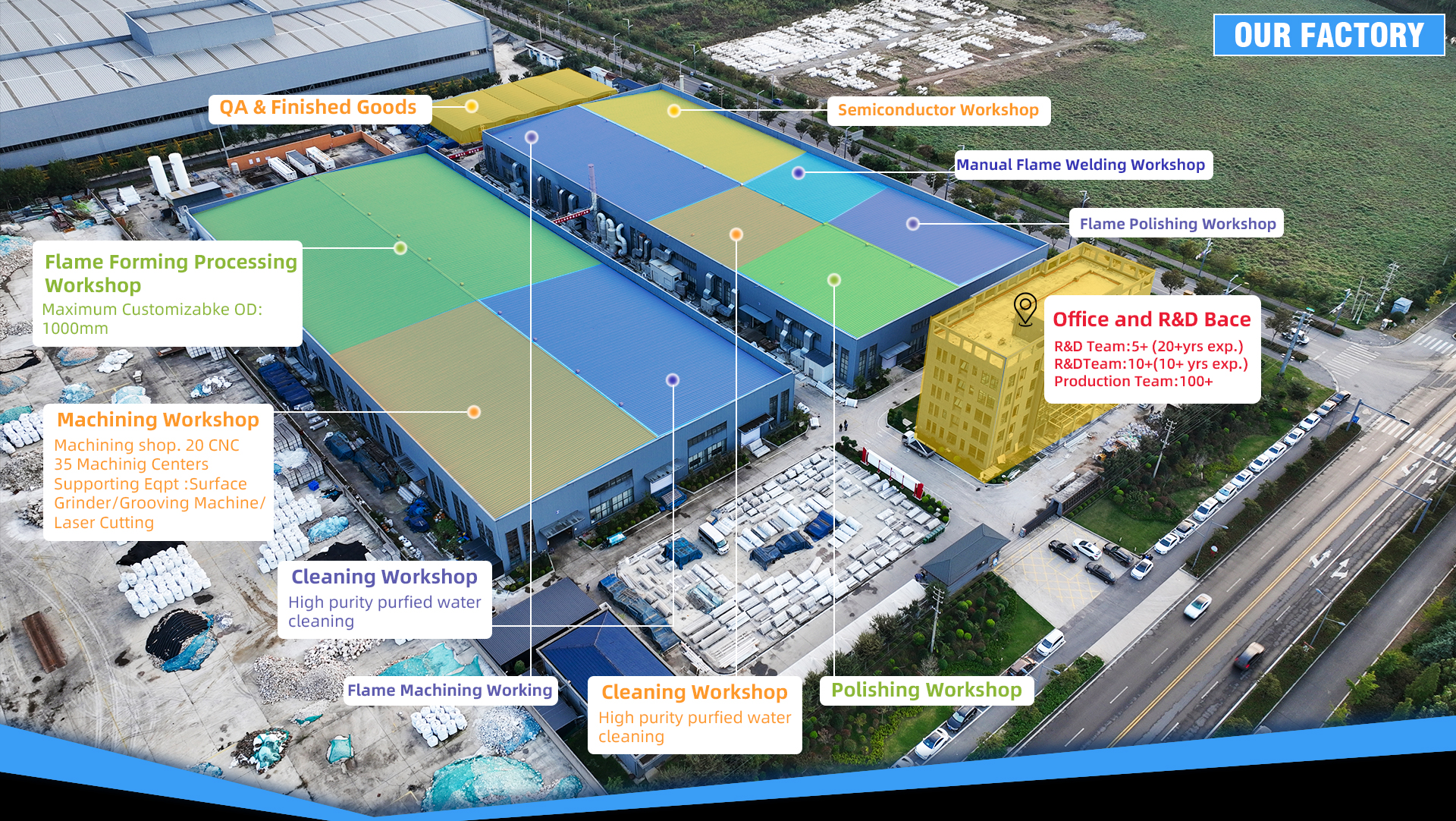
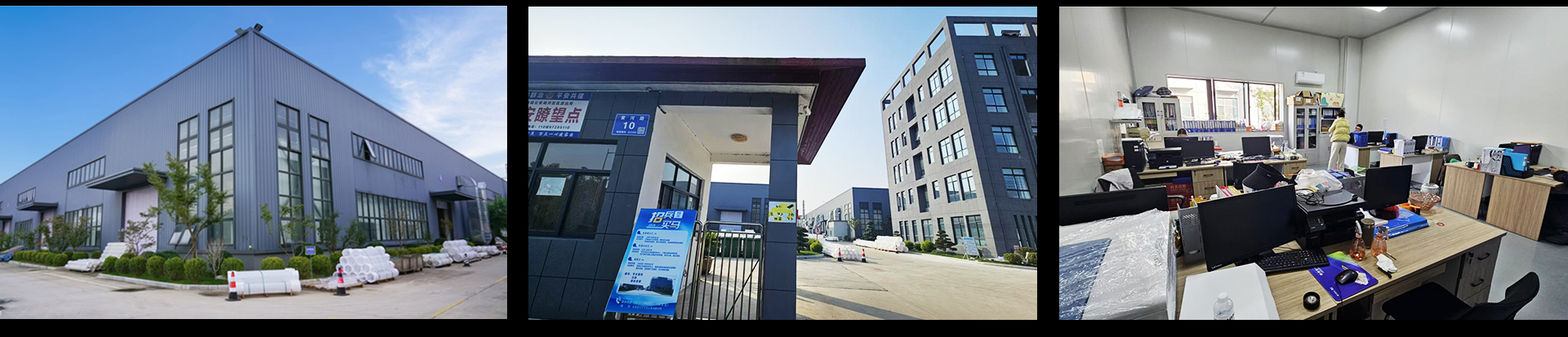
Global procurement teams and laboratory research directors face recurring friction points: premature tube fracture during rapid sub-ambient liquid nitrogen immersion, helium free-space calibration errors caused by loose stem bore tolerances, baseline drift triggered by trace outgassing from low-grade glass, and exorbitant lead times for branded OEM replacements. Lianyungang Vulra Quartz Products Co., Ltd. resolves these operational bottlenecks through direct factory engineering, manufacturing 99.99% to 99.999% pure fused silica BET sample tubes from Donghai—the global hub of high-purity quartz raw material.